

The Etymotic ER4XR is a single balanced armature in-ear monitor, currently available for around 299 USD excluding tax.
Released in 2016, it serves as the flagship of Etymotic’s XR (eXtended Response) series, offering a slightly boosted low end compared to the “studio” versions. Since its debut, the ER4XR has earned a strong reputation—but does it still hold up nine years later?

MAIN TAKEAWAY
- Lean yet well-extended bass
- Crisp mids and highs
- Extremely small and light
- Ergonomics not for everyone, especially with the deep-insertion design being a key selling point
- More appealing for professional use than for casual or audiophile listening

ETYOMIC ER4XR SPECIFICATIONS
- Driver: Single balanced armature
- Impedance: 45 Ohms
- Sensitivity: 98 dB/mW
- Maximum Output (SPL): 122 dB
- Frequency Response: 20 Hz – 16 kHz
- Noise Isolation: 35dB using silicone ear tips, 42dB using foam ear tips
- Cable: 5 feet with 3.5mm jack
- Detachable MMCX connectors
- User Replaceable ACCU-Filters
- Warranty: 2 Years
- Custom-fit option available
IN THE BOX
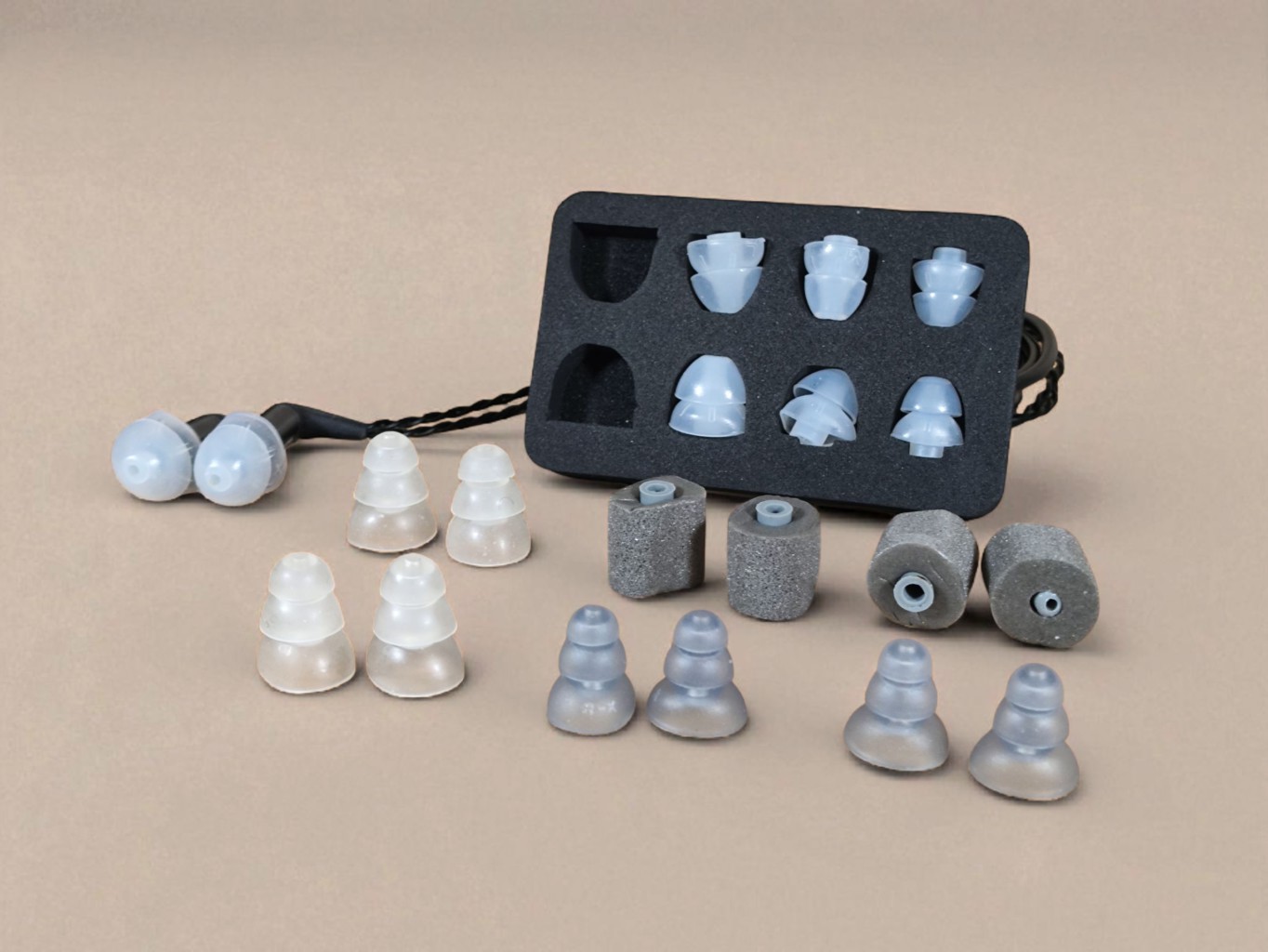
- Eartips: 4 dual flange silicone pairs: S, M, L, XL – 2 Triple Flange Pairs: M and L – 2 foam pairs (one size)
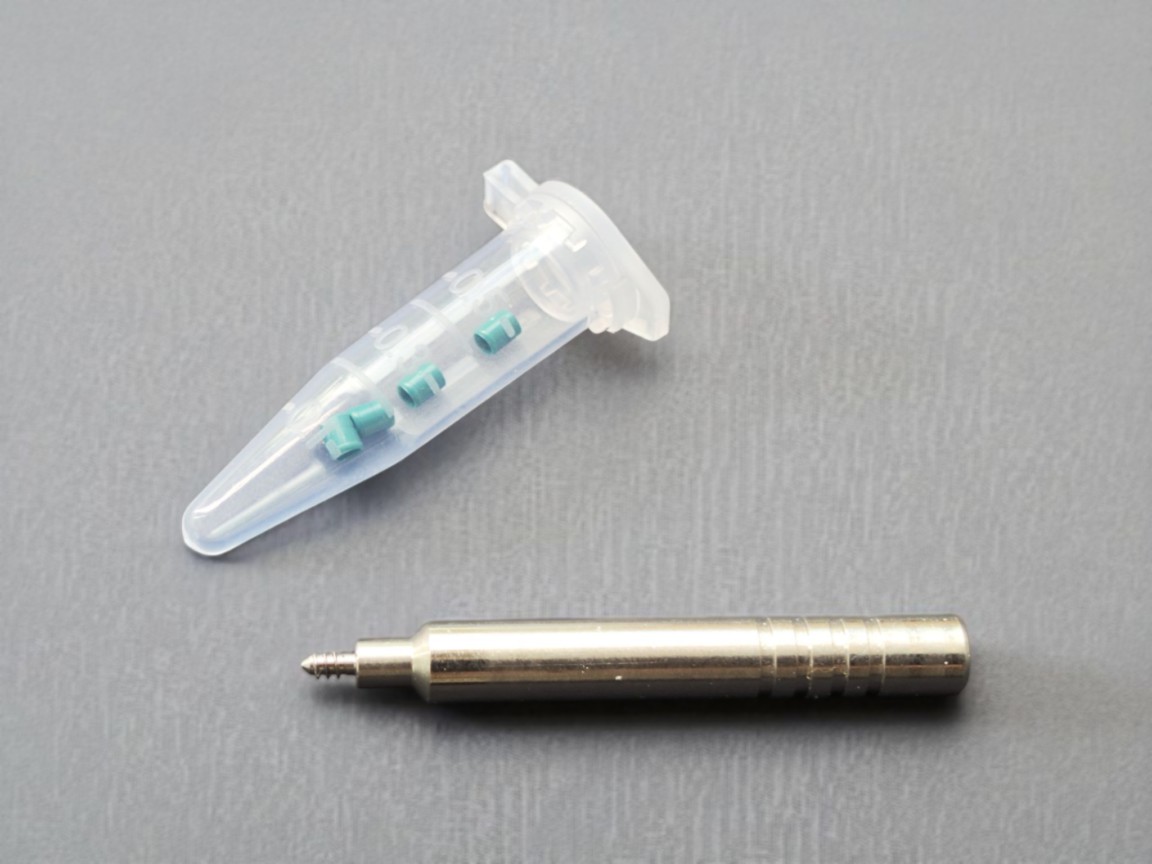
- Filter removal tool and replacement filters
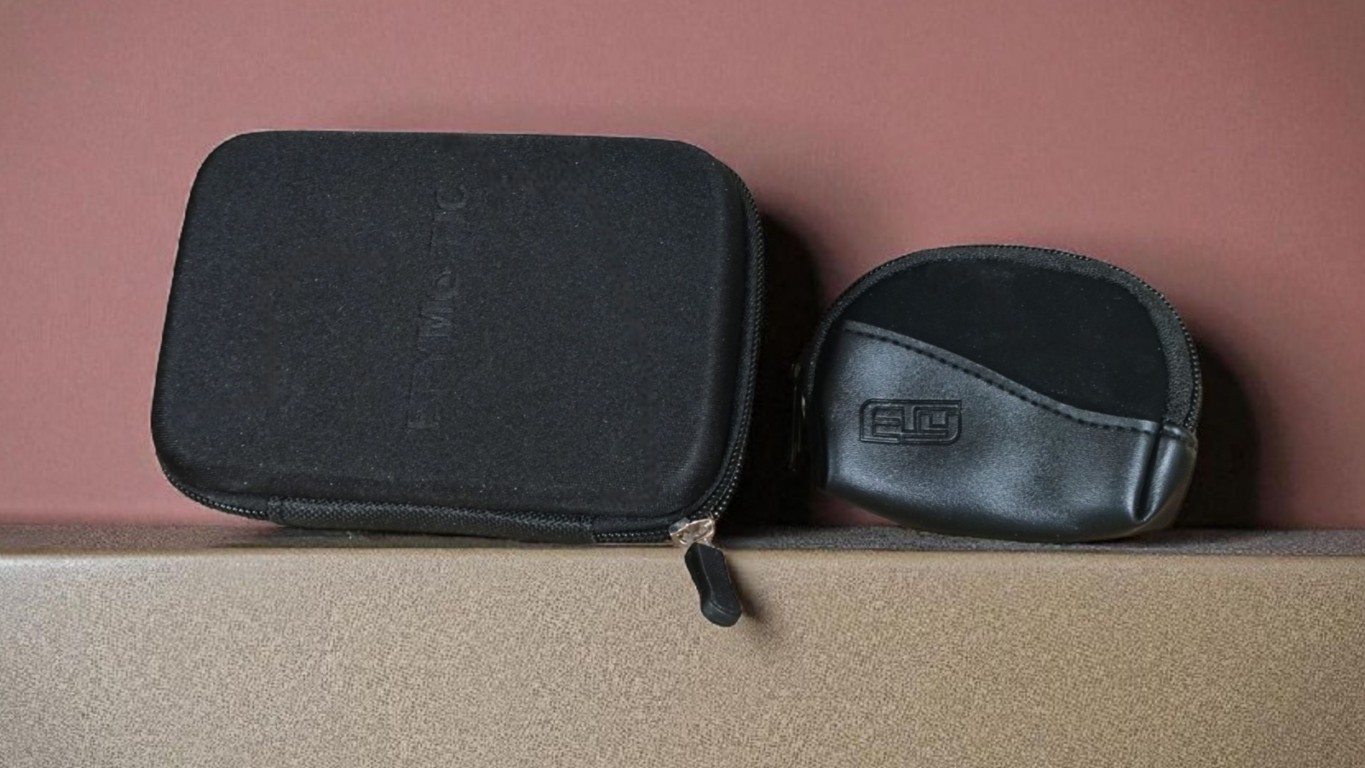
- Zippered storage case, pouch, shirt clip
Current price and availability
- Amazon: Etymotic ER4XR
- Etymotic: ER4XR

NEUTRAL TUNING
Before we go any further, a few words on the tuning. Neutral tuning is a debated topic with many opinions, but it generally refers to a balanced, accurate sound without boosting bass, mids, or treble — aiming to reproduce audio “exactly as it was recorded”.
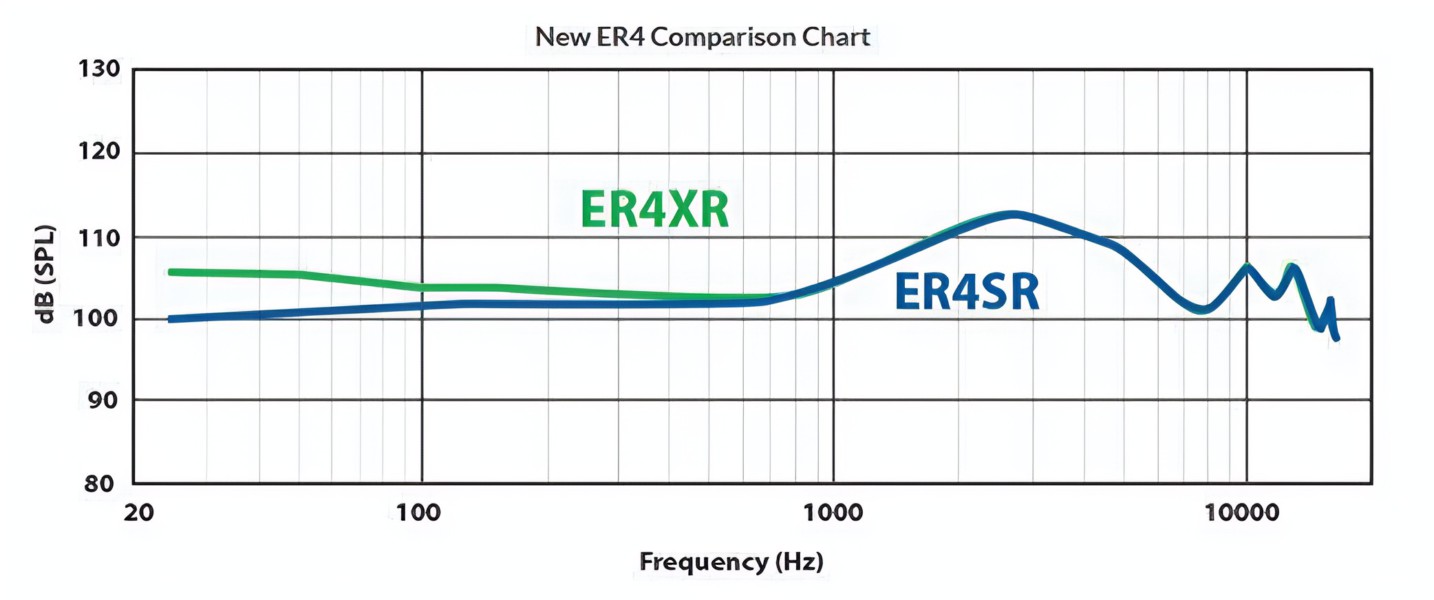
Etymotic’s approach strives for linearity to match the recording, rather than mimicking the sound of a live performance. However, even the ER4XR only measures flat below 1 kHz; above that, there’s an intentional boost between 1 kHz and 6 kHz to account for how our ears perceive sound. You could spend a lifetime exploring how these factors interact and what truly defines “neutral,” so I won’t attempt to do anything here but scratch the surface.
First, a graph showing the difference between the ER4XR and the “studio”-tuned sibling, the ER4SR:
You can also check out Crinacle’s graph here to see an independent measurement and also read more about measurements in general.
When discussing frequency response and tuning, it’s impossible not to mention the “Harman curve,” which has greatly influenced the modern tuning of earphones. This curve is based on the subjective preferences of a selection of listeners aiming to make headphones and IEMs sound as natural as possible. I found a helpful illustration on this JazzTimes article—hopefully they won’t mind me sharing it:
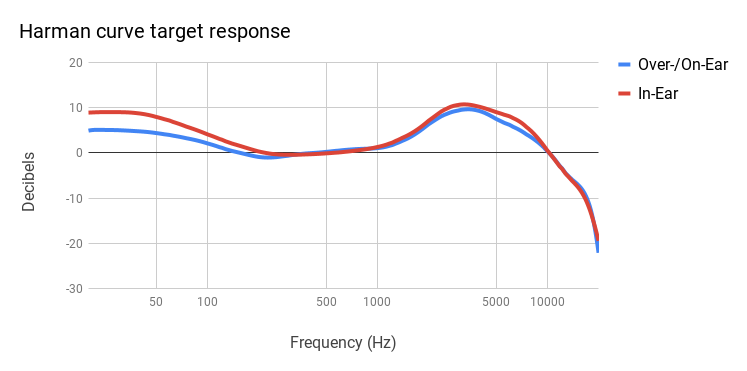
As shown, the Harman curve features a bass lift and a bump above 1 kHz. The Etymotic ER4XR mostly skips the bass lift but retains that bump above 1 kHz.
When considering what “neutral” sound truly means – what is genuinely “true to the recording” – one key question arises: how can you really know what that recording sounded like on the gear used to mix and master it? You can’t.
Actually, all speakers, headphones and IEMs emphasize certain frequency ranges, and do so differently. When it comes to earphones, beyond the typical bump above 1 kHz, most IEMs boost the bass, as this often sounds more natural. While perfectly flat bass may look ideal on a measurement chart, in practice it can sound unexpectedly lean compared to a live performance, even with purely acoustic music.
That said, professionals often favor lean bass with bright mids and highs, as this makes it easier to detect unwanted artifacts and subtle details during mixing. This is the origin of the term “studio reference.” To understand the Etymotic lineup, it’s important to recognize that this is the tuning philosophy they follow. Even the XR-series have lean sounding bass compared to almost all earphones on the market.
THE LINEUP
In addition to the ER4XR, the lineup XR series includes the ER2XR, which uses a single dynamic driver, and the ER3XR, which features a single balanced armature driver.
Etymotic also offers the even more “neutrally” tuned SE/SR series (Studio Edition / Studio Reference) as an alternative lineup. This includes the ER2SE with a single dynamic driver, the ER3SE with a single balanced armature, and the ER4SR, the top-tier “Studio Reference” model. Here’s a list all Etymotic IEMs:
Full Etymotic IEM lineup
ER2 Series (Dynamic Drivers):
ER3 Series (Single Balanced Armature):
ER4 Series (High-Precision, Single BA):
Evo Series (Triple Balanced Armature):
- Etymotic Evo – “more spacious soundstage, more musical presentation with Etymotic DNA”
DESIGN
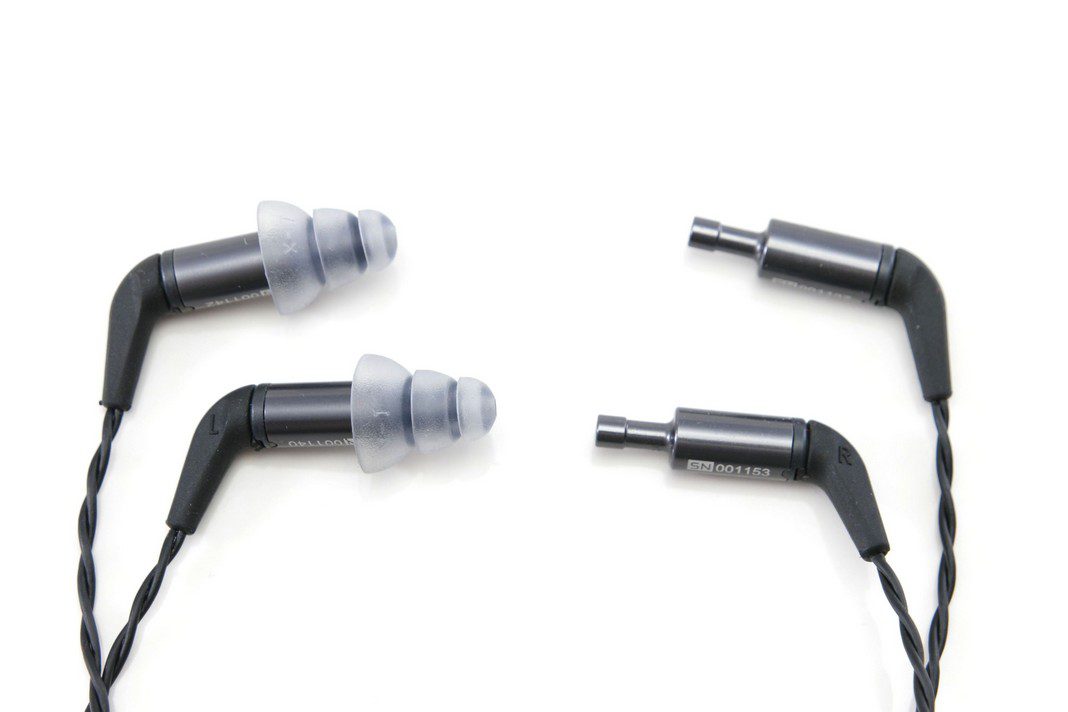
The ER series all share the same design philosophy: a minimalist, pipe-like structure where the housing is merely an extension of the nozzle, rather than a larger shell resting in the outer ear.
This design is made for the purpose of being compatible with Etymotic deep insert triple flange plugs. With these ear tips you will get the earphones deeper inserted into your ear canals than most other in-ear monitors, giving supreme sound insulation.
However, you can use the Etymotic ER series with more normal ear tips, but they then protrude a bit more from your ear. The ear canals are bearing the full weight, but they’re extremely light.
Etymotic also offers a 3-driver IEM, the Etymotic Evo, which has a larger shell that rests in your outer ear.
ABOUT ETYMOTIC
Etymotic Research was founded in 1983 by Dr. Mead Killion, is an American company headquartered in Illinois, USA. The company specializes in high-fidelity in-ear monitors (IEMs) and advanced hearing protection products, and cater to both professional and consumer markets.
Etymotic was among the first to develop in-ear monitor type earphones, or “insert earphones” as many called them in the early days (early 80s). Etymotic Research’s system was coined CanalPhone, and like all other similar types of earphones they were targeting sound professionals.
Etymotic was probably the first to bring balanced armature driver technology to universal IEMs for consumers.
The company offers custom-fit and universal-fit deep-insertion earphones, known for delivering exceptional noise isolation (35–42 dB of passive attenuation) and very accurate frequency response.
In addition to IEMs, Etymotic develops and manufactures hearing protection solutions tailored to musicians and general users, as well as research-grade audiometric tools for clinical and laboratory use.
Update: In May 2026, Fidelity Collective acquired Etymotic as well as Westone Audio.
BUILD AND EAR TIPS
Etymotic IEMs has very narrow nozzles, like Shure and Westone. The diameter is 3mm and the nozzle size is often referred to as T100. Shure, Westone, and Etymotic are the main brands that use 3mm T100 nozzles , but hearing protector and earbud manufacturer Isotunes and also Klipsch have some models with similarly narrow nozzles.
All Etymotic earphones come with special ear tips: triple-flange, dual-flange or foam. In the packet are two sizes and two of each size.
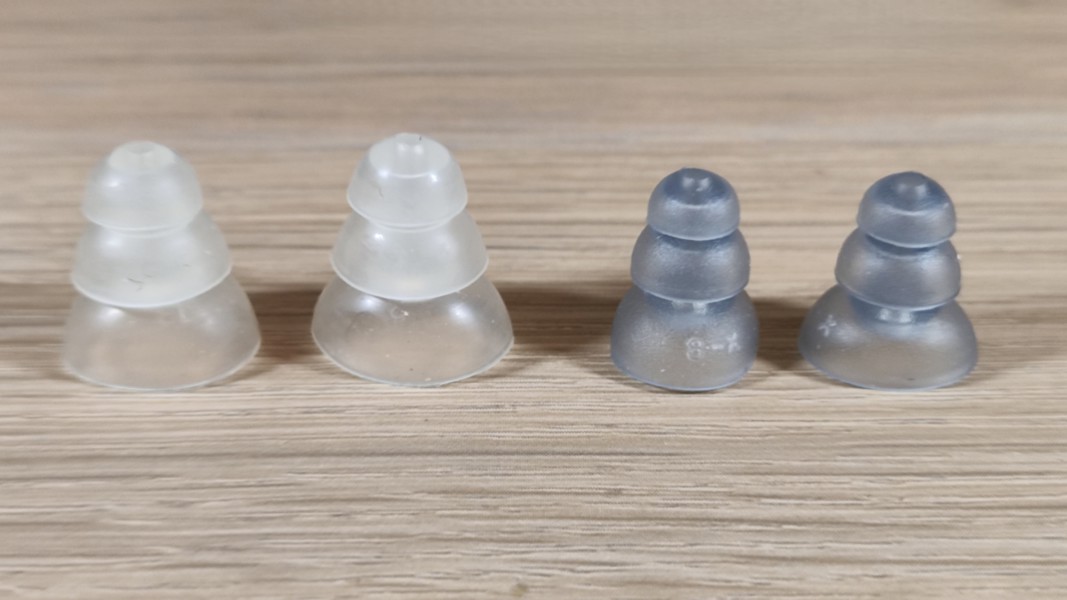
The triple flange tips protrude longer inside your air canal than normal IEM tips. This results in superior sound insulation but can also feel uncomfortable. Some like it, some don’t.
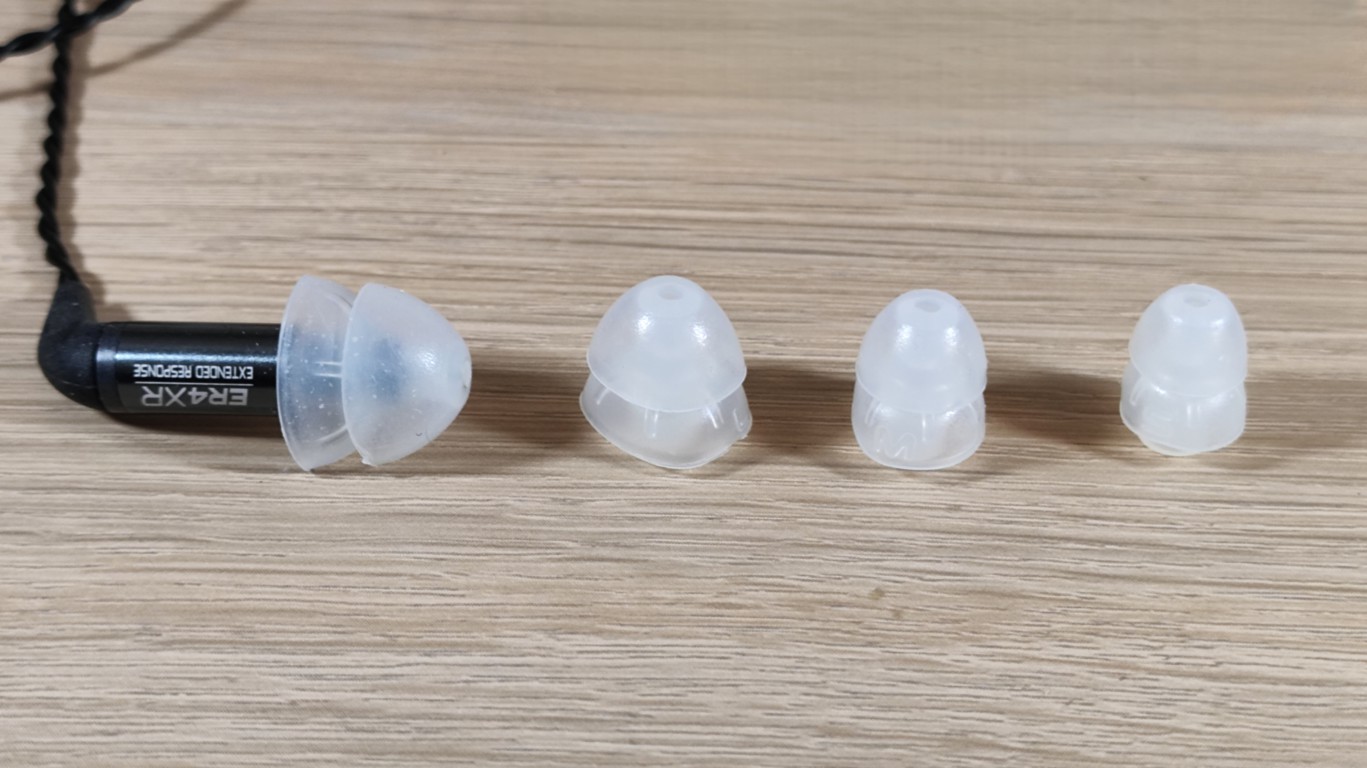
The dual flange tips feel like more normal IEMs. I find it quite strange that they do not market this option more aggressively because it sure makes the Etymotic earphones more appealing to many users.
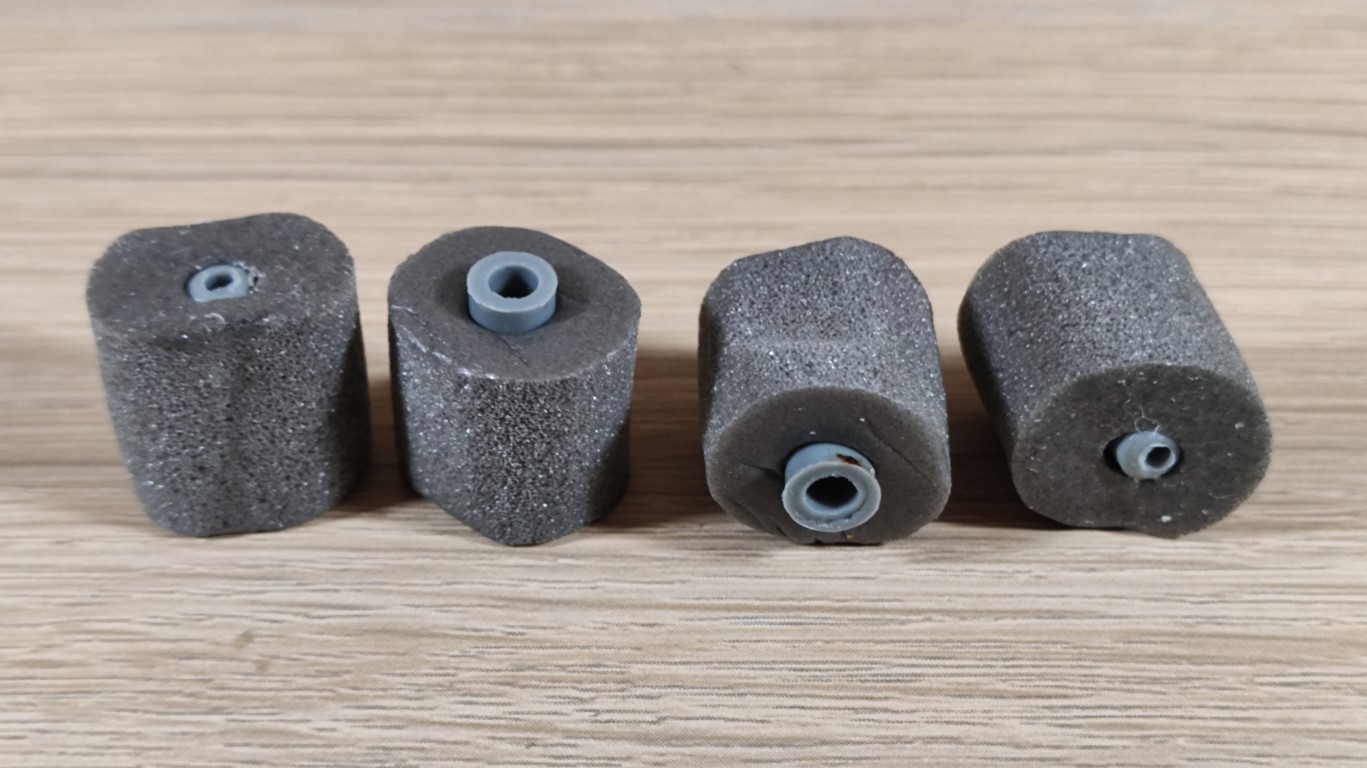
The foam tips are to be shaped with your fingers and inserted while compressed and will then expand in your ear canal.
Since the ER4XR has special dimensions, third party tips aren’t as straight forward as with most modern IEMs. To my knowledge, SpinFit CP800 should fit, Comply foams have some relevant models, and Final Audio offers Etype tips with adapters. Shure tips should fit.

LISTENING IMPRESSIONS
I’m an audiophile, not a professional studio engineer. I listen with music enjoyment and natural sound in mind, and my impressions reflect those preferences.
Associated equipment:
- Amplifier: Topping A90
- DAC: RME ADI-2 DAC FS
Jambi by Tool
Guitars are highly textured, vocals are quite upfront, and percussion is snappy. Sibilants aren’t overly harsh but aren’t subdued either.
As mentioned, even though the ER4XR is the “bass-heavy” version, its bass is far from thunderous. Fortunately, it responds well to bass EQ, which addresses my main complaints.
Smile by Pearl Jam
Nice dynamics with a crisp, slightly bright presentation, though sibilants can be a bit unpleasant.
Almost Like the Blues by Leonard Cohen
This track sounds very dynamic, with snappy percussion and good instrument separation. Cohen’s vocals are textured and raspy with great presence, and a bit brighter than usual. Without EQ, the bass is polite in quantity, but with EQ, it becomes much more satisfying—and Cohen’s vocals also sound fuller.
Black Crow by Cassandra Wilson
The bass can be almost thunderous with some earphones, but the ER4XR remains politely balanced and never overdone—though EQ brings it closer to what I’m used to.
Vocals are present and articulate, slightly crisp in the upper range and thicker in the lower. Percussion is snappy, and sibilants are a bit edgy.
One Day My Prince Will Come by Coryell Miroslav Quartet
The bass is very nice here—I actually prefer it without EQ. It’s well-balanced in quantity with a rich, slightly thick tone. The guitar has a somewhat tube-like timbre, and overall, this song sounds excellent.
Summer 3 Vivaldi Recomposed by Max Richter
The strings have bite and attack—slightly strident, but not in a bad way. The low end is polite, while the upper mids are energetic. I like to EQ the bass here for added low-end rumble.
As Before by Olga Konkova
The bass punch from the cajón drum is disappointing without EQ but much better with it. The piano and vocals are clear and crisp, brighter sounding than most earphones.
The Sun Always Shines on TV MTV Unplugged by a-ha
Very nice. Energetic and upfront, good separation of instruments.
It Could Be Sweet by Portishead
The bass is polite in quantity but still present and fairly linear. The vocals are the main focus, upfront, and energetic, with a slight tendency toward less-than-smooth sibilants.
Spontaneous Compositorius by Thomas Agergard
The saxophone is nice and upfront, and the treble-intensive percussion is very clear and crisp without becoming unpleasant. The bass is very polite without EQ but quite nice with it.
Mahler’s Symphony No 2 III by Paavo Järvi
There’s good separation and layering. Strings sound natural in an upfront manner, while the kettledrums lack low-end presence without EQ.
Young Vivaldi by Modo Antiquo
Strings have a bright, energetic timbre—very upfront, slightly strident in an engaging way, with excellent attack. Separation and detail are impressive.
Never Enough by Loren Alred
Many bright-sounding earphones can come across harsh or metallic with this track, but the ER4XR remains crisp and clear without sounding unnatural. With EQ, it becomes even more pleasing.
Georgia Lee by Tom Waits
The presentation is detailed and nuanced, though Waits’ vocals feel slightly lean due to the polite low end, giving a sense of missing weight and body. Ambient details remain clear and well-defined. With EQ, the low end fills in, making the vocals sound fuller and more natural.
Sunrise by Norah Jones
The bass is present and linear but feels restrained in quantity. Norah Jones’ vocals are upfront and detailed, and the guitar is similarly clear. Applying some EQ to the bass adds fullness and enhances the overall balance.

WRAPPING IT UP
Sound Signature
Even though its bass extends deeply and remains linear, the ER4XR is a bass-light IEM, featuring upfront mids and crisp, clear highs.
Treble
The treble is crisp and clear without being overly bright or fatiguing, though those seeking a darker, more laid-back upper end may want to apply some EQ.
Midrange
The midrange is upfront and energetic, with more emphasis in the upper mids than the lower. It’s generally crisp and clear, though not perfectly clean in all conditions.
Bass
The bass is linear and well-extended without rolling off, but compared to most earphones, it’s modest in quantity. It’s nicely textured, though not particularly hefty.
Soundstage and Imaging
The soundstage is fairly large, and imaging and layering are solid, though the limited low-end depth slightly reduces precision in certain conditions.
Detail, Dynamics, and Timbre
Detail can be a bit inconsistent on the ER4XR—it’s very clean at times, but occasionally exhibits distortion that comes across as slightly strident. Dynamics are generally strong in the midrange and treble, while the bass remains polite and less energetic.
The timbre reflects the ER4XR’s upfront and bright character. Oftentimes it feels natural in an upfront, bright way, but on certain tracks it can become a bit too bright and crisp, reducing the sense of musicality.
COMPARISONS
The ER4XR is a niche product, making direct comparisons challenging. Ideally, it would be compared to similarly priced IEMs from Shure or Westone, which are popular among professionals.
However, I’ve compared it to three high-value IEMs aimed at audiophiles in the 99-169 USD price range. I selected the excellent but much larger Kiwi Ears Étude, along with two smaller single-driver IEMs from Letshuoer; the DX1 and S08. All three reflect today’s more typical design, with larger housings that rest in the outer ear.
Associated equipment:
- Amplifier: Topping A90
- DAC: RME ADI-2 DAC FS
KIWI EARS ÉTUDE
Given its recent release, excellent sound, and budget-friendly price, I was curious to see how the ER4XR compares to the Kiwi Ears Étude, which I am also currently reviewing. The Étude is priced around 119 USD.
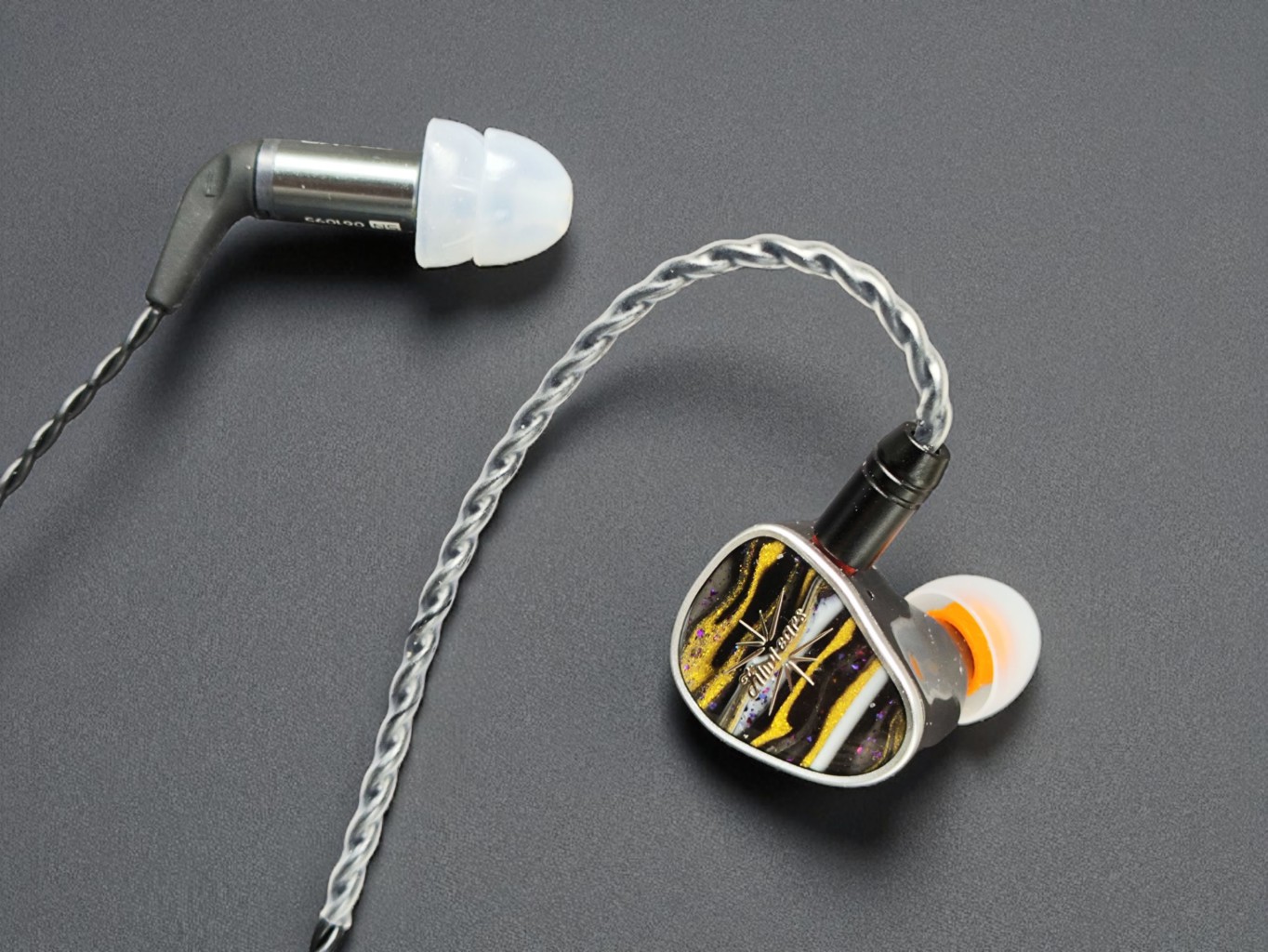
The Étude has a very different sound signature from the ER4XR: warm, smooth, and bold, with plentiful high-quality bass, a sweet midrange, and delicate, excellent highs. Overall, it’s darker, smoother, and bassier.
Compared to the ER4XR, I generally prefer the Étude when running through my playlist. While it’s not the most neutral, it feels far more musical to me, even though the ER4XR shines with certain types of music. EQ can improve the ER4XR as an overall option, but I still lean toward the Étude. However, it’s just my subjective opinion – the sound signatures are very far apart. The next two comparisons are closer in tuning to the ER4XR, yet still noticeably different.
I should also note that, in terms of physical size, the Étude is enormous compared to the ER4XR, making the comparison feel a bit like apples and oranges.
- Amazon: Kiwi Ears Étude
- Linsoul: Kiwi Ears Étude
LETSHUOER DX1 vs ER4XR
The DX1 is the latest dynamic single driver from Letshuoer. I think it is a more relevant comparison to the ER4XR both in terms of size and sound signature. The DX1 is still larger than the ER4XR, but it is smaller than most modern type IEMs. It’s priced at 159 USD.
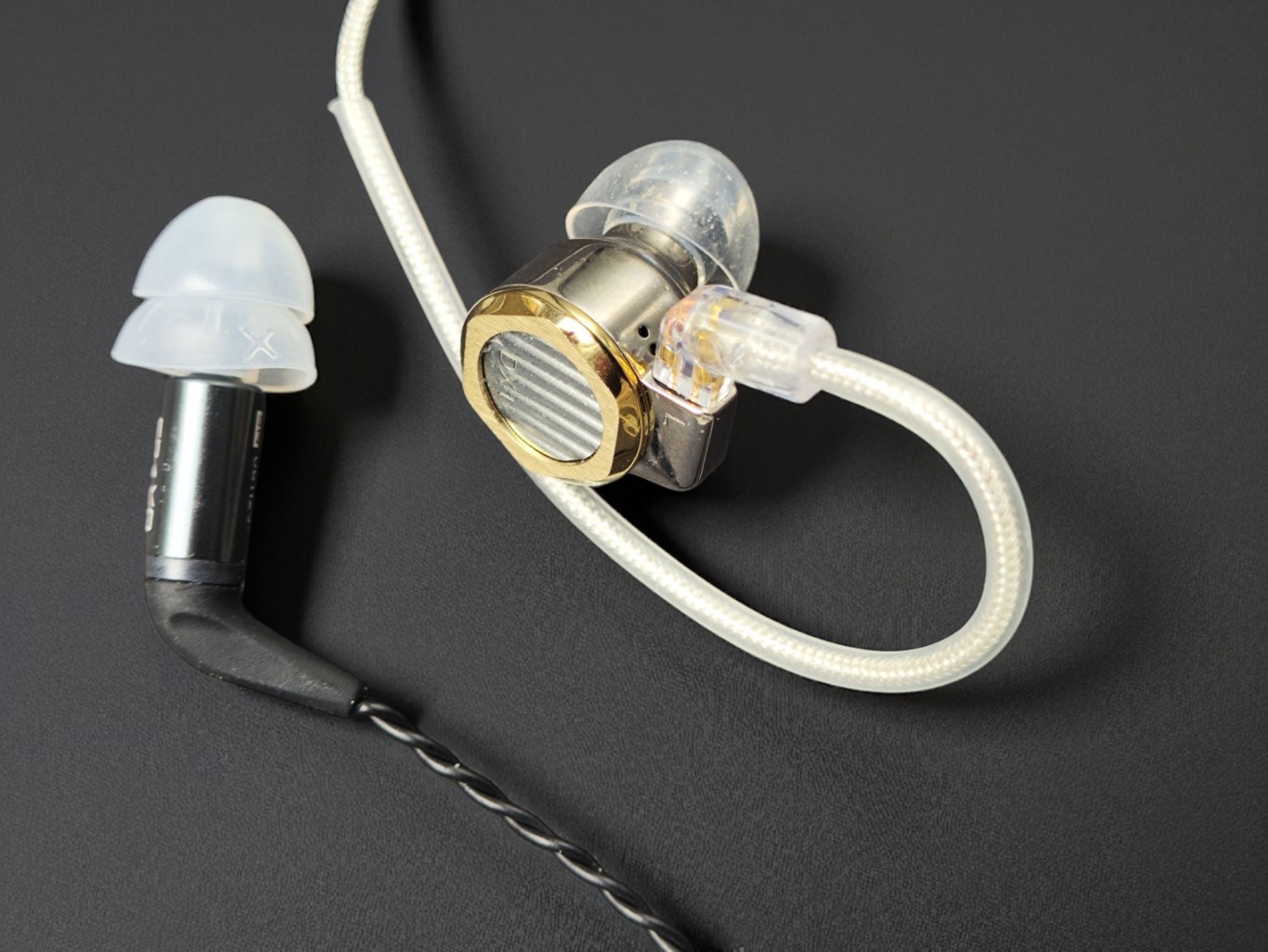
Comparing the DX1 to the ER4XR, both have modest bass, but the DX1 carries more low-end presence. The ER4XR’s bass is lighter and can feel lacking on some tracks.
The ER4XR has more upper-midrange energy, giving instruments (like saxophone) extra intensity and presence, though it can verge on a strident timbre. The DX1 stays smoother here, though it’s still not laid back. Treble is similar, though the ER4XR is a touch brighter, adding clarity but sometimes sounding overly bright.
Technically, the ER4XR generally has better imaging, but it can become harsh or distorted with complex passages, where the DX1 stays better composed.
Overall, these two sets of IEMs share much in common, but comparison is tricky because the ER4XR is less consistent. Some tracks are handled beautifully, while others expose its lighter bass and occasionally strident midrange. In its element, typically less complex, often acoustic music, it can be brilliant, but I find the DX1 more consistent.
You can find my full DX1 review HERE.
- Linsoul: Letshuoer DX1
- Amazon: Letshuoer DX1
LETSHUOER S08 vs ER4XR
Another single-driver IEM from Letshuoer is the S08, a planar magnetic earphone with a compact housing that makes for an interesting comparison.
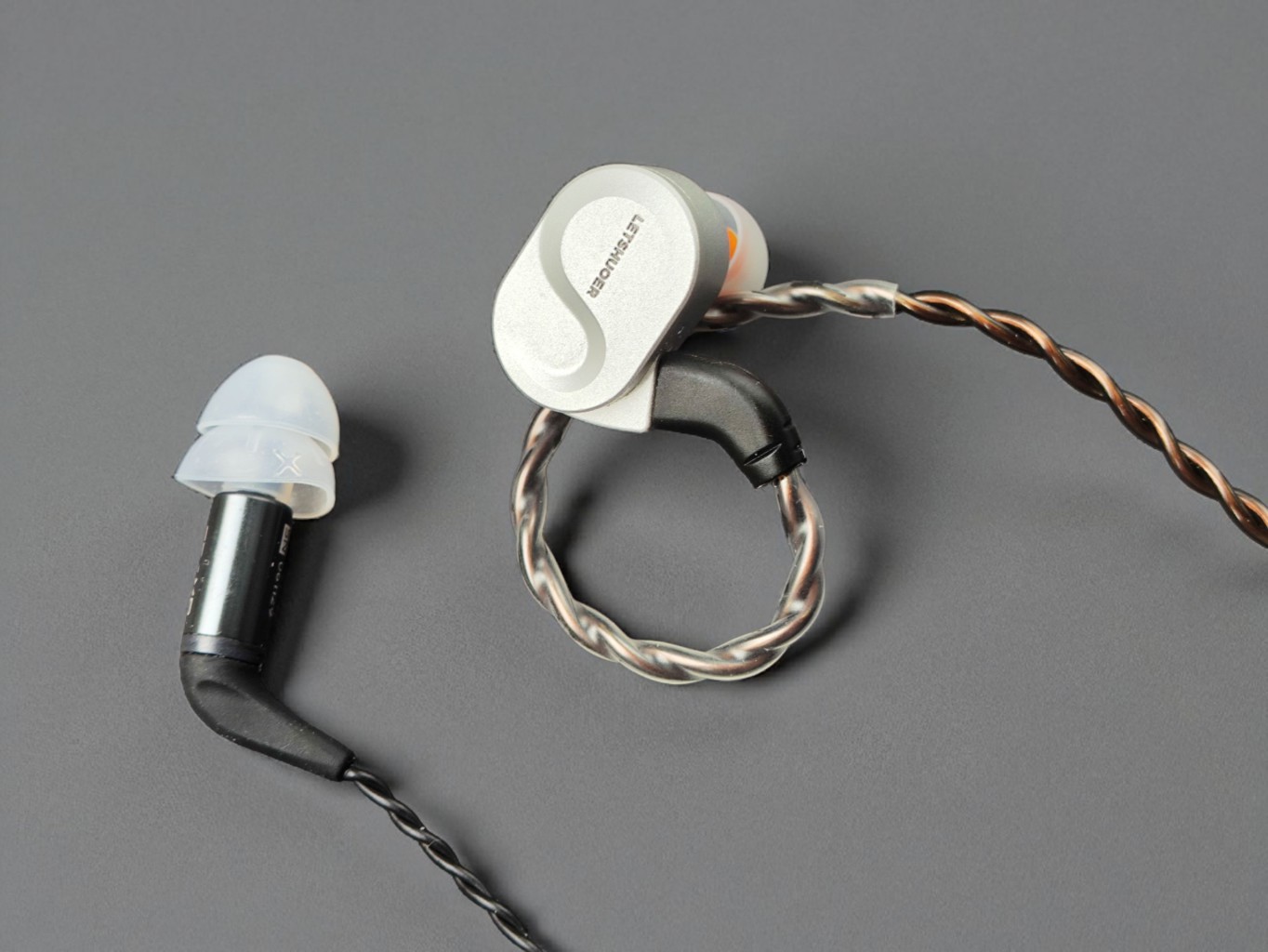
Compared to the ER4XR, the Letshuoer S08 offers a smoother, lusher, and darker tonality with fuller bass and more relaxed upper mids and treble. It handles complex or busy tracks, such as electronic music, more gracefully and delivers a more balanced, lush presentation in general.
In comparison, the Etymotic ER4XR also here leans toward a crisper, brighter sound with stronger upper mids and treble, and less emphasis on the lower mids and bass. Again, I find the ER4XR’s performance varies greatly with different types of music: with acoustic pieces like jazz trios and string quartets, it excels, offering better imaging and clarity than the S08. However, with more complex tracks—such as the electronic Midnight City by M83—it tends to fall apart. Under optimal conditions, I prefer the ER4XR over the S08, but the S08 remains more consistent and even across genres.
You can find my full S08 review here.
- Linsoul: Letshuoer S08
- Amazon: Letshuoer S08
CONCLUDING ON COMPARISONS
The ER4XR is quite unique in today’s market. All the earphones in this comparison have more bass, warmth, and smoothness than the ER4XR—though to varying degrees. From bassiest and smoothest to crispiest and brightest, the ranking would be: Étude (most smooth and bassy), S08, DX1, and finally ER4XR (most crisp and bright with the least bass).
As mentioned earlier, with the right music the ER4XR can be the best of the bunch, but it can also sound harsh and noticeably lacking in bass with certain tracks. For me, it’s very much hit or miss—but when listening to jazz trios or string quartets, it’s often my favorite among the ones I’ve compared here.
If you want more info on the alternatives, I’ve written a dedicated DX1 vs S08 comparison here.

AMPLIFICATION
Most of my testing was done using the Topping A90 desktop amp. However, because portable options are more relevant to most users, I’ve also tested a few very portable USB-devices below, all using their 3.5mm outputs.
Kiwi Ears’ Allegro Mini sounds okay, and the Allegro Pro is a step up in dynamics. The Letshuoer DT03 also works okay, however, the xDuoo Link2 Bal2 sounds cleaner and It has an extra level of refinement and dynamics. It’s the best so far. The more expensive THX Onyx doesn’t offer anything more than the xDuuo in terms of sound quality, actually it’s a step down , if anything.
The Dragonfly Cobalt performs great with the ER4XR, clean and neutral, refined and subtle. The soundstage is large, there is a good sense of space between instruments. It’s snappy and detailed, neutral and delicate. It reminds me of the xDuuo, but a small step up. Finally, the Chord Mojo is the most expensive, powerful, and also the best. Definitely my favourite.
Basically, the xDuoo, Cobalt, and Mojo sound good, while the others seem to lack the control and refinement needed to do the ER4XR justice. In other words; the ER4XR is a bit picky when it comes to amplification.

CONCLUSION
I’m somewhat torn in my view of the ER4XR. On one hand, it’s remarkable that such high-quality sound can come from such a tiny device-it’s genuinely impressive. On the other hand, when compared to similarly priced, full-sized IEMs, you can often find better overall, more consistent sound quality, and a more “musical” tuning suitable for a much wider range of music enjoyment.
In terms of ergonomics, the ER4XR is quite unique. Whether it’s right for you depends on personal preference—especially if you appreciate its extremely light weight and deep ear canal insertion, a feature with few true competitors.
However, it’s important to note that using the ER4XR without deep-insertion tips will make it protrude more from your ears than typical IEMs. I hope Etymotic eventually creates a more compact version to address this.
That said, the ER4XR’s tuning is quite rare in today’s market. The super-flat bass response, paired with a crisp, upfront midrange and clean treble, might be exactly what you’re looking for, especially in a professional setting. Further, if you like the ergonomics but want a different tuning, the ER4XR takes EQ nicely.
Further readings: Here’s a huge thread on Headfi.org
Thanks for reading. You can support us by purchasing anything using any of our affiliate links.
Current price and availability
- Amazon: Etymotic ER4XR
- Etymotic: ER4XR
Any purchase you make on Amazon, Linsoul , AliExpress or Audio46 with any of our affiliate links will give us a small provision at no cost to you.
We only get a provision for items that are not returned, so there’s no incentive for us to recommend something that’s not good.
Linsoul : Headphones, Earbuds, Wireless Earbuds, Desktop DAC/AMP, Portable DAC/AMP, Digital Audio Players,
Amazon: Headphones, IEMs, Headphone Amplifiers, Home Audio or Anything else.
.
If you enjoyed this article or other content on The Headphoneer, you might consider leaving a small donation to keep this website up and running. No donation is too small. Thanks for supporting us!

If you like our work please follow us on Instagram, Facebook and Twitter , it will help us grow. Sharing is caring 🙂