
There is much to like about the FT13, but the tuning is not for everyone. A quick mod, however, might make it your favorite pair of headphones.
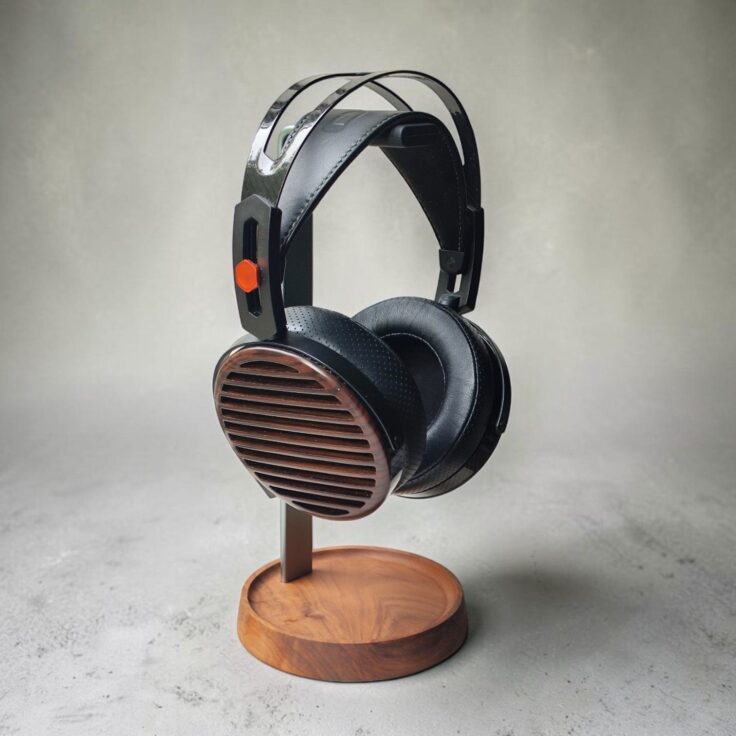
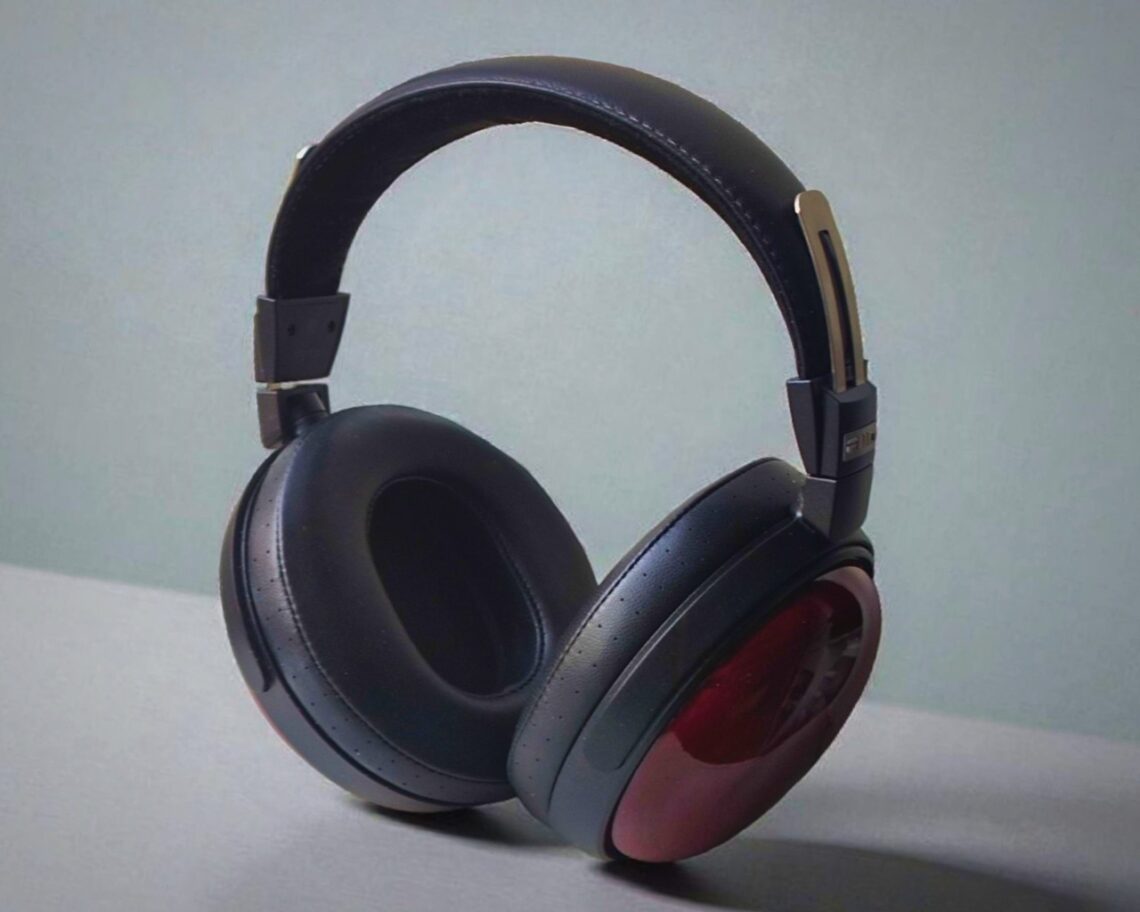
The FT13 is a wooden closed-back headphone from FiiO priced at around 329 USD before tax and €329 including VAT. It follows in the footsteps of the highly successful FT1. With its higher price, you’d naturally expect it to deliver an upgrade in sound quality, and I’ve dedicated a separate review to comparing them (coming soon).
MAIN TAKEAWAY
- Excellent build quality and comfort
- Very bright with sheepskin pads
- Bassy, and still quite bright with suede pads
- A simple, easily reversible modification with tuning foam can make the FT13 sound both balanced and fabulous
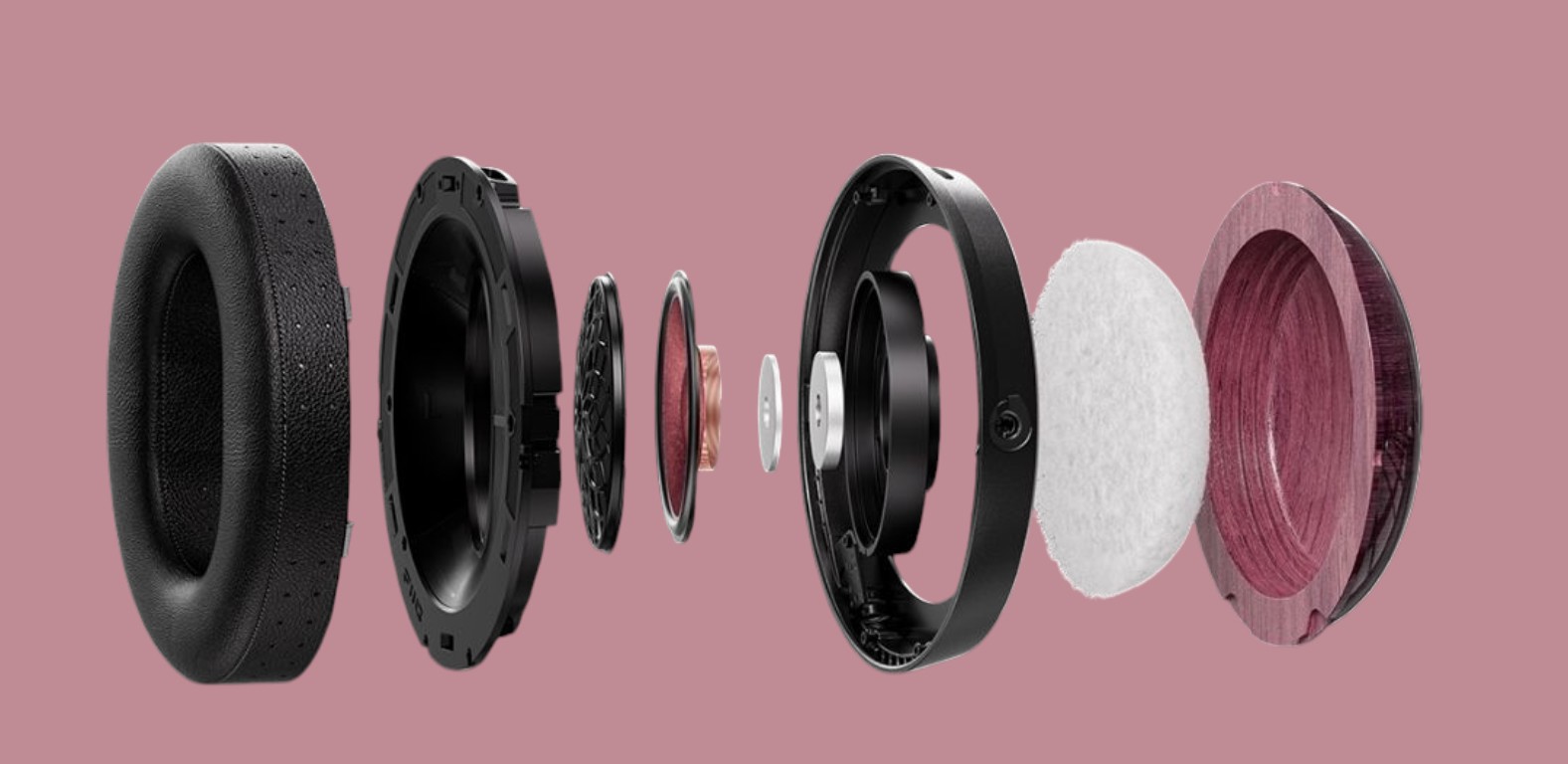
FT13 uses a very similar driver to the FT1. It’s the same 60 mm size, and the diaphragm keeps the W-shaped profile that looks more like a small speaker cone than a traditional headphone driver. The material is also a nanofiber composite, but this time it’s derived from birch wood and carbon fiber rather than the spruce used in the FT1.
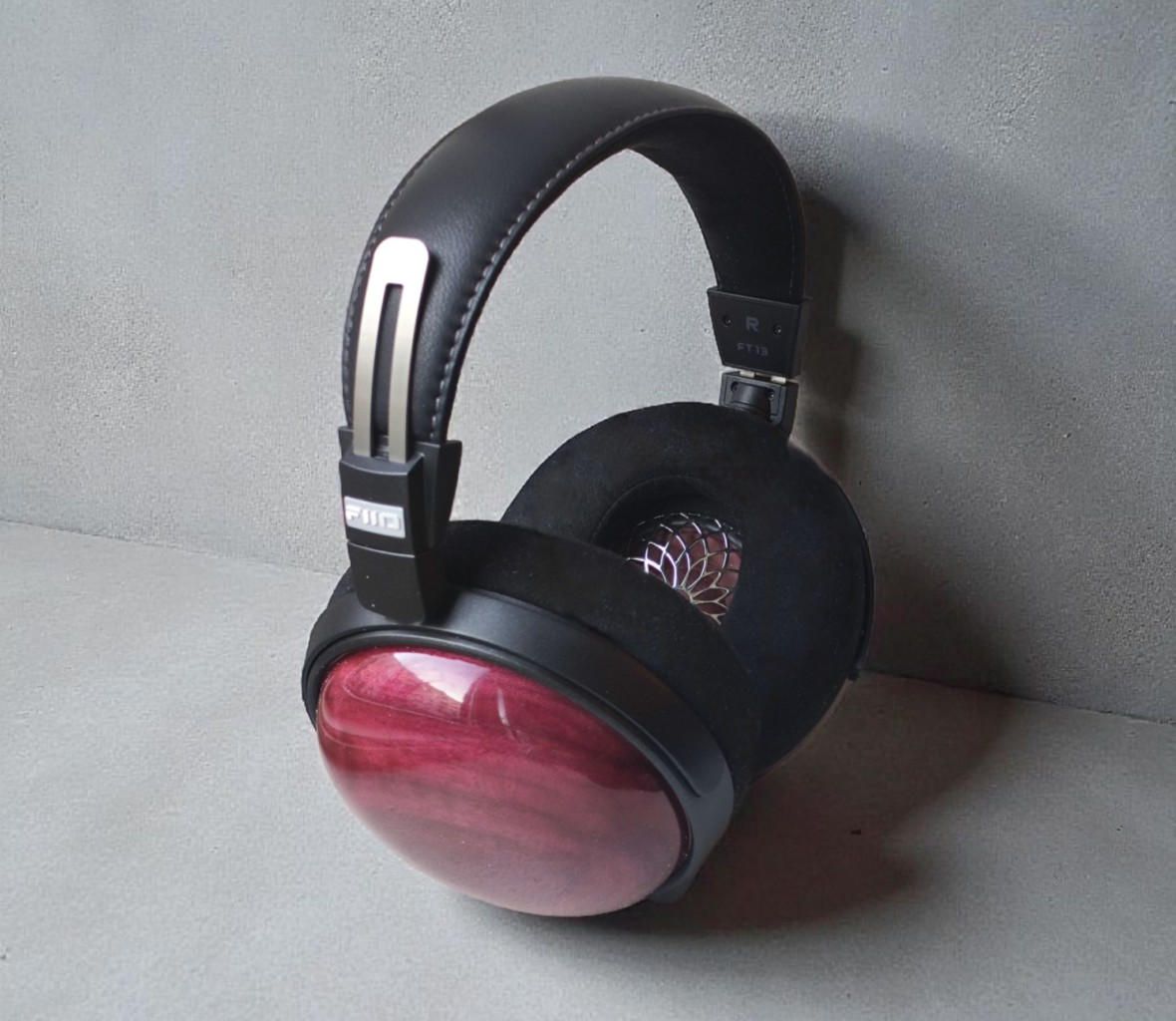
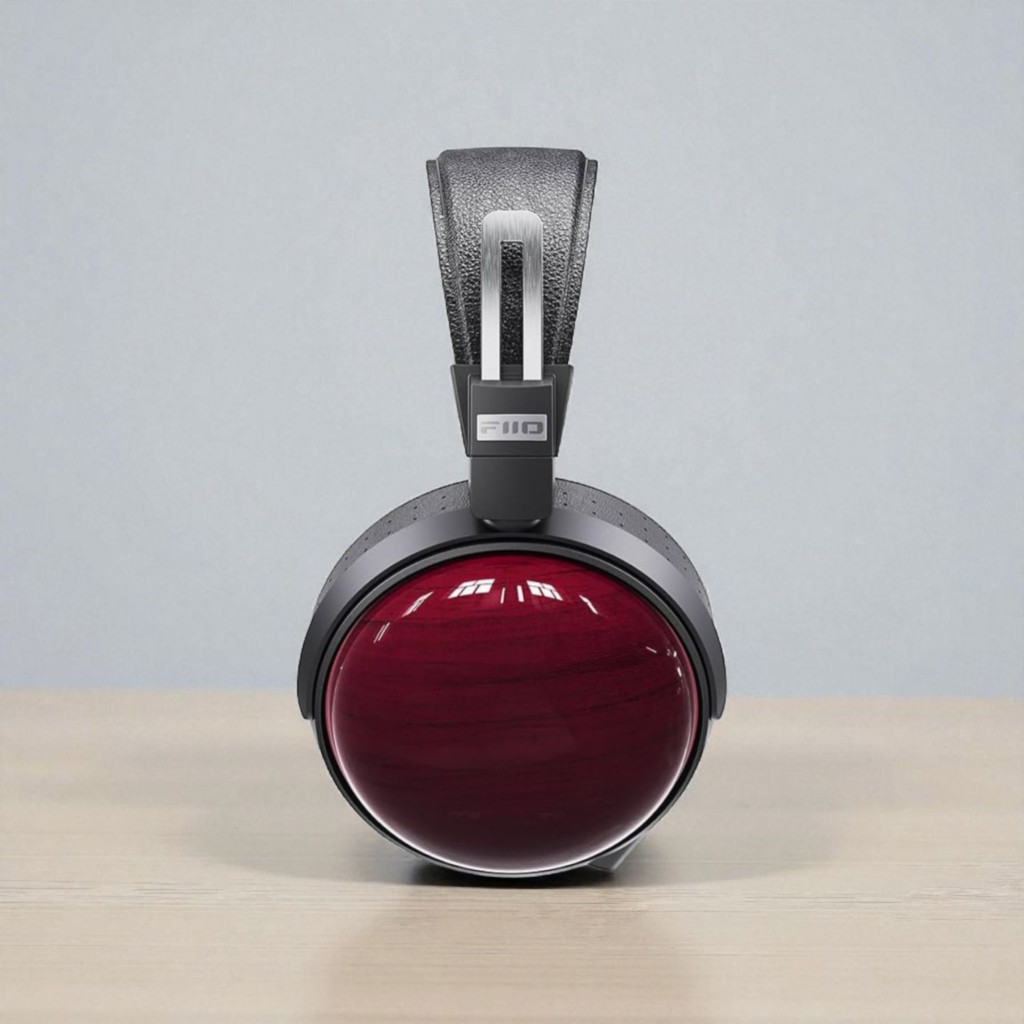
The cups are made from Purpleheart wood, and FiiO has added a damping/tuning tube inside the housing to control airflow and sound pressure.
There’s a dampening/tuning tube on the FT1 as well, but I’m curious about how the two differ, because I suspect this could be part of why the FT13 ends up sounding the way it does. As you will see, I’m not entirely happy with how the FT13 is voiced out of the box.
FIIO FT13 SPECIFICATIONS
- Type: Wooden closed-back over ear
- Driver: 60mm dynamic W-shaped composite diaphragm (nano fibre from wool and birch wood)
- Impedance: 32 Ohms
- Sensitivity: 98 dB/mW (113dB/Vrms) @ 1kHz
- Frequency Response: 7Hz-40kHz
- Natural Purpleheart wood
- Headband: Adjustable magnesium alloy with a lambskin headband
- Earpads: 2 types – lambskin and suede
- Cable length: 1.5 m detachable
- Cable type: brided hybrid mono crystalline copper and silver-plated OFC
- Cable headphone connectors: dual 3.5 mm
- Cable termination: interchangeable plugs – 3.5mm or 4.4mm
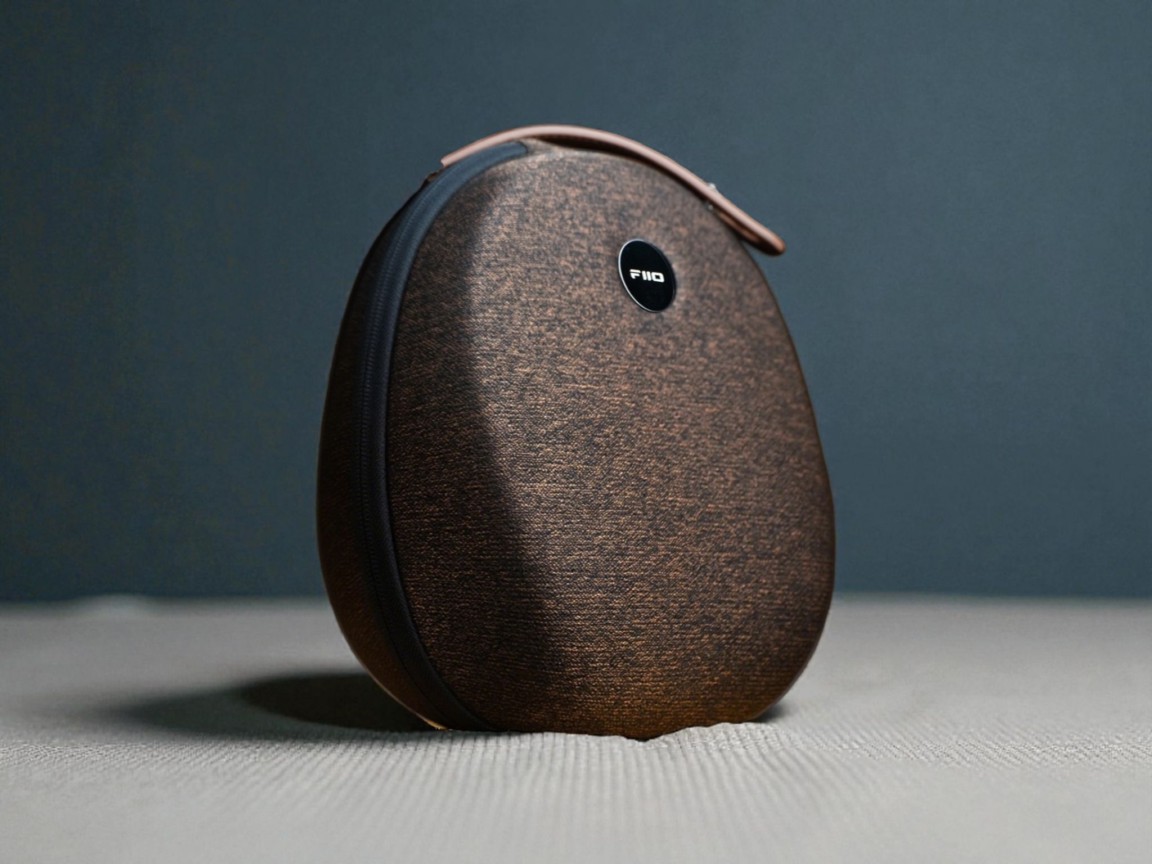
- Storage/transport case included
- Weight: 356g
Current price and availability:

BUILD AND COMFORT
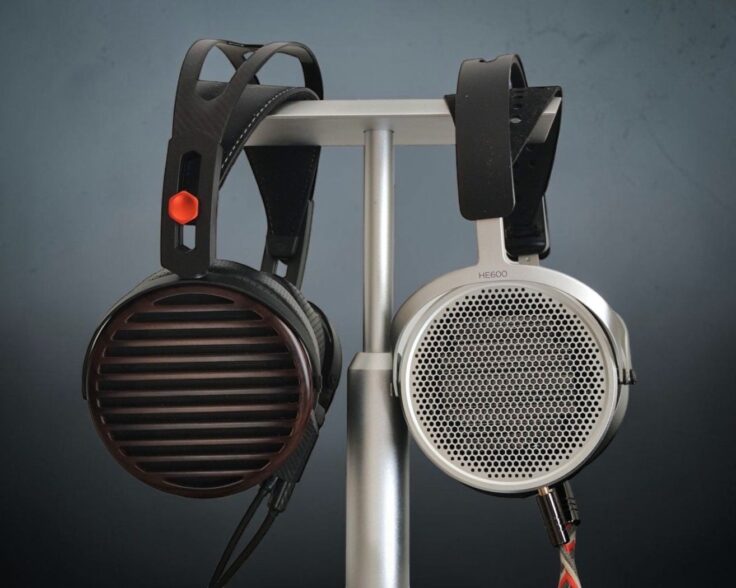
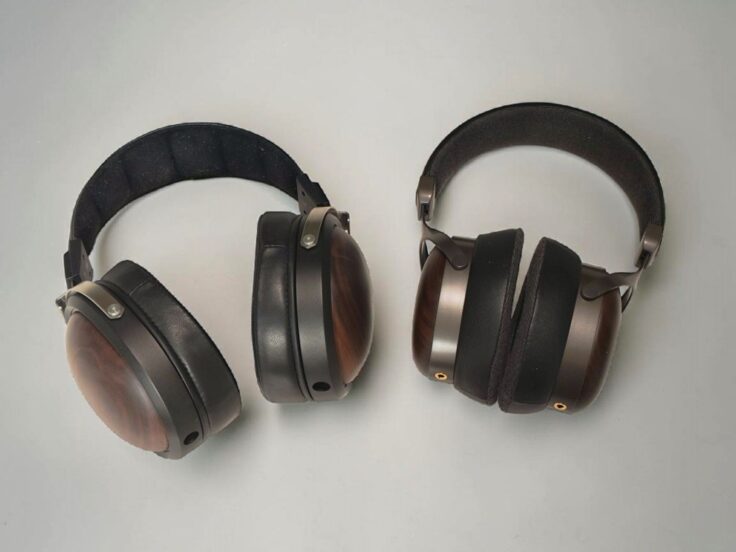
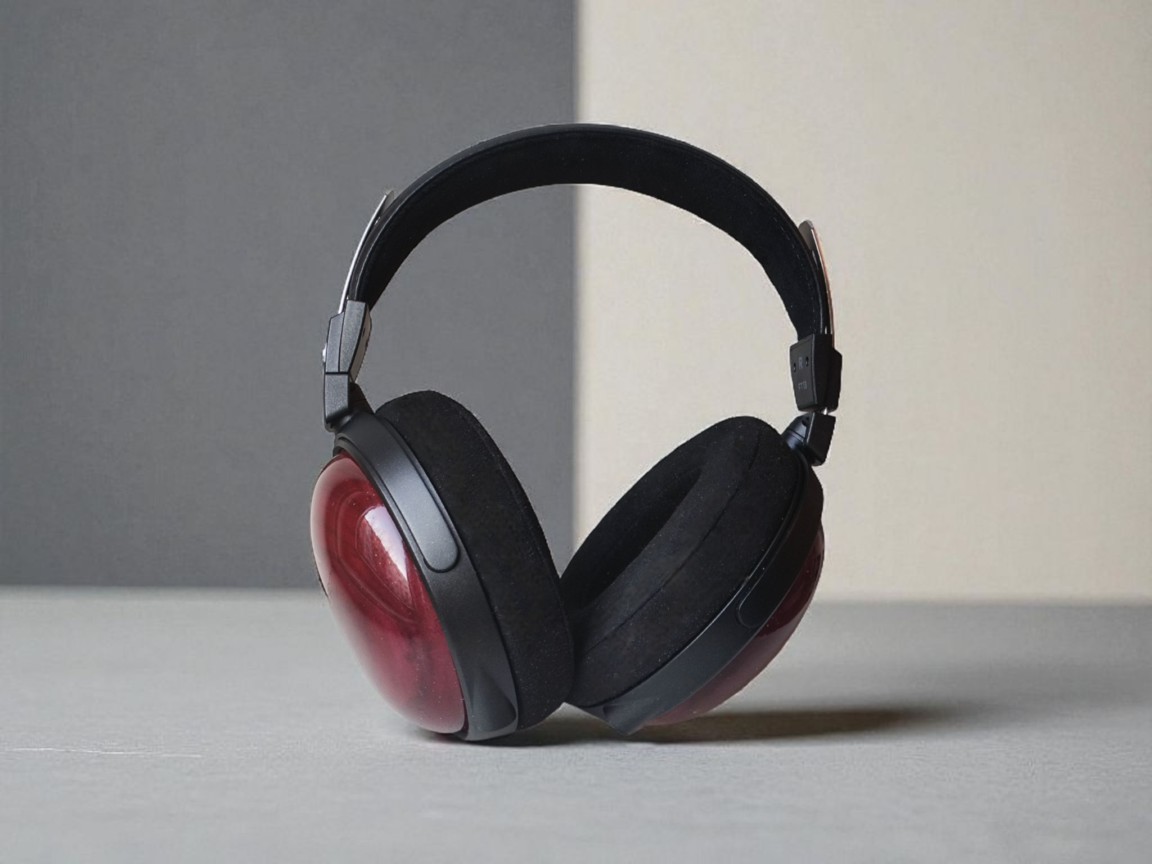
The FT13 looks very similar to the FT1, which I consider a good thing since I found the FT1 to be an excellent headphone. There are, however, a few notable differences. The headband has better padding, which is welcome because it was one main area I felt could be improved on the FT1. A suspended headband strap would have been even better, but perhaps that will come in a future version.
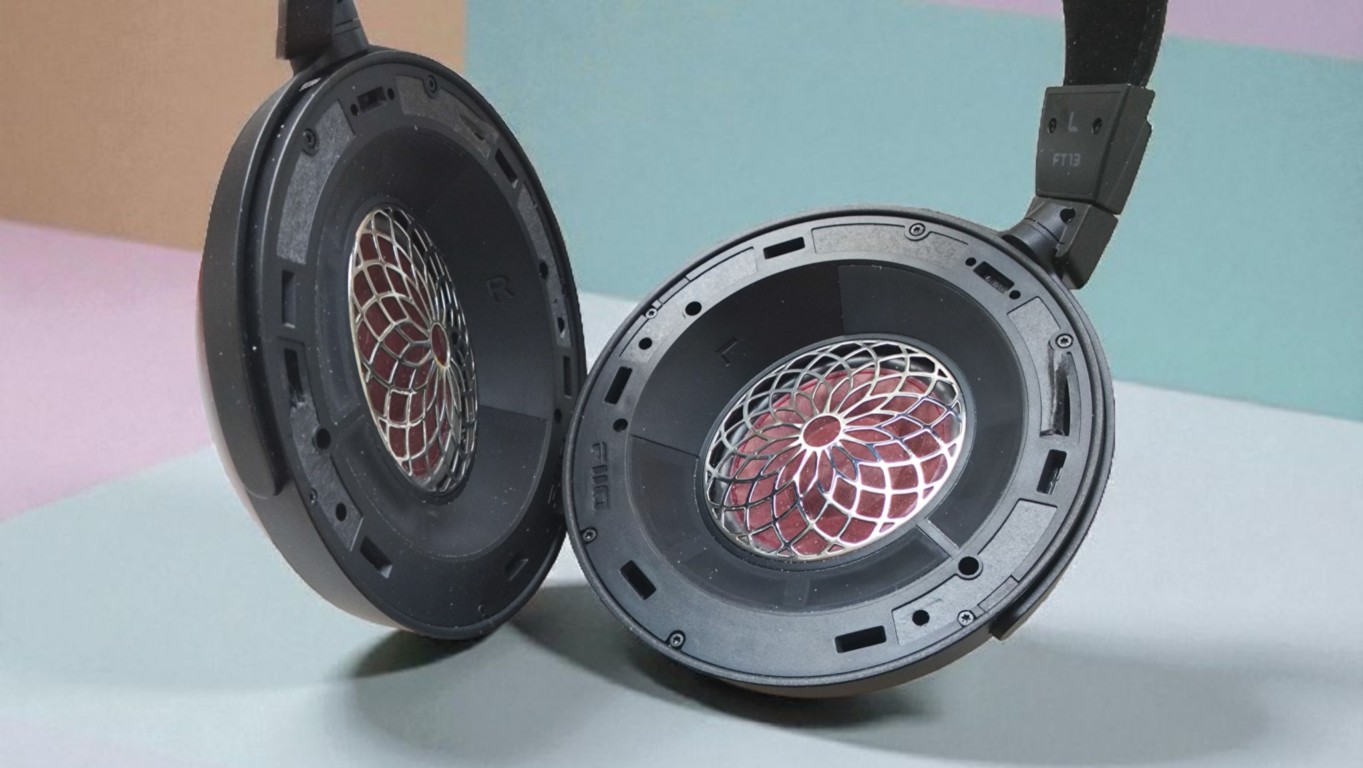
The cups on the FT13 are completely circular, unlike the slightly oval cups of the FT1. The pad materials feel nicer and of higher quality, and the attachment system has changed to a proprietary click-on design, unlike the FT1’s universal lip-and-groove style. Additionally, the cable connectors are angled.
The 1.5 m cable is well made, using a mix of Furukawa monocrystalline copper and silver-plated oxygen-free copper. It is an 8-strand braided design which connects to the headphone with dual 3.5mm jacks, which is the most common way these days and thus very convenient and flexible. It also comes with an interchangeable termination system that lets you switch between 3.5 mm and 4.4 mm plugs. A 3.5 to 6.35 mm adapter is included, as well as a 4.4 mm to 4-pin XLR adapter.
Overall, the FT1 and FT13 share much of the same design, but the FT13 comes across as an upgrade in several areas.
NEW PADS SYSTEM
Unlike the FT1, which uses the standard lip-and-groove attachment system, the FT13 switches to a proprietary click-on mechanism. I am not a fan of proprietary pad systems, especially when there is no good reason like unusual design approaches (not circular or oval). The reason I don’t like proprietary approaches, is because it limits your flexibility when trying third-party pads. The advantage is that pad swapping is faster if you have pads designed specifically for this system, and FiiO does include two sets with the FT13: one lambskin pair (partly fenestrated) and one suede-type pair.
The two pad types sound quite different. The lambskin pads are comfortable but give a very bright and way too crisp treble for my taste. The suede pads are less bright but still have a hot treble. They have a hefty bass but give a softer, rounder and warmer presentation. To me, the sheepskin pads are just too painful to listen to without modification (I’ll come to that) and I prefer the suede pads. They are the ones I will use for the remainder of the test of the stock FT13.

AMPLIFICATION
I find the FiiO FT13 quite sensitive to changes in amplification. With some amps it sounded very tight but also rather dry, while with others it became more organic. It was especially revealing when listening for sibilants and bass roundness, which often felt like a trade-off.
My very neutral but slightly dry Violectric DHA 226 had very tight bass and fantastic soundstage and imaging, but the sibilants were a bit edgy. The Woo WA22 sounded rounder but it’s still very detailed, and the sibilants were almost gone. The Magni Heresy landed somewhere in between. My clear favourite was the Questyle CMA800R, which has a way of adding an organic touch that makes me keep it around even though it is discontinued.
In conclusion, I think the FiiO FT13 pairs best with amplifiers known for a warm and organic sound rather than amps that are dead neutral or on the dry side. Amp synergy can vary from headphone to headphone, so it is not always easy to predict the outcome, but for the FT13 choosing an amp known to be warm or organic-sounding would be the safest bet.
The FT13 doesn’t seem to require much power so tonality and synergy is the most important.
LISTENING IMPRESSIONS
Below are some listening impressions of the FT13 in stock form using only the suede pads. They offer more bass and less treble than the sheepskin pads, which I find far too bright without modification (more on that later).
Main amplifier:
- Violectric DHA 226
Supportive amps:
- Schiit Magni Hersey
- Questyle CMA800R
- Woo WA22
Innrønt by Maridalen
Smooth, alternative jazz with a soft, warm saxophone tone that still carries plenty of detail. The soundstage feels wide and open, with clear layering and lots of space between the instruments. The bass is strong and authoritative without ever dominating the mix. Overall, it is an immersive and detailed performance that manages to feel both detailed and warmly inviting.
An Idea Of Distance by Tingvall Trio
A gently melancholic little piano piece, played with a delicate touch. The piano tone feels warm, nuanced and quietly expressive.
Hello Dave by Michael Wollny
The bass is powerful yet tight and well controlled, though I wouldn’t want it any stronger. The percussion has a nice snap to it, and the piano sits slightly laid back in the mix. The soundstage is spacious with plenty of air between the instruments.
Rambling Man by Laura Marling
Vocals are nuanced with a nice warmth. Imaging is excellent.
Jambi by Tool
DHA 226: The guitars sound rich and thick, and the vocals are lush with soft but still noticeable sibilants, though the overall presentation leans lush and slightly dark.
With the WA22 there are no sibilants at all, and the sound becomes more midrange-focused. The Questyle also reduces sibilants and takes away some of the dryness.
Smile by Pearl Jam
Very similar to Jambi above. It is slightly dark and lush, with a bit of sibilance, though it stays fairly soft. The layering is great.
As Before by Olga Konkova
The cajón drum sounds terrific, helped by the extra bass presence the FT13 naturally has. The vocals are a bit dark, yet they still carry a crisp edge at the same time. With the more organic sounding amplifiers the vocals get less sharp and sound more natural.
It Could Be Sweet by Portishead
The bass is huge and spacious. On the DHA 226 amp, the vocals are dark yet slightly sharp at the same time, with a touch of sibilance. On the more organic sounding amps, sibilance is not an issue and vocals are more natural sounding.
Escape Route by Boris Blank
Powerful bass, crisp trumpet, huge soundstage.
Spontaneous Compositorius by Thomas Agergard
The saxophone has a dark tone, while the bright precision of the percussion stays crisp and very clean. The bass is thick and strongly present.
Young Vivaldi by Modo Antiquo
The strings have a nice amount of detail and attack, they are slightly dark sounding but still with a crisp edge.
WRAPPING IT UP
Sound Signature
With the suede pads, the FT13 has a V-shaped (dark-bright) sound signature with elevated bass, a polite and slightly dark midrange, and a somewhat sharp treble, depending a bit on the amplifier used.
Treble
The treble is relatively sharp but not fatiguing. Depending on the amplifier, it can become either sharper or more organic, with the difference surprisingly noticeable on some tracks.
Midrange
The midrange is slightly dark and moderately polite, without feeling recessed. It has a smooth, lush character. Depending on the amplifier, the midrange can sound drier or more organic.
Bass
The bass is very plentiful and punchy, with a good level of detail. I seldom find it too overwhelming, though some tracks could benefit from less bass. Depending on the amplifier, the bass can sound tighter or slightly softer.
Soundstage and Imaging
The soundstage is surprisingly large, with well-defined space between instruments, providing excellent imaging and layering. Some amplifiers make these qualities more obvious than others.
Detail, Dynamics, and Timbre
The level of detail is nice for the price, and the dynamics are very good. Timbre varies depending on the track and amplifier pairing. With some music, the FT13 can sound quite colored, with a dark midrange, powerful bass, or a touch of dryness, while other times it feels highly musical and organic.
FIIO FT1 vs FT13
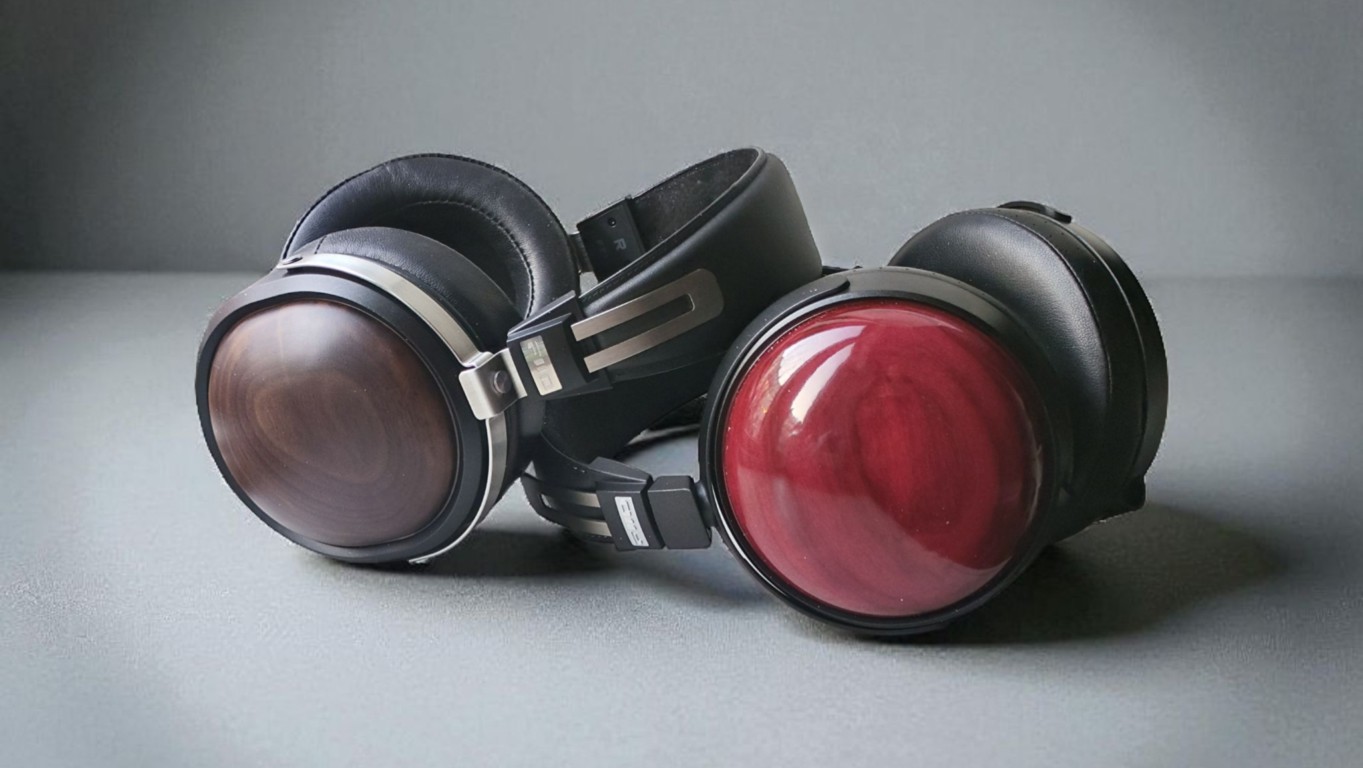
The FT1 needs no introduction. I compared it thoroughly with the stock FT13 using the suede pads, and overall I prefer the FT1’s tonality and timbre, even though the FT13 offers a larger soundstage and stronger technical performance. On a few tracks the FT13 actually sounded more natural, but that was the exception. In short, I prefer the stock FT1 over the stock FT13.
You can read my full comparison review here:
However, there are simple modifications for the FT13 that can change this picture, and I’ll get into those below.
MODDING THE FT13
As long as headphones have existed, people have modified them to make them sound more to their liking. Some headphones get modded more than others, but even the very best models end up being tweaked by someone.
The fact that users want to modify a headphone says a lot about the potential they see in it. When they choose to mod a pair, it’s because they believe it has qualities worth enhancing. No one bothers modding a headphone that doesn’t already have qualities and potential. In that sense, being modded is somewhat of an honour.
Modding can be both simple and non-intrusive. When a headphone doesn’t sound quite the way I would like but I sense potential, I usually start with a few easy tweaks, typically changing pads or adding a tuning filter in front of the driver.
The FT13 already comes with two different pairs of pads and practically invites you to experiment—so why stop there? For me, it was still too bright even with the suede pads, so the next logical and easiest step was to add a bit of foam in front of the driver.
TUNING FILTERS – THE FT13 TUNING FOAM MOD
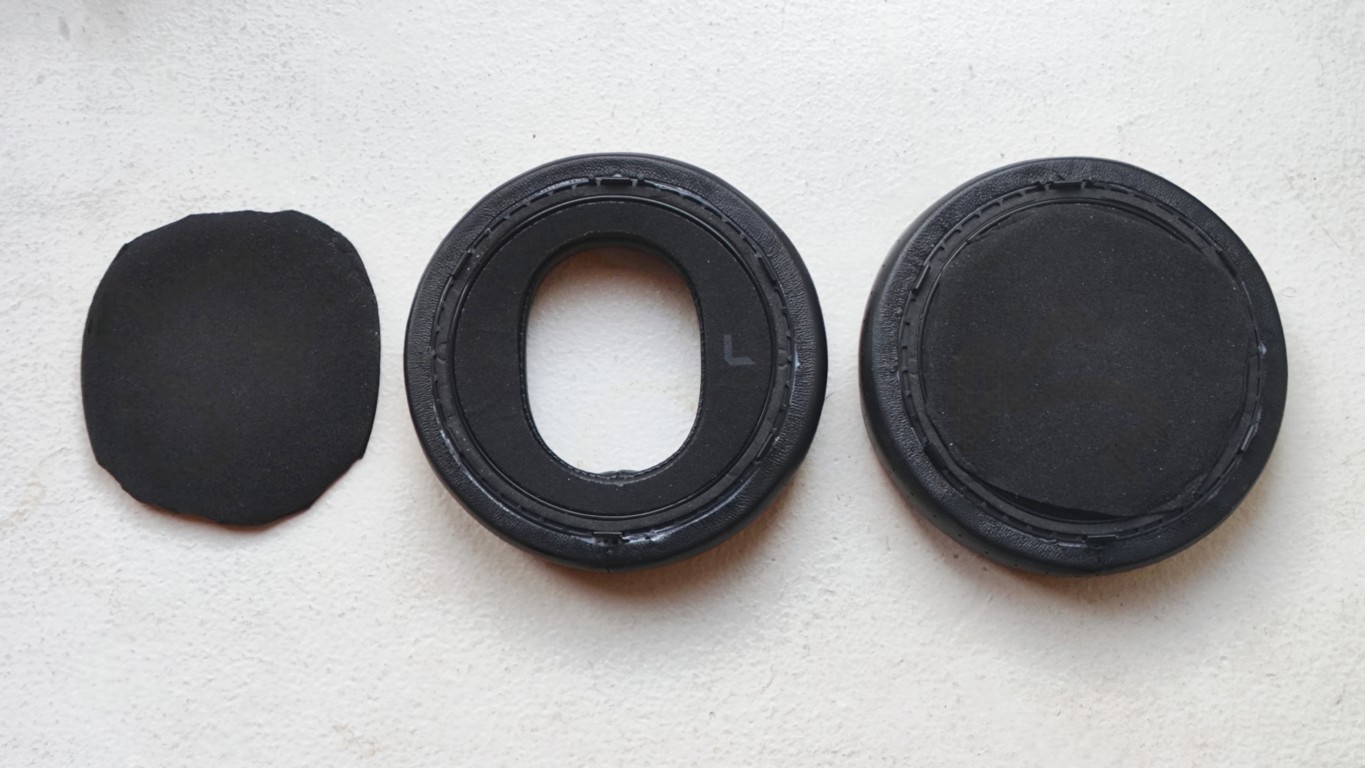
In stock form, the FT13 has nothing in front of its drivers, just a plastic grid for protection. There’s no fabric or foam.
Many headphones does, however, cover the drivers, and many use tuning foam or other materials by default, like the Sennheiser HD600-series. Luckily, I had a few third party HD600-style tuning pads in different thicknesses at hand.
Here are links to the HD600 style tuning foam filters I used, I believe my set came from the eBay link:
- eBay Thin & Thick Inside Foam Disk .. HD600 ..
- AliExpress Thin & Thick Inside Foam Disk .. HD600 ..
TUNING FILTERS WITH THE SUEDE PADS
First I tried the two types of filters running the FT13 with the suede pads mounted. The thicker ones were too much but the thinner ones (2-3 mm) worked surprisingly well. The FT13 shifted much closer to my taste: the spicy treble calmed down, sibilance disappeared, and the mids and highs gained a warmer, smoother character. The bass stayed more or less the same, and I didn’t feel like I lost any general detail—everything just became slightly smoother and warmer.
What did objectively get worse, was the soundstage size, which became smaller. That’s not unexpected, since part of the FT13’s spaciousness comes from its brighter V-shaped sound signature and reflections inside the cup (which are dampened by the foam).
However, there’s a middle way. Some AKG headphones (K701 etc) use a donut shaped foam disc in front of the driver that gives partial dampening. I tried this with the FT13, and as expected it gives a brighter sound while still reducing the treble intensity to more neutral levels, but without altering as much of the sound signature as the full foam discs. It’s an option, but still a bit brighter than I prefer, so personally I prefer the full HD600 foam.
Another classic way to tame treble is paper. Something as simple and accessible as kitchen paper or even toilet paper has been used for ages to smooth out bright headphones.
One layer of toilet paper definitely helps, but I personally prefer using my foam discs. Still, different types and brands of paper have their own textures and densities, so it’s absolutely worth experimenting to see what works best for your ears.
TUNING FILTERS WITH THE SHEEPSKIN PADS
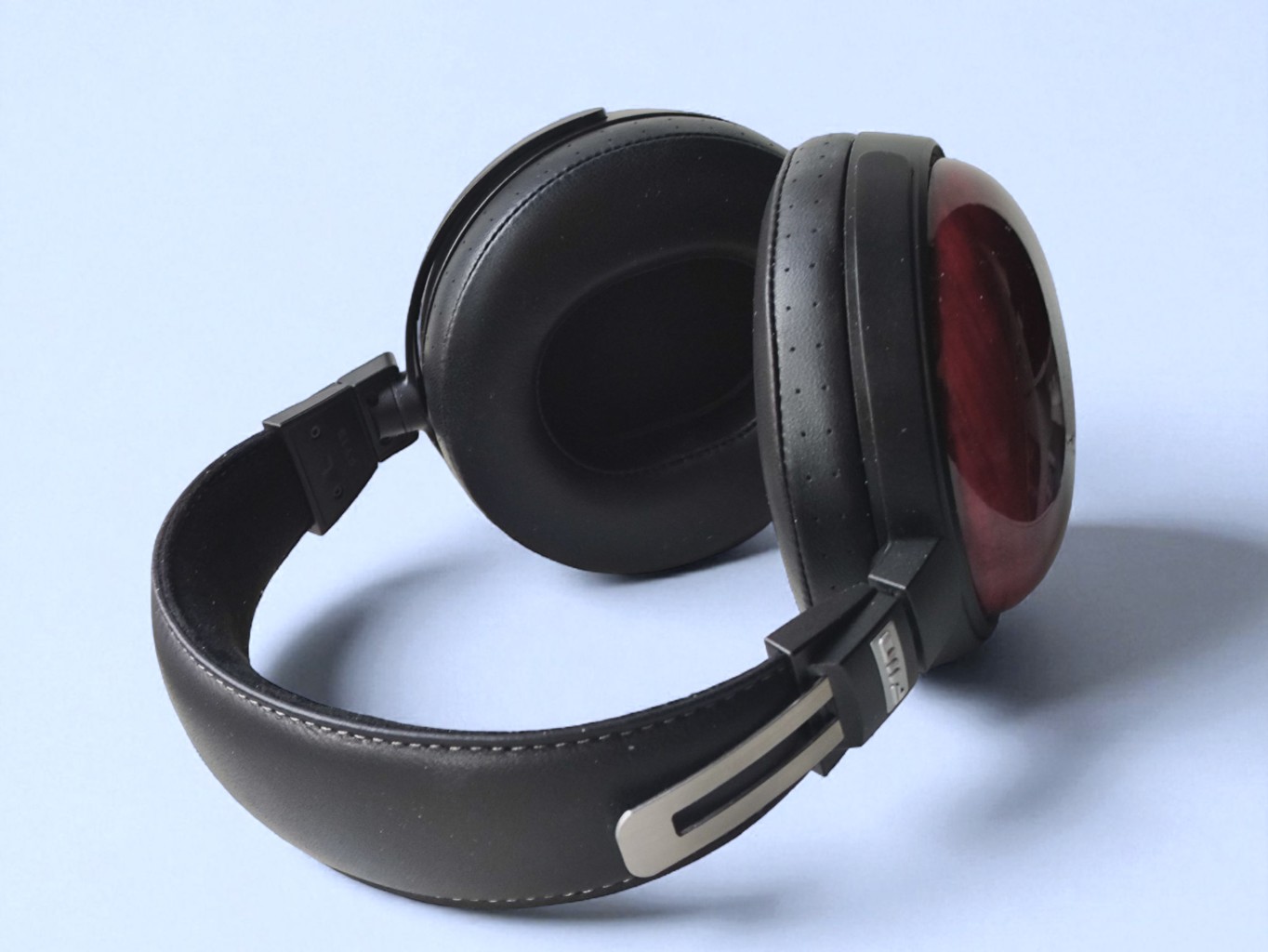
After having had such good results with the suede pads and the acoustic filters, I went back to the sheepskin pads; the ones I originally found far too bright and basically abandoned for the review. They do, however, have noticeably less bass presence than the suede pads, which is a good thing if you’re seeking a neutral bass presentation.
I tried the sheepskin pads with both thicknesses of tuning foam. The thinner layer wasn’t enough to take the treble, but the thicker foam (around 4–5 mm) made the sound really nice. The bass is much more neutral with the sheepskin pads compared to the suede, and the thicker foam smooths out the treble and makes the mids warmer, all resulting in a very nice and surprisingly neutral presentation.
With the thick foam filter and sheepskin pads, the FT13 becomes an enjoyable and genuinely great-sounding headphone—definitely the best sound I’ve heard from it. The bass is relatively neutral, the mids are warm and airy, and the highs are crisp and clear without being excessive.
“BEST MOD”-FT13 vs STOCK FT1
My favorite modded version of the FT13 (sheepskin pads with the thick foam filter) compares favourably to the FT1. The modded FT13 has a similar overall tonality but with a slightly warmer tilt, smoother mids, and an even more natural character. It maintains a similar tonal balance while offering more pleasing tone and timbre, along with improved technical performance and a more refined sound — quite a feat from simply adding 4–5 mm of foam.
You can read more here:
“BEST MOD”-FT13 vs DENON D5200
The modded FT13 also compares favourably to the much more expensive Denon D5200, You can read more about it here:
TUNING FILTERS – CONCLUSION
With either pair of pads, I much prefer the FT13 with tuning foam in front of the drivers. It becomes a far more enjoyable and engaging headphone with no significant drawbacks. For anyone who finds the FT13 a bit sharp in the treble or dislikes the general tuning, this simple mod can make a significant difference, improving not just the treble but the overall sound signature and listening experience.
FT13 TUNING KIT?
Searching online, I see I’m not alone in experimenting with tuning filters on the FT13. I hope FiiO takes this kind of feedback seriously. There’s no shame in offering a tuning kit—and I genuinely think they should.
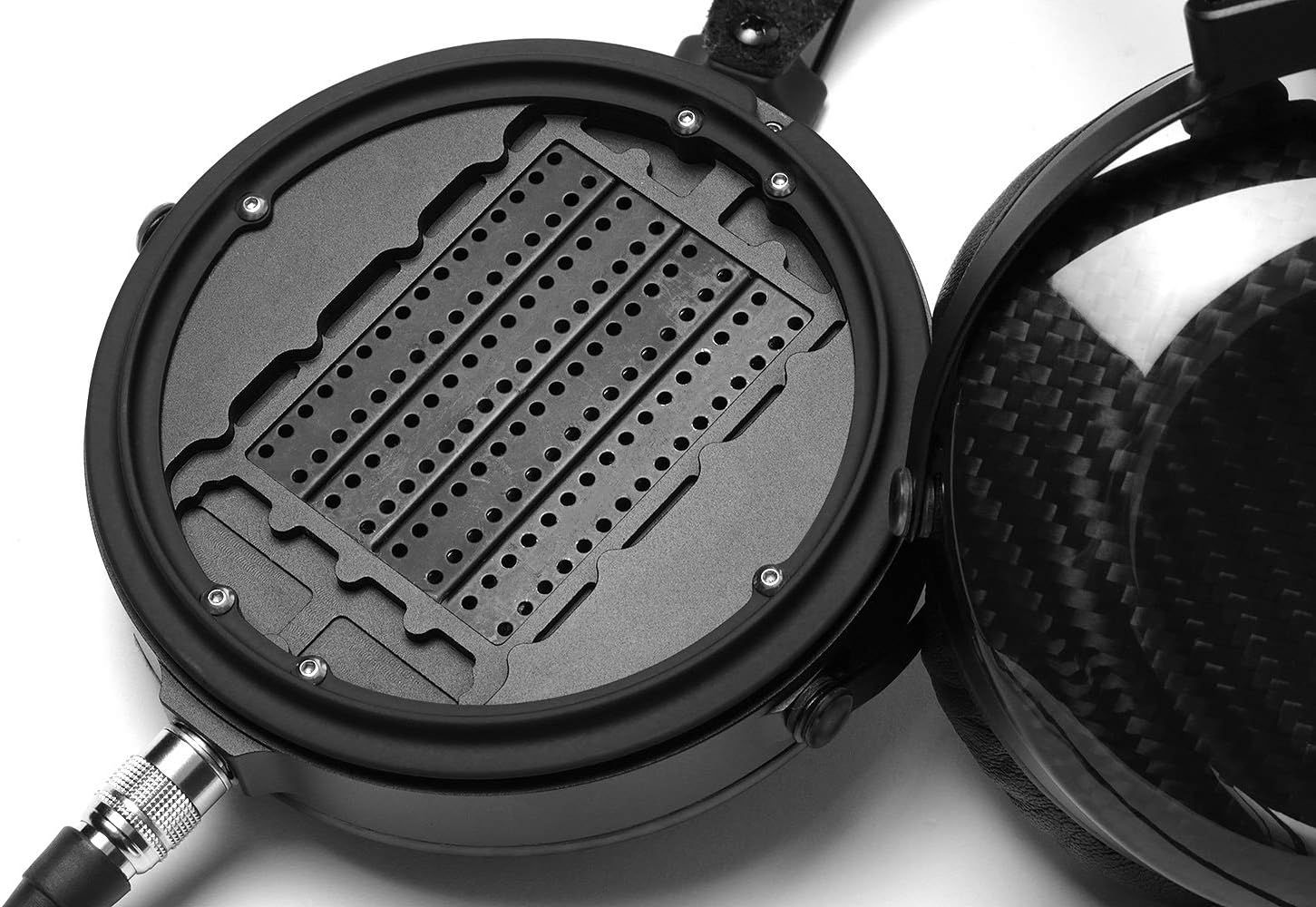
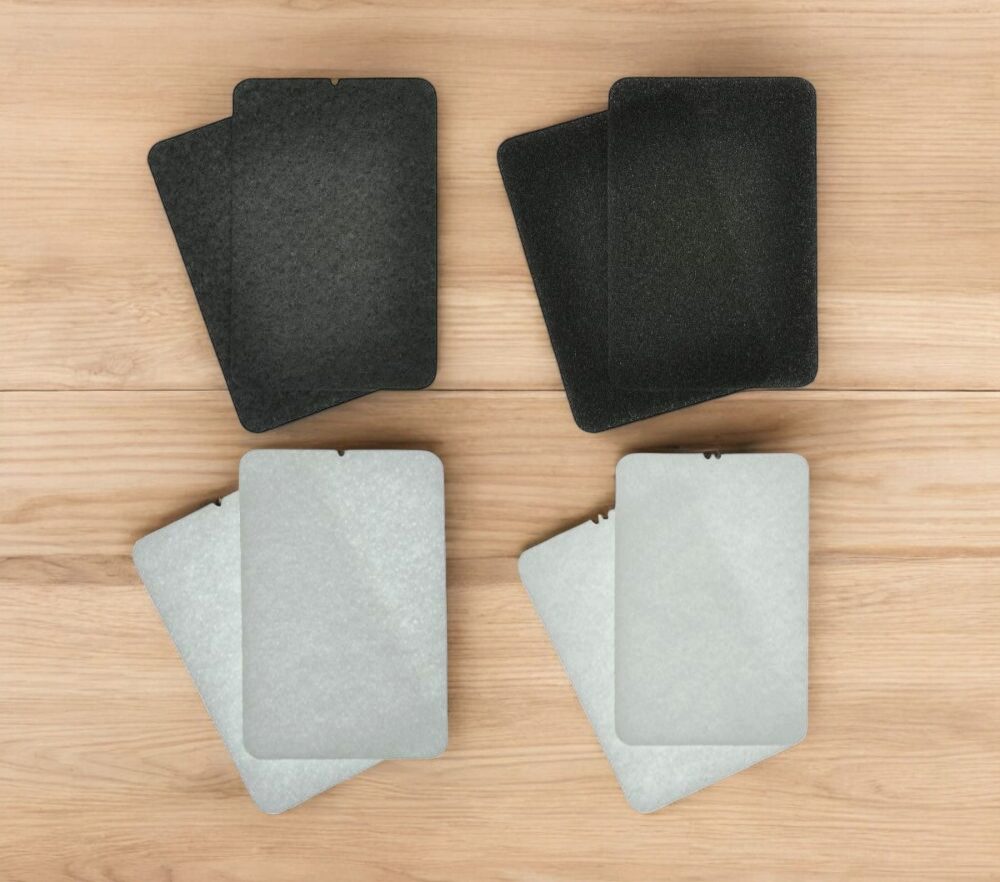
Dan Clark Audio, FKA MrSpeakers, has proudly offered tuning kits for some of their models in the past: The Ether, Ether C, Ether Flow, and Ether C Flow and Ether CX all have built in slots for tuning materials to be placed in front of the driver, and the supplied tuning set consists of 4 different types of felt and foam. I’d love to see such a set from FiiO – the pad system makes the FT13 perfect for adding a suitably shaped filter between the pad and the housing/driver.
UPDATE – FIIO RELEASED THE A-PAD
After the release of the FT13 headphone, FiiO has released a third type of earpads, called the HS-FT13A, which I’ll refer to as A-pads. These have significantly softer foam and the fabric is a synthetic blend of suede and velvet called ultrasuede. They’re extremely comfortable.

After testing them and comparing them to the two different stock pads, I believe the A-pads are the most balanced and best sounding of the three sets of pads available for the FT13.That said, I still felt the FT13 was a bit on the brighter side for my taste, and I ended up using a thin layer of acoustic foam (2-3mm) in combination with the A-pads. This setup is now my favorite. It sounds at least as good as the sheepskin and thick foam combination, and it’s more comfortable. However, with the A-pads, the foam is more a preference thing; with the two other pads it was a necessity for me.
In conclusion, the A-pad is a very welcome addition to the FT13, but I still hope FiiO will make a tuning kit with different foams. Anyway, I want to praise FiiO for listening to their customer base and feedback from reviews.
On another note, FiiO has stated in online forums that they can supply adapter rings for use of third-party earpads with the FT13. This is great news for us pad rollers. If interested, you need to contact their customer support: support@fiio.com
ABOUT EQ
Whenever a headphone’s frequency response has issues, you can of course use EQ to adjust the curve. Personally, though, I try to avoid EQ — especially when reviewing. I prefer to hear the headphone as it is, or use simple physical tuning tweaks/mods if necessary – like foam mods and pad swapping. If you want to try EQ with the FT13, there are others who are far more experienced than me on this, and I recommend searching a bit online for good EQ curves.
CONCLUSION
The FT13 isn’t a headphone I can recommend without reservation in its stock form.
It comes with two pad options that give noticeably different sound signatures, but neither lands in “neutral” territory. The sheepskin pads offer the most neutral bass and mids, but the treble is painfully bright. The suede pads soften the treble a bit, yet still lean bright, and they add a very powerful low end—resulting in a distinctly V-shaped, “dark-bright” tuning.
That said, the soundstage is impressively large and the detail level in the mids and highs excellent at this price point. However, as mentioned, both pad options give you a coloured sound profile. That may be exactly what you are looking for, but I am very certain you would be in the minority.
There is, however, hope for the FT13. I had great success combining both the sheepskin and suede pads with different types of tuning foams designed for the Sennheiser HD600 series. These foams are readily available, and this is not the first headphone I’ve tested that benefited from a little modification to reach its full potential. With the foam, I truly appreciate the FT13; without it, the sound is too bright and too far from neutral for me.
In conclusion, the FT13 is a well-built and very comfortable headphone with excellent technical performance, but its tuning will certainly not suit those who prefer a strictly neutral sound, as it has degrees of crisp treble, unevenness, and potentially very heavy bass. However, there are easy fixes that address these issues effectively, and with a bit of effort and luck, you could make it your favorite headphone.
Thanks for reading. You can support us by purchasing anything using any of our affiliate links.
Any purchase you make on Amazon, Linsoul , AliExpress or Audio46 with any of our affiliate links will give us a small provision at no cost to you.
We only get a provision for items that are not returned, so there’s no incentive for us to recommend something that’s not good.
Linsoul : Headphones, Earbuds, Wireless Earbuds, Desktop DAC/AMP, Portable DAC/AMP, Digital Audio Players,
Amazon: Headphones, IEMs, Headphone Amplifiers, Home Audio or Anything else.
.
If you enjoyed this article or other content on The Headphoneer, you might consider leaving a small donation to keep this website up and running. No donation is too small. Thanks for supporting us!

If you like our work please follow us on Instagram, Facebook and Twitter , it will help us grow. Sharing is caring 🙂