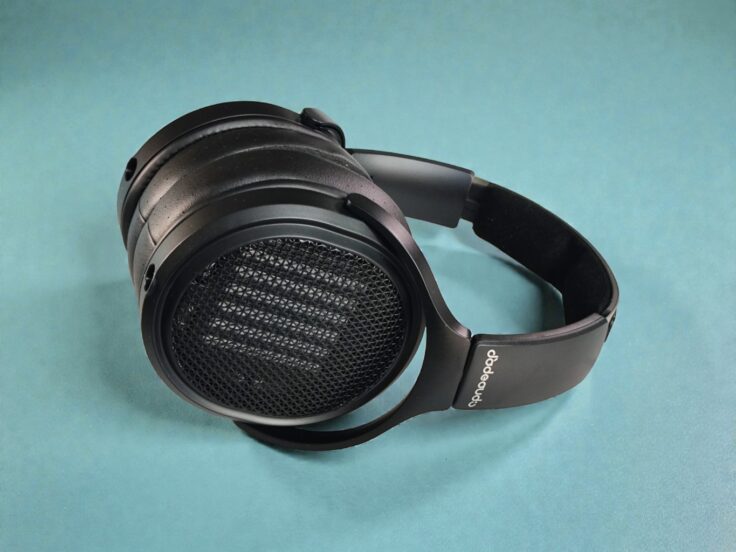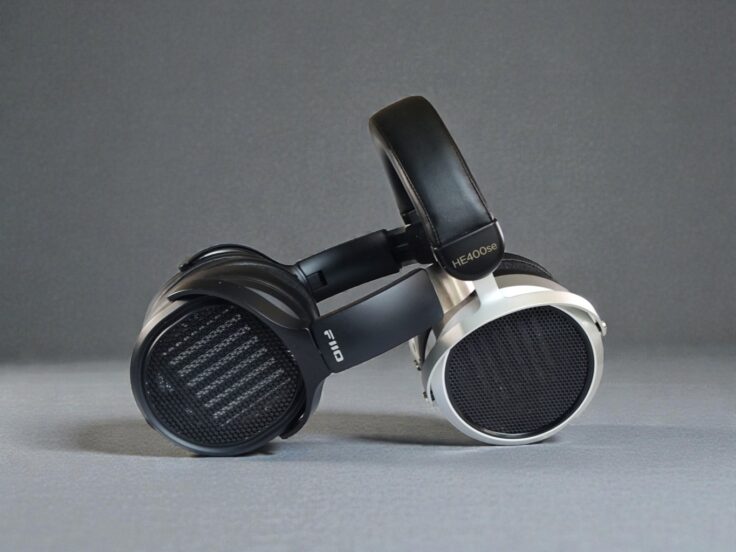


The Fosi i5 is a full-sized, planar magnetic, open-back headphone featuring a large driver with a 97 mm circular diaphragm. Fosi is an emerging company focused on delivering high-value audio at an affordable price. The i5 was originally launched on Kickstarter in the summer of 2025, and is currently available from various vendors, typically priced around 550 USD before tax.
FiiO has made a strong impact on the full-size headphone market in recent years with several models, both open and closed, featuring dynamic and planar magnetic designs. The FiiO FT7 is their planar magnetic flagship, building on the success of the FT5 and especially the FT1 PRO. It uses a 106 mm diaphragm and is normally priced around 700 USD before tax.

FOSI AUDIO i5 SPECIFICATIONS
- Open-back circumaural wired headphones
- Driver: Planar magnetic, 97 mm
- Impedance: 28 ohm
- Sensitivity: 98dB/mW @ 1kHz
- Maximum Sound Pressure Level >120 dB
- Frequency Response: 10Hz-50kHz
- THD < 1% @ 100 dB SPL
- Recommended Power > 250mW
- Minimum Recommended Power > 100mW
- Weight: 550g
Current price and availability:
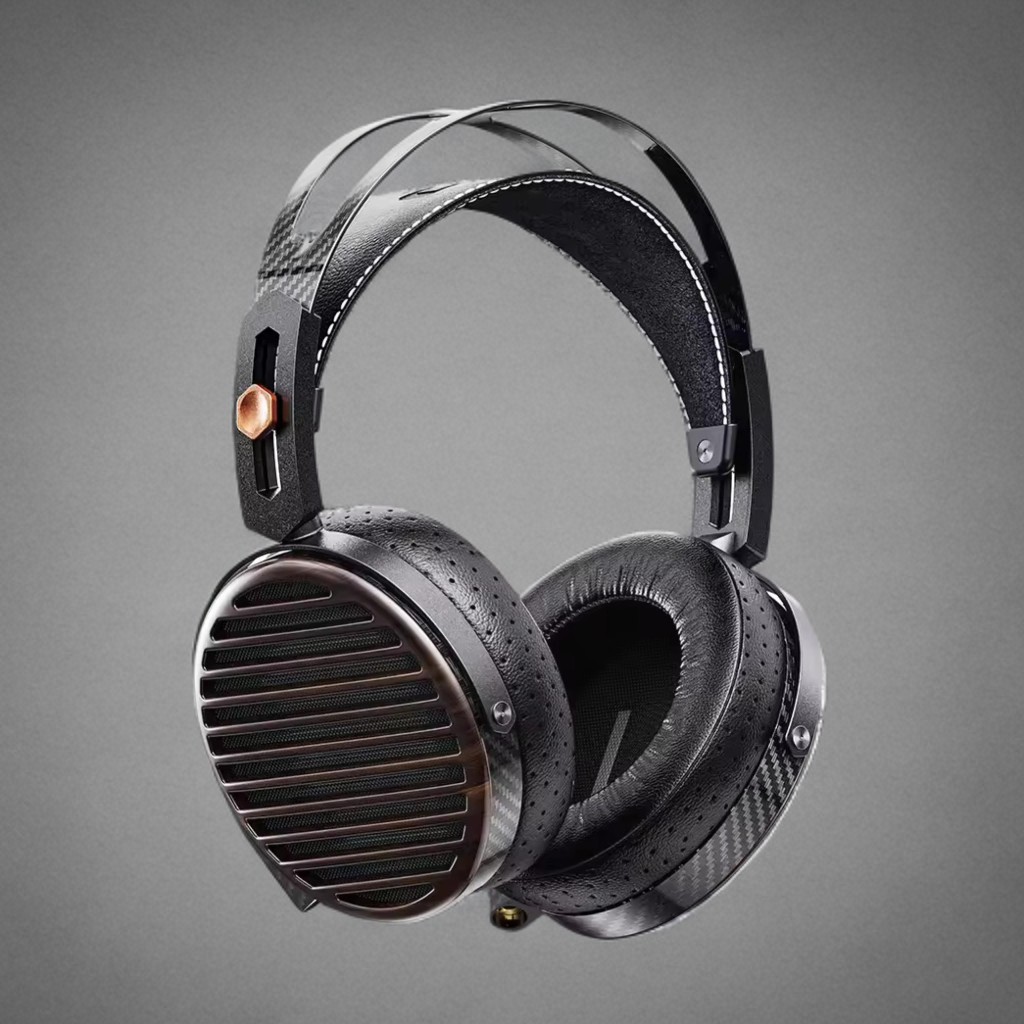
FiiO FT7 SPECIFICATIONS
- Open back full size headphones
- Driver: planar magnetic 106 mm
- Frequency response 5Hz-40kHz
- Impedance 25 Ohms ±15%
- Sensitivity: 94dB/mW@1kHz / 110dB/Vrms@1kHz
- Weight: 427g (excluding cable)
- Earpad pressure: 4.2 N ± 0.3N
- Cable material: 6N liquid nitrogen frozen monocrystalline copper cable
- Cable length: 3m
- Headphone cable connector: Dual 3.5mm TS
- Cable termination plug: 4.4mm balanced
Current price and availability:

BUILD AND COMFORT
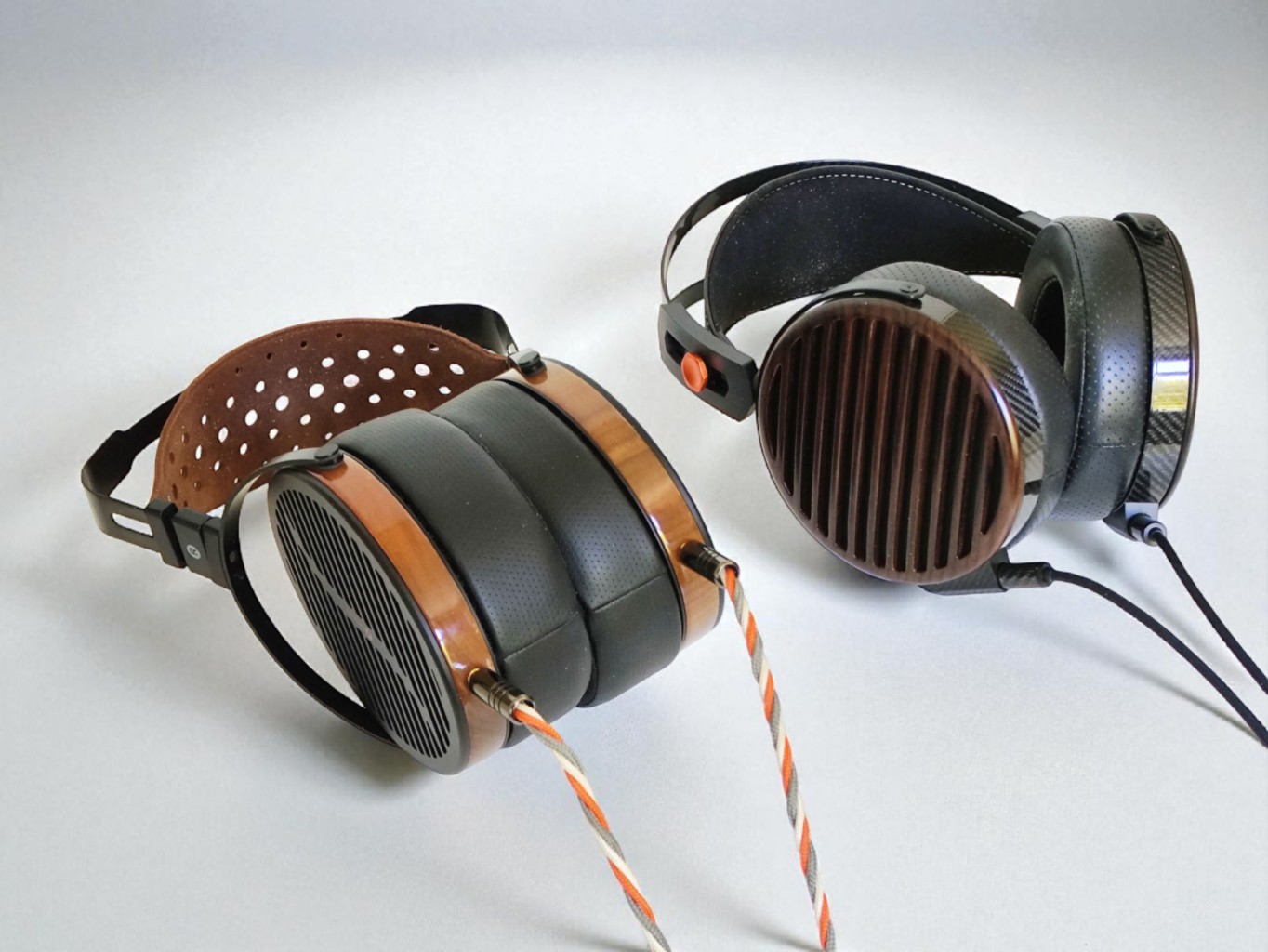
Both the FT7 and i5 are large headphones, but the i5 is bigger and about 130 grams heavier—which you will notice. However, comfort often depends more on how they fit than just how much they weigh, so I can’t recommend one over the other on that basis alone.
Both have very good headbands, use quality materials and are well put together.
COMPARISONS
Associated equipment:
- Amplifier: Topping A90
- DAC: RME ADI-2 DAC FS
Tide of Trepidation by EST
In this piano trio both sound good. They have polite bass and a similar tonal balance. They sound relatively alike, but the FT7 is cleaner and offers a larger soundstage.
Farlig norsk hengebru by Moskus
Here they are also similar, but the i5 sounds more intimate, while the FT7 has a larger soundstage and even better detail.
Like Suicide by Soundgarden
Both have a polite bass response and sound relatively similar, with a slightly dry and bright character. The FT7 is a bit more detailed and even.
Bored by Deftones
Although they are not miles apart, the FT7 feels drier while the i5 is warmer. Fuzz guitars sound noisier on the FT7, yet still more detailed.
As Before by Olga Konkova
This track is a bit challenging for the i5, as the cajón drum sounds somewhat boxy and the piano intro becomes too intense in the first hard-hitting tones. The FT7 avoids these issues and sounds more neutral and accurate, although the two headphones broadly soaking are still not very different.
It Could Be Sweet by Portishead
Another track where the i5 struggles a bit. The bass sounds slightly off and the vocals uneven. The FT7 has no such issues, with stronger bass presence, smooth vocals, and excellent detail.
Escape Route by Boris Blank
The FT7 sounds very neutral, with clean bass, good separation of instruments, and precise imaging. The i5 has a warmer, more organic character. They are not vastly different, but their presentation has a distinct difference.
Spontaneous Compositorius by Thomas Agergard
Both sound very good. The FT7 is more spacious, with stronger, warmer bass, but its midrange and treble are slightly drier. The i5, on the other hand, sounds more lively and energetic.
Mahler’s Symphony No 2 III by Paavo Järvi
The FT7 sounds wonderfully smooth, balanced, detailed, and effortless, with kettledrums that have both slam and texture. The i5 sounds a bit boxy, especially in the kettledrums, and in direct comparison feels less natural and effortless than the FT7. However, as is often the case, you get used to its different tonal character relatively fast.
Young Vivaldi by Modo Antiquo
The i5 has a very nice, energetic, warm, and intense delivery, which is also articulate and detailed. The FT7 sounds a bit drier and more spacious, but also more neutral.
Summer 3 Vivaldi Recomposed by Max Richter
Both are nice. The i5 is slightly more upfront, while the FT7 is more neutral, though the difference is minor. The FT7 offers better instrument separation and greater detail.
Midnight City by M83
This track features complex electronic pop rock. The FT7 is neutral and extremely well balanced, with polite yet well-extended bass. The i5 sounds similar, but not quite as clean or evenly balanced.
Rambling Man by Laura Marling
This sounds good on both and very similar.
Sunrise by Norah Jones
The FT7 has well-defined bass and natural, upfront vocals. The i5’s bass sounds slightly boxy, and the vocals are even more intense than usual.
Almost Like The Blues by Leonard Cohen
The bass sounds quite similar, but is more neutral and less boxy on the FT7. Vocals are also more balanced and neutral, though the difference is not large.
Limit to Your Love by James Blake
The i5 sounds quite natural, with detail, space, and texture. Vocals are clean and energetic, and the bass is tight. The FT7 has a slightly different tonality with a bit more bass presence. Both are excellent, but the FT7 is the more neutral of the two.
WRAPPING IT UP
Sound Signature
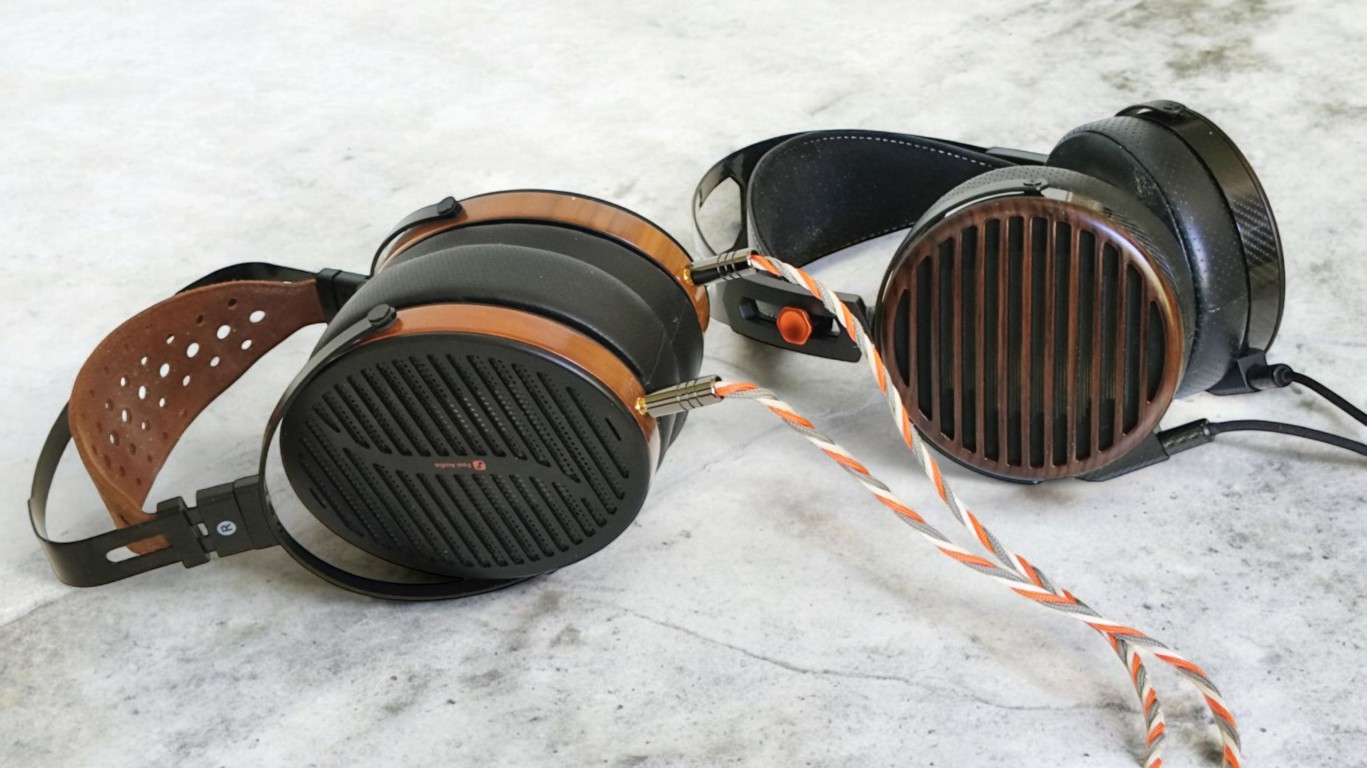
The sound signature of the two is quite similar, but not identical. Both have lean, tight bass, though the FT7 generally offers more bass presence. Differences in the midrange are very dependent on the track. The FT7 is more even, while the i5 is often more upfront, warmer, and more energetic. Treble presence is in general similar on both, neither bright nor dark, though the i5 is less coherent.
Treble
The FT7 is cleaner, more neutral, and controlled, making it less fatiguing on certain tracks. The i5 is very detailed as well, but often slightly more intense and energetic. It can sound more lively, though it may also be harsher or verging on sounding a tad “boxy” on some tracks.
Midrange
The midrange can differ noticeably between the i5 and the FT7, although at times it can sound quite similar depending on the track.
In general, the FT7 is cleaner, more neutral, effortless, and controlled, offering a much more even sound. The i5 delivers plenty of detail but is often warmer, more upfront, intense and energetic. It can sound livelier, though it may also be harsher or a bit “boxy”-sounding on some tracks.
Bass
The FT7 has more bass presence than the i5 while remaining very neutral. It is generally well-defined, textured, clean, and well-extended.
The i5 is also well-extended and textured, but tends to be leaner and can occasionally sound slightly “boxy” on certain parts of some tracks, though this is the exception rather than the rule – mostly it’s very good.
Soundstage and Imaging
Both have a large soundstage and very good imaging, but the FT7 sounds even larger and may be slightly more precise and consistent in terms of imaging. Both are exceptional for the price, though.
Detail, Dynamics, and Timbre
While both offer a great deal of detail for their price, the FT7 is generally more detailed sounding across the frequency range, though not always by a large margin.
In terms of dynamics, the FT7 does not lack impact, but feels controlled and composed – in a good way. The i5 often sounds more lively and energetic, especially in the midrange and treble.
For timbre, the FT7 is very neutral and coherent, sounding natural in a neutral way. The i5 is not the most neutral but generally sounds natural in a lively and energetic manner. It adds some color and may not always convey the recording with full accuracy.
AMPLIFICATION
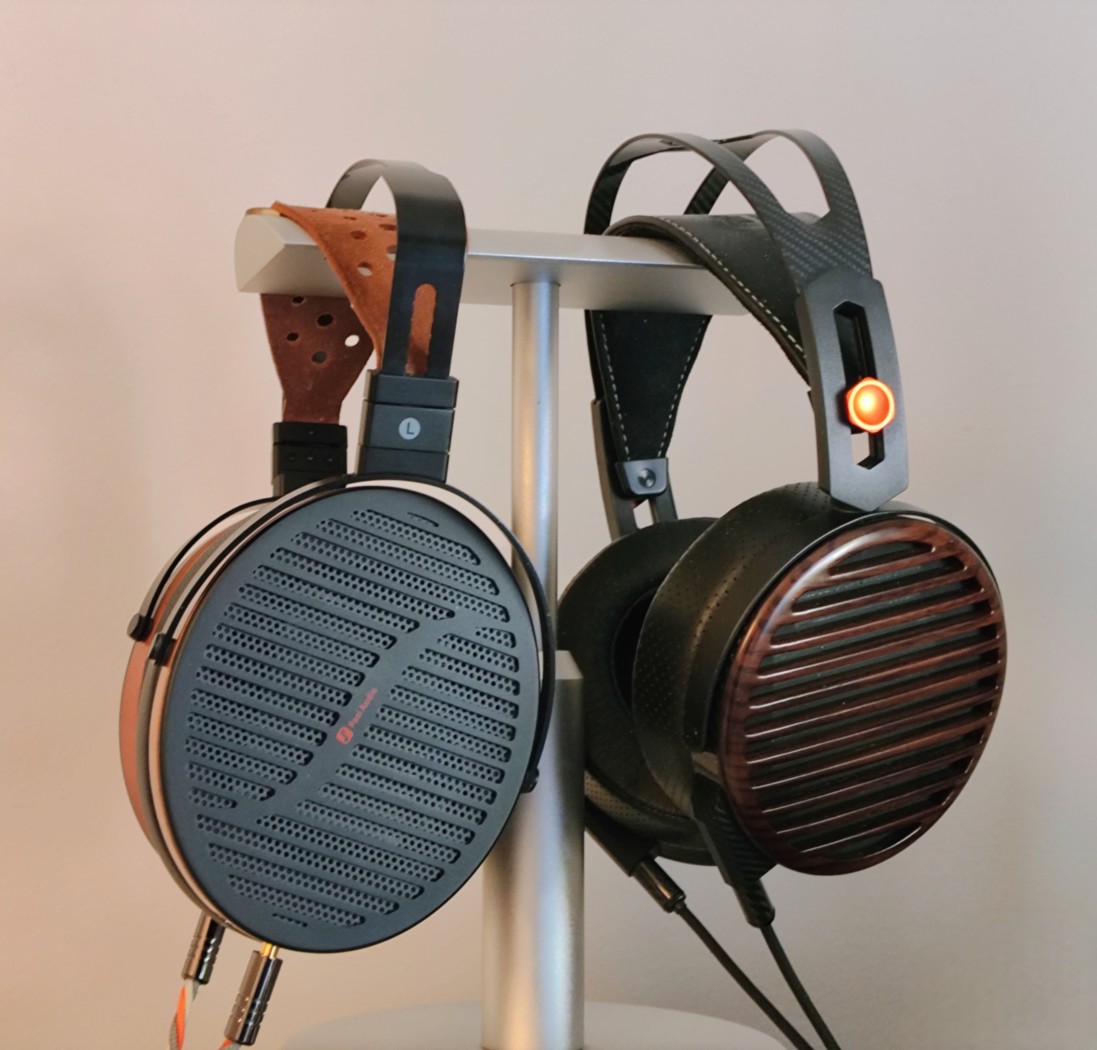
Amplification always matters, sometimes more than others. I have tried both headphones with several amplifiers, and the i5 responds more strongly to powerful amps than the FT7. There are several amplifiers that make the i5 sound better than the Topping A90. The ultimate test for planar magnetics is my Vidar 2 power amp. With it, the i5 becomes cleaner and more controlled, particularly in the midrange, and gains improved headroom, dynamics, and imaging. It simply becomes a much better version of itself. Even small improvements like e.g. 2% better dynamics, 2% better imaging, 2% more accurate midrange etc. – it adds up to a result that is significant as a whole.
The FT7, in comparison, does not change to the same degree with different amplifiers; it does respond to better sources, but in a less noticeable way.
CONCLUSION
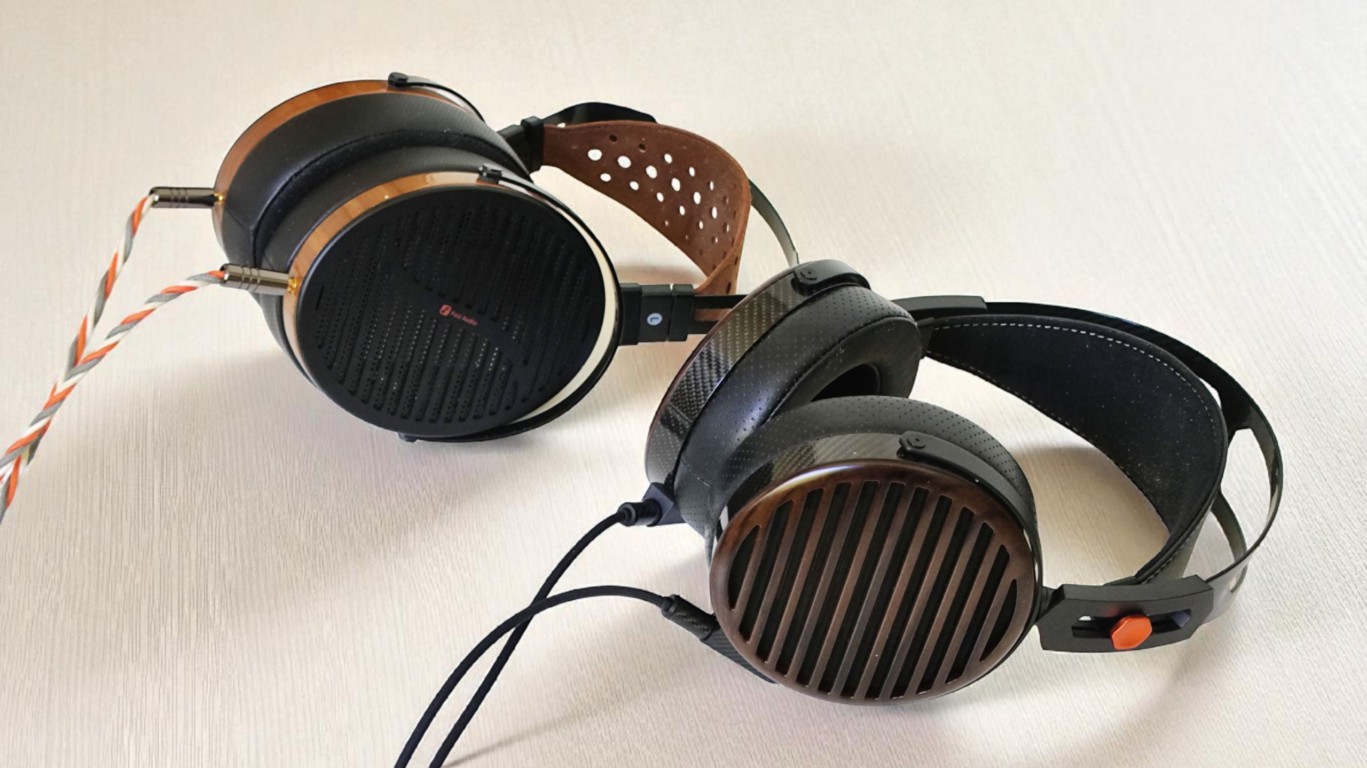
There is no doubt that the FT7 has a more neutral and accurate tonal balance, making it the stronger choice for professional work or someone seeking a highly neutral sound reproduction. The i5, however, has its strengths. It is often slightly warmer, more organic, upfront, and energetic, giving a lively and intense presentation.
The FT7, in contrast, is neutral, very well balanced, more spacious, and slightly drier in the midrange and treble. It sounds composed and refined, with a smooth and effortless sound. The i5 can, however, often sound more “fun”, especially with a well-matched amplifier.
Thanks for reading. You can support us by purchasing anything using any of our affiliate links.
Any purchase you make on Amazon or Linsoul with any of our affiliate links will give us a small provision at no cost to you.
We only get a provision for items that are not returned, so there’s no incentive for us to recommend something that’s not good.
Linsoul : Headphones, Earbuds, Wireless Earbuds, Desktop DAC/AMP, Portable DAC/AMP, Digital Audio Players,
Amazon: Headphones, IEMs, Headphone Amplifiers, Home Audio or Anything else.
.
If you enjoyed this article or other content on The Headphoneer, you might consider leaving a small donation to keep this website up and running. No donation is too small. Thanks for supporting us!

If you like our work please follow us on Instagram, Facebook and Twitter , it will help us grow. Sharing is caring 🙂