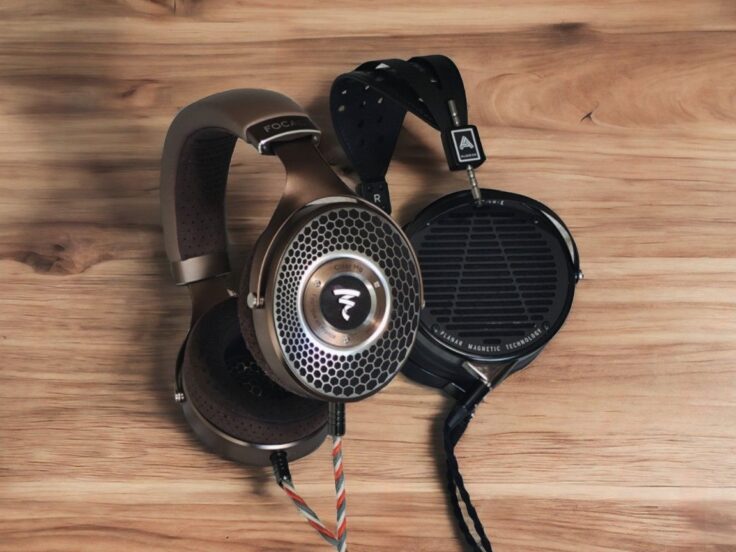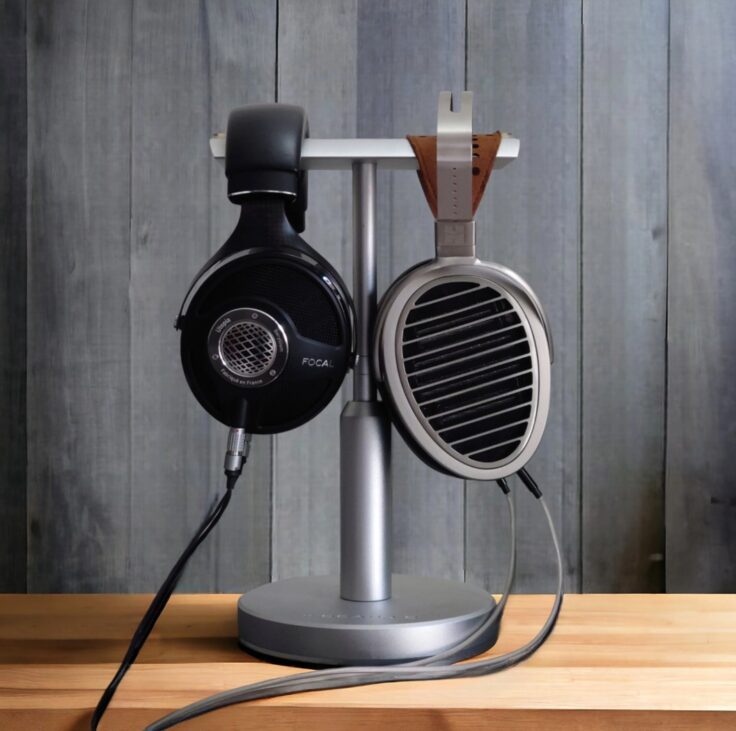


The Focal Clear MG was introduced in 2021, taking over after the first Focal Clear, launched in 2017. The original is now referred to as the Clear OG.
Focal was originally a French high-end speaker manufacturer and entered the realm of high-fidelity headphones with the first Utopia in 2016. Soon after came a more affordable option, the Elear, which is now discontinued—though it lived on in the form of the Focal x Drop Elex (an Elear with different pads). The Clear OG was Focal’s third hi-fi headphone, priced higher than the Elear but still far below the Utopia. After that, Focal launched quite a few more headphones.
Focal basically now has two lineups: the traditional full-sized models (Utopia, Clear OG and MG, Elear, Elex, Elegia, Stellia, etc.) and the more compact, travel-friendly designs which all have names that end with “ys” (Azurys, Bathys, Hadenys, Lensys, etc.). The Clear MG shares the same core design as the large full-sized Focal headphones.
I like reviewing gear that’s been on the market for a while, especially after extended ownership. As when I first got them, I still think the Clear MG is a great headphone, but to reach its full potential, it benefits from the right pads. I’ve previously written a dedicated review on how various pads affect the Clear MG, as well as several comparison reviews, but never a standalone review of the Clear MG. So – here it is.

Image Copyright: The Headphoneer
FOCAL CLEAR MG SPECIFICATIONS
- Impedance: 55 Ohms
- Sensitivity: 104dB SPL / 1 mW @ 1kHz
- THD: 0.25% @ 1kHz / 100dB SPL
- Frequency response: 5Hz – 28kHz
- Speaker driver: 1 ⅝” (40mm) ‘M’-shaped magnesium dome
- Cable connector on headphones: Standard 3.5 mm
- Cables supplied:
- 1.2m mini-jack cable with ¼”/6.35mm) jack adapter
- 1 x 3m 4-pin XLR cable
- 1 jack adapter, 3.5mm female to ¼”/6.35mm male
- Carrying case provided: 250x240x120mm
- Weight: 450g (0.99 lbs)
- Included in the box are two cables: one short cable that terminates in a 3.5mm connection and one long cable that ends in a 4-pin XLR termination. A 1/4″ adapter is also included. Nice carrying case.
Price on Amazon: Clear MG
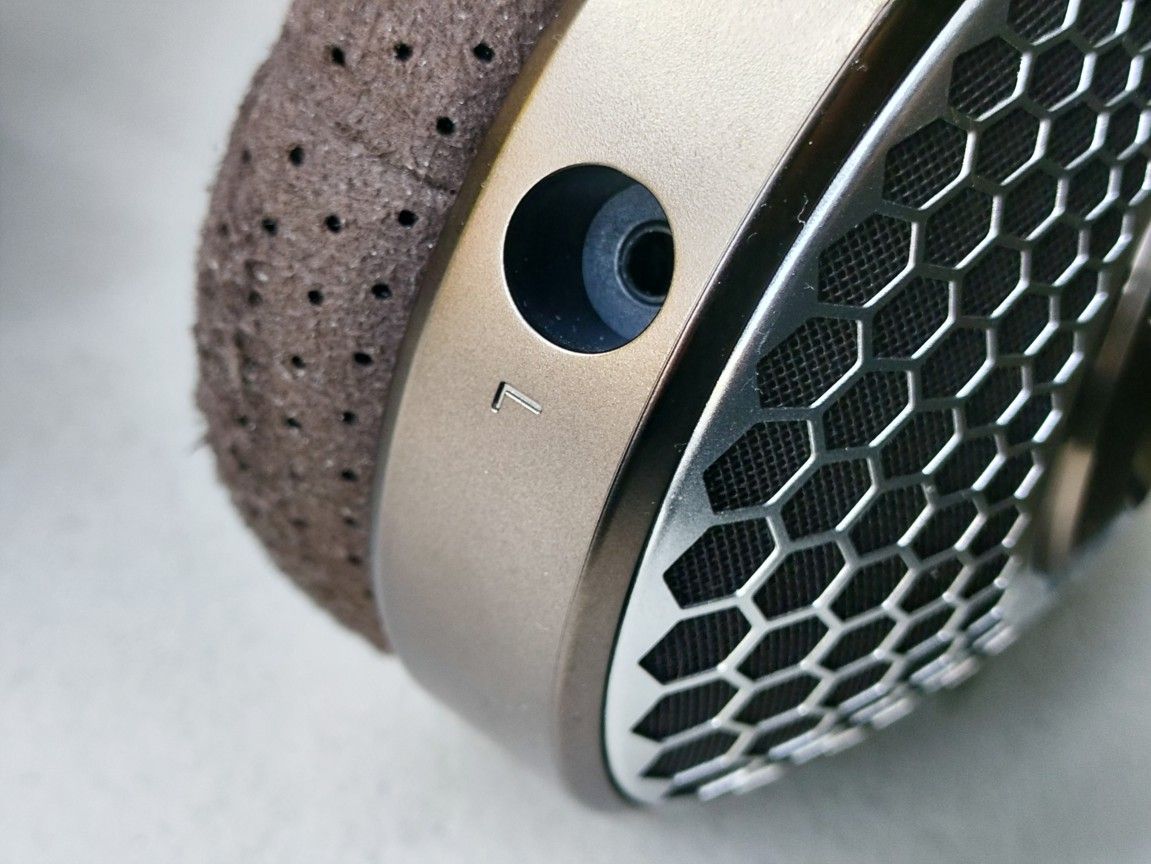
Image Copyright: The Headphoneer
BUILD, DESIGN AND COMFORT
The Clear MG is an open design, with large vent holes around the driver that allow air to flow relatively freely, regulated only by tightly woven plastic mesh. It is called “MG” because it uses pure magnesium in the diaphragm—a very light and stiff material, though not quite as light and stiff as beryllium, which is used in the Utopia’s driver. The first Clear (OG) featured aluminum-magnesium alloy diaphragm drivers.
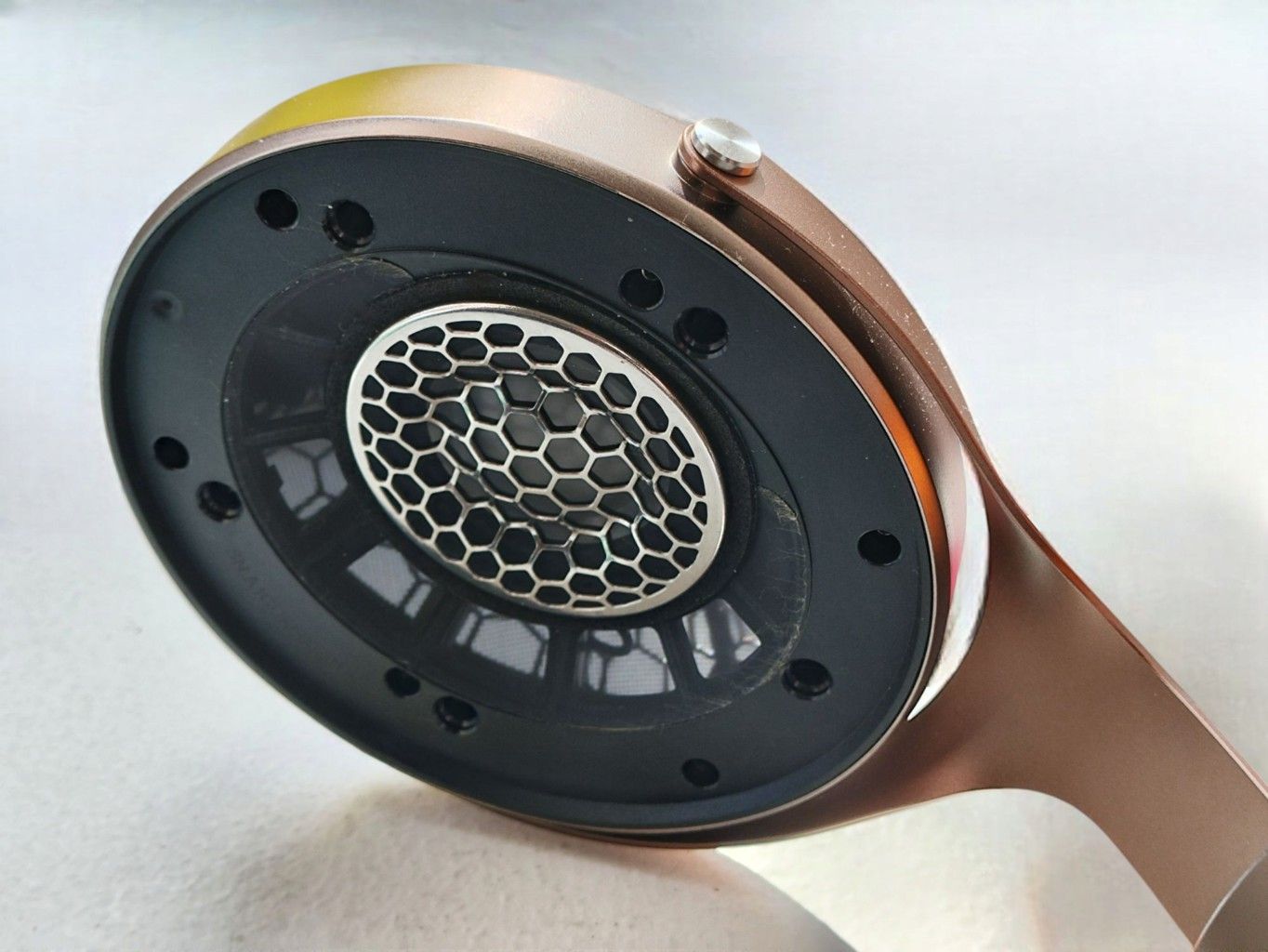
Image Copyright: The Headphoneer
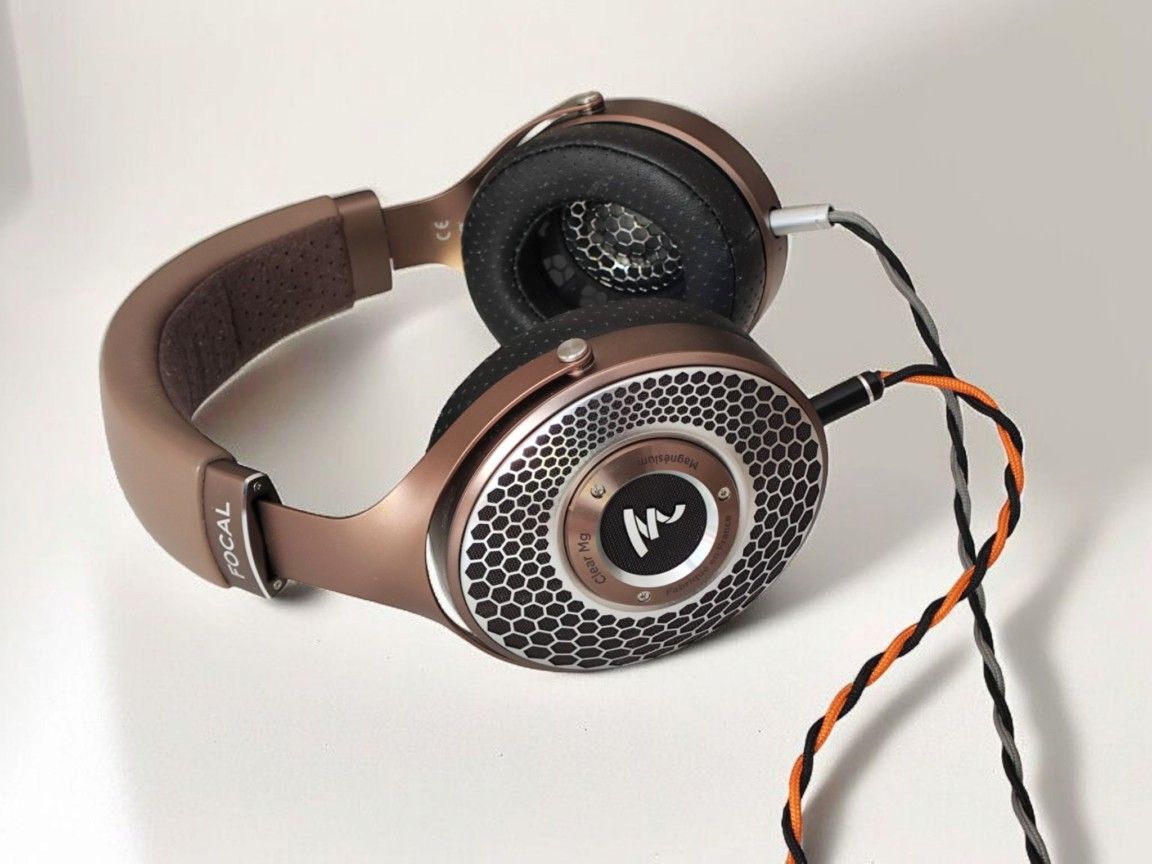
The Clear MG weighs 450 g and is relatively light—or at least not particularly heavy—for what it is. It features normal-sized oval pads and a padded headband. The ear cups don’t swivel much, so getting a good fit can be tricky if your head shape isn’t compatible.
The headphones use 3.5 mm connectors, which are becoming standard. However, they don’t lock, which could be a drawback in studio settings. The Clear MG comes with a very nice soft-shell carrying case.
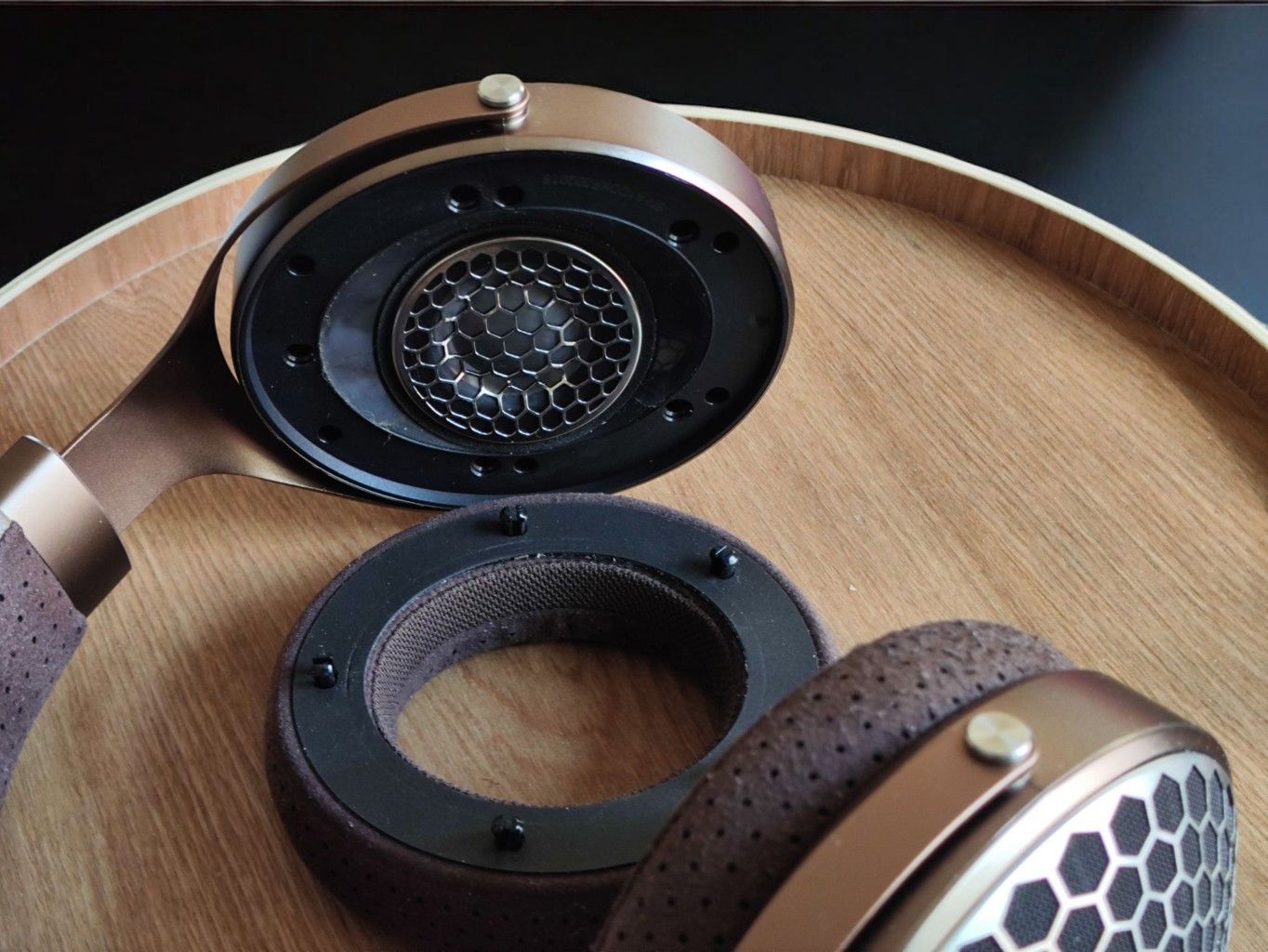
Image Copyright: The Headphoneer
One useful feature is the ability to swap pads easily—they snap on and off. While the pads are proprietary, many third-party options are available from brands like Dekoni or more affordable sellers on AliExpress. Pad choice noticeably affects the sound, which is common with Focal headphones. I don’t always prefer the stock pads.
I have written a dedicated review about the redirect of various Dekoni pads on the Focal Clear MG which can be found here:
DEKONI PADS FOR FOCAL CLEAR MG – A REVIEW

Image Copyright: The Headphoneer
LISTENING IMPRESSIONS
Associated equipment
- AMP: Bryston BHA-1
- DAC: RME ADI-2 DAC FS
- Pads: Stock
Limit to Your Love by James Blake
The vocals are beautiful—lush yet nuanced. The piano is clear and articulate. There’s good separation between instruments, but the soundstage is medium-sized.
Bullet In The Head by Rage Against The Machine
Very dynamic, nicely balanced, full-bodied, and slightly dark-sounding, with good articulation and separation.
The Tunnel by Tord Gustavsen Trio
The imaging is very good, with great separation. The bass is detailed and well-balanced, and the piano has a slightly dark tonality, never becoming overly crisp or bright. Percussion is snappy but never aggressive-sounding.
Aura by Bicep
A very nice rendition of this electronic track. The bass is powerful, but not enormous. It provides a solid foundation. There’s plenty of space and very good dynamics. The main synth is slightly laid back, and the percussion is snappy. However, the presentation has a slightly dry character.
Rocket Man by Bob James Trio
Nice, laid-back, slightly dark rendition. Bass is full but not overwhelming. Piano is clear but not very crisp. Snappy percussion with a good sense of space and three-dimensionality.
New Life Baby Paris by Mala
Dynamic, laid back, and slightly dry presentation.
Jambi by Tool
Guitars are not very crisp nor textured; they sound quite dark. The bass is rich and full. Vocals are slightly recessed, very similar to the HE1000SE e.g. The presentation is pretty laid back but not muddy.
Almost Like The Blues
Rich, lush bass that certainly doesn’t hide. Vocals are also lush and rather dark. Snappy percussion.
Black Crow by Cassandra Wilson
Again, full-bodied, lush bass; vocals are very present but slightly dark, there’s a good sense of space and instrument separation.
As Before by Olga Konkova
The cajón drum sounds large, with nice natural reverb. Vocals are smooth and delicate. The piano is laid back but crisp enough when needed.
It Could Be Sweet by Portishead
Bass is full and thumpy, vocals sweet and delicate.
Mahler’s Symphony No 2 III by Paavo Järvi
The kettle drums are rendered with body and nuance. Strings have a dark but pleasant timbre. There’s nice separation and detail. The soundstage isn’t the largest, but there’s a good sense of depth and plenty of ambient detail.
Summer 3 Vivaldi Recomposed by Max Richter
This track often sounds a bit muddy and honky, but not with the Clear MG. It sounds clean, the strings have a very nice timbre, separation is great, and the overall presentation is very enjoyable.
Young Vivaldi RV 820 by Modo Antiquo
Very nice timbre on the strings, even though it’s a bit dark. Great microdynamics.
WRAPPING IT UP
After listening through my playlist with the stock pads, I also did a round with the fenestrated sheepskin pads from Dekoni. I’ll share my impressions of the Dekoni pads below.
Sound Signature
The Clear MG with the stock pads is slightly dark-sounding, with good bass presence, polite but not overly recessed mids, and a rather non-aggressive high end.
With the fenestrated Dekoni sheepskin pads, the Clear MG sound slightly more upfront, tighter, and crisper—more neutral, yet still slightly dark.
Treble
The treble is nuanced, detailed, and delicate. However, it’s not especially energetic, and treble-heads might be disappointed, as it’s slightly dark.
With the fenestrated Dekoni sheepskin pads, the treble becomes clearer and more articulate, but also more revealing.
Midrange
The midrange is nicely present with a smooth and mostly natural-sounding timbre, but slightly polite in the upper regions, making it sound a bit darker than many alternatives.
With the fenestrated Dekoni sheepskin pads, the mids gain more upper-mid energy and sound a bit brighter and more upfront compared to the stock pads.
Bass
The bass is quite lush and bold, solid and dynamic, with good quantity and detail. Even with very demanding bass-heavy tracks that make many headphones distort, it remains clean and in control.
With the fenestrated Dekoni sheepskin pads, the bass is tighter with better articulation.
Soundstage and Imaging
The soundstage is medium-sized for an open-back headphone in this price class, but the imaging is very good.
With the fenestrated Dekoni sheepskin pads, the imaging is cleaner and less diffuse.
Detail, Dynamics, and Timbre
The detail level is pretty high, but not mind-blowing compared to some rivals. Dynamics are strong, the timbre is slightly dark and occasionally a bit dry, but mostly very natural and never shouty or overly crisp.
With the fenestrated Dekoni sheepskin pads, the detail level remains about the same, but details are less diffuse and articulation is stronger. Dynamics improve slightly, and the timbre becomes a bit crisper in a tighter, more controlled way. Overall, everything sounds a bit less diffuse with the alternative pads.
COMPARISONS
HIFIMAN HE1000SE vs CLEAR MG
The HiFiMAN HE1000SE (currently 1699 USD / €1500 ex.tax) was launched in 2018 as a supplement to the HE1000v2, and has been a reference in its price class ever after. It used to be priced a lot higher than the Clear MG, but these days they are in the same price range. Hifiman seems to have developed a habit for lowering their prices surprisingly much for products that’ve been on the market for a while.
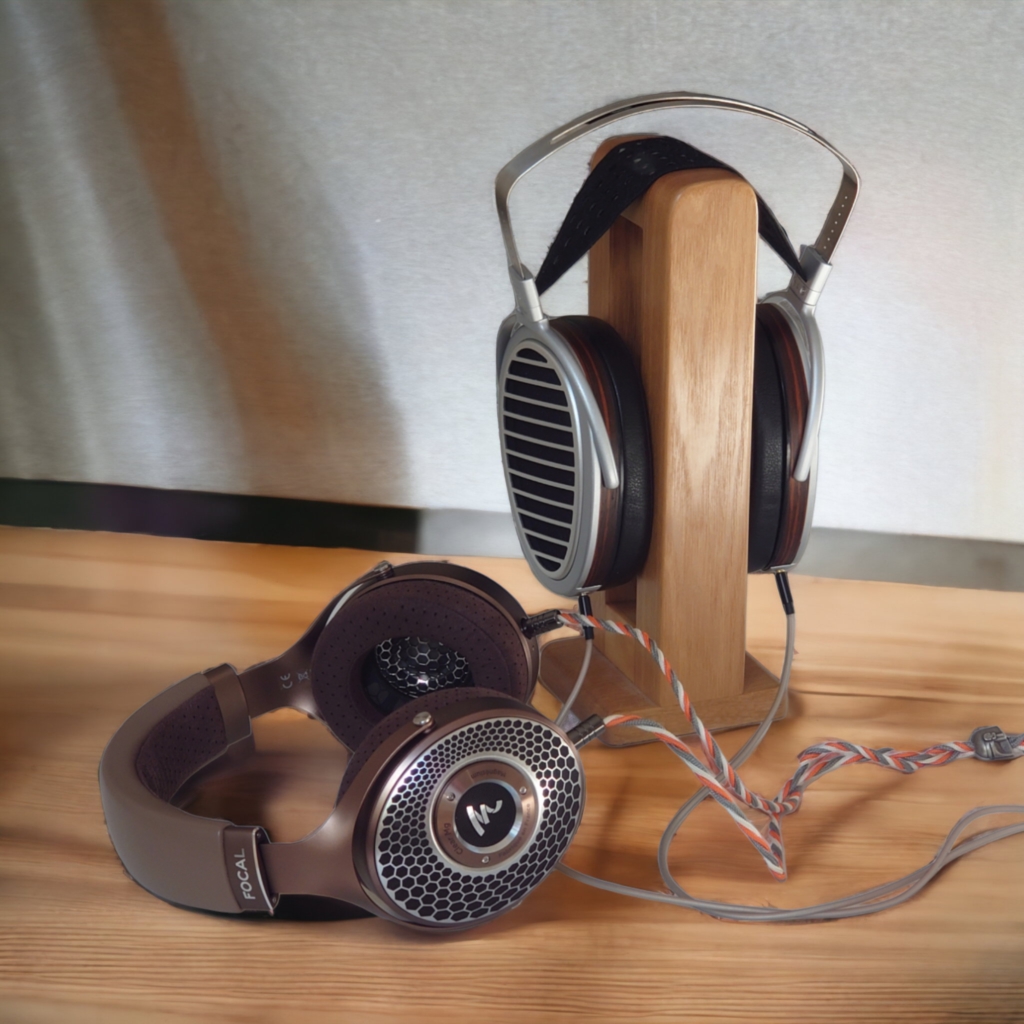
Image Copyright: The Headphoneer
In terms of physicality the HE1000SE has larger, oval cups, a headband with a strap, better swivel action but is less sturdy and travel friendly. As the Clear MG, it uses 3.5mm connectors.
Compared to the HE1000SE, The Clear MG offers a warmer, punchier sound with more midrange richness and bass impact. Its presentation is more intimate and full-bodied, making vocals and instruments feel closer and sometimes more engaging—especially in rock or jazz tracks. In contrast, the HE1000SE sounds more spacious and refined, with a wider soundstage, better separation, and a more neutral, detailed presentation. Vocals often sound fuller with the Clear MG, but slightly darker.
In the treble, the HE1000SE has the edge with greater air and fine detail, bringing out more texture in acoustic and classical recordings. The Clear MG is smoother but can sound slightly closed-in in direct comparison. The midrange is where the Clear MG shines in my opinion—vocals and guitars have a warmth and presence that the HE1000SE sometimes lacks, sounding a bit thinner and drier, but more neutral and not as dark.
The bass is tighter and more controlled on the HE1000SE, but the Clear MG delivers more punch and weight, which might give it an edge in rhythmic or energetic music. While the HE1000SE offers more resolution and precision, the Clear MG can feel more dynamic and lively.
In conclusion, the HE1000SE is technically superior, particularly in detail retrieval and spatial presentation. It’s also more neutral in the midrange, but feels a bit recessed sometimes. Still, I personally find it to be the better headphone, and with today’s price, it’s great value. However, the Clear MG often feels more musically satisfying, thanks to its sweet midrange, strong dynamics, and engaging, full-bodied sound.
Check current price:
- Amazon: HE1000SE
AUDEZE LCD-X vs CLEAR MG
The LCD-X is Audeze’s most popular headphone, used by both professionals and audiophiles. It was originally released in 2013 as a low-impedance, high-sensitivity alternative to the LCD-2 and LCD-3, specifically aimed at studio use. Over time, Audeze quietly introduced several updates, only confirming the changes publicly in 2020. Models made after late 2020 are referred to as the LCD-X 2021. Key changes include a new diaphragm, revised magnet array, updated pads, a different headband, smaller Fazors, and new grills. The specs also changed: from 22 Ohms and 96 dB to 20 Ohms and 103 dB.
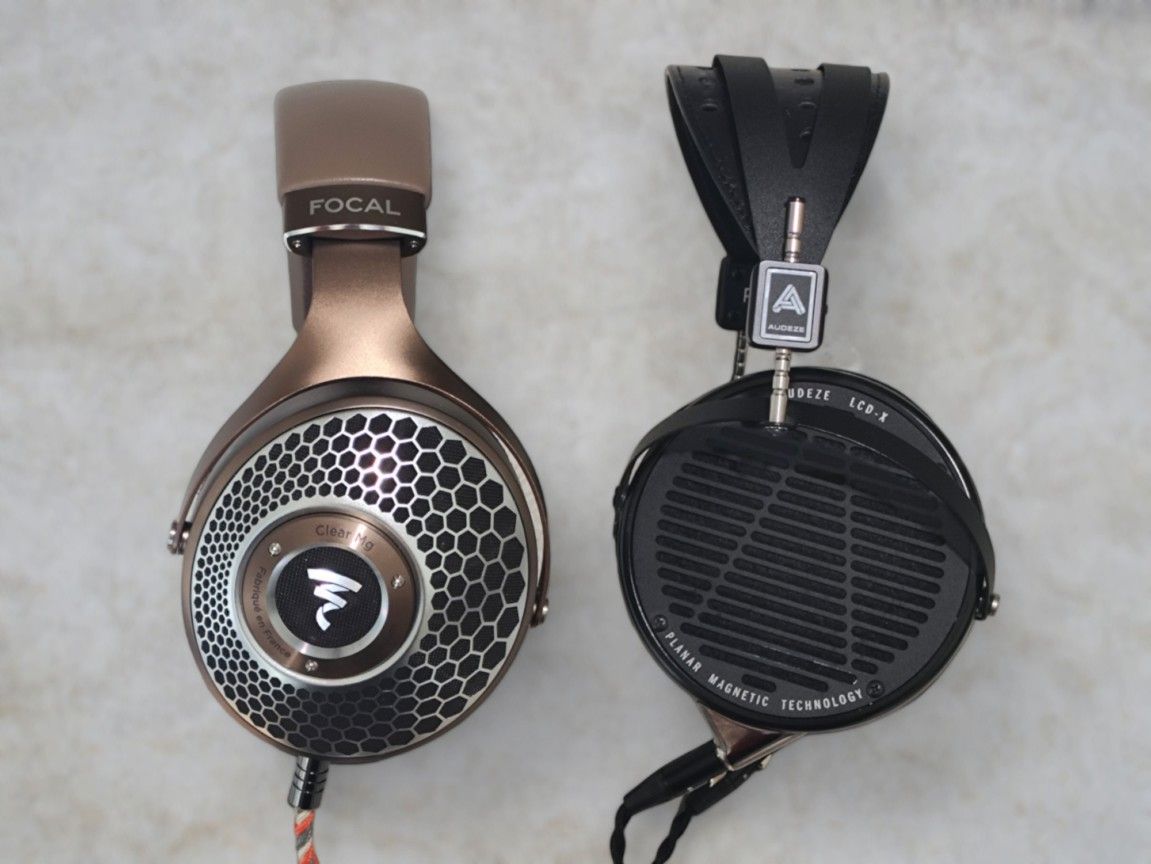
Image Copyright: The Headphoneer
Compared to the Clear MG, the LCD-X has much larger cups and pads and is significantly heavier at 612 g. While the weight is well distributed, some may find it too much, though others might prefer its fit over the Clear MG. In contrast to the click-on pads of the Focal headphones, the LCD-X uses glued-on pads, which are difficult to replace.
Both are easy to drive and work well with modest portable gear. However, they scale with higher-quality amps and sources and perform best with a good desktop setup.
Comparing the sound of the Audeze LCD-X to the Focal Clear MG, both headphones have similar tonal balance. Neither is overly bright or dark.
In the highs, they’re quite similar. Depending on the track, one has a bit more energy than the other, but not more detail or nuance. Both have relaxed, smooth mids. Sometimes one sounds more upfront than the other, depending on the track, but generally, I find the LCD-X the most neutral. Bass quantity is similar—neither bass-heavy nor bass-light, extending well to ~30 Hz. The LCD-X often sounds slightly fuller but also generally has more texture and detail. The LCD-X has a more intimate stage, even though it opens up at higher volumes. Imaging is similar on both, quite precise.
While they both are equally detailed, the Clear MG is more dynamic and articulate at lower volumes. The LCD-X improves with higher volume, becoming increasingly dynamic with the volume setting. Timbre is natural but slightly dark on both. It’s subjective which is better, anyway, they’re quite similar.
In conclusion, both are excellent headphones, with many similarities and a few different strengths. The LCD-X is the most consistently neutral, but also more intimate sounding. The Clear MG is often snappier, more open sounding, and feels more articulate at lower volumes. While not cheap, they both offer a listening experience close to that of much more expensive models.
Full comparison review can be found here.
- Amazon: Audeze LCD-X
SENNHEISER HD800S vs CLEAR MG
The HD800S doesn’t need much introduction. It was released in 2016, but it is basically just a slightly tweaked version of the silver finishedHD800, introduced in 2009. The main differences are the black finish and added damping material in the center of the driver, which helps reduce the well-known treble peak.
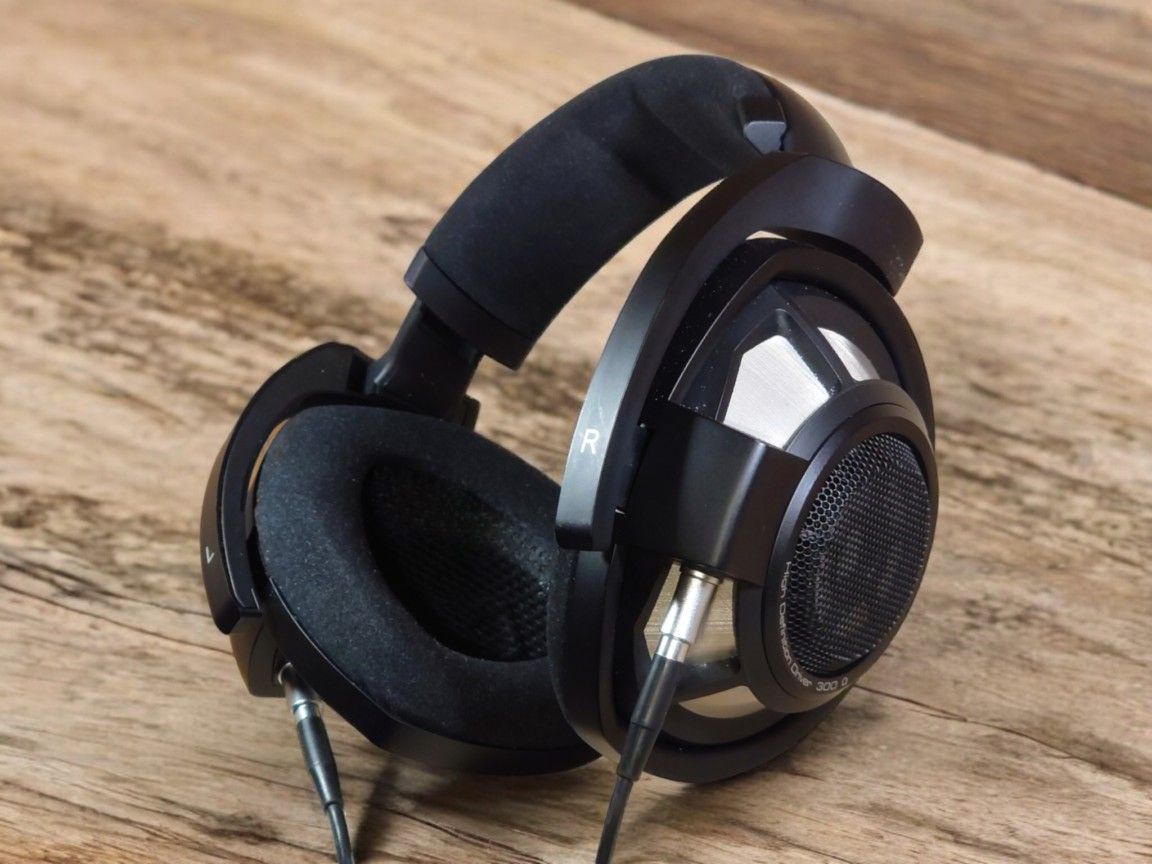
Image Copyright: The Headphoneer
The HD800S is lightweight with large cups and generally very comfortable. It uses proprietary connectors unique to the HD800 series, which limits cable compatibility—a drawback if you plan to swap cables.
The Sennheiser HD800S is known for its strong technical performance and wide soundstage. Compared to the Clear MG, the HD800S sounds more analytical—it reveals more detail but can feel more like observing music than being drawn into it. The HD800S has a brighter sound signature than the Clear MG. Personally, I find it too bright at times. It’s engaging in short sessions, but can be fatiguing depending on the music. I find it sounds more natural and easier to listen to when paired with tube amps.
The Clear MG has more bass and midrange warmth. The reduced treble intensity compared to the HD800S makes it easier on the ears over long sessions. To me, the Clear MG’s added bass is a plus. It’s balanced, controlled, and gives the sound more body. Its slightly warm and darker character makes it versatile across music genres.
In short, the HD800S is ahead in technical detail and soundstage. The Clear MG has a more pleasing tonality and stronger bass impact and dynamics.
Full comparison review found here.
- Amazon: Sennheiser HD800S
FOCAL UTOPIA OG vs CLEAR MG
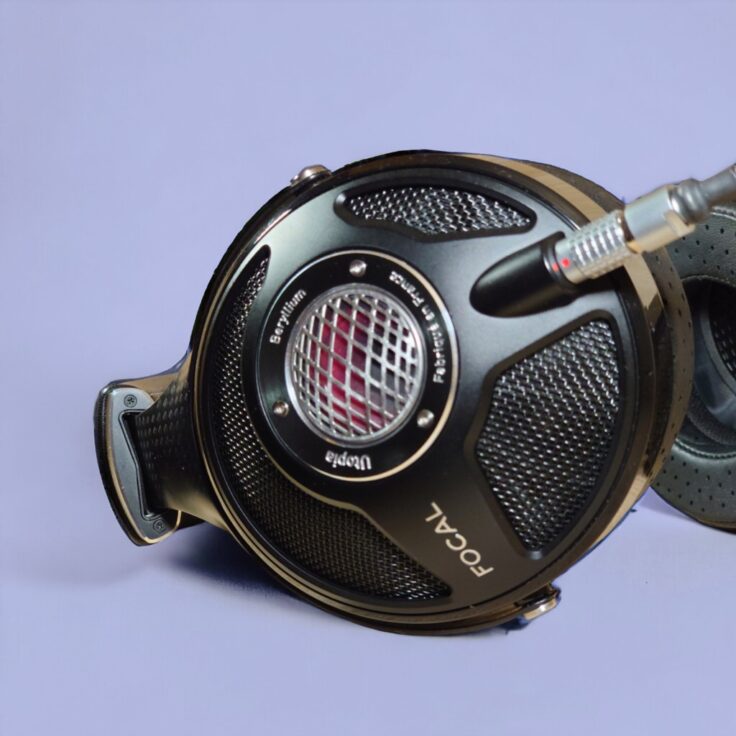
I don’t own the 2022 Utopia, but I do have the original and have earlier compared it extensively with the Clear MG. The 2022 version of the Utopia doesn’t change much, except for the tuning, which is a bit warmer. I prefer the original, as long as it’s paired with a great amp.
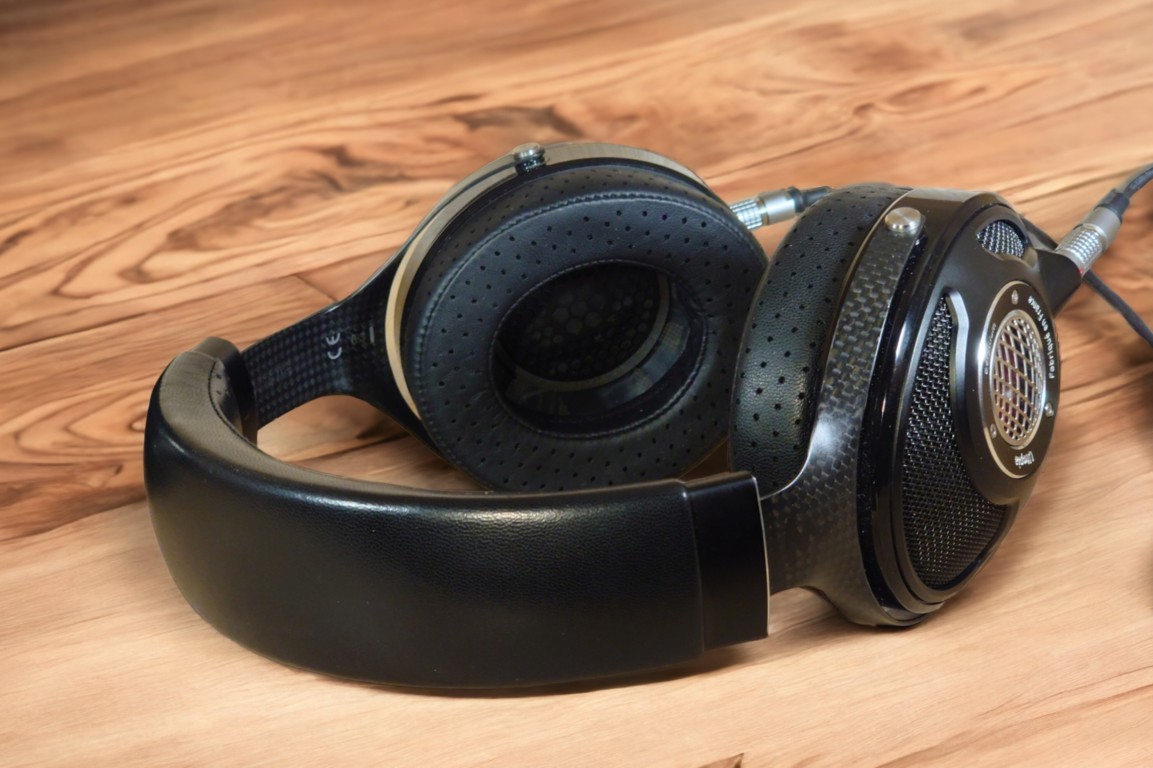
Image Copyright: The Headphoneer
Comparing the Clear MG to the new and old version of the Utopia, the build and design are very similar. The Utopias uses LEMO connectors, while the Clear MG uses 3.5 mm jacks. The pads attach the same way and are interchangeable.
Both headphones are very dynamic, but the Utopia excels in microdynamics. The soundstage is similarly sized on both, but while the Clear MG performs well, the Utopia presents a more three-dimensional stage with world class imaging.
While both headphones offer plenty of detail, the Utopia reveals more nuance and fine detail—especially when paired with a well-matched, high-quality amplifier and source. It’s simply more revealing.
The most obvious difference, however, is the tuning. The Utopia is brighter, with more energy in the upper mids and treble. The Clear MG has stronger bass and darker, fuller mids. The difference isn’t huge, but large enough that some may prefer the Clear MG’s general sound – despite the obvious lesser technical finesse.
Focal headphones generally respond well to pad swapping, and the Utopia sounds great with Dekoni’s fenestrated sheepskin pads. The sound becomes warmer, with more bass and reduced treble energy—bringing it closer to the Clear MG’s tuning in several ways while retaining the Utopia’s technical edge. In many ways the pad swap makes the Utopia OG more similar to the Utopia 2022.
Anyway, as mentioned, the original Utopia is more dependent on a high-quality, well-matched amplifier to perform at its best compared to the Clear MG. The Clear MG is more consistent across various setups but doesn’t scale as much with high-end gear. That said, even on the same setup, the Utopia is technically superior.
Full comparison review here.
- Amazon: Focal Utopia
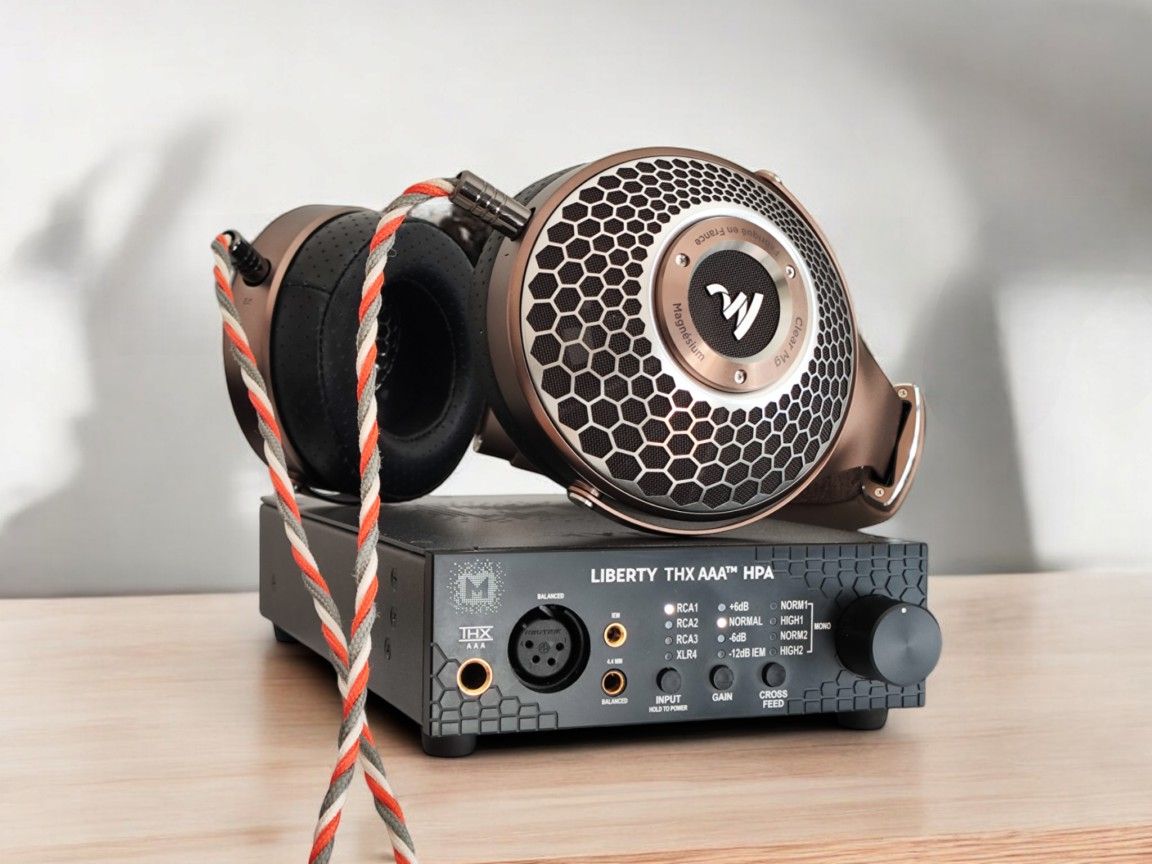
Image Copyright: The Headphoneer
AMPLIFICATION
The Clear MG isn’t hard to drive on paper. Generally, there are not huge differences between amps, but the MG tends to scale nicely with better upstream gear. My favourite solid state amp is the Bryston BHA-1 or Mytek’s THX Amp, but my absolute favourite amp is the Woo WA22 transformer coupled tube amp. It simply brings everything more to life. It also makes the MG less dark sounding, more neutral in a natural way.
That said, you can get much of what the MG can offer from good quality USB dongles. The Dragonfly Cobalt and the THX Onyx are quite impressive. However, the Kiwi Ears Allegro Pro does a great job too. The Jade/FiiO JA11 doesn’t impress though, it sounds underpowered. The xDuoo Link2 Bal2 needs to be used with the balanced output, otherwise it’s a bit low on power. The Letshuoer DT03 sounds good and performs similarly both unbalanced and balanced.
Of the dongles, I think the Cobalt impressed me the most, it’s very crisp and clean. If you want to step it up, the Chord Mojo sounds great, smoother than the Cobalt without losing detail.

Image Copyright: The Headphoneer
CONCLUSION
The Focal Clear MG is a slightly dark-leaning, punchy-sounding headphone with great imaging and detail. The bass is rock solid. It’s easy to drive but scales well with better upstream gear. It also responds well to pad swapping, allowing subtle tuning in different directions. The Focal Clear MG remains a solid headphone in its price range.
Thanks for reading. You can support us by purchasing anything using any of our affiliate links.
- Buy on Amazon: Clear MG
Any purchase you make on Amazon, Linsoul , AliExpress or Audio46 with any of our affiliate links will give us a small provision at no cost to you.
We only get a provision for items that are not returned, so there’s no incentive for us to recommend something that’s not good.
Linsoul : Headphones, Earbuds, Wireless Earbuds, Desktop DAC/AMP, Portable DAC/AMP, Digital Audio Players,
Amazon: Headphones, IEMs, Headphone Amplifiers, Home Audio or Anything else.
.
If you enjoyed this article or other content on The Headphoneer, you might consider leaving a small donation to keep this website up and running. No donation is too small. Thanks for supporting us!

If you like our work please follow us on Instagram, Facebook and Twitter , it will help us grow. Sharing is caring 🙂