
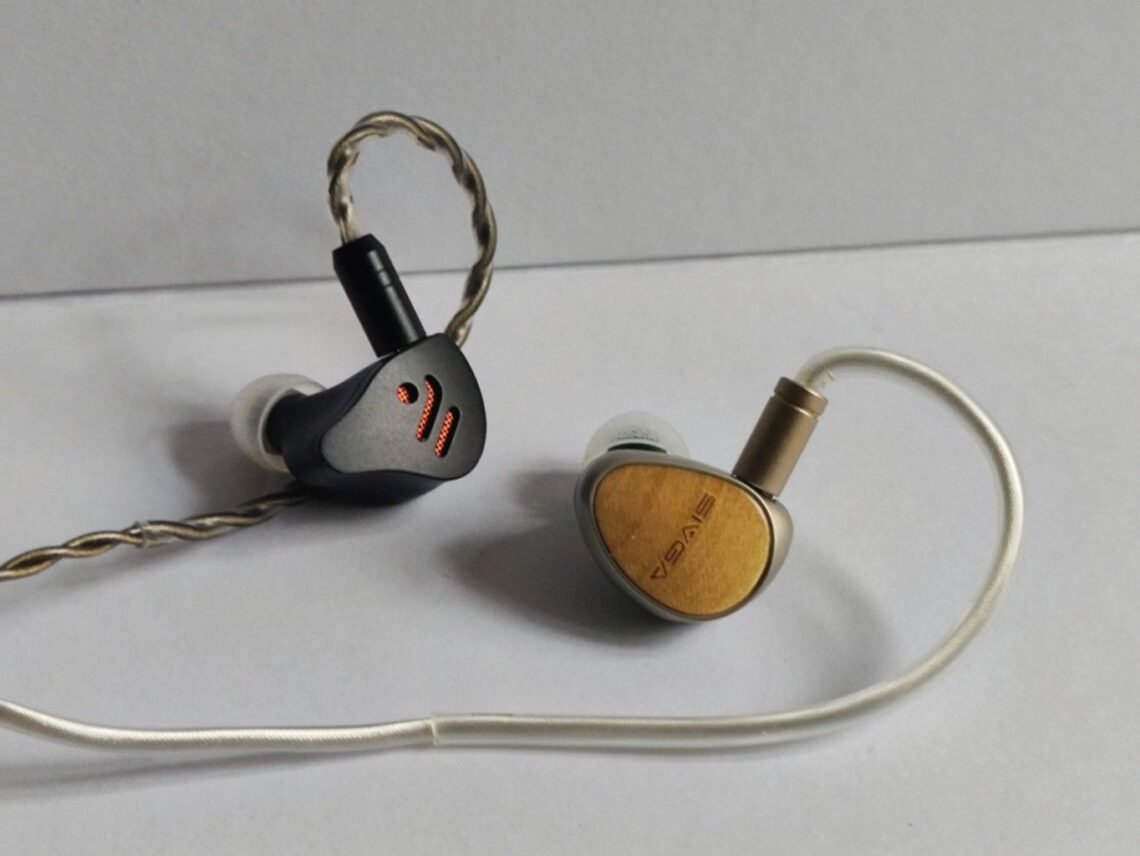
The Fosi IM4 is the first IEM from a company that has specialised in delivering high quality electronics at astonishingly low prices. I have previously reviewed their quite impressive planar magnetic headphone, the i5 (Which is their first and currently only headphone).
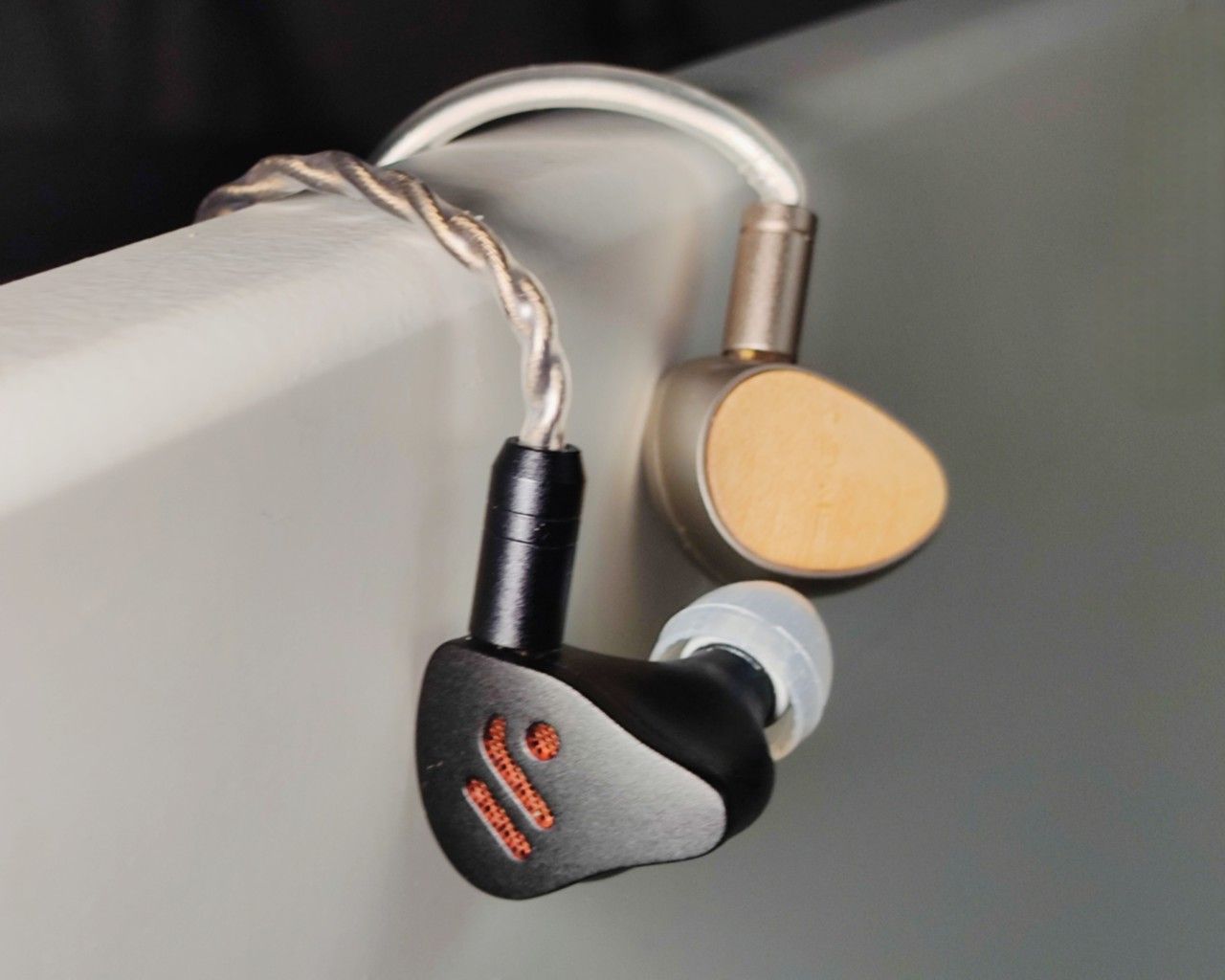
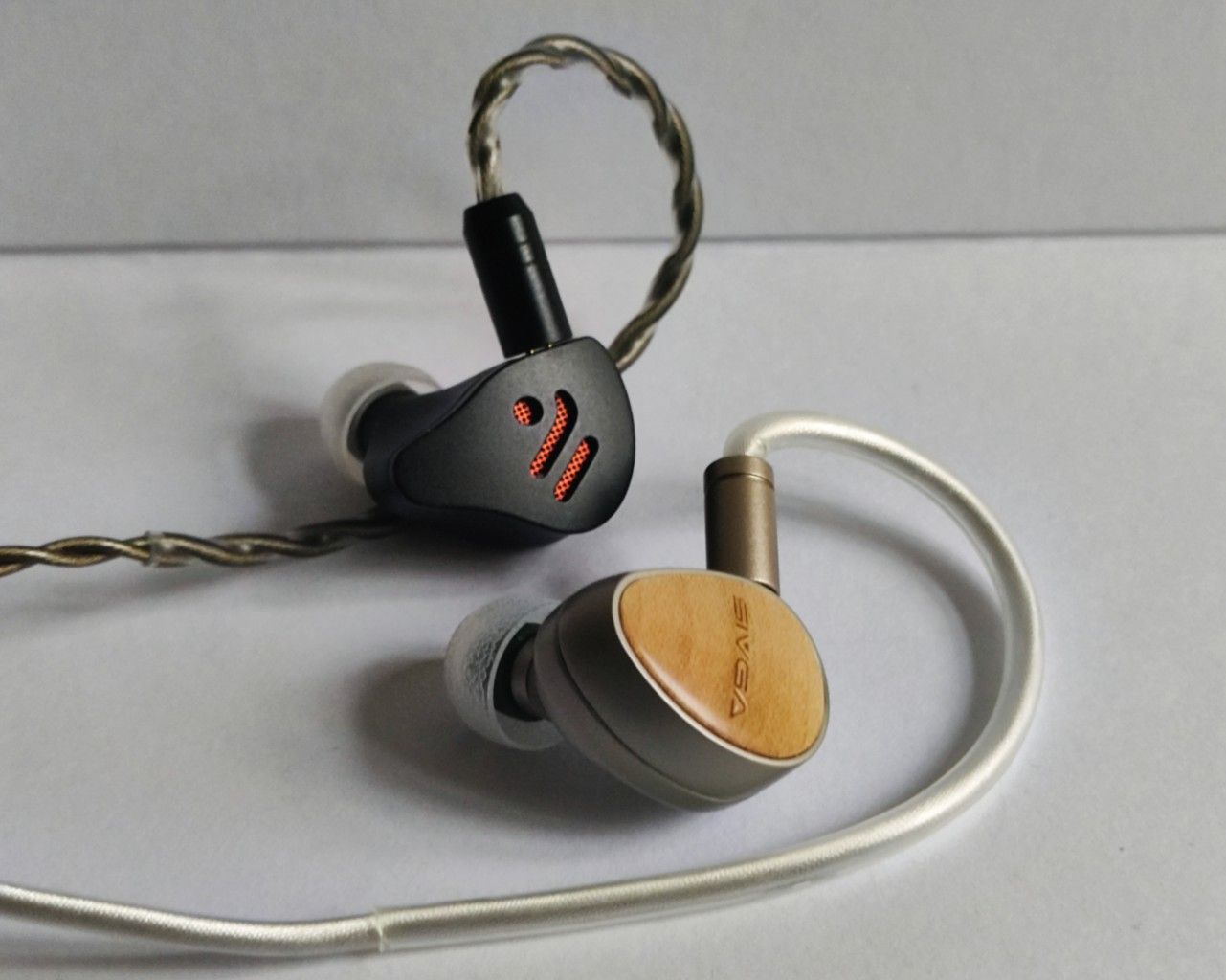
The IM4 is an open-back single dynamic driver in-ear monitor with a 10 mm beryllium coated diaphragm. It launched in 2026 and is currently priced at 99 USD.
The Sivga Que is a single driver, wooden back IEM with a 10 mm single magnet dual cavity driver. The diaphragm is also beryllium coated. It was launched in 2024 and is currently priced at 69 USD.
I reviewed the Que in August 2024:
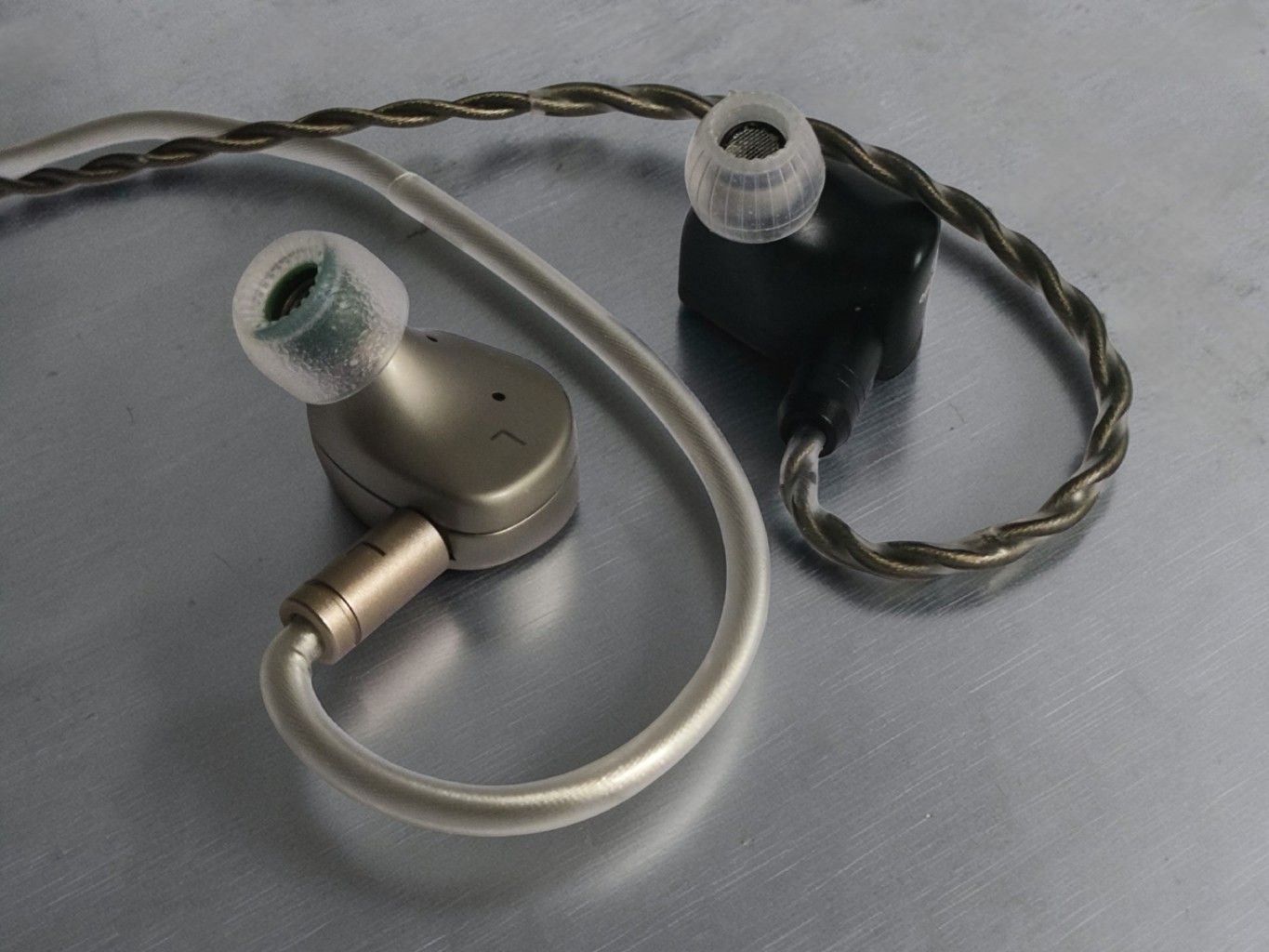
FOSI IM4 SPECIFICATIONS
- Type: Open back IEM
- Driver: 10 mm dynamic driver
- Diaphragm: PU Beryllium-coated Diaphragm
- Sensitivity: 109dB
- Impedance: 21 Ohms
- Frequency Response: 20Hz-20kHz
- Cable: 1.2m Silver-plated OFC Copper
- Cable connector: 2-PIN 0.78mm
- Cable termination: 3.5 mm gold-plated plug
- Shell Material: Aluminum Alloy
- Weight (per earbud): 7g
- Weight (incl. cable): 38g
Current price and availability:
SIVGA QUE SPECIFICATIONS
- Driver design: 10mm single-magnet dual-cavity
- Driver diaphragm: beryllium coated
- Impedance: 32Ω +/-15%
- Sensitivity: 108 +/-3 dB
- Housing Material: Zinc alloy and maple wood
- Cable: 1.25m silver plated high-purity OFC copper
- IEM connector: 0.78mm 2-pin
- Termination plug: 3.5mm single-ended
- Weight: 10g per earphone without cable
Check the current price here:
COMPARISONS
Associated equipment:
- Amplifier: Topping A90
- DAC: RME ADI-2 DAC FS
- Ear tips on both: Tangsu Tang Sancai Wide Bore
Haiti by Jacob Bro
The Que sounds great – well balanced, organic and natural. The IM4 is very close, with a touch more bass and a warmer saxophone; otherwise, the two are remarkably similar.
Outlaws by Bill Frisell
The IM4 is spacious and delicate sounding. The Que offers somewhat less bass, though still sufficient, but is otherwise similar.
Slekter by Erlend Apneseth
There is very little difference between the two. Both sound great, dynamic and spacious with good detail, and both are relatively neutral but with a very present bass.
Meslange de musique latine, françoise et italienne: Ariette dans le goût nouveau by Sophie de Bardonnèche
The IM4 has great instrument timbre on the strings, and everything sounds very natural with good detail and texture, slightly laid back. The Que is very similar but may have slightly less apparent texture.
Orca by Bicep
Time for some electric music. The Que is quite neutral with moderate bass, while the IM4 has a bit more punch and feels a touch more dynamic overall, though the two remain very comparable.
Risk it All by Bruno Mars
They are very similar, but here the Que feels a touch more organic and dynamic, with vocals that sound more alive.
Smells Like Teen Spirit by Nirvana
The Que offers a balanced delivery with great separation and a generally engaging listen. I particularly like the way the bass and bass drum combination sounds. The IM4 is similar but a touch drier sounding.
VCR by The XX
Also here they are very similar.
WRAPPING IT UP
Based on the passages you’ve shared, here is a brief summary:
Sound Signature
Both are relatively neutral with a typical “Harman curve inspired lift” in the bass. They sound natural and well balanced. The IM4 leans slightly warmer and drier, while the Que is more neutral and sometimes slightly more organic – though not always, and occasionally it is the other way around. They’re not very different.
Treble
The treble is very similar between the two. It is clean and clear without being offensive or overly sharp. Some might find it slightly laid back, but I find it non-fatiguing and well present.
Midrange
The midrange is pretty similar between the two, both in terms of presence and quality. The IM4 might be a touch warmer and more textured overall, but whether it’s relevant depends on the track. Sometimes the Que sounds more alive and engaging.
Bass
The IM4 has a touch more bass and punch, while the Que has somewhat less but remains sufficient.
Soundstage and Imaging
Both are spacious with good separation and similar imaging capabilities
Detail, Dynamics, and Timbre
Both offer good detail, but the IM4 might typically feel better at revealing texture. They are also close in terms of dynamics, but the IM4 often has a slight edge in punch and overall dynamics, but not always. Sometimes the Que can feel more organic and dynamic.
Instrument timbre is consistently good and natural on both. The IM4 has a slightly dry, warm character, while the Que is less dry but also not as warm – it’s close but often feels less textured.
CONCLUSION
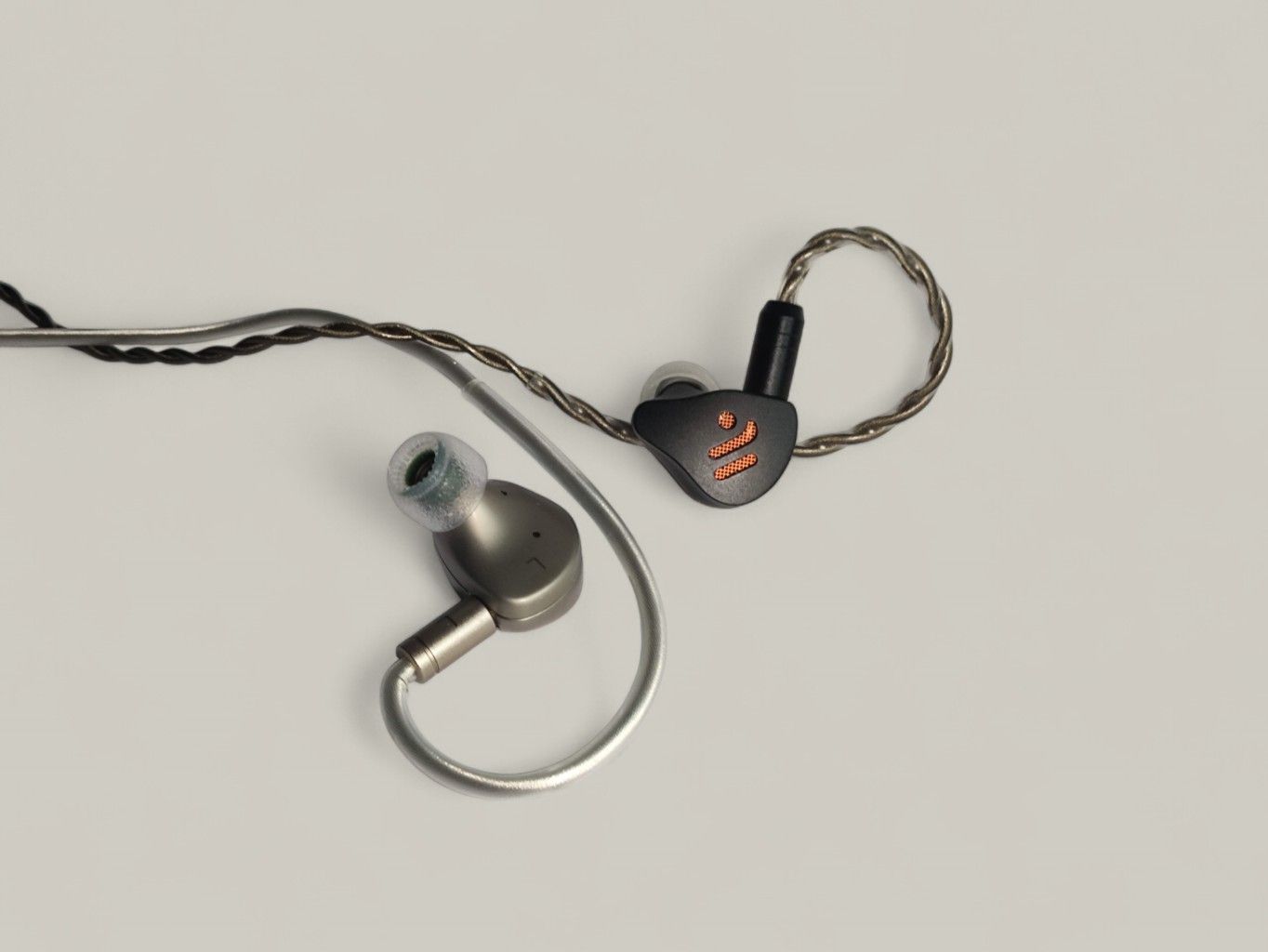
The Fosi IM4 and Sivga Que are very similar sounding IEMs with a similar tuning. There are some differences, however. The IM4 has a bit more bass, a more textured character, and often better dynamics.
Though I mostly find them to be quite equal, and sometimes even prefer the Que, I think the IM4 is technically the better IEM, which justifies the higher price. That said, both are very good options.
Thanks for reading. You can support us by purchasing anything using any of our affiliate links.
Any purchase you make on Amazon or Linsoul with any of our affiliate links will give us a small provision at no cost to you.
We only get a provision for items that are not returned, so there’s no incentive for us to recommend something that’s not good.
Linsoul : Headphones, Earbuds, Wireless Earbuds, Desktop DAC/AMP, Portable DAC/AMP, Digital Audio Players,
Amazon: Headphones, IEMs, Headphone Amplifiers, Home Audio or Anything else.
.
If you enjoyed this article or other content on The Headphoneer, you might consider leaving a small donation to keep this website up and running. No donation is too small. Thanks for supporting us!

If you like our work please follow us on Instagram, Facebook and Twitter , it will help us grow. Sharing is caring 🙂