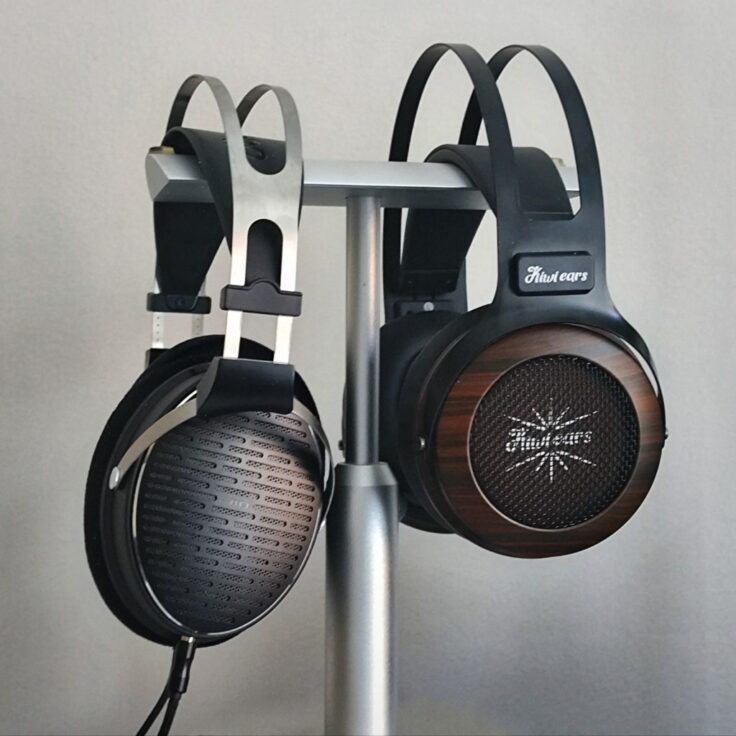

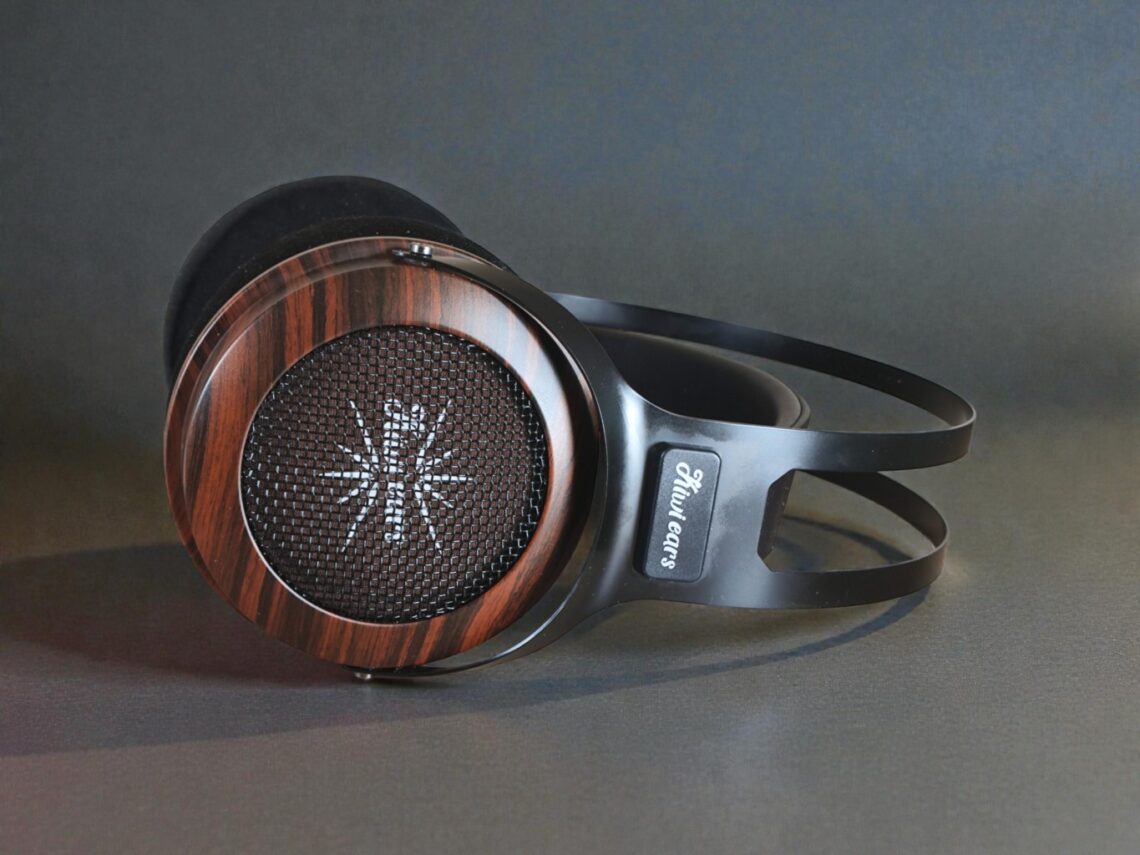
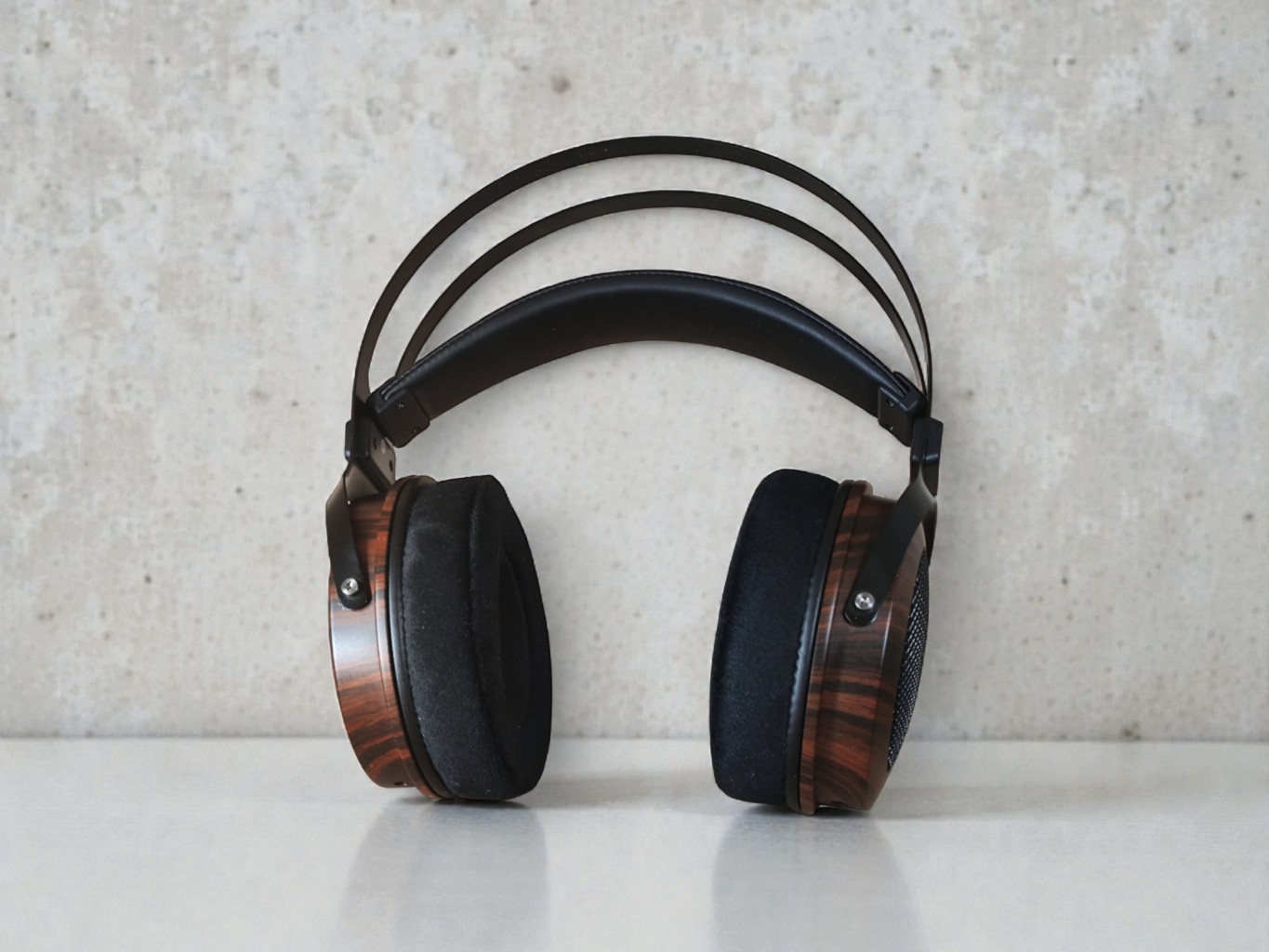
The Kiwi Ears Altruva is a low-cost full-size open-back headphone with a 50mm dynamic driver. The impedance is 32 ohms, and the sensitivity is 98 dB. It’s price is as low as 69 USD.
MAIN TAKEAWAY
- Impressively neutral sound
- Two different pairs of pads and universal pad attachment style
- Solidly built and comfortable
Kiwi Ears is a Chinese brand that focused on in-ear monitors for the first few years but more recently started producing full-size headphones. I think their first was the wooden closed-back Atheia, which I reviewed here. Now there are several headphones in the Kiwi Ears lineup.
KIWI EARS ALTRUVA SPECIFICATIONS
- Open-back full size headphones
- Driver: 50mm Dynamic Driver
- Impedance: 32 Ohms
- Sensitivity: 98dB ± 3dB
- Frequency Response: 20Hz – 40kHz
- Cable Length: 3 m
- Cable connectors: dual 3.5mm on headphone
- Cable termination: 3.5mm jack with 6.35mm adapter included
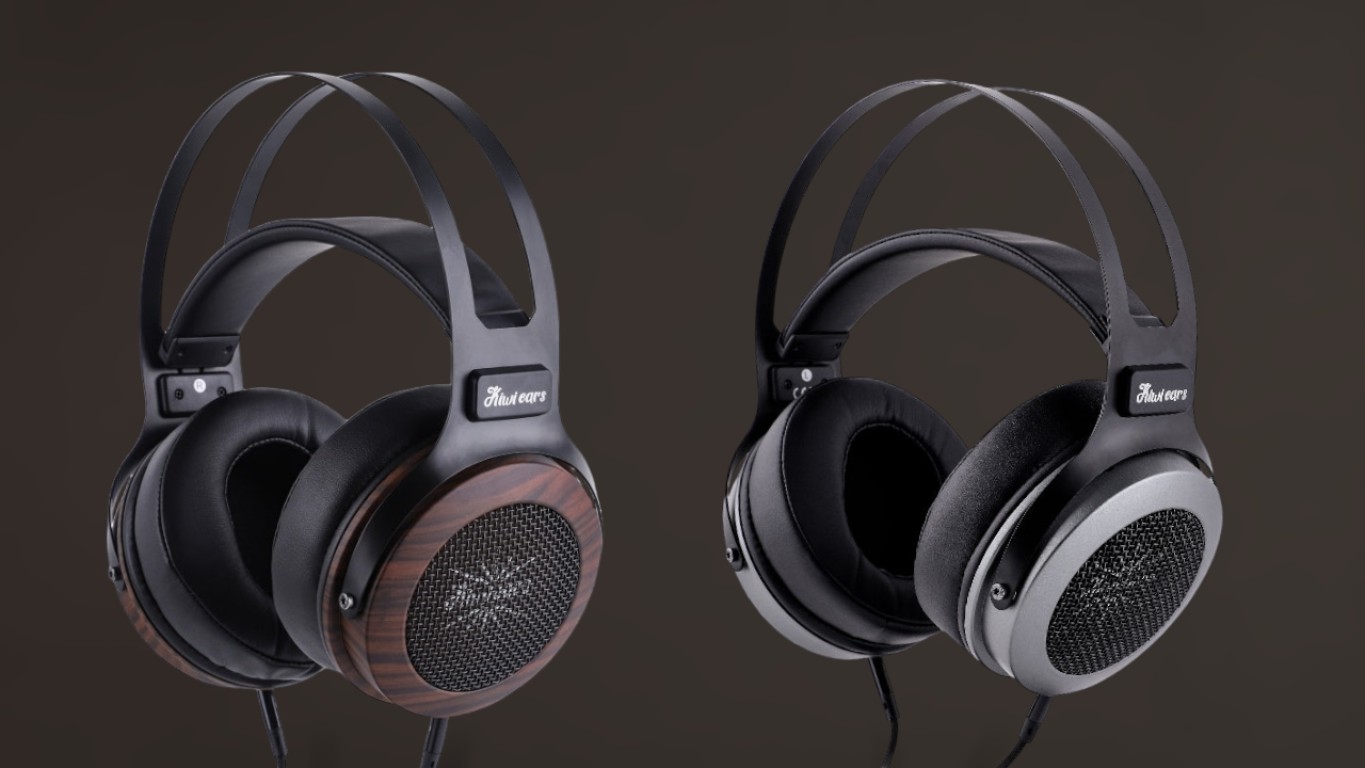
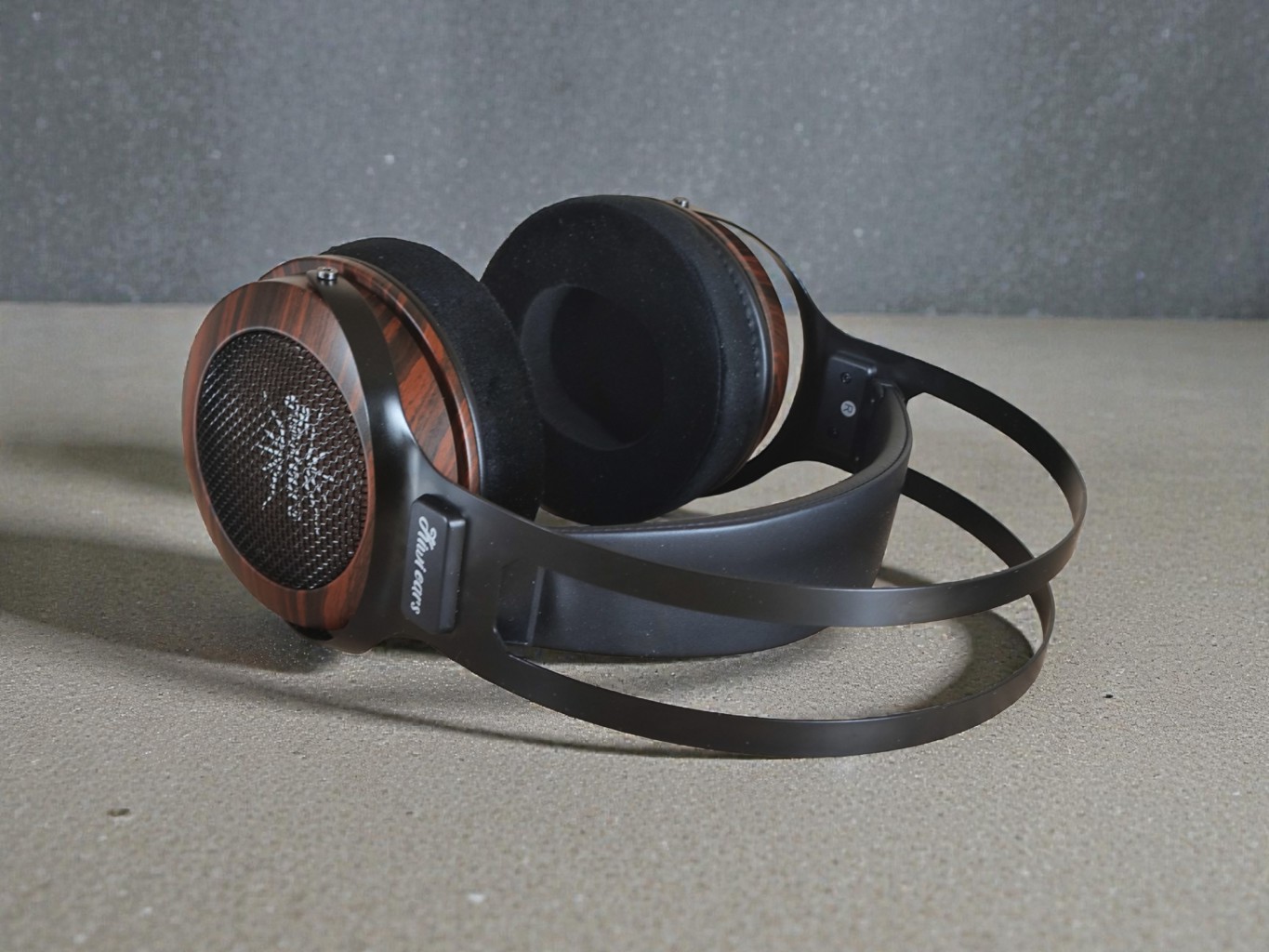
- Colours: Gray and wood imitation
- Pads: pleather and velvet (2 pairs included)
Current price and availability:
Disclaimer: The review unit was sent us in exchange for an unbiased review
BUILD AND COMFORT
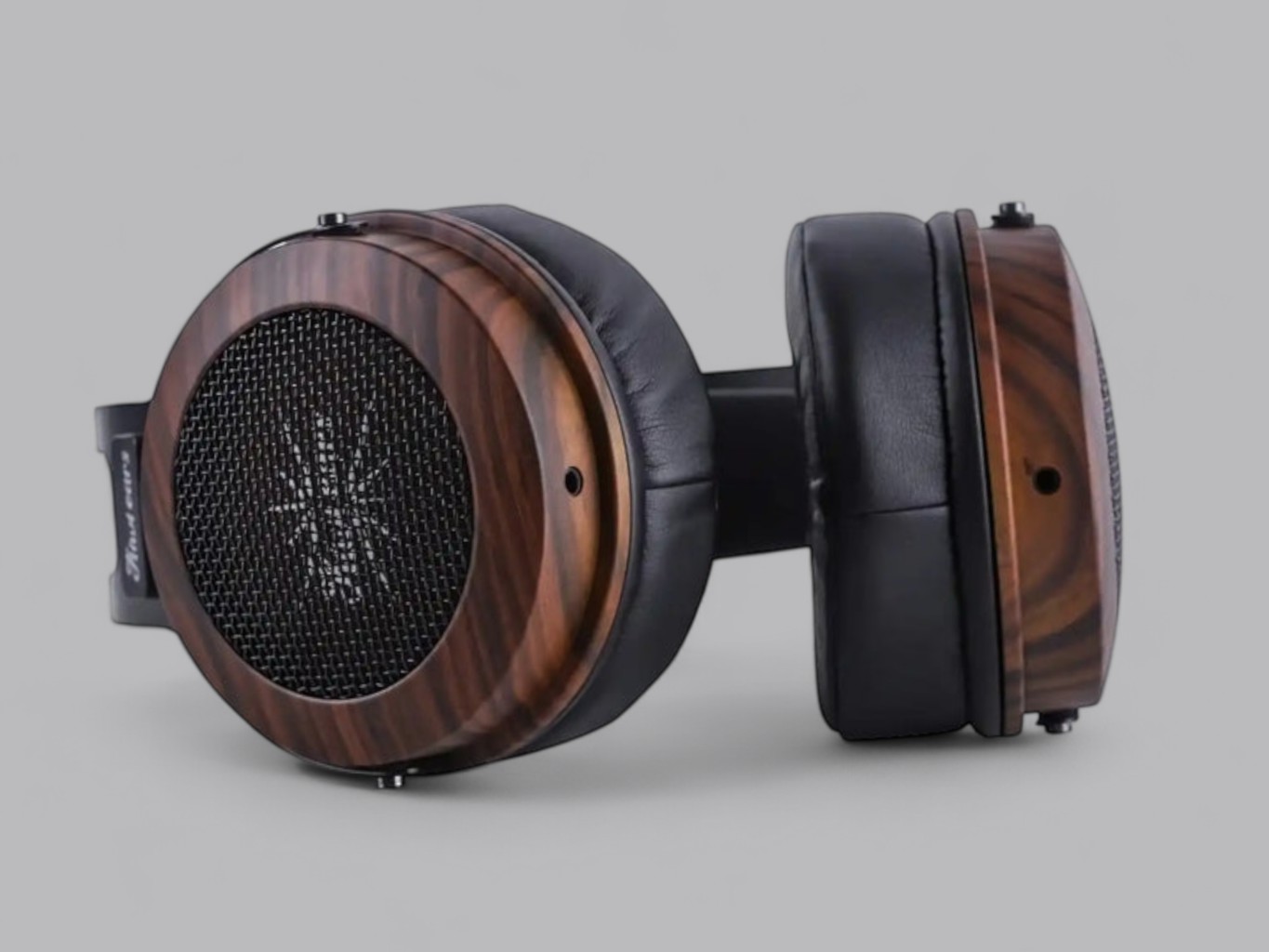
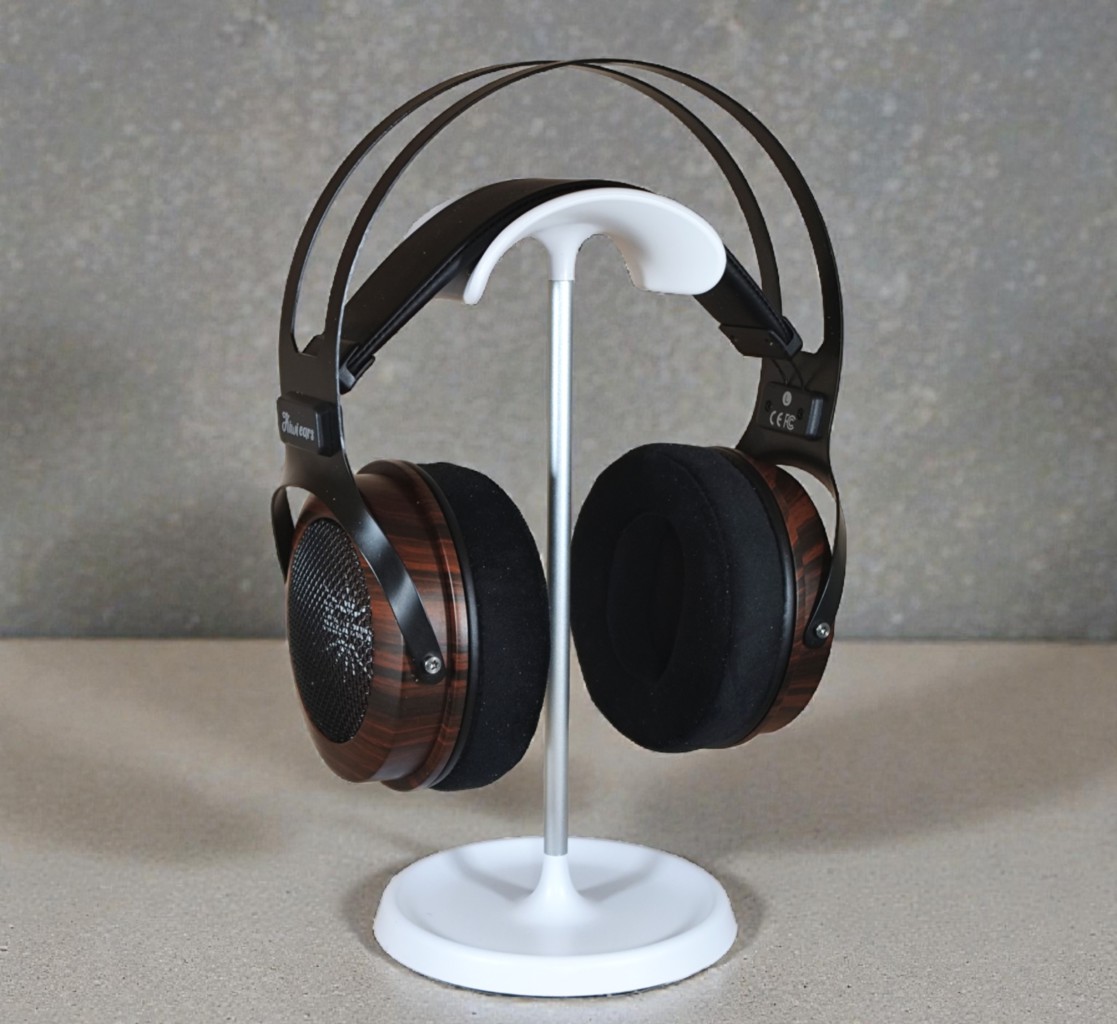
The Altruva uses a headband with a metal arc and a soft suspension headband, which to me is the most comfortable way to make a headphone. The suspension strap is self-adjusting due to a hidden elastic mechanism inside the headband itself. This works very well. Self-adjusting headbands are ideal if the headphone is used by multiple users.
TWO PAD TYPES INCLUDED
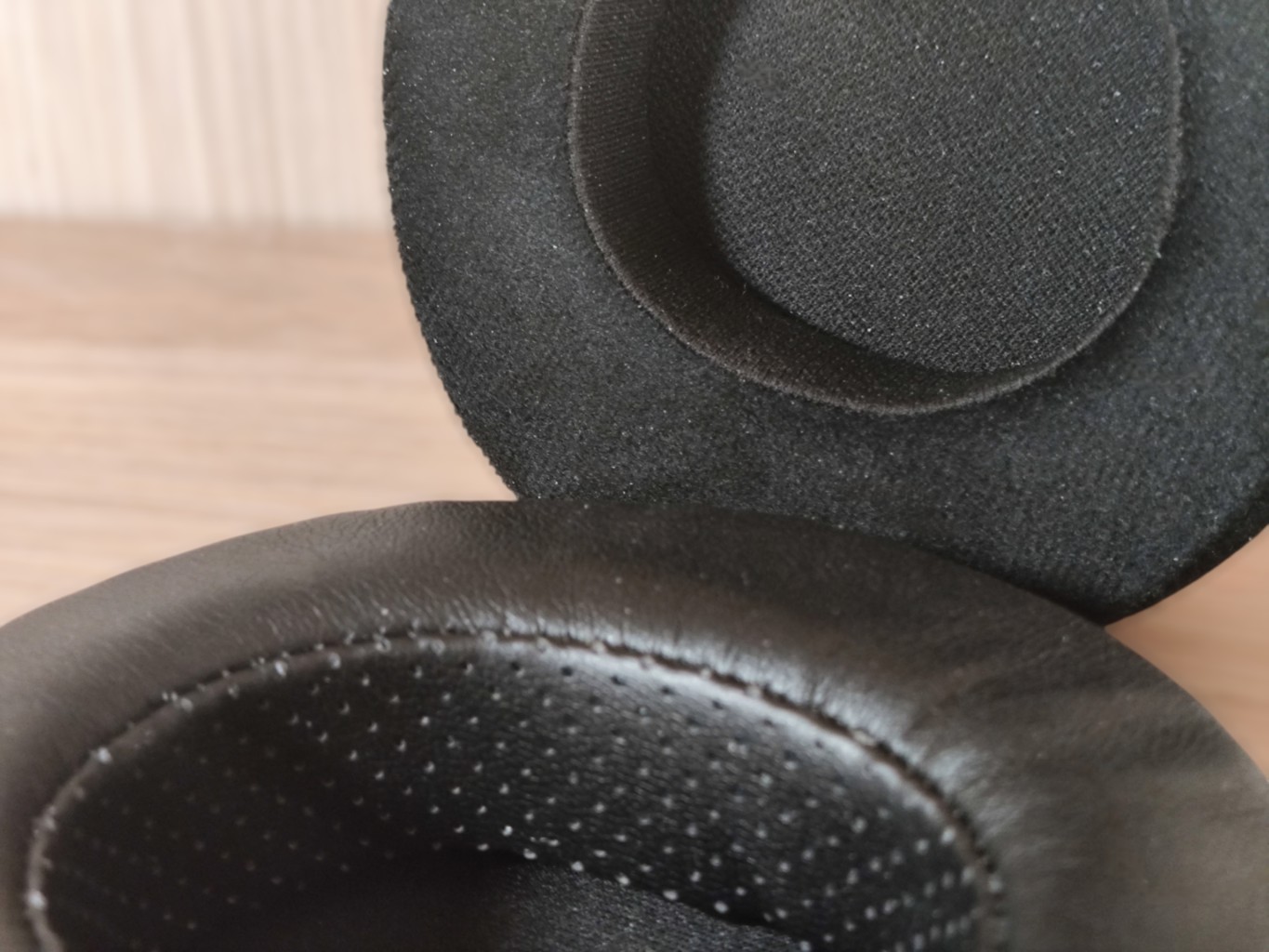
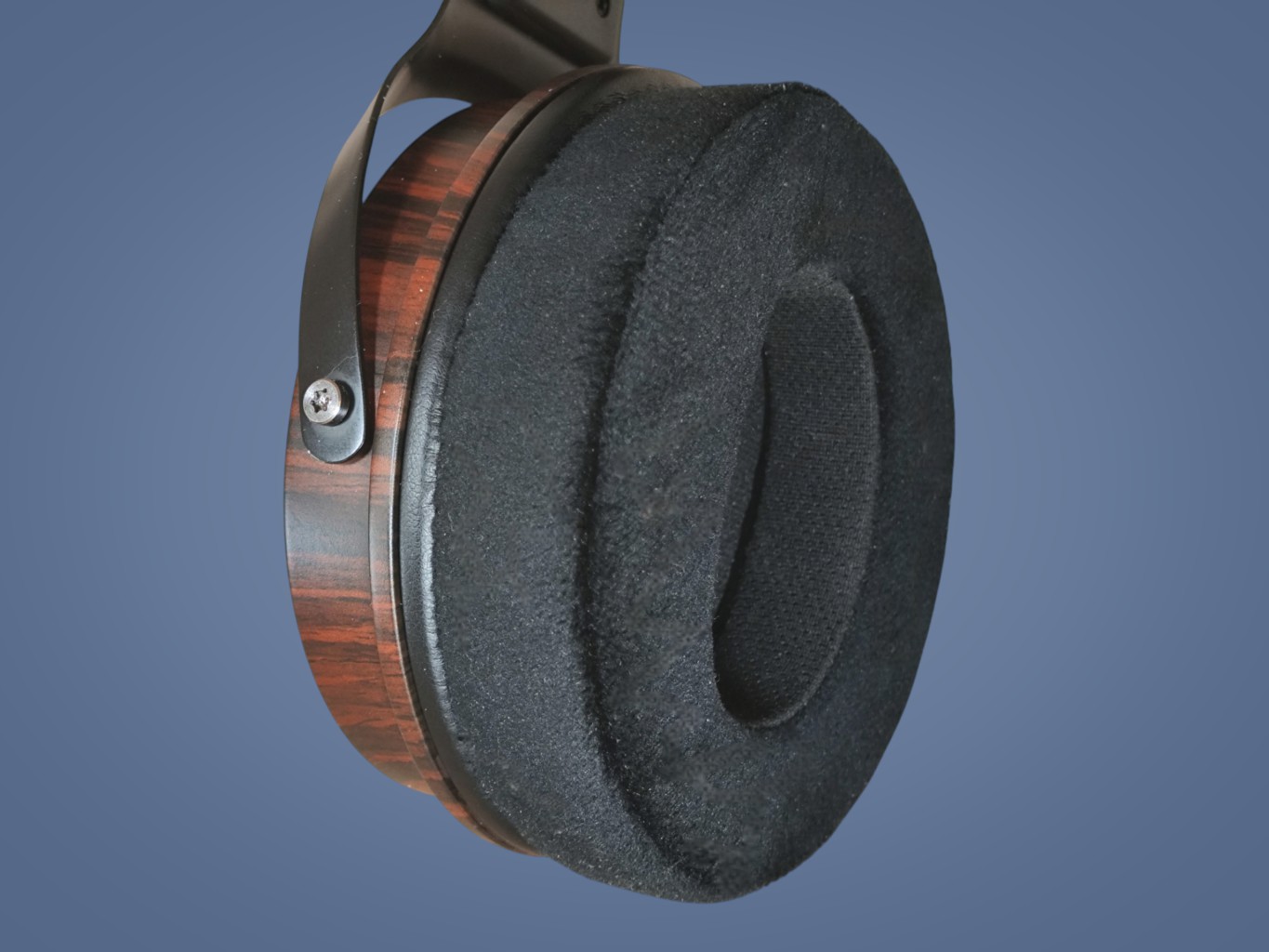
The Altruva comes with two pairs of pads: a pair of pleather pads with fenestration on the inside (premounted) and a set of velvet pads with fabric on the inside. In addition to offering different advantages when it comes to practical use and comfort, they offer sonic differences that I will elaborate on later.
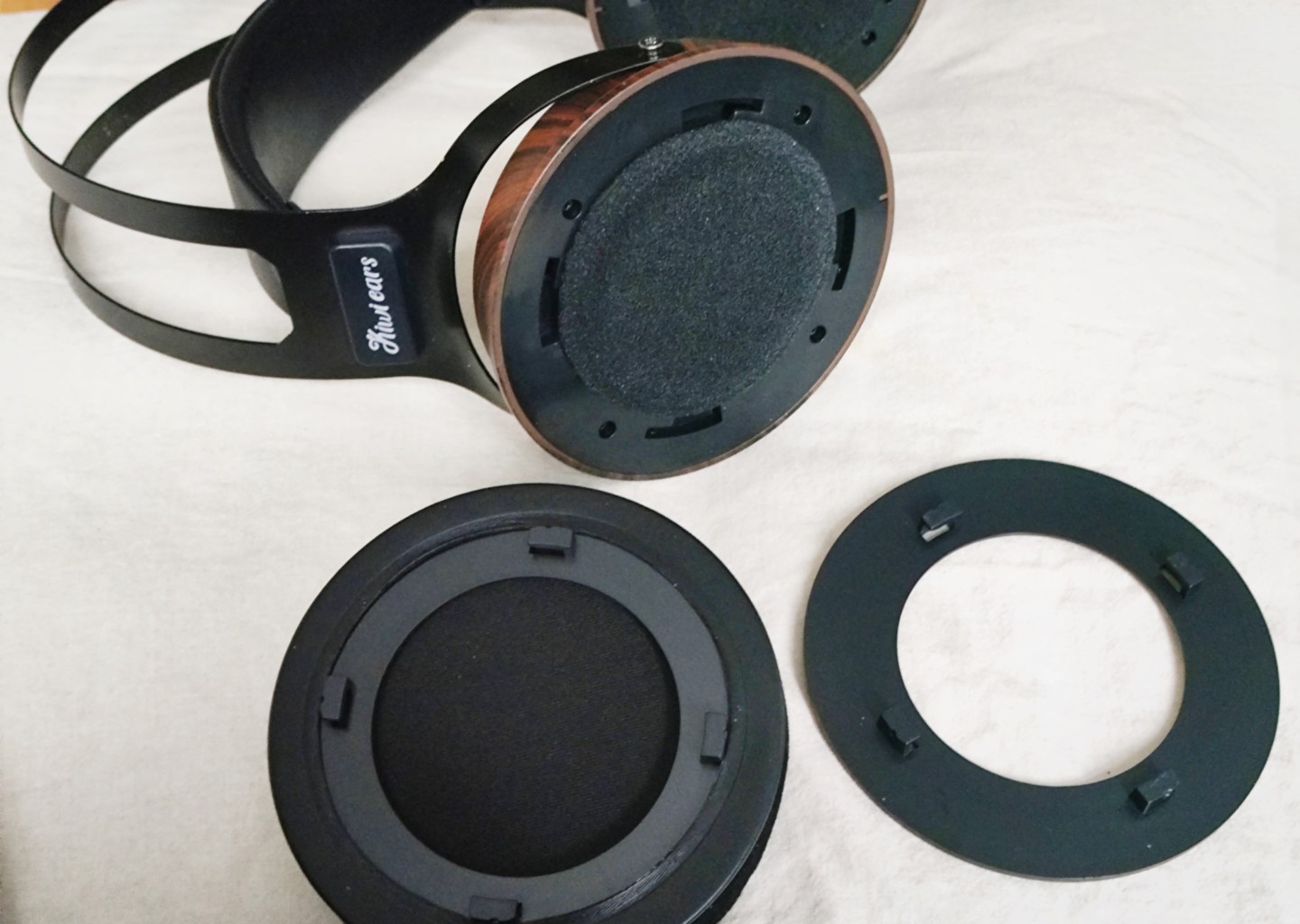
The pads are attached with the lip-and-groove system on a detachable ring. This is an excellent way of mounting pads, and it means you can replace the pads with any lip-type third-party pad. I am a big fan of this because pad rolling lets you adjust not only the comfort but also the sound to your liking. Pad rolling is a very easy and fun way to modify headphones.
The supplied cable is 3 meters long. It connects to the headphone with dual 3.5mm connectors and is terminated in a 3.5mm jack. A 6.35mm adapter is included.
Thanks to the universal 3.5mm connectors on the headphone, it is easy to get replacement cables if you want another length or termination, or even a cable with a microphone.
LISTENING IMPRESSIONS
On paper, the Altruva should not be difficult to drive for an amplifier. I played around a bit with my desktop amplifiers, and there were some differences, not related to power output but other characteristics. Some amplifiers made the Altruva sound more dynamic than others, but it was not necessarily related to the cost. I ended up using the Schiit Magni Heresy, which was a great match and made the Altruva sound more dynamic and expressive than several more expensive amps.
Amp: Schiit Magni Heresy
Rambling Man by Laura Marling
Pleather pads: Very neutral, nicely spacious presentation. Instrument separation and detail are very good for the price. It handles the busy parts very well.
Velvet pads: A bit warmer and less crisp.
In The Mountains by Espen Eriksen Trio
Pleather pads: Again, it is nicely balanced. The bass is not overwhelming as it can be with some headphones. It has a nice punch, and the piano is delicate.
Velvet pads: A bit richer bass, smoother highs.
Limit to Your Love by James Blake
Pleather pads: Vocals are clear, slightly crisp but in a nice way. The bass is well balanced and very nicely rendered for a dynamic driver at this price point.
Velvet pads: Vocals are smoother, bass is a tiny tad bolder.
Bullet in the Head by Rage Against the Machine
Pleather pads: Again, a quite neutral and well-balanced presentation with adequate bass, no sharpness. The bass is present but won’t blow your ears out. There is some crispness but nothing overdone.
Velvet pads: It’s a bit darker and warmer.
The Tunnel by Tord Gustavsen Trio
Pleather pads: The percussion is very snappy. Again neutral with a dry hint.
Velvet pads: Smoother and more laid back. No dryness.
Spontaneous Compositorius by Thomas
Pleather pads: The saxophone has a very nice presence. The bright percussion is not as clean as I have heard it, but it is not piercing either.
Velvet pads: The saxophone is a bit smoother, so is the treble.
Young Vivaldi by Modo Antiquo
Pleather pads: I think the string timbre is nice. It is light and bright with a good sense of texture.
Velvet pads: a bit warmer and smoother.
Summer 3 Vivaldi Recomposed by Max Richter
In this track, things are a bit more complex than in the previous track, but I still think the Altruva holds up nicely. It is slightly bright and has some crispness to it.
Velvet pads: Things are a bit softer and calmer.
CONCLUDING ON PADS
The two types of pads offer some variations in sound. They are not totally different but rather variations over the same neutrally tuned sound. The pleather pads offer a crisper and slightly dryer tonality, while the velvet pads offer a smoother and slightly warmer sound without losing detail. Actually, I found the velvet pads to sound more detailed, possibly because there are fewer reflections.
Anyway, the difference is relatively small, but I still clearly prefer the velvet pads, and if you ask me, Kiwi Ears should’ve had them pre-mounted instead of the pleather.
WRAPPING IT UP
Sound Signature
The sound signature is very neutral, impressively so for such a low-price headphone. The Altruva is neutral with both types of pads, but with the pleather it is a bit drier and crisper, while with the velvet pads it is a bit smoother and warmer. As mentioned above, there is not a huge difference between the two pads, but it is definitely noticeable.
Treble
The treble is nice in quantity, and the quality is quite okay for this price. It is not sibilant or sharp but could be more resolved compared to more expensive models. I find it to be a bit dry with the pleather pads but it’s noticeably smoother with the velvet pads – in a good way.
Midrange
The midrange is nicely present and feels natural. It can be a bit dry with the pleather pads, but the velvet pads make it smoother and more to my liking.
Bass
The bass is neutral in presence and quite good in quality. The pads do not make a big difference here, a tad richer and fuller with the velvet. The Altruva is not a bass monster, but it feels well balanced and neutral in a natural way.
Soundstage and Imaging
The soundstage is open and nice. Imaging is not stunning, and the space between instruments could have been darker, again compared to more expensive headphones.
I found that the amplifier match could be important to get the best experience here.
Detail, Dynamics, and Timbre
The general detail level is impressive for the price, and dynamics are adequate. It feels neutral and natural, but there are headphones with more slam and punch.
When it comes to the all-important timbre, I think they do quite well. What is most impressive about this headphone is the overall balance and tonality, and this is reflected in the sense of timbre. It tends to sound a bit drier and crisper with the pleather pads and smoother and slightly warmer with the velvet pads. I prefer the latter.
COMPARISONS
FiiO JADE JT3 vs KIWI EARS ALTRUVA
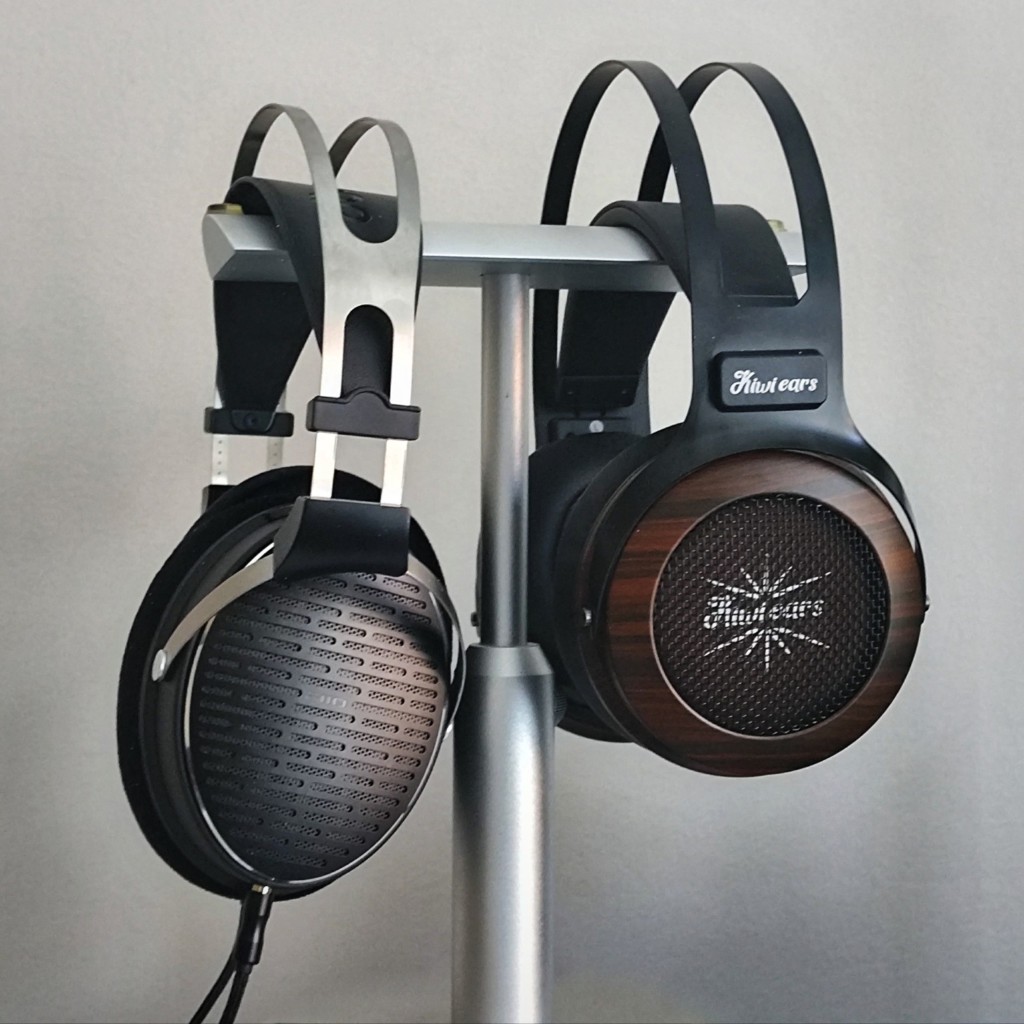
I compared the Altruva to the identically priced and extremely well-built Jade Audio JT3. Jade Audio is a sub-brand of FiiO. Even though the build quality is good for the price with the Altruva, it’s even better with the JT3. The JT3 also has a mic but does not come with two sets of pads – and the pad attachment is far less universal. The Altruva has a much longer cable. Both use dual 3.5mm connectors on the headphone for easy cable replacement.
The JT3 is also an open-back dynamic driver headphone that punches well above its weight. It is differently tuned compared to the Altruva. It is much darker, especially in the midrange, and it has more bass presence. Where the selling point for the Altruva is the impressive sense of neutrality, the JT3 is much more colored. However, it offers an impressive sense of slam and punchiness that can make it very easy to like on a lot of music, but other times it can become a bit dark.
You can read my full comparison review here:
AMPLIFICATION
For the most part of this review, I used desktop amplifiers, but it is worth checking out some portable options. I tried some small USB DAC/amps and dongles. For this part, I used a different cable with a 4.4mm jack, so I used the balanced output, which usually is more powerful.
Kiwi Ears’ own Allegro Mini sounds good and plays more than loud enough. The Kiwi Ears Allegro Pro is even better, though, with a bit higher resolution and improved dynamics – there’s much more power to spare. The Fosi DS3 sounds great too.
The xDuoo Link2 Bal2 is slightly better than the rest, in my opinion, but the differences between the mentioned options are small. In conclusion, I was pretty impressed with the sound quality of the Altruva with all of these portable sources.
CONCLUSION
The Kiwi Ears Altruva are most of all impressive because they sound so neutral and well balanced, which is rare in headphones in general and especially in this price class. The detail level is impressive, and the dynamics are quite good.
I quite clearly prefer the velvet pads to the pre-mounted pleather pads. I think they have a smoother touch, removing the slight dryness that the pleather pads can have. I also applaud the use of the standard lip-and-groove attachment for the pads, making many third-party options available.
Overall, I am very impressed with both the build quality, comfort, and the sound quality you get for 69 USD, and if you are looking for a neutral-sounding headphone at this price level, I certainly recommend to consider the Kiwi Ears Altruva.
Thanks for reading. You can support us by purchasing anything using any of our affiliate links.
Any purchase you make on Amazon or Linsoul with any of our affiliate links will give us a small provision at no cost to you.
We only get a provision for items that are not returned, so there’s no incentive for us to recommend something that’s not good.
Linsoul : Headphones, Earbuds, Wireless Earbuds, Desktop DAC/AMP, Portable DAC/AMP, Digital Audio Players,
Amazon: Headphones, IEMs, Headphone Amplifiers, Home Audio or Anything else.
.
If you enjoyed this article or other content on The Headphoneer, you might consider leaving a small donation to keep this website up and running. No donation is too small. Thanks for supporting us!

If you like our work please follow us on Instagram, Facebook and Twitter , it will help us grow. Sharing is caring 🙂