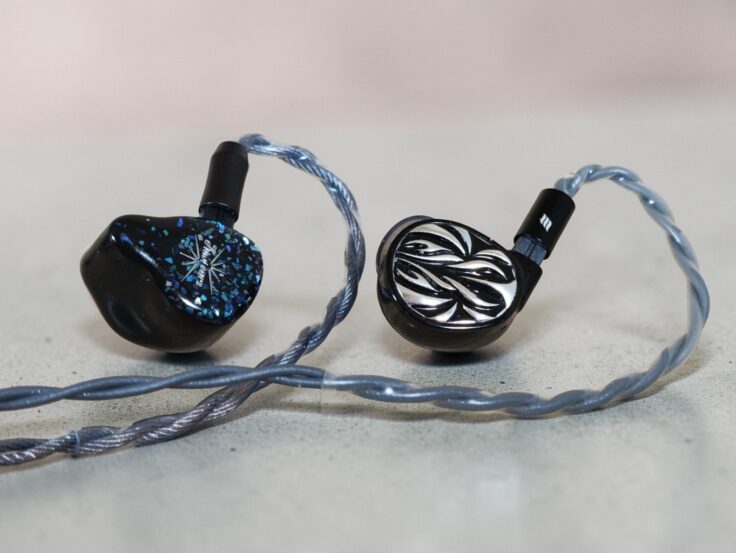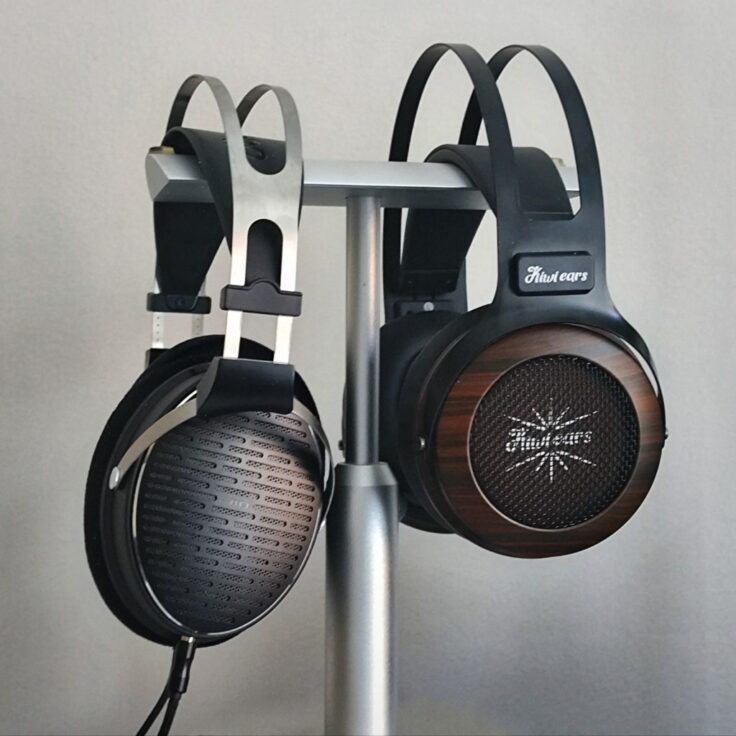


The hybrid-driver Quintet is, as the name suggests, a five-driver IEM and has been a reference in its price class since its launch in 2023. It’s normally priced at 219 USD. The Quintet combines a single dynamic driver with two balanced armatures, a planar magnetic driver, and a piezoelectric bone conductor.
Recently, Kiwi Ears launched the Astral along with the Septet. These two new models are slightly more expensive than the Quintet. I’ve compared the Astral and the Septet here, and will publish a dedicated Quintet vs. Septet comparison.
The Astral is a fairly typical hybrid driver IEM, featuring a 10mm dynamic driver for the bass and balanced armatures for the rest of the frequency range. Two dual (4 in total) balanced armature drivers handle the midrange, while a dual balanced armature tweeter covers the highs.
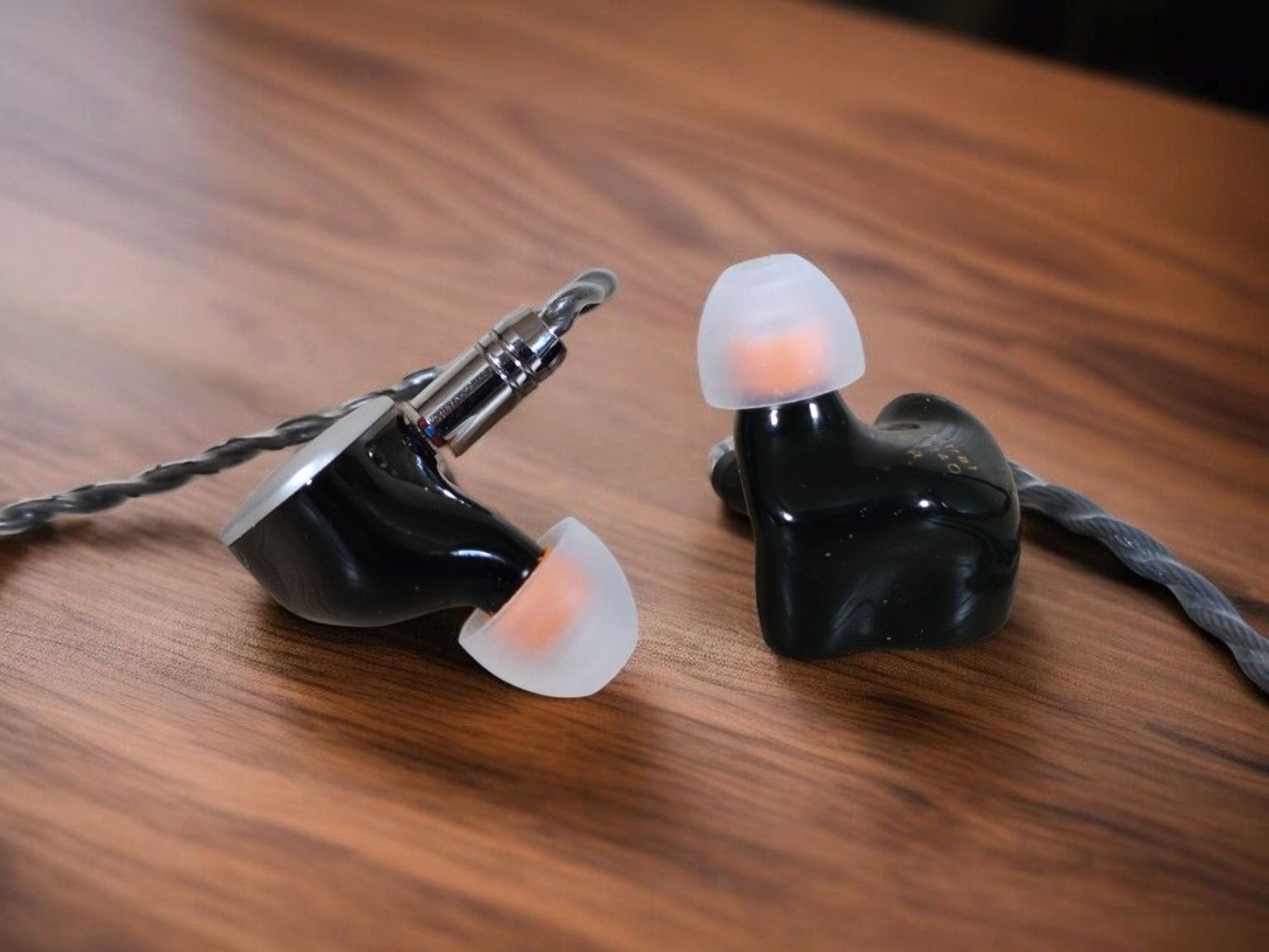
KIWI EARS QUINTET SPECIFICATIONS
- Drivers: 1 diamond-like carbon (DLC) dynamic driver, 2 balanced armature (BA) drivers, 1 planar magnetic driver, and 1 piezoelectric (PZT) bone conductor
- Impedance: 32 Ohms
- Sensitivity: 106 dB
- Cable connector: 0.78mm 2-Pin
- Cable: 1.2 m with 3.5mm jack
You can check out the current price and availability here:
- Linsoul: Kiwi Quintet
- Amazon: Kiwi Quintet
KIWI EARS ASTRAL SPECIFICATIONS
- Drivers: 1 Dynamic Driver and 6 Balanced Armatures (3 dual)
- Setup: 1 DD bass, 4 BA mids and 2 BA tweeters.
- Impedance 23 Ohms
- Sensitivity,: 105dB
- Cable connector: 0.78mm 2-Pin
- Cable: 1.2 m with 3.5mm & 4.4mm interchangeable jacks
Current price and availability:
- Kiwi Ears: Astral
- Linsoul: Kiwi Astral
- Amazon: Kiwi Astral
BUILD AND COMFORT
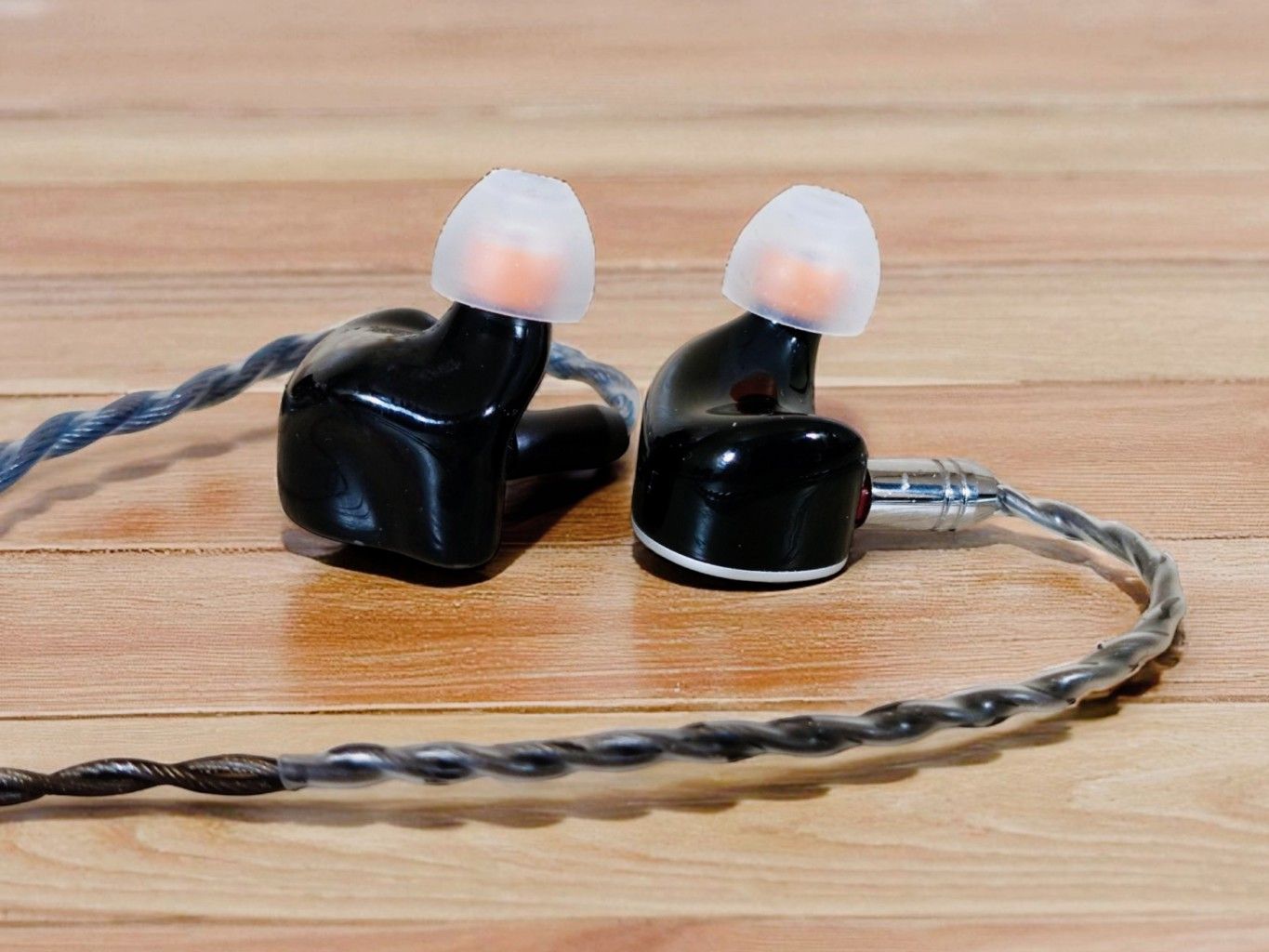
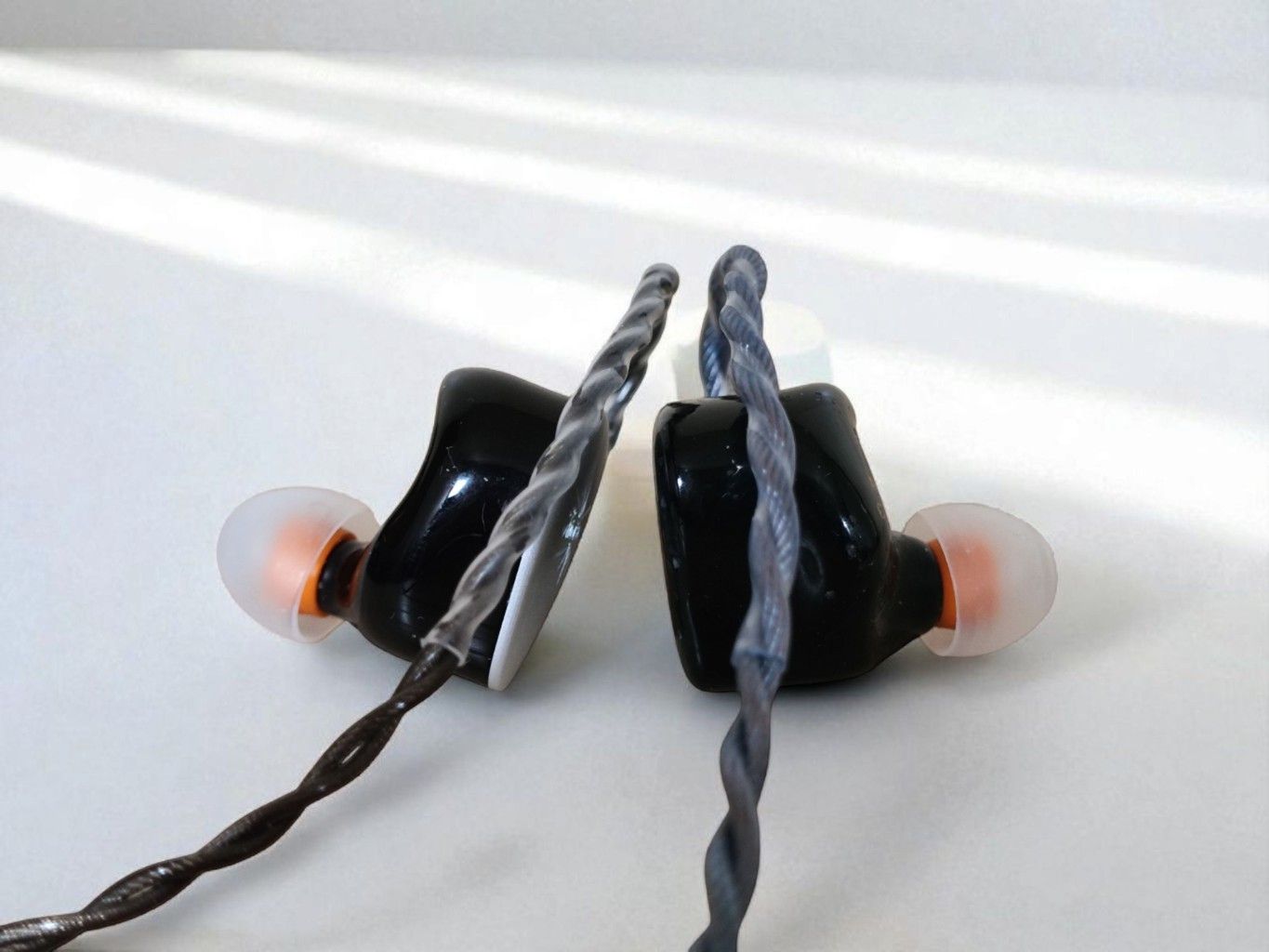
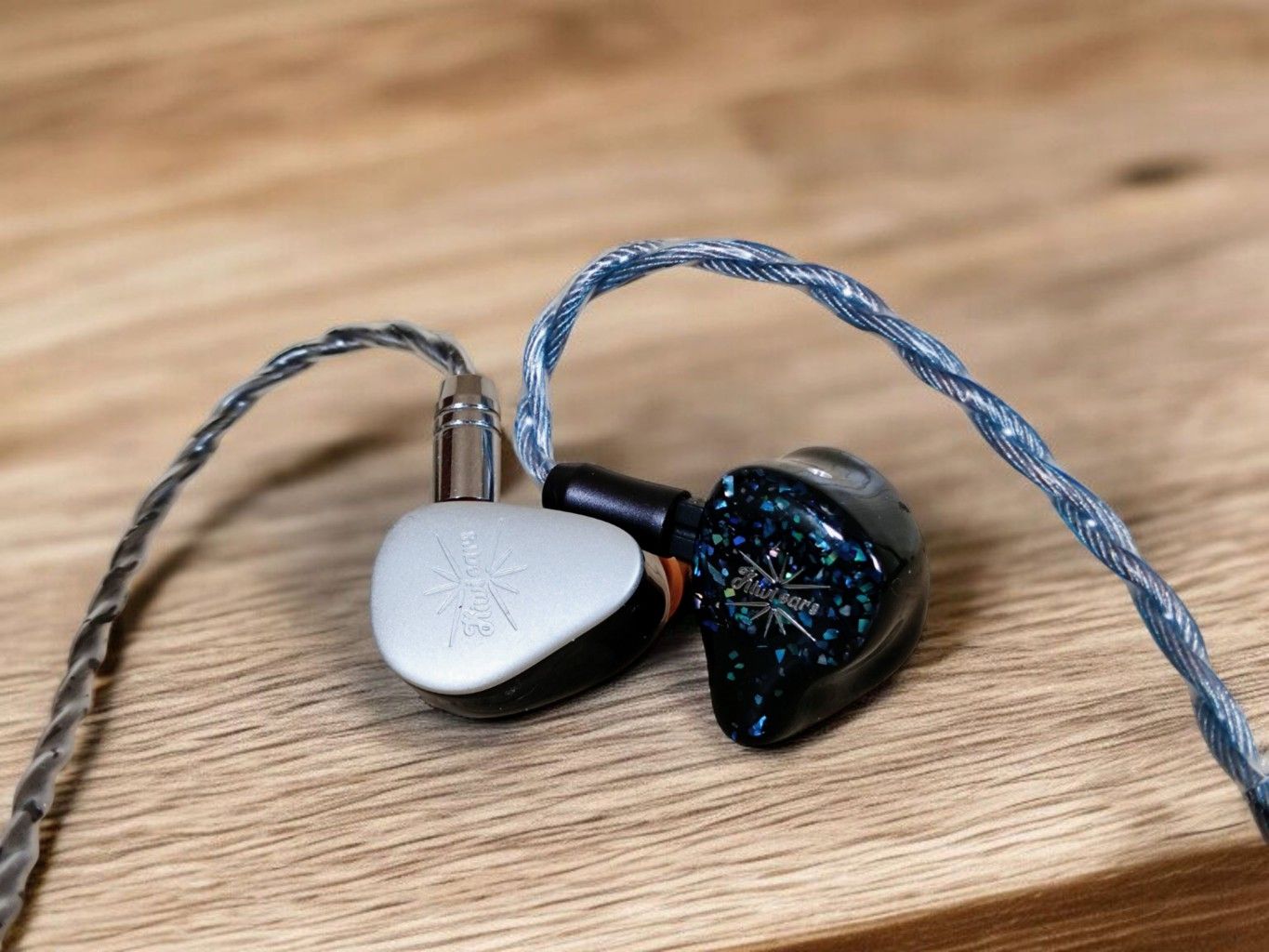
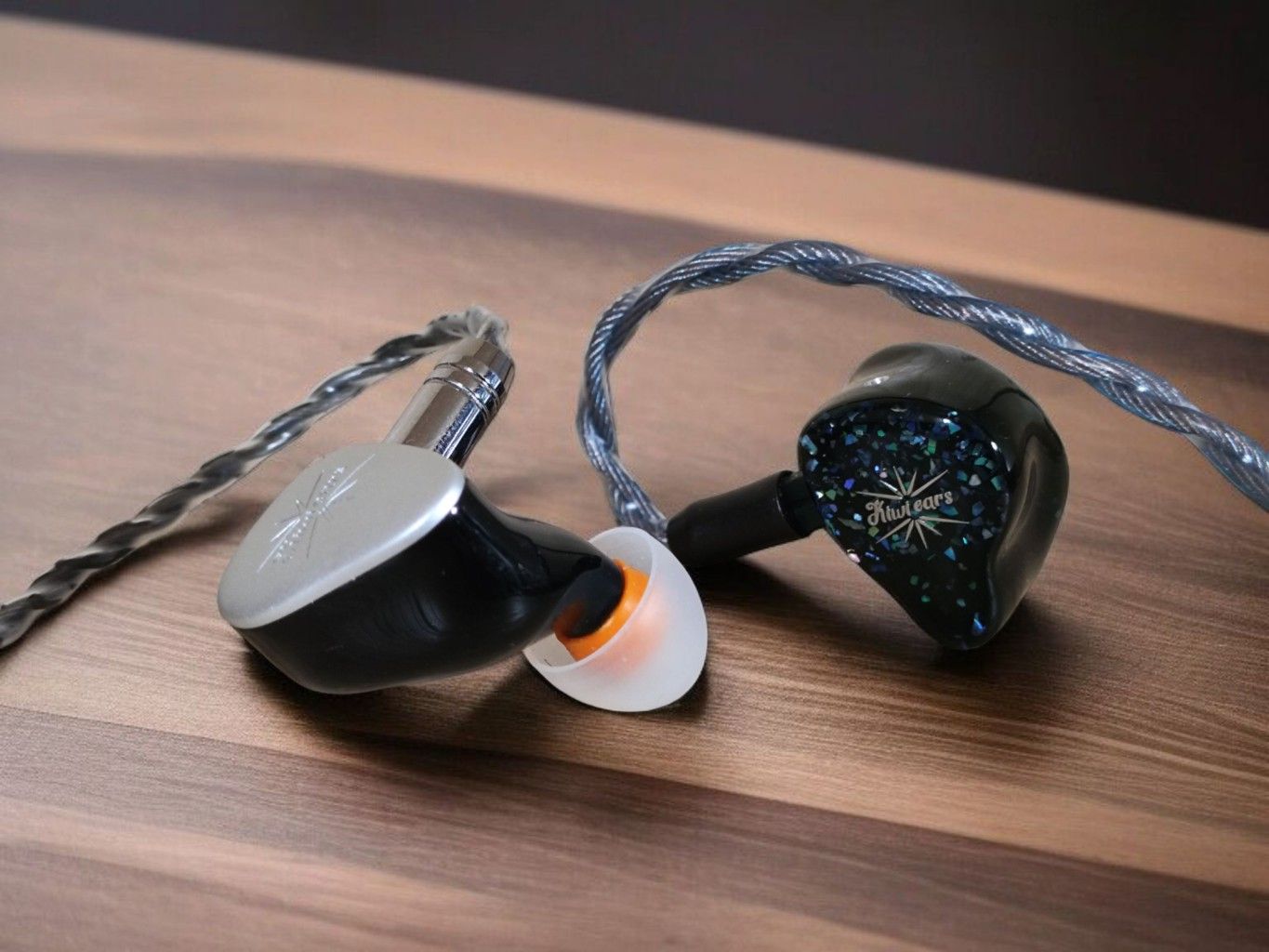
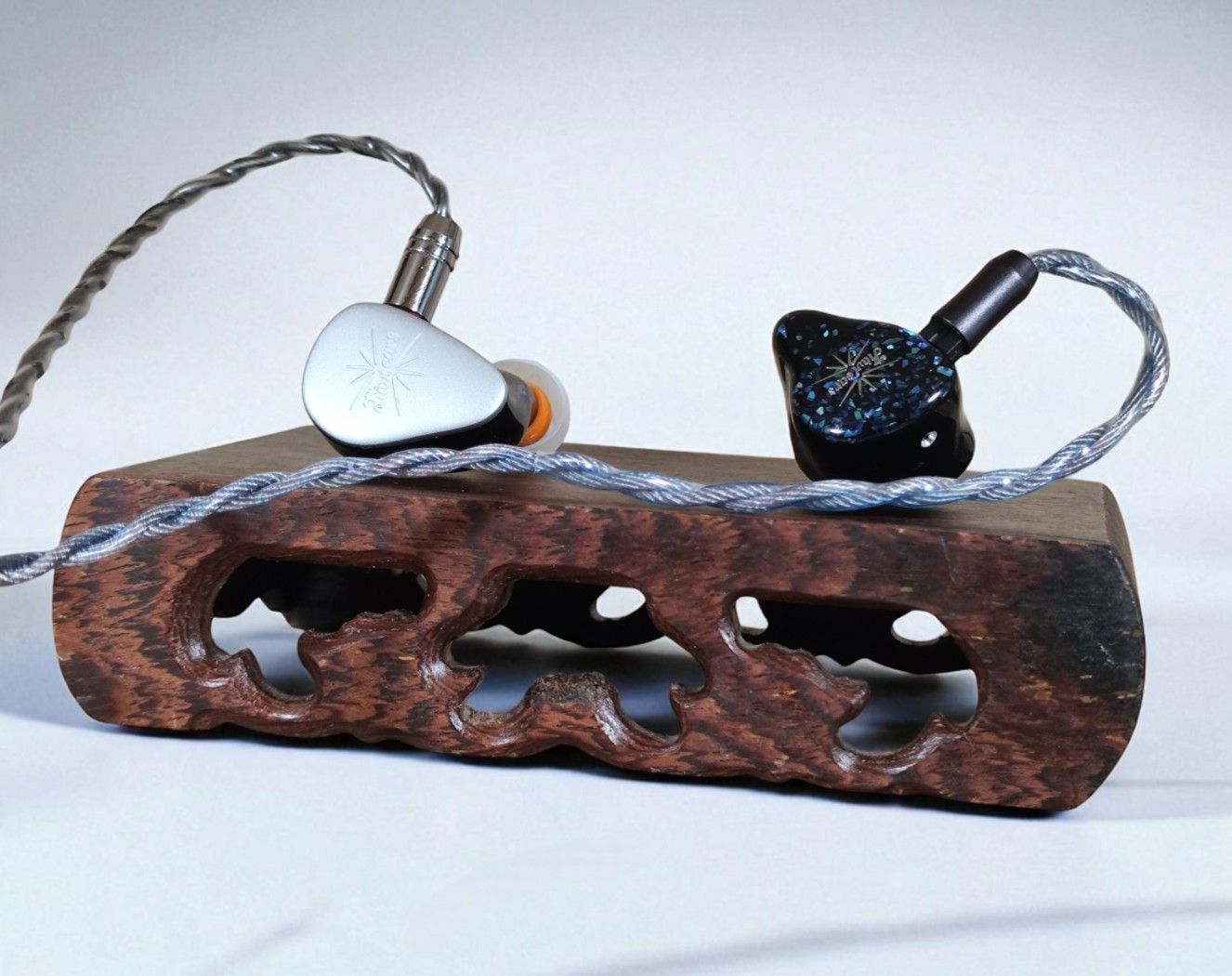
Both earphones are primarily made of resin. The Astral features a universal custom design, fully resin with a baked-in faceplate decor. The Quintet has a more rounded, smoother housing with a resin main body and a metal decorative faceplate.
I find both comfortable, but the Quintet is more compact and may be the safer choice, partly because it doesn’t fully commit to the universal custom design. Of course, shell fit is individual and can be hit or miss, but both fit me well.
Both come with detachable cables using standard 0.78mm 2-pin connectors. The Quintet has a 3.5mm jack, while the Astral features Kiwi Ears’ new swappable jack system with both 3.5mm and 4.4mm options. Personally, I prefer 3.5mm—unbalanced is simpler, and there’s no inherent advantage to balanced as long as the unbalanced source is well designed.
COMPARISONS
Associated equipment:
- Amplifier: Topping A90
- DAC: RME ADI-2 DAC FS
Jambi by Tool
The Astral is slightly thicker and bolder, while the Quintet sounds crisper, airier, and a touch drier. The Quintet offers better instrument separation, whereas the Astral has a more engaging tonal character—at least to my ears.
Smile by Pearl Jam
The Quintet is crisper, drier, and more textured, while the Astral is bolder and warmer. Detail level, soundstage, and imaging are on par between the two.
Almost Like The Blues by Leonard Cohen
The Quintet is lighter, brighter, and has a more diffuse presentation, while the Astral feels bolder and more focused and grounded.
Black Crow by Cassandra Wilson
The Quintet has a very airy sound with more energy in female vocals, while the Astral comes across as darker and thicker in comparison.
Done Day My Prince Will Come by Coryell etc.
On this double bass and electric guitar duo, both earphones present the bass prominently. The guitar sounds slightly bolder and warmer with the Astral.
Bored by Deftones
They’re not very dissimilar here, with particularly comparable performance in the lower regions. The Quintet has a slightly drier and more textured character in the highs and mids, but nothing that makes the difference drastic.
As Before by Olga Konkova
The Quintet delivers a punchy, deep cajón drum along with pleasant, airy, yet non-intrusive vocals and piano, while avoiding the intensity some earphones can bring to parts of the piano here. The Astral is equally punchy, with a slightly darker, bolder midrange and treble that carries a bit less air.
It Could Be Sweet by Portishead
The Astral offers excellent bass with impressive weight and control, and vocals that are delicate and well-presented, free of sibilance. The Quintet features crisper, clearer, and drier vocals, with less prominent bass but noticeably more air in the presentation.
Escape Route by Boris Blank
Here, the Astral is bassier and darker, while the Quintet sounds more neutral, airier, and drier.
Spontaneous Compositorius by Thomas Agergard
The Astral renders the saxophone with a tender, textured, and airy quality. Treble-intensive percussion remains controlled and never piercing, while the bass is strong yet well-managed. The Quintet also presents an airy saxophone, but the percussion is notably more piercing—though still within a tolerable range. Its bass is weighty, but not as full as the Astral’s.
Young Vivaldi by Modo Antiquo
Both earphones deliver excellent string timbre, detail, and instrument separation, showing a surprisingly similar performance.
Summer 3 Vivaldi Recomposed by Max Richter
They’re quite similar here as well. Slightly different tonality but in essence equally good, as above.
Midnight City by M83
Here, the Quintet is drier and more textured, offering more air and crispness. The Astral feels more focused and grounded, less splashy, so to speak, but lacking a tiny bit of detail articulation. Both are equally good—just different.
Rambling Man by Laura Marling
The Quintet is drier, more textured, and feels brighter and airier. The Astral is bolder, with a thicker, warmer feel, yet equally detailed.
Sunrise by Norah Jones
The bass is more powerful with the Astral, while the vocals are slightly drier with the Quintet, but overall they’re more alike than different.
WRAPPING IT UP
Sound Signature
The Kiwi Ears Astral and Quintet don’t have vastly different sound signatures. Both deliver strong, present bass and clear, well-defined mids. The highs are stronger and crisper on the Quintet, while the Astral offers a more polite treble.
Treble
Both earphones deliver detailed treble, but the Quintet is crisper and brighter, while the Astral is smoother with a more rounded presence.
Midrange
Generally, the midrange is equally present but differs in character. The Quintet is crisper, brighter, and more textured, while the Astral is bolder, thicker, and more rounded with a warmer tonality. The Quintet can sometimes sound a bit dry.
Bass
The bass quality is very similar, and although the Astral has slightly more quantity, they are quite comparable in that regard as well.
Soundstage and Imaging
The soundstage is similar in size, but the Quintet offers a slightly airier presentation, which can make it sound a bit more diffuse. Overall, however, the imaging is largely on par.
Detail, Dynamics, and Timbre
In terms of overall detail, both are on par but differ in presentation—especially in the mids and highs. The Quintet is crisper, drier, and more textured, while the Astral is smoother, more rounded, subtle, and silky.
Both excel in dynamics and are absolutely on par.
Regarding timbre, I find both natural, relatively neutral, and enjoyable. The Quintet leans toward a crisper, more textured sound, whereas the Astral is warmer, lusher, and smoother.
CONCLUSION
The Quintet has become a reference IEM in its price class, and for good reason. Things tend to move fast in the IEM world, but maybe the days of high-pace advancement are coming to an end, and the IEM improvements from year to year are becoming more subtle. Anyhow, the Quintet remains a standout two years after launch.
That said, I really appreciate the addition of the Astral, which offers a similar yet distinct experience. Personally, I prefer the Astral’s tonality; the Quintet can sometimes feel a bit dry, and for me, the premium is worth it to get that warmer sound without sacrificing detail. But of course, it comes down to personal preference.
Both earphones deliver excellent, natural sound with strong dynamics. The Quintet is crisper and more textured, while the Astral is warmer, smoother, and more rounded. Both are great, just different variations on a similar, excellent tuning.
Thanks for reading. You can support us by purchasing anything using any of our affiliate links.
- Kiwi Ears: Astral
- Linsoul: Kiwi Astral
- Amazon: Kiwi Astral
- Linsoul: Kiwi Quintet
- Amazon: Kiwi Quintet
Any purchase you make on Amazon or Linsoul with any of our affiliate links will give us a small provision at no cost to you.
We only get a provision for items that are not returned, so there’s no incentive for us to recommend something that’s not good.
Linsoul : Headphones, Earbuds, Wireless Earbuds, Desktop DAC/AMP, Portable DAC/AMP, Digital Audio Players,
Amazon: Headphones, IEMs, Headphone Amplifiers, Home Audio or Anything else.
.
If you enjoyed this article or other content on The Headphoneer, you might consider leaving a small donation to keep this website up and running. No donation is too small. Thanks for supporting us!

If you like our work please follow us on Instagram, Facebook and Twitter , it will help us grow. Sharing is caring 🙂