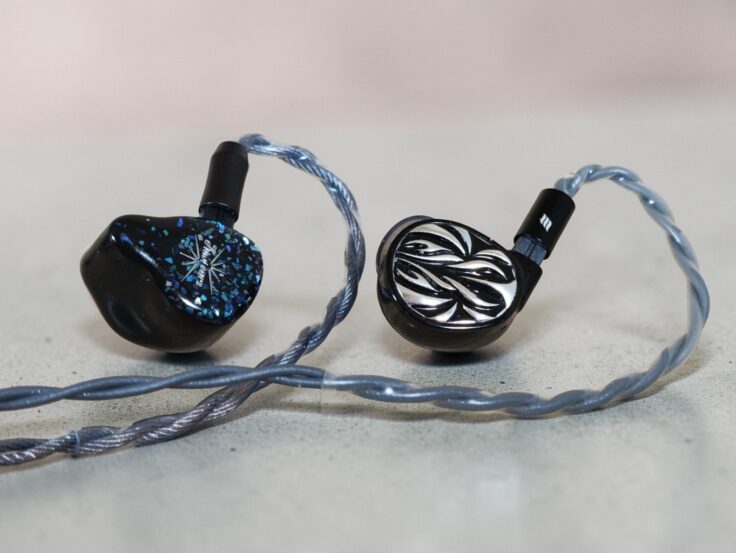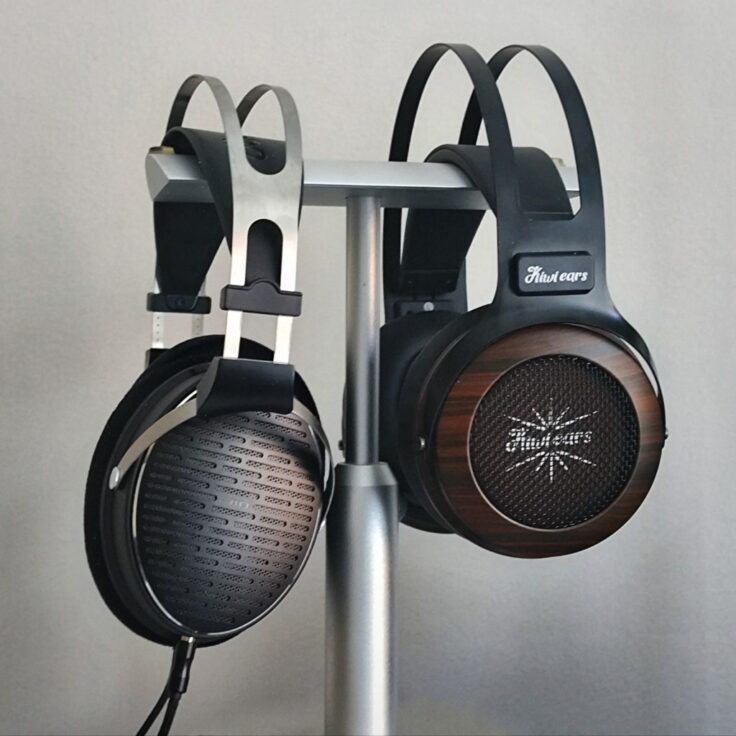

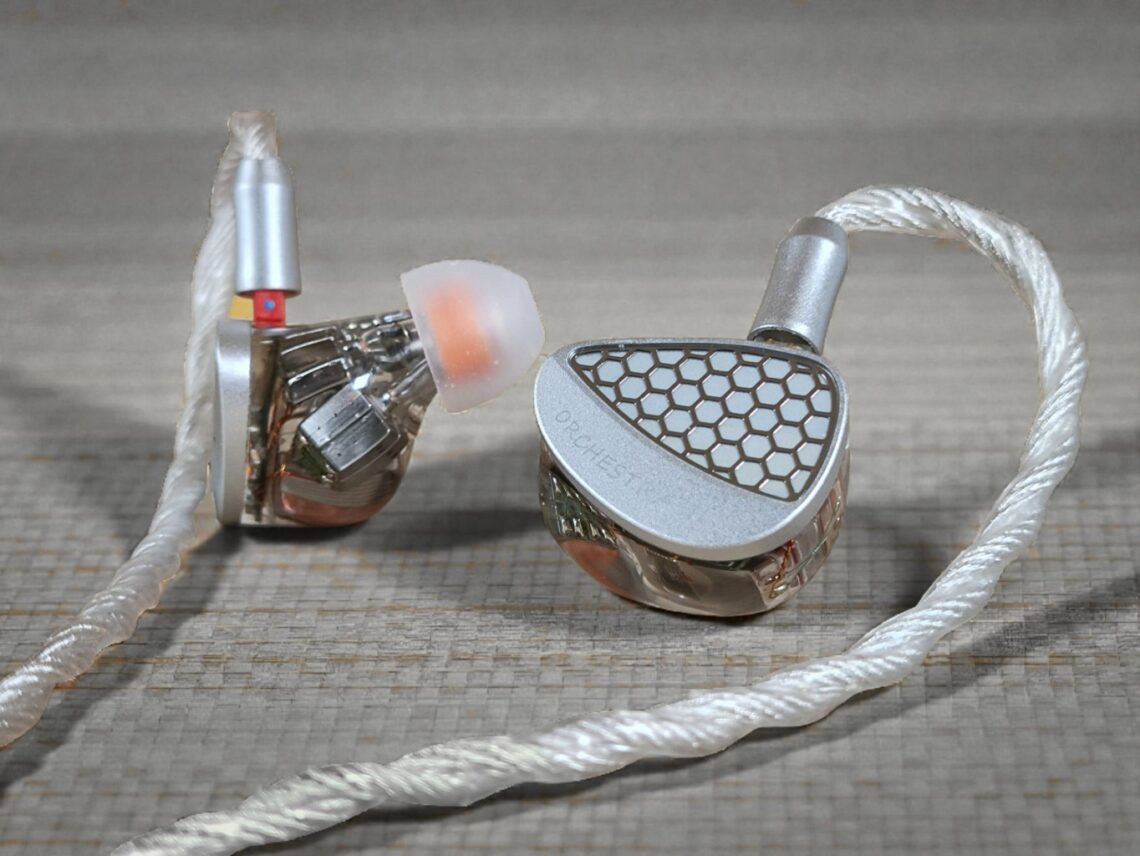
The Kiwi Ears Orchestra II is a 10-driver balanced-armature IEM, an upgraded successor to the original 8-driver Orchestra that inspired the more affordable 8-driver Orchestra Lite., While the predecessor, the Orchestra, typically sold for 499 USD, the Orchestra II launched at 349 USD or €300 ex.tax.
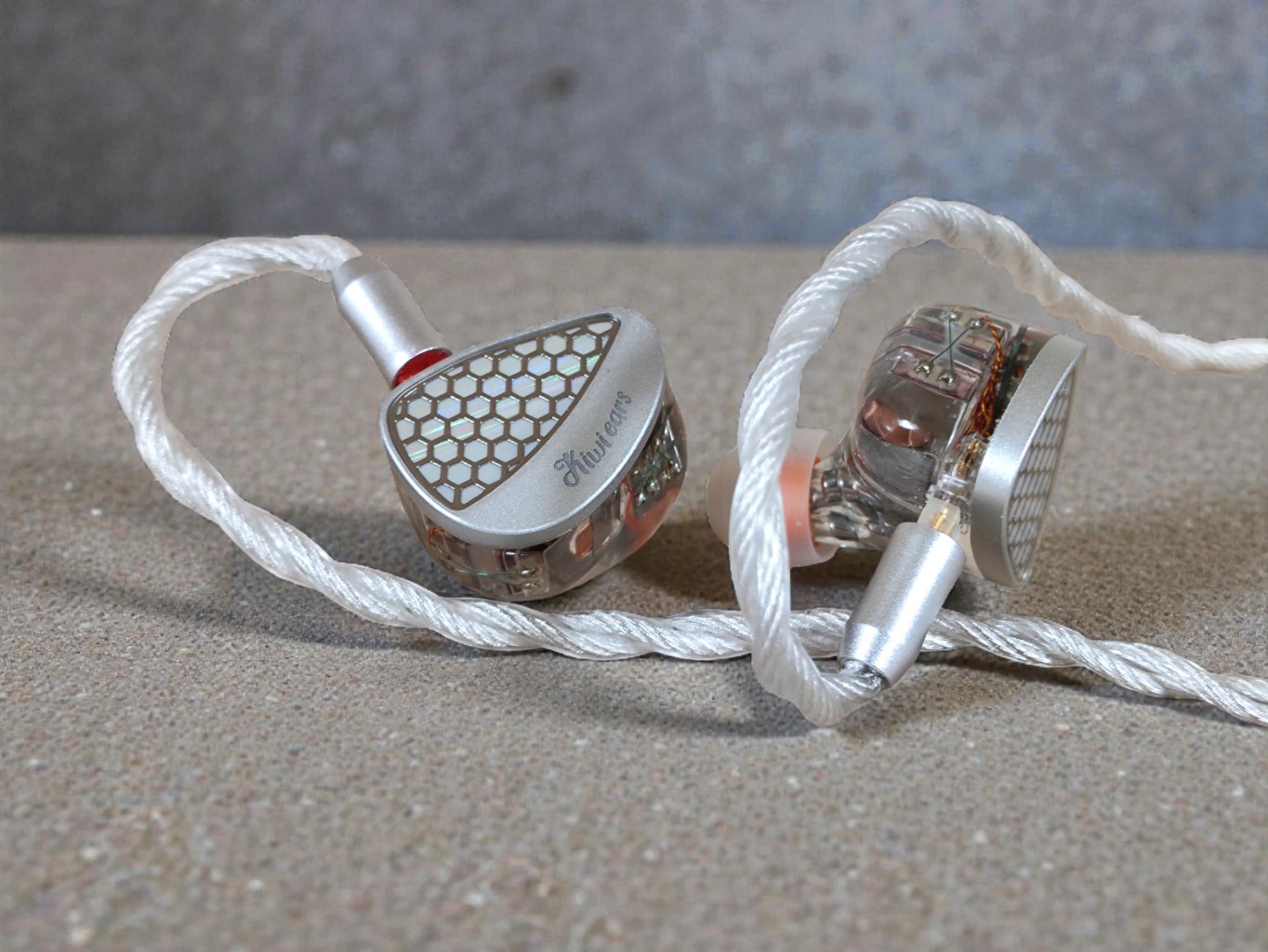
KIWI EARS ORCHESTRA II SPECIFICATIONS
- Driver Configuration: 10 Custom Balanced Armatures
- 4 x Way Crossover
- Sensitivity: 109dB SPL/mW
- Impedance: 19 Ohms
- Frequency Range
- 20Hz-20KHz
- Cable Connectors: 0.78mm 2 pin
- Cable Length: 122 cm
- Cable Material: single crystal copper, silver-plated (SP-OCC)
- Cable termination: 3.5mm + 4.4mm jacks, interchangeable system
Current price and availability:
- Kiwi Ears: Orchestra II
- DeLinsoul: Kiwi Ears Orchestra II
- Amazon: Kiwi Ears Orchestra II
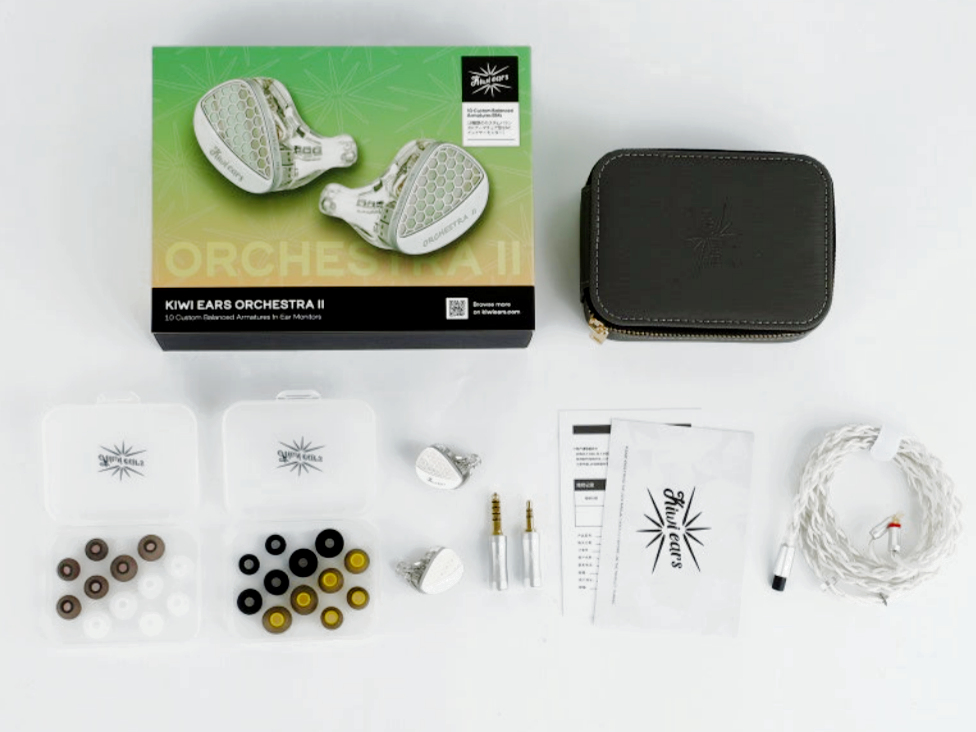
IN THE BOX
- Eartips: 4 types 3 sizes (S/M/L) =12 pairs
- 3.5mm plug
- 4.4mm plug
- Single Crystal Copper Silver-Plated Cable
- Carrying Case
- User Manual
Disclaimer: The review unit was sent to us for the purpose of an unbiased review by Kiwi Ears
BUILD AND COMFORT
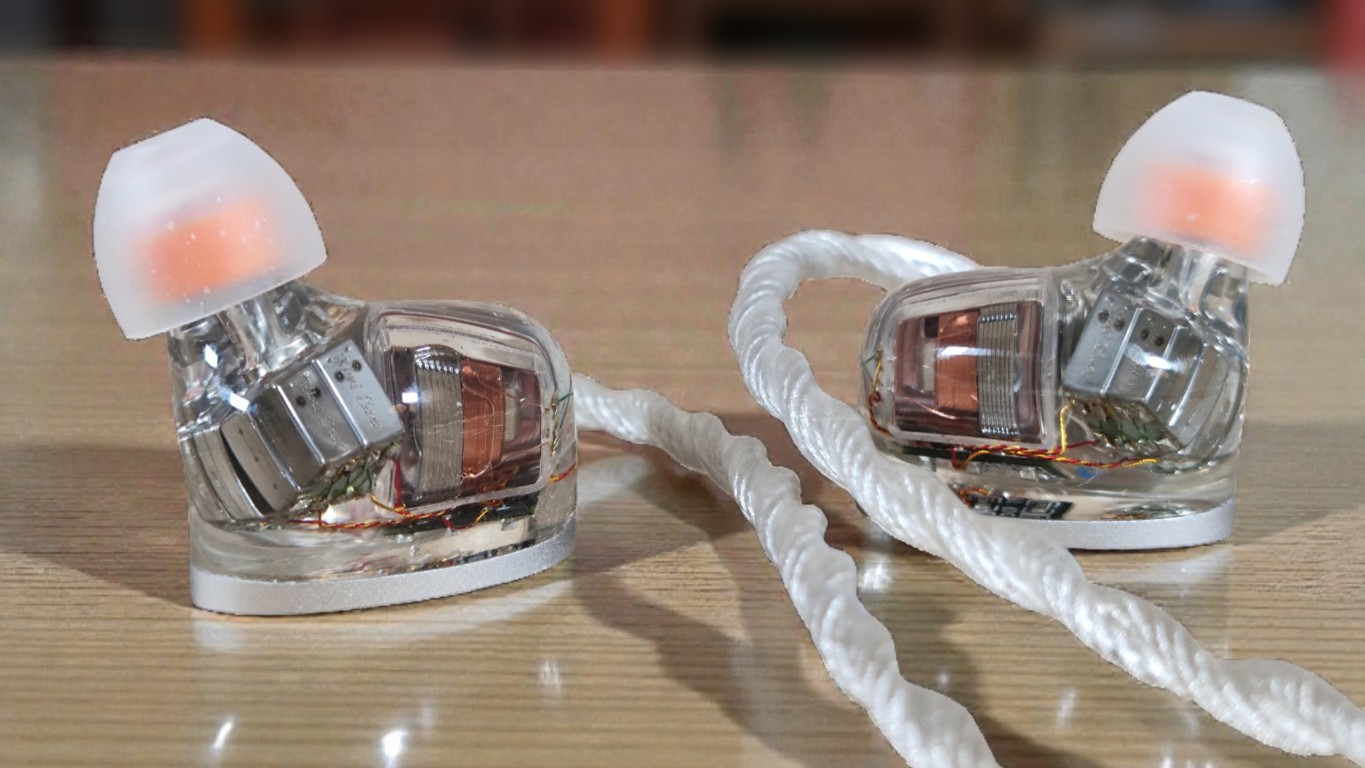
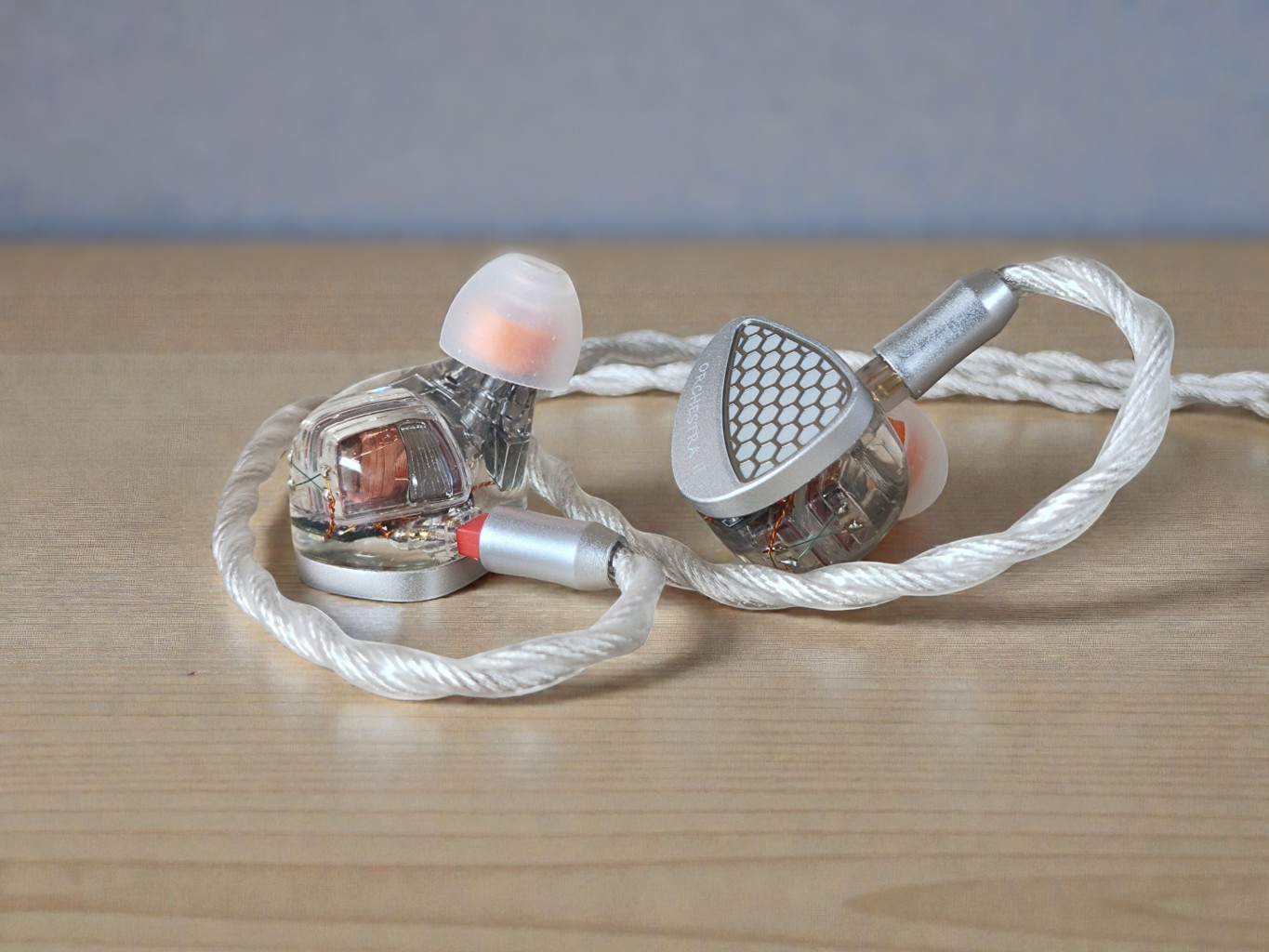
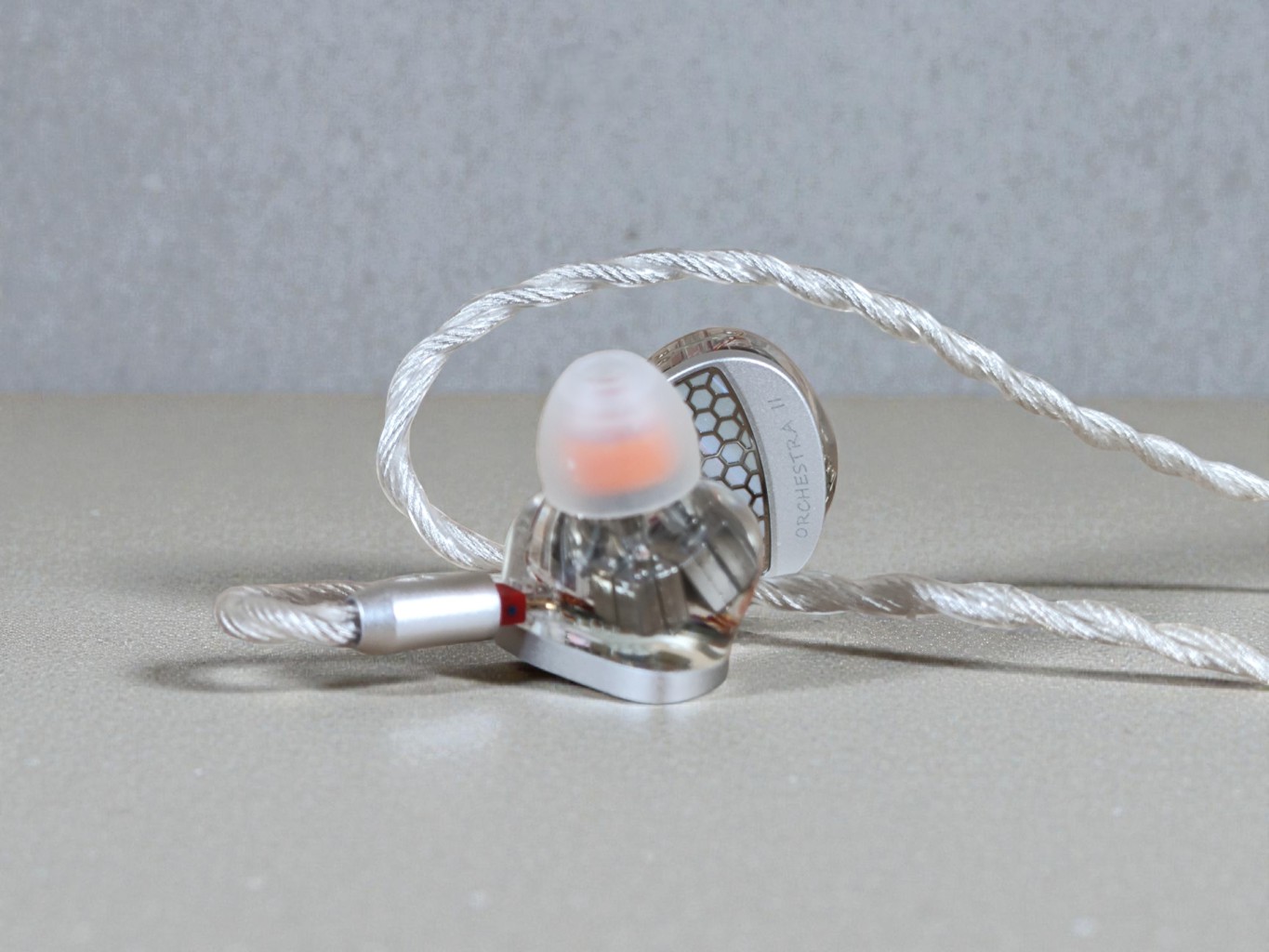
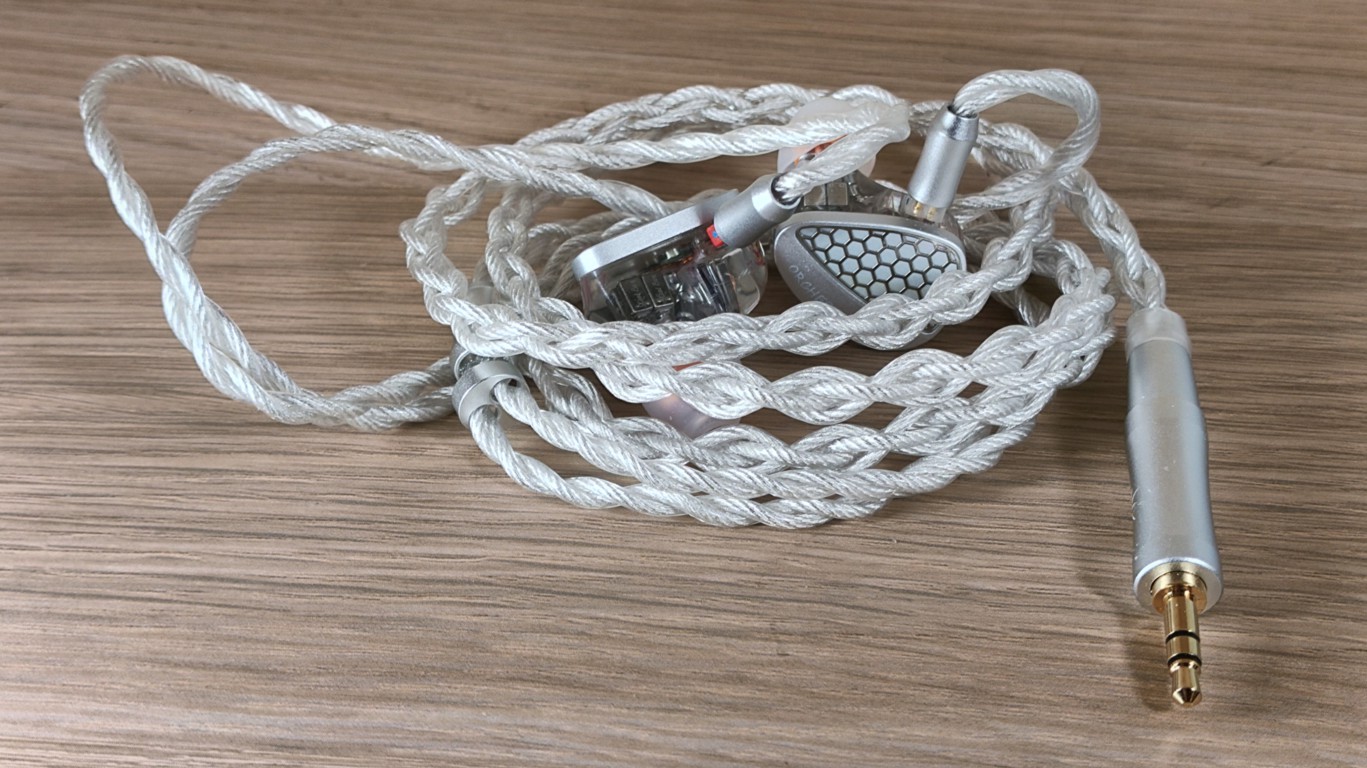
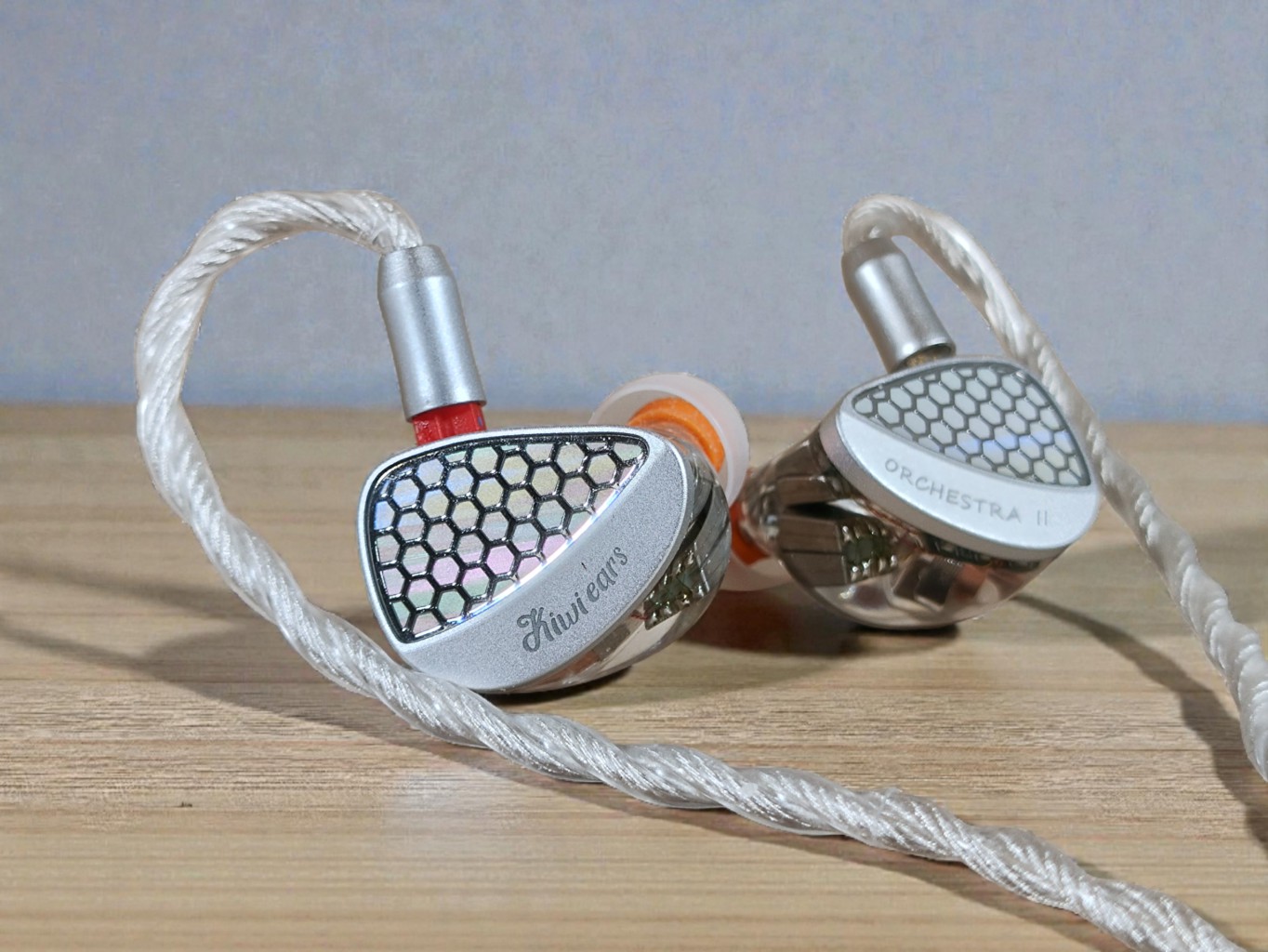
The Orchestra II uses a resin shell with a decorative faceplate. Though fairly large, with its rounded shape it sits comfortably in my ear. The cable looks and feels premium and includes swappable 3.5 mm and 4.4 mm termination plugs.
LISTENING IMPRESSIONS
Associated equipment:
- Amplifier: Topping A90
- DAC: RME ADI-2 DAC FS
- Eartips: SpinFit CP145
At Home by Tord Gustavsen Trio
This gentle piano trio tune sounds wonderful. The piano timbre is beautiful, detail is high yet effortless, and everything feels balanced, musical, and organic.
Live Tour Grace by Vega Trails
This toned down modern jazz track has a dominant, powerful double bass melody which is presented in a warm and textured way. The ambient sounds are highly detailed and delivered in a refined manner.
Alt e bra by Building Instrument
This is a dreamy alternative pop track. It sounds extremely well balanced from top to bottom. The treble is refined and present without sounding sharp or dry, the midrange sits nicely upfront, and the bass is powerful yet never overwhelming.
Murmur by Vega Trails
The Orchestra II absolutely nails the timbre of the bass clarinet, and of every individual instrument for that matter. The rendering is excellent, with great instrument separation and dynamics. Everything sounds effortless and natural, making it a real joy to listen to.
Rambling Man by Laura Marling
The vocals are clear and natural, and the overall presentation is perfectly balanced. When things get busy, the Orchestra II holds up extremely well.
Sunrise by Norah Jones
Here there are clear, slightly smooth vocals, paired with well balanced and detailed bass and guitar.
Angel by Massive Attack
Very tight and textured bass that remains full with a slightly thick character. Excellent ambient detail and instrument separation. Vocals are well balanced.
Limit to Your Love by James Blake
Vocals are nuanced, raw, and natural. The piano is detailed and smooth. The bass is controlled yet still slightly thick and bold, which sounds just perfectly right. The percussion is nice and snappy.
As Before by Olga Konkova
The cajon drum has a nice punch, and the piano is clear and bright without becoming too crisp or sharp, as it often can. The vocals are delicate, smooth, and detailed.
Jambi by Tool
Richly textured guitars, powerful drums, and bold yet well textured bass. The vocals stand out beautifully in the mix. Excellent.
Spontaneous Compositorius by Thomas Agergard
The saxophone has a beautiful timbre and is very well balanced. The bright percussion is clean and lively without being sharp or overly crisp, which is often the case. The bass also has excellently balanced presence with great detail.
Young Vivaldi by Modo Antiquo
Great string timbre with warmth and texture, along with excellent instrument separation and detail.
Mahler’s Symphony No 2 III by Paavo Järvi
The kettle drums are rich, bold, and punchy. The strings are delicate, with warmth and texture. Everything is detailed yet smooth.
Summer 3 Vivaldi Recomposed by Max Richter
Again, the Orchestra II sounds both detailed and smooth, both rich and textured.
WRAPPING IT UP
Sound Signature
If you have read my comments so far, it should be clear that I truly adore the tuning of the Orchestra II. To me, everything sounds excellent on this IEM. The bass has a nice lift without being excessive, the midrange is well present, and the highs are smooth without being dark.
Treble
As a slightly treble-sensitive listener, I really appreciate the smoothness of the treble on the Orchestra II. Yet, it never sounds dark; it is perfectly balanced and rich in detail.
Midrange
The midrange is very neutral, consistently present with a pleasant touch of warmth while still delivering texture and nuance. Vocals sound lively and natural.
Bass
The bass is not dead flat but has a lift typical of most modern earphones, and I think Kiwi Ears has achieved the perfect balance. I never feel the need for more or less bass; it is just right, which is quite rare. The bass also has excellent texture and detail, even while having a satisfying richness, which is certainly not always the case.
Soundstage and Imaging
The soundstage is relatively large for IEMs, and the imaging is excellent, feeling natural rather than artificially exaggerated.
Detail, Dynamics, and Timbre
The Orchestra II is rich in detail across the entire frequency spectrum, with excellent dynamics. While all of that is impressive, what truly stands out is the timbre. The bass timbre, midrange timbre, and treble timbre all sound natural and effortless. Every piece of music I have listened to sounds great.
COMPARISONS
Associated equipment:
- Amplifier: Topping A90
- DAC: RME ADI-2 DAC FS
KIWI EARS x HBB Punch vs ORCHESTRA II
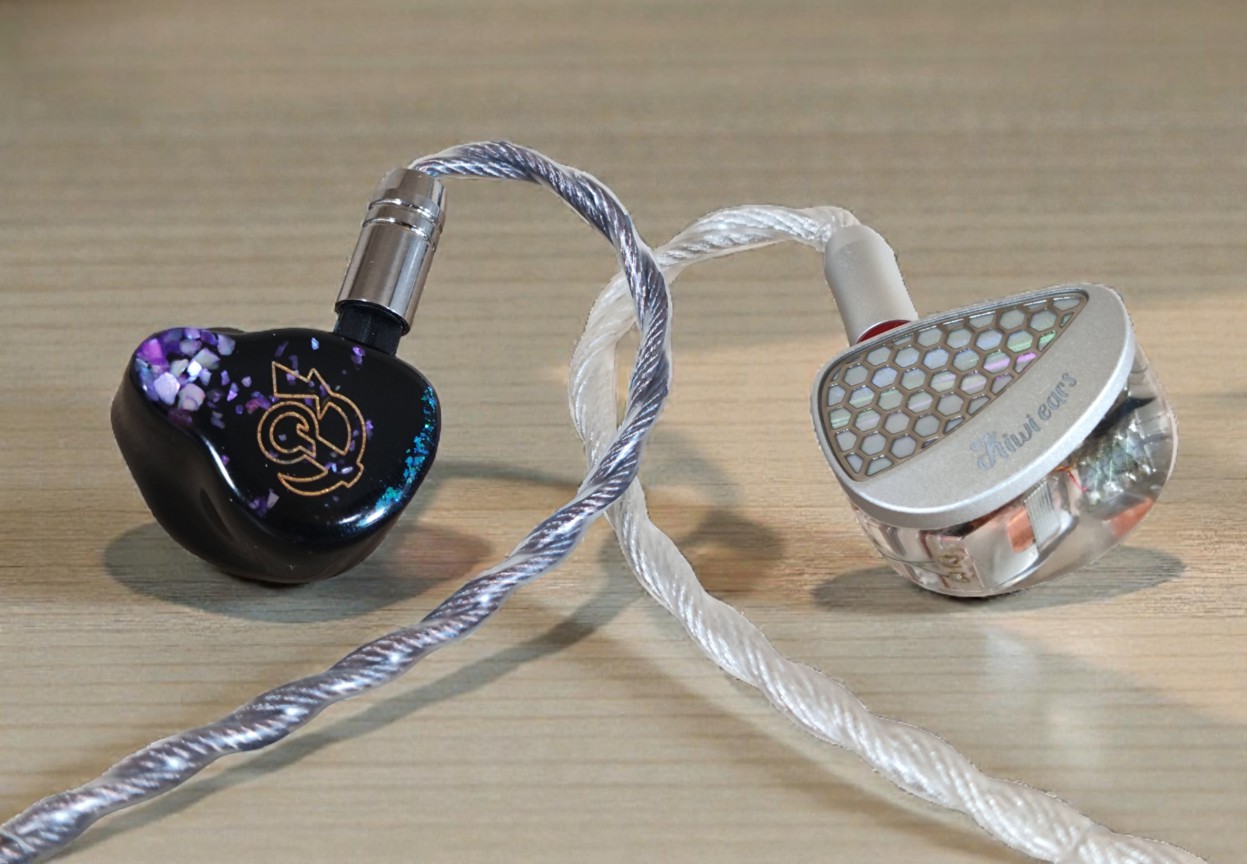
The Kiwi Ears x HBB Punch is a tribrid IEM with five drivers in total: one dynamic driver for the bass, two balanced armatures for the midrange, and two electrostatic drivers for the treble. It is priced at 449 USD.
The Punch is tuned with a distinctive bass lift that gradually grows stronger the lower the frequency. This works surprisingly well, and I was amazed at how close the Punch and Orchestra II can sound, though it varies by track. In general, however, the Punch has more sub-bass and generally sounds lusher, while the Orchestra II remains quite neutral.
You can read my full comparison review here:
- Linsoul: Kiwi Ears xHBB Punch
- AliExpress: Kiwi Ears x HBB Punch

ZIIGAAT HORIZON vs ORCHESTRA II
The Ziigaat Horizon is a tribrid IEM with five drivers in total: a dynamic driver for the bass, two balanced armatures for the midrange, and two planar magnetic drivers for the treble. It typically retails for 329 USD.
The Horizon and the Orchestra II are not radically different, as both are tuned to sound fairly neutral. However, the Horizon is “more neutral” than the Orchestra II. Generally speaking, it has a drier character and more raw detail, while the Orchestra II offers more bass presence and generally sounds bolder and richer.
You can read my full comparison review here:
- Linsoul: Ziigaat Horizon
- Amazon: Ziigaat Horizon
KIWI EARS ORCHESTRA LITE vs ORCHESTRA II
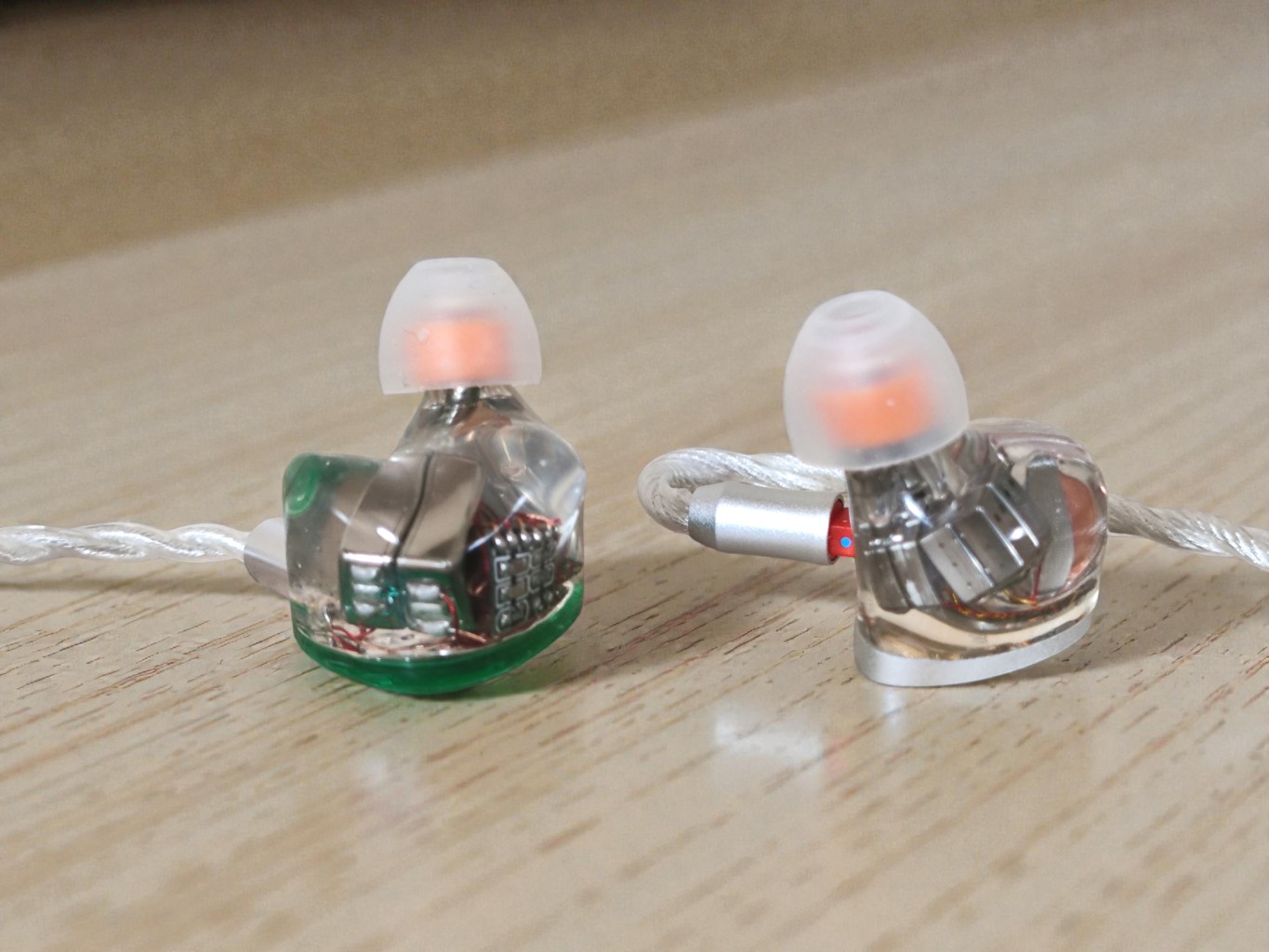
The Orchestra Lite is the “light version” of the original Orchestra. It features eight balanced armature drivers, and is typically priced at 249 USD, which is 100 USD less than the Orchestra II.
When comparing the Orchestra Lite to the Orchestra II, it is immediately obvious that they belong to the same family – as close siblings. They often sound very similar, but in most cases the newer version comes across as smoother and more refined, although preferences can vary from track to track.
You can read my full comparison review here:
Orchestra Lite vs Orchestra II
- Amazon: Orchestra Lite
- Kiwi Ears: Orchestra Lite
AMPLIFICATION
For the listening impressions and comparisons in this review, I mostly relied on my desktop rig for practical reasons. However, since portable setups are more likely to be used by potential Orchestra II owners, I also tested several portable USB DAC/amps.
I start out with the Letshuoer DT01 Pro, a tiny USB dongle. It sounds very impressive, and I think it is a great match for the Orchestra II – with power to spare. The Kiwi Ears Allegro Pro sounds even better, with even more power reserves. The Alpha XI1 ONIX works equally well, but sounds a bit smoother and darker. Also the Fosi DS3 works very great, with a neutral sound. The xDuoo Link2 Bal2 is great too, refined sounding as usual. Next, the Dragonfly Cobalt is even better, more detailed and still nicely smooth. Finally, the Chord Mojo is superb as always.
In conclusion, the Orchestra II is surprisingly flexible when it comes to amplification. It does need some power to be driven properly, but even my smallest dongle managed to get the Orchestra II singing.
CONCLUSION
The Orchestra II has excellent technical performance and might have my favorite tuning in the world of IEMs – quite neutral but with warmth and smoothness. The Kiwi Ears Orchestra II comes highly recommended.
Thanks for reading. You can support us by purchasing anything using any of our affiliate links.
- Kiwi Ears: Orchestra II
- DeLinsoul: Kiwi Ears Orchestra II
- Amazon: Kiwi Ears Orchestra II

Any purchase you make on Amazon or Linsoul with any of our affiliate links will give us a small provision at no cost to you.
We only get a provision for items that are not returned, so there’s no incentive for us to recommend something that’s not good.
Linsoul : Headphones, Earbuds, Wireless Earbuds, Desktop DAC/AMP, Portable DAC/AMP, Digital Audio Players,
Amazon: Headphones, IEMs, Headphone Amplifiers, Home Audio or Anything else.
.
If you enjoyed this article or other content on The Headphoneer, you might consider leaving a small donation to keep this website up and running. No donation is too small. Thanks for supporting us!

If you like our work please follow us on Instagram, Facebook and Twitter , it will help us grow. Sharing is caring 🙂