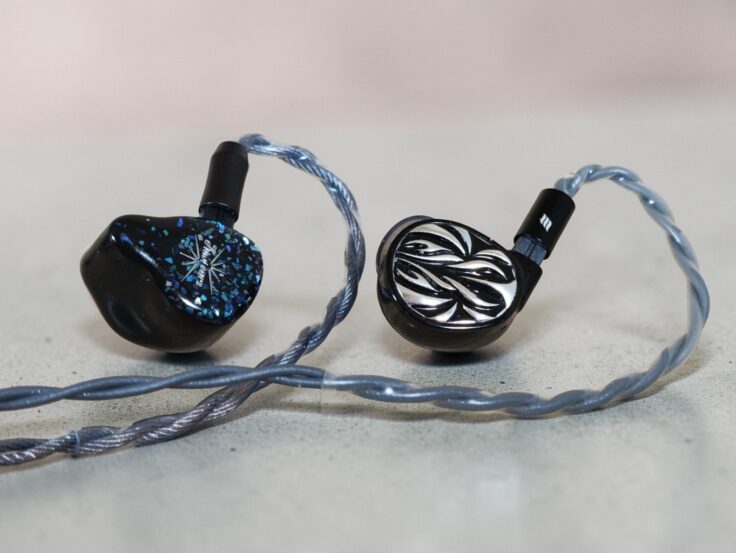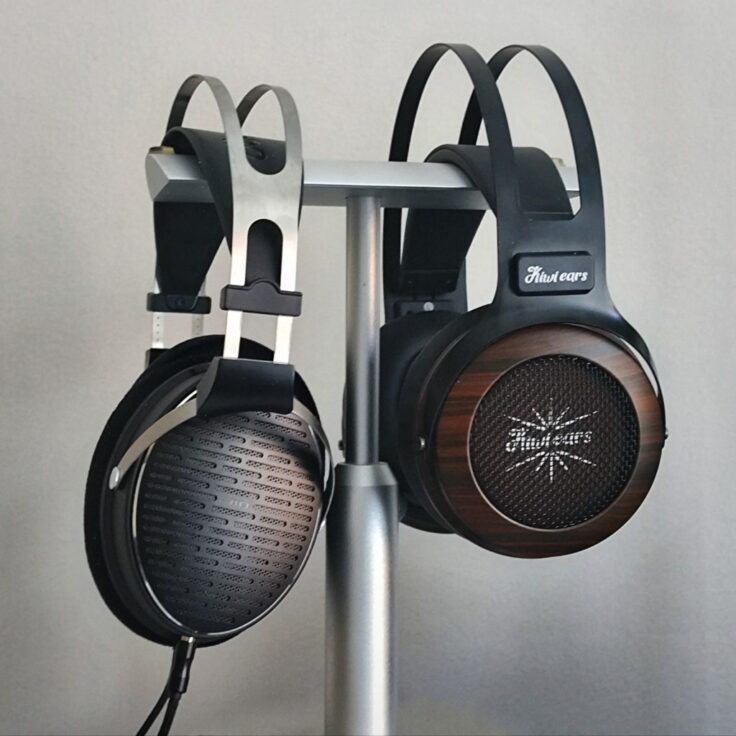


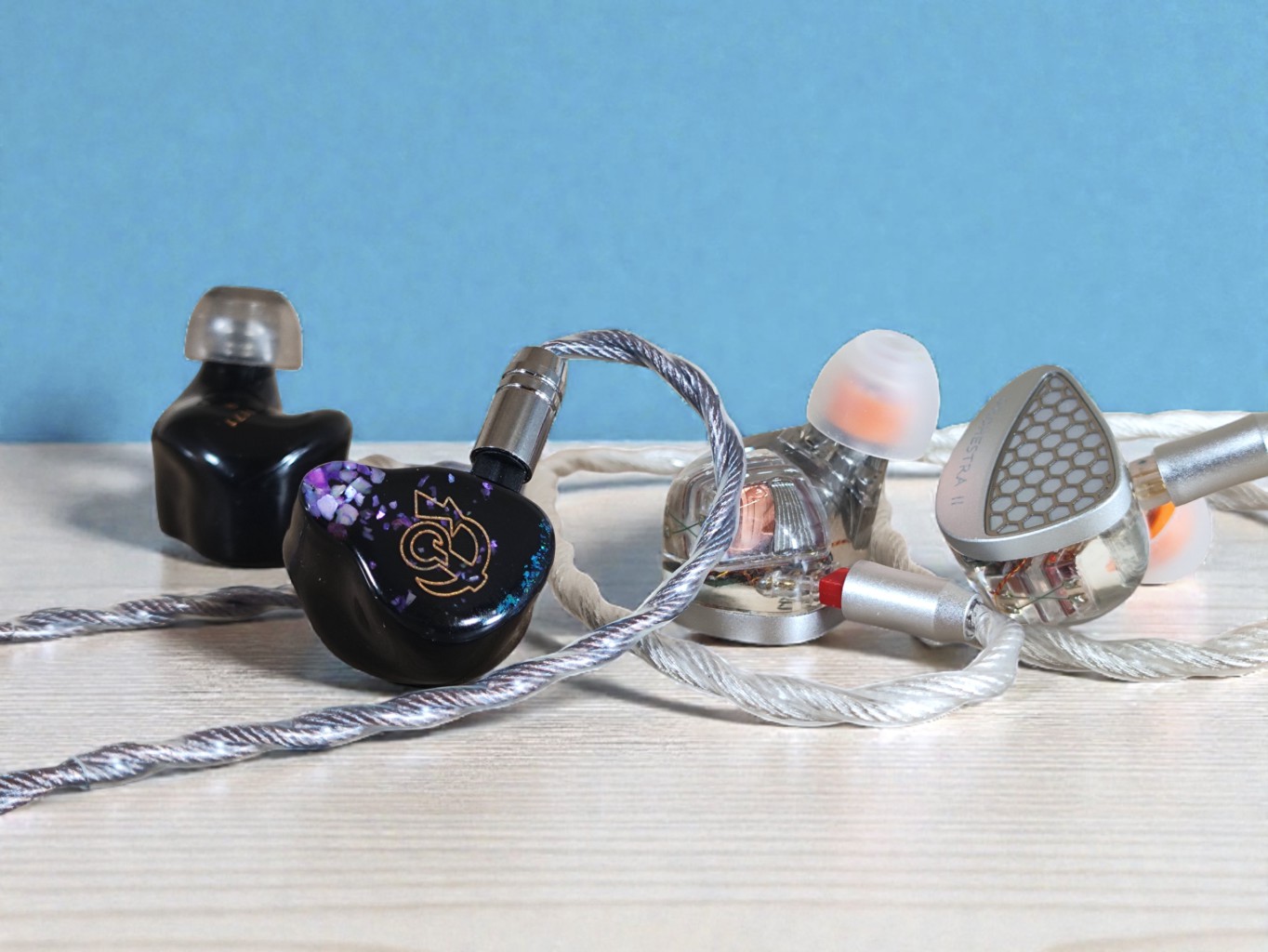
This is a comparison between two of Kiwi Ears’ most expensive offerings. Only the original Orchestra (Mk1 – 499 USD) is priced higher than the Orchestra II (349 USD) and the Punch (449 USD).
Kiwi Ears Orchestra II is a 10-driver balanced armature IEM, priced at 349 USD. It builds on the original 8-driver Orchestra, which later inspired the popular Orchestra Lite. The Orchestra and the Lite are still in production, the Orchestra II is an addition to the Orchestra-lineup, at least for now.
The Kiwi Ears x HBB Punch is a tribrid IEM with five drivers in total, priced at 449 USD. It uses one dynamic driver for the bass, two balanced armatures for the midrange and two electrostatic drivers for the treble.
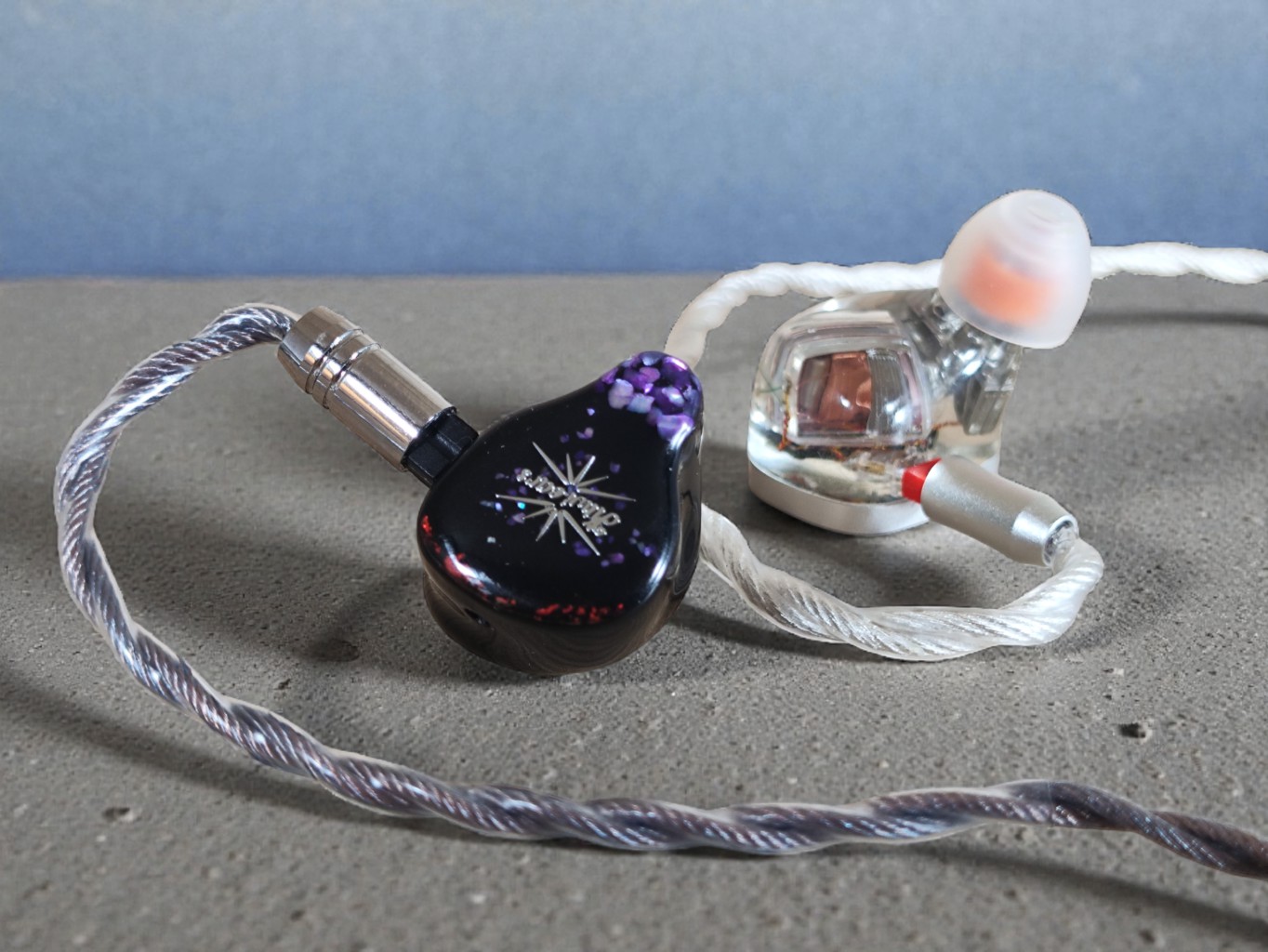
KIWI EARS x HBB Punch SPECIFICATIONS
- Drivers: 1 x 10mm Dynamic Driver, 2 x Knowles 32257 BA, 2 x Sonion EST
- Impedance: 12 Ohms
- Sensitivity: 98 dB (±1 dB) @ 1 kHz
- Frequency Response: 5 Hz – 44 kHz
- Configuration: 3-way crossover with 3 sound tubes
- Cable: 1.2 m single crystal copper AWG 20 wire, braided, PVC coating
- Connector: 0.78mm 2-pin
- Cable termination: 3.5mm or 4.4mm fixed
Current price and availability:
- Linsoul: Kiwi Ears xHBB Punch
- AliExpress: Kiwi Ears x HBB Punch
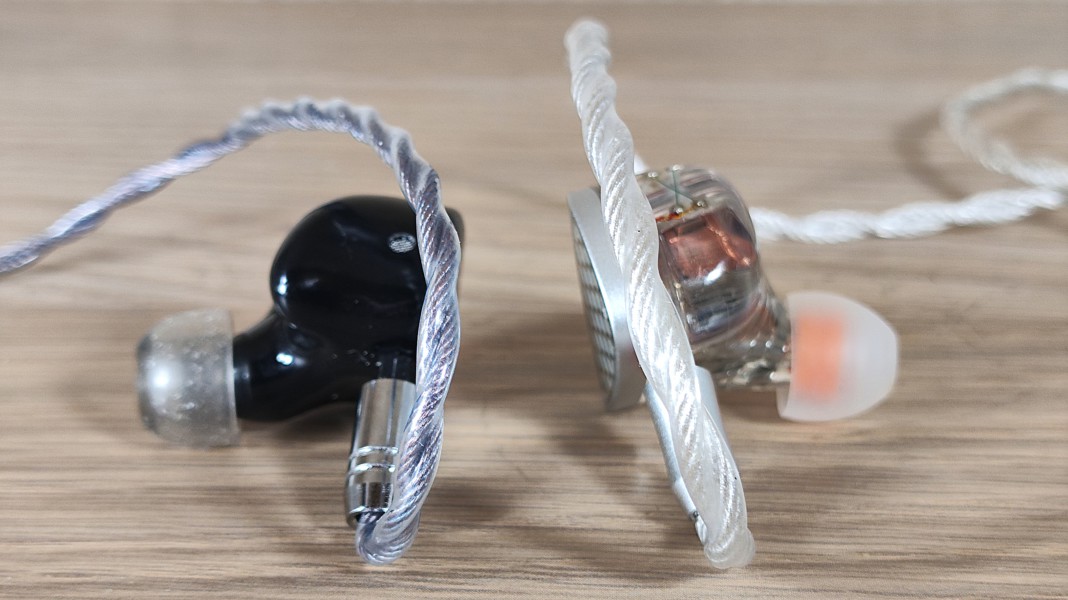
KIWI EARS ORCHESTRA II SPECIFICATIONS
- Driver Configuration: 10 Custom Balanced Armatures
- 4 x Way Crossover
- Sensitivity: 109dB SPL/mW
- Impedance: 19 Ohms
- Frequency Range
- 20Hz-20KHz
- Cable Connectors: 0.78mm 2 pin
- Cable Length: 122 cm
- Cable Material: single crystal copper, silver-plated (SP-OCC)
- Cable termination: 3.5mm + 4.4mm jacks, interchangeable system
Current price and availability:
- Linsoul: Kiwi Ears Orchestra II
- Amazon: Kiwi Ears Orchestra II
BUILD AND COMFORT
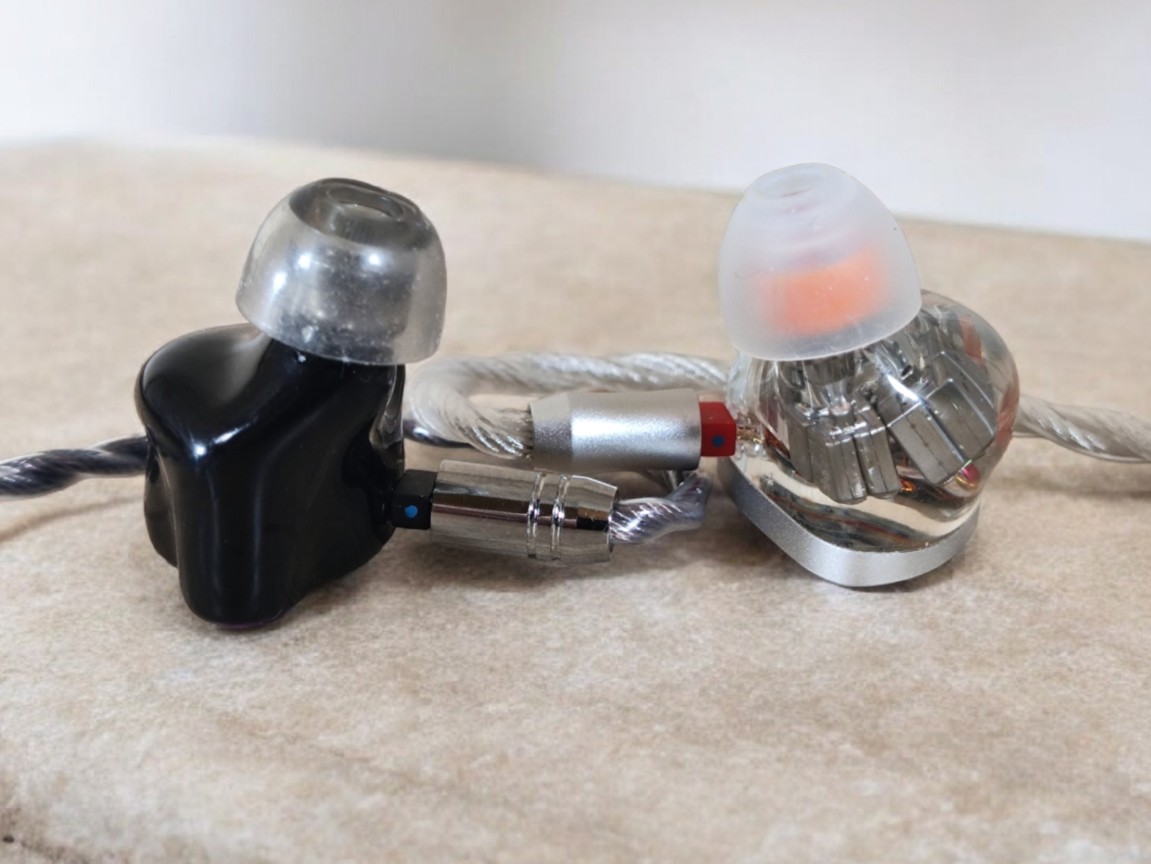
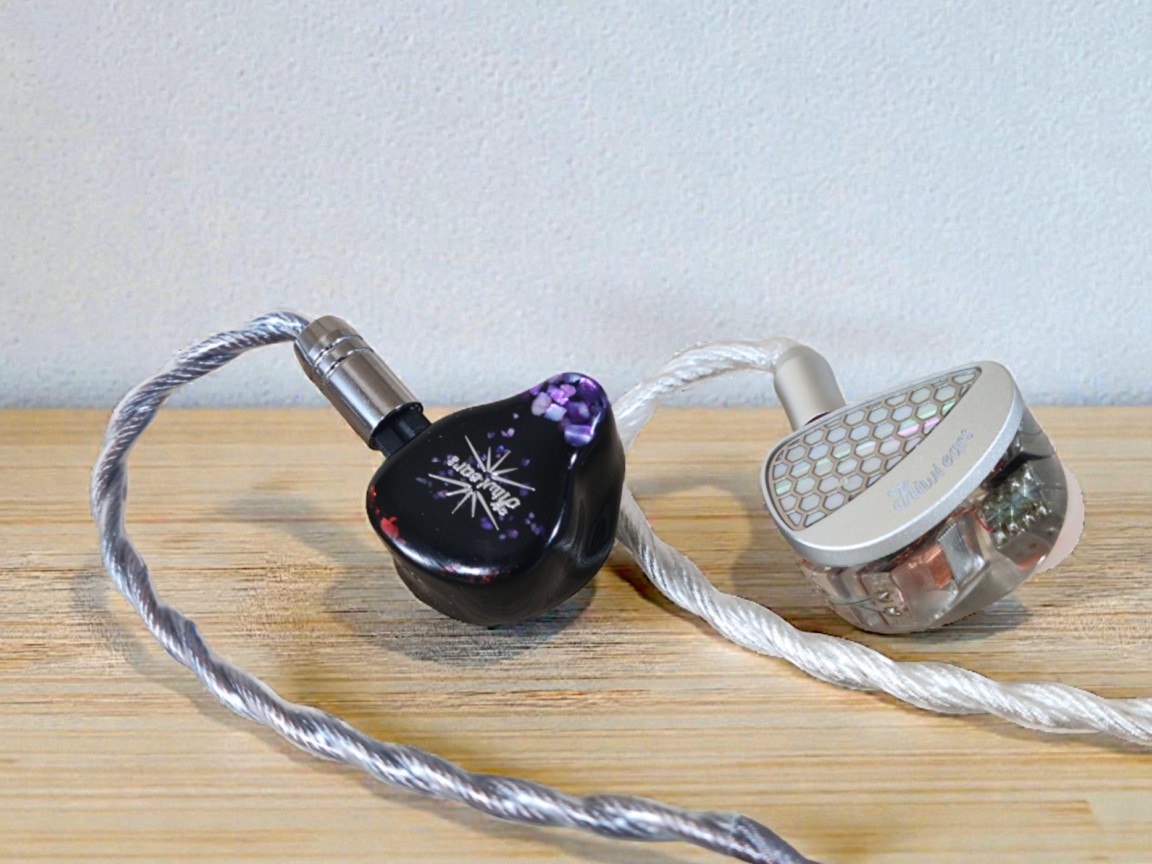
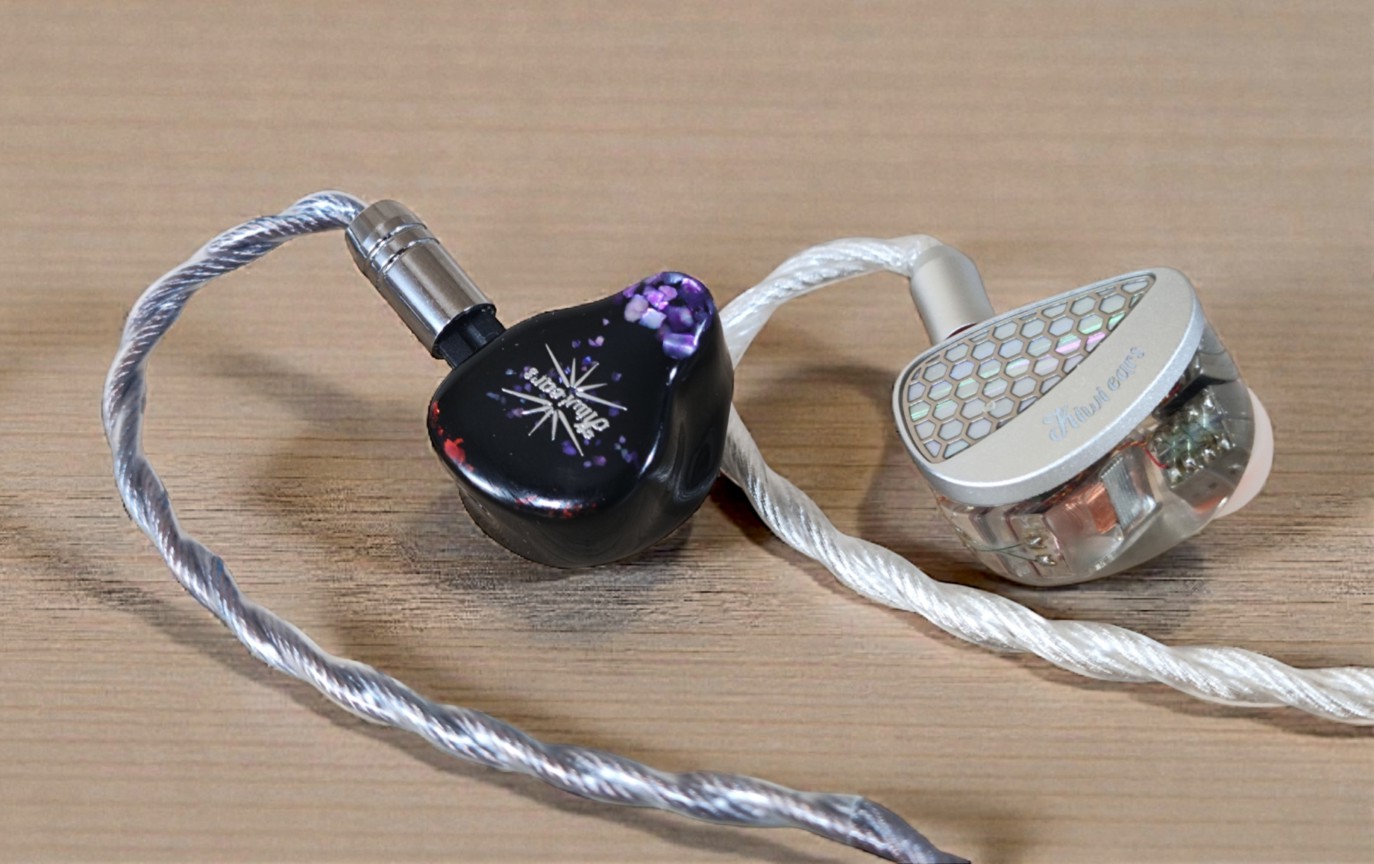
Both the Orchestra II and the Punch use resin shells. The Punch has a universal-custom shape, while the Orchestra II is more rounded. Both are a bit large, but I find them to sit comfortably in my ears.
Both come with good cables. The Punch has fixed cable termination so you need to order the plug you prefer. The Orchestra II includes an interchangeable system with both 3.5 mm and 4.4 mm options.
COMPARISONS
Associated equipment:
- Amplifier: Topping A90
- DAC: RME ADI-2 DAC FS
Rambling Man by Laura Marling
The Orchestra II is beautifully neutral, with an effortless and natural presentation. The Punch is slightly warmer but still close to neutral, with a bit more lushness. Overall, the difference between them is not very large.
Angel by Massive Attack
The bass on the Punch is solid, yet still at a level that works naturally with the music. It has a physical presence that you rarely get from IEMs. The Orchestra II has good bass for a neutral tuning, but it lacks that physical dimension. The tonality is quite similar between them if you set the bass differences aside.
Limit to Your Love by James Blake
The Orchestra II has a wonderfully natural tonality with great detail and fine nuance. The bass is impressive, not lacking at all, and very detailed. Percussion is snappy and well defined.
The Punch has slightly darker vocals, but the overall detail level is quite similar. Its bass is heavier than on the Orchestra II, yet surprisingly close on first listen. Even so, you would probably not want more bass than it already has.
Bullet in the Head by Rage Against the Machine
The Punch has a strong bass presence without sounding out of place. It feels more like the low-end you get at a live concert. The Orchestra II is slightly brighter overall, and while its bass is very pleasing, it is more reserved, giving it a more neutral character. Bass differences aside, the two are actually quite similar.
The Tunnel by Tord Gustavsen Trio
As is often the case, there is not enough deep sub-bass on this track to make the Punch’s bass lift fully kick in. It sounds warm yet still relatively neutral. The Orchestra II is not far off. It is also neutrally warm with a present bass. What stands out most is that the Orchestra II delivers snappier percussion and slightly better overall detail.
Rocket Man by Bob James Trio
The bass on this track is often quite powerful on many earphones. The Orchestra II delivers solid bass, but stays more neutral than many. The percussion is very snappy, and the overall timbre is excellent. The Punch has slightly stronger bass presence, though the difference is surprisingly small. Its midrange is a bit warmer and lusher, or as I said earlier, darker. Overall, the Punch feels more laid-back and velvet-like; it is not as snappy and doesn’t emphasize detail, staying relaxed and smooth.
Sujet tabou by Bertrand Renaudin and Olivier Cahours
This is a very interesting recording featuring a single classical guitar and a percussionist. The Punch is smooth, warm, and laid-back. The Orchestra II is also warm-leaning but crisper and snappier, particularly noticeable in the percussion and when the guitar strings are struck hard.
Take on Me MTV Unplugged by a-ha
This is a beautiful version of the classic ’80s synth-pop hit. The two IEMs present the vocals differently. The Punch is smooth, laid-back, and fuller, with a velvet-like warmth. The Orchestra II is brighter, clearer, and more upfront. Both are excellent, but in my opinion, the Punch rendition suits the song better.
Vicarious by Tool
Here too, the Punch has stronger bass, yet it still feels natural. It also sounds smoother, warmer, and more velvety. The Orchestra II can feel a bit lean at first when switching between the two, though I quickly adjust to its different character. It performs well, with solid bass presence and plenty of detail, but it lacks the lush smoothness and underlying bass foundation that the Punch provides.
Like Suicide by Soundgarden
The Orchestra II has very present bass that is tight and controlled while maintaining a warm-leaning neutrality. The Punch has even more bass presence, perhaps a bit too much in this case. Vocals are equally well separated on both, but the Punch delivers a generally stronger sense of smoothness.
Midnight City by M83
On this complex and energetic alternative synth-pop track, the Punch delivers powerful yet controlled bass, good separation, and a pleasing velvet-like timbre. The Orchestra II is clearly more neutral while retaining a warm touch. It sounds snappier and brings more detail to the forefront.
Maple Noise by Greene Serene
The Orchestra II is snappy and fairly neutral with a warmish character. The Punch is not drastically different, but it has slightly more bass and leans warmer, smoother, and lusher.
Spontaneous Compositorius by Thomas Agergard
The Punch delivers a smoother, darker saxophone timbre, and the bright percussion is also more relaxed. The Orchestra II is not a bright or harsh-sounding IEM, but it is less laid-back than the Punch.
Young Vivaldi by Modo Antiquo
I really appreciate the Punch’s timbre on the strings—slightly warm, smooth, velvety, yet still energetic. The Orchestra II is brighter, and coming directly from the Punch, it can sound a bit nasal at first. However, this is only temporary, and I quickly adjust to fully appreciate the Orchestra II and its ease in presenting string music. It is lighter-footed and sharper than the Punch, with more energy in the upper mids.
Summer 3 Vivaldi Recomposed by Max Richter
This busy track can often sound a bit muddy on certain earphones, but the Orchestra II handles it excellently, with superb instrument separation. The Punch also offers great separation, though it generally sounds a bit darker while still feeling surprisingly neutral. Its bass lift has little impact on classical music, and the Punch performs very well with strings.
WRAPPING IT UP
Sound Signature
The Orchestra II is tuned to be fairly neutral, but in a natural, musical way rather than a strictly analytical one. It has warmth and solid bass presence, with highs that are detailed without being exaggerated. I really enjoy the tuning of the Orchestra II.
The Punch is not designed for strict neutrality. Its progressive bass lift in the lowest frequencies can be noticeable, but across the rest of the spectrum it is quite neutral, though generally darker and lusher than the Orchestra II.
Treble
The treble is quite similar between them. Neither is overly crisp or exaggerated; both are slightly rounded, smooth, and pleasant while remaining detailed. That said, the Orchestra II is a bit brighter and more articulate in the highs.
Midrange
The midrange shows more difference. The Orchestra II has a bit more energy in the upper mids region, coming across as more upfront and lively. The Punch has a darker, warmer, and more velvety midrange, which can often be very pleasing.
Bass
Honestly, I expected the difference between the two to be greater than it is. The Punch has a progressive lift as you go down in frequency, most impactful in the lowest lows, while the Orchestra II remains more neutral. Yet the Orchestra II still delivers solid bass performance and never feels thin or lacking.
Soundstage and Imaging
I think the Punch has a good soundstage, but the Orchestra II is more open and provides better imaging.
Detail, Dynamics, and Timbre
The Punch delivers plenty of detail, but in a relaxed, laid-back manner. The Orchestra II provides even more detail, and although it feels more forward than the Punch, it still remains effortless and smooth.
Both excel in dynamics, but the Orchestra II may have the edge overall, particularly in microdynamics and articulation.
In terms of tone and timbre, the Orchestra II is more neutral while still sounding natural and organic, whereas the Punch is generally warmer, darker, and more velvety.
CONCLUSION
I was really surprised by how closely these two can sound, though it varies from track to track. Sometimes they seem very different, and other times quite similar. Overall, both are excellent IEMs in their own way: the Punch is intentionally colored, bringing its own flavor, while the Orchestra II is relatively neutral, with a very natural sounding character.
While I can recommend both for what they are, I kept thinking that they would make a perfect complementary pair. Anyway, they’re both great – but different.
Thanks for reading. You can support us by purchasing anything using any of our affiliate links.
- Linsoul: Kiwi Ears xHBB Punch
- AliExpress: Kiwi Ears x HBB Punch
- Linsoul: Kiwi Ears Orchestra II
- Amazon: Kiwi Ears Orchestra II
Any purchase you make on Amazon or Linsoul with any of our affiliate links will give us a small provision at no cost to you.
We only get a provision for items that are not returned, so there’s no incentive for us to recommend something that’s not good.
Linsoul : Headphones, Earbuds, Wireless Earbuds, Desktop DAC/AMP, Portable DAC/AMP, Digital Audio Players,
Amazon: Headphones, IEMs, Headphone Amplifiers, Home Audio or Anything else.
.
If you enjoyed this article or other content on The Headphoneer, you might consider leaving a small donation to keep this website up and running. No donation is too small. Thanks for supporting us!

If you like our work please follow us on Instagram, Facebook and Twitter , it will help us grow. Sharing is caring 🙂