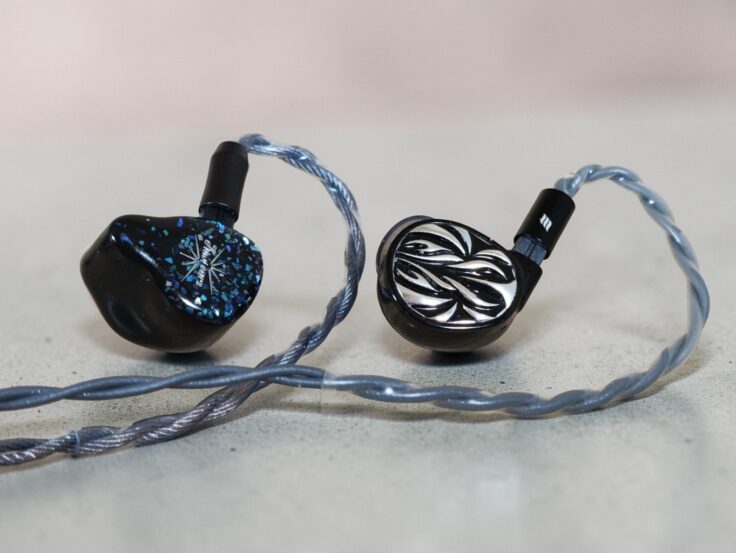


The Astral and Septet are two new 7-driver IEMs from Kiwi Ears, priced at 299 and 269 USD respectively. In terms of sound, there are similarities but also have some noteworthy differences. The driver setup is quite different.
ASTRAL ESSENTIALS:
- 1 DD + 6 BA (3 dual) hybrid
- 299 USD/ €260 ex.tax.
SEPTET ESSENTIALS:
- 1DD + 4BA + 1 Planar + 1 PZT quadbrid
- 269 USD/ €230 ex.tax.
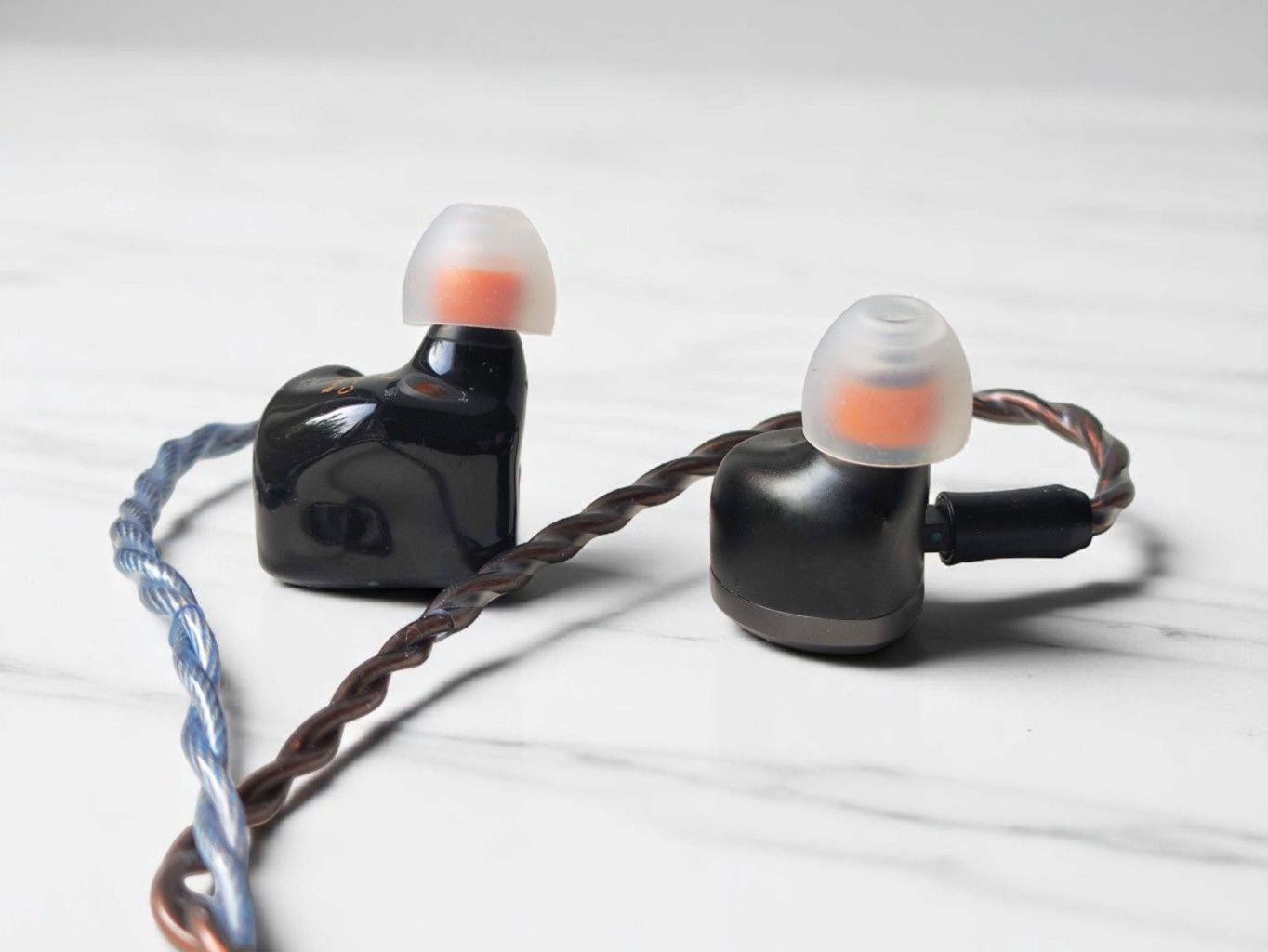
The Astral is a fairly typical hybrid driver IEM, featuring a 10mm dynamic driver for the bass and balanced armatures for the rest of the frequency range. Two dual balanced armature drivers handle the midrange, while a dual balanced armature tweeter covers the highs.
The Septet is more exotic. It’s an open-back IEM with four different driver types—making it a quadbrid. It features a 10mm dynamic driver for the bass, four balanced armatures handling the low mids to the mid-treble range, and a micro planar transducer (MPT) acting as the high-frequency tweeter. A piezoelectric transducer (PZT) works alongside the planar to add texture and clarity in the upper registers.
BUILD AND COMFORT
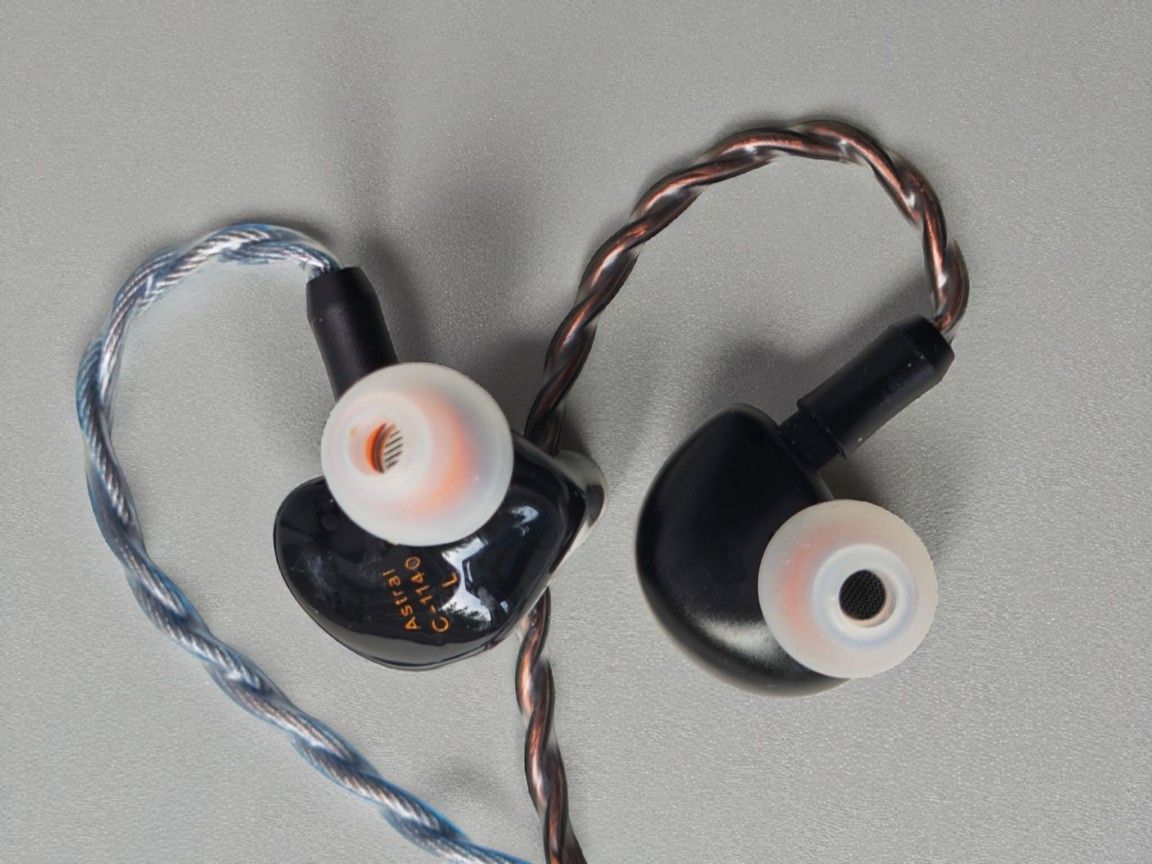
When it comes to build and design, they’re quite different. The Astral features semi-custom resin shells with a baked-in faceplate design, while the Septet has machined metal housings with an open-back grille design. Size-wise, they’re very similar, and both come with interchangeable cable plugs. I find both to be comfortable, however they are both similarly large.
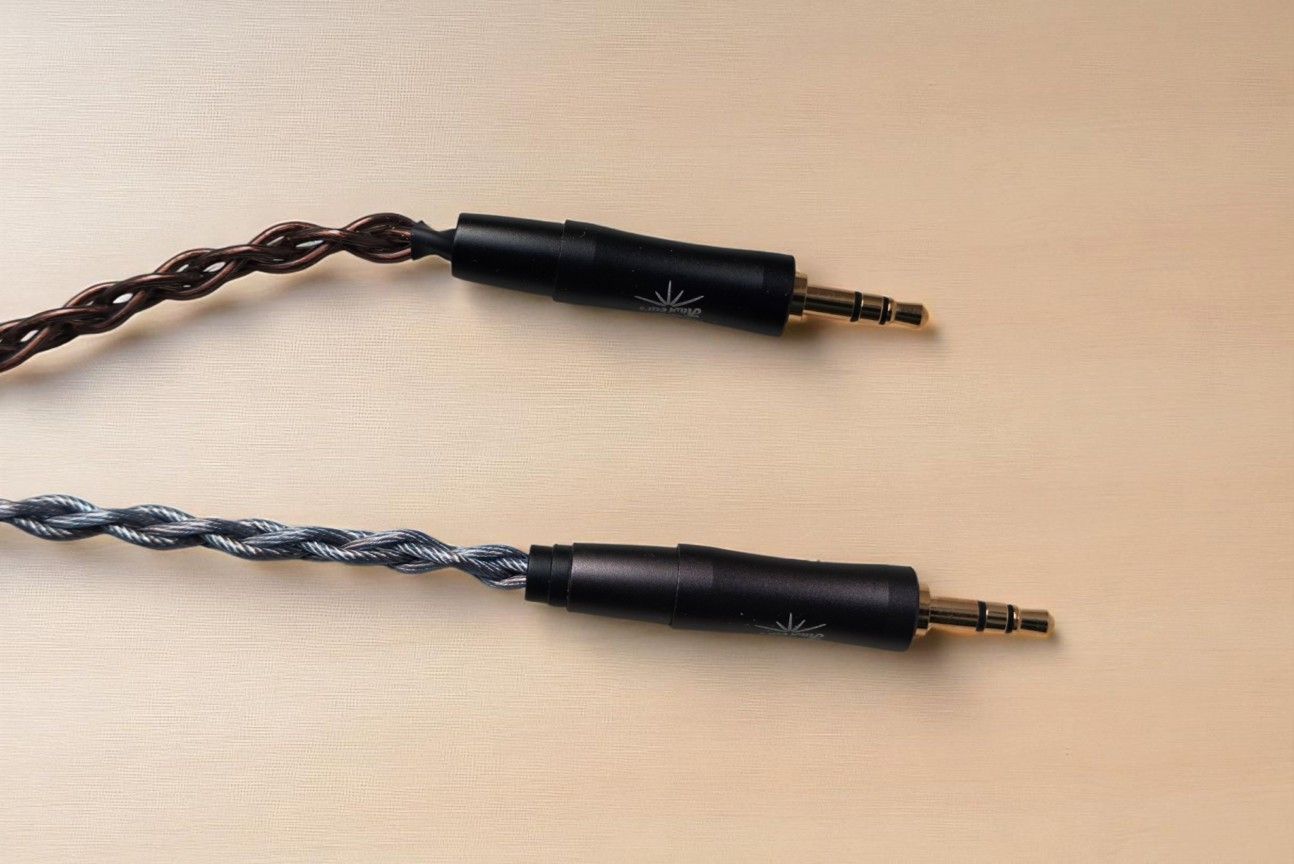
KIWI EARS ASTRAL SPECIFICATIONS
- Type: Vented IEM
- Drivers: 1 Dynamic Driver + 6 Balanced Armatures
- Impedance 23 Ohms
- Sensitivity,: 105dB
- Distortion: THD <1%
- Frequency Response: 10Hz – 22kHz
- Cable connector: 0.78mm 2 Pin
- Termination plug: 3.5mm & 4.4mm Interchangeable
Current price and availability:
- Kiwi Ears: Astral
- Linsoul: Kiwi Astral
- Amazon: Kiwi Astral
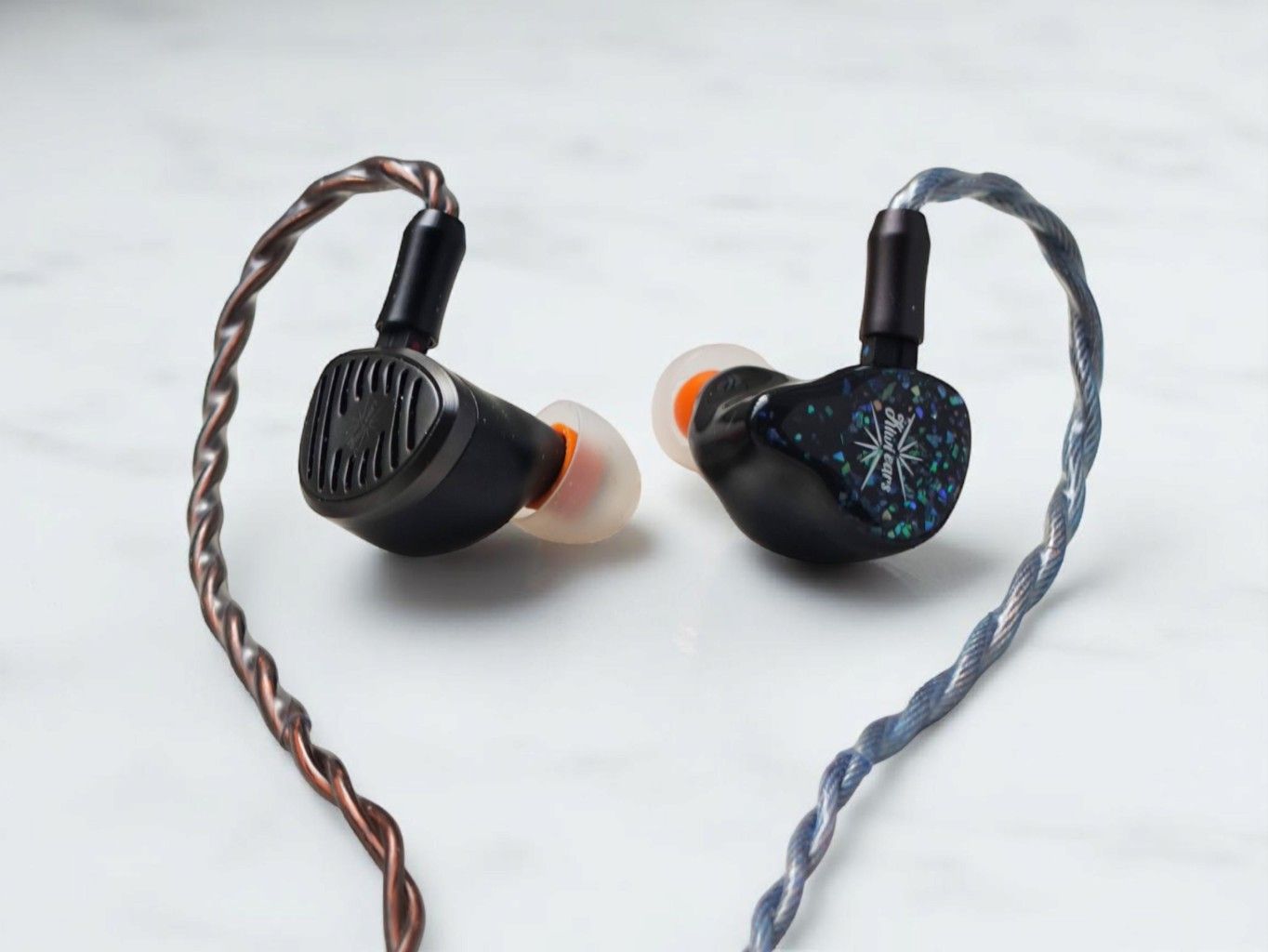
KIWI EARS SEPTET SPECIFICATIONS
- Type: Open Back IEM
- Drivers: 10mm Dynamic Driver + 4 Balanced Armatures + 1 Micro-Planar + 1 PZT
- Impedance: 15 Ohm
- Sensitivity: 95dB mW
- Distortion: THD <1%
- Crossover: 5-way crossover, 3 tuning tubes
- Cable: 1.2 m, 5N OCC
- Cable connector: 0.78mm 2 Pin
- Termination plug: 3.5mm & 4.4mm Interchangeable
Current price and availability:
- Kiwi Ears: Septet
- Linsoul: Kiwi Ears Septet
- Amazon: Kiwi Ears Septet
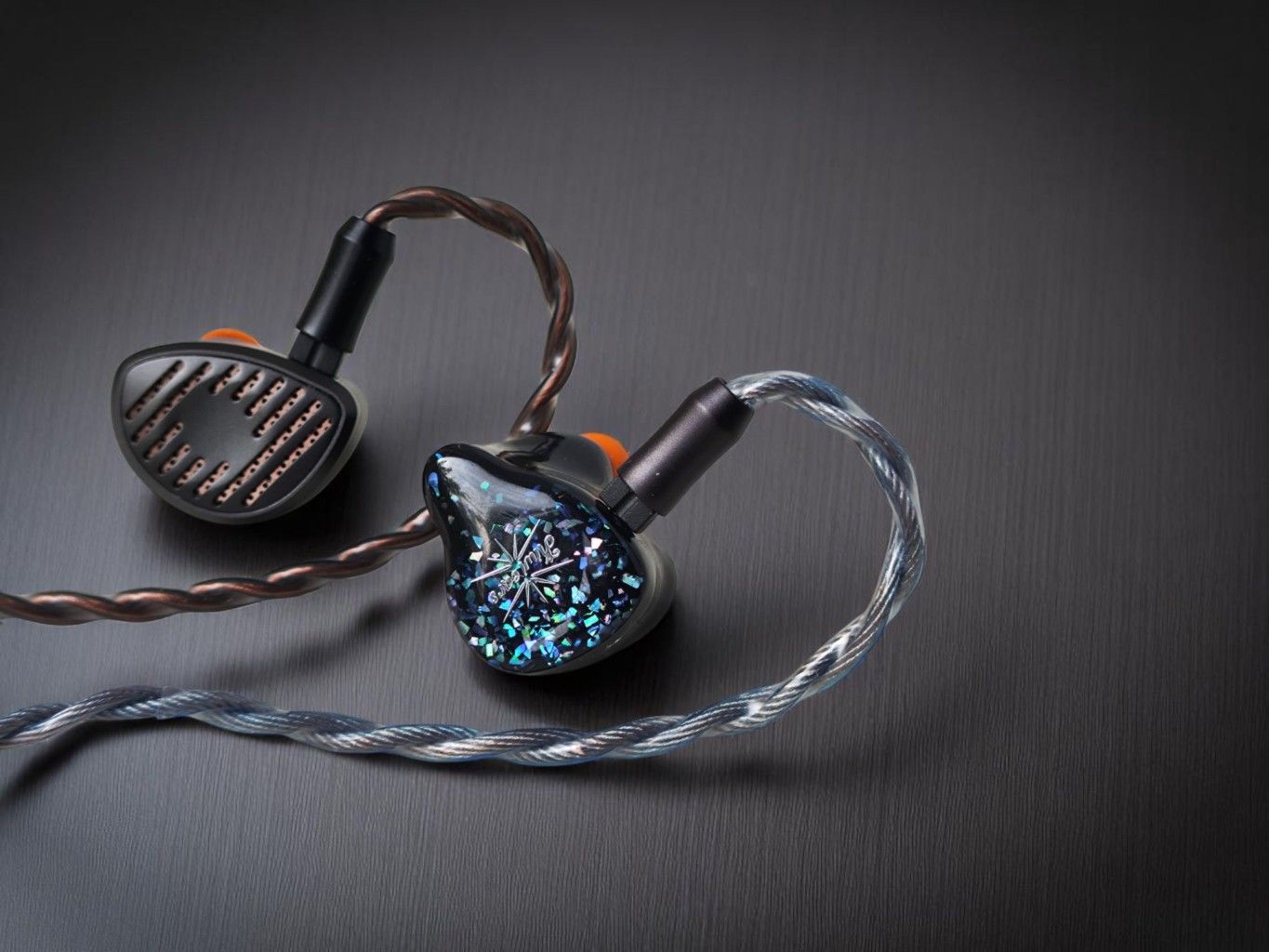
COMPARISONS
Associated equipment:
- Amplifier: Topping A90
- DAC: RME ADI-2 DAC FS
Spontaneous Compositorius by Thomas Agergard
The Astral delivers powerful bass, warm saxophone tones, and polite, nuanced treble for percussion. In comparison, the Septet is brighter and crisper, with more intense treble, leaner mids, and less rich bass. It offers a more airy and spacious presentation.
Escape Route by Boris Blank
The Septet offers full-sounding bass, a slightly dry midrange, and crisp treble. The Astral is meatier, darker, and warmer in comparison. The Astral is slightly more dynamic, while the Septet delivers a bit more articulate detail.
It Could Be Sweet by Portishead
The Astral has more bass, warmer vocals, and more laid-back highs. The Septet features drier mids with more texture and a generally crisper tonality, while still maintaining solid bass.
As Before by Olga Konkova
The Septet has a very punchy cajón drum with strong low-end presence. The piano is clear, and the vocals are nicely textured with a slight crispiness. There’s a nice sense of air to the presentation. Switching to the Astral brings a darker tonality with a meatier presentation. Bass is similar, but the midrange is lusher, the treble darker, and the vocals smoother.
Summer 3 Vivaldi Recomposed by Max Richter
The strings sound drier and crisper with the Septet, while the Astral presents a darker tone. Both are good but quite different. Personally, I prefer the Septet—it has more air, a better sense of overtones, and generally stronger microdynamics.
Spring 1,2,3 Vivaldi Recomposed by Max Richter
The Septet is very airy—suitably bright and crisp, but not overly so. Instrument timbre and layering are excellent. The Astral is also enjoyable, but softer, lusher, and thicker in comparison. In absolute terms, they’re not vastly different, but their character diverges. I prefer the Septet.
Vicarious by Tool
The Astral is extremely punchy, dynamic, and full-bodied, with excellent instrument separation—massively engaging and a delight to listen to. The Septet is also fantastic, a bit crisper and brighter, yet still relatively warm in absolute terms, with serious bass impact. It offers more texture overall.
Work Song For A Scattered Past by Fire!
The Septet offers strong bass presence, with nice textures and layering. The Astral delivers even stronger bass and a warmer, thicker tonality, while still matching or even improving on the Septet’s imaging. Both are excellent.
Midnight City by M83
The Septet delivers full-sounding bass, a textured midrange, and a notably airy soundstage. The Astral has similar bass, a lusher midrange, and softer highs, resulting in a less airy presentation.
Sunrise by Norah Jones
The Astral has powerful bass and upfront, warm vocals. The Septet offers similar bass but with a crisper, more textured midrange and a more airy overall delivery.
Rambling Man by Laura Marling
Here, the difference is similar to above but more pronounced—the vocals on the Astral sound a bit muffled in direct comparison.
Limit to Your Love by James Blake
Excellent vocals on the Astral, with bass handled authoritatively but not overly polite. The Septet offers crisper, slightly brittle vocals, while the bass is quite similar—though less overwhelming due to the more pronounced higher end.
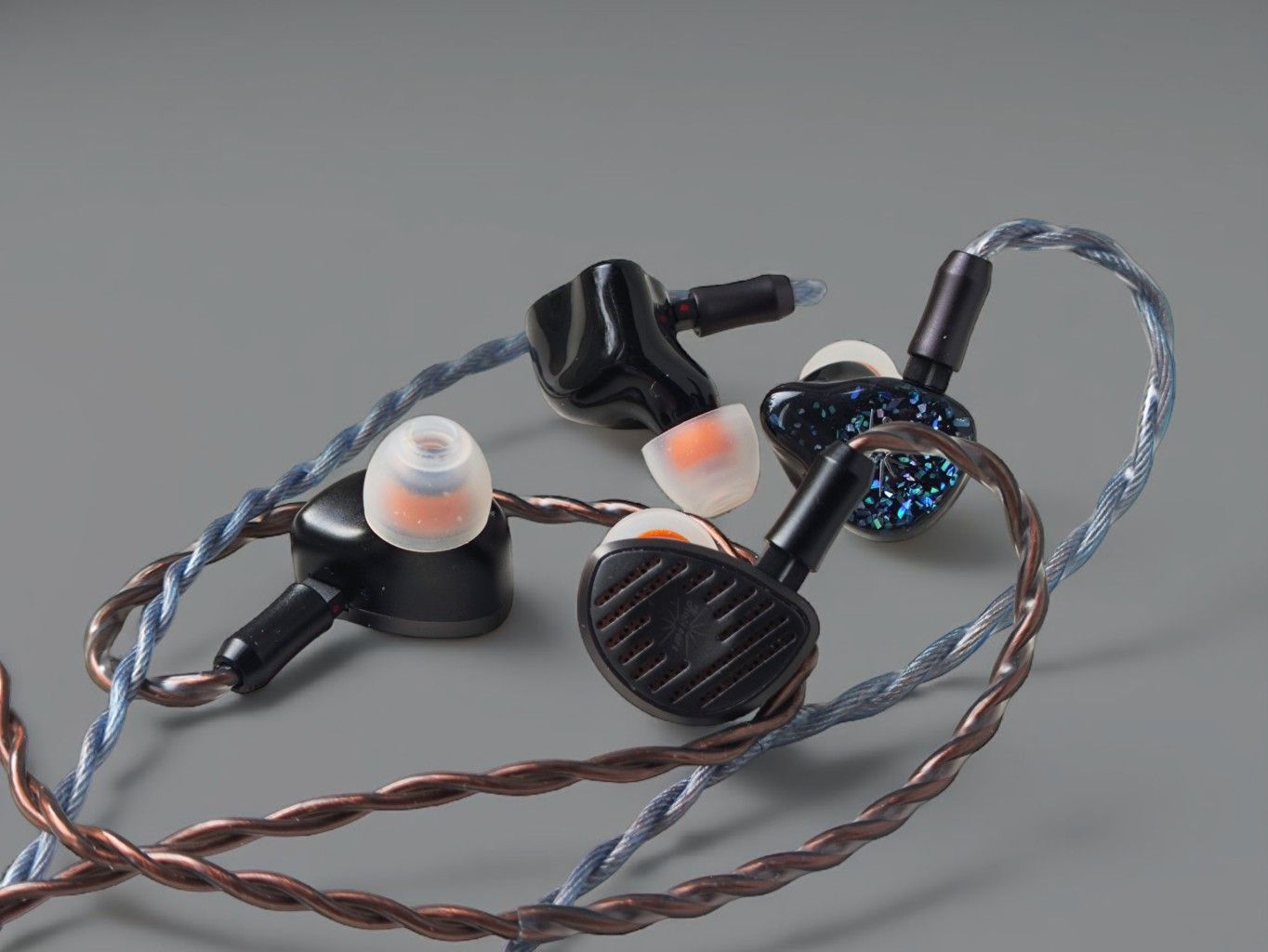
WRAPPING IT UP
Sound Signature
In absolute terms, these two earphones are quite similar, with powerful bass that sounds almost identical and present mids. The mids of the Septet are more textured, the Astral more bold. Further, the highs are crisper with the Septet.
Treble
Although not a bright headphone in absolute terms, the Septet has crisper and more textured treble when compared to the Astral. The Astral is smoother and more relaxed. Detail levels are quite similar, but the Septet is more articulate.
Midrange
Both have a very present midrange, but the character differs noticeably. The Astral is warm, lush, and smooth, while the Septet has more texture, crispiness, and a slightly brittle character. They are both nicely pronounced, though the Astral sometimes carries more midrange weight.
Bass
The bass is virtually identical—powerful, bold, yet well-controlled with excellent tactility and dynamics. I wouldn’t be surprised if they used the exact same driver.
Soundstage and Imaging
Both earphones have a very good-sized soundstage with excellent imaging. The Septet offers slightly more air, while the Astral provides slightly better instrument separation.
Detail, Dynamics, and Timbre
The general detail level is very similar on these two earphones. The bass is identical. Midrange detail is comparable, but the Septet offers better microdynamics, more texture, and greater articulation, while the Astral is smoother—the same applies to the treble. In terms of dynamics, both are excellent: the Astral excels in macrodynamics, while the Septet stands out for its microdynamics and articulation.

CONCLUSION
The Kiwi Ears Astral and Septet are two excellent-sounding earphones that rank among my favorites in the category. They are similarly tuned, with essentially identical, powerful yet controlled bass, present mids, and non-excessive highs. However, in comparison, the Septet offers more texture and a crisper sound in the midrange and treble. Both come highly recommended.
Thanks for reading. You can support us by purchasing anything using any of our affiliate links.
- Kiwi Ears: Astral
- Linsoul: Kiwi Astral
- Amazon: Kiwi Astral
- Kiwi Ears: Septet
- Linsoul: Kiwi Septet
- Amazon: Kiwi Septet
Any purchase you make on Amazon or Linsoul with any of our affiliate links will give us a small provision at no cost to you.
We only get a provision for items that are not returned, so there’s no incentive for us to recommend something that’s not good.
Linsoul : Headphones, Earbuds, Wireless Earbuds, Desktop DAC/AMP, Portable DAC/AMP, Digital Audio Players,
Amazon: Headphones, IEMs, Headphone Amplifiers, Home Audio or Anything else.
.
If you enjoyed this article or other content on The Headphoneer, you might consider leaving a small donation to keep this website up and running. No donation is too small. Thanks for supporting us!

If you like our work please follow us on Instagram, Facebook and Twitter , it will help us grow. Sharing is caring 🙂