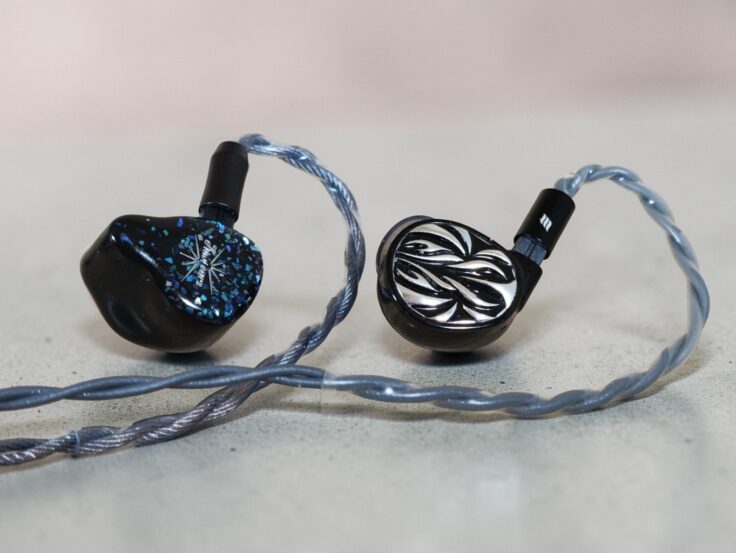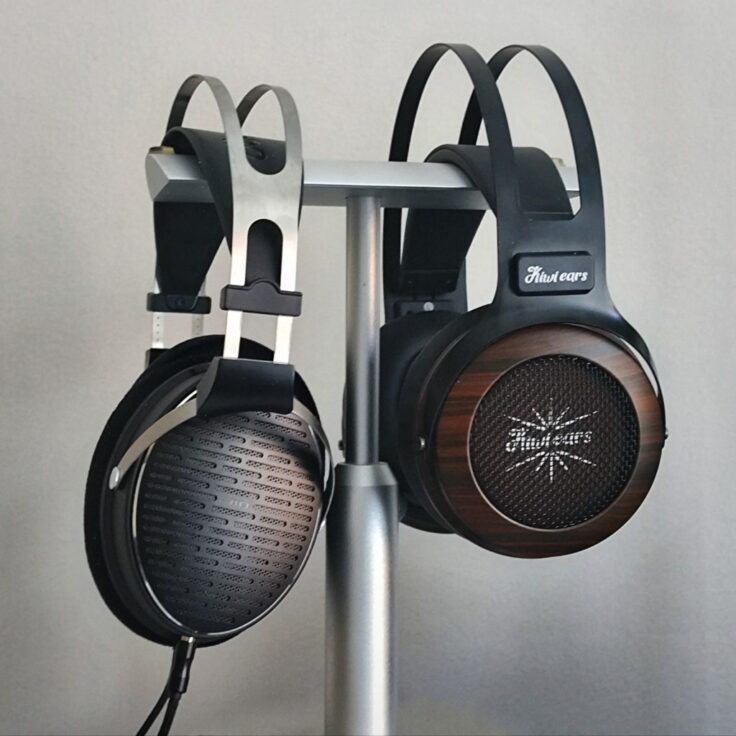

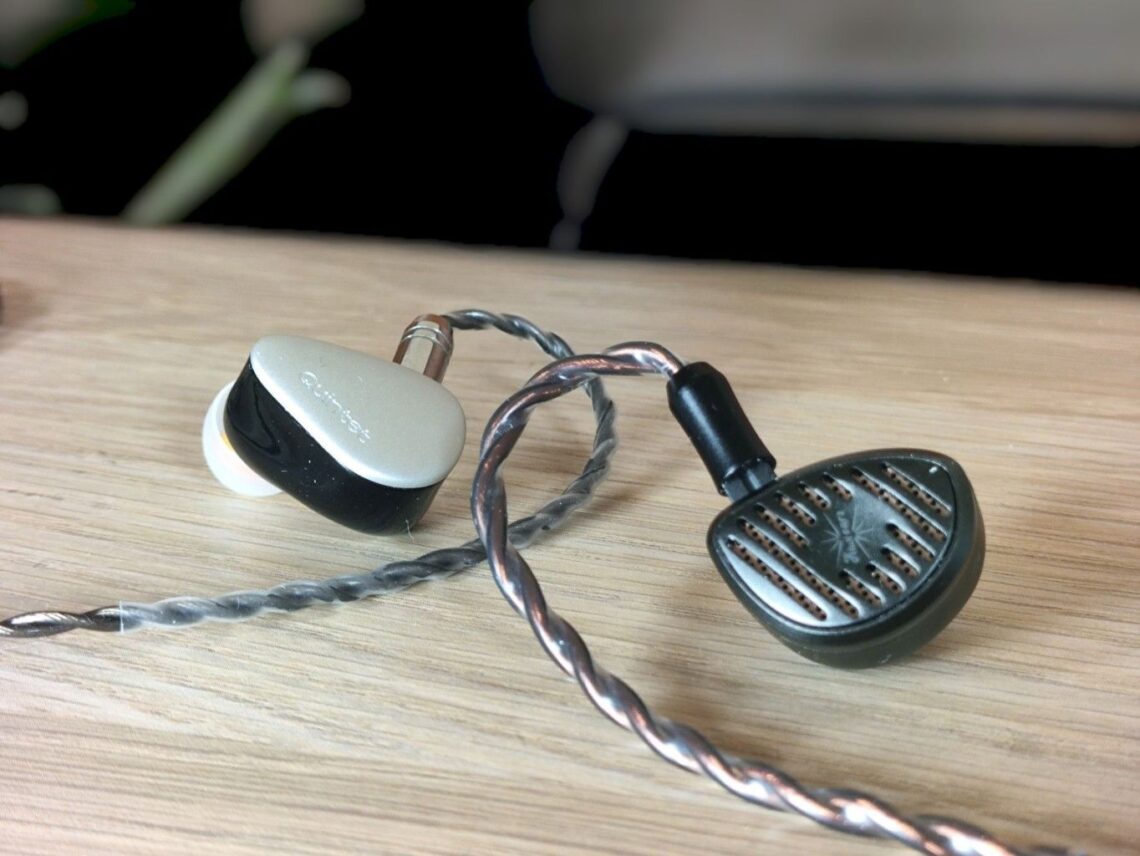
The Quintet is a 219 USD, five-driver IEM and has been a reference in its price class since its launch in 2023. It combines four driver types: a single dynamic driver, two balanced armatures, a planar magnetic driver, and a piezoelectric bone conductor.
Recently, Kiwi Ears launched the Astral along with the Septet, both slightly more expensive than the Quintet. I’ve compared the Astral and the Septet here.
The Septet is an open-back IEM. As the Quintet, it combines four different driver types. It features a 10mm dynamic driver for the bass, four balanced armatures handling the low mids to the mid-treble range, and a micro planar transducer (MPT) acting as the high-frequency tweeter. A piezoelectric transducer (PZT) works alongside the planar to add texture and clarity in the upper registers.
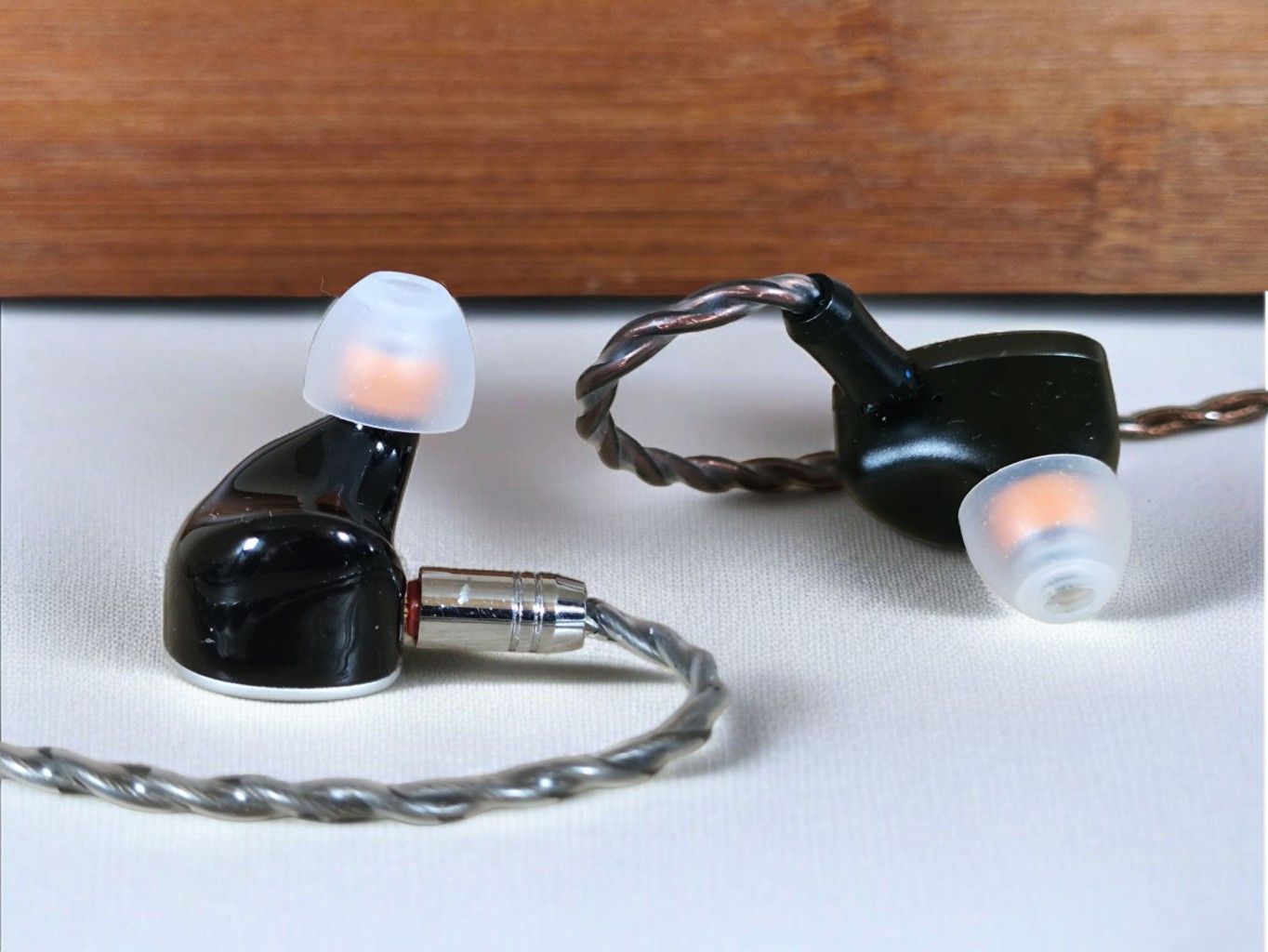
KIWI EARS QUINTET SPECIFICATIONS
- Drivers: 1 diamond-like carbon (DLC) dynamic driver, 2 balanced armature (BA) drivers, 1 planar magnetic driver, and 1 piezoelectric (PZT) bone conductor
- Impedance: 32 Ohms
- Sensitivity: 106 dB
- Cable connector: 0.78mm 2-Pin
- Cable: 1.2 m with 3.5mm jack
You can check out the current price and availability here:
- Linsoul: Kiwi Quintet
- Amazon: Kiwi Quintet
KIWI EARS SEPTET SPECIFICATIONS
- Type: Open Back IEM
- Drivers: 10mm Dynamic Driver + 4 Balanced Armatures + 1 Micro-Planar + 1 PZT
- Impedance: 15 Ohm
- Sensitivity: 95dB mW
- Distortion: THD <1%
- Crossover: 5-way crossover, 3 tuning tubes
- Cable: 1.2 m, 5N OCC
- Cable connector: 0.78mm 2 Pin
- Termination plug: 3.5mm & 4.4mm Interchangeable
Current price and availability:
- Kiwi Ears: Septet
- Linsoul: Kiwi Ears Septet
- Amazon: Kiwi Ears Septet
BUILD AND COMFORT
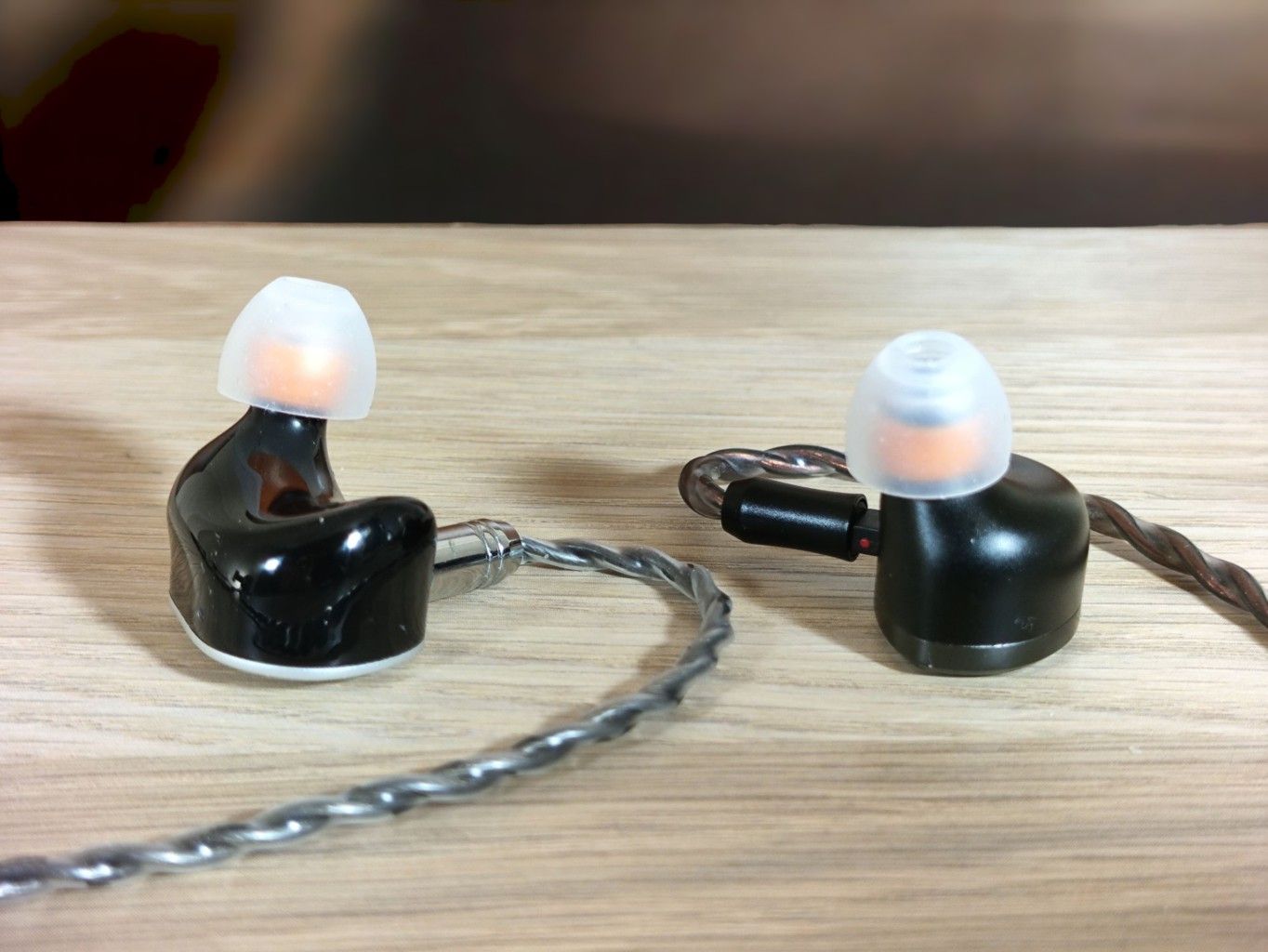
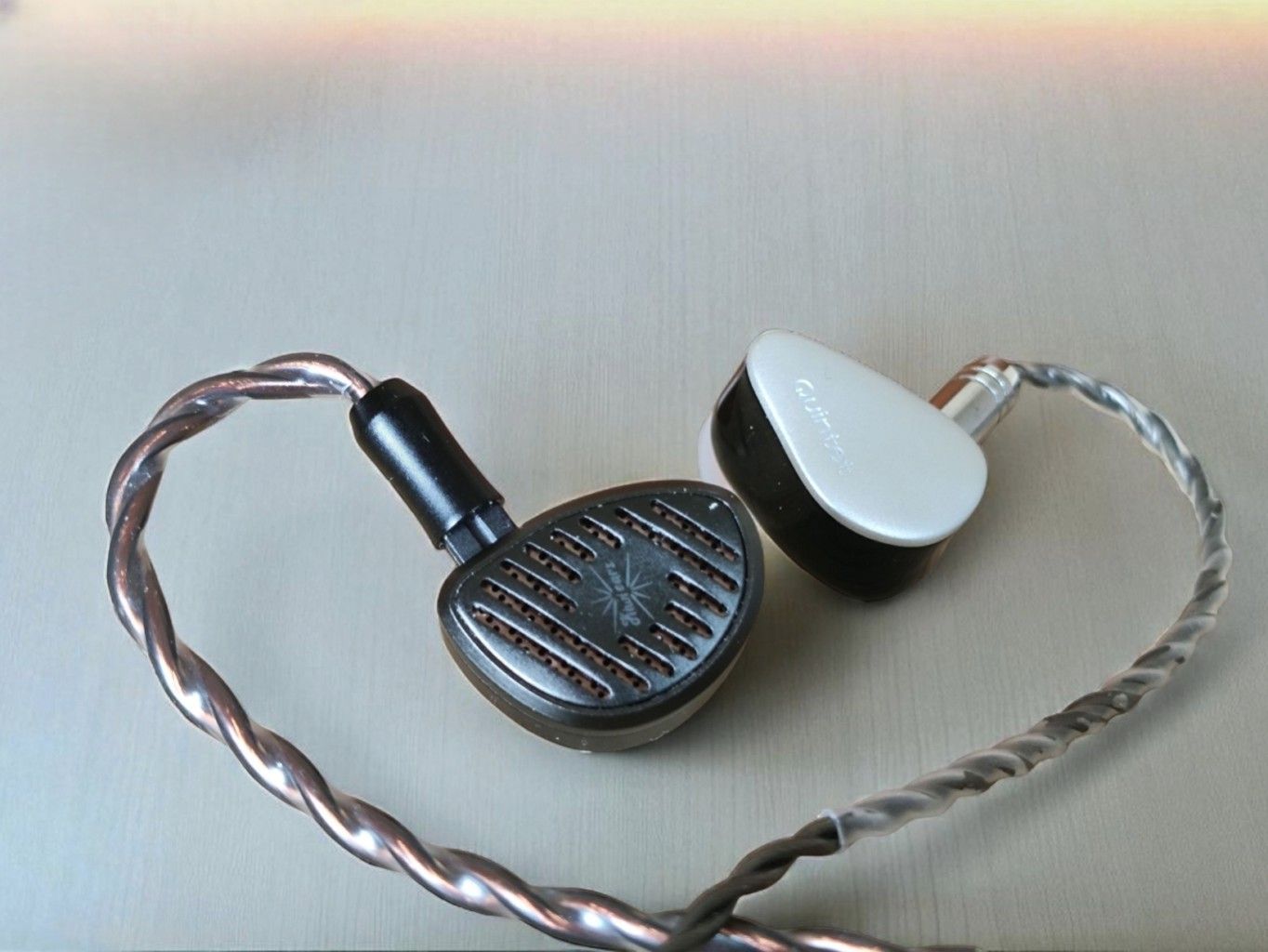
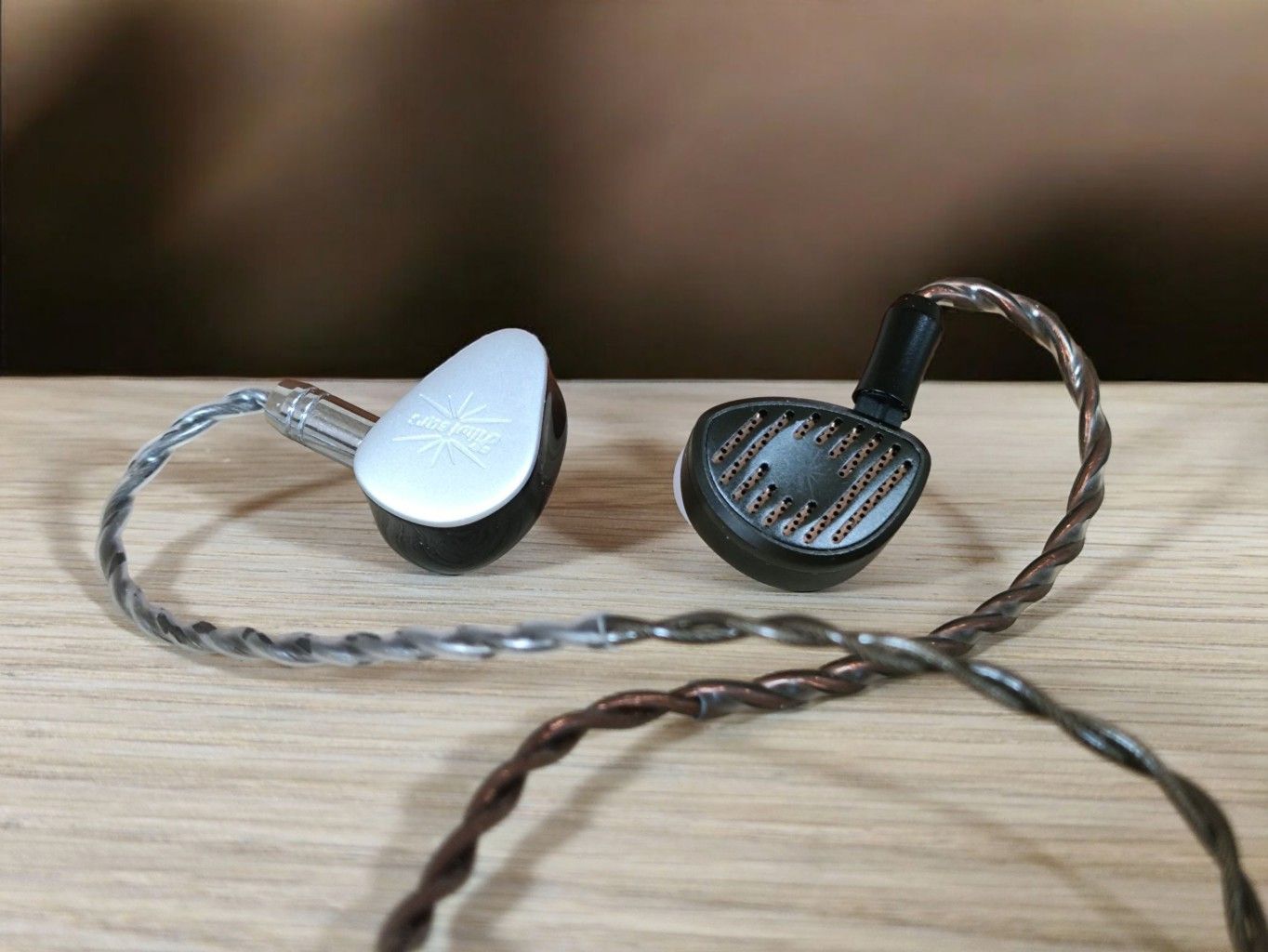
The Quintet has a rather small, rounded, housing with a resin main body and a metal decorative faceplate. The Septet housing is of a similar shape, but made of light metal, and has an open back grille faceplate design. I find both comfortable, but the Quintet is slightly more compact.
Both come with detachable cables using standard 0.78mm 2-pin connectors. The Quintet cable has a 3.5mm jack, while the Septet features Kiwi Ears’ new swappable jack system with both 3.5mm and 4.4mm options. Personally, I prefer 3.5mm – unbalanced is simpler, and there’s no inherent advantage to balanced as long as the unbalanced source is well designed.
COMPARISONS
Associated equipment:
- Amplifier: Topping A90
- DAC: RME ADI-2 DAC FS
Sunrise by Norah Jones
They’re both great and very similar here, delivering balanced bass, brittle yet textured mids, and slightly crisp but non-intrusive highs. The Septet, however, brings a bit more energy and “pop”—everything feels more lively, including the vocals.
Jambi by Tool
The Septet is crisp and well-balanced, featuring textured, slightly dry mids. Sibilance is generally well-controlled, though I’ve heard smoother presentations. The Quintet offers crisper guitars and a slightly brighter overall sound, with mids that are a bit darker. Despite these differences, they remain very similar, broadly speaking.
Stay on These Roads – MTV Unplugged by a-ha
They’re truly very similar here as well, and both sound beautiful. However, there’s something about the Septet that makes me want to listen to it more than the Quintet – a slight edge in resolution, a more captivating tonality, a bit more bass, and improved separation.
Almost Like The Blues by Leonard Cohen
They’re quite similar, but the Septet offers slightly better separation and feels a bit more lively, while the Quintet is more laid-back and smoother.
Black Crow by Cassandra Wilson
The Septet has slightly better imaging, articulation, separation, and dynamics. But above all, they remain very similar.
As Before by Olga Konkova
The Quintet is excellent, delivering powerful bass along with clear mids and highs. The Septet adds more texture in the low end and offers greater detail and nuance in the mids and highs. It feels slightly more energetic and upfront, despite the overall similar presentation.
It Could Be Sweet by Portishead
The Septet delivers excellent, textured bass, clear and detailed mids, and nuanced highs with well-controlled sibilance. It also offers great image depth. The Quintet is also very good, though its tonality differs slightly. The bass has less texture, but the Quintet might be more open sounding.
Escape Route by Boris Blank
Both are good, but the Septet offers better articulation and feels more dynamic, while the Quintet has a slightly smoother sound.
Spontaneous Compositorius by Thomas Agergard
The Quintet is good, but the Septet stands out with stronger dynamics and better separation. Its bass offers more texture and movement, the saxophone sounds more energetic, and the percussion is snappier.
Mahler’s Symphony No 2 III by Paavo Järvi
The Quintet sounds delicious, with great timbre and an excellent presentation. However, the Septet elevates the experience with better dynamics, improved instrument separation, and sharper articulation. The music pops more and carries greater energy.

WRAPPING IT UP
Sound Signature
The Kiwi Ears Quintet and Septet are similarly tuned and often sound quite alike. Both feature strong yet well-balanced bass, present and textured mids, and articulate, detailed highs.
Treble
The treble on both is very similar—detailed and bright, yet never harsh.
Midrange
The mids are quite similar: present, textured, and at times slightly brittle. However, the Septet offers greater dynamics and feels more articulate overall.
Bass
Both offer enough bass to satisfy most listeners while avoiding unnatural emphasis. The Septet does however deliver better texture and more detailed and punchy bass, and sometimes a bit more quantity.
Soundstage and Imaging
The soundstage is quite similar between the two, but the Septet offers noticeably better imaging, with stronger instrument separation and better sense of depth.
Detail, Dynamics, and Timbre
Although the differences aren’t always immediately apparent, I find the Septet generally offers higher detail—particularly in the bass and mids. It also feels more energetic, with improved macrodynamics and microdynamics, delivering greater punch and articulation.
In terms of timbre, both are similarly tuned and sound very natural. When compared directly to some other earphones, they may come across as slightly dry, but on their own, both perform excellently. The Quintet tends to sound a bit darker in the midrange, while the Septet comes across as more vivid and lively.
CONCLUSION
In conclusion, the Kiwi Ears Quintet and Septet share many similarities and are both excellent, similarly tuned IEMs. At first listen, they can be difficult to distinguish on some tracks. However, with closer attention, the Septet reveals itself to offer greater detail, dynamics, and articulation, giving it a more lively and energetic character than the already impressive Quintet. I see the Septet as somewhat of a successor, retaining the strengths of the Quintet while making subtle but enjoyable improvements. For me, the added performance more than justifies the higher price, though the Quintet remains a fantastic IEM in its own right.
Thanks for reading. You can support us by purchasing anything using any of our affiliate links.
- Kiwi Ears: Septet
- Linsoul: Kiwi Ears Septet
- Amazon: Kiwi Ears Septet
- Linsoul: Kiwi Quintet
- Amazon: Kiwi Quintet
Any purchase you make on Amazon or Linsoul with any of our affiliate links will give us a small provision at no cost to you.
We only get a provision for items that are not returned, so there’s no incentive for us to recommend something that’s not good.
Linsoul : Headphones, Earbuds, Wireless Earbuds, Desktop DAC/AMP, Portable DAC/AMP, Digital Audio Players,
Amazon: Headphones, IEMs, Headphone Amplifiers, Home Audio or Anything else.
.
If you enjoyed this article or other content on The Headphoneer, you might consider leaving a small donation to keep this website up and running. No donation is too small. Thanks for supporting us!

If you like our work please follow us on Instagram, Facebook and Twitter , it will help us grow. Sharing is caring 🙂