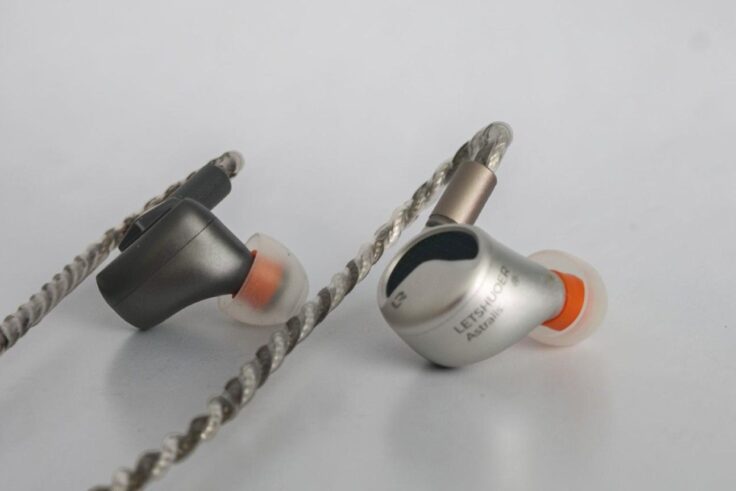

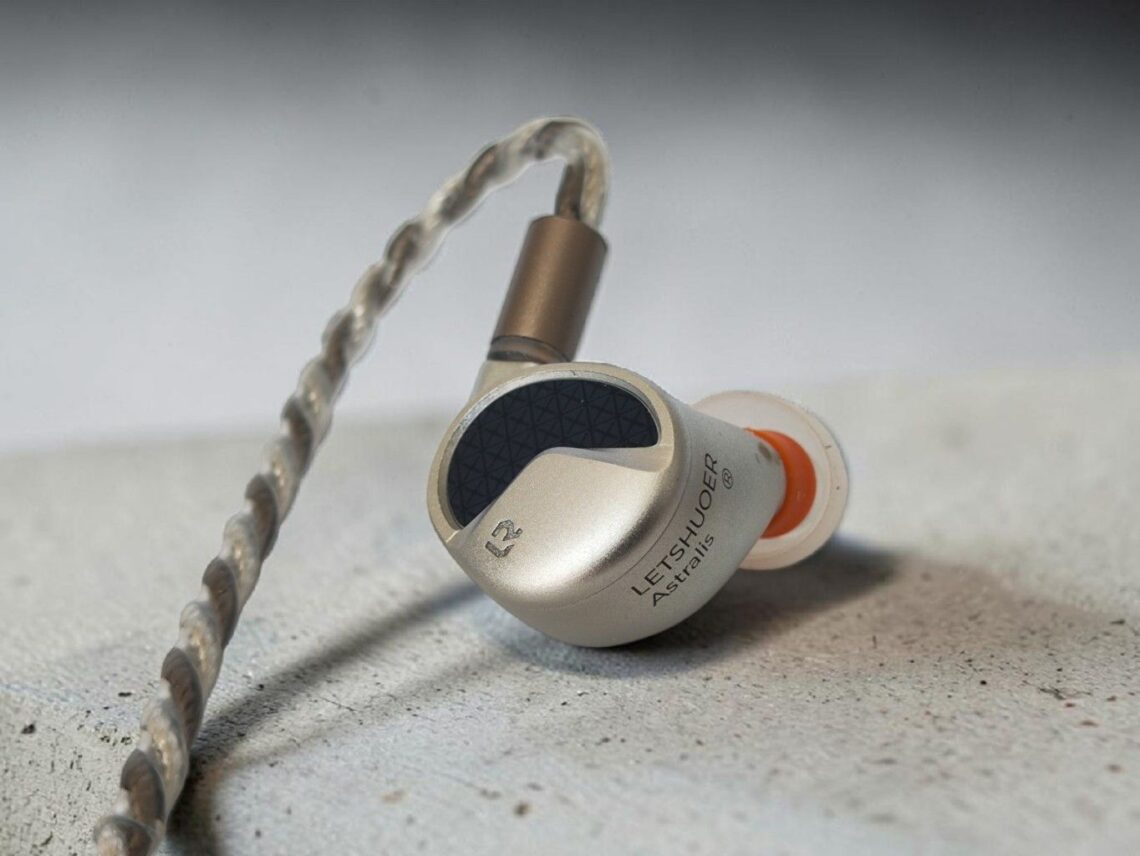
The Letshuoer Astralis is a single-driver planar magnetic IEM (in-ear monitor), released in early 2026, priced at around 189 USD.
The driver is a 15.5mm 5th-generation proprietary ring-type planar diaphragm. It features a circular PTR elastic film diaphragm and a nanometer-scale, magnetron-sputtered dual-sided voice coil, paired with annular N52-strength magnets.
The Astralis ships with the tiny but excellent DT01 Pro DAC/amp adapter (3.5mm to USB-C).
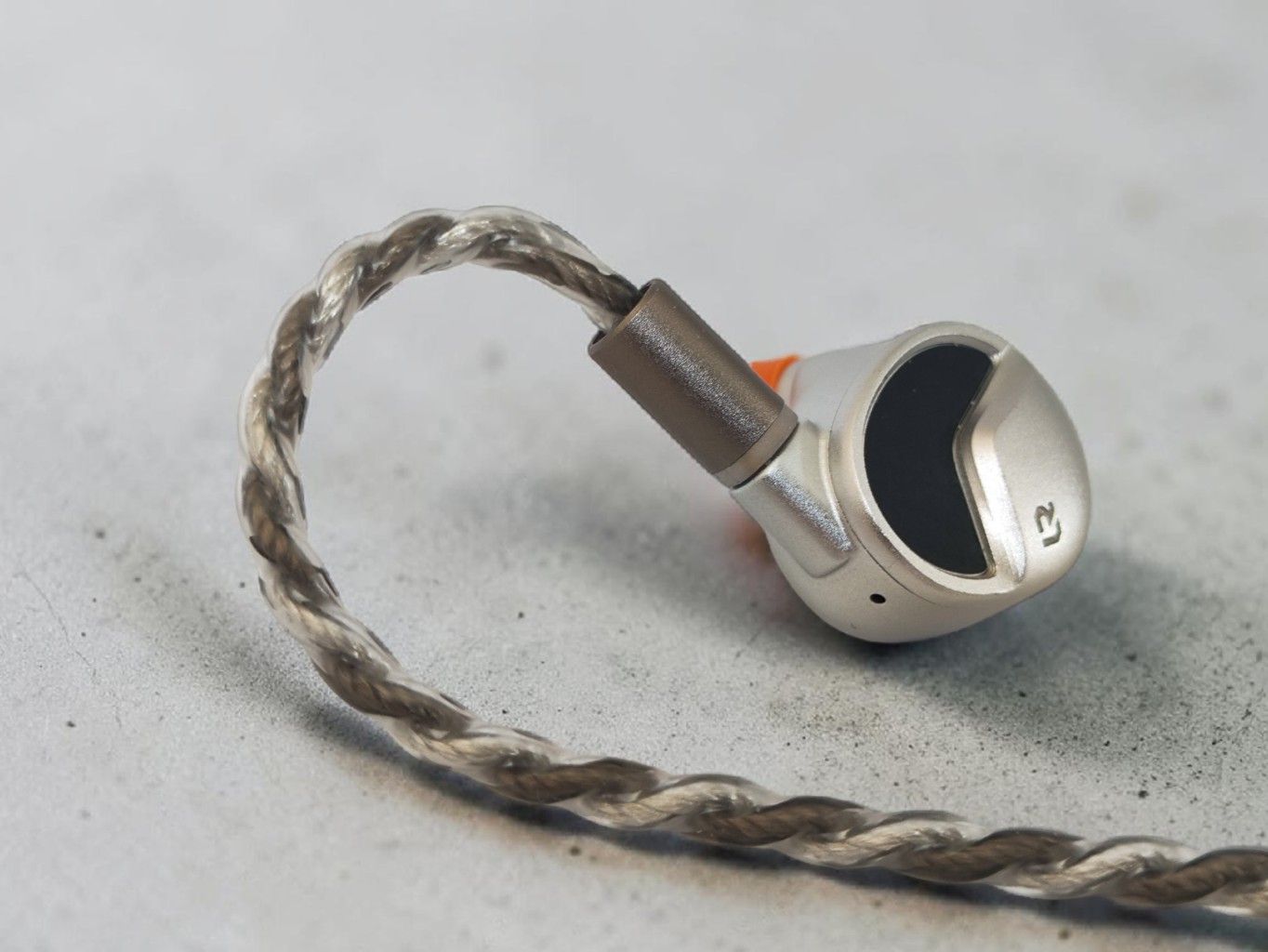
LETSHUOER ASTRALIS SPECIFICATIONS
- Wired in-ear earphones
- Driver: 15.5mm 5th-Generation proprietary ring-type planar diaphragm driver
- Impedance: 20 Ohms
- Sensitivity: 104dB
- Frequency Response: 20Hz~40kHz
- Chassis Material: Aluminum Alloy
- Cable: 1.2m detachable 216 x 0.05mm strands of silver-plated monocrystalline copper
- Cable connectors: 0.78mm 2-pin
- Cable termination: 3.5mm and 4.4mm interchangeable
- Carrying Case: Puck shaped, screw on lid
- Ear Tips: 2 types in 3 sizes each
- DT01 Pro 3.5mm to Type-C DAC amplifier included
Disclaimer: The review item was sent to us in exchange for an unbiased review.

Current price and availability:
BUILD AND COMFORT
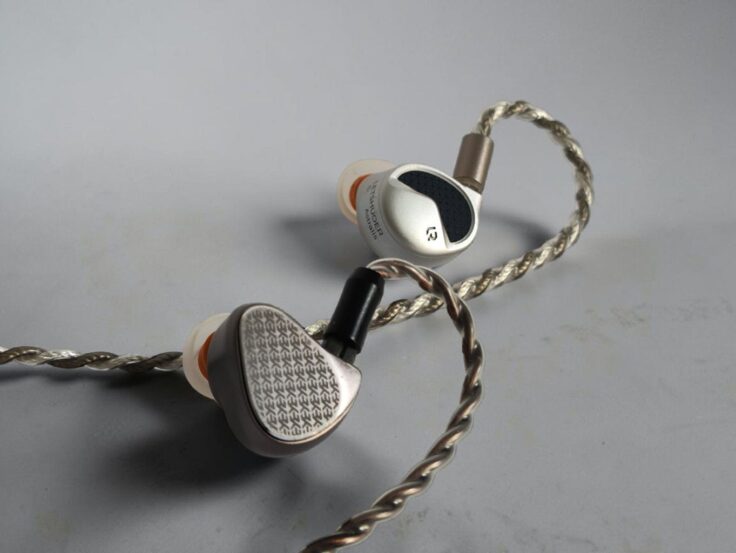
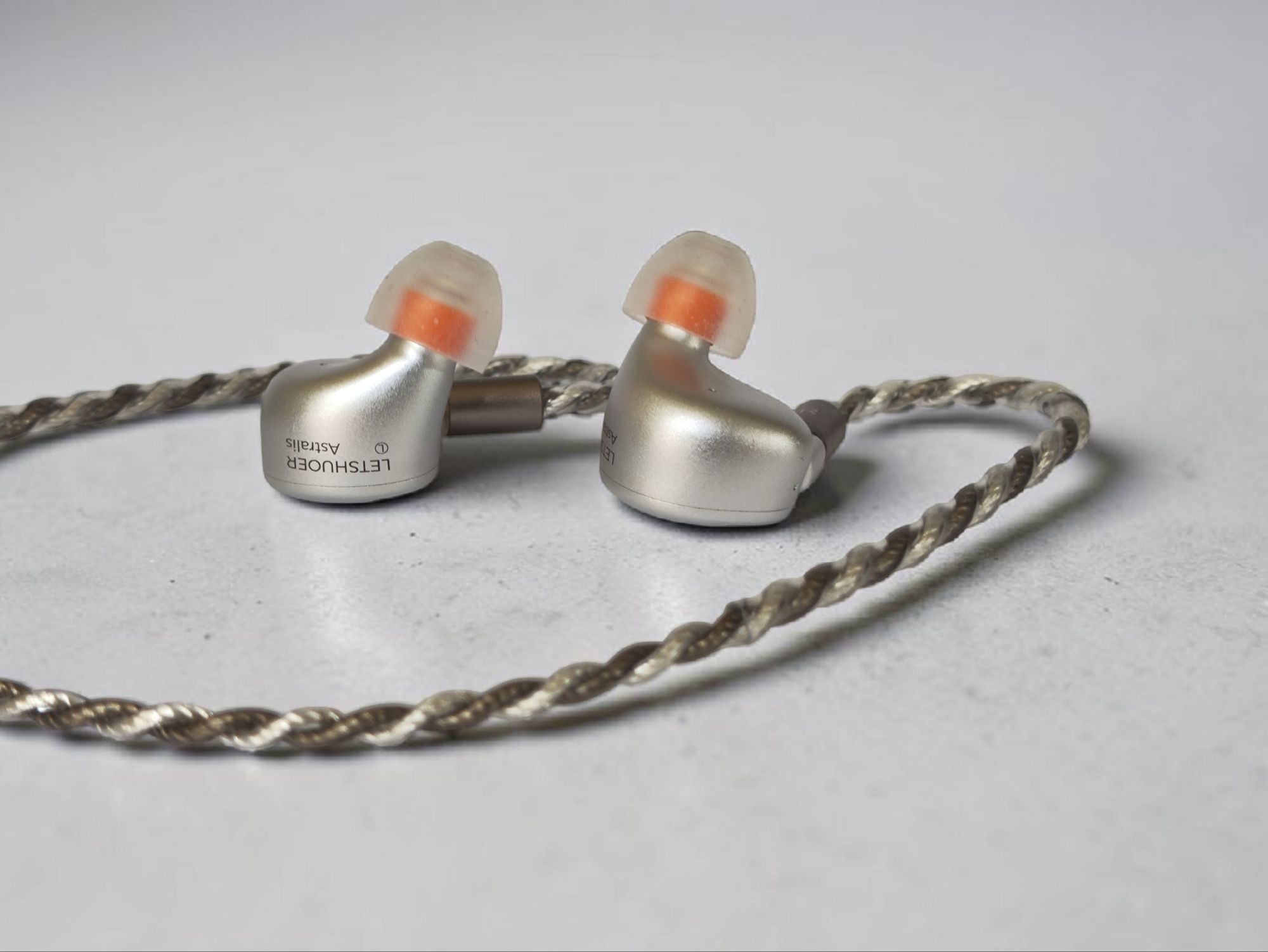
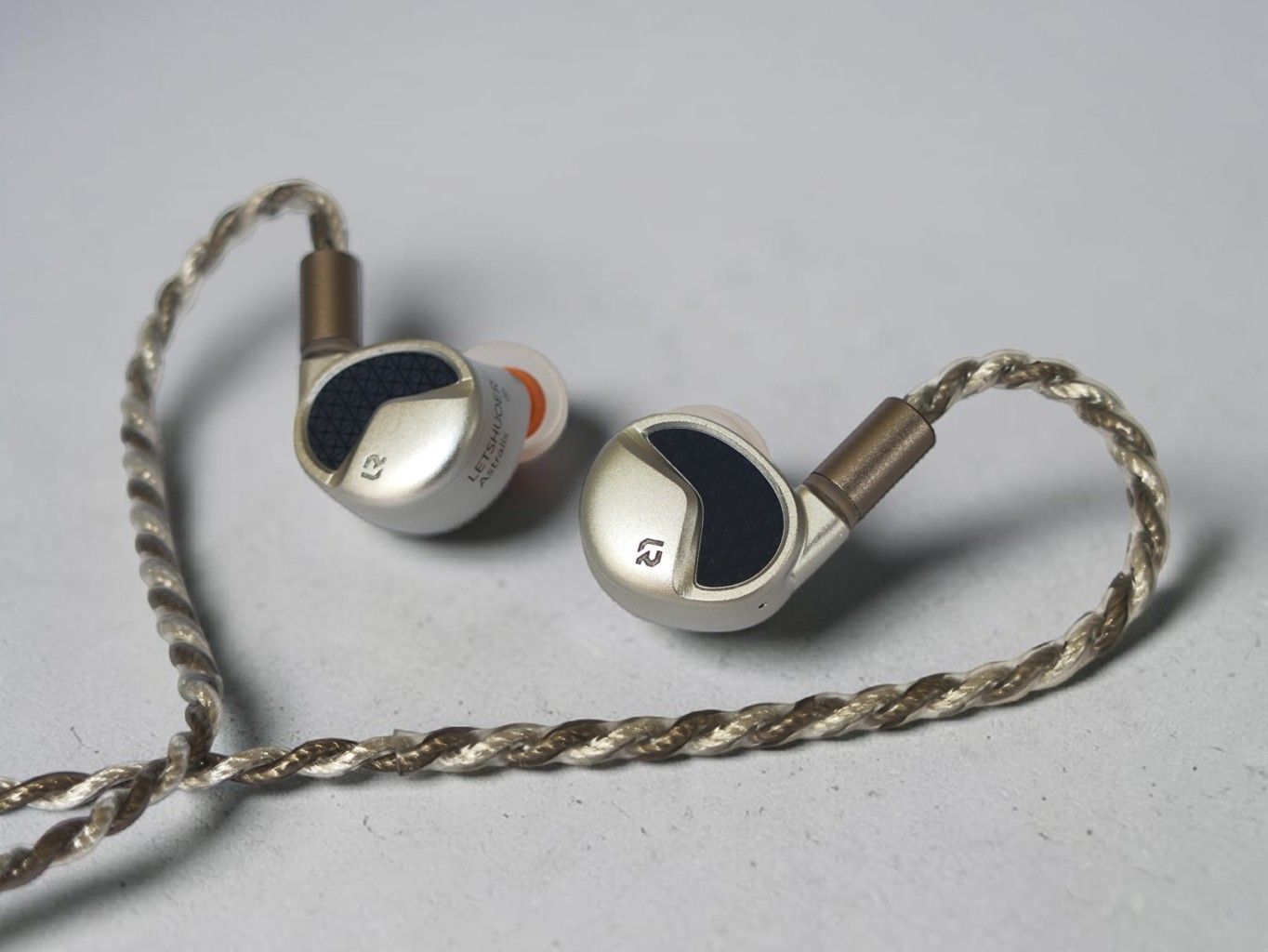
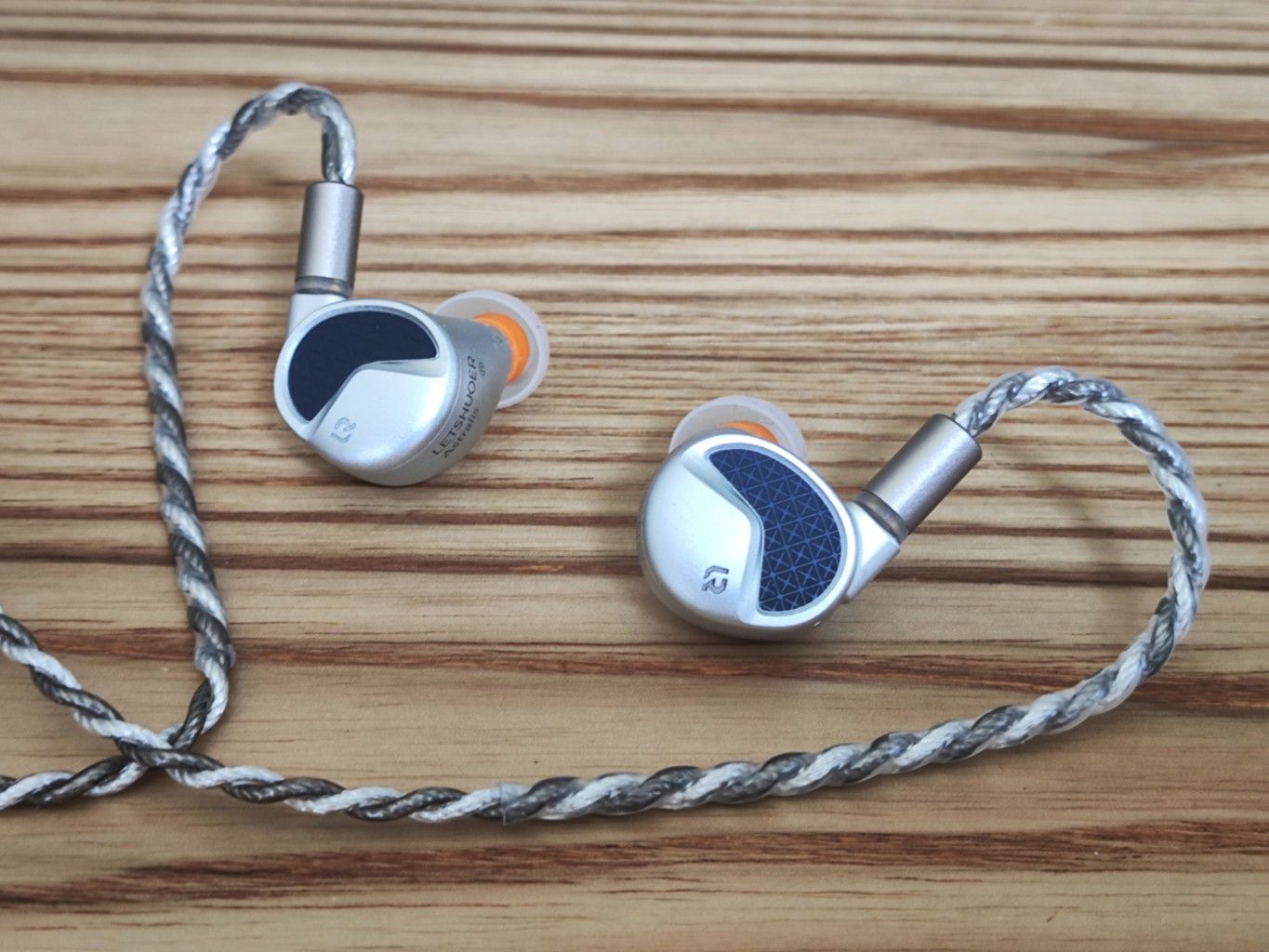
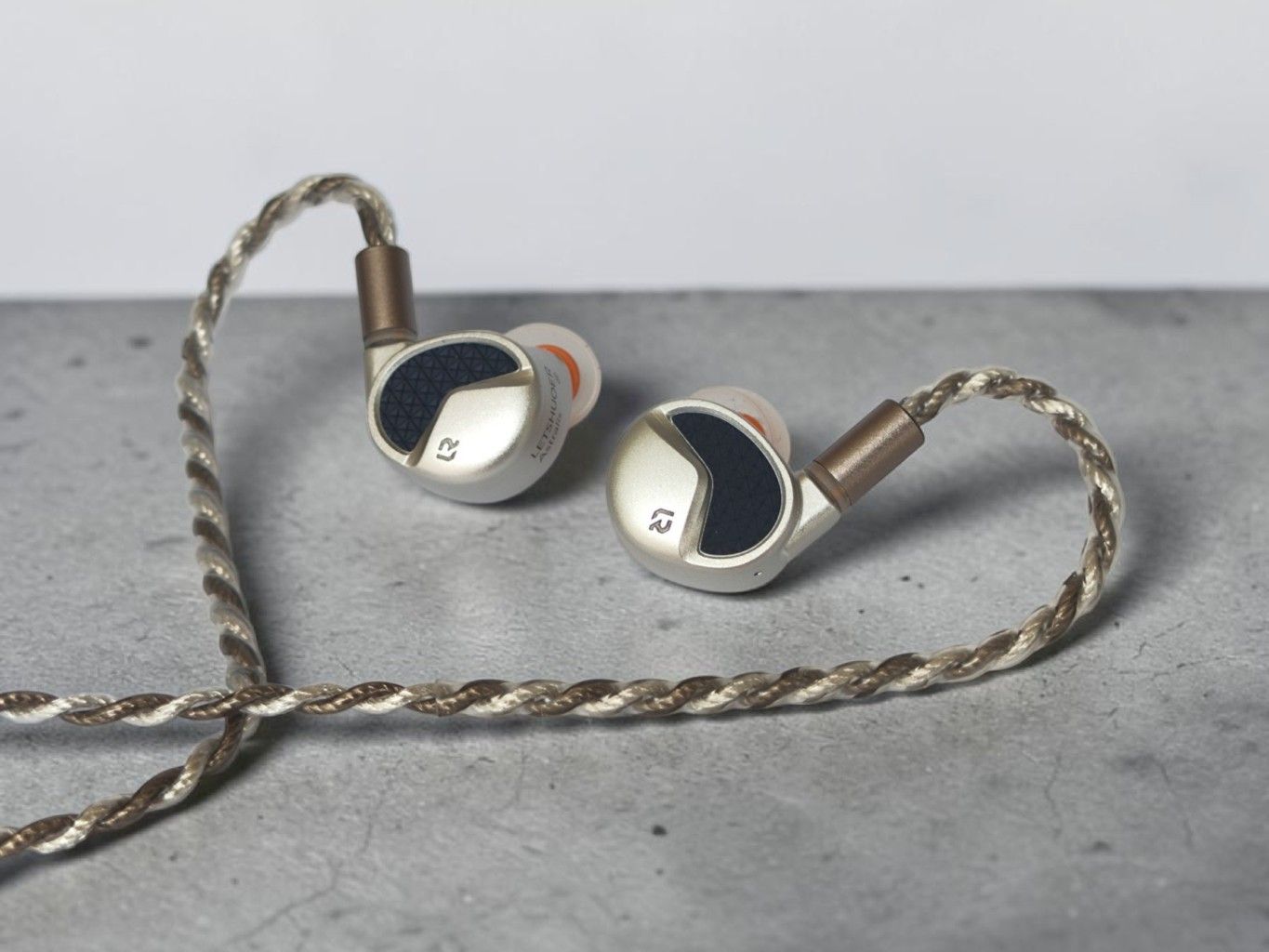
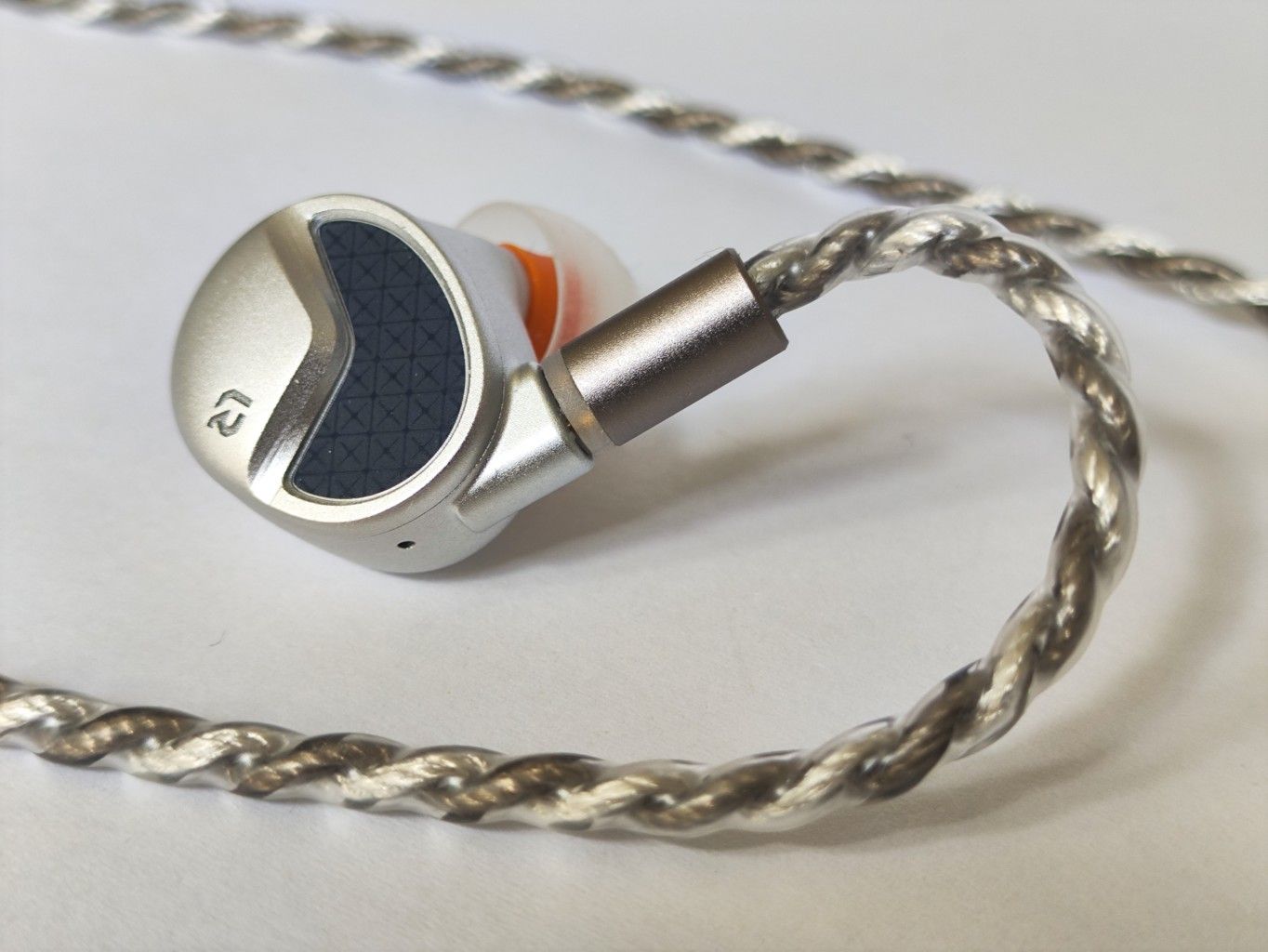
The Astralis housing is made of aluminium alloy and feels quite ergonomic. It comes in a lunar silver grey colour, with a decorative blue pattern on the faceplate. I find them comfortable to wear, neither especially large nor especially small.
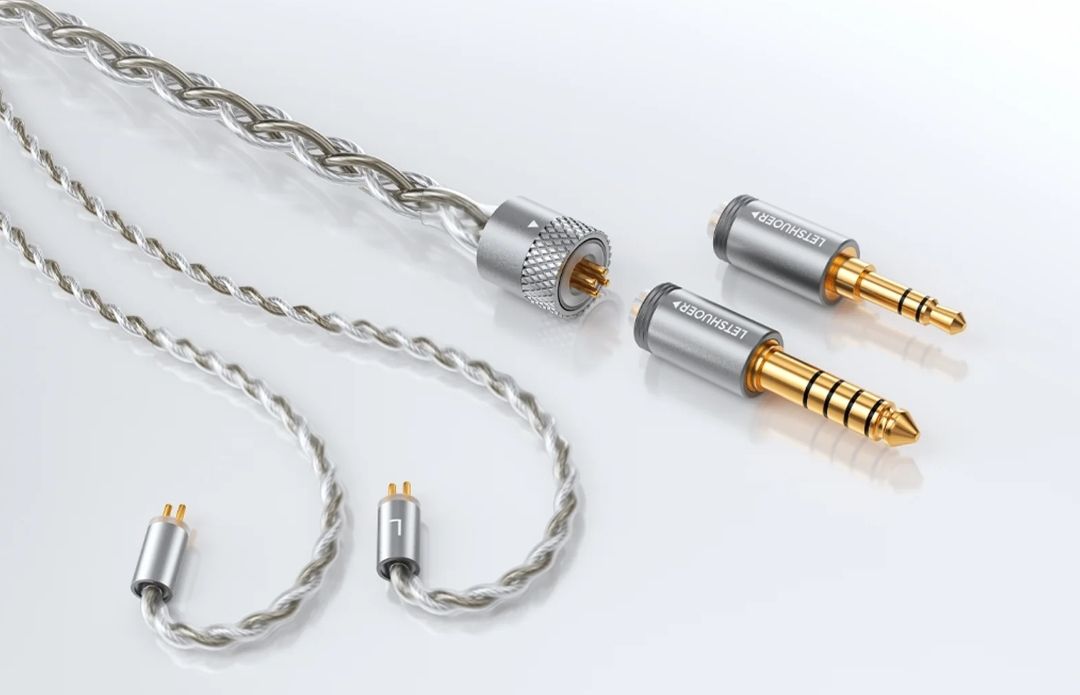
The cable is a detachable 216-strand high-purity silver-plated copper cable, with interchangeable 3.5mm and 4.4mm plugs and standard 0.78mm 2-pin connectors on the IEMs.
There is a metal storage box with a screw-on lid. It is slightly heavy and might not be ideal for lightweight travel, but it is very well suited to sit on your desk. There are two types of ear tips, each in three sizes.
As usual, however, I use my own tips for the review. Getting the tips right is an essential part of using IEMs, and most people end up with a selection of tips that fit their ears as well as the different shapes of IEM shells and nozzles. Good seal and good comfort are very important factors.
As mentioned, the Astralis comes with a small DAC/amp USB-C dongle, the Letshuoer DT01 Pro.
LISTENING IMPRESSIONS
- Amplifier: Topping A90
- DAC: RME ADI-2 DAC FS
- Tips: SpinFit CP145
The Hidden Camera by Photek
The bass is absolutely stunning: rich and full, yet detailed and textured. The imaging is also very good, especially in the low end, which carries a remarkably ambient quality. The percussion is crisp but not overly sharp.
Teardrop by Massive Attack
The bass is excellent: rich, full, detailed, and textured. The percussion is tight and punchy, and the vocals are delicate.
In the Mountains by Espen Eriksen Trio
The bass is rich but not overpowering. The piano sits subtly in the mix. The percussion is smooth and relatively tight rather than extremely dynamic.
Re-Melt by Tord Gustavsen Trio
Similar to above. Nice bass, gentle piano and percussion.
Eye of the Day
Rich bass and quite snappy percussion. Lovely vocals.
Caravan by Jesca Hoop
Nicely balanced, great separation.
Outlaws by Bill Frisell
Rich, roomy bass. A nicely warm electric guitar. Smooth, delicate percussion that is snappy when needed.
Murmurations by Vega Trails
Powerful bass. Delicate and lush delivery.
Sujet Tabou by Renaudin and Cahours
This percussion and acoustic guitar duo sounds both dynamic and delicate. On some earphones this track can sound a bit aggressive, but not with the Astralis.
Alt e bra by Building Instruments
Nicely spacious, yet still quite intimate. The percussion is gentle and smooth rather than aggressively sharp.
Jambi by Tool
Time for some metal. Excellent delivery overall. The bass is rich, the guitars carry a smooth crispness, and the vocals stand out clearly in the mix.
Bored by Deftones
Here too, the Astralis proves it is tuned to make metal sound great. Rich bass, nicely textured riffs that don’t sound dry, and vocals that stand out in a natural manner.
Escape Route by Boris Blank
This electronic track also sounds excellent: rich and organic. The bass is very physical but not overpowering. Instruments are nicely smooth but rich in detail.
Summer 3 Vivaldi Recomposed by Max Richter
On many dark-sounding earphones this piece can turn dull and muffled, but not with the Astralis. There is detail and separation, nice textures, and even though the presentation is a bit smooth, the strings still carry some attack and bite.
Young Vivaldi by Modo Antiquo
The string timbre is nice and lush. It is not the most upfront or aggressive, but it is textured enough to sound very good in a slightly laid-back manner.
WRAPPING IT UP
Sound Signature
The Astralis has an elevated bass, nicely present mids, and a smooth, non-offensive treble.
Treble
The treble is smooth with good detail. If you are a treble head you might be a bit disappointed, but personally I really enjoy it. The Astralis has a smooth, well-balanced treble that conveys detail and nuance without being too sharp.
Midrange
The midrange is nicely present. It sounds slightly lush with a warm tint, but without being too intense or forward.
Bass
As mentioned, the bass is elevated and has a nice warmth to it. There is plenty of detail and texture in the bass, and it also feels somewhat roomy and three-dimensional. Even though it is boosted, I never find it overpowering. Some genres benefit more than others, and certain metal tracks in particular sounded absolutely stunning.
Soundstage and Imaging
The soundstage size and imaging capabilities are adequate for the price but nothing spectacular. The Astralis has a sound signature that doesn’t particularly help in creating a grand illusion of space, so it is what it is: good but not great.
Detail, Dynamics, and Timbre
The detail level is high, but i detail is conveyed in a smooth manner rather than in an articulate, forward way.
Dynamics are adequate in the mids and highs, the bass dynamics are very good.
The overall timbre is warm and smooth, slightly dark and pleasantly laid-back.
COMPARISONS
Associated equipment:
- Amplifier: Topping A90
- DAC: RME ADI-2 DAC FS
- Tips: SpinFit CP145
- Tips: Azla Crystal
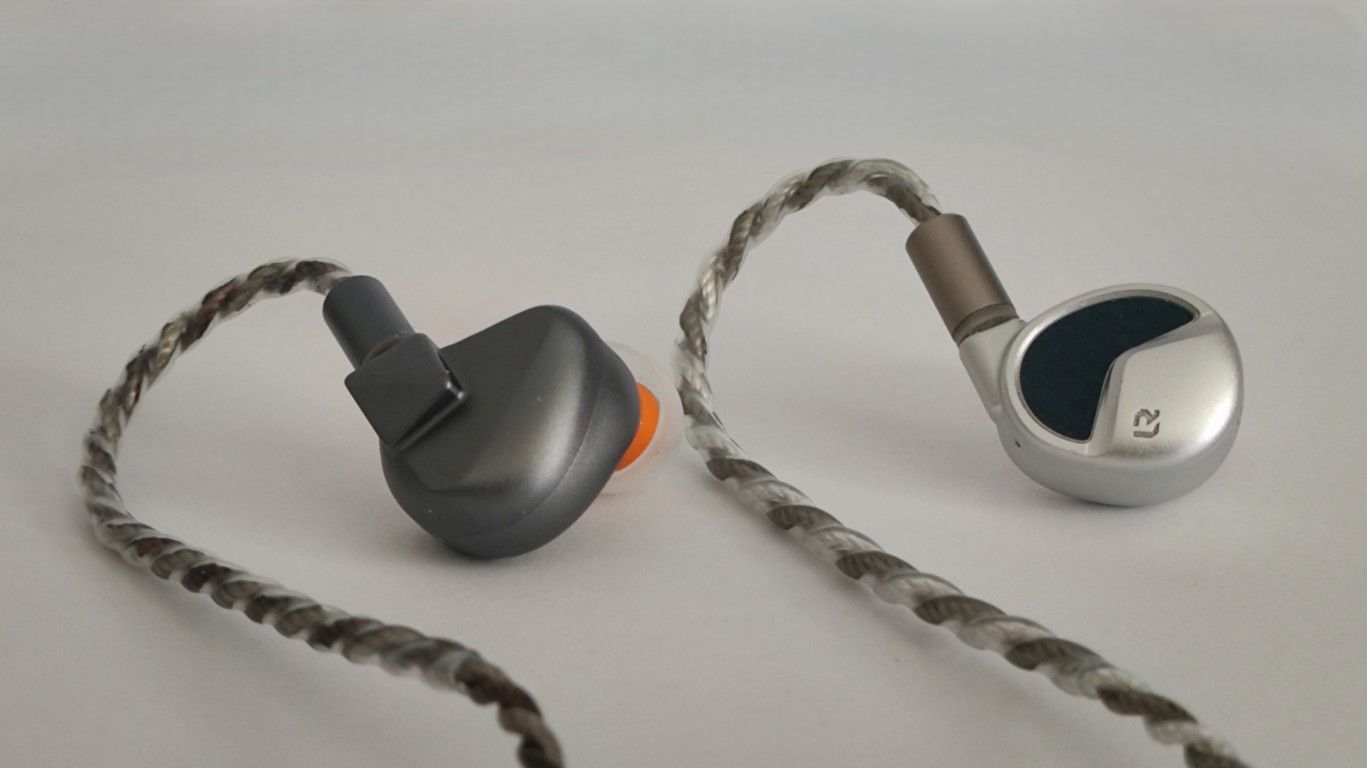
LETSHUOER S12 ULTRA vs ASTRALIS
The S12 Ultra is the fourth generation of the S12 series, equipped with a 14.8mm planar magnetic driver and typically priced at 169 USD. In other words, it has a slightly smaller driver and a slightly lower price than the Astralis.
When comparing the two, they are quite similar in most respects, but the Astralis tends to have slightly more bass, while the S12 Ultra has slightly brighter mids and crisper highs. The Astralis comes across as slightly more bassy and smoother overall.
You can find my complete comparison here:
Letshuoer S12 Ultra vs Astralis
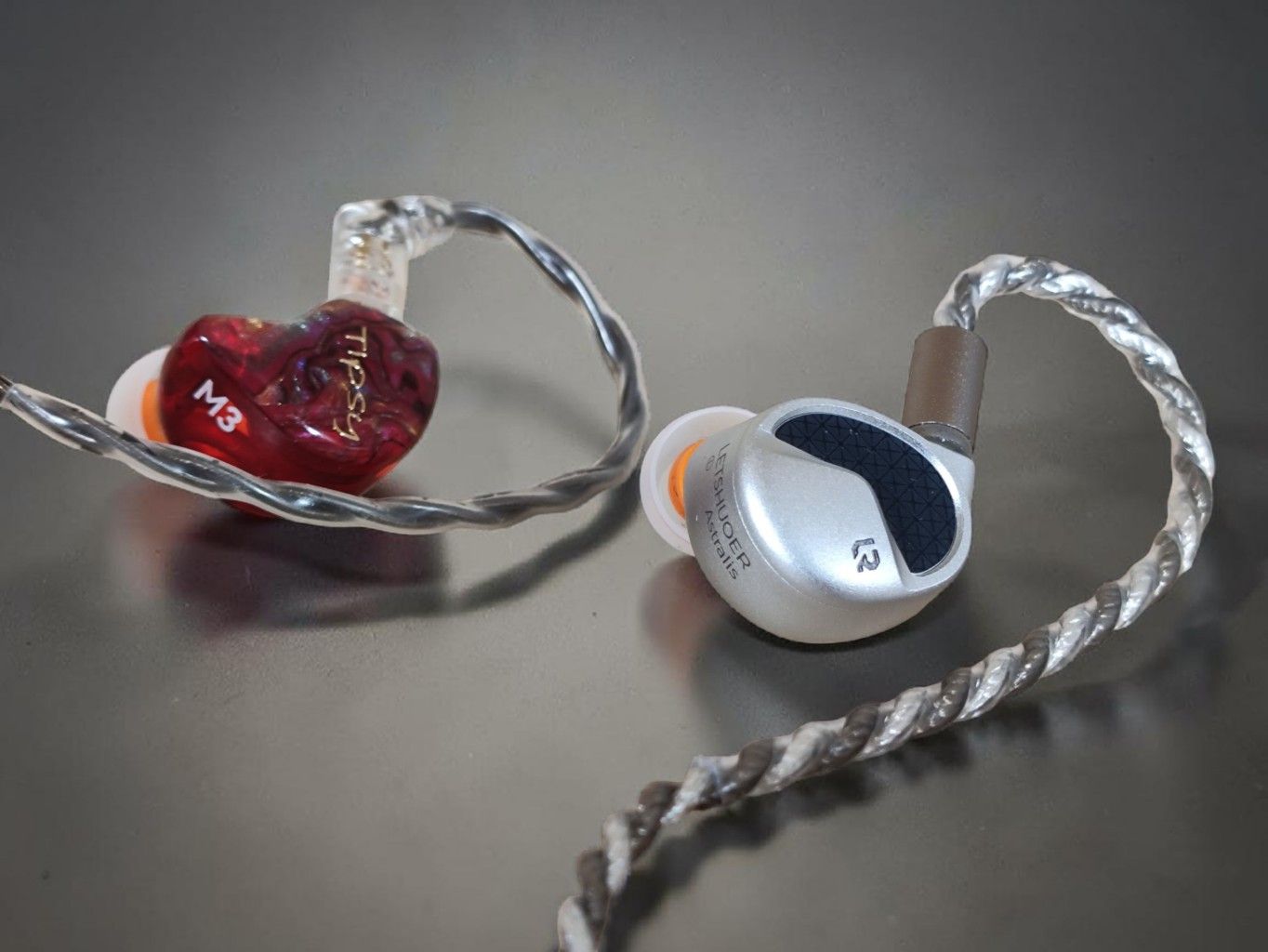
TIPSY M3 vs ASTRALIS
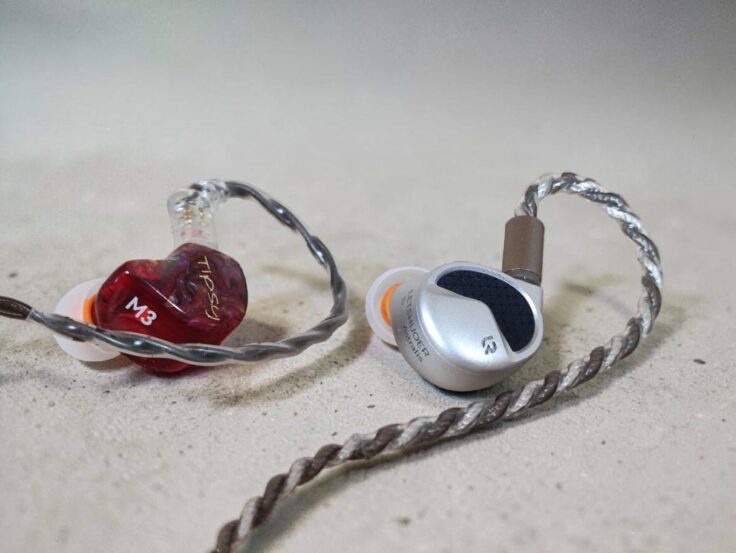
The Tipsy Audio M3 is a hybrid driver IEM featuring a 9.8mm dynamic driver for the bass and dual balanced armature drivers for the mids and highs. It launched in late 2025 and is priced close to the Astralis, around the 200 USD mark.
The Letshuoer Astralis and the Tipsy M3 both have an elevated bass presence with excellent quality, as well as relatively smooth yet detailed highs. The Astralis tends to be a bit lusher and sweeter in the midrange, while the M3 offers better dynamics and stronger articulation.
You can find my complete comparison here:
Tipsy M3 vs Letshuoer Astralis
- Amazon: Tipsy M3
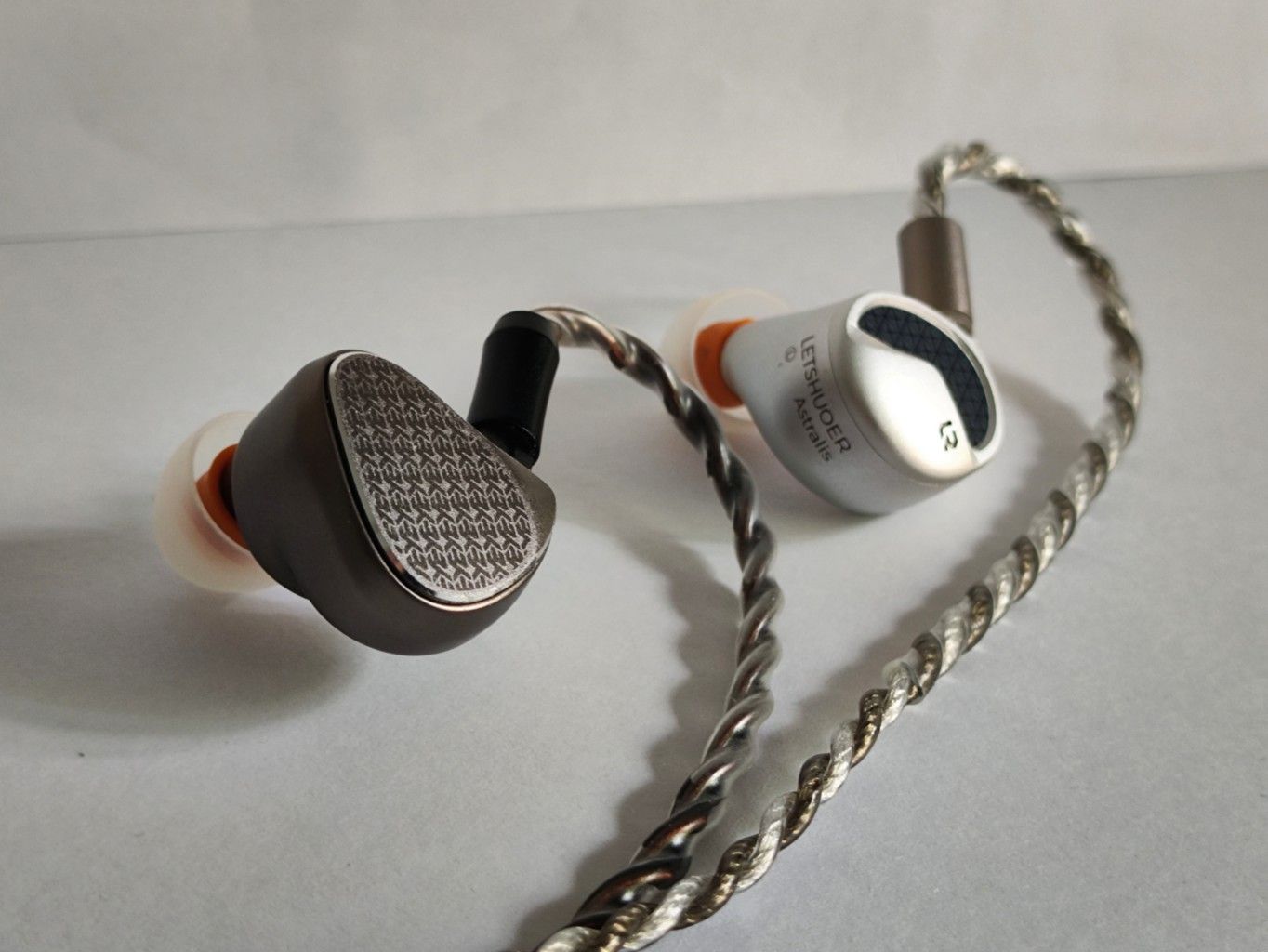
KIWI EARS HALCYON vs ASTRALIS
The Kiwi Ears Halcyon is a hybrid driver in-ear monitor (IEM) using three types of drivers: a 10mm dynamic driver, three balanced armatures, and a MEMS driver. It launched in early 2026 and is priced around 259 USD.
When comparing the Halcyon to the Astralis, they have much in common. Both have plenty of bass and a smooth, lush character. I do however tend to find the Halcyon to sound more refined in general, with better resolution.
You can find my complete comparison here:
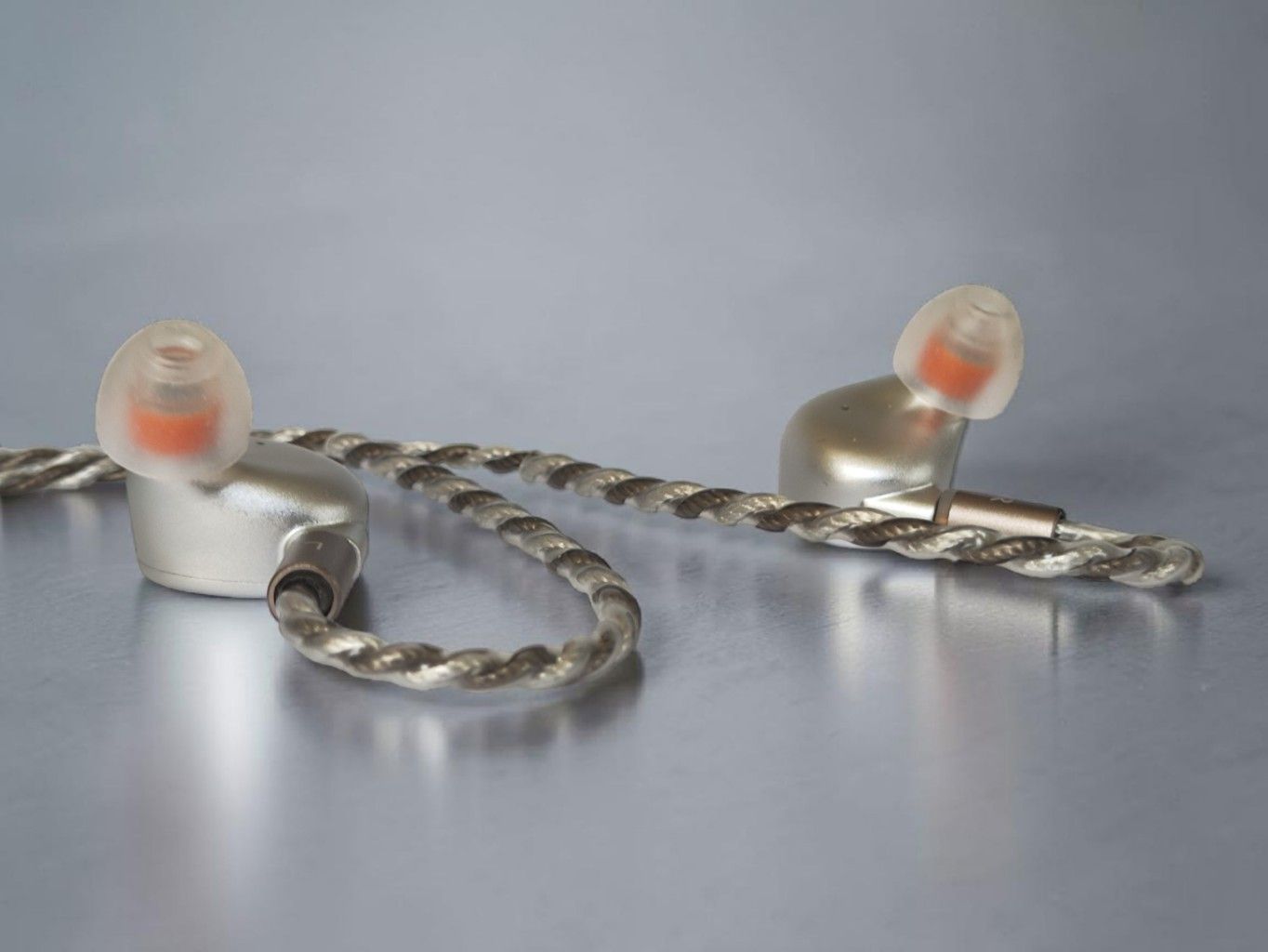
AMPLIFICATION
So far in this review I have been using various desktop amplifiers, but for most users it is more relevant with portable sources.
Here are my experiences with some of my portable options:
First, the included DT01 Pro. It does a remarkably good job.
Kiwi Ears’ Allegro Pro is good – a bit more dynamic sounding.
The Alpha XI1 ONIX is nice, adding a warmer touch.
The xDuoo Link2 Bal2 is a tad more refined than the previous options.
Dragonfly Cobalt is a further step up, with more authority and detail.
Finally, the Chord Mojo is yet another step up, with better resolution and a generally excellent delivery.
In conclusion the Astralis works well with the included USB-C DAC/Amp but also scales nicely.
CONCLUSION
The Letshuoer Astralis is a well-tuned planar magnetic IEM that prioritizes musicality over analytical precision and neutrality.
Its elevated bass, warm midrange, and smooth treble combine into a cohesive, enjoyable sound signature that works well with the music in my playlist, but especially well with metal and other bass-driven genres.
If you value a rich, lush, and non-fatiguing presentation over razor-sharp detail retrieval, the Astralis is well worth considering, and I do not hesitate to recommend it.
Thanks for reading. You can support us by purchasing anything using any of our affiliate links.
Any purchase you make on Amazon, Linsoul , AliExpress or Audio46 with any of our affiliate links will give us a small provision at no cost to you.
We only get a provision for items that are not returned, so there’s no incentive for us to recommend something that’s not good.
Linsoul : Headphones, Earbuds, Wireless Earbuds, Desktop DAC/AMP, Portable DAC/AMP, Digital Audio Players,
Amazon: Headphones, IEMs, Headphone Amplifiers, Home Audio or Anything else.
.
If you enjoyed this article or other content on The Headphoneer, you might consider leaving a small donation to keep this website up and running. No donation is too small. Thanks for supporting us!

If you like our work please follow us on Instagram, Facebook and Twitter , it will help us grow. Sharing is caring 🙂