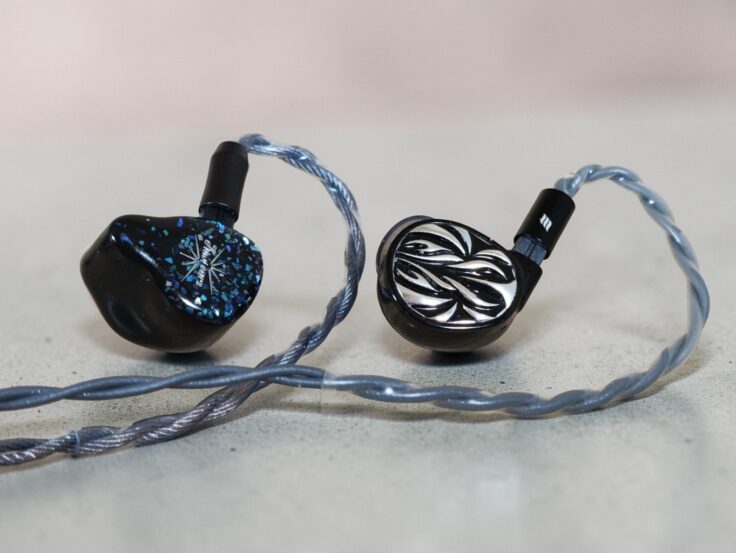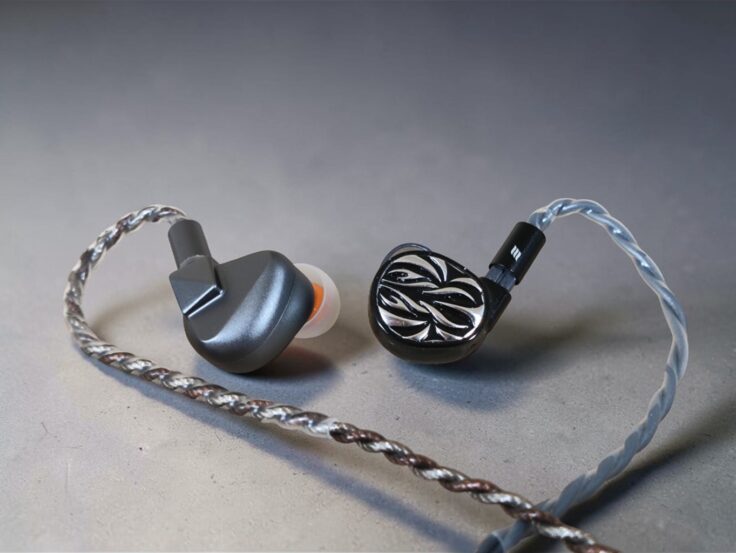

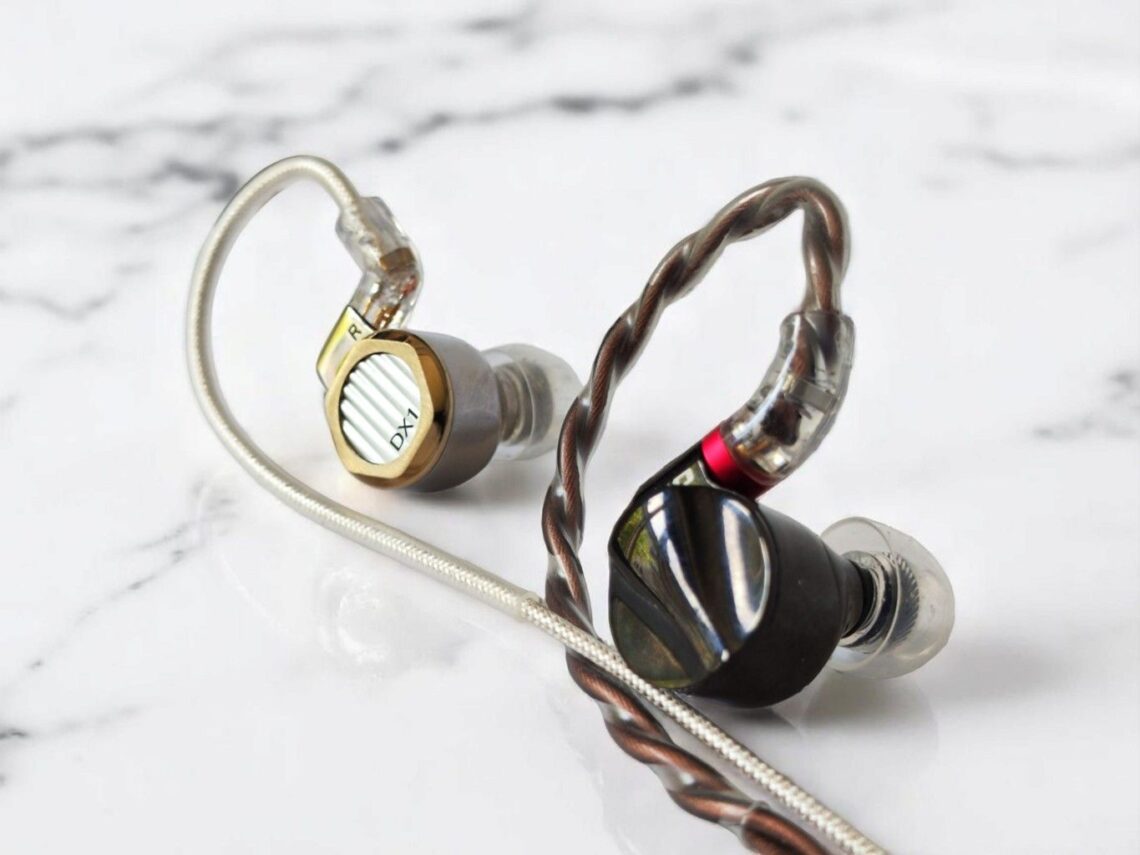
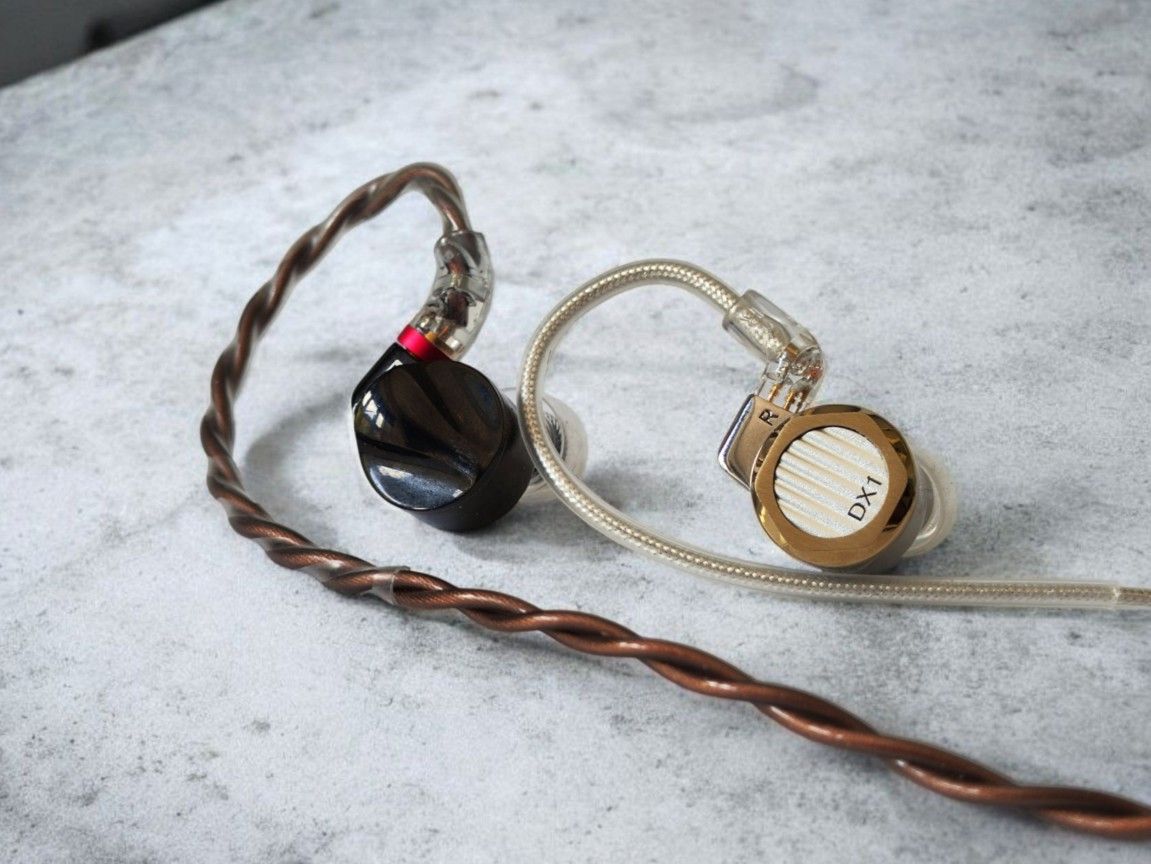
The Letshuoer DX1 and FiiO FD15 are both single driver dynamic in-ear monitors currently priced around 160 USD / €140 ex. tax.
The FiiO FD15 launched in 2024 and is the successor to the acclaimed FD5 and features a 13.8 mm metal alloy diaphragm called “magnalium,” a blend of magnesium and aluminum.
The DX1 launched in 2025 and is Letshuoer’s flagship dynamic driver IEM, It features a diaphragm made from a magnesium-aluminum alloy coated with specialized nano-particles and has a diamond-like patterned diaphragm to enhance rigidity.
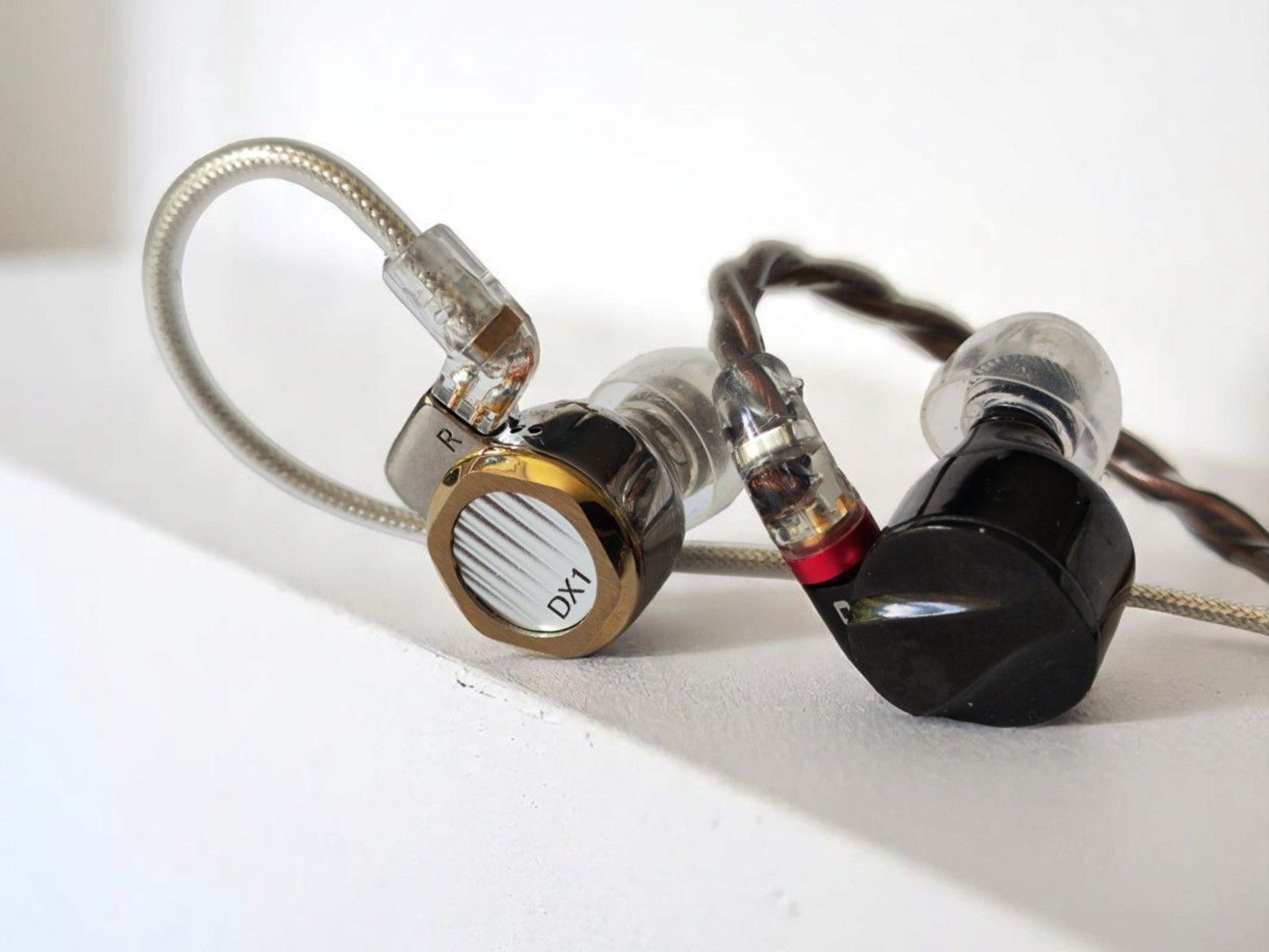
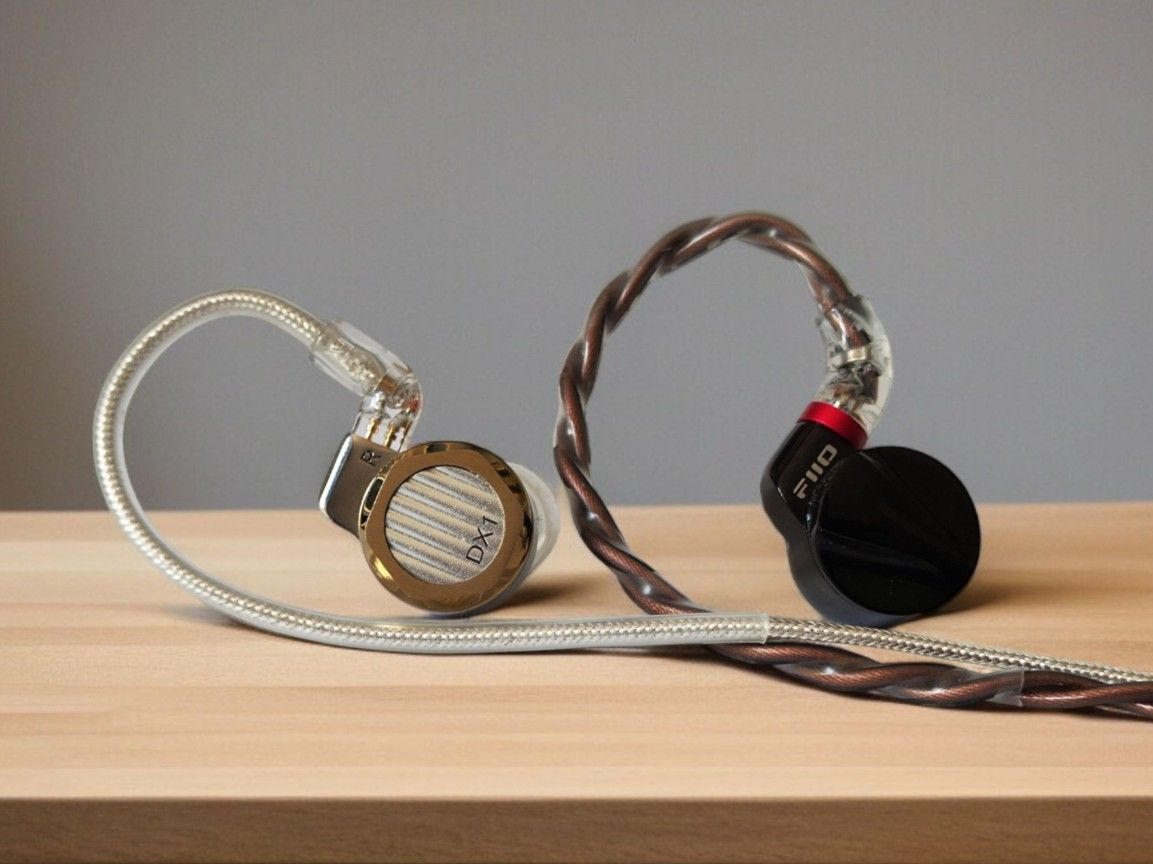
The housings of both the FD15 and DX1 are made of CNC-machined steel and feel very solid. Though relatively small, they are not particularly light, but both sit comfortably in the ear.
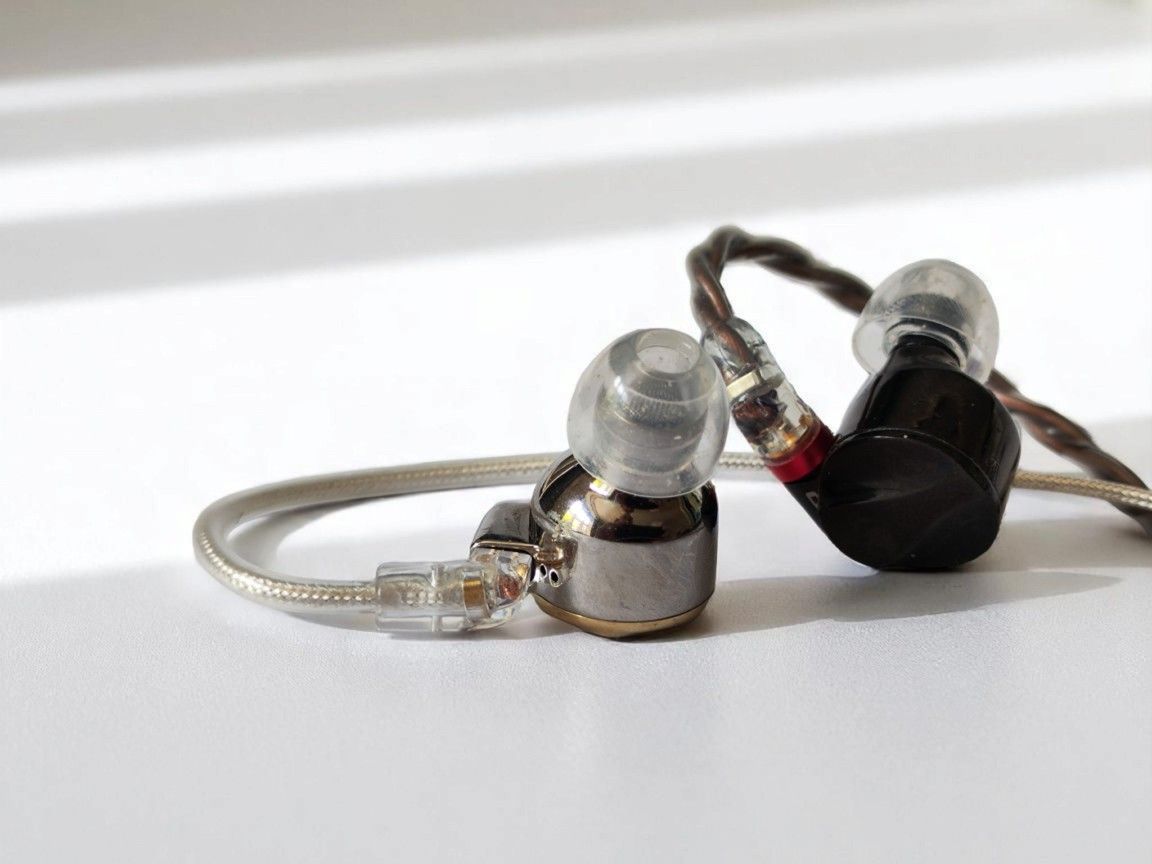
FiiO FD15 SPECIFICATIONS
- Driver: single dynamic 13.8 mm
- Diaphragm: aluminum-magnesium alloyFrequency response: 10Hz-40kHz
- Impedance: 32 Ohms
- Sensitivity: 112dB/mW
- Cable: 4 strands with 480 wires, featuring a hybrid of silver and Furukawa monocrystalline copper.
- Cable length: about 1.2 m
- Earphone connector: expanded MMCX
Current price and availability
- Amazon: FiiO FD15
Full Review: FD15 Review
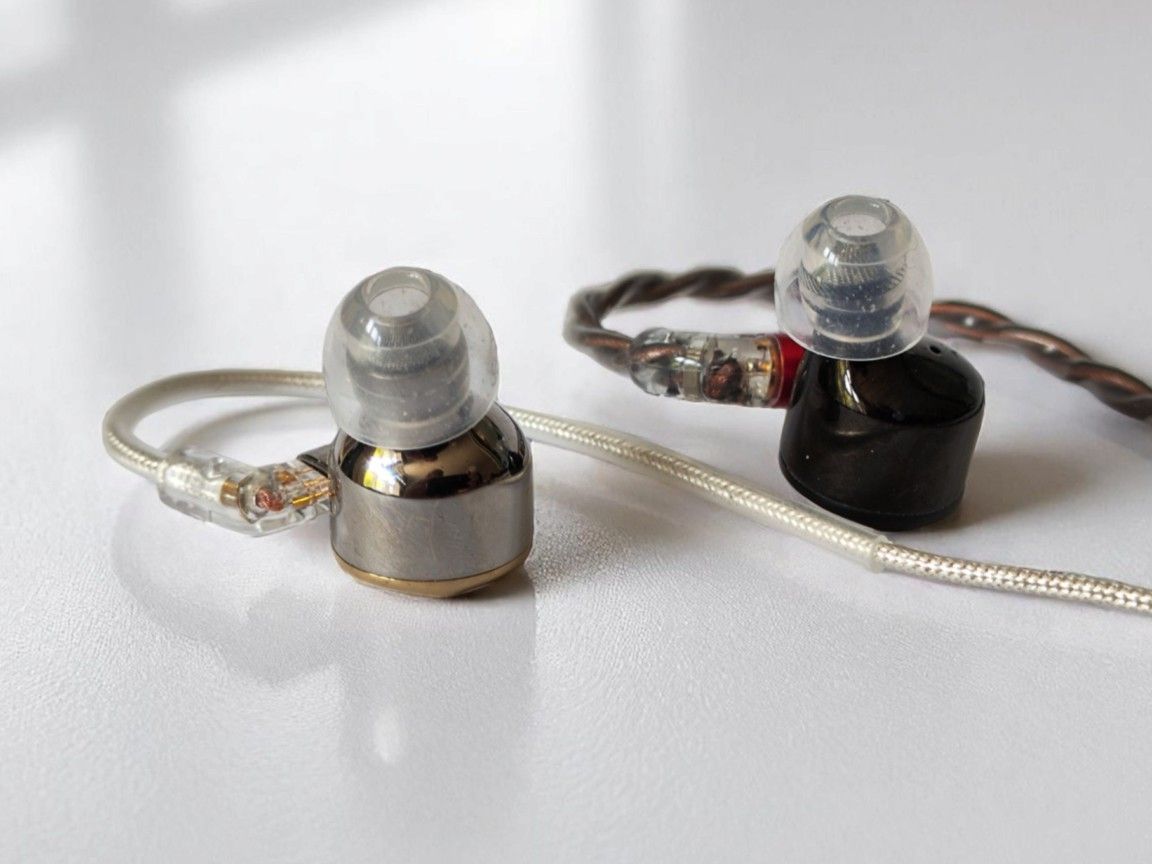
LETSHUOER DX1 SPECIFICATIONS
- Driver type: 11mm dynamic
- Impedance: 30 Ohms
- Sensitivity: 108 dB/mW
- Stainless-steel shell
- Cable 1.2m 256-Core silver-plated monocrystalline copper litz cable
- IEM connectors: 0.78mm dual pin connectors
- Cable termination: 3.5mm or 4.4mm plug options
Current price and availability:
- Linsoul: Letshuoer DX1
- Amazon: Letshuoer DX1
COMPARISONS
Associated equipment:
- Amplifier: Topping A90
- DAC: RME ADI-2 DAC FS
Maple Noise by Greene Serene
Both the FD15 and the DX1 sound very dynamic, but the FD15 even more so. It also offers a cleaner presentation and deeper-sounding bass.
Sunrise by Norah Jones
The FD15 has a fuller-sounding bass, while the DX1 presents more upfront vocals. Overall, the FD15 is lusher and slightly darker, with slightly better resolution.
In the Mountains by Espen Eriksen Trio
The FD15 has a very punchy, full-sounding bass and a laid-back piano. The DX1 offers tighter drums, better separation between the standing bass and bass drum, and a slightly crisper piano.
Jambi by Tool
The FD15 is darker and warmer, while the DX1 is more upfront and slightly more aggressive, with slightly sharper sibilants—though neither has sibilance that approaches being unpleasant.
New Life Baby Paris by Mala
The FD15 has deeper-sounding bass and better separation, while the DX1 sounds crisper with more upper mids presence.
Rocket Man by Bob James Trio
Excellent sounding with the DX1—nice textured bass and a spacious soundstage. The FD15 is similar but slightly darker.
Aquela Mulher by Vinicius Cantuaria
The DX1 sounds great, with excellent timbre and detail. The FD15 has more bass and offers a darker, smoother presentation with slightly less texture.
Jambi by Tool
This sounds great with the FD15—dark and smooth with excellent detail. The DX1 has less bass presence but more texture; it sounds less smooth than the FD15 and also less three-dimensional.
As Before by Olga Konkova
The DX1 offers a relatively punchy cajón drum, crisp piano, and textured, nice vocals. The FD15 has more low end, a less crisp piano, and more laid-back, smoother vocals. The FD15 offers better imaging.
WRAPPING IT UP
Sound Signature
In absolute terms, these earphones have similar sound signatures. However, when compared, the FD15 is lusher, darker, and smoother with more low-end presence. The DX1 is crisper and more upfront in the upper mids.
Treble
The DX1 has a somewhat crisp and textured treble with great articulation without sounding harsh. The FD15 is a bit smoother, revealing more subtle nuances.
Midrange
The midrange is darker, smoother, and lusher with the FD15. The DX1 offers a crisper tonality with a more apparent sense of texture and crispness, featuring greater upper mids presence and maybe a more neutral overall character.
Bass
The bass is richer and fuller—especially in the deeper regions—with the FD15. The DX1 has a leaner bass, however with a more apparent sense of texture.
Soundstage and Imaging
On its own, there is nothing wrong with the soundstage and imaging of the DX1, but in direct comparison, the FD15 has better instrument separation and a more three-dimensional presentation. The DX1 sounds slightly flatter but perhaps a tad more open.
Detail, Dynamics, and Timbre
The general detail level is by and large comparable. The DX1 has more texture, while the FD15 sounds more subtle and refined. Dynamics are also similar, but the FD15 has more bass oomph, whereas the DX1 has more energetic mids. Both have very natural-sounding timbre, but compared to the FD15, the DX1 is crisper and brighter, while the FD15 is lusher, smoother, and darker.
CONCLUSION
The DX1 and FD15 have much in common but differ somewhat in several ways. The FD15 has more bass, especially deep bass, a darker, lusher midrange, and sweeter, more laid-back treble. The DX1 features what I perceive as a more neutral yet slightly more aggressive tuning, with more upfront vocals and generally more explicit texture and stronger articulation. The FD15 offers a deeper-sounding soundstage with better imaging, while the DX1 can sound a bit two-dimensional in direct comparison.
In essence, it comes down to tuning preferences. I personally favor the lush-leaning, smoother FD15, but the DX1 isn’t that different, and feels somewhat more neutral with regards to the general tonality.
Current price and availability:
- Amazon: FiiO FD15
- Linsoul: Letshuoer DX1
- Amazon: Letshuoer DX1
Thanks for reading. You can support us by purchasing anything using any of our affiliate links.
Any purchase you make on Amazon or Linsoul with any of our affiliate links will give us a small provision at no cost to you.
We only get a provision for items that are not returned, so there’s no incentive for us to recommend something that’s not good.
Linsoul : Headphones, Earbuds, Wireless Earbuds, Desktop DAC/AMP, Portable DAC/AMP, Digital Audio Players,
Amazon: Headphones, IEMs, Headphone Amplifiers, Home Audio or Anything else.
.
If you enjoyed this article or other content on The Headphoneer, you might consider leaving a small donation to keep this website up and running. No donation is too small. Thanks for supporting us!

If you like our work please follow us on Instagram, Facebook and Twitter , it will help us grow. Sharing is caring 🙂