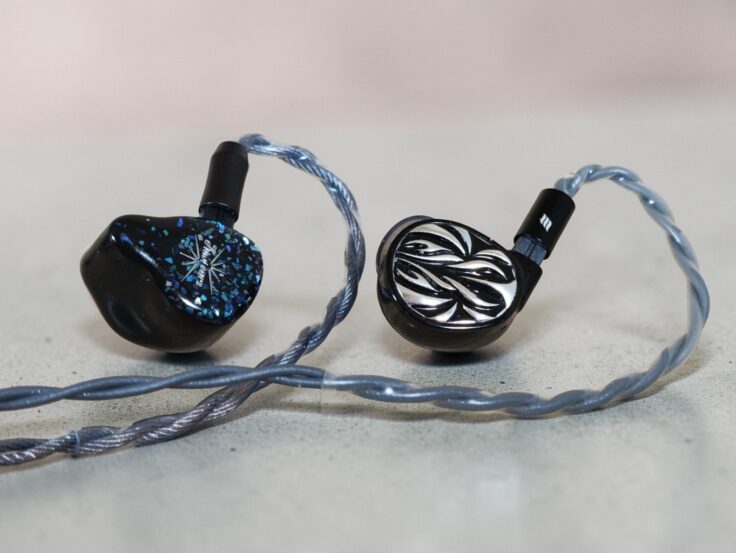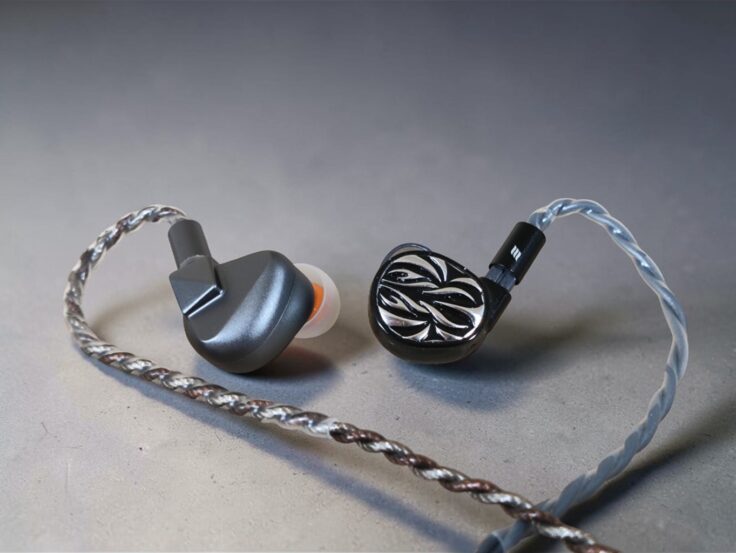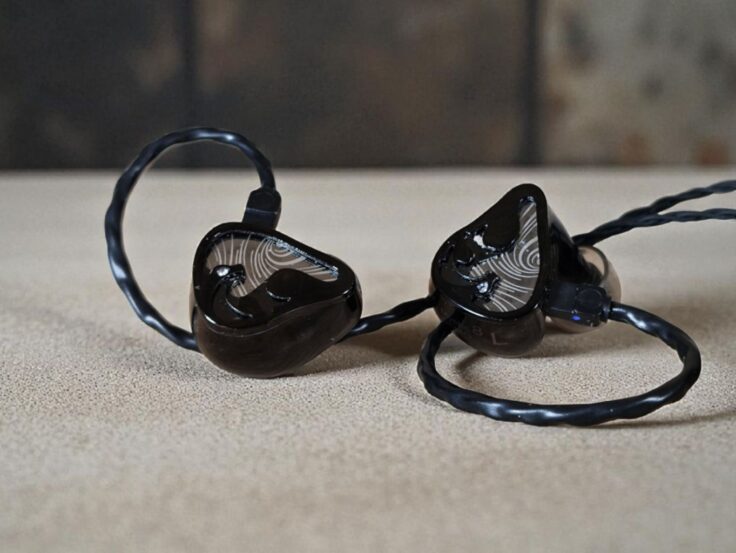


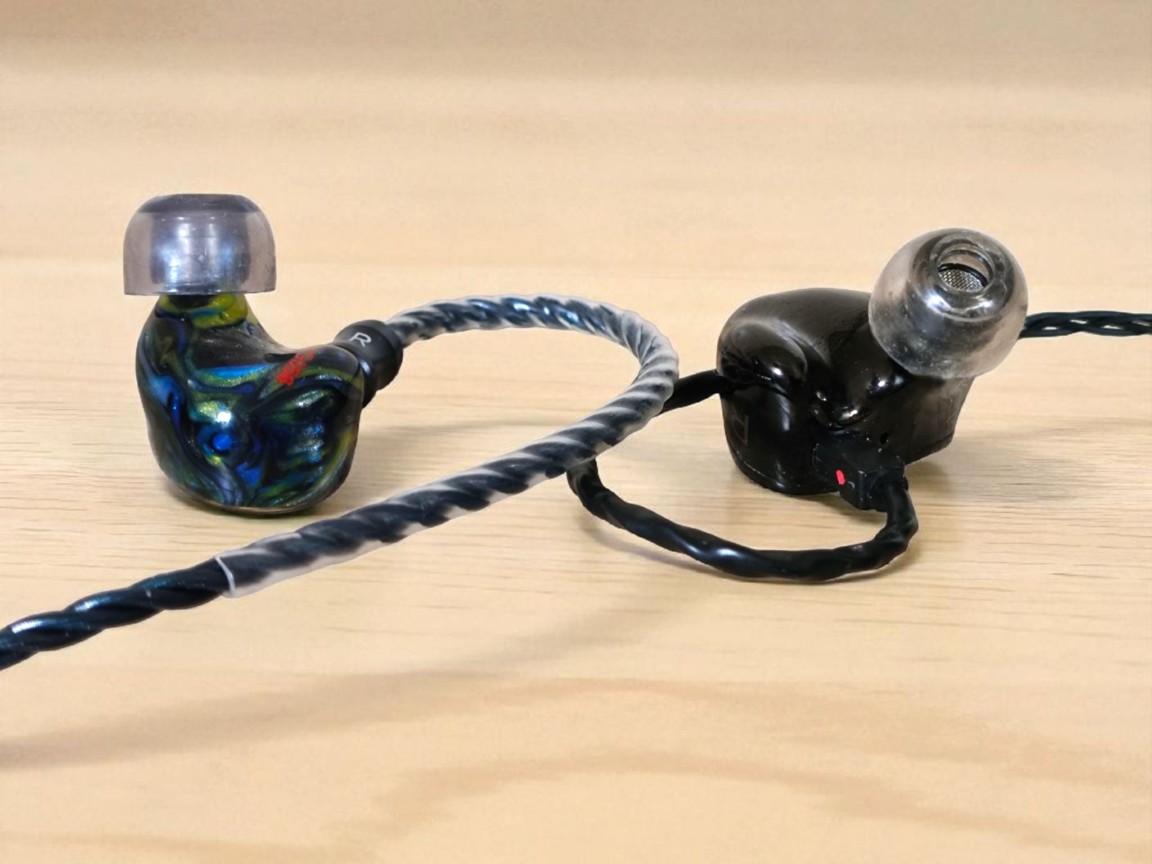
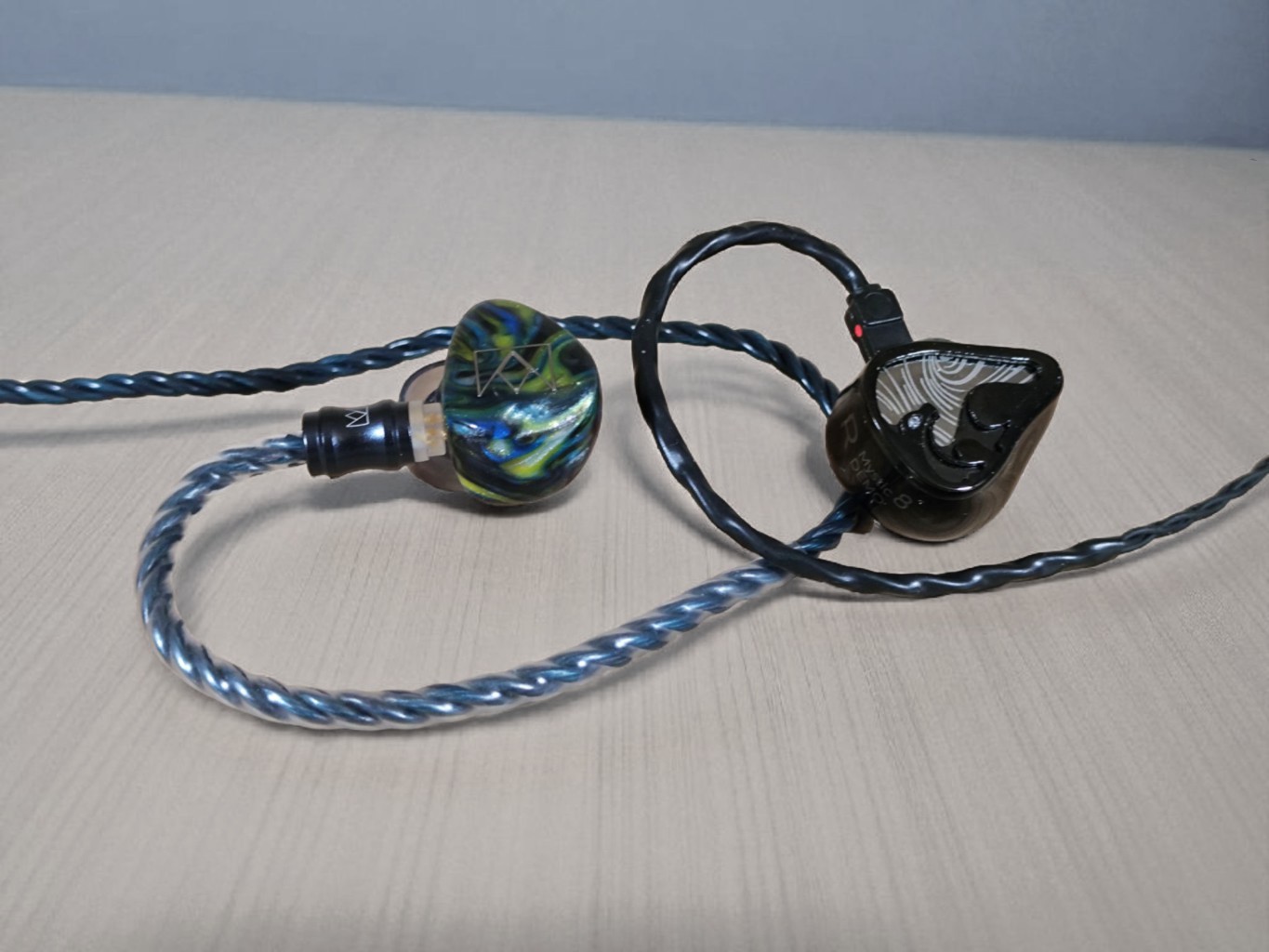
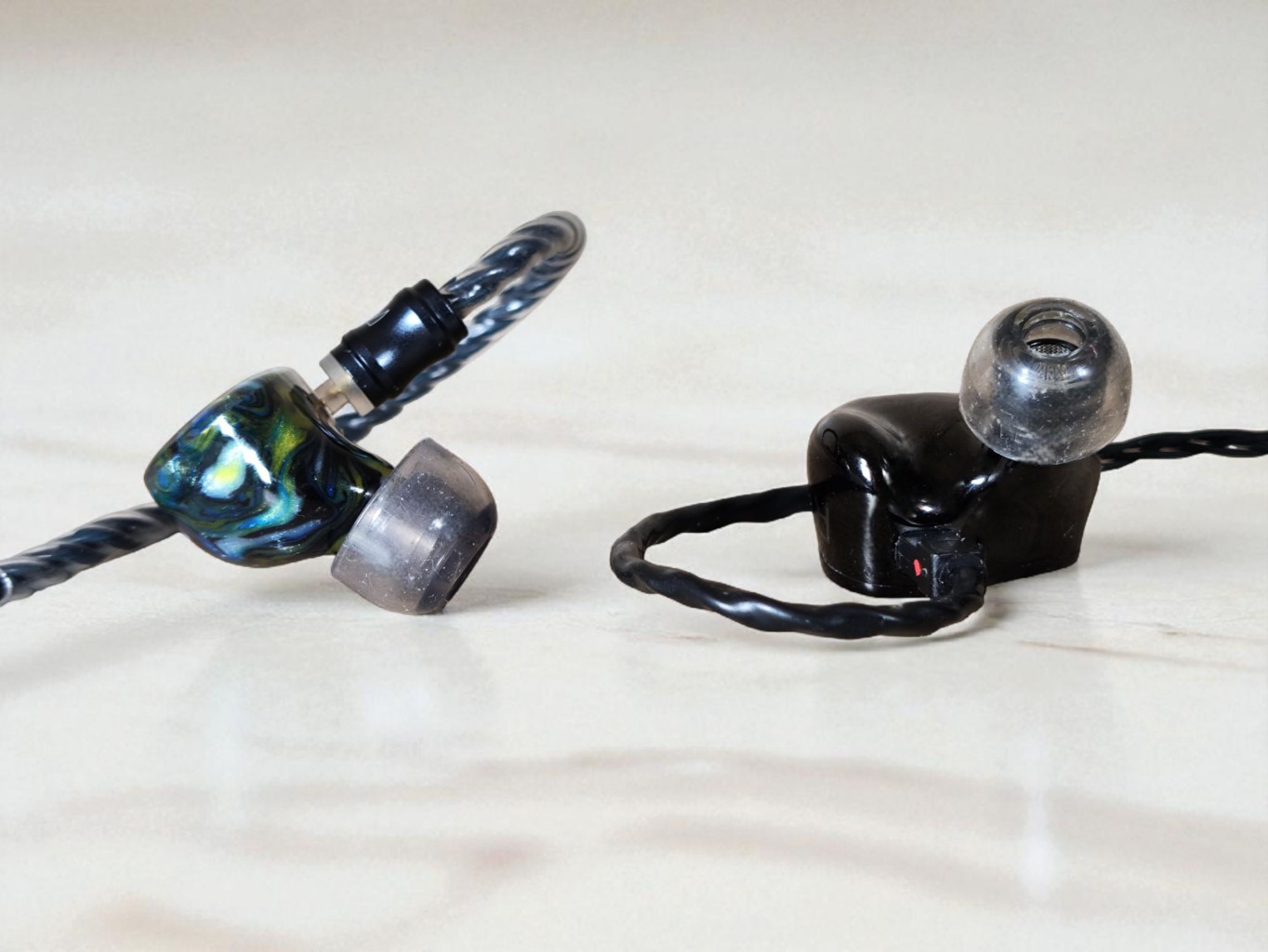
Noble Audio Van Gogh is a hybrid in-ear monitor featuring one dynamic driver and three balanced armature drivers from Sonion and Knowles. The Van Gogh uses small resin shells. It launched in June 2025 and is priced at 699 USD before tax.
The Letshuoer Mystic 8 features eight balanced armature drivers from Sonion and Knowles, the same brands used in the Van Gogh. The shells are made of titanium alloy. Mystic 8 launched in early 2025 and is priced at around 999 USD before tax.
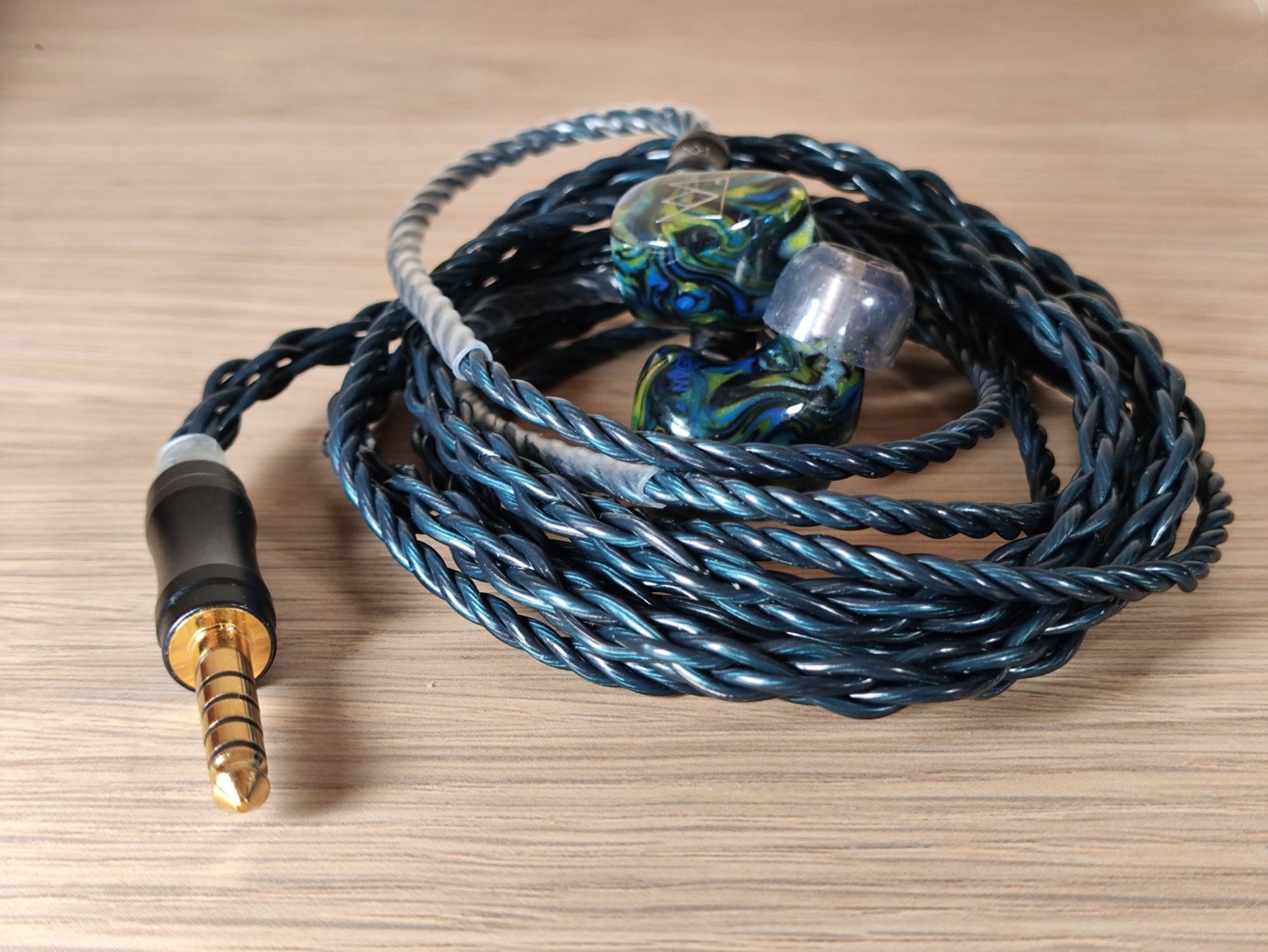
NOBLE AUDIO VAN GOGH SPECIFICATIONS
- Drivers: Hybrid, Dynamic Driver (DD) and Balanced Armatures (BA)
- Four Drivers: 1 x DD + 1 x Sonion BA and 2 Knowles BA.
- Sensitivity: 107dB
- Impedance: 29 Ohms
- Frequency response: 20Hz–20kHz
- Cable: detachable 8-core OCC copper
- Cable connectors: 2-pin 0.78mm
- Cable termination: 4.4mm balanced plug
Current price and availability:
- Noble Audio: Van Gogh

LETSHUOER MYSTIC 8 SPECIFICATIONS
- Drivers: Balanced Armature (BA)
- Eight Drivers: 4 Sonion BA + 4 Knowles BA
- Sensitivity: 107dB
- Impedance: 18 Ohms
- Frequency response: 20Hz ~ 40kHz
- Shell material: Vapor Black titanium alloy shell
- Cable: 1.25m 8×20-core×0.05mm silver-plated monocrystalline copper cable
- Cable connectors: 2-pin 0.78mm
- Cable termination: 4.4mm balanced plug
Current price and availability:
- Linsoul: Mystic 8
COMPARISONS
Note 1: As you will see, I often find the bass of the Van Gogh a bit excessive. Reducing it with EQ makes the sound more balanced and also reveals more detail. That said, I have (as I always do) compared these IEMs without EQ, unless otherwise noted.
Note 2: I have found that the bass on the Van Gogh can vary a bit depending on the amplifier used, with a few keeping the bass tighter than others. You can read more about this in my dedicated Van Gogh review. The Topping A90 used here isn’t one of them. I do, however, use wide-bore AZLA Xelastec tips on the Van Gogh, which typically reduce bass to some extent.
Associated equipment:
- Amplifier: Topping A90
- DAC: RME ADI-2 DAC FS
- Tips on both: Azla SednaEarFit Xelastec
Smile by Pearl Jam
The Mystic is crisp and clear, with modest bass energy, snappy and energetic overall. The Van Gogh, by contrast, has a much more prominent bass that is thicker, fuller, and dominant in the mix. The two earphones are quite different: the Mystic 8 is much more neutral but rather lean in the bass, essentially the opposite of the Van Gogh.
Almost Like the Blues by Leonard Cohen
The Van Gogh has very prominent bass, delivering a dark and warm sound that remains detailed and enjoyable. The Mystic 8 shifts the tonal balance significantly, with more polite bass and greater energy in the upper mids. The treble is a bit sharper on the Van Gogh, though.
Black Crow by Cassandra Wilson
The bass difference is less pronounced here and depends largely on the recording. Still, as expected, the Van Gogh offers more low-end punch and grunt.
It also delivers smooth, slightly warm and natural vocals, while the Mystic 8 sounds crisper yet still very pleasing.
Some Day My Prince Will Come by Coryell Miroslav Quartet
The Mystic 8 is detailed and very well balanced, with excellent timbre on both the bass and guitar. The bass has great detail and texture, while the guitar sounds quite similar to the Van Gogh, though slightly smoother and softer. The Van Gogh’s bass, however, is much bolder and thicker, sacrificing some texture as its presence increases.
Bored by Deftones
Even though it is not neutral, the Van Gogh is very satisfying with its dense bass delivery. The Mystic 8 is quite different, focusing more on bass and guitar texture, with slightly crisper vocals. It is more neutral but less punchy.
As Before by Olga Konkova
The Mystic 8 is crisp and upfront, with lean bass presence but very delicate and clear vocals. It leans to the brighter side without being excessive, with smooth, well-controlled treble.
The Van Gogh has a much fuller low end and a smoother midrange. It generally sounds darker and more colored, though the treble is not laid back.
It Could Be Sweet by Portishead
The difference in bass quantity is striking. On the Van Gogh, the bass dominates the presentation, while on the Mystic 8 it stays in the background. The Mystic 8 offers better bass detail, though EQ can help bring the Van Gogh closer to neutral.
Vocals are lovely on both, with the Mystic 8 sounding more energetic and articulate, while the smoother Van Gogh can have slightly bothersome sibilance.
Escape Route by Boris Blank
The Van Gogh sounds very good, with a rich low end that is immersive and warm. The Mystic 8 offers excellent detail, with mids and treble that are near perfect, though its bass is very polite.
Spontaneous Compositorius by Thomas Agergard
The treble is clean on both, and even cleaner on the Van Gogh. The mids are excellent on both, with the saxophone exhibiting a wonderfully rich timbre. The Van Gogh sounds slightly darker, while the Mystic 8 is brighter and more energetic. The bass on the Van Gogh is thick and full, whereas the Mystic 8 delivers a neutral, balanced, and textured low end.
Maple Noise by Greene Serene
The Van Gogh is very dynamic, with bass that is full but not exaggerated, and the trumpet sounds smooth and excellent. The Mystic 8 is extremely snappy and spacious, with the trumpet more upfront and energetic, and the bass highly textured.
Young Vivaldi by Modo Antiquo
The Mystic 8 has an energetic playing style and a slightly bright, lively timbre. The Van Gogh, in contrast, offers a smoother, darker timbre and a generally more laid-back presentation.
Mahler’s Symphony No 2 III by Paavo Järvi
The Van Gogh allows you to truly feel the power of the kettle drums, with generally smooth and gently laid-back instrument timbre and very good instrument separation.
The Mystic 8 also delivers powerful kettle drums, but they sound drier. Instruments are crisper, brighter, and more upfront, yet remain delicate and refined.
Summer 3 Vivaldi Recomposed by Max Richter
The Mystic 8 delivers an excellent rendition—upfront and refined, with strings that have nuance and attack. The Van Gogh is much smoother and more laid-back, yet still maintains a great sense of detail, refinement, and nuance.
Sunrise by Norah Jones
The Mystic 8 is more neutral, with upfront vocals and a detailed, articulate, and refined delivery. The Van Gogh is pleasant but more colored, with overly dominant bass. While its vocals are good, the midrange is not as nice as the Mystic 8’s, making me clearly prefer the Mystic 8’s neutrality.
Rambling Man by Laura Marling
The Mystic 8 is wonderfully balanced, with articulate and refined vocals, and instruments that are well separated and evenly balanced. The Van Gogh is more subdued, with slightly recessed vocals and less articulation compared to the Mystic 8.
Limit to Your Love by James Blake
The Van Gogh delivers very nice vocals—smooth and textured—alongside thick, rounded bass that hits hard as expected, with good instrument separation. The Mystic 8 offers even better vocals, more open and natural, with bass that is more restrained in quantity but excellent in detail and texture.
That said, with EQ adjustments, the Van Gogh’s bass can be brought quite close to the Mystic 8’s better-balanced sound, resulting in a much more detailed sounding low end.
WRAPPING IT UP
Let me start by saying that the Van Gogh can really transform with proper EQ adjustments in the lower frequencies. However, in this review, I focus on the performance of both earphones in their stock form, unless stated otherwise.
Sound Signature
The Van Gogh has a bass-heavy signature with slightly recessed mids and pronounced, smooth highs. The Mystic 8 is neutral, featuring moderate bass, articulate mids, and clear, controlled highs.
Treble
The highs are where these two are most similar. The Van Gogh often sounds more liquid but can be slightly peaky, with sibilance more noticeable. Both offer excellent detail and articulation.
Midrange
The Mystic 8 is midrange-focused, offering a clear and articulate presentation. The Van Gogh is somewhat recessed but delivers a smooth and detailed midrange character.
Bass
The bass is where these two earphones differ the most. The Van Gogh has a bold, thick, and rounded low end that can feel one-dimensional. It is entertaining but far from neutral.
The Mystic 8 has a modest bass presence that is detailed, reaches low without rolling off, and is very well balanced.
That said, with EQ, the Van Gogh can be made much more neutral, revealing more apparent detail, though it is still difficult to match the Mystic 8’s natural neutrality.
Soundstage and Imaging
Both have a very good soundstage with excellent imaging and layering. While there are differences that can vary by track, the Mystic 8 is generally slightly better in this regard.
Detail, Dynamics, and Timbre
Treble detail is comparable and very good on both. While the Van Gogh’s midrange is revealing, the Mystic 8 is more articulate and detailed. In the bass, there is no contest: the Mystic 8 delivers far more detail, nuance, and texture. Reducing the Van Gogh’s bass with EQ reveals more detail, but still not as much as the Mystic 8.
Both earphones are very dynamic, but in different ways. The Van Gogh relies on its punchy bass, while the Mystic 8 emphasizes a cleaner low-end and a more dynamic midrange.
The timbre of these two earphones is quite different. The Van Gogh’s bass timbre is thick and often one-dimensional, while the Mystic 8’s is much more neutral and accurate. The Van Gogh’s midrange can be sweet and delicate, but the Mystic 8 is consistently more neutral and precise, with a brighter and more upfront presentation. Treble timbre is natural sounding on both, though more consistent on the Mystic 8.

CONCLUSION
The Letshuoer Mystic 8 is a neutrally tuned, detailed, and articulate sounding IEM with polite but textured bass, upfront mids, and consistent treble.
The Noble Audio Van Gogh, in contrast, has a warm, bass-heavy signature with smooth mids and present, liquid highs, offering a more colored, often very immersive sound experience.
With EQ, and/or optimal amplifier matching, the Van Gogh can approach the Mystic 8’s more balanced presentation, but the Mystic 8 remains more precise, dynamic, and neutral overall.
Thanks for reading. You can support us by purchasing anything using any of our affiliate links.
- Noble Audio: Van Gogh
- Linsoul: Mystic 8
Any purchase you make on Amazon or Linsoul with any of our affiliate links will give us a small provision at no cost to you.
We only get a provision for items that are not returned, so there’s no incentive for us to recommend something that’s not good.
Linsoul : Headphones, Earbuds, Wireless Earbuds, Desktop DAC/AMP, Portable DAC/AMP, Digital Audio Players,
Amazon: Headphones, IEMs, Headphone Amplifiers, Home Audio or Anything else.
.
If you enjoyed this article or other content on The Headphoneer, you might consider leaving a small donation to keep this website up and running. No donation is too small. Thanks for supporting us!

If you like our work please follow us on Instagram, Facebook and Twitter , it will help us grow. Sharing is caring 🙂