
The Genesis 1 was previously called Genesis One but is now part of the “Genesis One Series,” which includes the Genesis 1 and Genesis 1 S.
The Genesis One headphones use a very unique driver. It’s called CrystalCore, and it’s based on a special piezoelectric crystal material and is a type of piezoelectric driver. The Genesis One headphones are produced by startup company Lily Audio and currently costs 1200 USD in their online store.
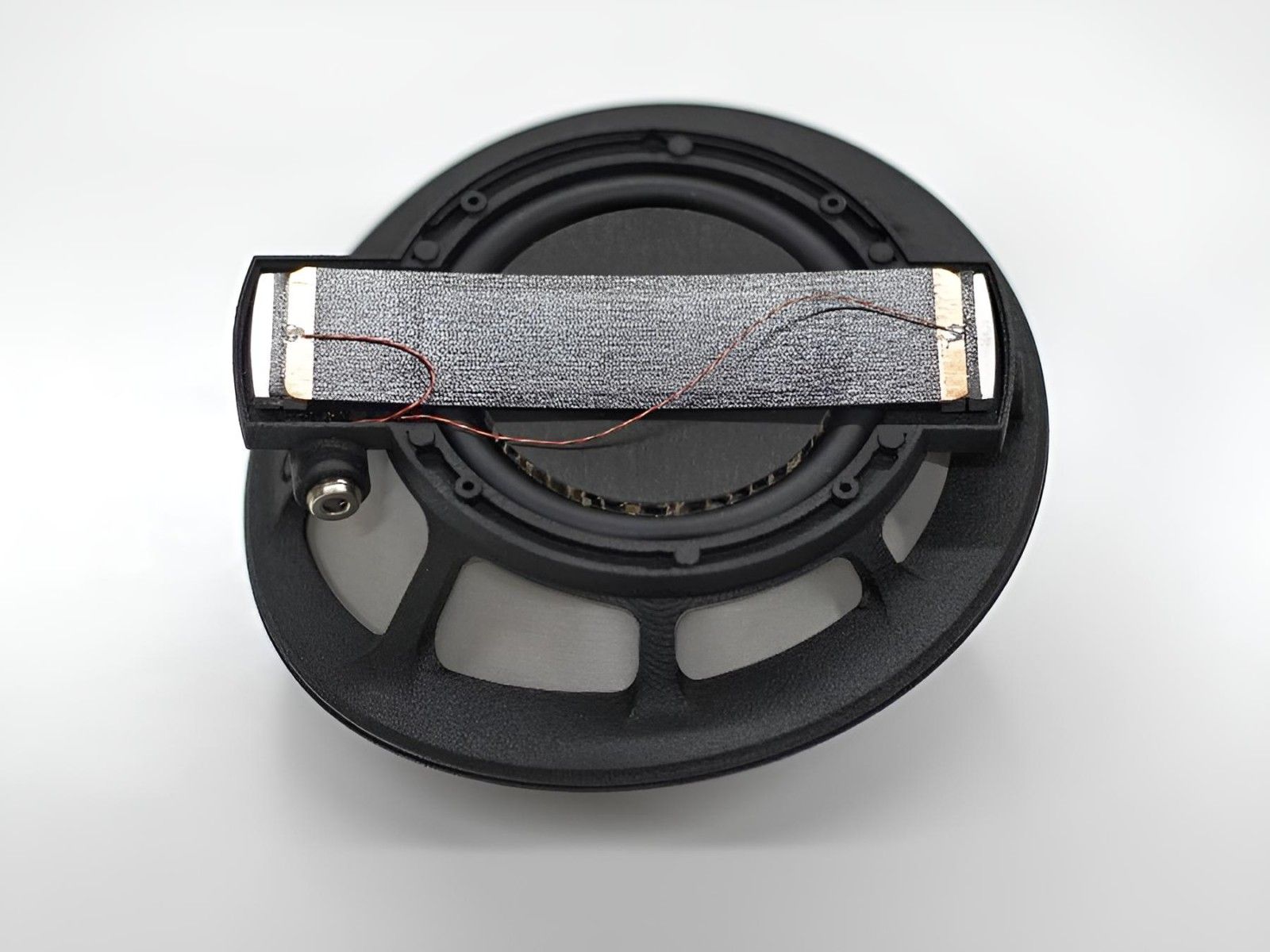
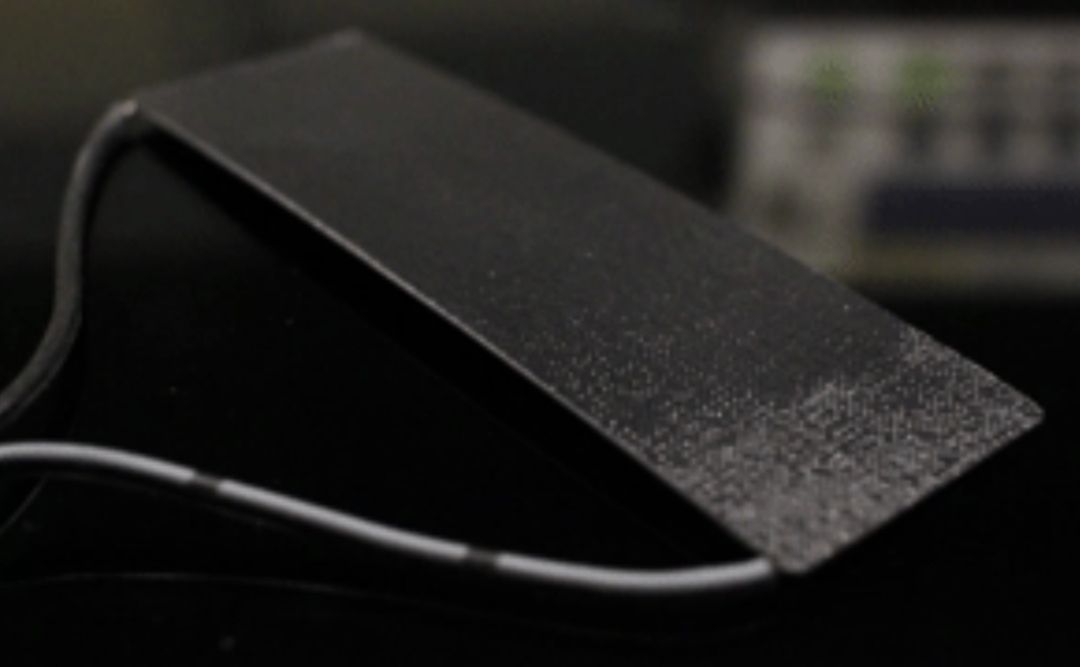
The CrystalCore driver is often called solid state because it’s basically a black rectangle without moving parts in the traditional sense. The black rectangle, which has the piezoelectric crystal material in the middle, expands and contracts as electric audio signals are sent through it. This expansion and retraction causes the air to move and audio waves are created.
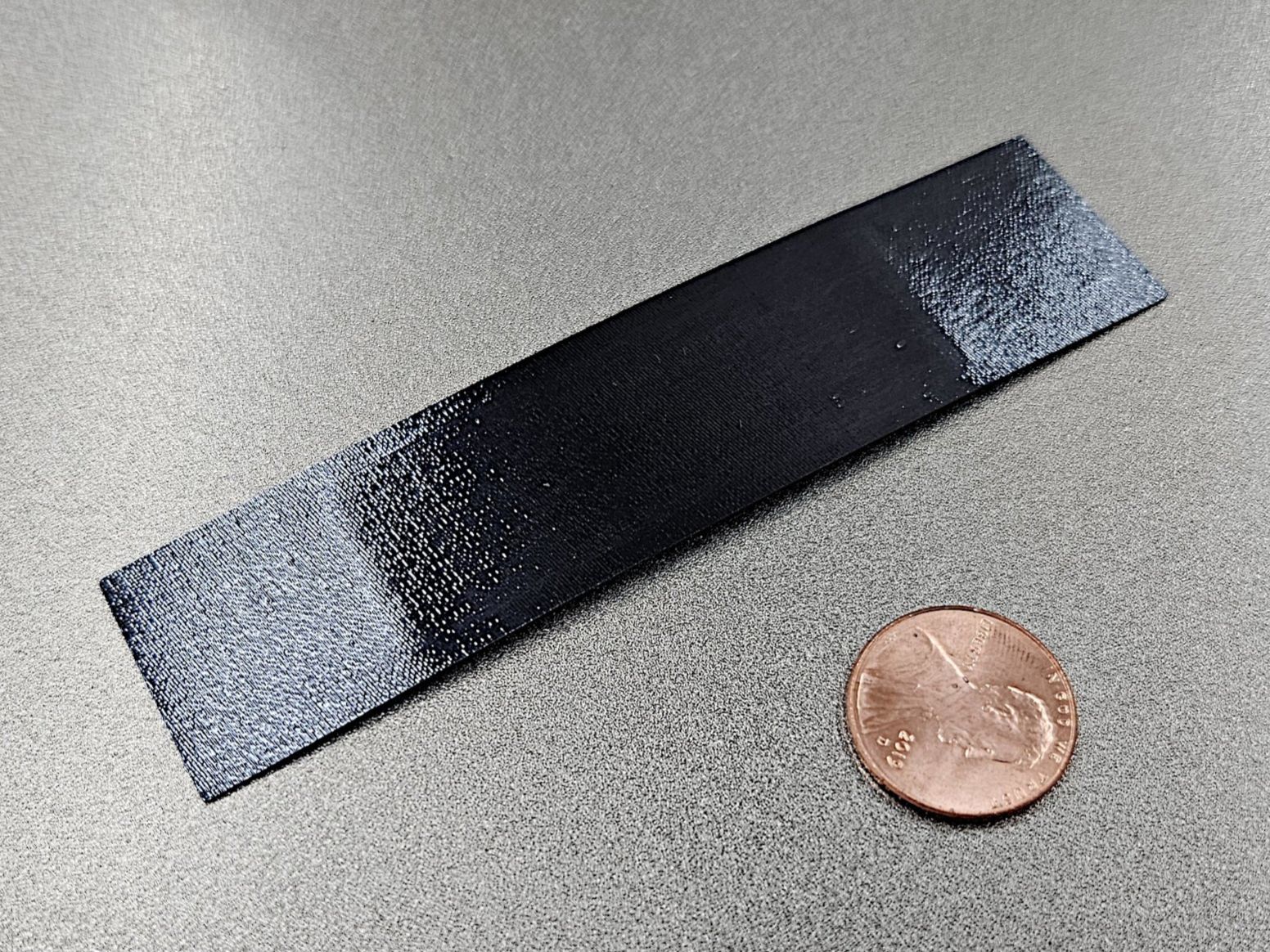
The driver has a very high impedance that varies with frequency. The impedance at 1kHz is 1000 ohms. Even if the Genesis One is often rated to be “above 300 Ohms” or “1000 Ohms” , the fact is that it gradually decreases from a whooping 10,000 Ohms at a 20 Hz audio signal (the deepest audible bass) to around 60 Ohms at 20 kHz (the brightest audible treble).
Combined with a sensitivity of 75 dB/V, everything you think you know about amplifier performance is challenged.
That said, many normal amplifiers work very well. The important thing is that they can handle high voltage swings. Lily Audio recommends more than 10V to get the volume high enough, get the dynamics right, and avoid distortion.
Interestingly, the drivers need very little current, as opposed to e.g. planar magnetic headphones, which are normally associated with hard-to-drive headphones. But make no mistake, the Genesis One is NOT an easy headphone to drive.
#
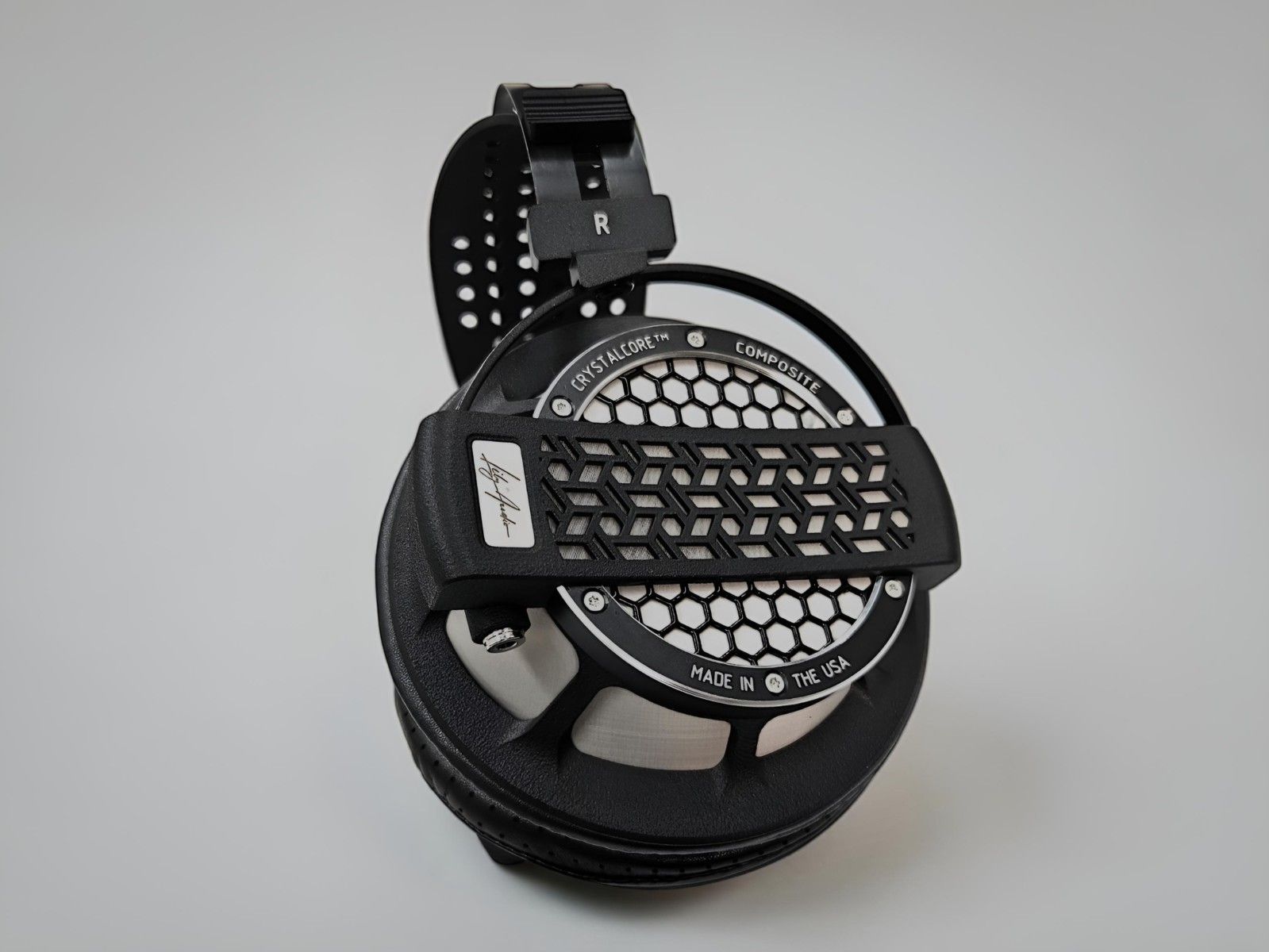
LILY AUDIO GENESIS 1 SPECIFICATIONS
- Type: Open back
- Driver technology: CrystalCore™
- Diaphragm-disc: 75 mm in diameter.
- Impedance: 50 Ohms – 10.000 Ohms
- Frequency range: 20–55 kHz
- Sensitivity: 75 dB/V (at 1 kHz)
- Recommended amplifier >10 V output
- Weight: 300 grams
- Cable: Detachable, 3.5 mm connectors on the headphones – optional jack on the amp end 3.5mm , 6.35mm, 4.4mm or 4-pin XLR
Availability:
- Lily Audio Store – Discount code: HEADPHONEER150 valid through 2026 (non-affiliate) 15% off.
THE DRIVER TECHNOLOGY
Lily Audio is a subsidiary of Flora Tech, which holds the patent for the technology that CrystalCore is based on.
As mentioned in the intro, the driver technology is unique, and I am not aware of similar drivers used in any other headphone.
Even if piezoelectric principles have been used in various speaker applications before, they have their limitations. Typically they are used as tweeters because they cannot reproduce lower frequencies. 400 Hz is often cited as the lower threshold.
The CrystalCore driver, on the other hand, has overcome this limitation for headphone use and performs very well in the bass region.
NO TRADITIONAL DIAPHRAGM
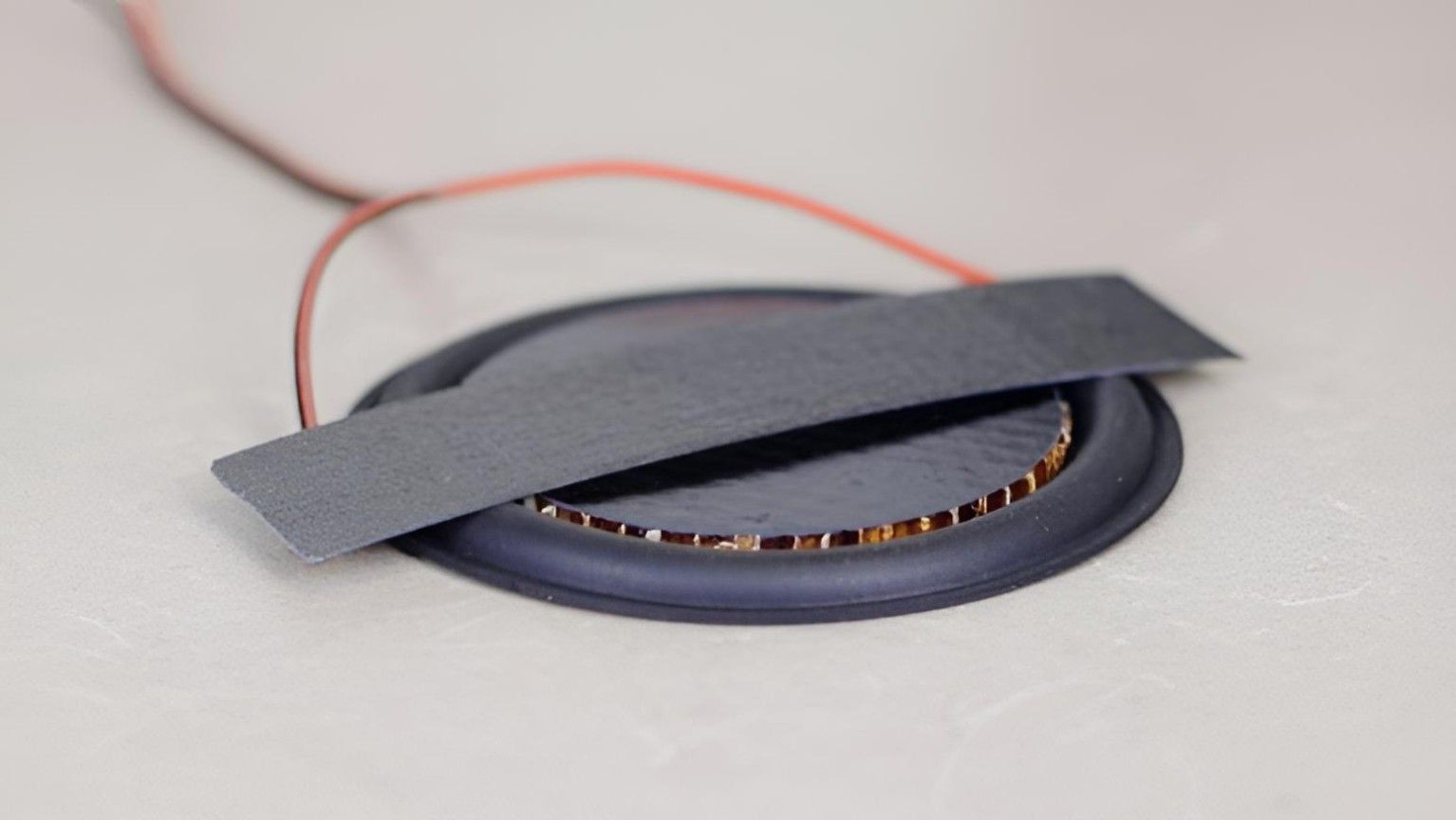
The CrystalCore driver is very different from normal drivers because there’s no traditional diaphragm.
Dynamic drivers, planar magnetic drivers, electrostatic drivers, and ribbon drivers all have thin, fragile diaphragms that push the sound with the help of magnetic or electrostatic fields.
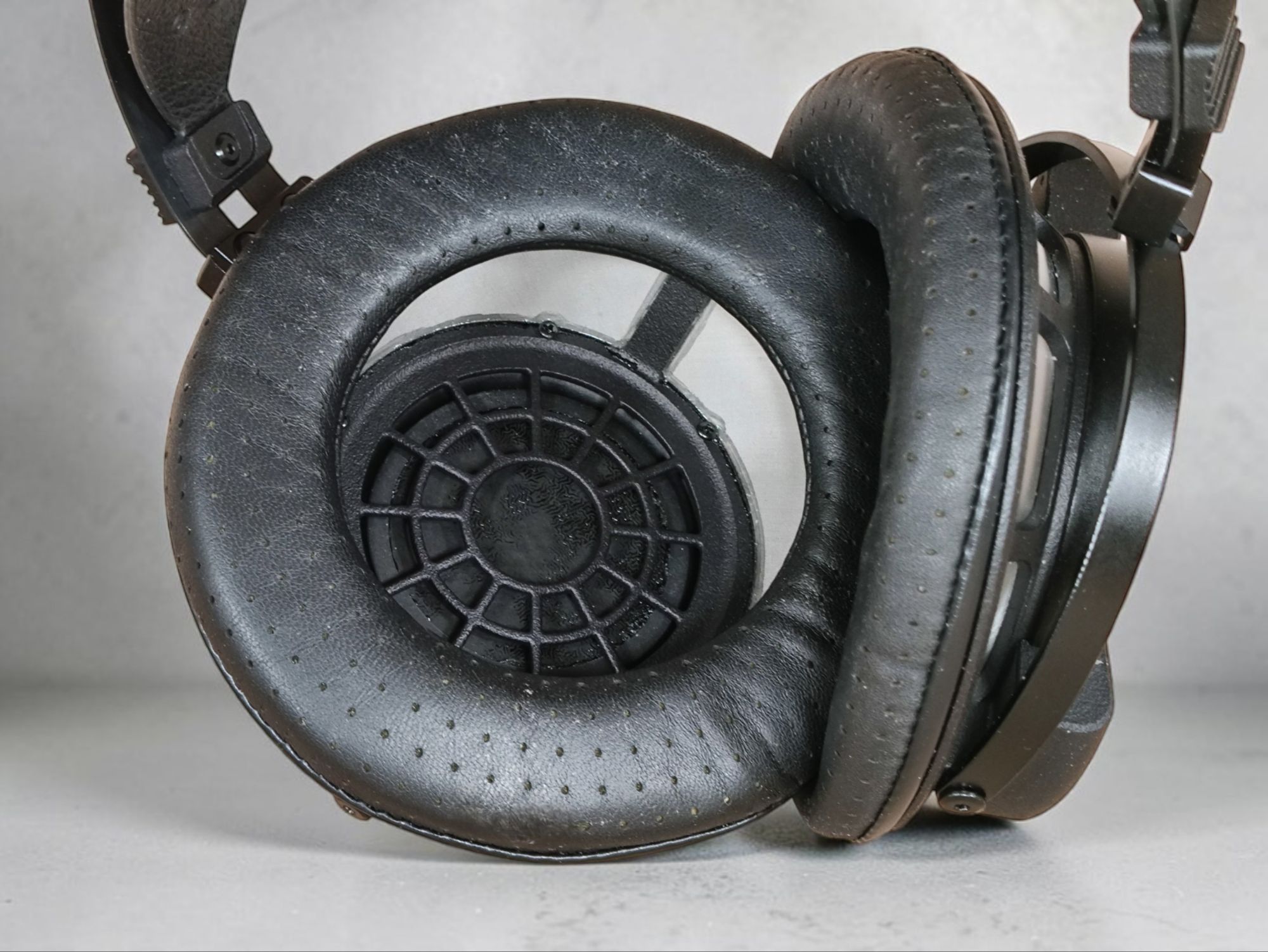
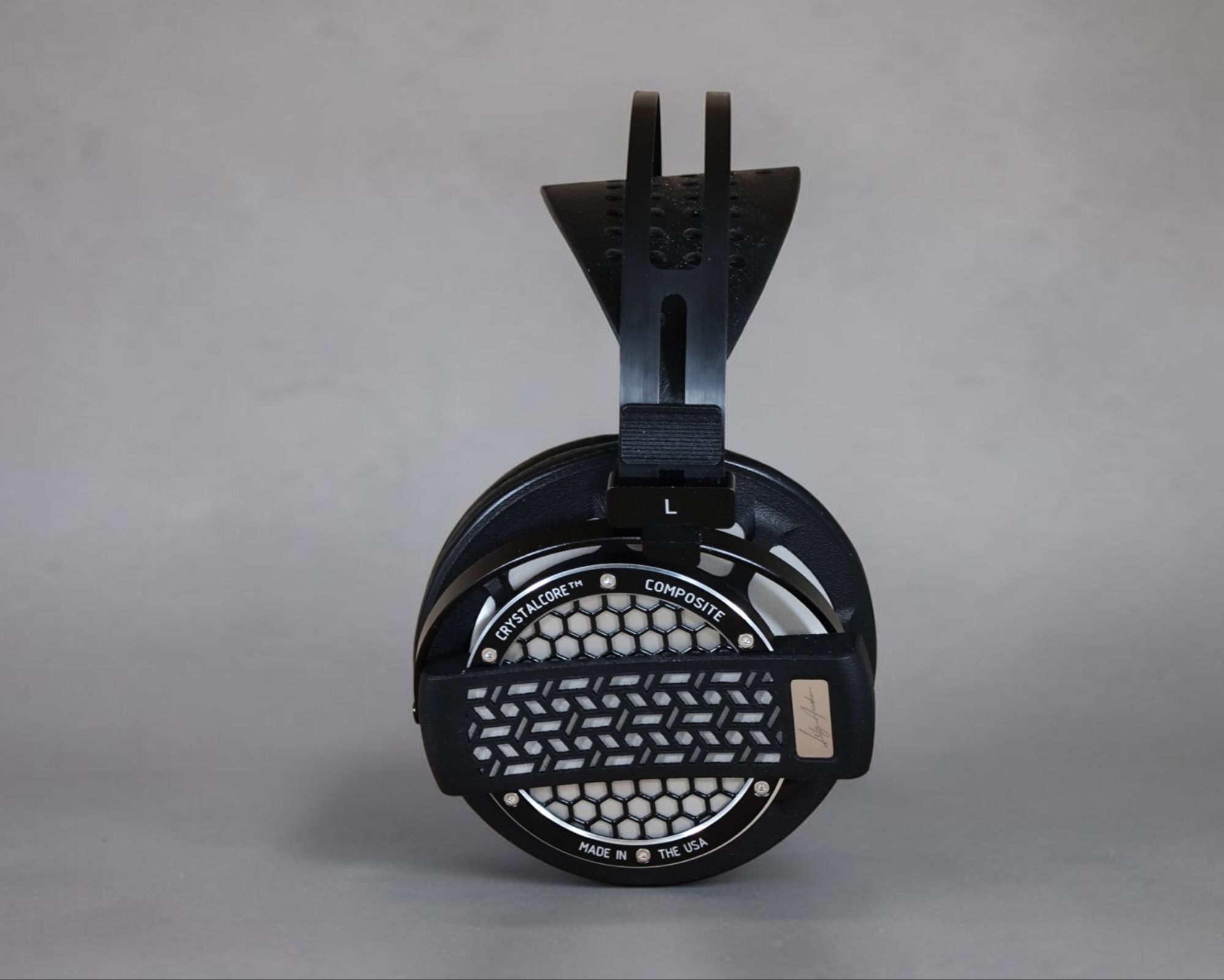
However, the Genesis One still has a diaphragm of sorts, which is a 3.5 gram, 75 mm large, and several millimeters thick circular honeycomb disc that’s attached to the rectangular driver unit. The diaphragm-disc is there to increase the area of the driver. Given the dimensions, it’s a lot more sturdy than the traditional options.
SOLID STATE DRIVER
Since the CrystalCore driver doesn’t have a thin and fragile diaphragm or similar moving parts, it is called a solid-state driver, and the operation principle is very different from any other driver on the market today:
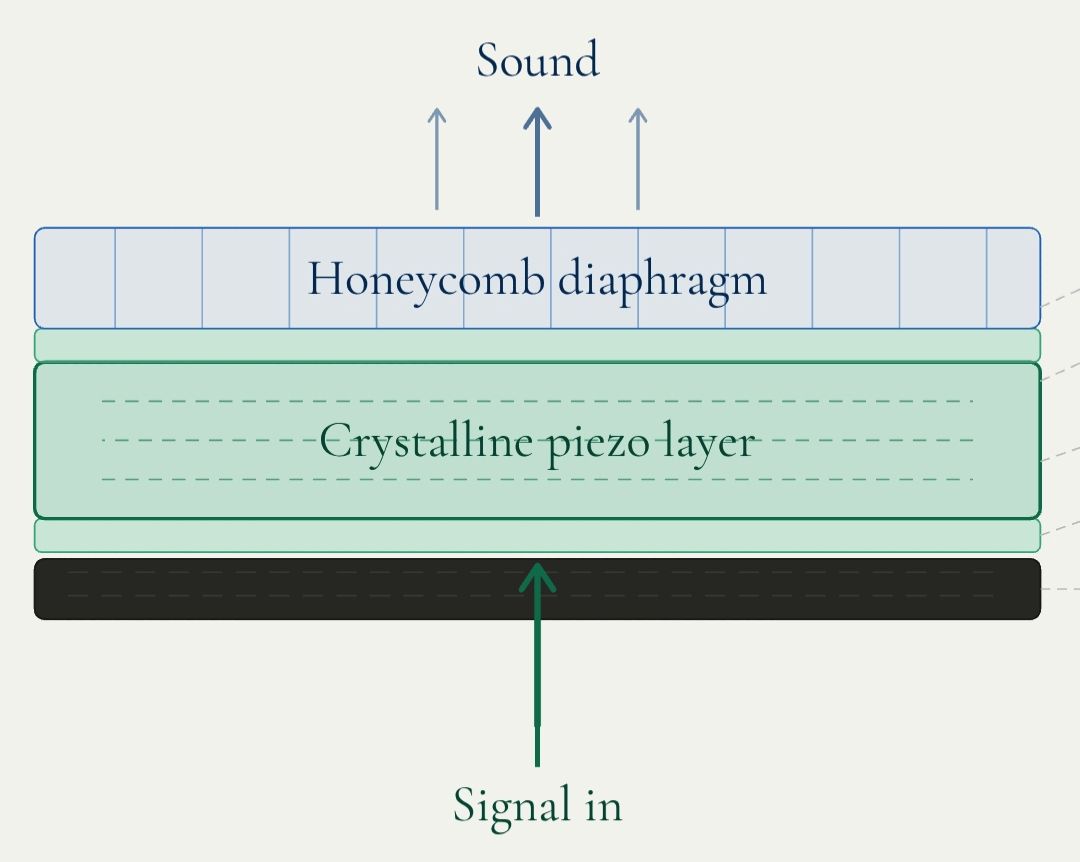
When audio voltage is applied to the CrystalCore driver, its internal piezoelectric crystal layer physically changes shape in direct response to the signal. It bends and flexes, expands and contracts. These motions push air and generate sound waves. The name “CrystalCore” comes from the fact that the core component of the driver is the piezoelectric crystal.
THE DRIVER SANDWICH
The driver is made like a sandwich. There’s a carbon layer on the bottom, then the crystalline piezoelectric layer, which does the actual expanding and contracting, and a circular honeycomb disc (acting as a diaphragm) on top. Between these layers there’s bonding layers to keep them together.
THE DRIVER BEHAVES ELECTRICALLY SIMILAR TO A CAPACITOR
An interesting thing about the CrystalCore driver is that electrically it behaves more like a capacitor than a resistor. This is very visible in the impedance curve, which looks capacitor-like, with impedance radically decreasing with frequency until a certain point. Capacitors typically have a V-shaped or U-shaped curve, but since we don’t need to go higher in frequency than what’s audible, with the CrystalCore we never get high enough in frequency to reach the “rising part” of the V or U.
Most headphone drivers behave like a resistor and turn excess energy into heat. A capacitor, on the other hand, stores energy and releases it later, which is why a capacitor is such an important part of most amplifiers. This might be why the CrystalCore needs almost no current to operate, but again, the voltage swings it needs are pretty high.
DRIVER BURN-IN
Lily Audio recommends that you play music through the headphones at a louder-than-normal listening level for 100 hours before listening, in order to burn in the driver. It needs to be exposed to some physical movement for the materials to soften and become flexible enough for optimal performance.
DURABILITY/RELIABILITY OF A THE CRYSTALCORE DRIVER
Driver failure is a frustratingly common issue with many headphones, and the diaphragm of planar magnetic drivers is especially vulnerable. But dynamic drivers can also fail; they are fragile things with moving parts. Electrostatic drivers can also have issues with the thin diaphragm, as well as problems with the charge of those diaphragms which affects the sensitivity and often can cause channel imbalance.
The CrystalCore driver has no moving parts, only the piezoelectric crystal, which flexes slightly. It is designed to be very robust and durable. As it is a new product for headphones, real-life experience is limited, but you can watch the driver being heavily mistreated in a video from Flora (Lily Audio’s parent company) here:
Flora Tech – Reliability of Piezoelectric Actuators
Piezoelectric materials can, however, be damaged by excess voltage exposure. In that regard, Lily Audio states: “CrystalCore was designed to have a lot of margin for headphone application. It can safely handle up to 80V, while even the most powerful amps out there top out in the 40 to 50V range.”
BUILD AND DESIGN
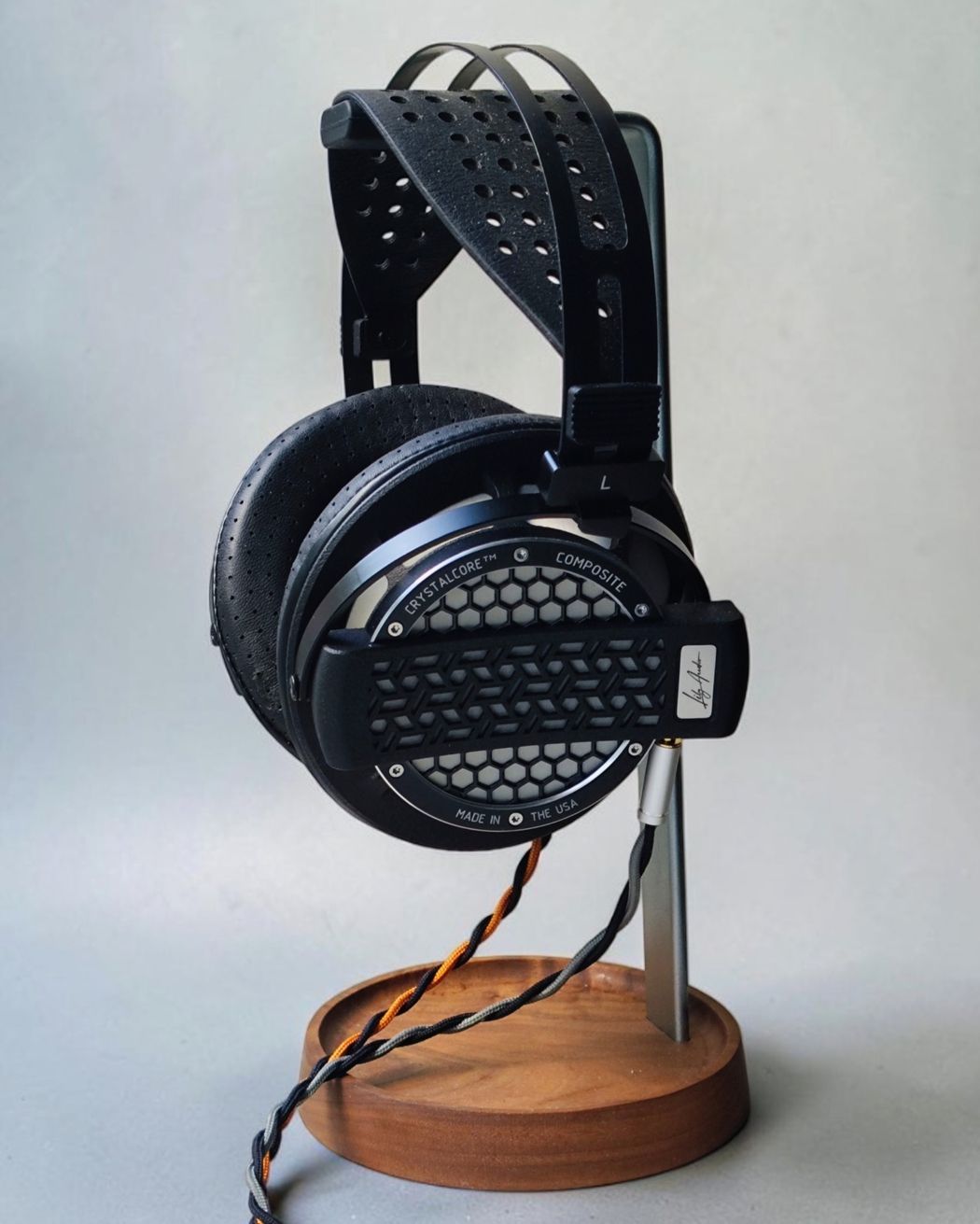
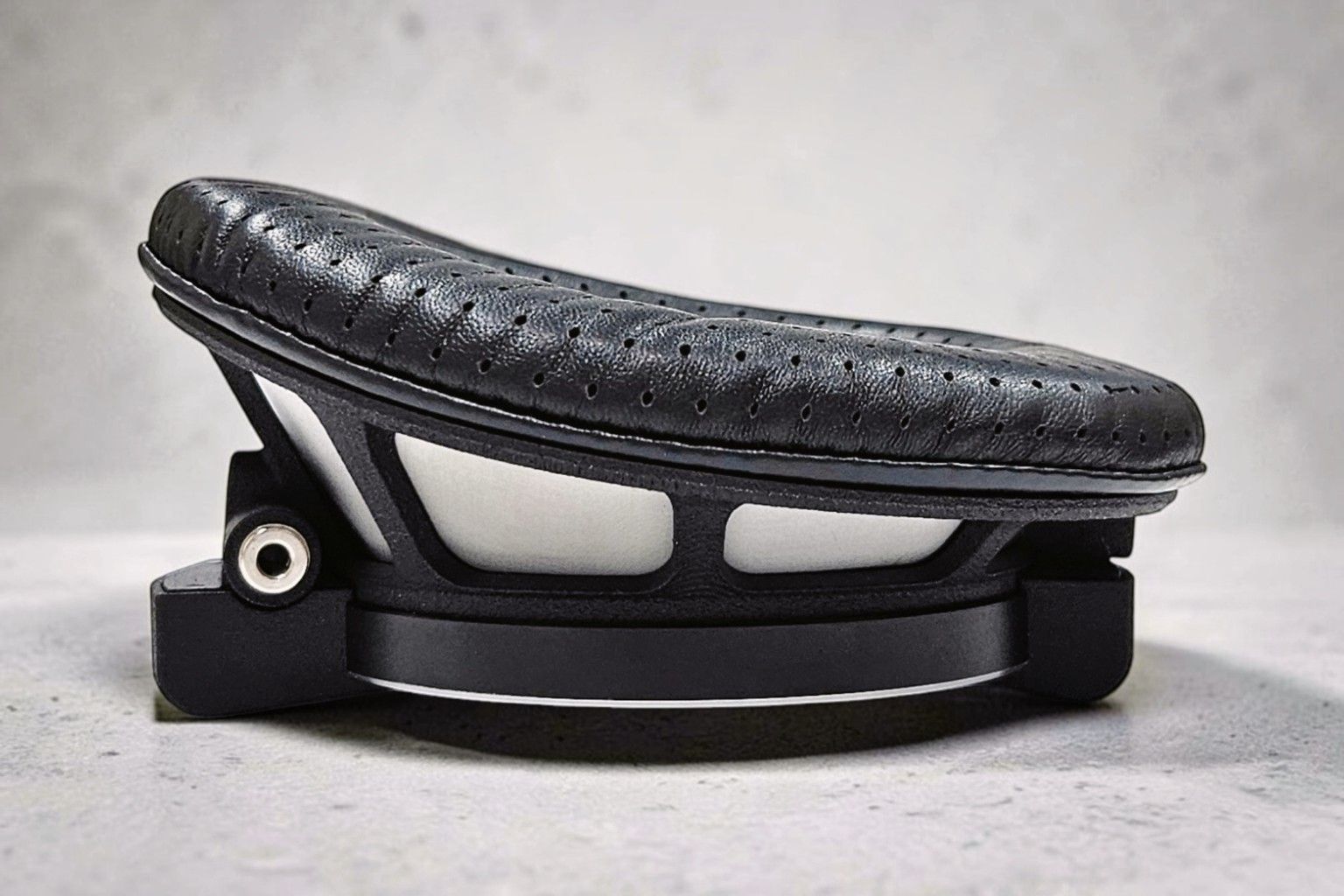
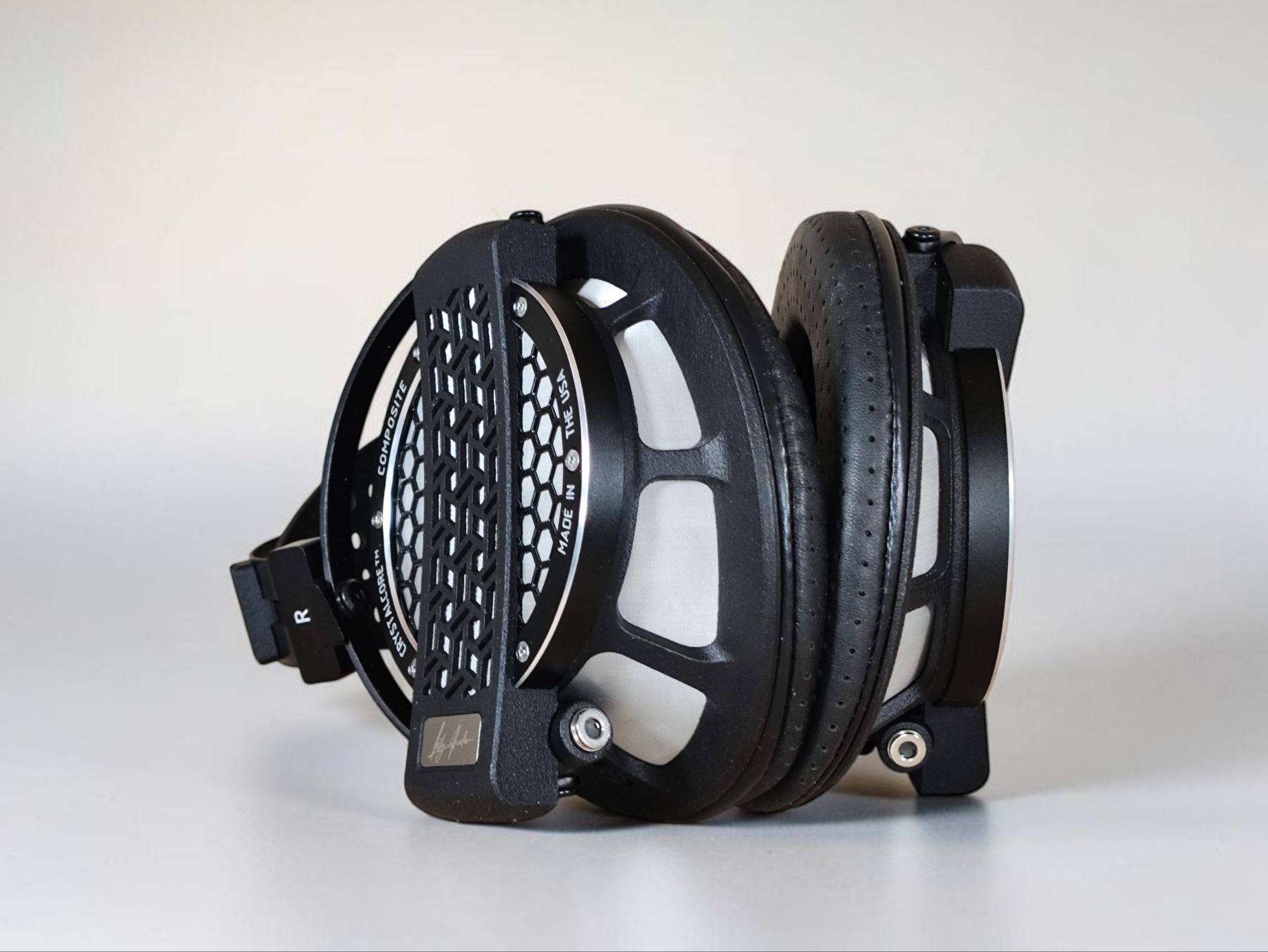
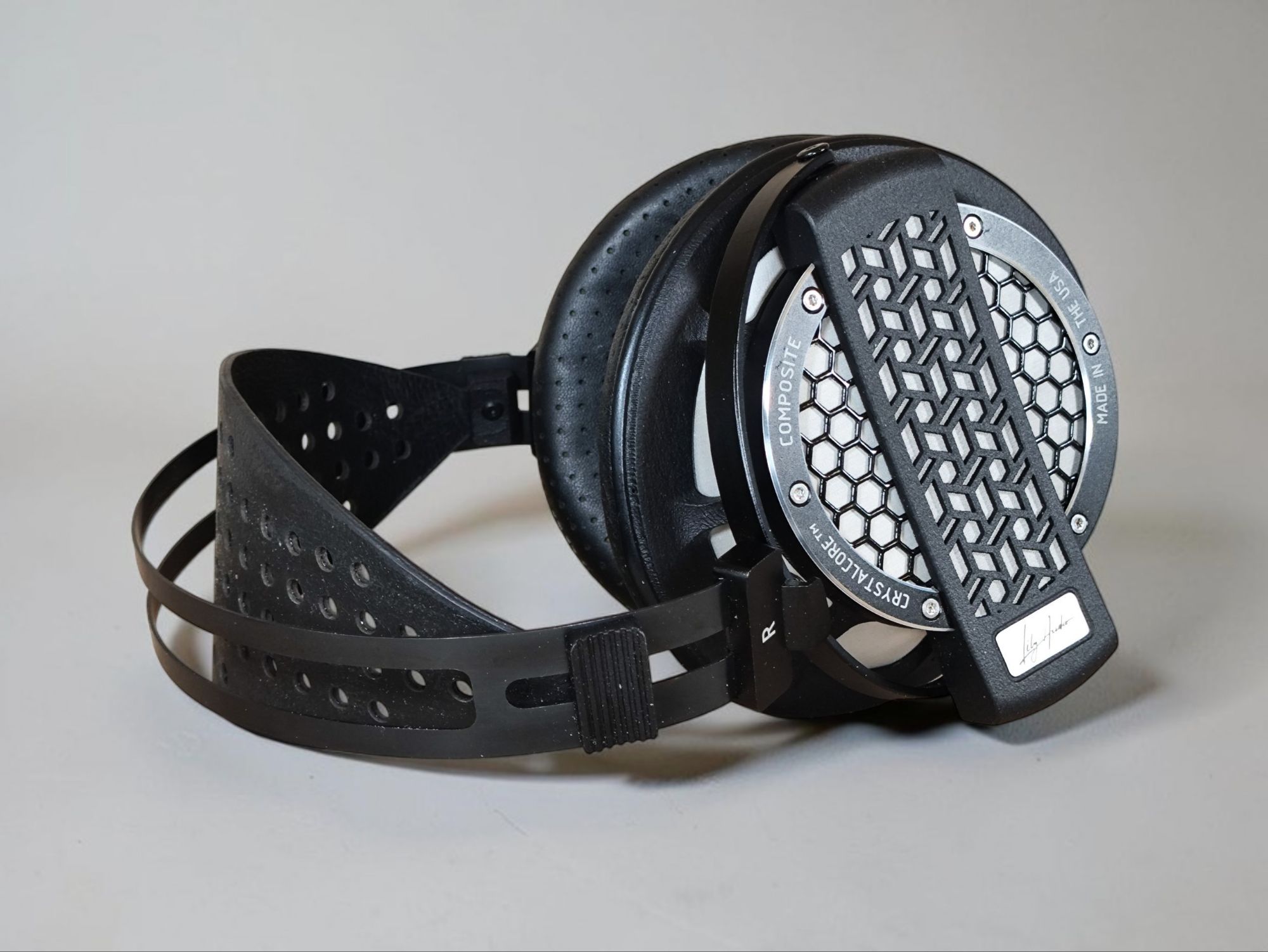
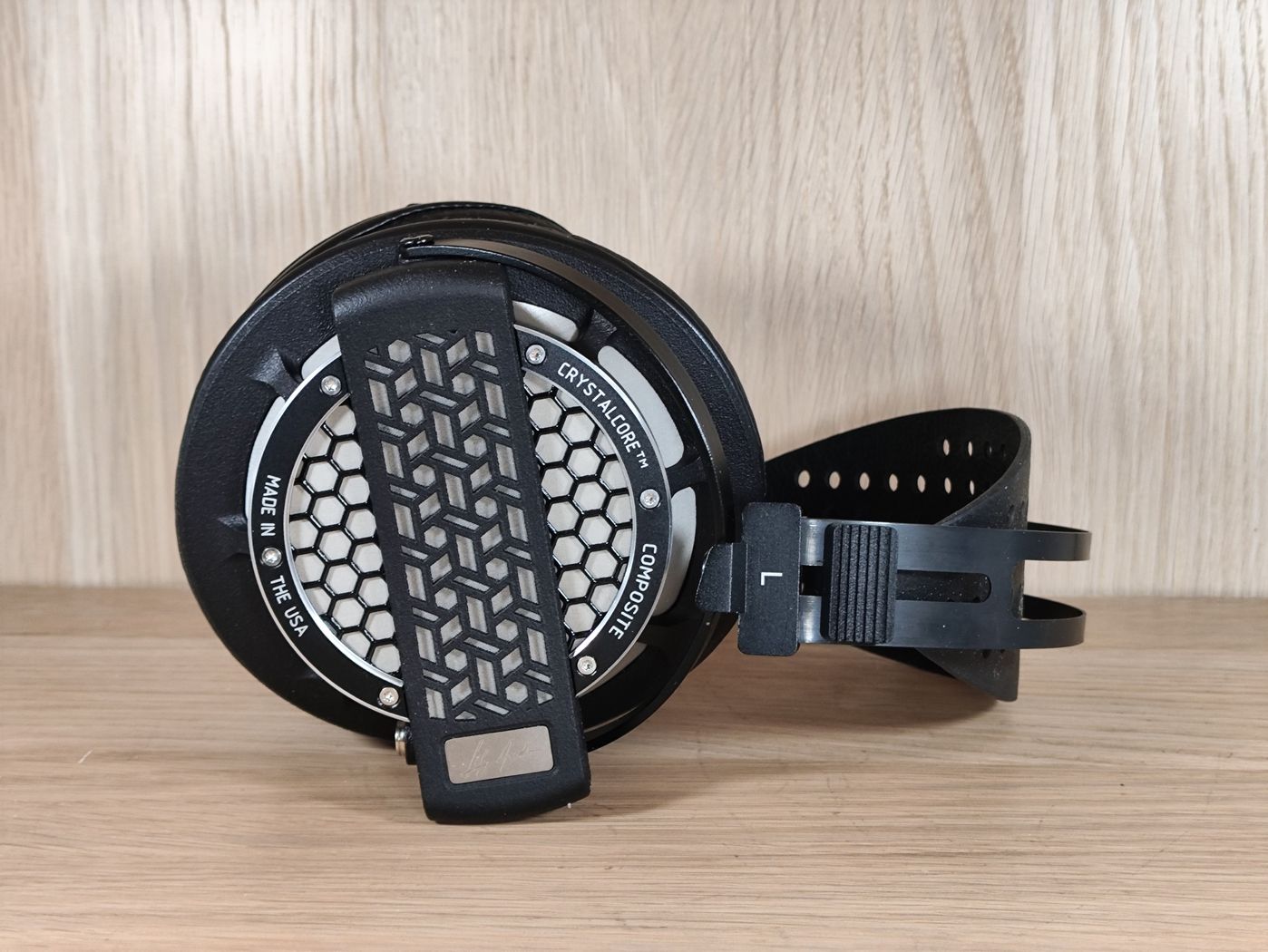
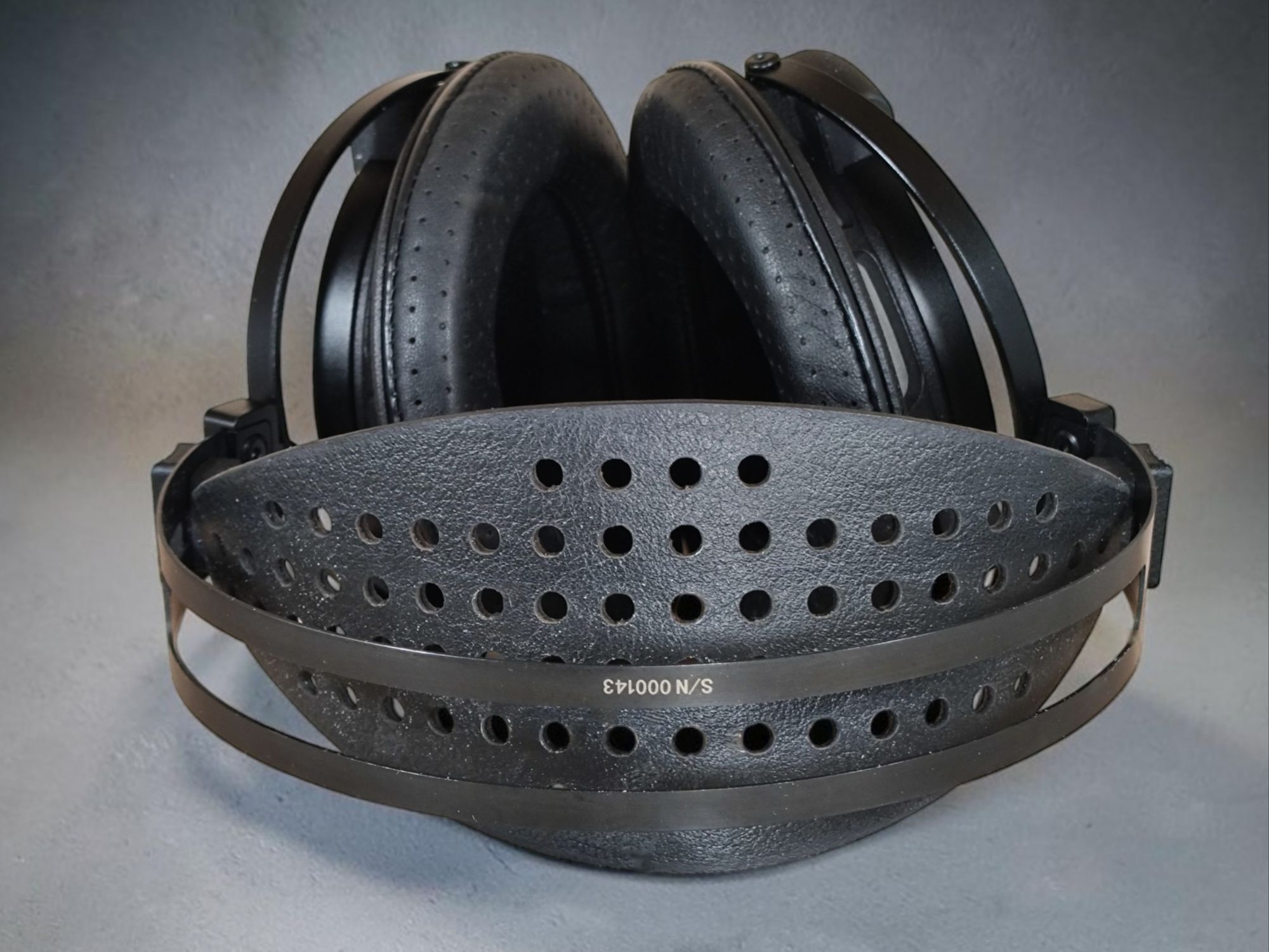
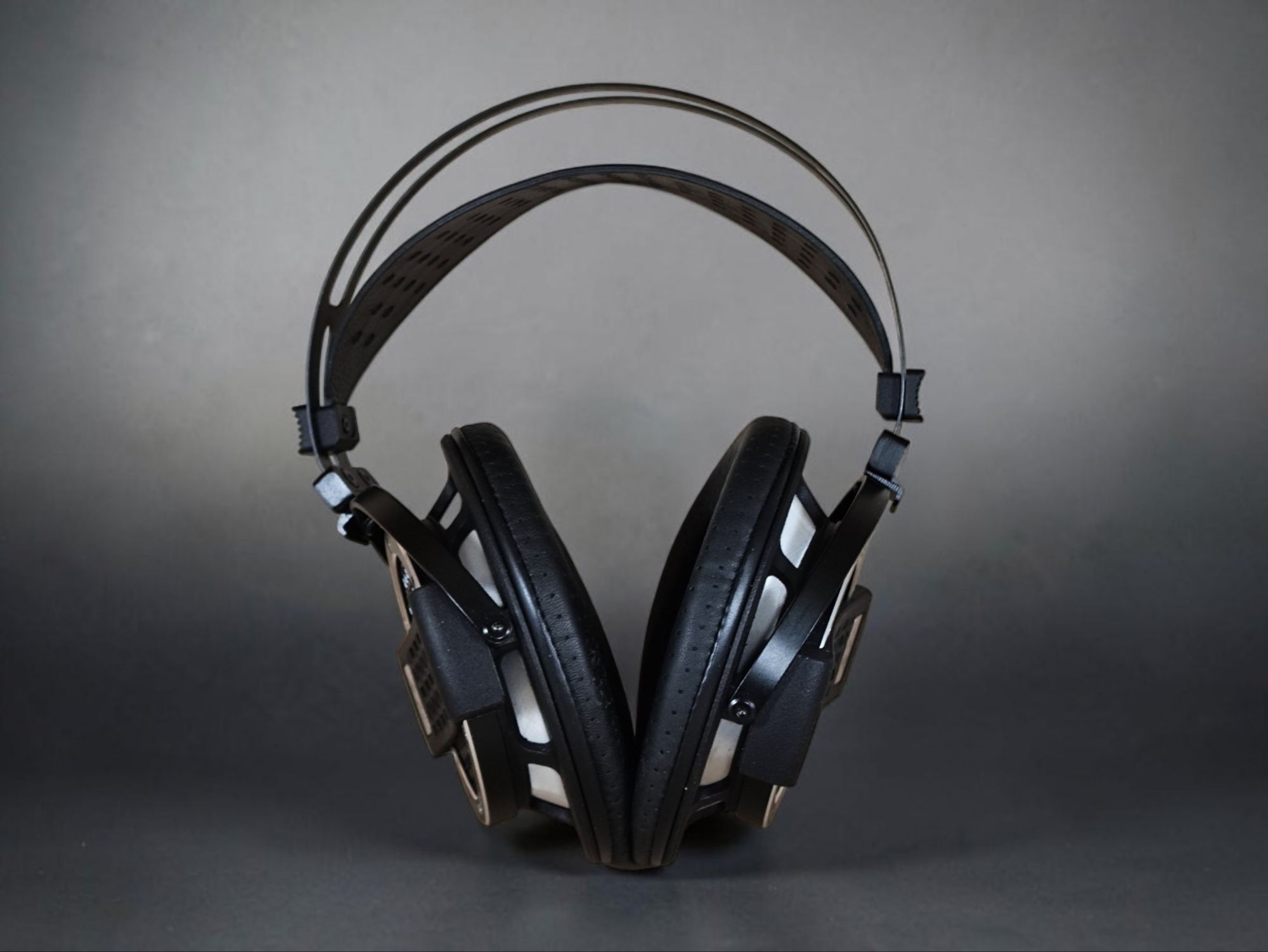
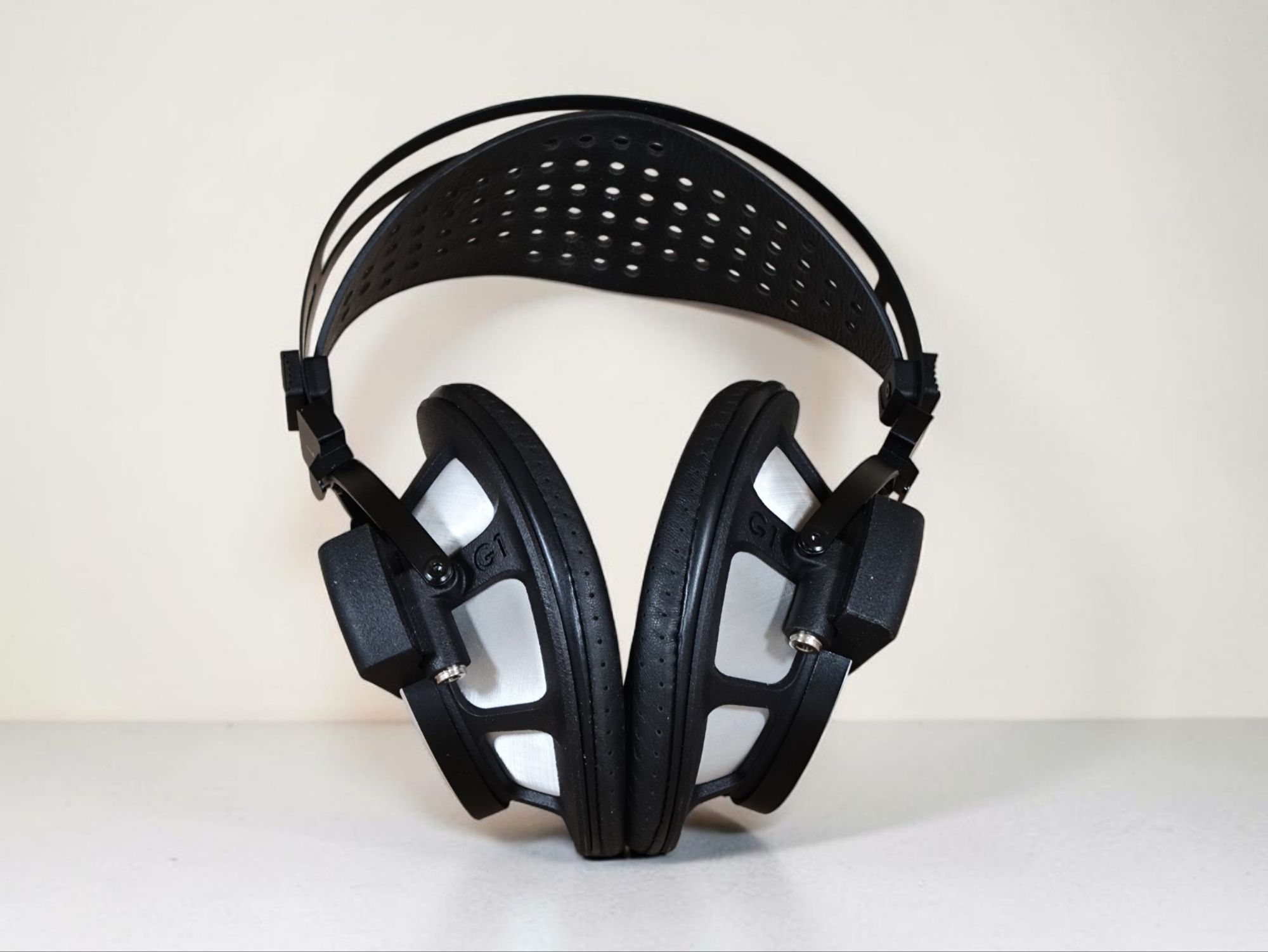
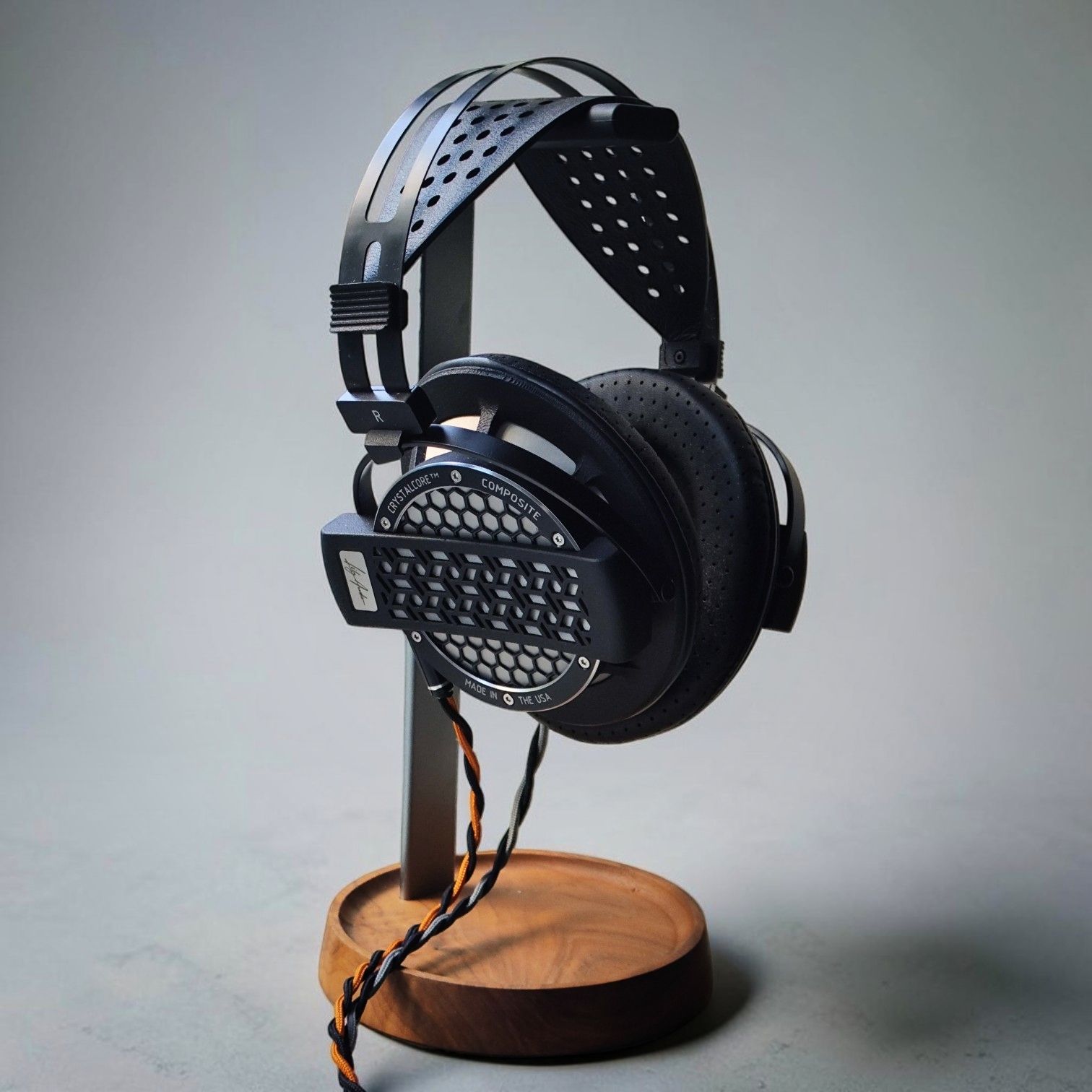
The Genesis One headphones have 3D-printed shell cups with a metal mesh. It’s very reminiscent in appearance to the Sennheiser HD 800/S. The cups are, however, ergonomically shaped, which is quite unusual. The large circular cups are around 12 cm in diameter and shaped to follow the contour of your skull; usually the pads do this job of fine adjustment. It works well for me but might not be an equally great fit for all. The headband is a metal arc with a strap that can be adjusted with sliders. It works well.
For me, the Genesis 1 is generally very comfortable despite, or because of, its large size and unusual shape.
PADS
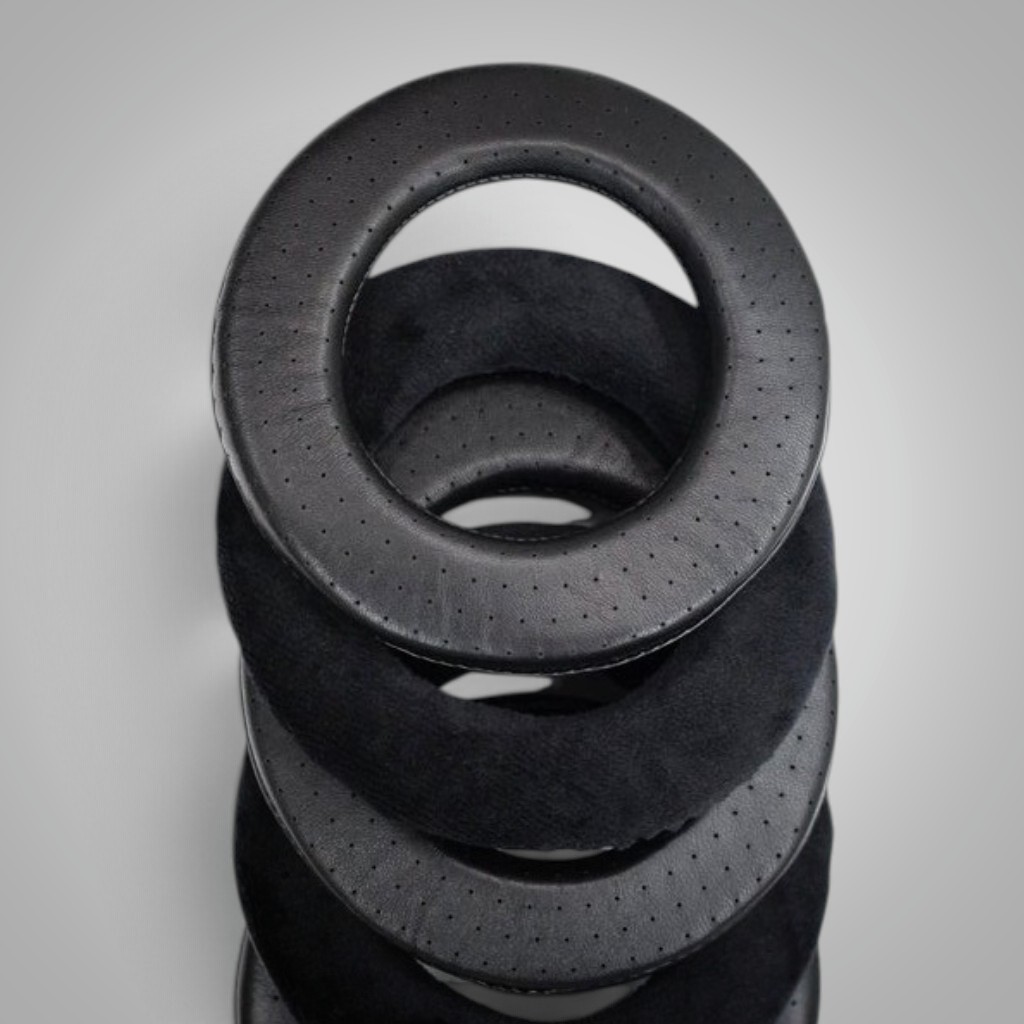
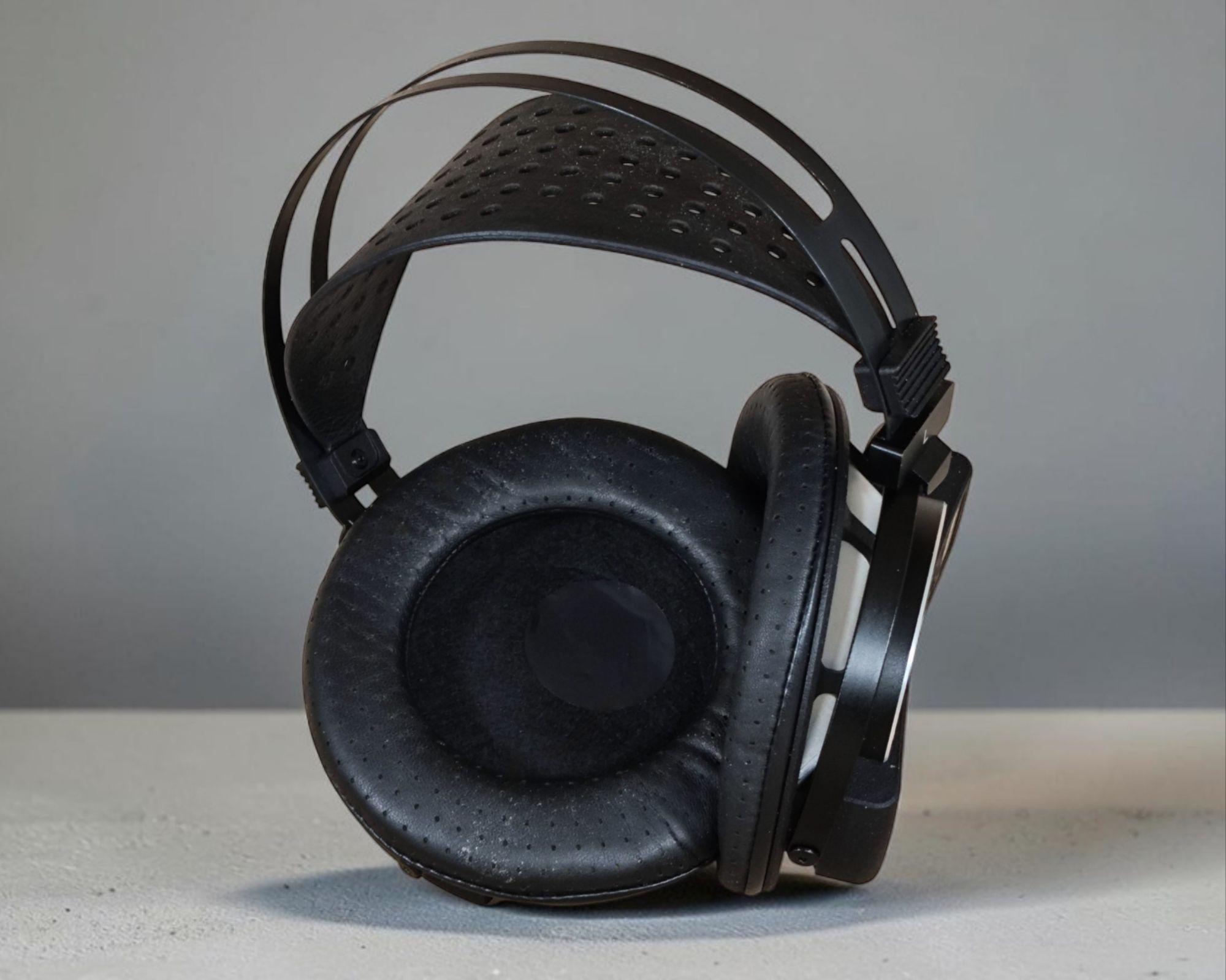
The pads on the Genesis 1 are circular with a large outer diameter of 12 cm and an opening of 7.5 cm. They attach using a lip-and-groove system, which makes it possible to use third-party pads, that is if you can find some that are large enough. The Genesis 1 pads are rather thin, because their ergonomically shaped cups make thicker pads redundant.
PADS AND TUNING
Pads are important for comfort but also for the sound. They’re part of the acoustics, and you can tune any headphone to sound different with different pads.
There are currently 4 different types of earpads sold by Lily Audio. The Genesis One normally comes with 2 sets, number 2 and 3.
Here’s how Lily Audio describes their pads:
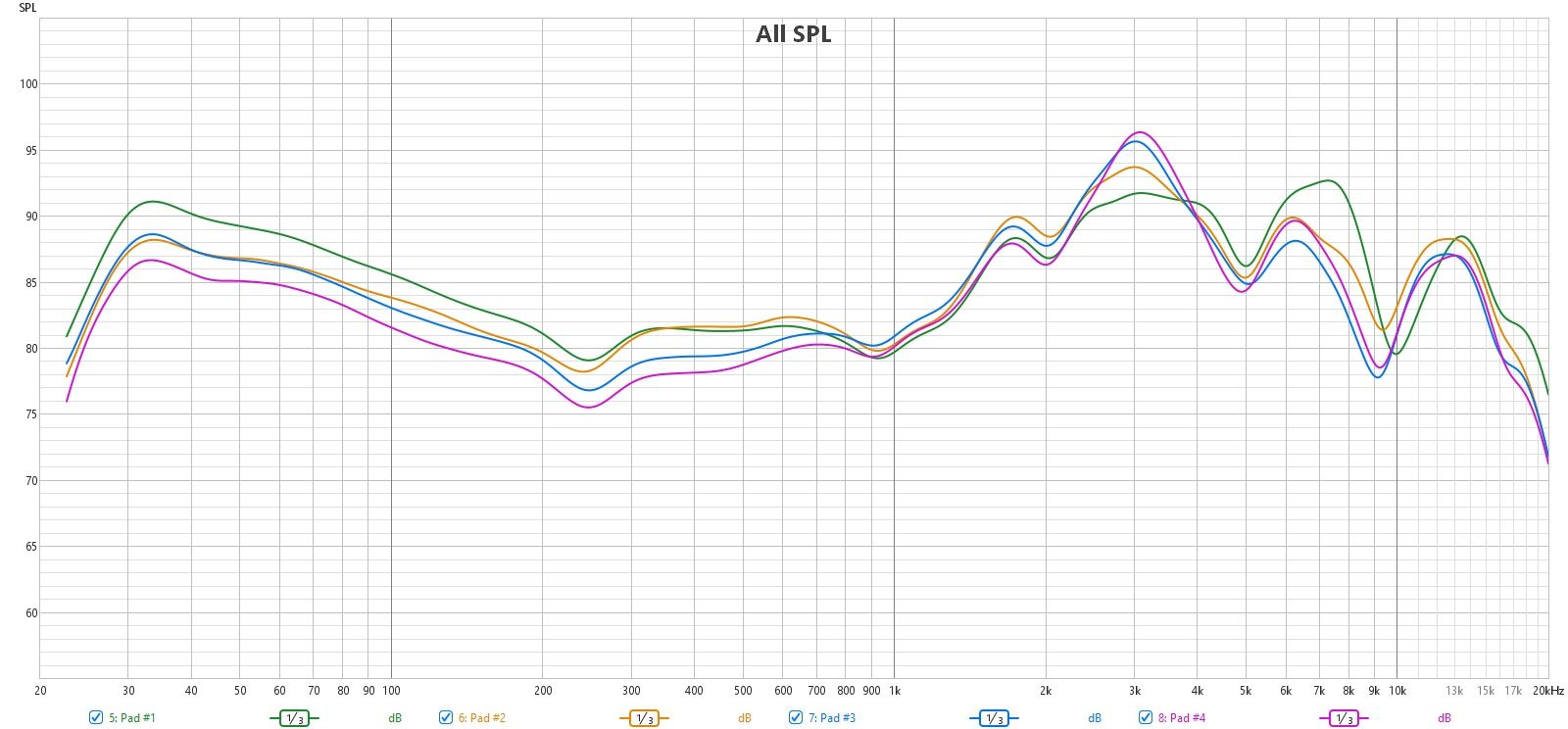
Ear Pads – GO #1
With the least perforation of all four options, this earpad delivers the warmest tuning and the biggest bass boost. Designed for serious bassheads who want maximum slam, rumble, and fun from their Genesis One.
Ear Pads – GO#2
Featuring an average level of perforation among the four options, this earpad delivers the most neutral tuning. This is the default option and will be included with every Genesis One, along with Earpad #3.
Ear Pads – GO #3
Featuring a high level of perforation among the four options, this earpad delivers a neutral-to-bright tuning with added openness. This option is included by default with every Genesis One, along with Earpad #2.
Ear Pads – GO #4
Featuring the highest level of perforation among the four options, this earpad delivers a brighter tuning with maximum openness. It’s designed for listeners who prefer the largest, deepest soundstage.
TUNING FILTER
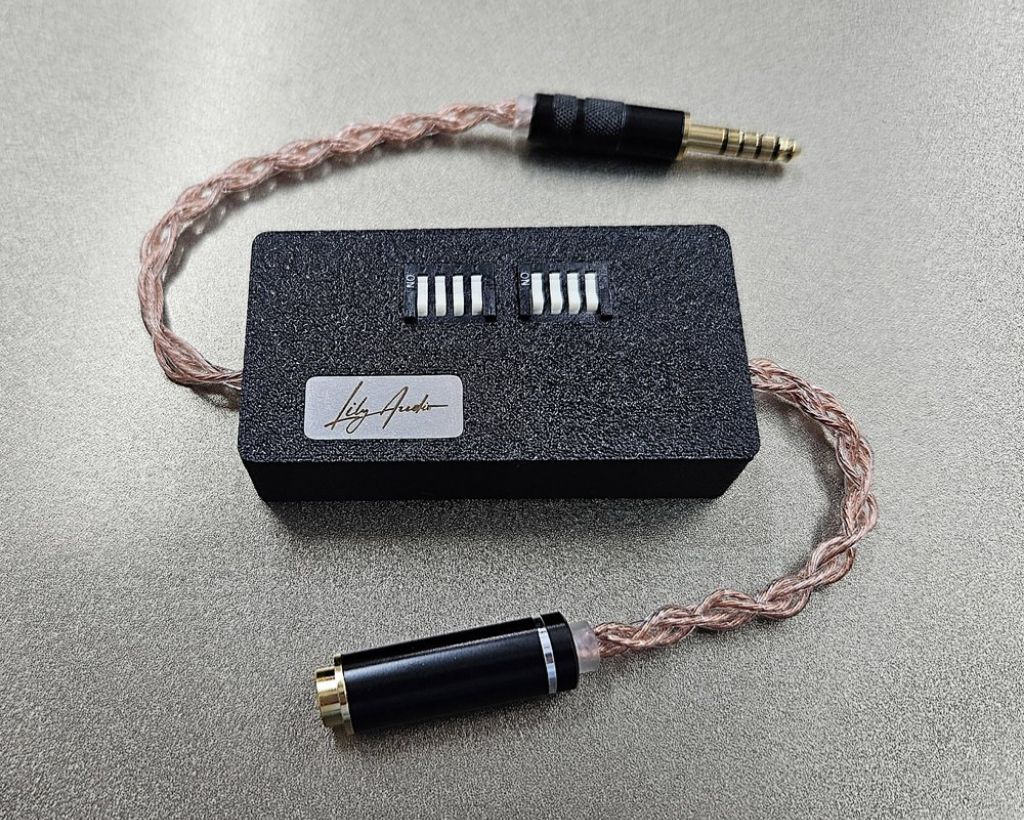
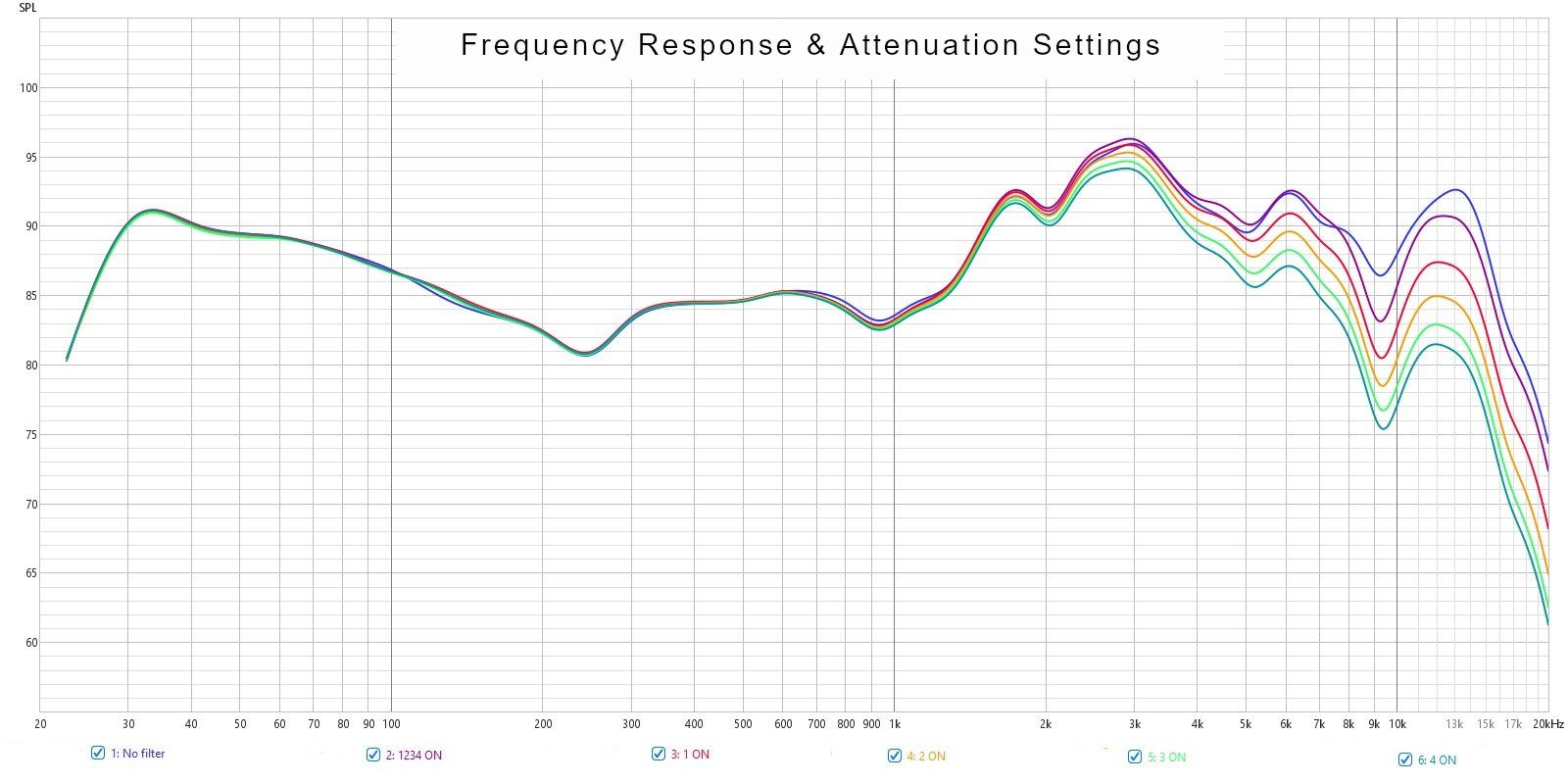
Lily Audio offers a Treble Control Box that gives you “precise, hardware-level control over the top end.”
It’s a small box that goes between your amp and the headphones with top-mounted 4-position switches. These turn on and off four parallel resistors per channel. The resistors are 100, 150, 200, and 250 ohms. This passive filter box lets you fine-tune the treble articulation and intensity, supposedly without losing resolution.
The filter box can be found here.
I haven’t tried the filter myself, but there’s a frequency response graph on Lily Audio’s website.
INLAYS
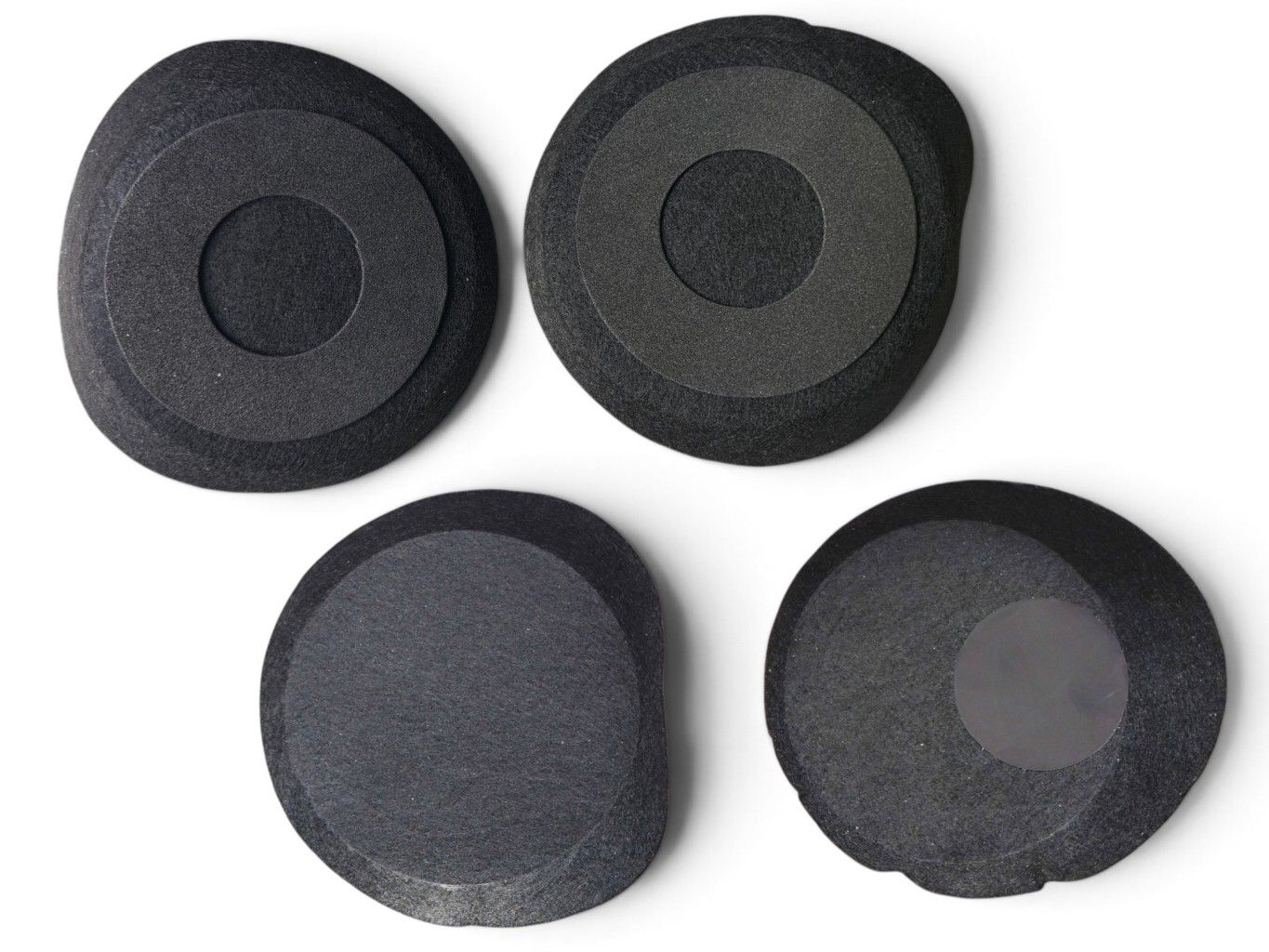
There are two inlays supplied that fit in the cups and cover the driver. They’re made of thin felt but have a rubbery coating material in selected places.
I was told by Lily Audio to stick to the stock ones that come preinstalled. They have a coating ring on the side facing the driver and a circular dot facing the ear.
The inlays are there to protect the driver and, obviously, to filter the sound slightly. They are, however, very thin, and they don’t do a huge amount of filtering as far as I could tell.
FOAM FILTER PAD MOD
This is NOT an option delivered by Lily Audio, but I wish it were.
As the Genesis One is rather bright in the treble, I find myself needing some EQ to bring it down. Maybe the “treble filter box” mentioned above would have done the job, but I don’t have it.
I always prefer to avoid EQ, and started experimenting with foam discs in front of the driver, as I often do on such occasions. Soon I found something that worked very well for me without changing the sound signature or character of the Genesis One much:
I applied a 5 mm tuning foam disc designed for the Sennheiser HD6** series. It reduced the brightness just enough and probably also some unwanted reflections, while the general character, detail level, dynamics, soundstage, and imaging felt very much the same. Anyway, using those discs I could really appreciate the Genesis One without EQ.
Here are links to the HD600-style tuning foam filter I used: HD600-style Tuning foam on eBay (Thin & Thick Inside Foam Disk…HD600). This one looks similar, but is circular: 5 x 90 mm Tuning foam AliExpress (Earphone Tuning Foam…)
However, the best option might be to get Dekoni’s Foam Attenuation Kit for Headphone Tuning which gives you more foams to play with.
FREQUENCY CURVE
According to Lily Audio, the Genesis One is intentionally tuned with a V-shaped sound signature, meaning that the bass and treble are more pronounced than the mid-range.
Here’s the measurement done of a production unit by Oratory1990, published on Reddit here.
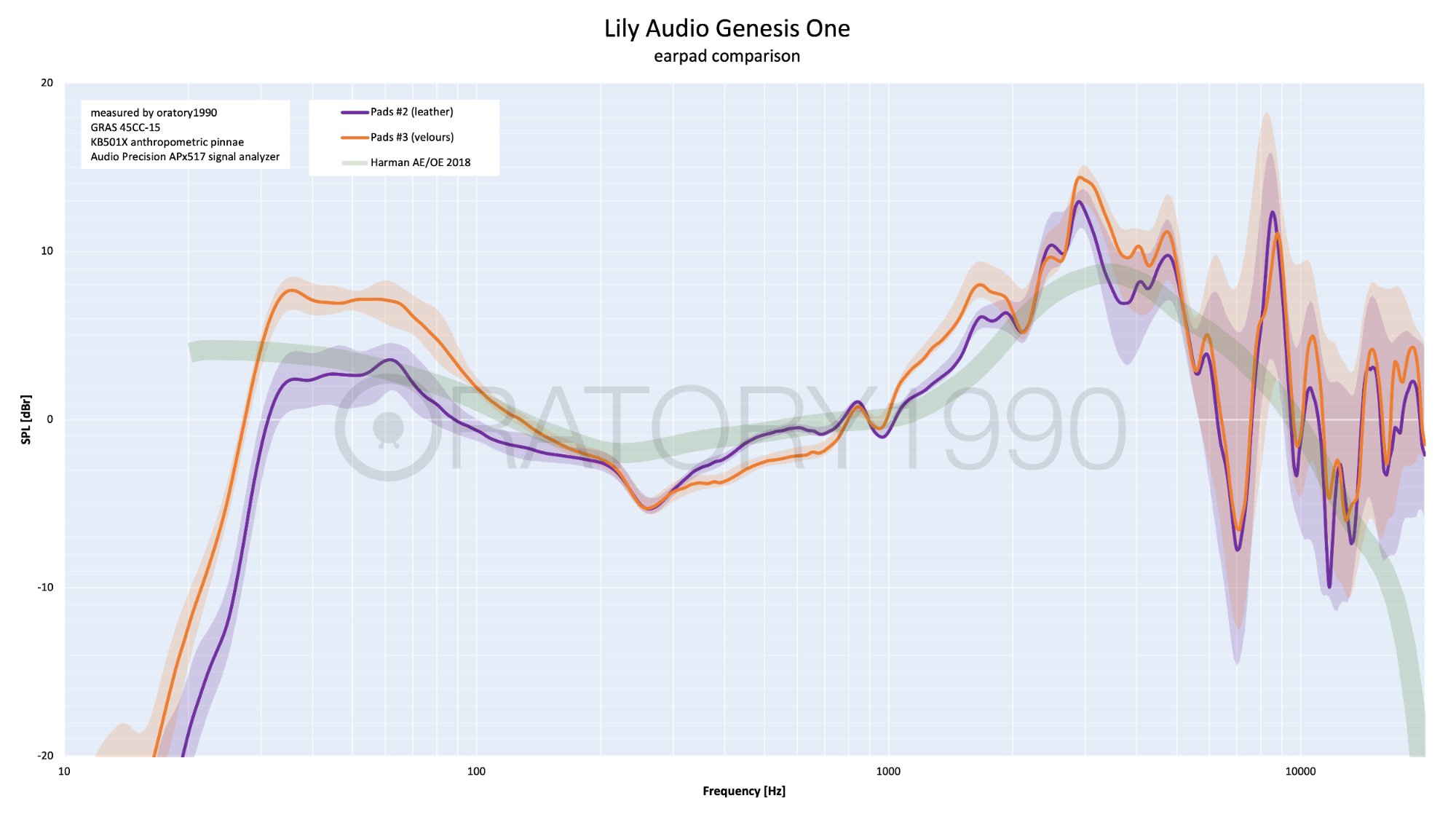
Looking at Oratory1990’s measurement curve, there are two things that stand out which I find a bit troublesome. There’s a peak at 3 kHz that’s certainly not inaudible; there’s also a 9 kHz peak that is also sub-optimal. The 3 kHz peak increases sibilance and, with some amplifiers, creates distortion. It can be unpleasant. It also adds some spice, and some might like it, but personally I would take it down with EQ or physical measures, like some tuning foam in front of the driver as mentioned above. Adding the mentioned 5 mm of tuning foam in front of the driver did wonders to the 3 kHz peak.
The graph above also shows how the two stock pad options compare. The pre-mounted pads (#2) are the most neutral, and the ones I stick to throughout this review.
AMPLIFICATION
As mentioned earlier, the Genesis One is a very unusual load for most amplifiers. Although the impedance is 1000 ohms at 1kHz (the typical measuring point), it varies a lot with frequency. Planar magnetic drivers are usually linear, and dynamic drivers often vary some, but even the weirdest dynamic driver doesn’t come close to the CrystalCore driver, which behaves like a capacitor instead of a resistor. It decreases almost linearly from 20,000 ohms at 20 Hz to around 60 ohms at 20 kHz. With a sensitivity of 75 dB/V, it starts to look quite crazy.
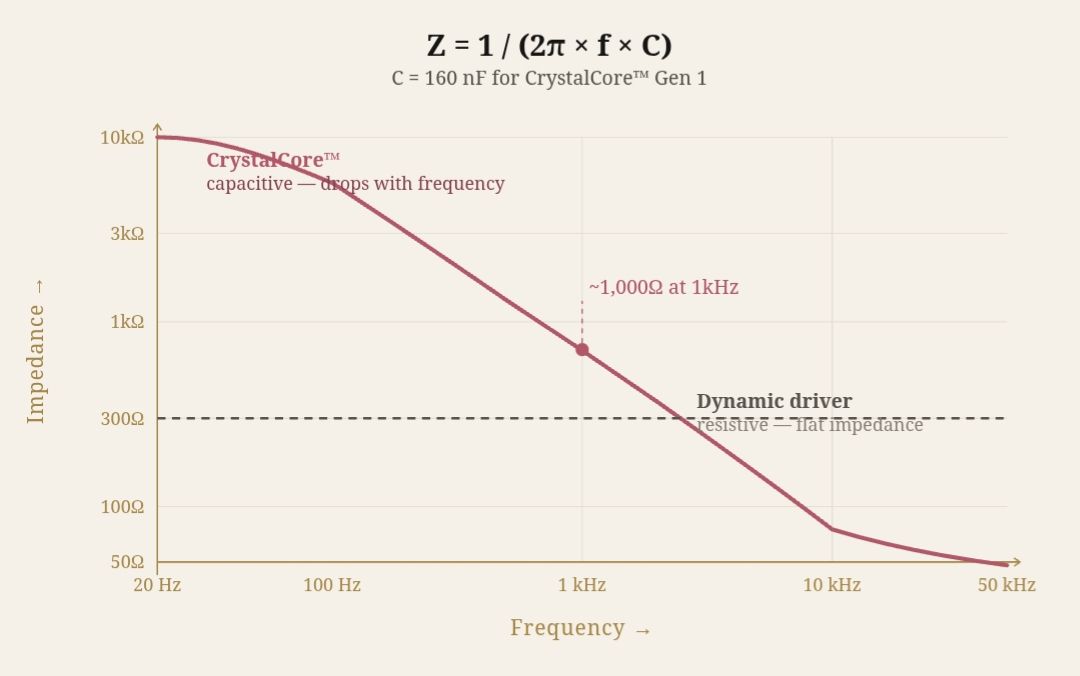
That said, the Genesis One needs very little current output, only high voltage swings. Lily Audio recommends more than 10 volts output from the amplifier. It is important to look at the specifications given by the amplifier manufacturer for the highest measured impedances, typically 300 and 600 ohm outputs. If performance is given in watts, you can calculate the voltage easily: the voltage output from an amp is calculated by taking the square root of the result of multiplying the impedance and the specified output power for the impedance. Use this formula:
U = √(P x R), or just ask AI.
LILY AUDIO – “CERTIFIED” AMPLIFIERS
Lily Audio provides a list on their website of headphone and speaker amplifiers that they have tested and found to work properly with the Genesis One. In other words, it’s a list of amplifier matches that are proven and tested. I assume the list is updated continuously, so it’s a smart thing to check this list before you buy anything.
They generally recommend Class A and Class AB solid-state amps; most headphone amps are Class A and most speaker amps are Class AB. Further, tube amplifiers, and especially OTL tube amplifiers, are also recommended, as they work very well with higher-impedance drivers.
LILY AUDIO’s RECOMMENDED AMP PAIRINGS
Here’s the list as of August 2026. Please check for any updates. Link: Genesis One – see under FAQ: “How to drive Genesis One?”
PORTABLE / TRANSPORTABLE: iFi iDSD Diablo, FiiO M17
DESKTOP SOLID STATE: Violectric HPA (V222, V281, V550), Schiit Jotunheim 3, Lake People G111 Mk2, Cayin iHA-8, Aune A17, Aune S17 Pro EVO, Aune S9C Pro, Erzetich Bacillius II+
TUBE / OTL: Feliks Audio Euforia EVO, DarkVoice 336SE, Woo Audio WA5-LE, Woo Audio WA22, Cayin HA-1A Mk2
SPEAKER AMPS & SPECIALIZED AMPS: Schiit Vidar 2F, Emotiva BasX A2L+ / A2+, BIA Glass FX10H, Advance Paris A10 Classic
TESTING AMPLIFIERS
Of course, I cannot personally vouch for the amplifiers listed by Lily Audio I haven’t tried. However, I tested a rather large selection of my own amplifiers, which are listed below. I describe their subjective performance, and where numbers are available, I state the rated specifications. I didn’t measure anything myself.
A couple of things stood out: First, on all amplifiers, I had to set the volume knob relatively close to max. I described the position of the volume for each amplifier.
Second, most amplifiers could get the volume high enough, but some exhibited distortion on certain instruments and frequencies. I had to listen to a wide range of music with each amp to check for any occasional distortion.
SENDY AUDIO KYLIN
The Sendy Audio KYLIN is an excellent DAC/AMP. Despite being rated at only 300 mW at 300 ohms, which equates to 9.5 V, it mostly sounds very good with the Genesis One, typically with the volume knob set to 1-4 o’clock. However, on some tracks, like “In The Mountains” by Espen Eriksen Trio, there was some distortion on the piano, and I sadly cannot recommend the Kylin for the Genesis One.
MYTEK LIBERTY AMP THX AAA
The Liberty is one of my favorite amplifiers for many headphones and supposedly delivers 3.9 W into 32 ohms and 0.465 W into 300 ohms, which equals about 11 V.
However, it is not fully enough for the Genesis One all of the time. Mostly it sounds very good but it can struggle with getting the volume high enough for my normal listening levels on many tracks.
QUESTYLE CMA800R
A generally great and, sadly, discontinued amp that unfortunately distorts a bit with the Genesis One.
TOPPING A90
I have the first version, not the “A90 Discrete.” They have very similar specs, however, with the Discrete seemingly a tad more powerful with, importantly, even higher maximum voltage output.
It might not be the best single amplifier I own for any specific headphone, but it does a good job with basically everything. Even with the Genesis One, the A90 does a good job with most tracks. In fairness, it is specified to output 1 W, which equals 17 V into 300 ohms, which is a lot on paper. The volume knob is typically set somewhere above 2 o’clock. However, with certain quiet tracks, it doesn’t get loud enough for my preferences – which makes it hard to fully recommend.
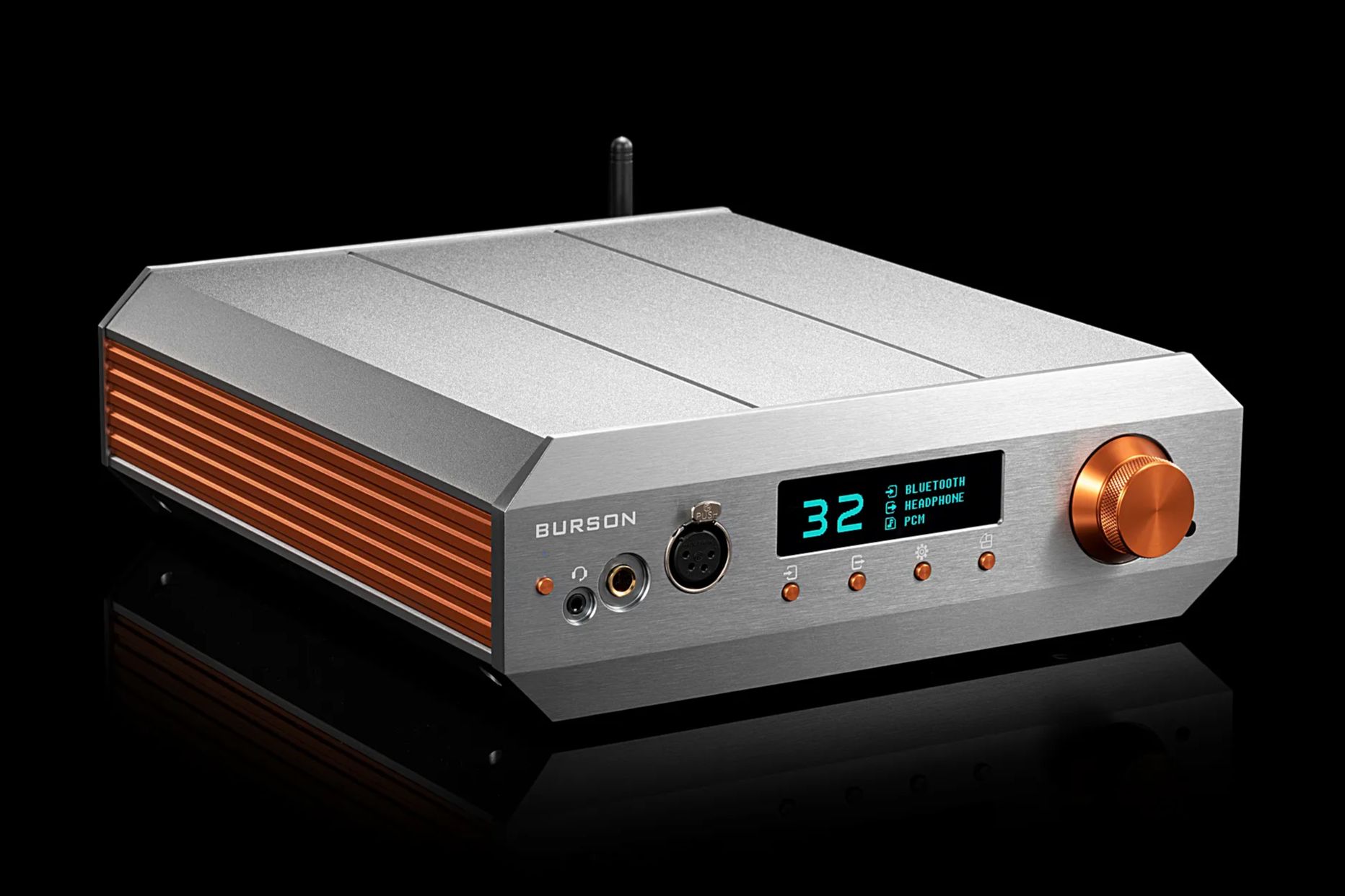
BURSON CONDUCTOR VOYAGER
The Conductor Voyager is specified to output 1 W into 300 ohms, which equals about 17 V (distortion level not specified), which on paper is plenty.
The Burson Conductor Voyager sounds basically very good, but not any better than e.g. the Violectric V222.
I typically have the volume set above 75% when using my external DAC via the analog balanced XLR inputs.
SCHIIT VIDAR 2
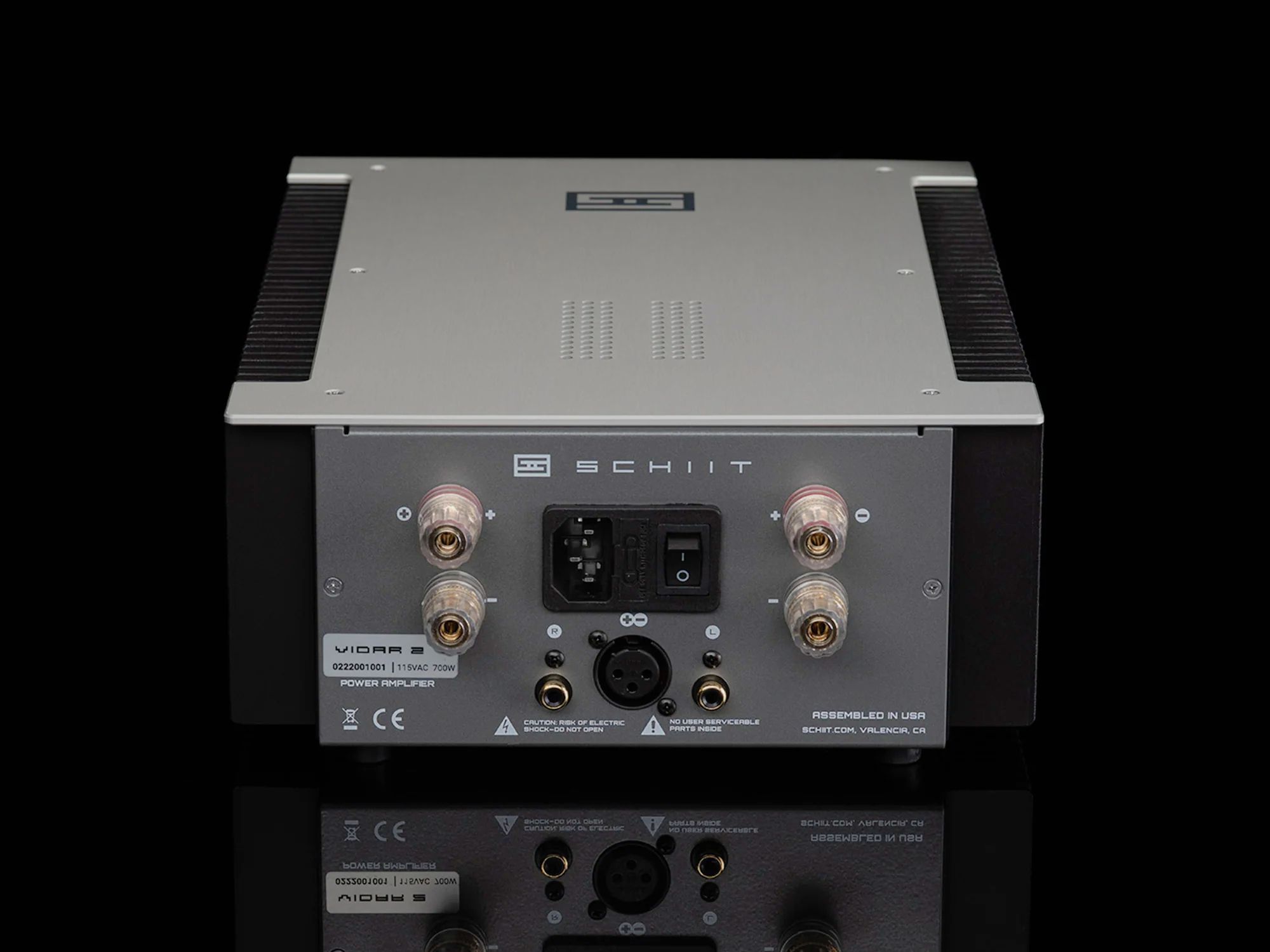
The Schiit Vidar 2 is a dedicated power amp for speakers. Even though it delivers up to 100 Watts into 8 ohms, it is just barely loud enough when I use Hifiman’s HE adapter. I should have tried without the HE-adapter, but I didn’t have easy access to the right cables and adapters. However, the Vidar 2F, the current version of the Vidar, is listed on Lily Audio’s list, so I am pretty sure it would work very well.
I tested my 100 Watt Creek Destiny 2 integrated straight from the speaker taps, however, and it sounded great with plenty of loudness to spare, so I’d guess a 100 Watt speaker amp will generally do the job.
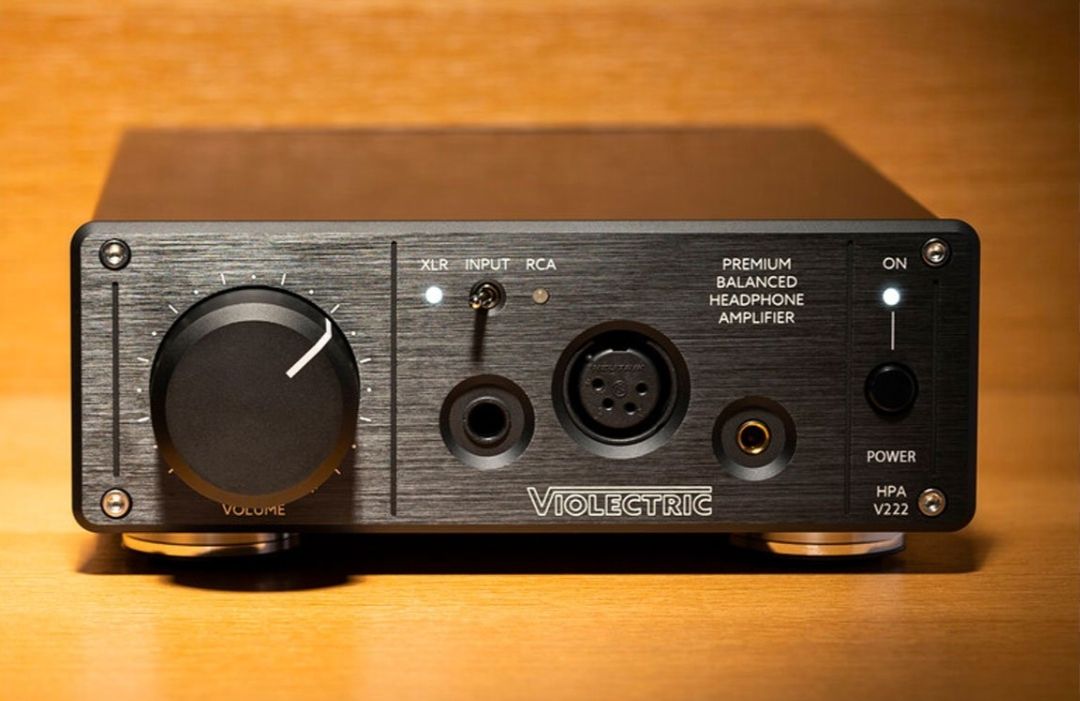
VIOLECTRIC V222/V226
The Violectric V222 and V226 are the same amp, but the V226 has a USB-C DAC card.
Like every other Violectric amplifier, they’re made to give high voltage swings and work very well with the Genesis One. The Violectric HPA V222 and V226 output around 23.2 V RMS into both 300 and 600 ohms, which is very impressive.
Typically the volume is at 12 to 2 o’clock on the knob with max pre-gain. Lily Audio uses the V222 amplifier themselves, and I consider it the benchmark amp and the easiest recommendation for the Genesis One.

BRYSTON BHA-1
The Bryston BHA-1 is also made to give out high voltage rather than maximum current, and it also works very well with the Genesis One.
According to specifications, the BHA-1 outputs 10.8 V into 300 ohms and 10.9 V into 600 ohms at 0.001% distortion – note the crazy low distortion level. Many manufacturers list numbers with 0.1 and even 1% distortion.
At maximum gain I typically have the volume knob at 10 to 3 o’clock (the BHA-1 has a rather unique volume control with much leeway in the middle).
I really like the BHA-1 with the Genesis One. I never heard any distortion or struggled with getting the volume levels right. It seems to be a really good match.
Despite the difference in ratings, when I compare the V222/V226 and the BHA-1, both maxed out and using my DAC to regulate the volume, they give the same amount of loudness, and neither distorts. I tend to prefer the tonality of the BHA-1; it sounds more organic and offers a nice extra hint of warmth.
WOO AUDIO WA22
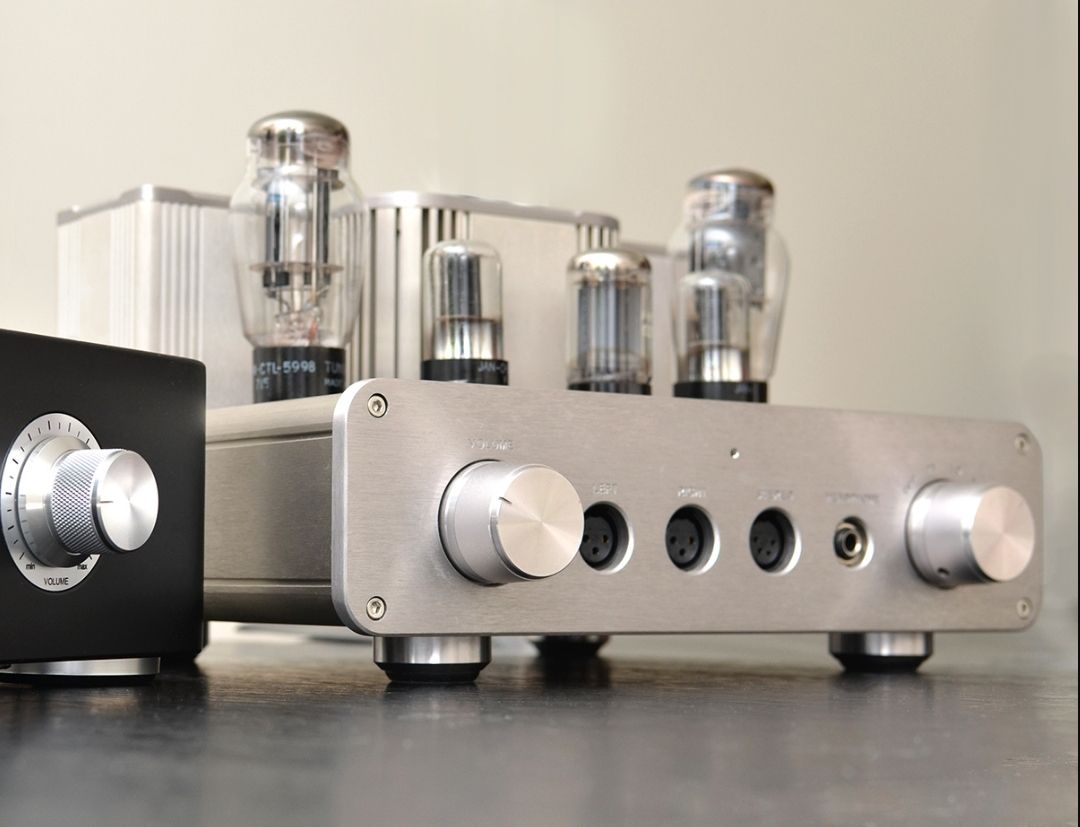
The Woo WA22 is a transformer-coupled tube amplifier. Tubes are exceptionally good at delivering high voltage swings into high-impedance headphones, so they should be perfect for the Genesis One on paper. And lo and behold, it works very well in practice too. The high-impedance setting on the amplifier gives higher volume and better dynamics. Typical volume knob setting is 1 to 4 o’clock. I use NOS TS5998 tubes in my WA22, which have higher gain than the stock tubes.
EAR HP4 TUBE AMPLIFIER
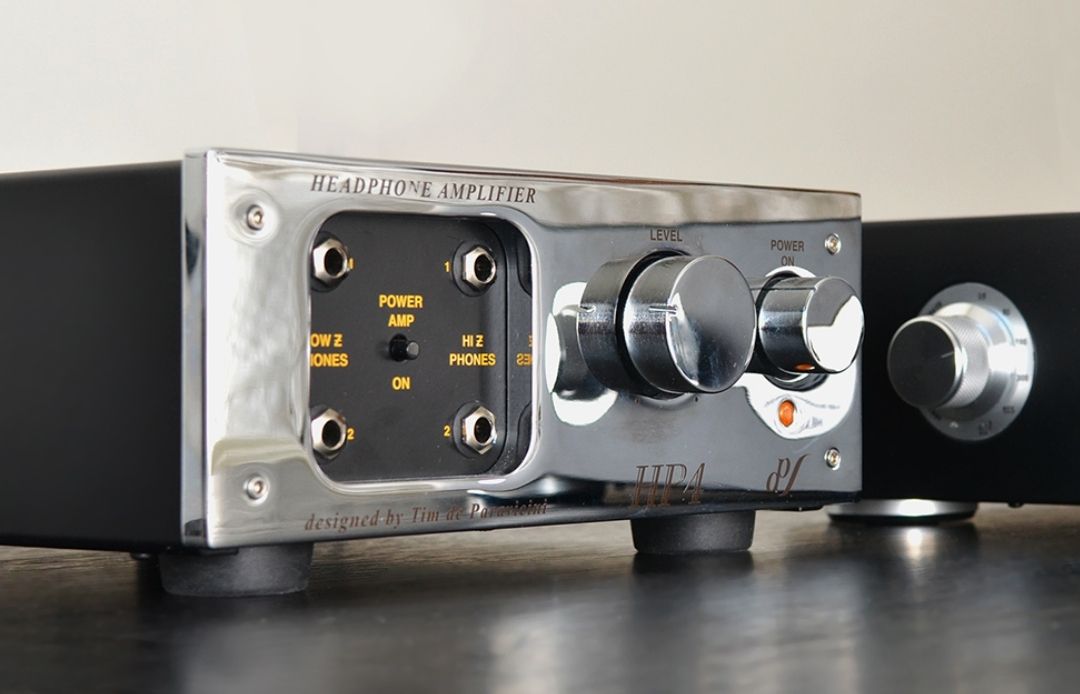
The Yoshino EAR HP4 is a transformer-coupled tube amplifier designed by the late Tim de Paravicini. It uses 6SL7 tubes and special transformers. Specifications are vague: 1W with distortion below 0.1%, impedance not specified. It’s a great amp in general and drives the Genesis One well.
WOO AUDIO WA2
The Woo WA2 is an output-transformer-less tube amplifier design, which inherently gives it a huge advantage when it comes to voltage swing capabilities, especially in high impedances.
If you calculate the output using Ohm’s law based on the rated mW output, you get these numbers:
- 60 Ω Load: ~ 4.90 Vrms (400mW)
- 120 Ω Load: ~ 8.12 Vrms (550mW)
- 300 Ω Load: ~ 13.86 Vrms (640mW)
- 600 Ω Load: ~ 16.97 Vrms (480mW)
When hooking up the WA2 to my RME ADI-2 DAC FS via RCA cables, it works well. With the WA2 set to max, I typically set the ADI-2 at -3 to -8 dB.
However, for some very quiet tracks, typically classical ones, the WA2 cannot deliver the volume for normal listening with the level at 0 dB on my ADI-2 DAC FS (normal max RCA output). However, the ADI-2 has a function that makes it possible to boost the output gain above normal, and if I use that function, a few decibels more brings the WA2 up to speed. I do not hear any distortion with the tracks in my playlist.
The Genesis One sounds excellent with the WA2. It’s very spacious, detailed, and smooth, but not especially warm. I always find the WA2 to sound spacious and smooth rather than warm and thick.
Anyway, the WA2 would be highly recommended if it were not for the fact that it needs some extra gain from the source to get the volume right with the quiet tracks. With tube amps, the actual tubes used affect the output, but I already use NOS TS5998 tubes in my WA2, which have higher gain than the stock tubes.
CONCLUDING ON AMPLIFICATION
I tested more than eleven amplifiers, ten of which are normal headphone amplifiers. Four of them struggled with the volume levels on the quieter tracks, and only two had audible distortion. In other words, the Genesis One is demanding, but was less picky about amplifiers than I had expected.
When it comes to recommendations, the
Violectric V222/V226 (1199 USD) is the obvious benchmark and is easy to recommend.
However, the Bryston BHA-1 sounded the best of the solid state amplifiers. It has a hint of warmth and sounds smoother, especially in the treble.
With regard to tube amps, both the EAR Yoshino and Woo WA22 performed solidly, but they’re both pricey. I found the WA22 to sound the best, with a nice warmth and smoothness, as well as great detail and dynamics, but I must add that I have some expensive tubes installed.
To conclude, my personal favorite, everything considered, is the Bryston BHA-1. It has a 20-year factory warranty and is often very reasonably priced secondhand. You can get it brand new from e.g. Audio Advisor.
LISTENING IMPRESSIONS
As mentioned, the Genesis One is available with four different types of pads and two different types of inlays. In addition, there’s the analog resistor box/treble filter – which I don’t have at hand.
As a reviewer, it is impossible to cover all the possibilities of all the configurations.
To evaluate the headphones, I use them almost in stock configuration, like they were in the box when I received them. This is also what Lily Audio suggested. I use the inlays with a dot on the inside and the #2 pads, which supposedly are the most neutral option. They’re fenestrated sheepskin pads with more fenestration than pad #1.
However, in stock configuration I found the Genesis One to be too bright. I do not have the treble filter box, and that left me with the choice of using EQ or my own little mod with a 5 mm thick foam filter pad as described above. Reducing excessive treble brightness is important for me, as I’m a bit sensitive to bright headphones.
I went with the foam pads and no EQ. The foam doesn’t really change the sound signature much, nor the sound performance at all. It brings the brightness down a notch.
I actually think the foam makes the Genesis One an even better-sounding headphone because it smoothens the highs and dampens reflections inside the cup. Many headphones use this solution for tuning and dampening from the factory.
For amplification, I chose to use my preferred amplifier for the Genesis One, the Bryston BHA-1.
Here’s my Genesis One “version” summarized:
- Pad #2 (preinstalled)
- Preinstalled inlays (the ones with the black dot)
- 5 mm thick tuning foam in the cups in front of the driver (my own modification)
Associated equipment:
- Amplifier: Brystom BHA-1
- DAC/Amp: Ferrum Erco mk2
TRACK BY TRACK IMPRESSIONS
Turiya:Alice Coltrane Meditations and Dreams:Love by Andrew Cyrille
Great jazz improv. The trumpet is upfront and energetic, quite sharp but with my setup it’s not excessively so. The drums are punchy; there is great bass presence. The soundstage is quite large, and imaging is excellent.
It Should Have Happened A Long Time Ago by Bill Frisell
Another jazz improv track. The bass is rich but not bloated; the guitar is warm but still crisp. The soundstage is large, the imaging impressive, with lots of ambient sounds naturally blending in.
In The Mountains by Espen Eriksen Trio
The bass drum is full-sounding, yet the percussion has more texture and detail than on most headphones. The piano is smooth and delicate, with a slight crisp edge. It sounds very dynamic.
The Saint by Berke Özcan
The saxophone has a very upfront, energetic timbre. There’s some quite bright noises from the mechanical operation of the instrument, though, and there’s some quite crisp percussion, both of which I attribute to the treble spikes of the Genesis One. With my setup it isn’t bothersome, but it’s unusual. The bass is very good, rich and tight.
Re-Melt by Tord Gustavsen Trio
Very nice bass, rich, warm, and detailed. The piano is smooth. The percussion is crisp and snappy.
Teardrop by Massive Attack
Very snappy percussion. The bass is very great. It reaches deep, sounds even and controlled. Vocals are pleasant but have a bright, crisp tint.
The Hidden Camera by Photek
Another electronic-based track. The bass is impeccable. The percussion is a bit sharp and crisper than with many headphones. My foam mod keeps it from being unpleasant.
Eye of the Day by Marta del Grandi
The bass is present but nicely balanced, as are the vocals. They’re very sweet with a nice warmth yet still lots of detail. The percussion is snappy.
Caravan by Jesca Hoop
The vocals have some effect on them here and they do not sound pleasant on the Genesis One; they’re sibilant and sharp – even my foam mod can’t bring down the spikes enough. Everything else is nice, though.
Dancing in the Dark by Jørgen Dahl Moe
Also here, the vocals get too crisp and edgy. This track can bring out that trait in many headphones, but the Genesis One is definetly not among the smoother ones here.
Murmurations by Vega Trails
The bass is wonderful with power and refinement. The percussion is clean without excessive brightness. The ambient layers are delicate and nuanced. The piano and strings that enter after a minute or so are smooth enough; nothing sounds edgy. Very addictive delivery.
Sujet Tabou by Renaudin and Cahours
This excellent acoustic duo with guitar and percussion sounds great in many ways on the Genesis One, but the guitar can sound a bit crisp and the percussion overly bright. With my foam mod it’s okay, but without it I would’ve skipped this track.
Vicarious by Tool
Time for some heavy metal. The bass is fabulous. The guitars too. The vocals get sibilant, though, in a not very pleasant way, even though I have my foam mod installed.
Bored by Deftones
More metal. This sounds better. Not as much sibilance, almost none. Great bass, tight percussion, even though it can occasionally sound a bit splashy.
Escape Route by Boris Blank look
I dig the bass. Excellent quality, excellent quantity. The trumpets are sharp and frankly overly crisp; the percussion is tight but also a bit spiky.
Young Vivaldi by Modo Antiquo
The string timbre is on the dry and textured side. It’s energetic with bite and attack, but not unpleasantly crisp.
Mahler’s Symphony No 2 III by Paavo Järvi
Great bass presence; the kettle drums have very nice detail and texture. The instrument separation is good; there’s a large soundstage with great imaging. The instruments also sound natural and very detailed and are easily distinguished from each other.
Summer 3 Vivaldi Recomposed by Max Richter
This track can often sound a bit dark and muffled, but not so with the Genesis One; it sounds energetic and textured with bite and attack, great soundstage, imaging, and separation.
Maple Noise by Greene Serene
This is a very dynamic piece, and it sounds spacious and dynamic, very snappy with the Genesis One. It is not overly sharp or crisp but sounds upfront and energetic.
Limit to Your Love by James Blake
The vocals are a bit bright, slightly sharp, but not unpleasant. The bass is impressively clean and not excessive in quantity. Not bloated, but still rich and full. I think it’s the best bass I have heard on this track.
Stand by Me by Stephen Wilson Jr -Live at the Print Show
Nicely balanced but with some peakiness in the upper mids/lower treble that makes a few guitar notes a bit prominent and gives some sibilance to the vocals.
Mozart Piano Sonata no.16 by Lang Lang
Piano solo that sounds nice and even without especially bothersome spikes. Some background noises are more pronounced than with most headphones, probably because the frequency in question hits a spike. Anyway, it sounds good but not perfectly smooth.
WRAPPING IT UP
Sound Signature
The sound signature is not neutral, nor is it meant to be. Lily Audio describes it as intentionally V-shaped, and it certainly is, even with the most neutral pads fitted.
However, the Genesis 1 leans more towards treble than bass. I find the bass and midrange relatively well-tuned, cohesive, and natural. The treble is where things become problematic for me. It is very bright and spiky, and I doubt many listeners would consider it well-balanced or spot-on.
To tame the treble and reduce reflections, I used tuning foam pads. As mentioned before, it worked very well. I also experimented with EQ, which the Genesis 1 responds to nicely. You can also add Lily Audio’s mechanical Treble Filter Box. Then there’s the Genesis 1 S, a very similar headphone that features a built-in resistor and slightly different cup internals to bring the treble down a bit.
Treble
The treble is bright and can be overly sharp and excessive; it depends, of course, on the track. I applied a layer of tuning foam to dampen it, and that worked out well for most of my music, but there are still tracks that sound too bright and harsh. I think most people would like to use EQ or other means to bring the spikes in the treble down. Spikes aside, though, the treble is detailed and clean.
Midrange
Even though the Genesis One has a V-shaped sound signature, the mid-range does not feel recessed, at least not with the most neutral pads, which I have been using throughout this review. I find the mid-range nicely balanced with the bass, with some forwardness and warmth, without sounding intense.
It can, however, be a bit bright and crisp. On some music, there’s too much upper-midrange presence. It depends on which frequencies are involved.
Bass
I love the bass on the Genesis 1. It is of excellent quality, and with the neutral number two pads I find the quantity to be perfect. It is powerful, warm but also very detailed and controlled.
If you look at the curves, you see it rolls off very suddenly in the deepest sub-bass, but that does not affect music in general. I would think the roll-off is simply because of the insanely high impedance the driver has with the low frequencies (the impedance increases when the frequency decreases), making it a problem for the amp, not the driver.
Soundstage and Imaging
The soundstage is large, and the instrument separation is very good. Imaging is excellent. Few headphones manage to sound this wide and open.
Detail, Dynamics, and Timbre
The general detail level is excellent for the price. Dynamics are also very good.
When it comes to the timbre, it is a bit more troublesome to give a short answer. I think the bass timbre is fantastic, and the lower mids are rendered nicely.
The upper mids and especially the treble, however, can get very bright in certain areas. As mentioned several times, I chose to bring the brightness down with a 5 mm foam pad in front of the driver; other options are to use EQ or get the tuning filter box from Lily Audio.
In other words, oftentimes the timbre is very good, but if there is too much action in the wrong frequencies in the upper mid-range and treble, things can start to sound dry, crisp, and even quite sharp. I would recommend a good EQ profile or physical measures, like my foam pad or the mentioned filter box, to even things out.
COMPARISONS
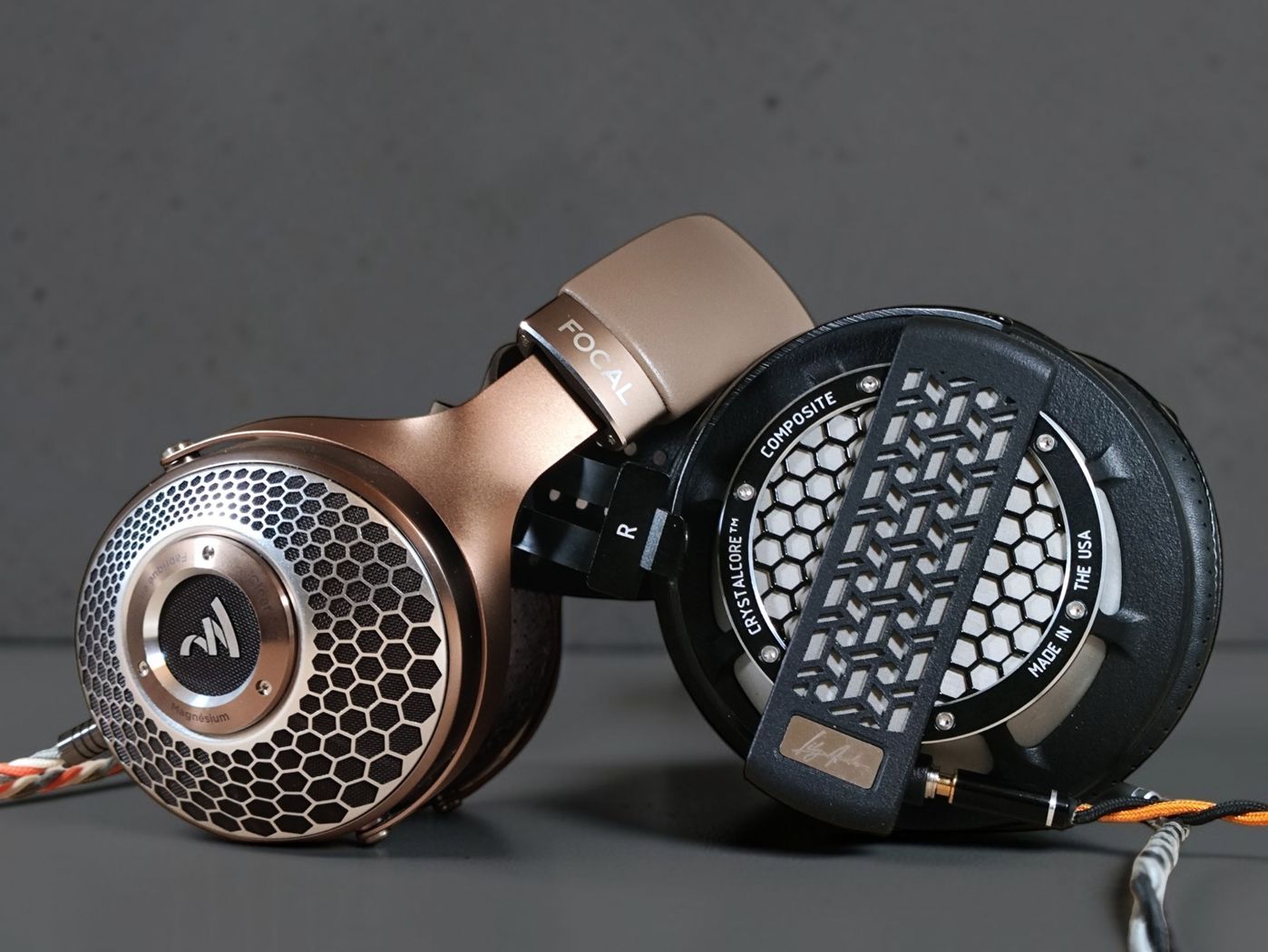
FOCAL CLEAR MG vs GENESIS 1
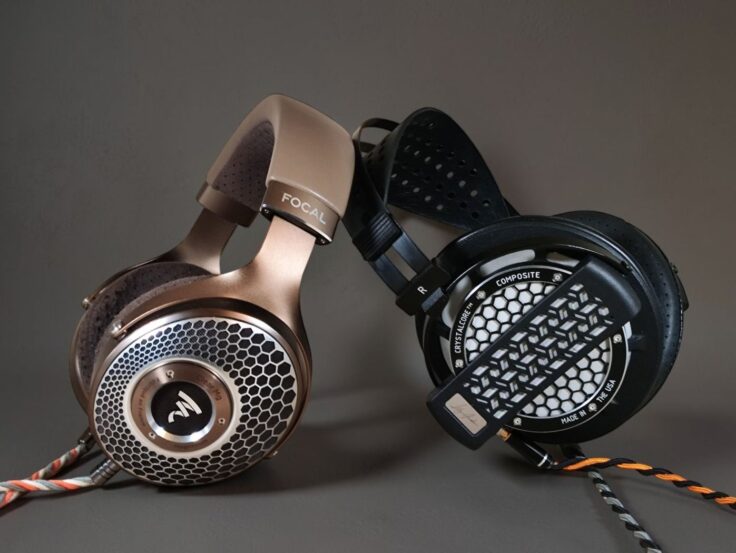
The Focal Clear MG is a 40-impedance open-back dynamic driver headphone. When compared to the Genesis 1, it sounds darker and smoother, better balanced and more polite. The Genesis 1 is crisper and more energetic with a more airy soundstage. It is more “fun,” but also less neutral.
Read the full comparison here:
Focal Clear MG vs Genesis 1 Comparison Review
- Amazon: Clear MG
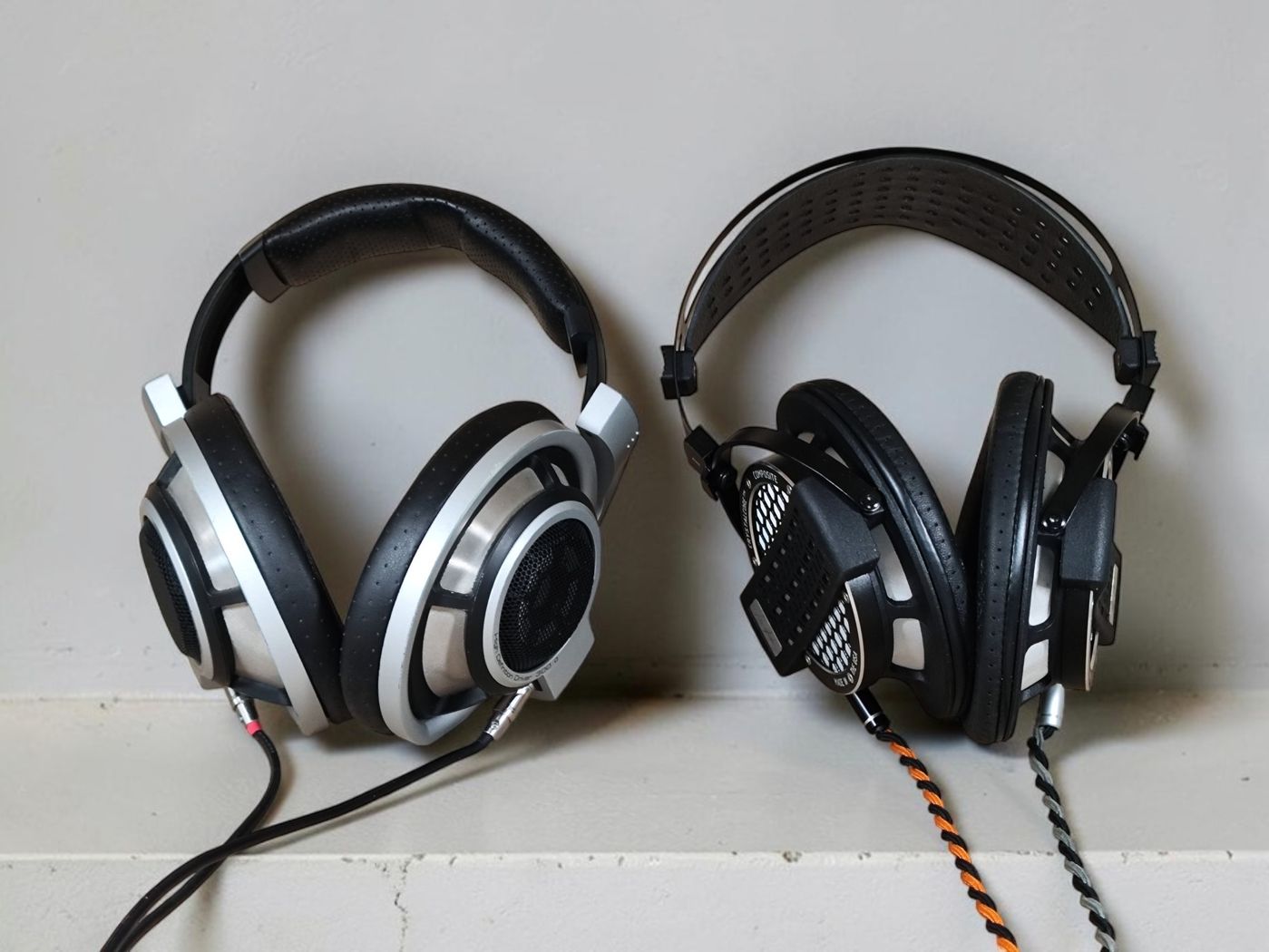
SENNHEISER HD800/S vs GENESIS 1
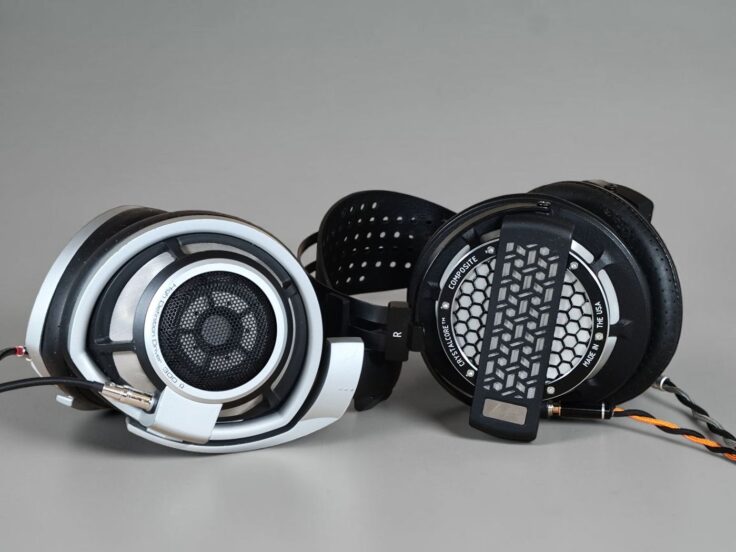
The Sennheiser HD 800/S is a 300-ohm dynamic driver headphone. The HD 800 came in 2008; the HD 800S was a slightly modified version with a somewhat less bright treble that launched in 2015. My personal version is an HD 800 modified to sound extremely close to the HD 800S. I elaborate on that in my full comparison review.
When compared to the Genesis 1, the HD 800/S has less bass, more midrange presence, and smoother highs. It sounds better balanced and more neutral but less fun and energetic.
Read the full comparison here:
Sennheiser HD800/S vs Genesis 1 Comparison Review
- Amazon: HD800S
CONCLUSION
I’m really excited about the Genesis 1. It’s not perfect, but there is a lot to like.
The physical design and build works great – it’s functional and comfortable. The large, ergonomically shaped cups might not fit every head equally well, but they work very well for me. The four pad options are a plus, although I personally see no reason to adjust the sound from the most neutral option. The only thing would be taking down the treble a couple of notches, but neither pad option seems to do that. For that, there’s the Genesis 1 S, which I hope to review soon.
The amplifier requirements of the Genesis 1 are quite unique. Before you buy a Genesis 1, you need to know that your amp is up to it, or be prepared to buy an amp that works. Lily Audio’s list of “proven and tested” amplifiers is a great place to start, but I recommend also looking around in forums and reviews to see what users find to be a good match.
The CrystalCore driver is very interesting, and could be the start of something big. I don’t know whether Lily Audio or their parent company Flora Tech intends to make the driver technology available to other headphone manufacturers, but that might be a good idea, because it would push amplifier manufacturers to tailor their designs to the CrystalCore. The match between the amp and the CrystalCore seems to be very important.
When it comes to the sound, the bass is fantastic and the lower mid-range very good. The problem for me is in the upper mids and treble. In stock form I personally find that there is too much brightness and peakiness, but a simple 5 mm piece of tuning foam in front of the driver brings it mostly under control; you can also use a targeted EQ profile or the Treble Filter Box from Lily Audio – or combine measures as seen fit.
Personally, I found that combining a 5 mm tuning foam pad in front of the driver with some moderate EQ on the worst treble peaks worked well for my preferences. I don’t like too intrusive EQ; I prefer to retain the character of the headphone, which I managed with this foam-and-moderate-EQ combo.
FINAL WORDS
All that said, I cannot give the Genesis 1 an unreserved recommendation. However, if you feel comfortable trying something different and are willing to experiment with EQ or modifications, it can be a really great headphone. But it is not ideal for those looking for a “safe,” plug-and-play solution.
The Genesis 1 has its quirks, but also plenty of perks. Despite its shortcomings, I often find myself reaching for the Genesis 1 when I want to enjoy music. And ultimately, that is what matters the most.
Finally, I’d like to reiterate that I’m very enthusiastic about the new driver technology, and I’m eagerly looking forward to seeing what Lily Audio comes up with next. Stay tuned.
Thanks for reading. You can support us by purchasing anything using any of our affiliate links.
– Lily Audio Store – Discount code: HEADPHONEER150 valid through 2026 (non-affiliate) 15% off.
– External resources: Oratory1990 on Reddit, EQ profiles at the end of the post.
Any purchase you make on Amazon, Linsoul , AliExpress or Audio46 with any of our affiliate links will give us a small provision at no cost to you.
We only get a provision for items that are not returned, so there’s no incentive for us to recommend something that’s not good.
Linsoul : Headphones, Earbuds, Wireless Earbuds, Desktop DAC/AMP, Portable DAC/AMP, Digital Audio Players,
Amazon: Headphones, IEMs, Headphone Amplifiers, Home Audio or Anything else.
.
If you enjoyed this article or other content on The Headphoneer, you might consider leaving a small donation to keep this website up and running. No donation is too small. Thanks for supporting us!

If you like our work please follow us on Instagram, Facebook and Twitter , it will help us grow. Sharing is caring 🙂