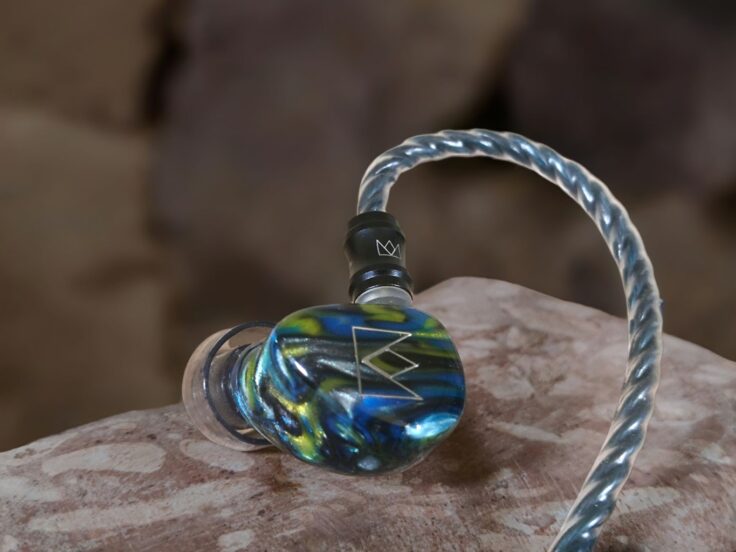

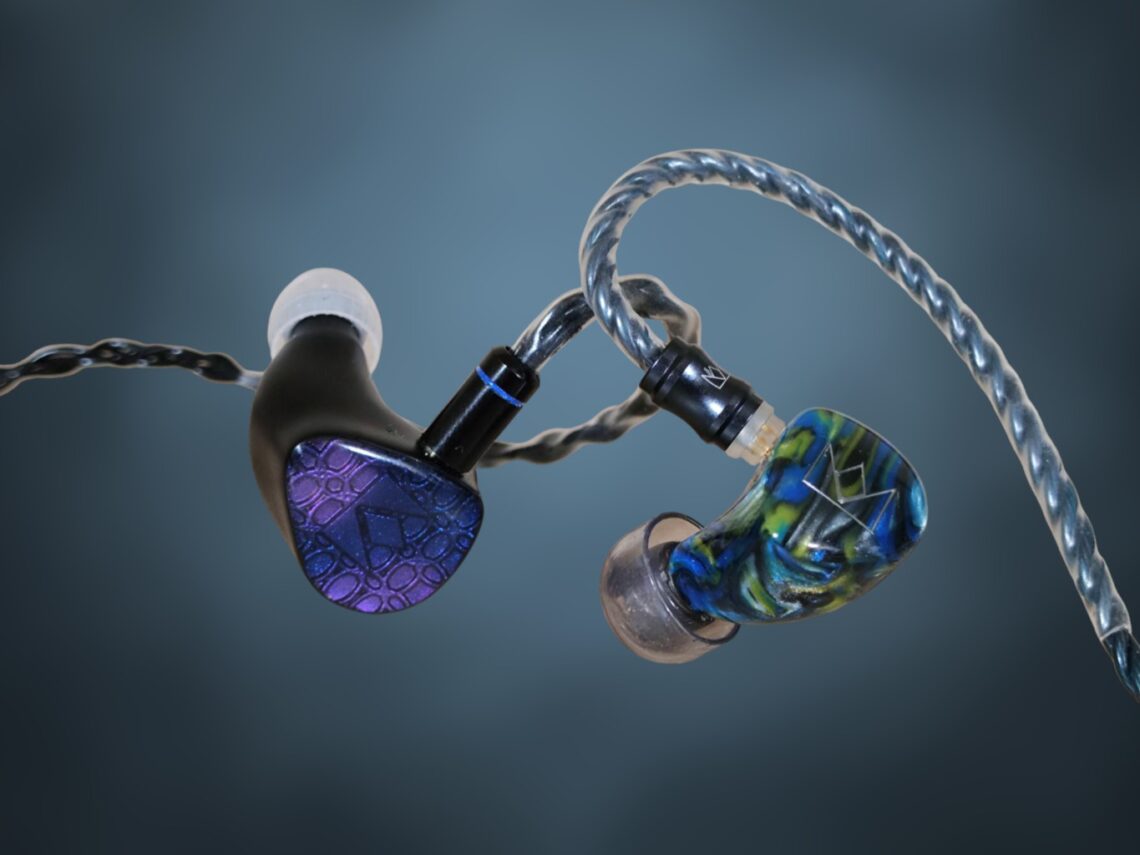
The Knight and Van Gogh are two new IEM models from Noble, priced at 299 and 699 USD before tax, respectively. Both use a dynamic driver for the bass. The Knight combines this with a balanced armature driver for the midrange and lower treble, and a piezoelectric driver for the ultra-highs, while the Van Gogh uses two balanced armature drivers for the mids and one for the highs.
In terms of sound signature, they are vastly different, and the Van Gogh should not be considered a straightforward upgrade from the Knight.

NOBLE AUDIO KNIGHT SPECIFICATIONS:
- Drivers: 10mm dynamic driver, 1 Sonion BA, 1 piezo electric super tweeter
- Impedance: 26 Ohms
- Sensitivity: 104 dB/mW
- 8 Strand woven OFC silver plated cable
- 4.4mm balanced cable
- Machined Aluminum frame with custom Noble faceplate
- Custom eartip case and cleaning tool
Current price and availability:
NOBLE AUDIO VAN GOGH SPECIFICATIONS
- Drivers: Dynamic Driver (DD) and Balanced Armatures (BA) hybrid
- Setup: 1 DD bass + 1 Sonion BA for mid + 2 Knowles BA tweeters
- Impedance: 29 Ohms
- Sensitivity: 107dB
- Frequency response: 20Hz–20kHz
- Cable: detachable 8-core OCC copper
- Cable connectors: 2-pin 0.78mm
- Cable termination: 4.4mm balanced plug
Current price and availability:

BUILD AND COMFORT
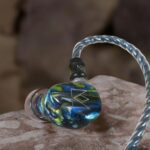
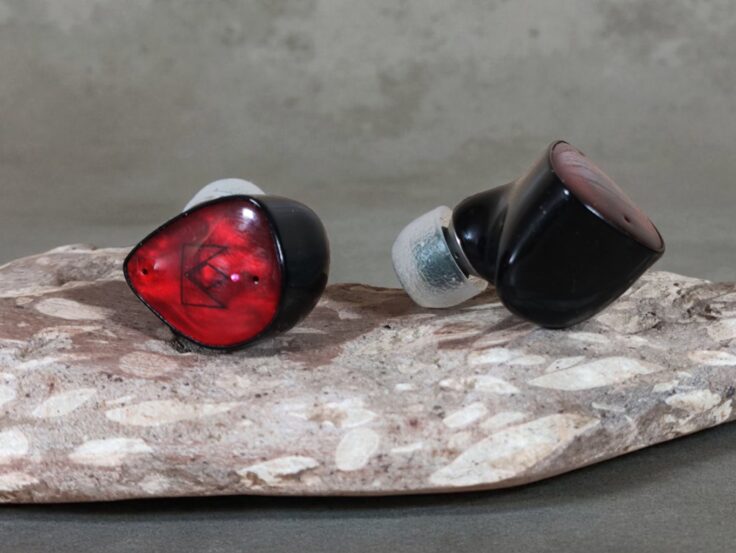
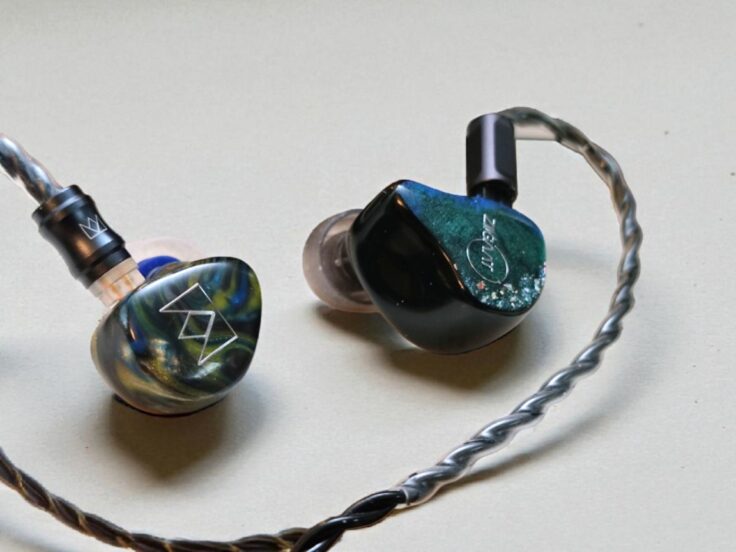
The shells are very different. The Knight features a large metal shell design, while the Van Gogh uses a small resin shell. The Knight is larger than average, and some users might find it too big, whereas the Van Gogh is smaller than most hybrid driver IEMs today. In terms of comfort, the Knight feels on the larger side for me, but with the right tips it works fine, although I definitely prefer the smaller Van Gogh.
They both come with good cables that use 0.78 mm 2-pin connectors on the IEM side and are terminated with a 4.4 mm balanced jack. I would prefer an interchangeable 3.5mm and 4.4mm system jack, which is common on many IEMs. “Balanced audio” on earphones has no inherent advantage, and many users prefer the simplicity of unbalanced audio, which is the standard in the pro market for a reason.

COMPARISONS
Note: I have found that the bass on the Van Gogh can vary a bit depending on the amplifier used, with a few keeping the bass tighter than others. You can read more about this in my dedicated Van Gogh review. The Topping A90 used here isn’t one of them. I do, however, use wide-bore AZLA Xelastec tips on the Van Gogh, which typically reduce bass to some extent. The Knight has Spring tips from Moondrop.
Associated equipment:
- Amplifier: Topping A90
- DAC: RME ADI-2 DAC FS
The Sun Always Shines on TV MTV Unplugged by a-ha
Both sound good, but they’re different. The Knight is well balanced and fairly neutral, while the Van Gogh has stronger bass, slightly recessed mids, and cleaner mids and highs.
Fata Morgana by Spiritbox
Playing some prog metal, both sound good, but the Van Gogh’s extra bass, cleaner presentation, and better separation elevate the track.
Hello Dave by Michael Wollny
This jazz trio piece sounds great on the Van Gogh, though the bass is a bit heavy and thick—fun but far from neutral. The Knight is more balanced, and also has a more nuanced, clearer bass, but the mids and treble are not as clean.
Fuglefangeren by Maridalen
I like this jazz quartet piece a lot. The trumpet and saxophone sound great on both, but they are cleaner on the Van Gogh. The bass quantity is not very different in this track.
Jambi by Tool
They sound very different on this energetic metal track. The rich bass of the Van Gogh creates a unique experience. The Knight may be more accurate, but the Van Gogh is more fun.
Almost Like The Blues by Leonard Cohen
The Knight delivers a balanced sound, while the Van Gogh offers more nuance with better vocal timbre, separation, and detail—except in the bass.
As Before by Olga Konkova
The Van Gogh sounds great, with an extra punchy cajón drum, delicate and natural vocals, fine detail, and a black background. The Knight has a thicker midrange and generally feels more crowded, with less space between instruments, though its bass is more accurate and detailed.
Spontaneous Compositorius by Thomas Agergard
The treble of the Van Gogh is much cleaner, with a liquid character compared to the drier treble of the Knight. The mids are also cleaner, though somewhat recessed. The double bass is thick and rich as always, but also quite immersive.
Young Vivaldi by Modo Antiquo
They sound very different on this string quartet piece, with the Van Gogh being much cleaner and clearer. In direct comparison, the Knight comes across as less clear, a bit dry, and somewhat diffuse, though still quite decent at its price point.

WRAPPING IT UP
Sound Signature
The Knight and Van Gogh are tuned very differently. The Van Gogh is bass-heavy, with slightly recessed mids and present highs. The Knight aims for a more neutral delivery with a more even frequency response. Even though it is leaner in the bass, it does not lack bass presence.
Treble
The treble is similar in quantity, but the Van Gogh delivers much better quality, sounding liquid and clean, while the Knight is drier and less detailed.
Midrange
The midrange on the Van Gogh is often somewhat recessed but generally very clean. On the Knight, it is more upfront and better balanced, but the quality does not match the Van Gogh in a direct comparison.
Bass
Although the Knight has plenty of bass, there is no doubt that the Van Gogh takes the lead in sheer bass quantity. In terms of quality, however, the Knight has the upper hand, unless the bass on the Van Gogh is EQed down or are very lucky with matching Van Gogh with an amp that keeps the bass a bit tighter.
Soundstage and Imaging
The Van Gogh offers a larger soundstage, better instrument separation, a darker background, and more precise imaging. On its own, the Knight sounds very good, but in direct comparison there’s no doubt.
Detail, Dynamics, and Timbre
In the midrange and treble, the Van Gogh is clearly more detailed, while the Knight provides better definition and texture in the bass.
Regarding dynamics, the Van Gogh is stronger. In terms of timbre, although it is quite colored, I prefer its mids and highs. The bass, however, sounds more natural on the Knight.

CONCLUSION
The Knight and Van Gogh are surprisingly different and do not share any recognizable Noble “house sound” tuning.
The Knight delivers a neutral, balanced presentation with textured bass and upfront mids, making it the more consistent and reliable option.
The Van Gogh, by contrast, emphasizes rich, bold bass, with cleaner but somewhat recessed mids and present, clearer highs. It also offers stronger dynamics along with a larger soundstage and improved imaging.
Personally, I prefer the tonal balance of the Knight, but the cleaner sound of the Van Gogh is very appealing. Its bold bass can be great fun, though I wish it had a switch or some way to tone it down without EQ—or, as mentioned, by being especially lucky with amplifier pairing.
Thanks for reading. You can support us by purchasing anything using any of our affiliate links.
- Noble Audio: Knight
- Noble Audio: Van Gogh
- Amazon: Noble Audio
- Find them at Audio46
Any purchase you make on Amazon or Linsoul with any of our affiliate links will give us a small provision at no cost to you.
We only get a provision for items that are not returned, so there’s no incentive for us to recommend something that’s not good.
Linsoul : Headphones, Earbuds, Wireless Earbuds, Desktop DAC/AMP, Portable DAC/AMP, Digital Audio Players,
Amazon: Headphones, IEMs, Headphone Amplifiers, Home Audio or Anything else.
.
If you enjoyed this article or other content on The Headphoneer, you might consider leaving a small donation to keep this website up and running. No donation is too small. Thanks for supporting us!

If you like our work please follow us on Instagram, Facebook and Twitter , it will help us grow. Sharing is caring 🙂