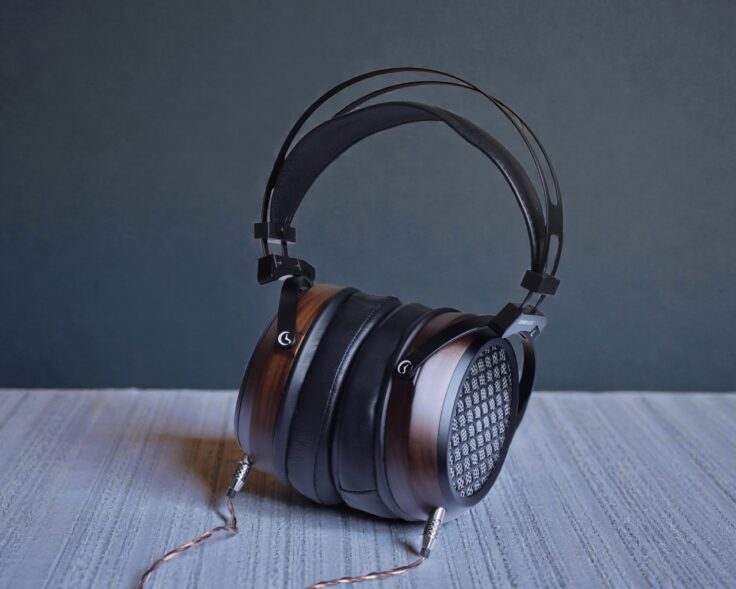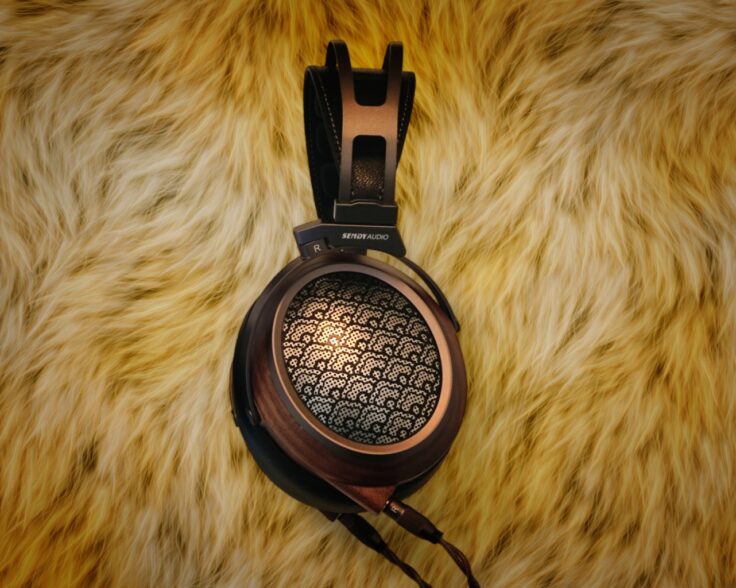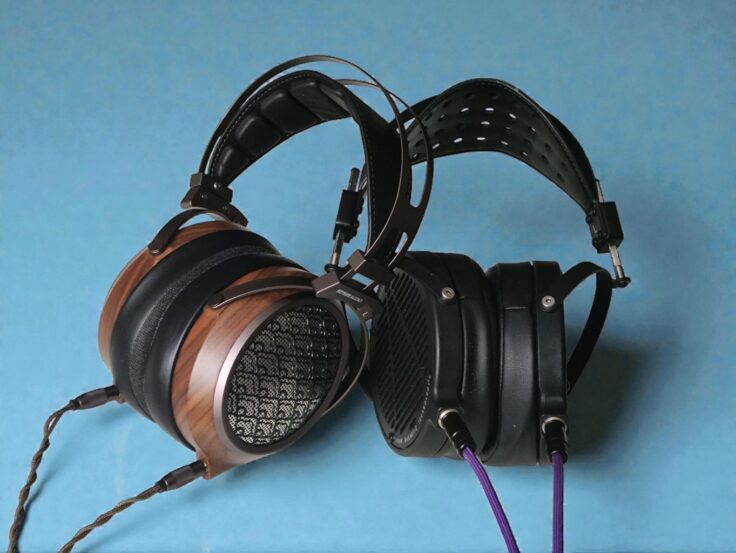

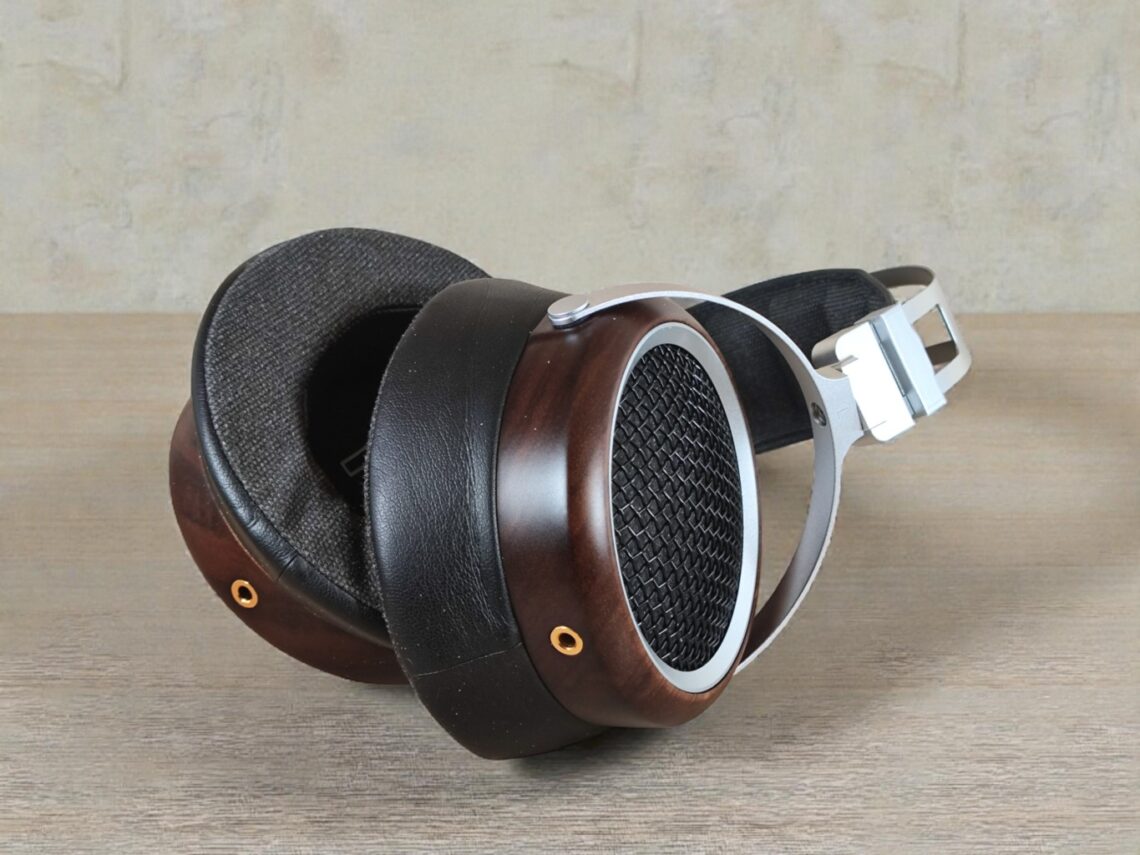
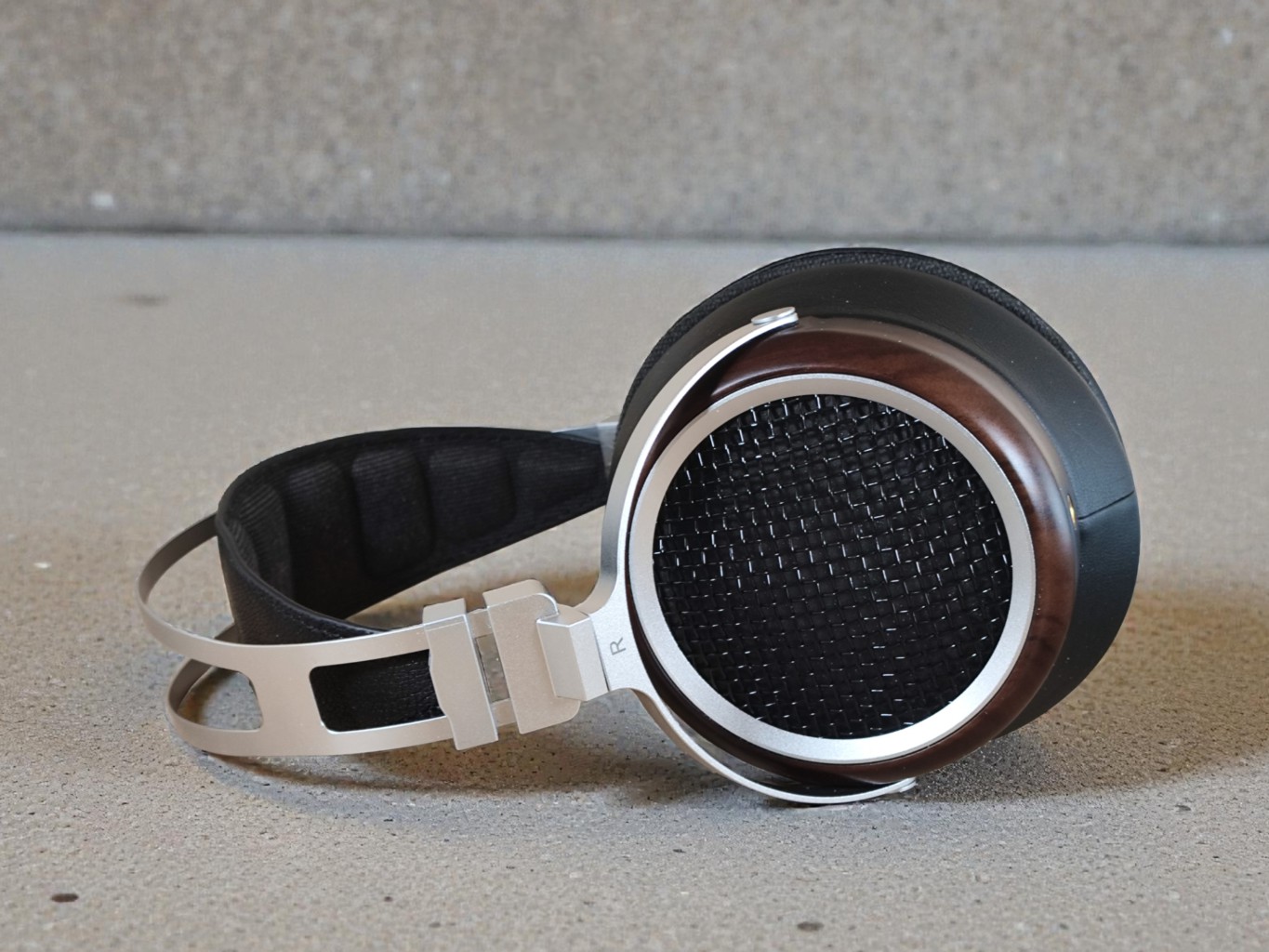
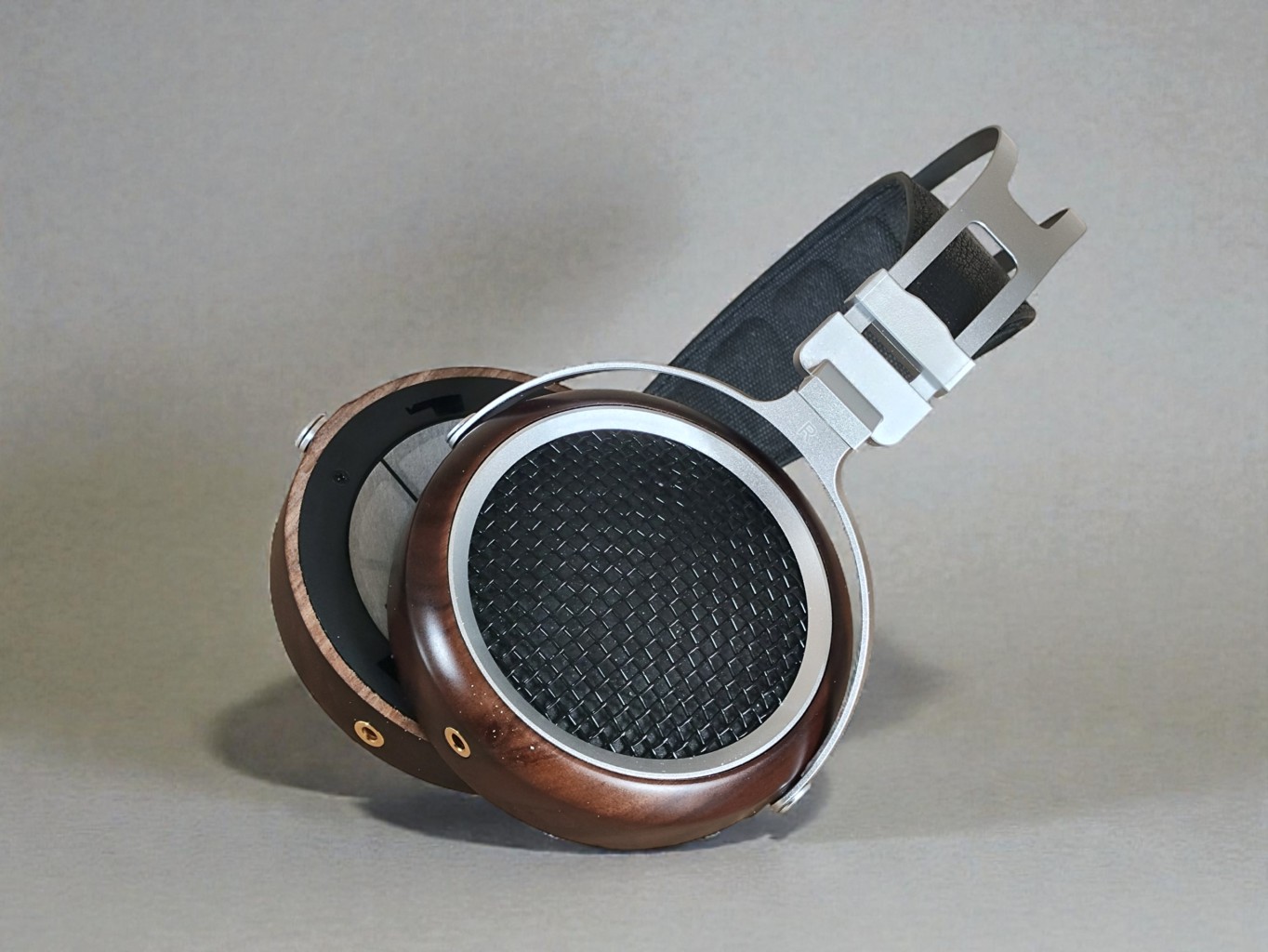
The Sivga Luan is an open-back dynamic driver headphone with wooden ear cups and large, soft earpads. It was launched in mid 2023 and is priced at around 299 USD.
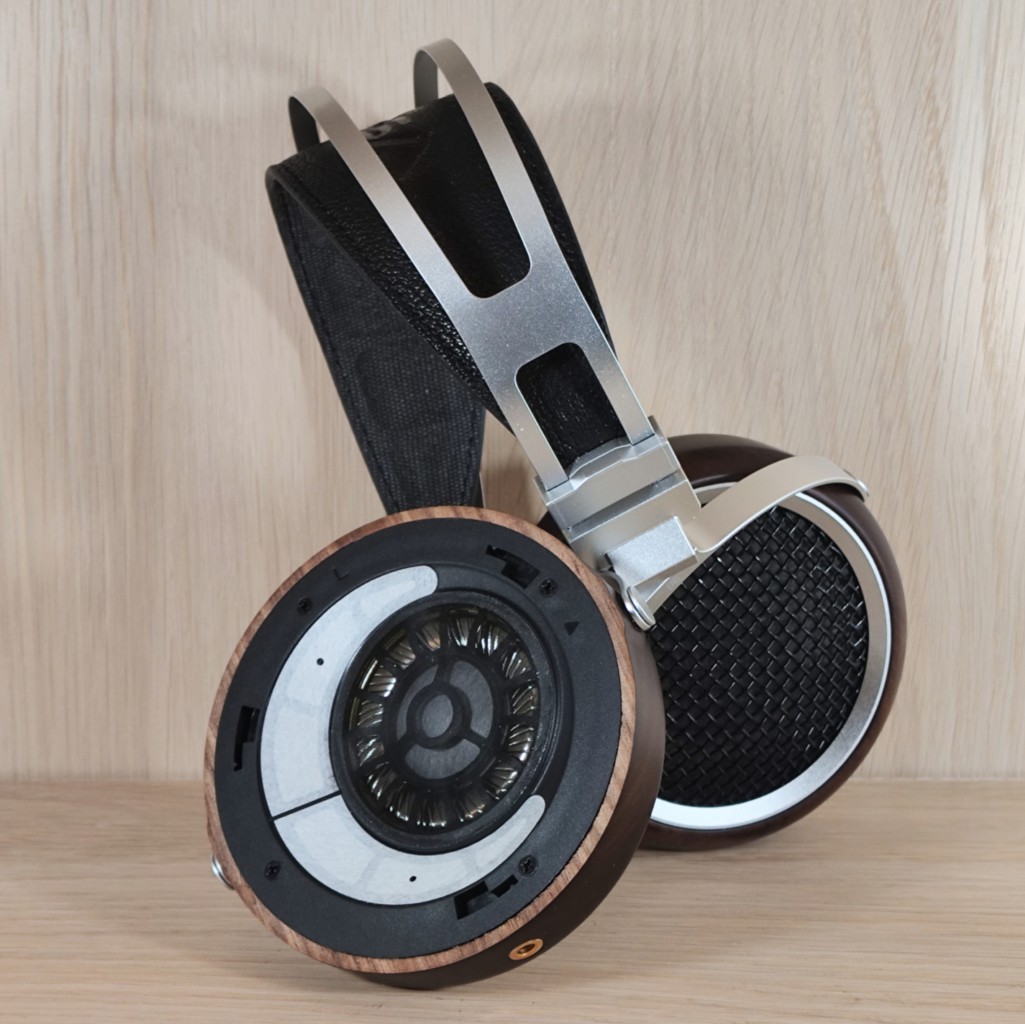
It uses a 50 mm dynamic driver developed and made by Sivga. The driver features a diaphragm made from a macromolecular organic carbon fiber composite, a copper-clad aluminum voice coil, and a high-strength magnetic system built around an oversized 24.5 mm magnet.
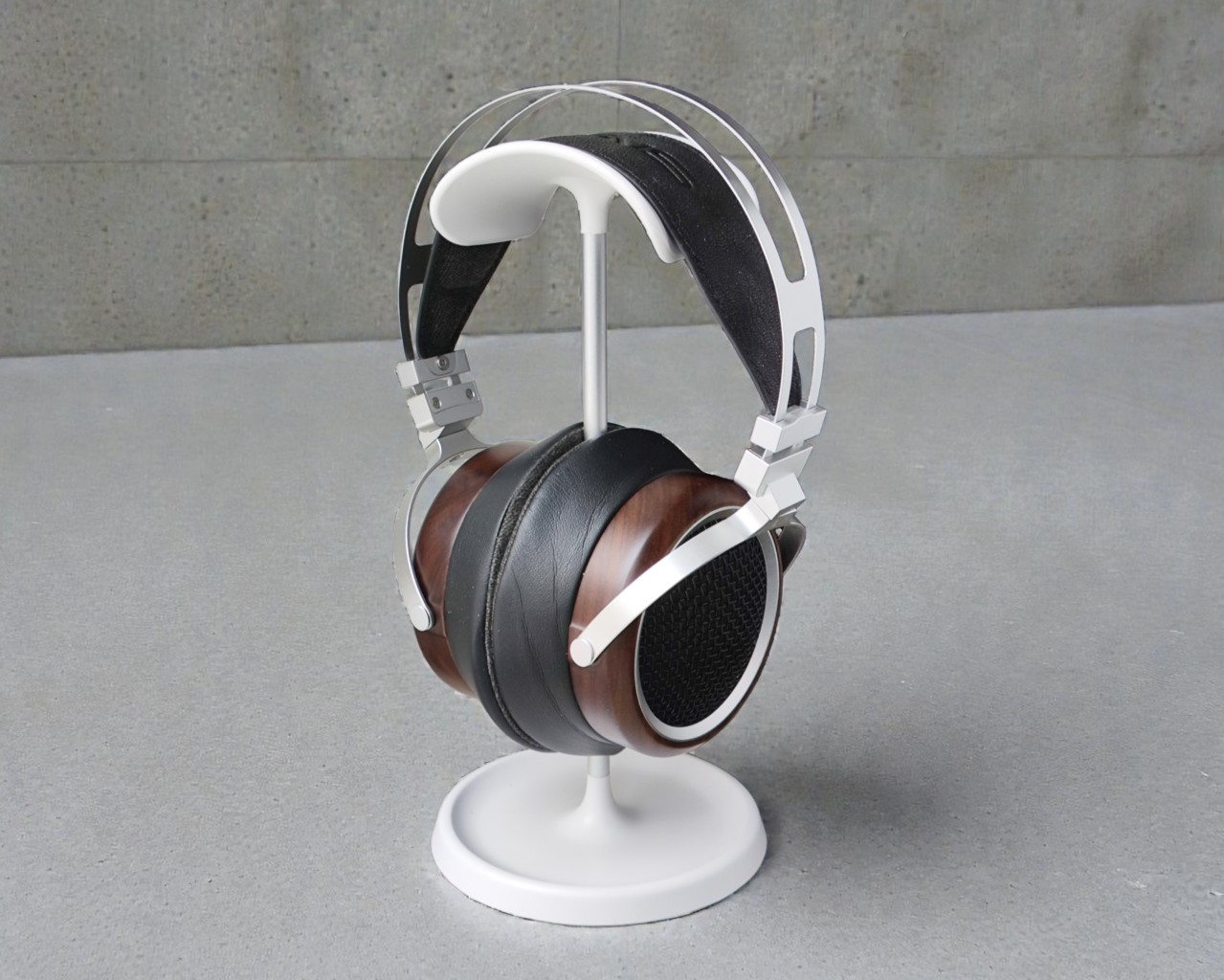
SIVGA LUAN SPECIFICATIONS
- Open back with 50 mm dynamic driver
- Transducer Size: 450mm
- Sensitivity: 100dB ± 3dB
- Impedance: 38 Ohm ±15%
- Frequency Response: 20Hz – 40KHz
- Cable Length: 1.6M ±0.2M
- Headphone Connectors: 3.5 mm
- Cable termination: 3.5 mm
- 12-month warranty
- Weight: 354g
IN THE BOX
- Leather type carrying case
- Hemp bag for cable
- Adapter: 3.5mm to 6.35mm
Current price and availability:
- Aliexpress: Sivga Luan
- Amazon: Sivga Luan
- Linsoul: Sivga Luan
BUILD AND COMFORT
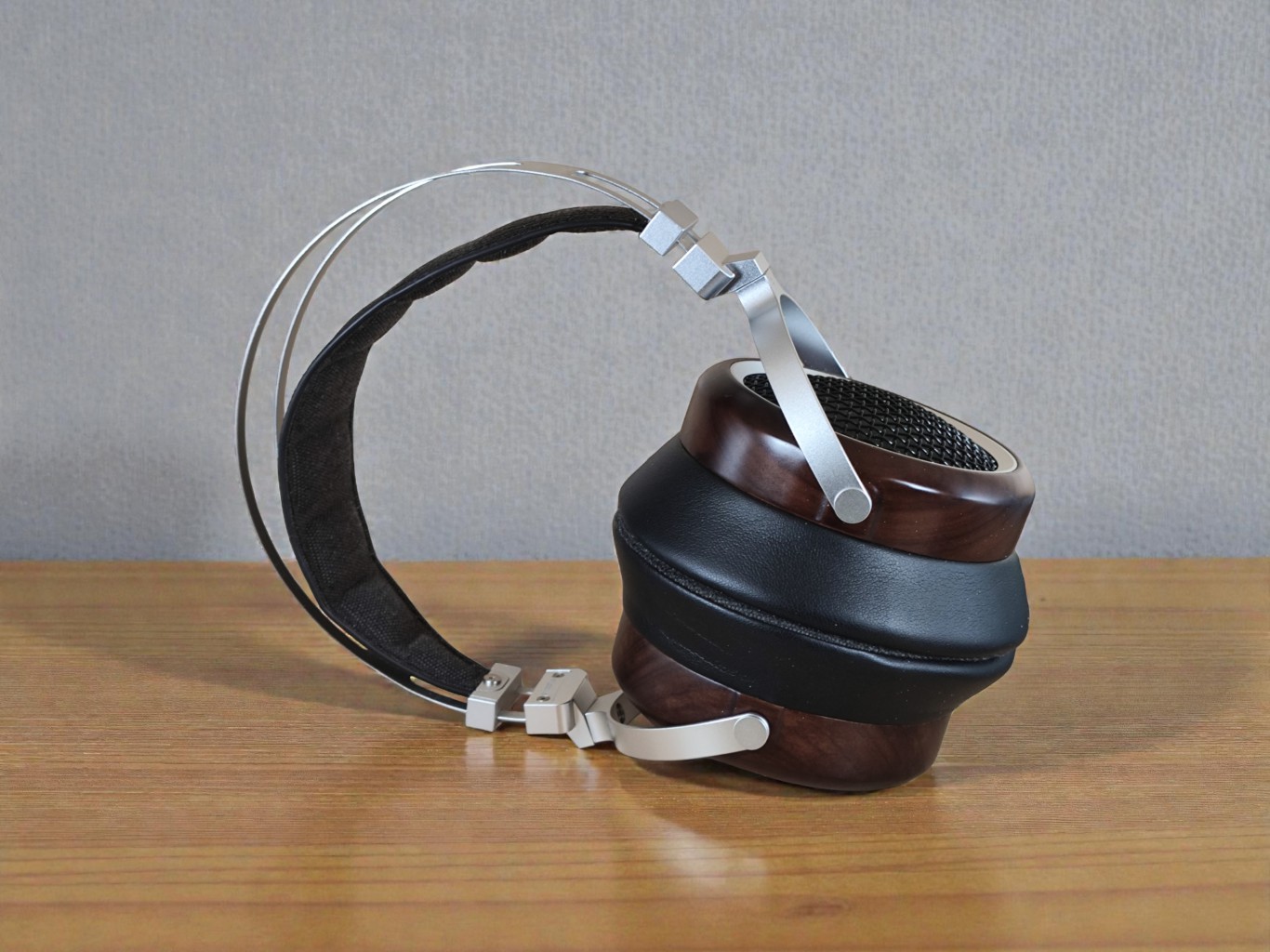
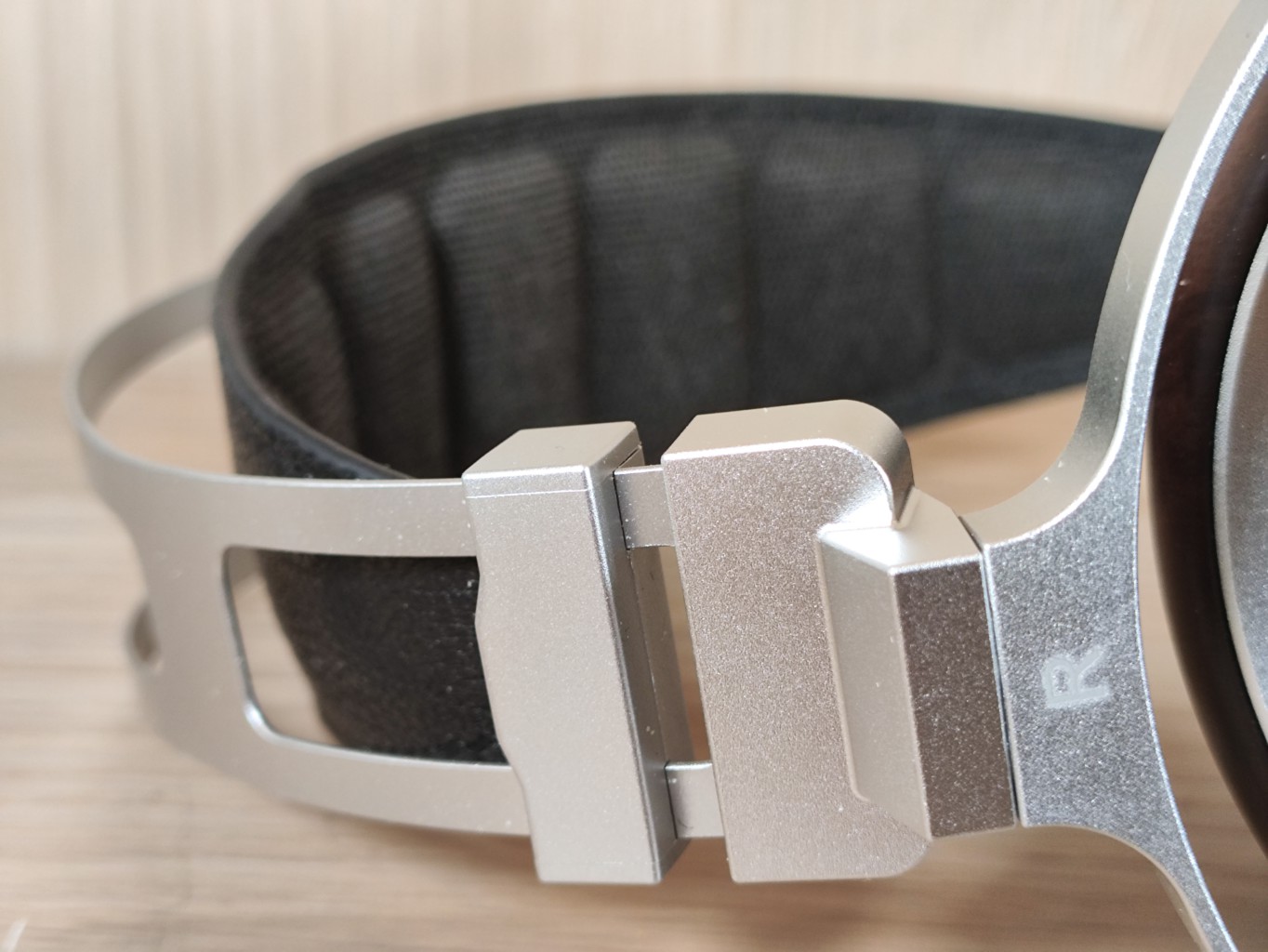
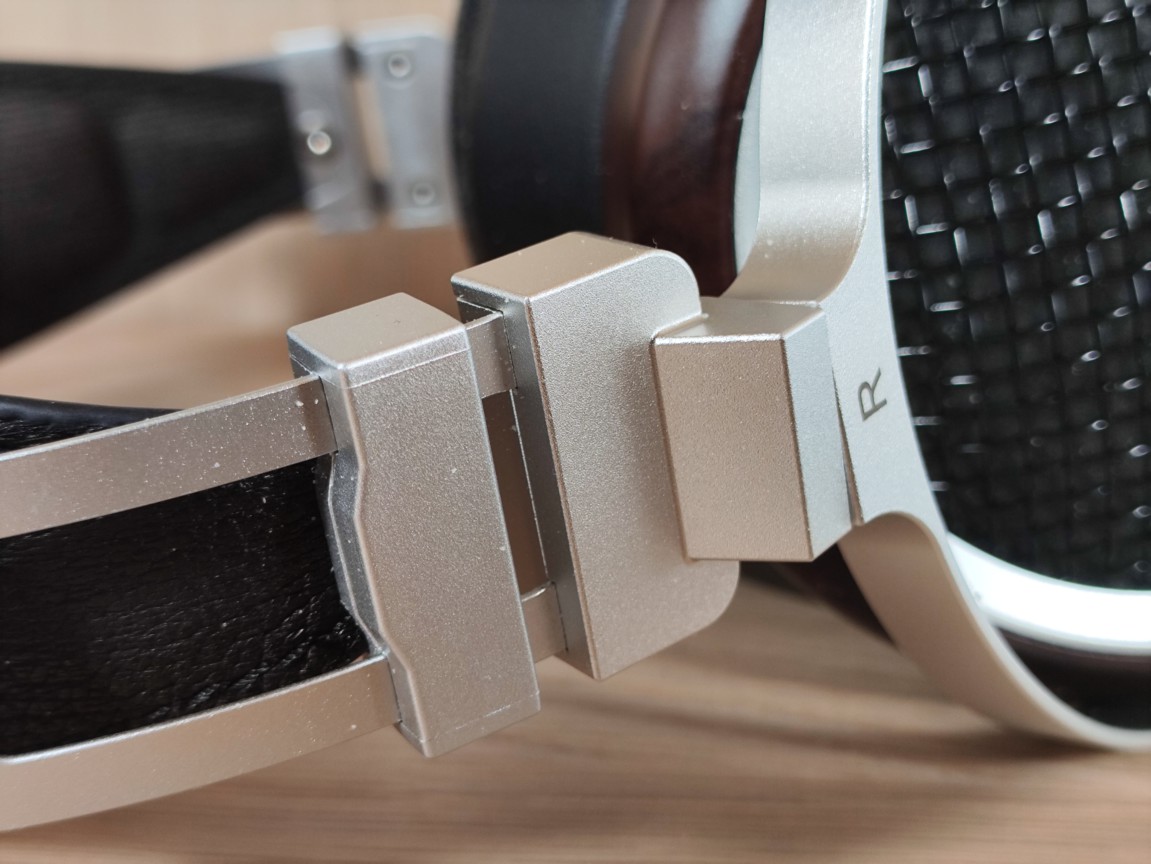
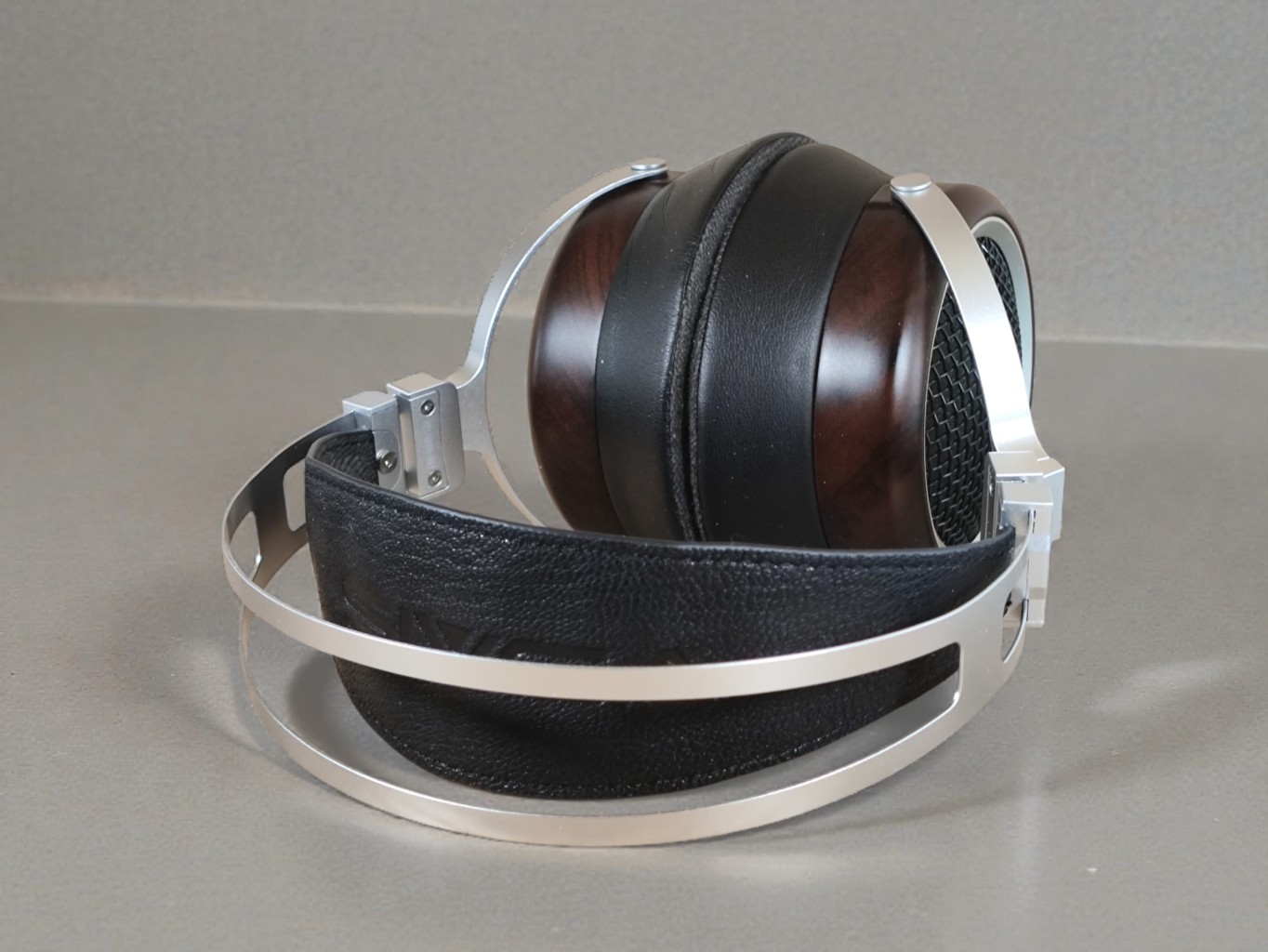
Sivga builds excellent headphones with impressive craftsmanship. I especially like the headband used on most of their models, which may be one of the best headband mechanisms on the market. It combines an arched frame with a suspended strap and a smooth, effective swivel. The design is relatively compact, sturdy, and very comfortable, and I am a big fan of it.
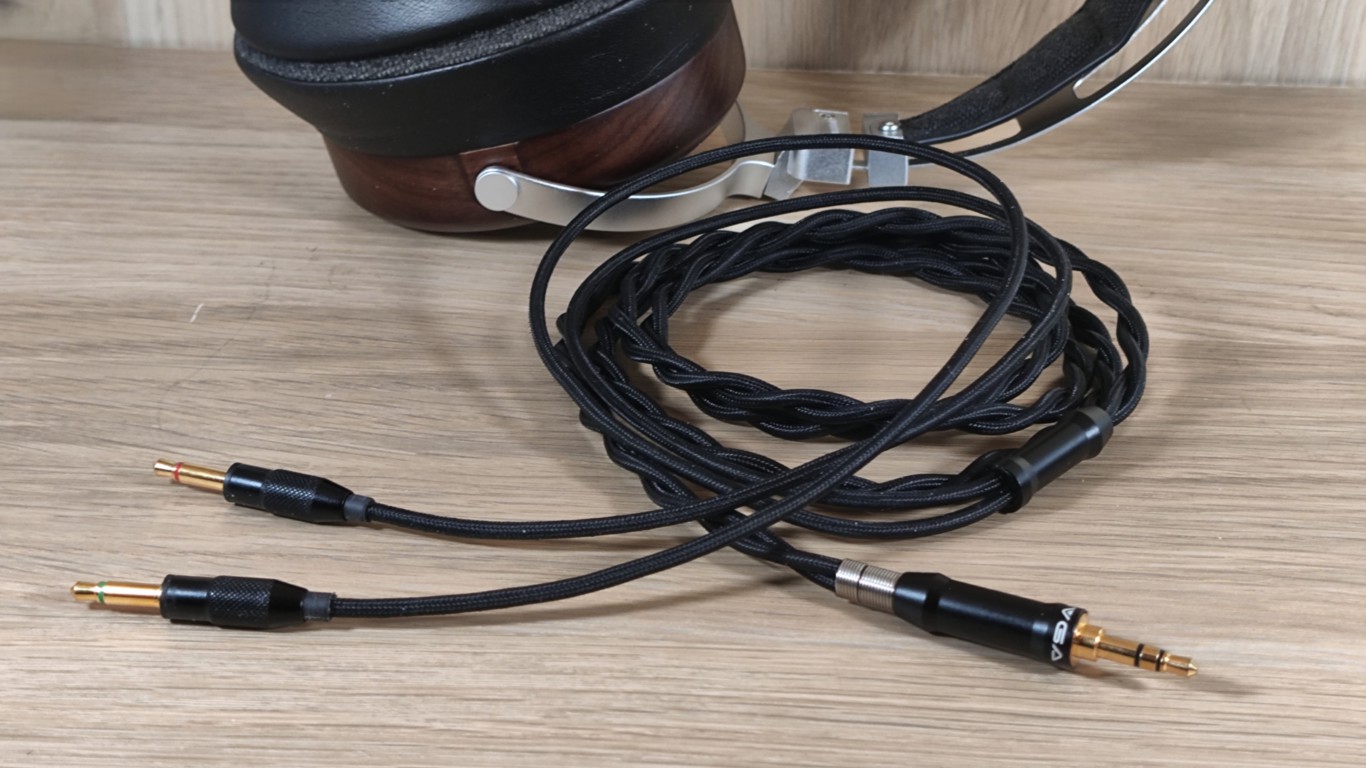
The cable is detachable, using dual 3.5 mm connectors at the headphones and a 3.5 mm plug at the source. A standard 3.5 to 6.35 mm adapter is included. Sivga also includes an impressive leather-style case for storage and transport.
LUAN PADS
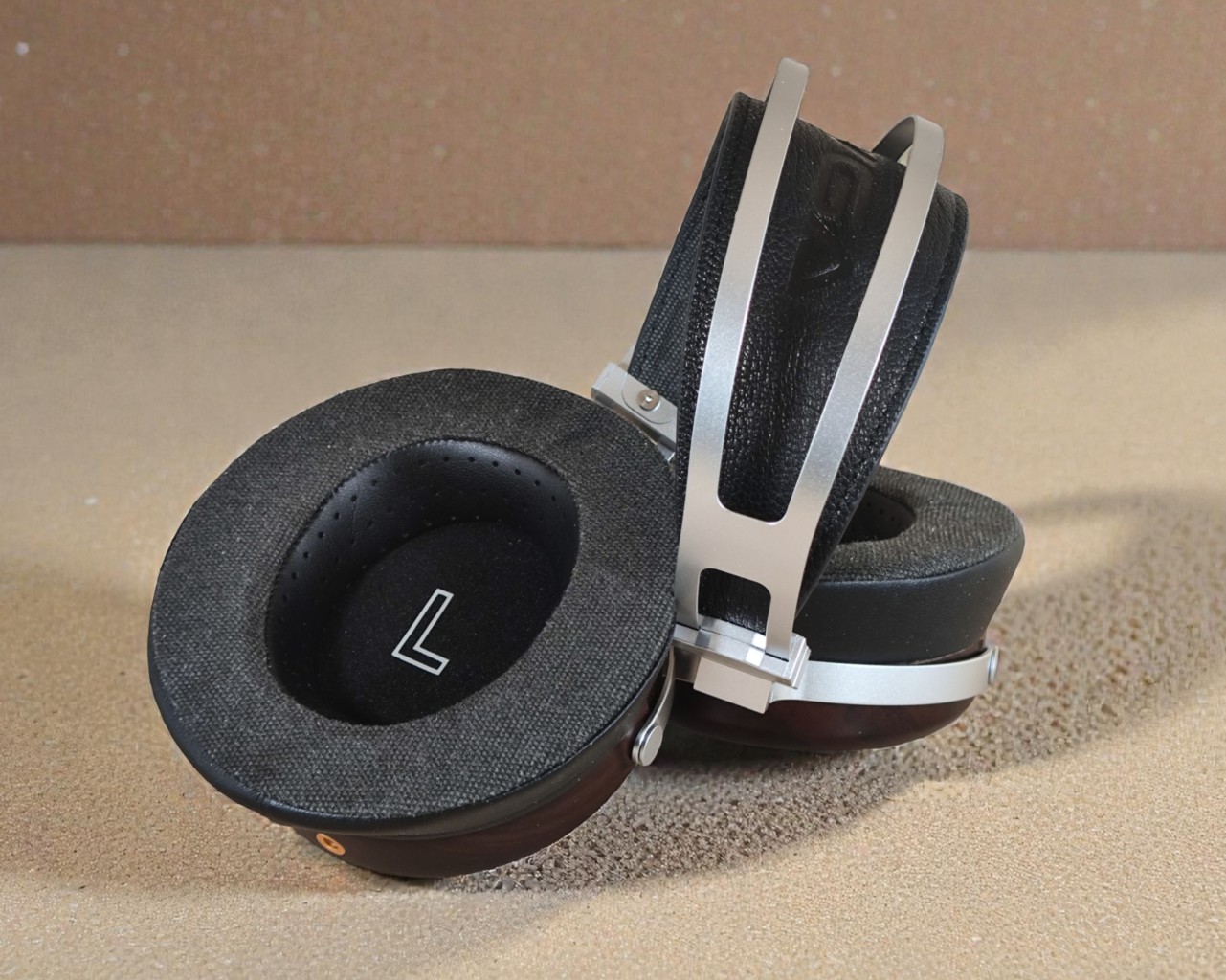
The pads are unusual in that they extend outward from the cups, making the outer diameter larger than the headphone itself. They are hybrid pads with a soft, woven velvet-like fabric on the contact surface, pleather on the outer edge, and perforated pleather on the inner ring. I find the pads very comfortable, and the headphone overall is pleasant to wear, although I personally find the pads larger than necessary.
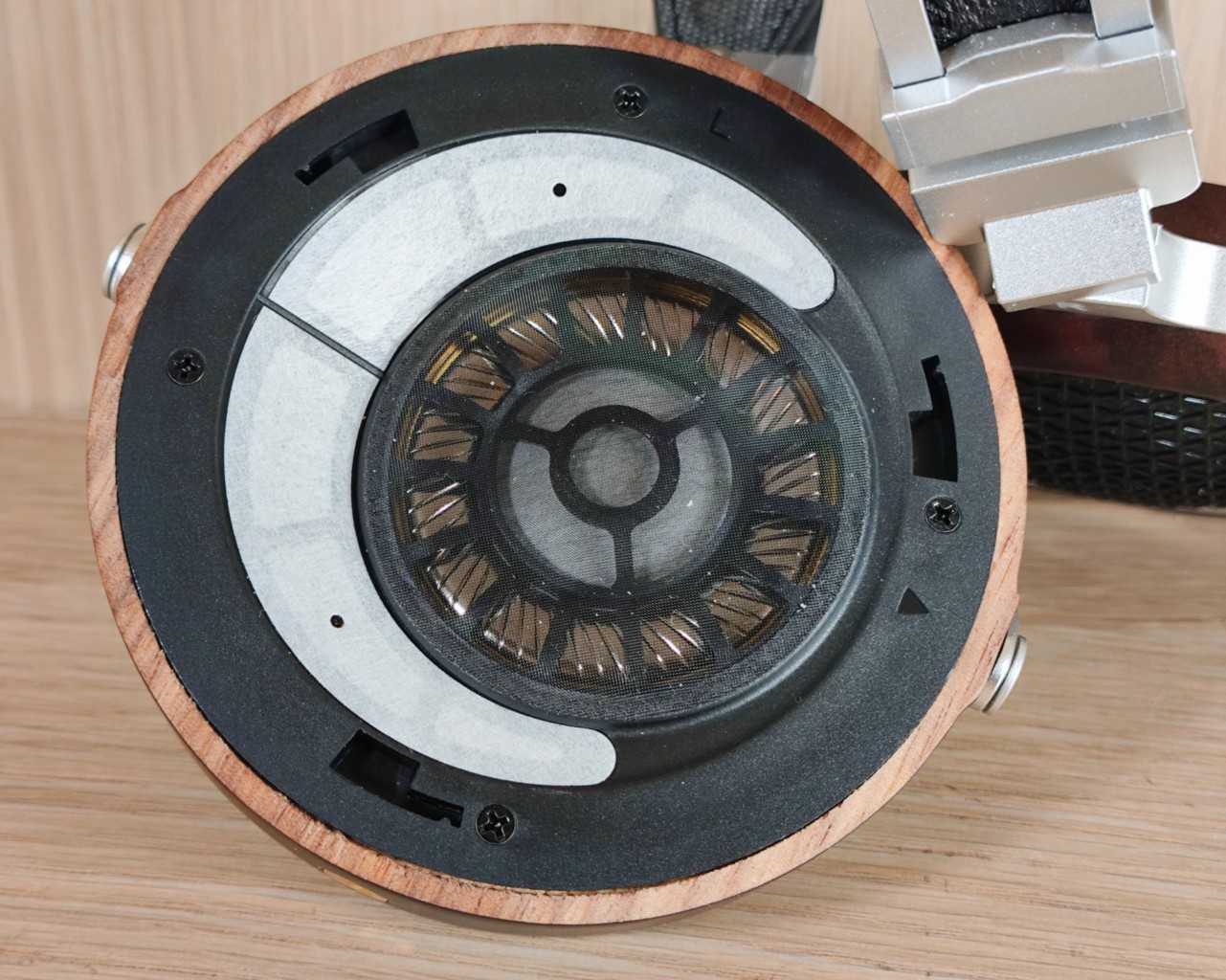

Unfortunately, the pads use a proprietary locking system. Replacement pads from Sivga are available, and the Sivga Phoenix pads use the same mechanism and fit the Luan. To remove a pad, grip it and rotate it slightly clockwise.
Mounting ring adapters for use with third-party lip-mounted pads do not seem to be available, unfortunately.
However, to use standard mounting lip type third-party pads without the locking mechanism, you can use gel tape. The Sivga Luan ear cups are circular and measure about 93 to 94 mm in diameter, so 95 mm pads are ideal, though larger pads can be used if you do not mind them protruding a bit.
LISTENING IMPRESSIONS
Related requirement:
Rambling Man by Laura Marling
An excellent vocals focussed delivery. Very natural, great detail. The vocals feel very alive. The only negative thing is that the music sounds a bit congested in the busiest parts – which happens with many earphones. Not perfect, but nothing bad.
Sunrise by Norah Jones
Jones’ vocals are nicely upfront, intimate, and nuanced. The bass is well balanced, meaning it is not overly powerful. The midrange takes center stage, as it should, and the overall presentation feels cohesive and well balanced.
Alt e bra by Building Instrument
The bright percussion has a rounded, pleasant character, with great separation and layering. The soundstage is open, and the timbre sounds natural.
Rocket Man by Bob James Trio
Here, the bass can often be overly powerful with many earphones, but the Luan is well balanced and sounds perfectly natural. Imaging is excellent, and instrument timbre is good, with smooth and slightly lush mids.
As Before by Olga Konkova
The cajón has a nice sense of punch, and the piano sounds slightly bright but never piercing or harsh. Vocals are smooth and natural with an open character and good nuance.
It Could Be Sweet by Portishead
The bass is tight and punchy and clearly not boosted. Vocals are delicate with almost no sibilance, which can be an issue on this track with many earphones.
Jambi by Tool
Guitars are quite crisp, but not lacking in richness, they’re well textured. Vocals are smooth, sibilance is controlled. The Bass is tight and punchy.
Escape Route by Boris Blank
The low end is pretty tight and well textured. The trumpet is crisp and upfront. There’s good instrument separation. The overall sound is very dynamic, and each instrument is well articulated.
Calle 7 by Vincius Cantuaria
Instrument separation is excellent. There’s slightly crisp guitars. The bass is tight, punchy, and textured, while vocals are prominently upfront.
Limit to Your Love by James Blake
Vocals are very nice, slightly upfront and a touch crisp. When it comes to the bass, this track is quite special, with a massive low-frequency bassline that varies noticeably from headphone to headphone.
The Luan presents the bass in a significantly drier and less clean way than on headphones with the best-performing, least distorted bass – In other words, the Luan has some distortion but it does not totally fall apart (or roll off the troublesome frequencies). Considering the price and the dynamic driver it is not bad.
Take On Me MTV Unplugged by a-ha
I love this gentle acoustic version of the ’80s synth classic. The Luan delivers a very vocal-focused experience, which I really enjoy.
Young Vivaldi by Modo Antiquo
Nice string timbre, slightly dark but with good texture and definition.
Summer 3 Vivaldi Recomposed by Max Richter
Again, the strings have a slightly dark tint, and the orchestra sounds a bit thick, even though instrument separation remains good.
Spontaneous Compositorius by Thomas Agergard
The bright percussion is bright and has some real zing to it, but I wouldn’t want it to be any sharper. The saxophone has a nice timbre, the bass is well defined and nicely balanced – not overly rich as it often can be with many earphones.
WRAPPING IT UP
Sound Signature
The Luan features a well balanced and punchy low end, upfront mids, and articulate, bright treble that stays controlled.
Treble
The treble is prominent and can be slightly sharp at times, but overall it remains detailed and articulate.
Midrange
The midrange is generally well present and natural. It may sound slightly dark at times, but it is not never feels recessed.
Bass
The bass is well balanced and punchy without being overly full, and it is very well executed. On some very demanding tracks it struggles somewhat, which is to be expected at this price point, but for the most part it performs very well.
Soundstage and Imaging
The sound stage is reasonably large. Instrument separation is very good, so imaging is pretty much spot on.
Detail, Dynamics, and Timbre
The detail level is nice for the price. The dynamics are very strong, and frankly quite impressive. Most of the time the timbre feels very natural and coherent.
COMPARISONS
Associated equipment:
- Amplifier: Topping A90
- DAC: RME ADI-2 DAC FS
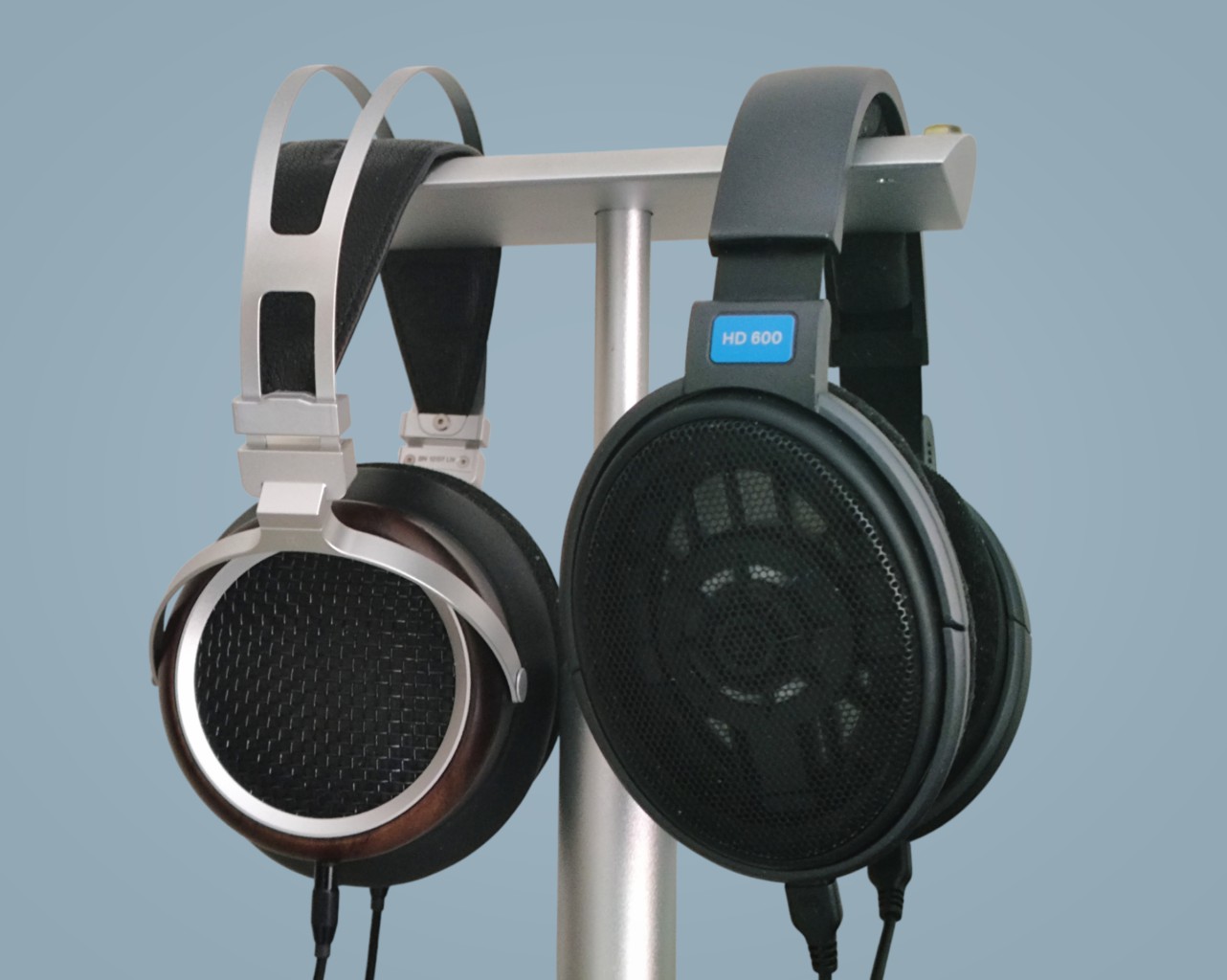
SENNHEISER HD600 vs SIVGA LUAN
The Sennheiser HD600 is a true legend in both professional and audiophile circles and needs little introduction. Released in 1997, it has remained a long-standing reference headphone. It uses a dynamic driver and typically sells for around 300 USD.
Compared to the Luan, the HD600 stands out with its exceptionally natural timbre and clean, slightly laid-back treble. The Luan has a broadly similar midrange balance but sounds drier and crisper, with more forward treble. In return, it delivers more punch and dynamics, better instrument separation and a fuller, more lively bass.
An important difference is that the HD 600 needs a more powerful amplifier that is suited to drive the its 300 ohm driver. As I elaborate on below, the Luan is very easy to drive.
Anyway, my comments here are, of course, generalizations. If you want a more in-depth look at the differences, you can check out my full comparison review here:
Sennheiser HD600 vs Sivga Luan
- Amazon: HD600
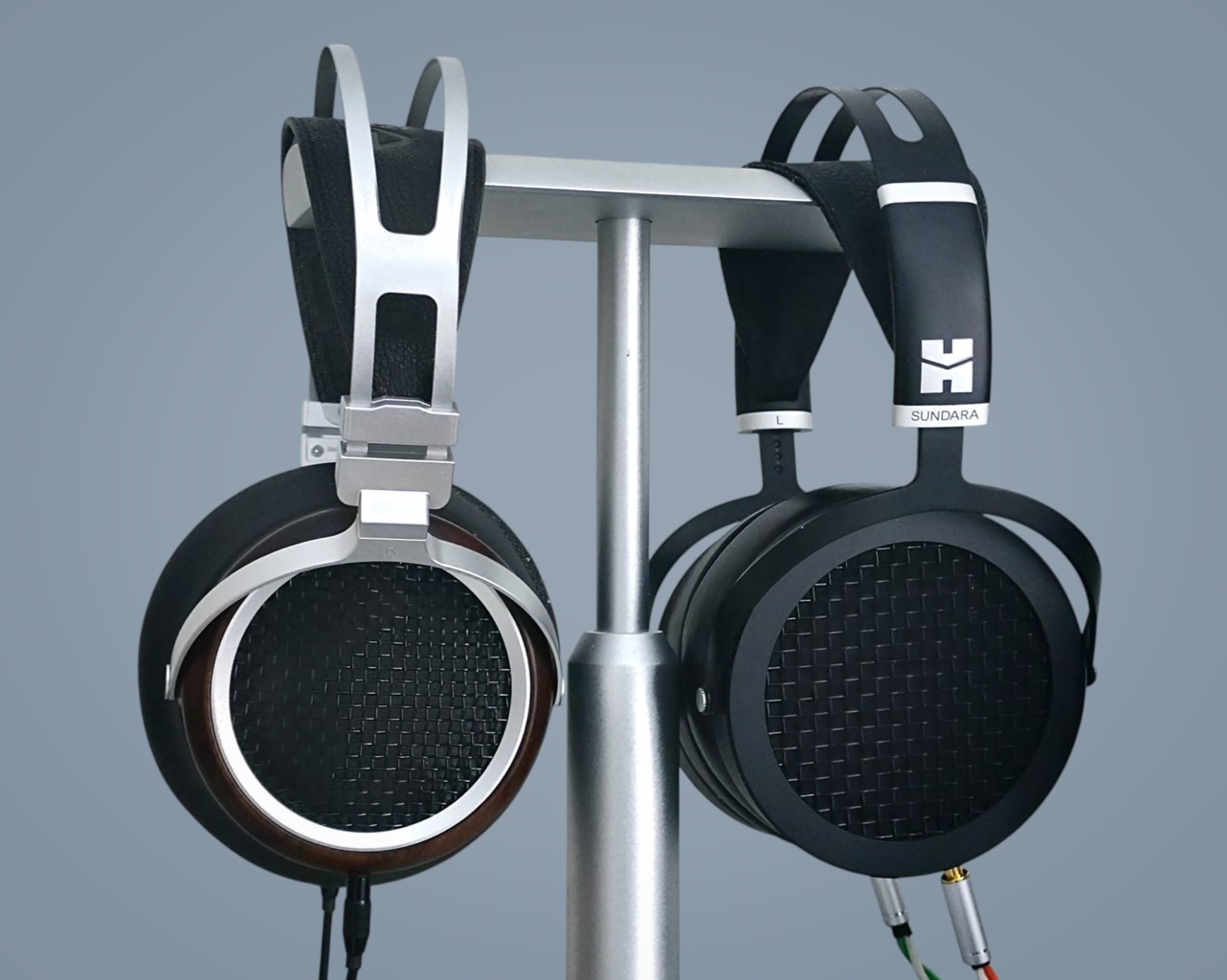
HIFIMAN SUNDARA vs SIVGA LUAN
The planar magnetic Hifiman Sundara has long been a benchmark among open-back headphones in its price range. It was introduced in 2018 and received a minor revision in 2020. Originally priced at 299 USD, it now usually sells for under 200 USD.
Comparing the Sundara and the Luan, I find both fairly neutral. However, the Luan sounds thicker and warmer, while the Sundara is more refined, thinner, and a bit more distant. Technically, I prefer the Sundara for detail, imaging, and bass, while the Luan stands out with better dynamics and articulation.
As with the HD600, an important difference is that the Sundara needs a more powerful amplifier to reach its full potential than the Luan.
Again, if you want a more in-depth look at the differences, you can check out my full comparison review here:
- Amazon: Sundara
AMPLIFICATION
For my listening impressions and comparisons, I used my regular desktop setup. However, on paper, the Luan is very easy to drive. And that’s true in real life too, which became clear as I went through some portable options briefly. You can read my short observations here:
I start out with my phone, a modest Poco F5 – and even though I need to push the volume, it sounds quite good.
Moving on to USB DAC/Amps, first out is the ultra tiny Letshuoer DT01 Pro. I’m blown away by the power and quality it delivers when paired with the Luan. Kiwi Ears’ Allegro Pro is even more powerful and a tad better. The Letshuoer DT03 is great too, as is the Alpha XI1 ONIX, which might have even more authority. Also the Fosi DS3 is great, so is the xDuoo Link2 Bal2.
The Dragonfly Cobalt is even better than the ones mentioned above, and finally, the Chord Mojo is the most refined and best sounding of them all.
All the options tested are great choices for the Sivga Luan, but I did not spend enough time with each option to make a detailed report. There are small differences in tonality between them and as you go up in price you generally get better technical performance, but the differences are surprisingly small in absolute terms.
That said, I found the Luan to pair better with slightly warm-sounding gear than with strictly neutral or bright upstream equipment, which can make it sound a bit edgier, drier, and sharper than I prefer. With the right match, the Luan sounds very natural, and it is definitely worth putting in some effort to find the right pairing if your first try isn’t fully satisfactory.
CONCLUSION
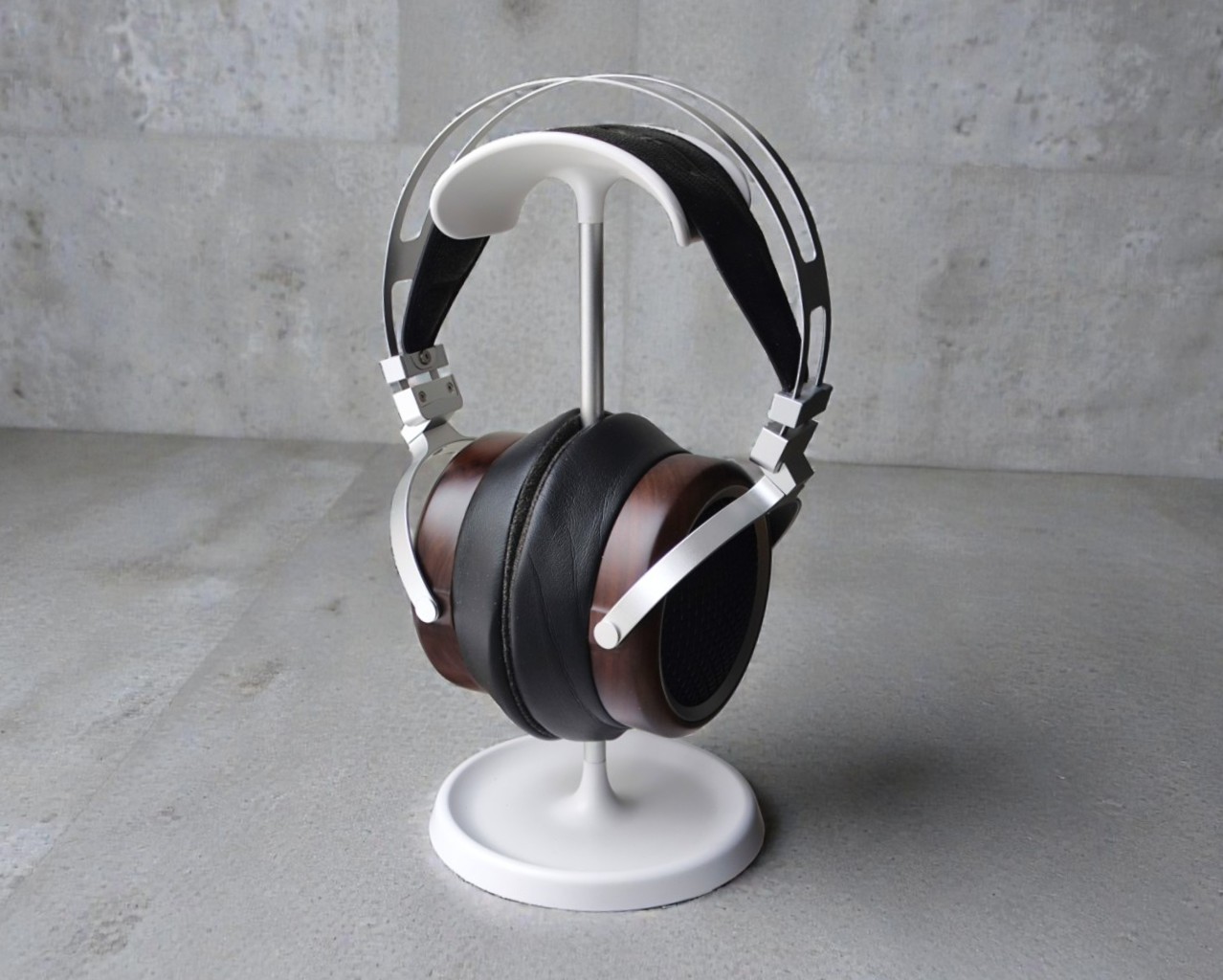
The Sivga Luan has a relatively neutral and well balanced sound with a natural timbre. The bass is tight and punchy, the midrange is present and organic, and the treble is bright and clear. The Luan is very dynamic with good articulation and instrument separation.
Build quality is excellent, as always from Sivga. The headband mechanism is particularly well designed and well made, and the pads are soft and comfortable.
Finally, the Luan is extremely easy to drive. A tiny dongle can make them sound close to their potential.
I see no reason not to recommend the Luan. It’s a solid option in its price class.
Thanks for reading. You can support us by purchasing anything using any of our affiliate links.
- Aliexpress: Sivga Luan
- Amazon: Sivga Luan
- Linsoul: Sivga Luan
Any purchase you make on Amazon or Linsoul with any of our affiliate links will give us a small provision at no cost to you.
We only get a provision for items that are not returned, so there’s no incentive for us to recommend something that’s not good.
Linsoul : Headphones, Earbuds, Wireless Earbuds, Desktop DAC/AMP, Portable DAC/AMP, Digital Audio Players,
Amazon: Headphones, IEMs, Headphone Amplifiers, Home Audio or Anything else.
.
If you enjoyed this article or other content on The Headphoneer, you might consider leaving a small donation to keep this website up and running. No donation is too small. Thanks for supporting us!

If you like our work please follow us on Instagram, Facebook and Twitter , it will help us grow. Sharing is caring 🙂