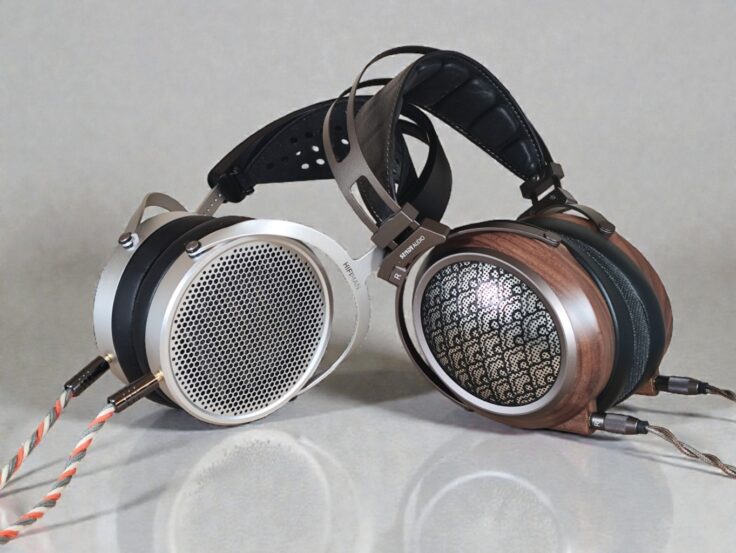

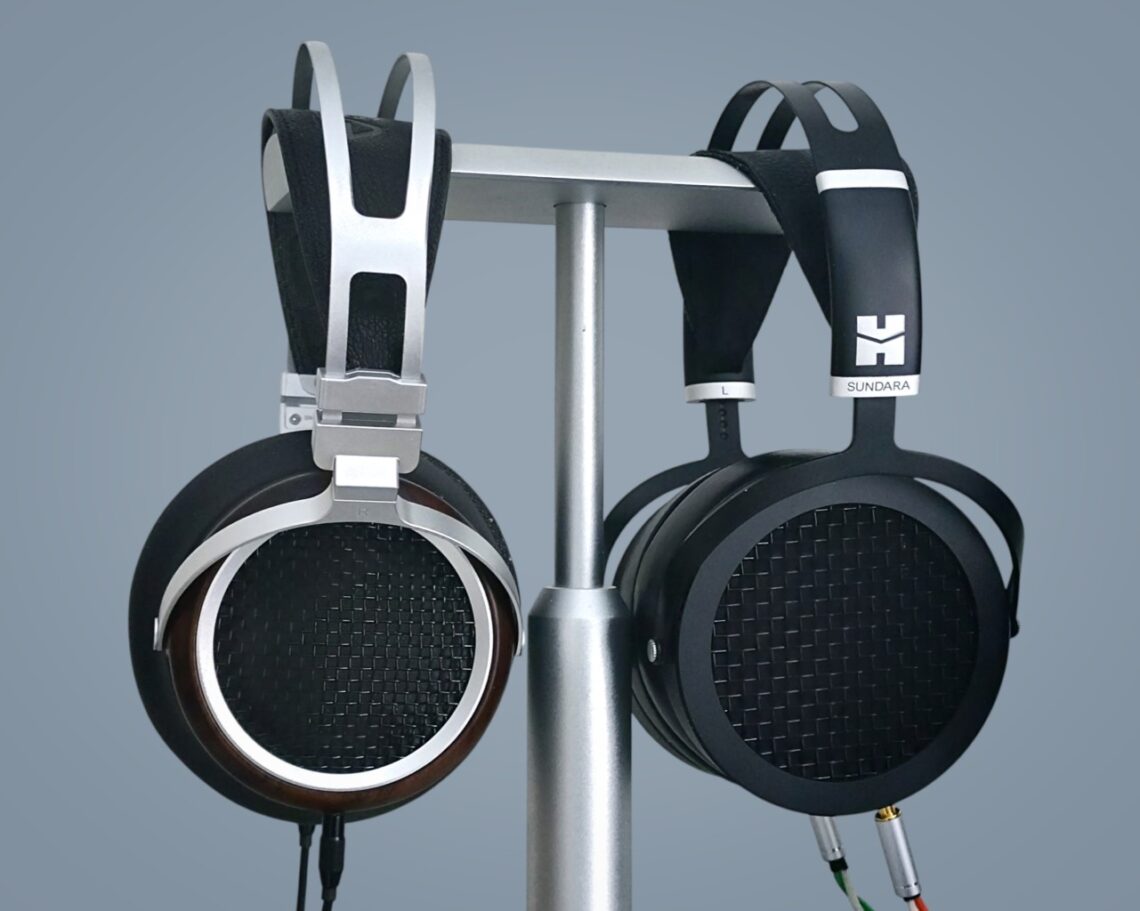
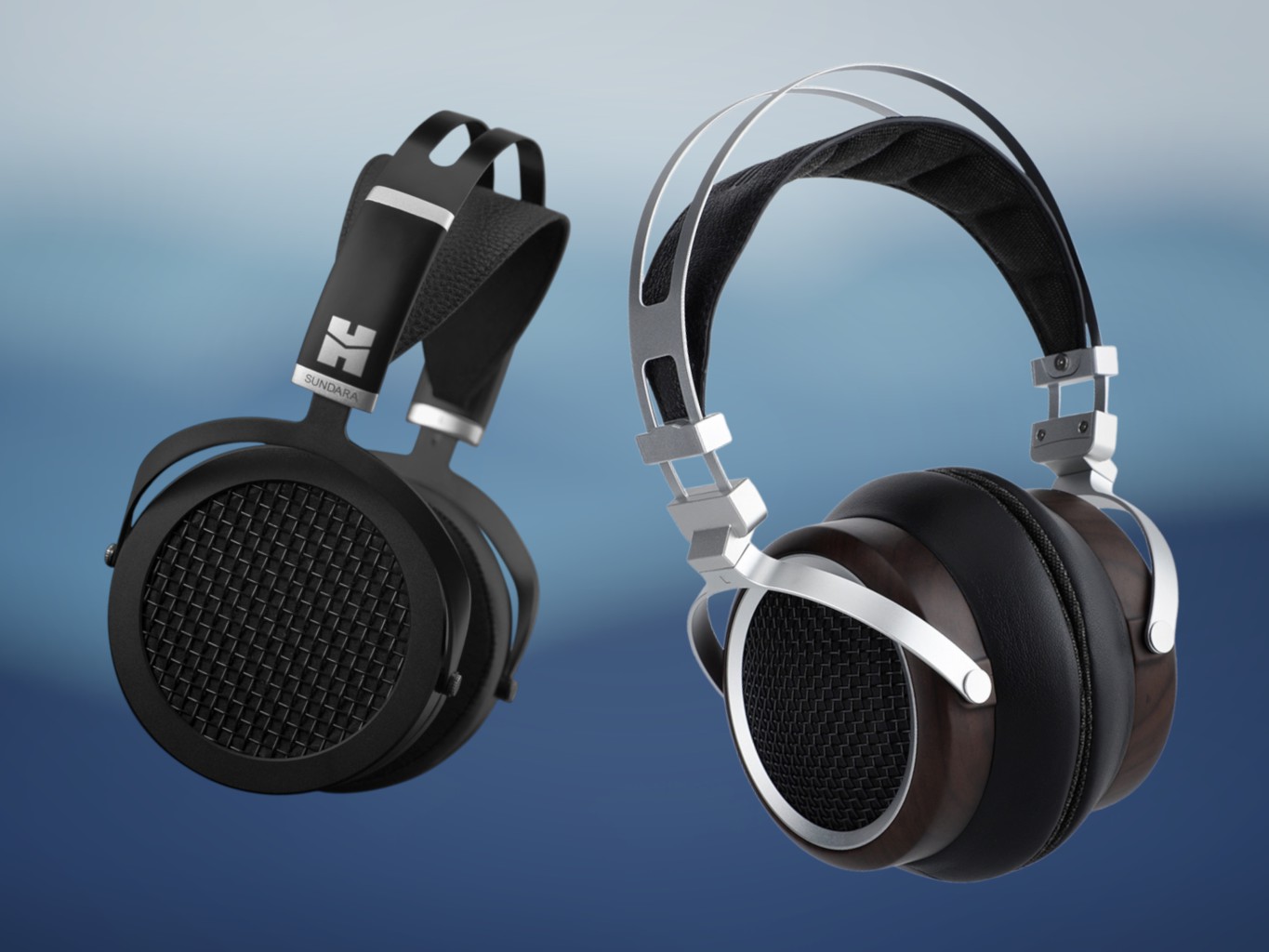
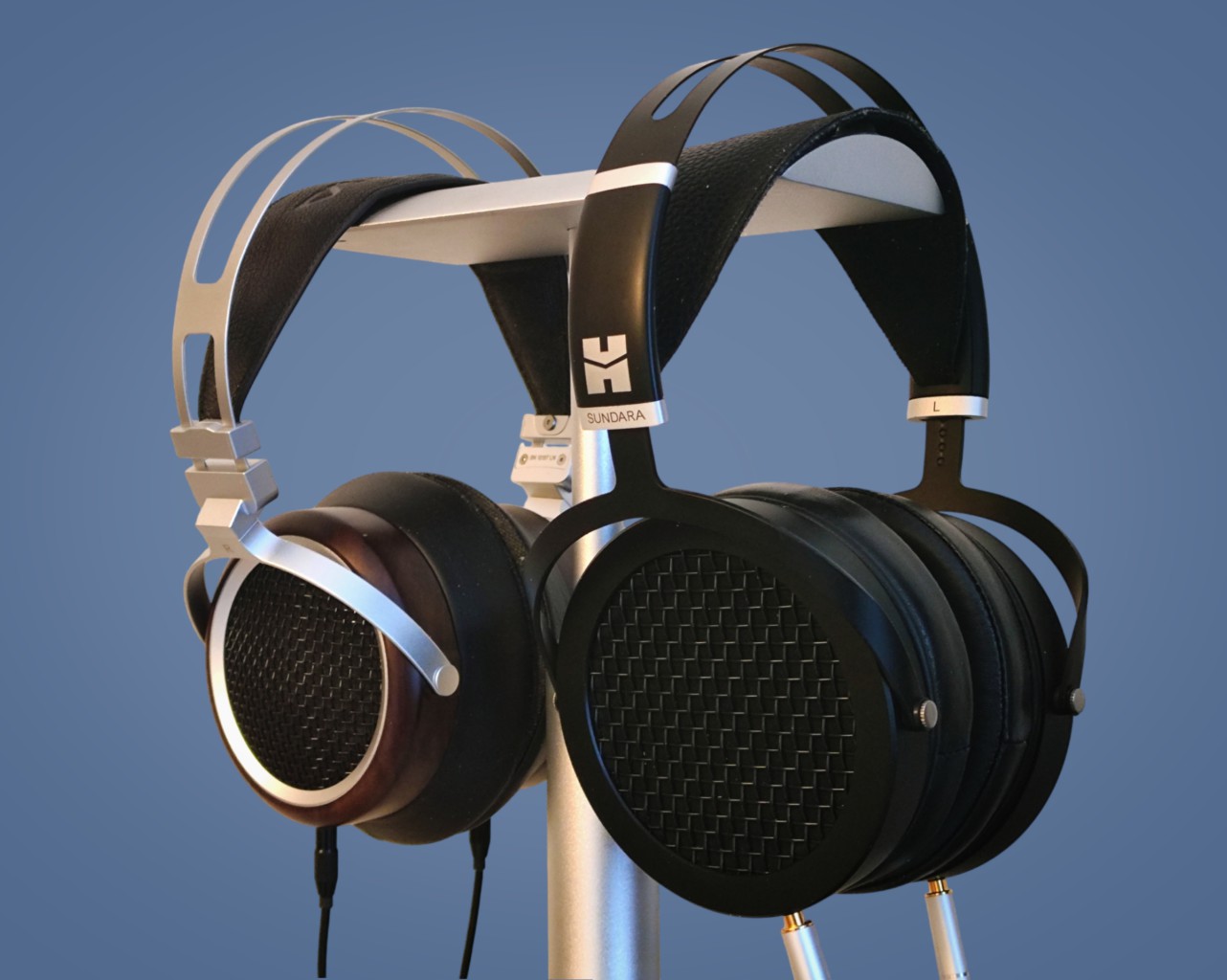
This is a comparison between the Hifiman Sundara and the Sivga Luan. Both fall in the 200 to 300 USD price range and offer a similar level of sound quality without sounding radically different.
The planar magnetic Hifiman Sundara has long been a reference point for open back headphones in its price class – planar magnetic headphones and others. It debuted in 2018 and received a small revision in 2020. Originally priced at USD 299, it now typically sells for under USD 200.
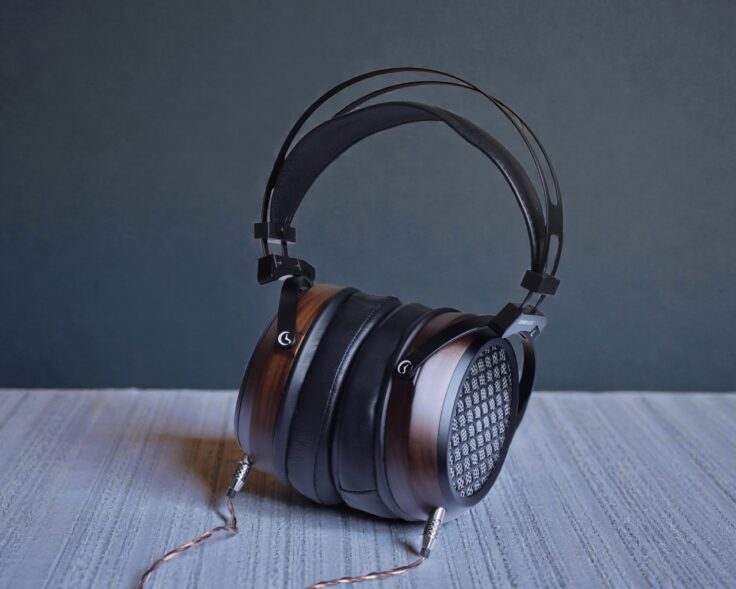
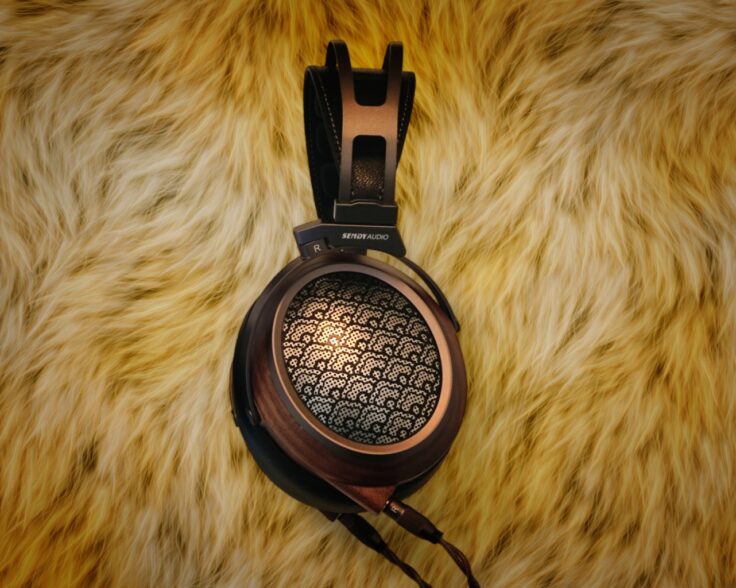
The Sivga Luan is an open-back headphone released in mid-2023 that has been generally well received. It uses a 50 mm in-house dynamic driver, features wooden ear cups, and is priced around USD 300.
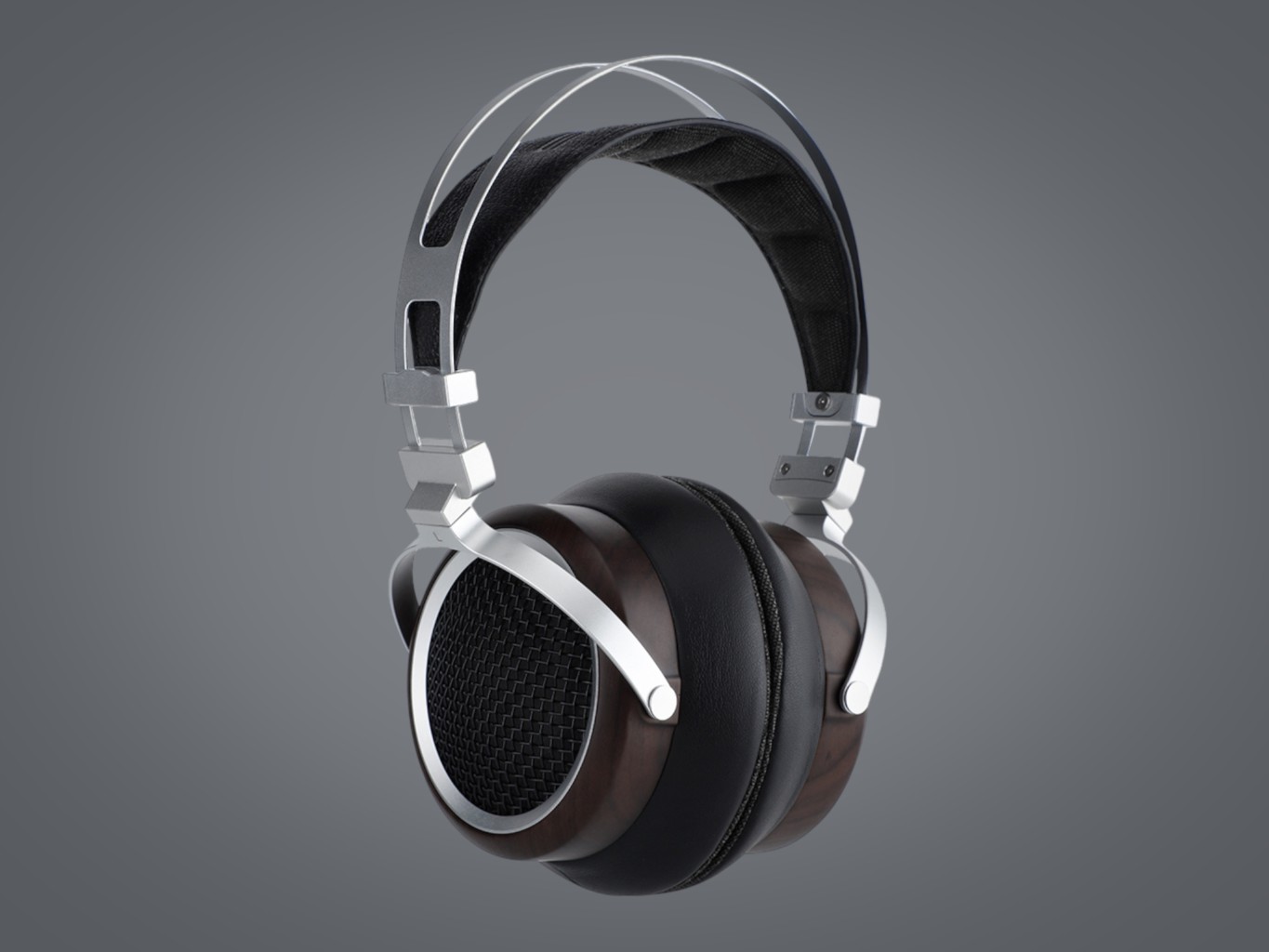
SIVGA LUAN SPECIFICATIONS
- Open back with 50 mm dynamic driver
- Transducer Size: 450mm
- Sensitivity: 100dB ± 3dB
- Impedance: 38 Ohm ±15%
- Frequency Response: 20Hz – 40KHz
- Cable Length: 1.6M ±0.2M
- Headphone Connectors: 3.5 mm
- Cable termination: 3.5 mm
- 12-month warranty
- Weight: 354g
Current price and availability:
- Aliexpress: Sivga Luan
- Amazon: Sivga Luan
- Linsoul: Sivga Luan
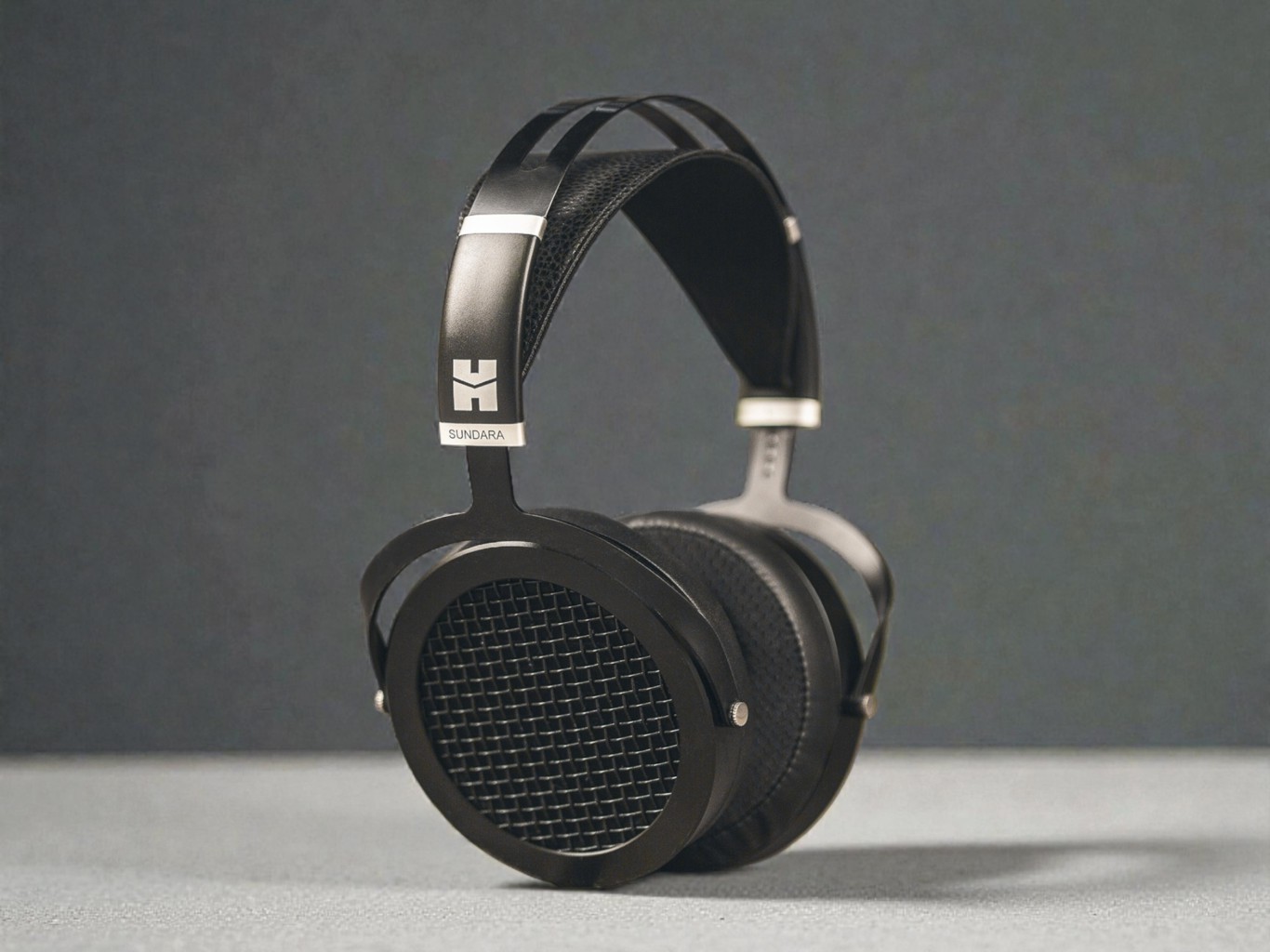
HIFIMAN SUNDARA SPECIFICATIONS
- Drivers: Planar magnetic, single-sided magnets
- Impedance: 37 ohms
- Sensitivity: 94 dB/mW
- Weight: 372 grams / 9.4 oz
- Detachable cables with 3.5mm connectors on headphones
Current price and availability:
BUILD AND COMFORT
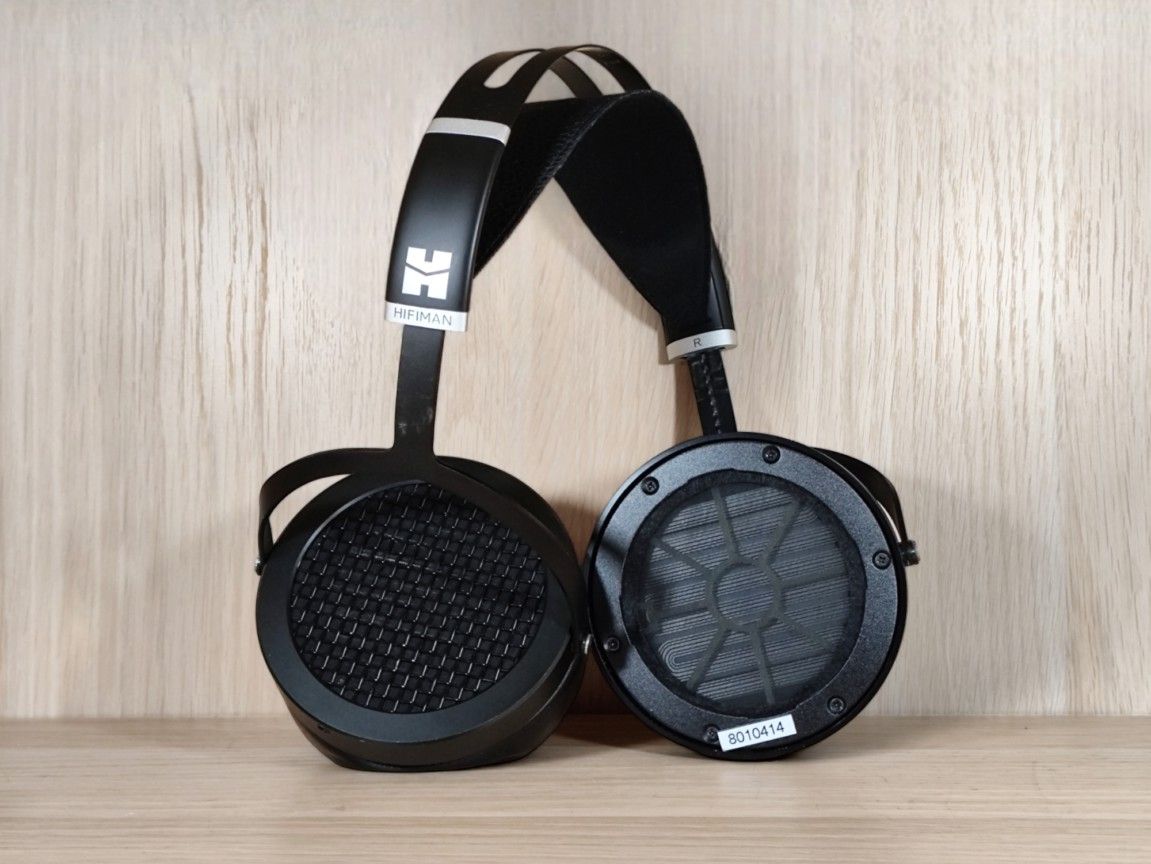
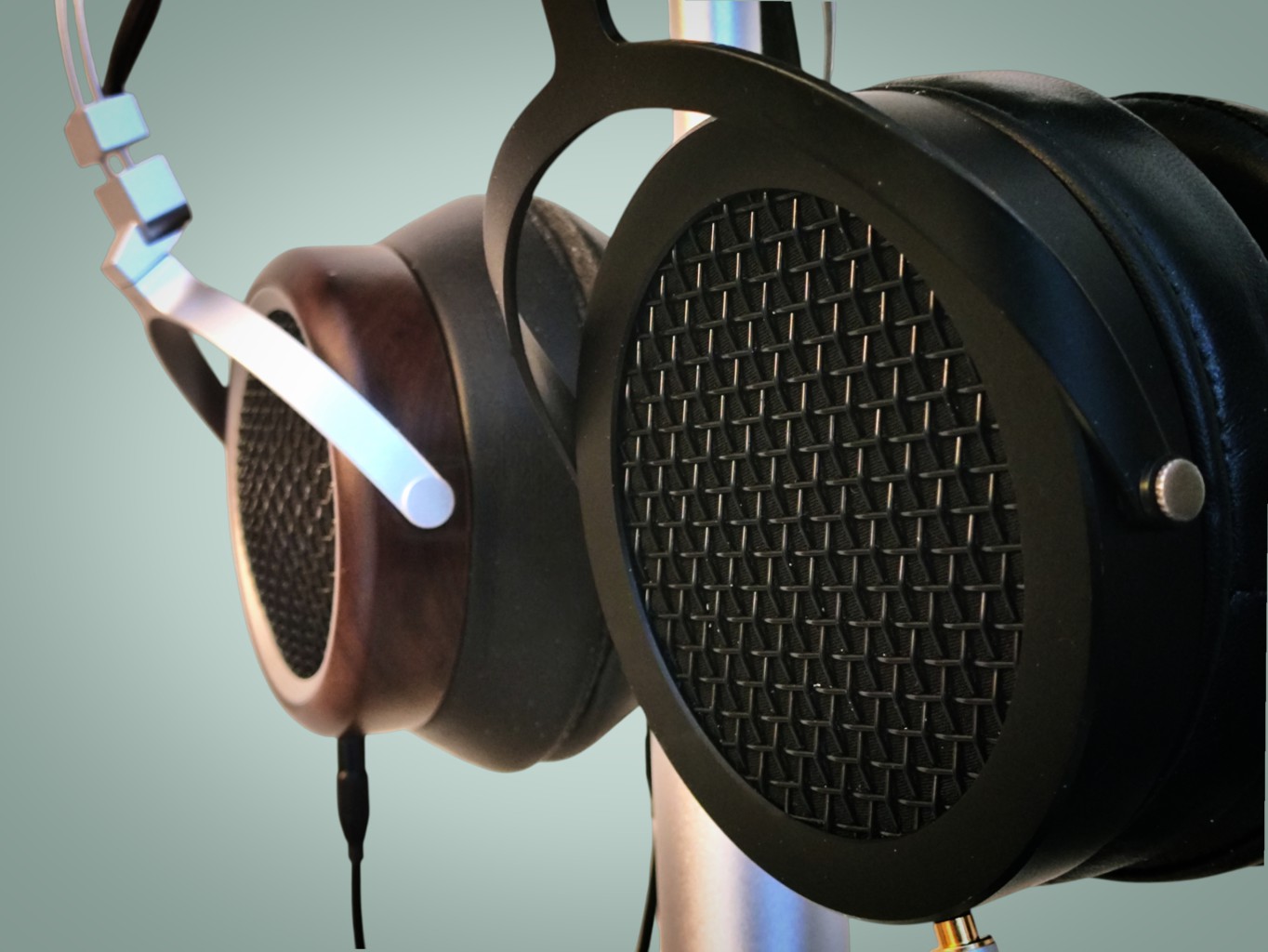
The Hifiman Sundara is mainly made of steel with some plastic parts. It uses a suspension headband, which is a plus, but the swivel range is limited, so it may not fit all head shapes well.
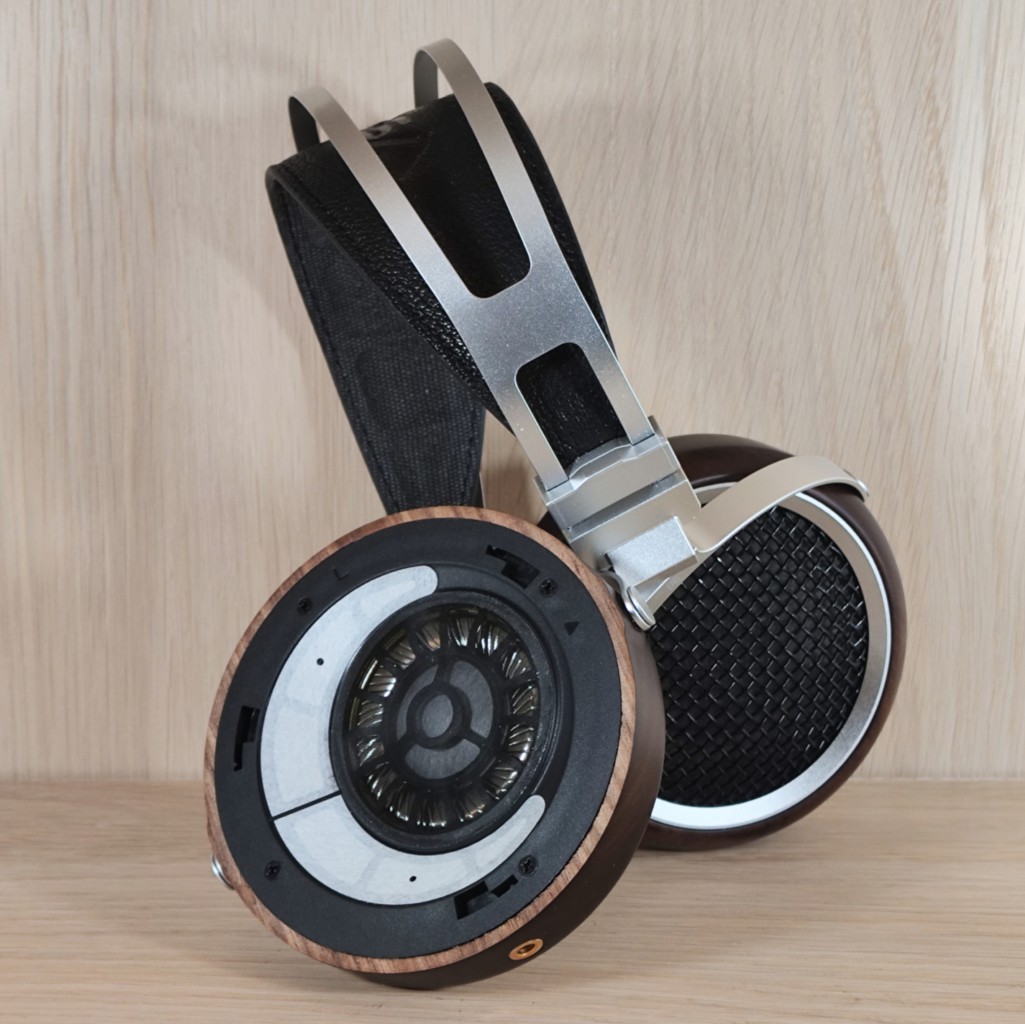
The Sivga Luan, by contrast, is beautifully built with a more refined and comfortable headband design, wooden ear cups, and better ear pads.
In terms of build quality, the Sivga clearly comes out on top, and most people will likely prefer the Luan for comfort as well. It also includes an impressive leatherette travel case.
When it comes to ear pads, the Luan unfortunately uses a proprietary mounting system, and as far as I know no adapter rings are available. This means you are limited to the stock pads or Sivga Phoenix pads, unless you resort to using gel tape.

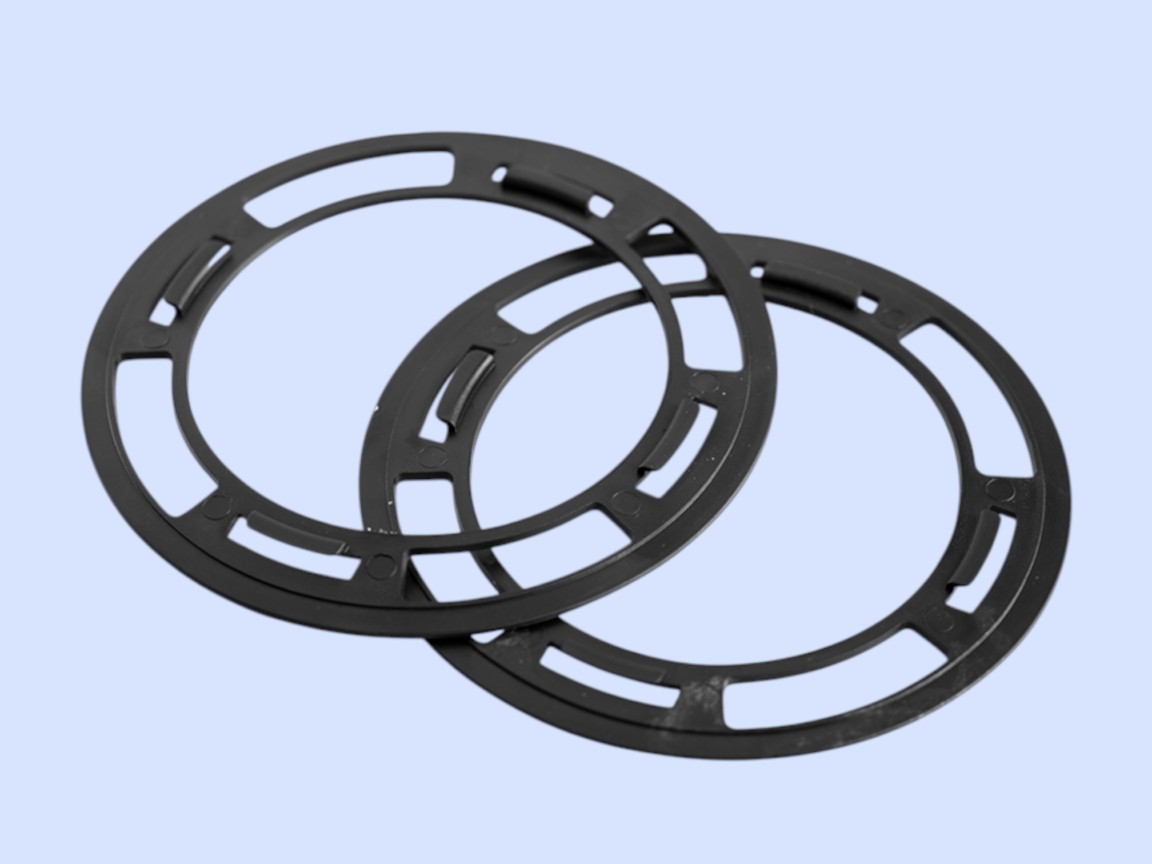
Sivga Luan pad (left) and Sundara adapter ring (right)
The Sundara is much more flexible. It uses Hifiman’s older pad mounting system, and adaptor rings are easy to find, allowing you to use almost any standard third party pads with a mounting lip. I have fitted my own pair with third party leather pads. I do not think they change the basic tuning, but in my experience they improve the technical performance, with slightly more detail and a wider soundstage. For this comparison I used those pads, which I think is fair given that the Sundara typically sells for about 100 USD less than the Luan.
LISTENING COMPARISONS
Associated equipment:
- Amplifier: Topping A90
- DAC: RME ADI-2 DAC FS
Train to Kyoto by Vega Trails
At first listen the two headphones sound quite similar, with broadly comparable tuning and a similar overall level of detail. The Sundara sounds more airy, with a slightly wider soundstage and somewhat better imaging, while the Luan comes across as more intimate.
Spring 3 Vivaldi Recomposed by Max Richter
Again, they are quite similar at first listen. However, I find the Sundara to sound slightly cleaner, with better instrument separation. The difference is not large, but it is noticeable.
Summer 3 Vivaldi Recomposed by Max Richter
The tonality is similar, but the Luan sounds a bit thicker and warmer.
Rambling Man by Laura Marling
The Luan delivers neutral, natural sounding female vocals that sit clearly at the center of the presentation and feel well balanced. The Sundara also performs well in this area, but I prefer the timbre and presence of the Luan, as it sounds warmer and richer.
Sunrise by Norah Jones
On this female-vocal focused track, the Luan presents the vocals more forward but also darker. Here I prefer the Sundara, which sounds more natural.
Limit to Your Love by James Blake
Vocals are excellent on both. Bass performance is unsurprisingly stronger on the Sundara, while the Luan struggles more with this very demanding bass line. That is to be expected, as planar magnetic headphones, like the Sundara, typically handle bass better.
Bullet in the Head by Rage Against the Machine
Here, the Luan is thicker, darker and more punchy, the Sundara cleaner and a bit sharper.
Vicarious by Tool
Again, they are not radically different, but the Sundara is a bit tighter, the Luan a bit richer
Spontaneous Compositorius by Thomas Agergard
The saxophone is a tad darker with the Luan, the treble ever so slightly sharper. The Sundara has a bit more air.
WRAPPING IT UP
Sound Signature
By and large, these two headphones sound quite similar. Both are relatively neutral, neither is bass-heavy, and both have a present midrange and treble. They’re not identical, and typically not hard to tell apart, though.
My preference and the perceived characteristics vary from track to track; for example, which one sounds more forward on vocals is often a toss-up, as it depends on the frequencies in the music and how they are rendered on each headphone.
Treble
The treble is quite comparable both in terms of presence and quality. The Luan might be a tad sharper.
Midrange
The midrange is also quite comparable, though not identical. Depending on the track, one may feel more forward than the other. The Luan often sounds a bit richer and darker in the mids, while the Sundara is slightly thinner.
Bass
The bass quality is better on the Sundara, especially when it is properly amplifier, as expected from a typical planar magnetic headphone. However, they are still fairly comparable, and the Luan often feels more dynamic and punchy.
Soundstage and Imaging
The Sundara has a larger, more open soundstage, with better instrument separation and imaging. The Luan performs well, but the Sundara is better in these areas.
Detail, Dynamics, and Timbre
In terms of overall detail retrieval, the two are not vastly different, but I generally find the Sundara reveals slightly more fine detail across the board, especially in the bass region.
The Luan is stronger in terms of dynamics, especially macrodynamics.
Instrument timbre is generally good on both, though which sounds more natural varies from track to track and instrument to instrument. I have no clear general preference in that regard.
AMPLIFICATION
I did my comparisons section using a rather powerful desktop amplifier, the very versatile Topping A90.
It is a good amp for both headphones, but I know there are even better options for the Sundara, which I explored in my review a couple of years ago (read more here).
In my testing of the Sundara, I used everything from my phone and several USB dongles to more advanced and powerful desktop amplifiers. It is the kind of headphone that sounds decent on modest gear but really has the potential to scale with better amplification.
I even tried the Sundara with a couple of speaker amps that work well with planar magnetic headphones directly from the speaker taps. Some planars really shine on those, though not all benefits – but the Sundara certainly did.
The Sivga Luan is a totally different headphone when it comes to amplification. It works very well even with very modest sources and does not scale much as you increase power. It is extremely versatile, and even the tiny Letshuoer DT01 Pro does a good job. If you move up to something like the Fosi DS3, or even better the Dragonfly Cobalt, you are already close to its peak performance, nearly on the level of the Chord Mojo or great desktop rigs.
CONCLUSION
Overall, I find the Hifiman Sundara and Sivga Luan to be very comparable, each with its own strengths and weaknesses.
In terms of tonality and timbre, both are fairly neutral, and my preference depends on the music. The Luan tends to sound thicker and warmer, while the Sundara comes across as more refined but also thinner and a bit distant.
For raw technical performance, I generally favor the Sundara, especially for detail retrieval, imaging, and bass quality. The Luan, however, has the edge in dynamics and articulation.
Amplification is also worth considering. The Sundara sounds fine with modest gear but needs a powerful amp to perform at its best, while the Luan is much easier to drive and performs very well even with small dongles.
Build quality is another clear difference. The Sundara is not bad, but the Sivga is superb. However, the Sundara offers a much more flexible pad attachment mechanism, which makes pad swapping far easier (you must probably resort to gel tape on the Luan).
All that said, I can recommend both headphones for what they are. Both are great options.
Thanks for reading. You can support us by purchasing anything using any of our affiliate links.
- Aliexpress: Sivga Luan
- Amazon: Sivga Luan
- Linsoul: Sivga Luan
- AliExpress: Sundara
- Amazon: Sundara
Any purchase you make on Amazon or Linsoul with any of our affiliate links will give us a small provision at no cost to you.
We only get a provision for items that are not returned, so there’s no incentive for us to recommend something that’s not good.
Linsoul : Headphones, Earbuds, Wireless Earbuds, Desktop DAC/AMP, Portable DAC/AMP, Digital Audio Players,
Amazon: Headphones, IEMs, Headphone Amplifiers, Home Audio or Anything else.
.
If you enjoyed this article or other content on The Headphoneer, you might consider leaving a small donation to keep this website up and running. No donation is too small. Thanks for supporting us!

If you like our work please follow us on Instagram, Facebook and Twitter , it will help us grow. Sharing is caring 🙂