


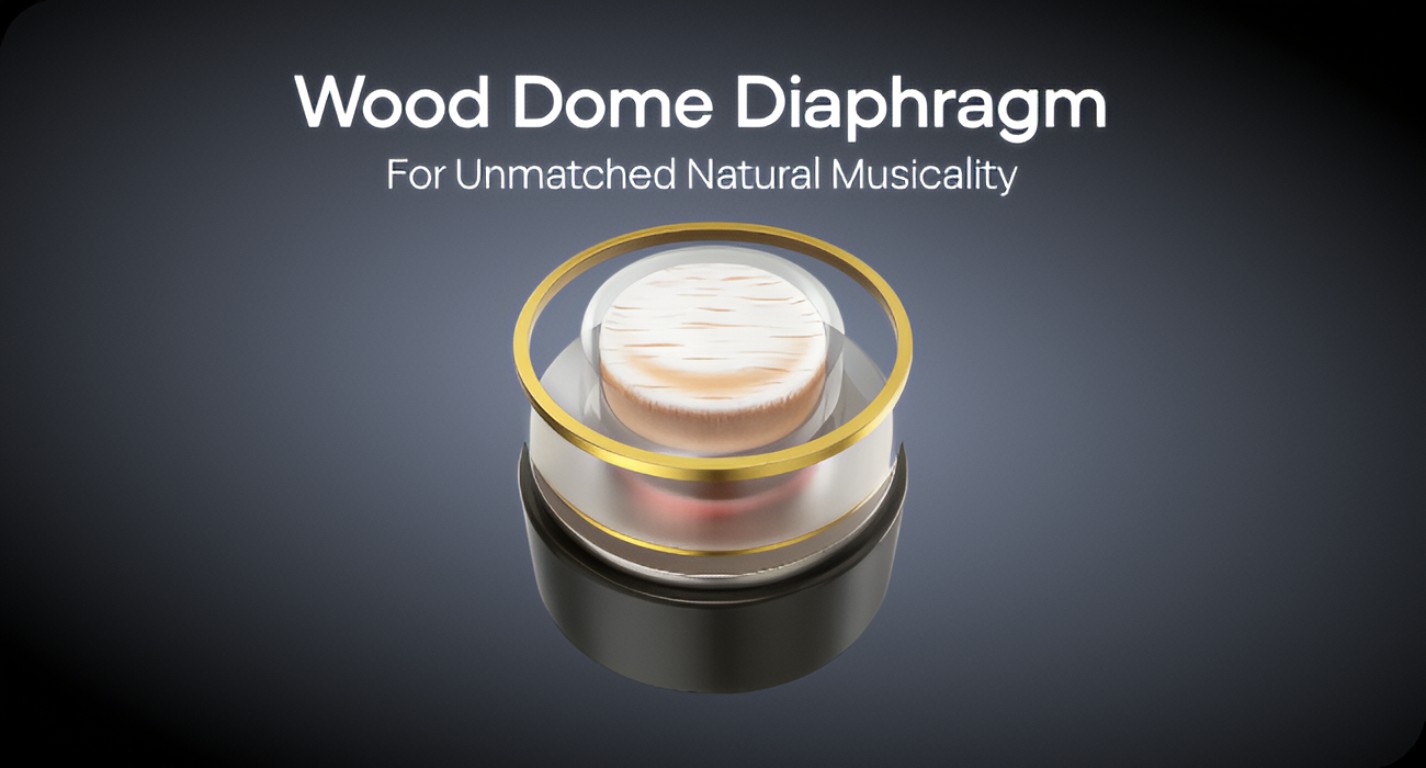
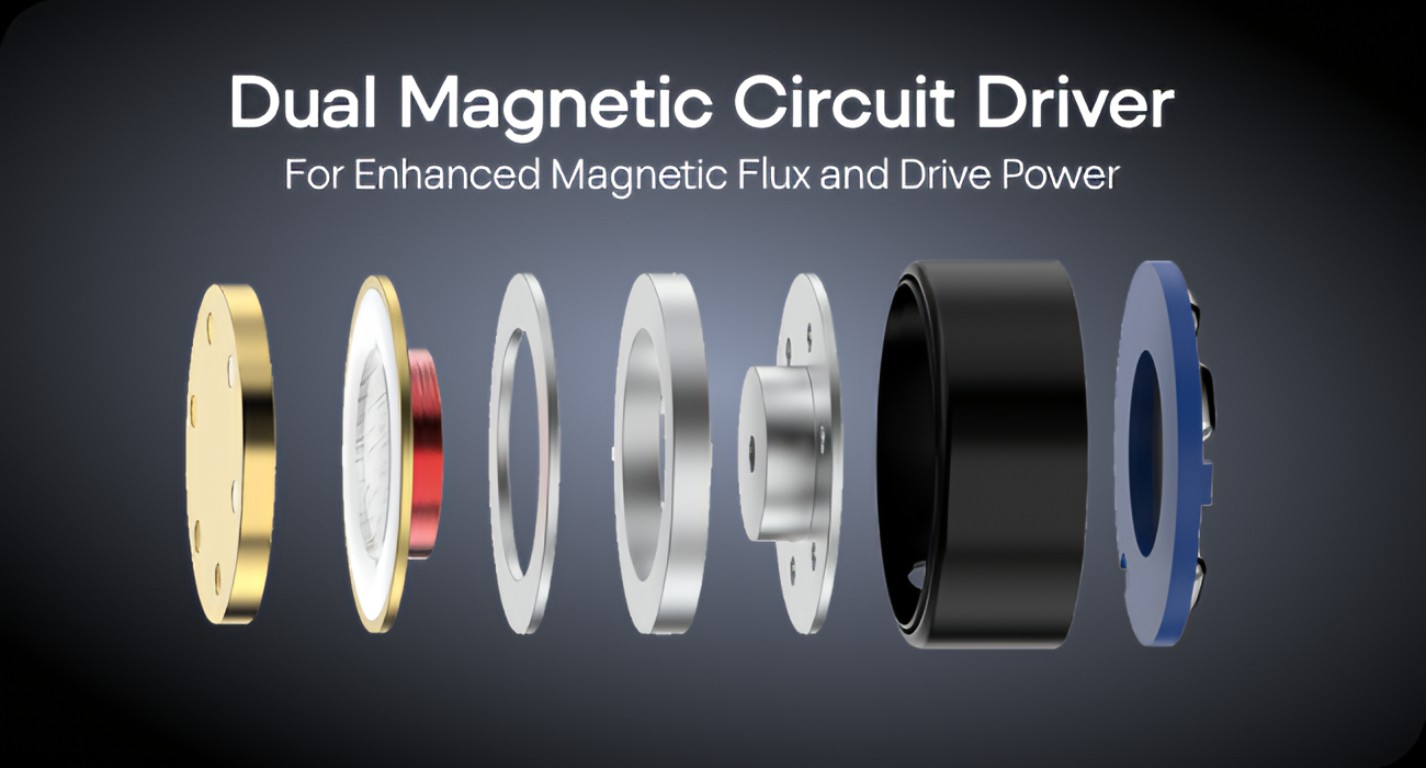
The Twistura WoodNote is a dynamic single-driver IEM priced at 179 USD (excluding tax). It features a diaphragm made from a composite membrane of natural wood fibers, formed into a dome-shaped “ball-top” structure and given a flexible gasket. The physical properties of the wood influence the sound—like any material would—and wood is often associated with a warm, natural character. However, overall sound quality depends on many other design factors as well. The dynamic driver is 10mm large, with a dual-magnet, dual-chamber design and a guided ventilation system. Users can fine-tune the sound using three interchangeable pairs of tuning nozzles.
TWISTURA WoodNote SPECIFICATIONS
- Driver: 10mm dynamic
- Impedance: 18 Ohms
- Sensitivity: 125 dB/V
- Frequency response: 8Hz–21kHz
- Distortion: THD ≤0.05%
- Nozzle diameter: 6mm
- Weight: 7 g each
- Cable weight: 33 g
- Connector Type: 0.78mm 2-Pin Connectors.
- Termination Plugs: 3.5mm and 4.4mm interchangable
Current price and availability:
- Linsoul: Twistura WoodNote
- Amazon: Twistura WoodNote
BUILD AND COMFORT
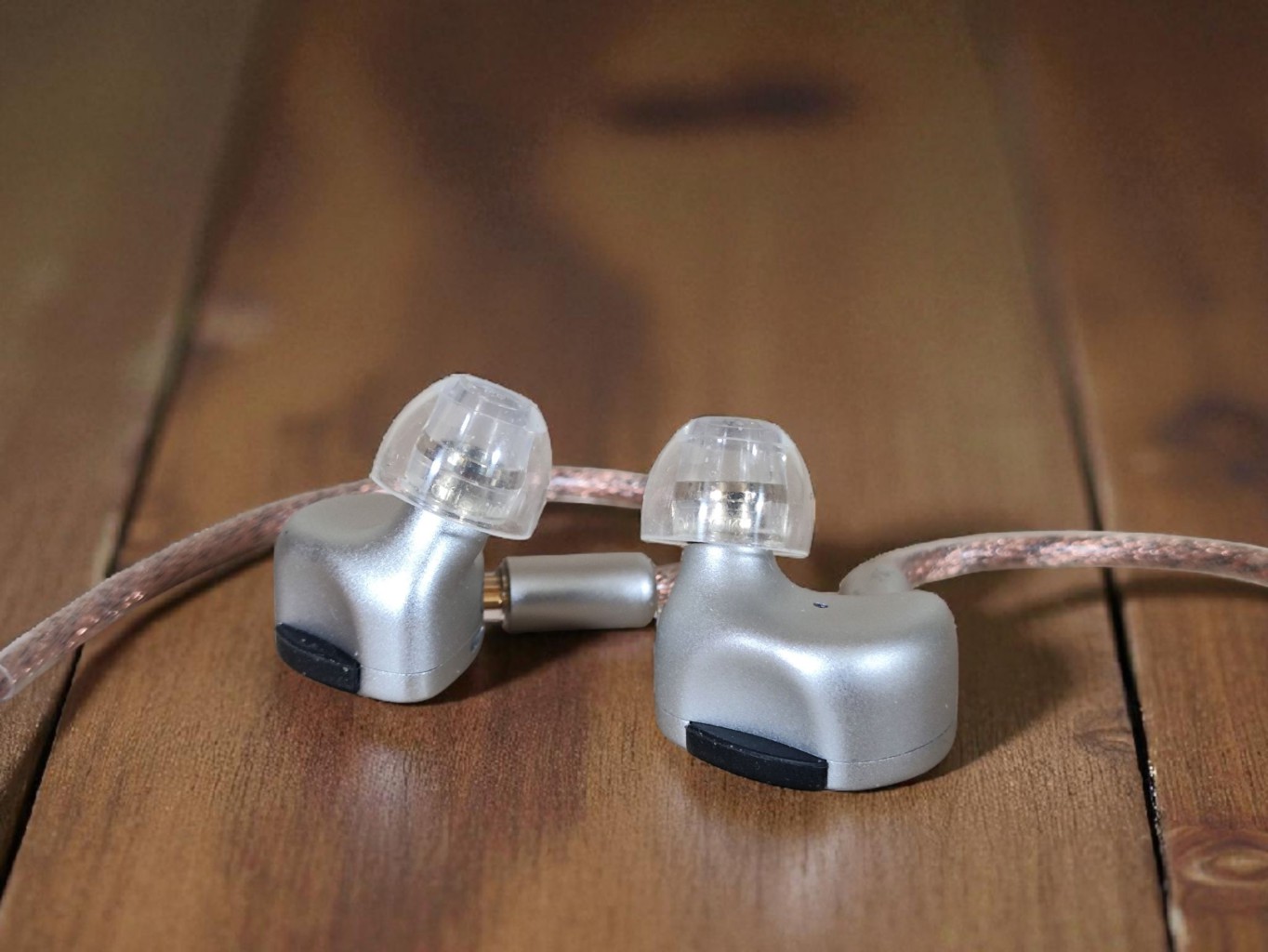
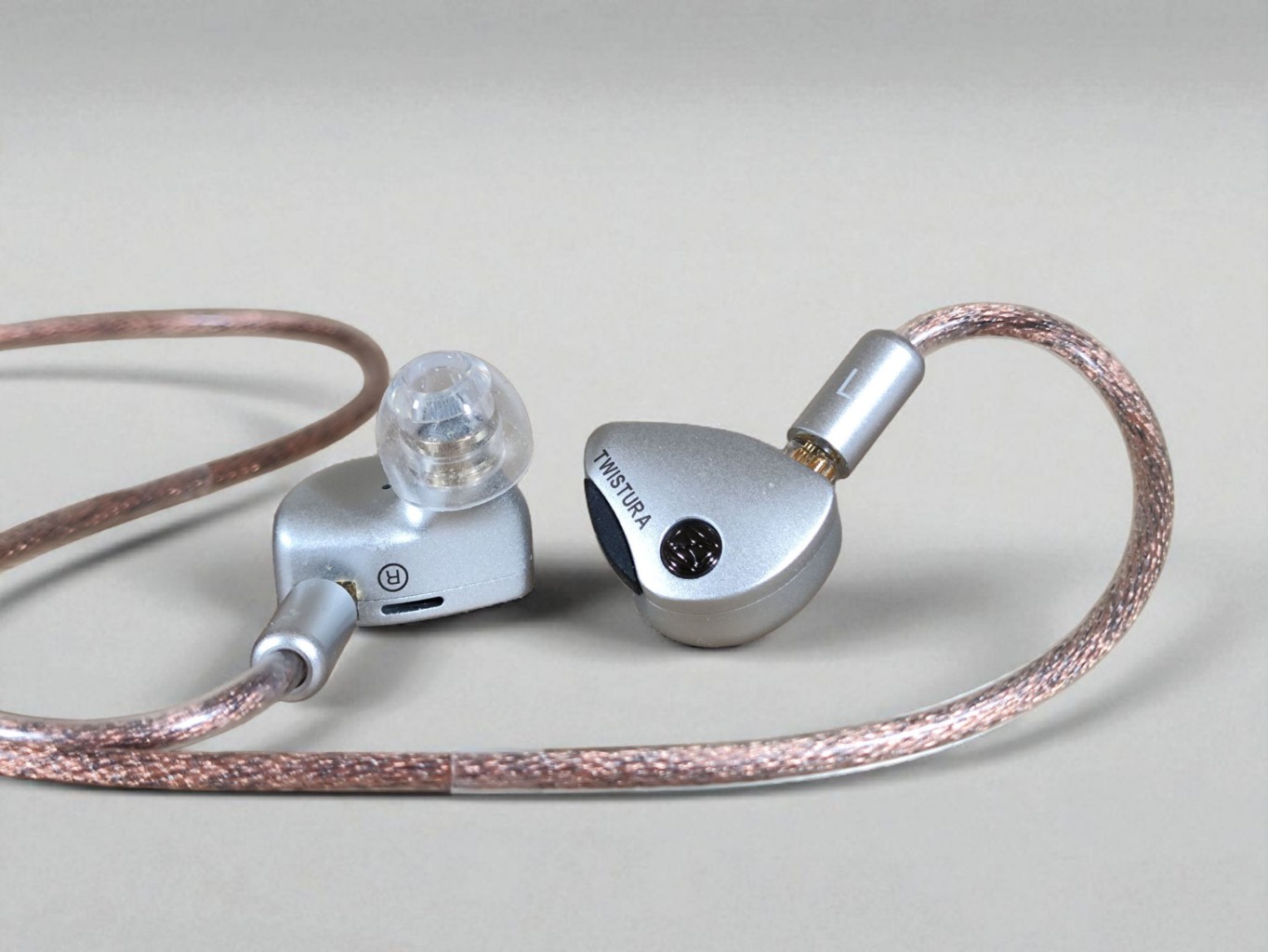
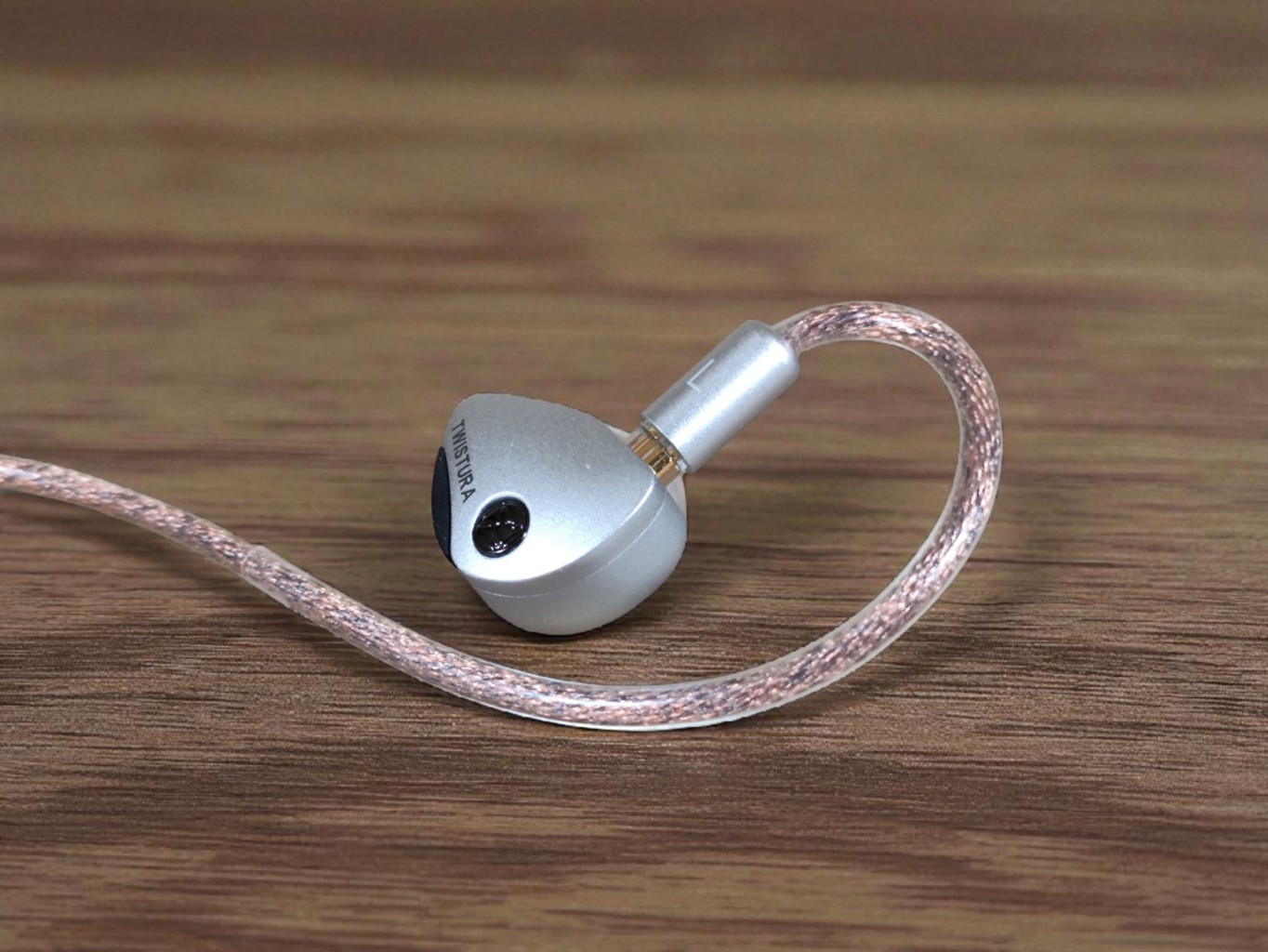
The IEM shells are rather small and CNC-machined from aluminum alloy, with a black rubbery edge that appears to serve no functional purpose beyond visual design. Maybe it makes them easier to hold. I find the IEMs to sit comfortably in my ear with no complaints.
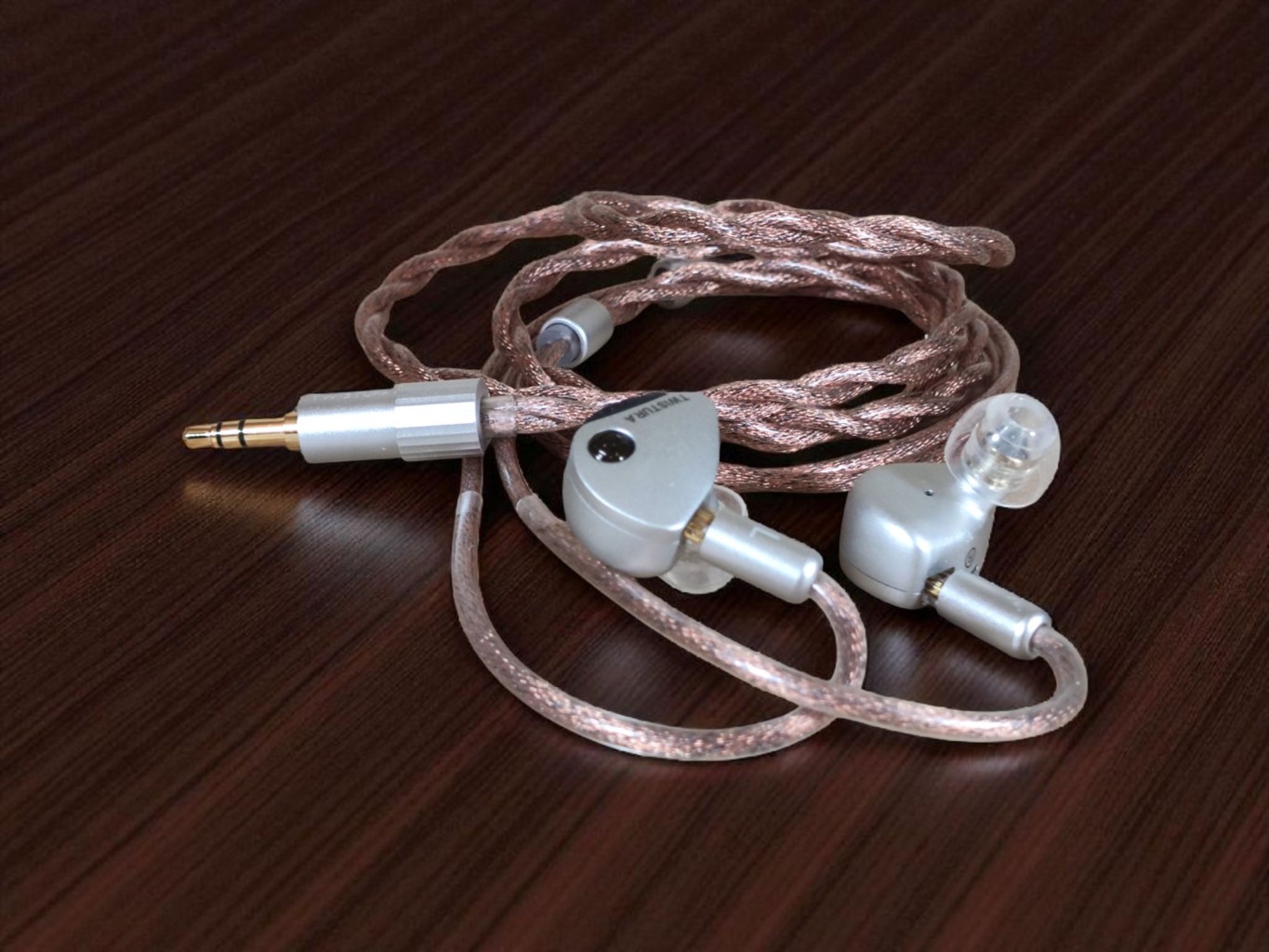
The included cable is also comfortable and seems very well-built: sturdy and solid without being overly thick or stiff. It’s a hybrid design using strands of four different materials, including oxygen-free copper and a silver-copper alloy. I don’t know why the cable uses so many different alloys, it may just be a marketing gimmick. Anyway, it feels like a good cable and features 0.78 mm 2-pin connectors and a swappable termination system, with both 3.5 mm and 4.4 mm plugs included in the box.
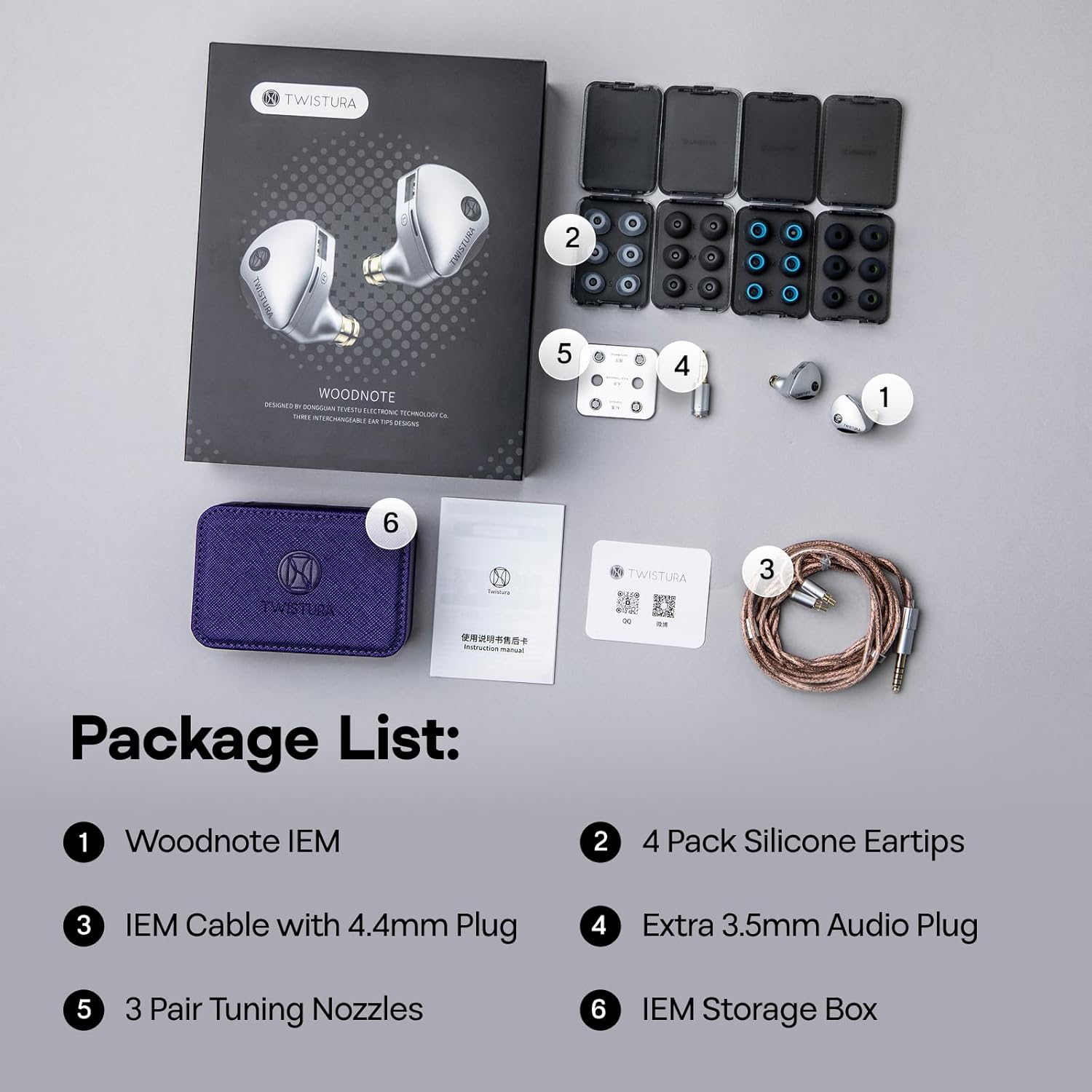
The package includes an unusually large selection of ear tips. There are four types, each in three sizes, neatly organized in separate cases. Overall, the accessories are impressive.
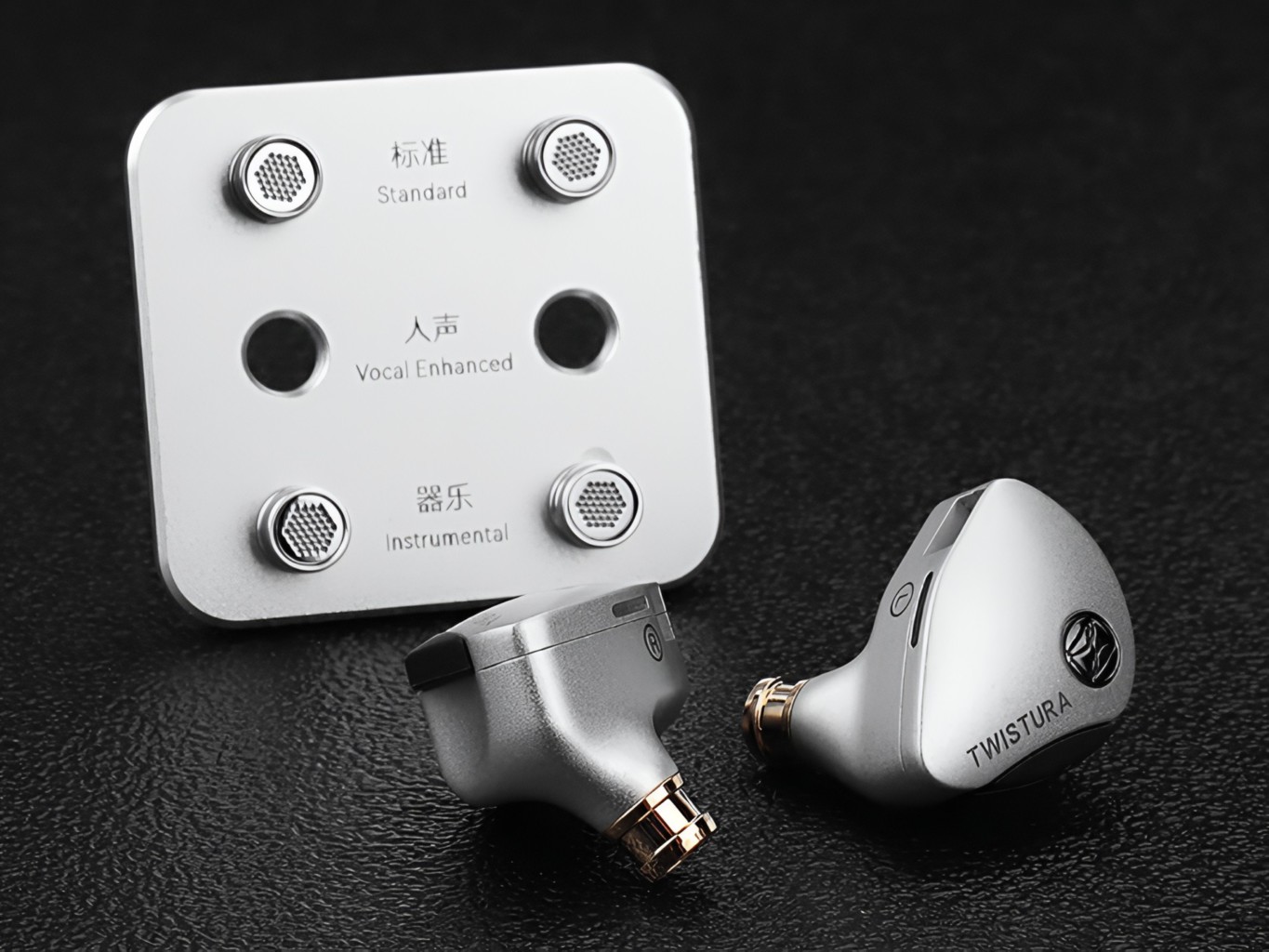
Also included is a stylish purple storage box and the previously mentioned tuning nozzles, neatly mounted on metal plates with screw-in slots labeled: Standard, Vocals Enhanced, and Instrumental. I especially appreciate the inclusion of dedicated slots for the pre-mounted nozzles.
I will, however, not test the different nozzles. I’m doing this review with the ones that are pre-mounted (vocal enhanced).
ABOUT TIPS
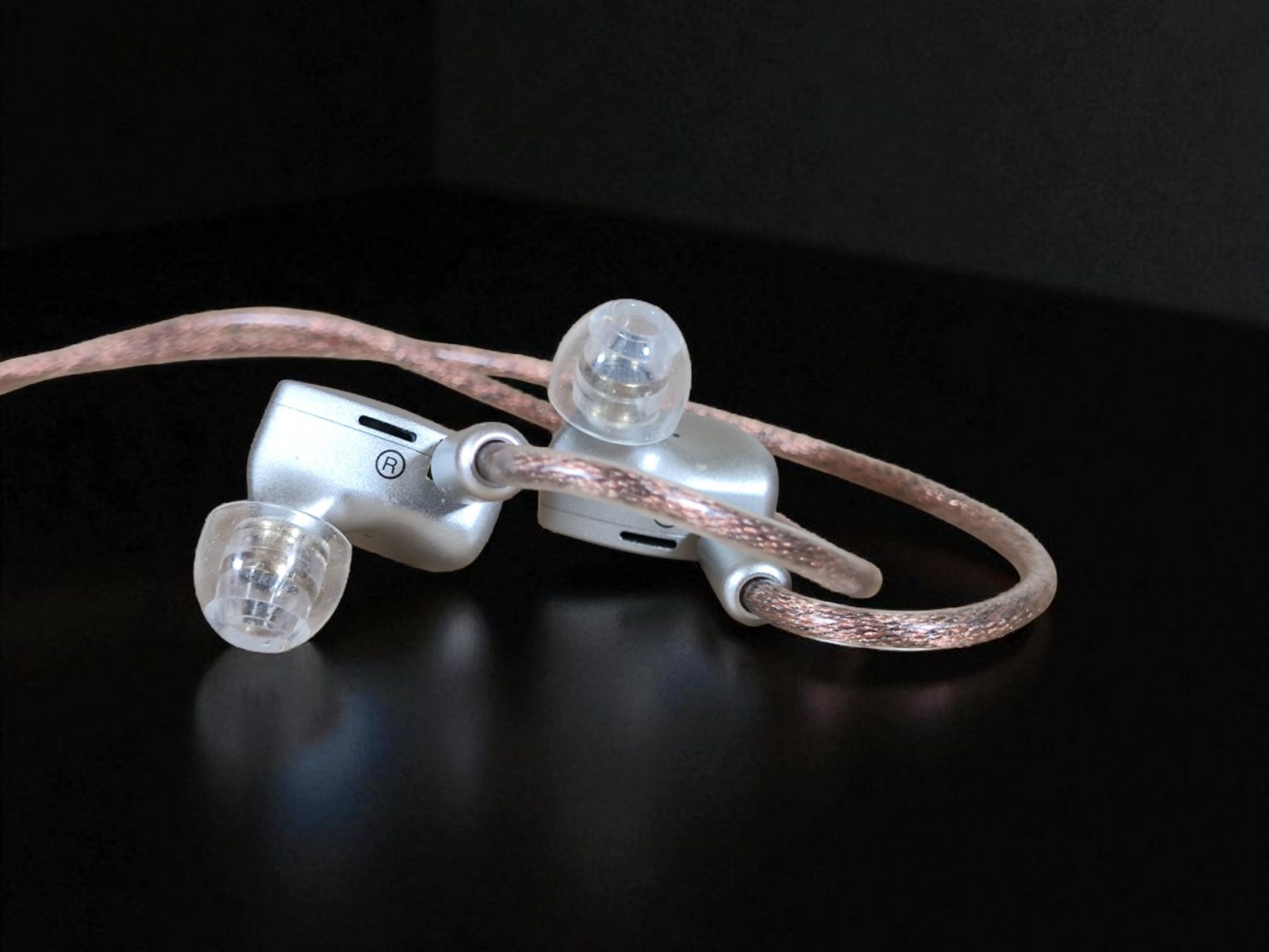
Anyone who regularly goes through IEMs tends to use their own ear tips rather than the ones provided. Finding the right fit can be challenging, and I’ve settled on a selection of third-party tips that I use for testing. The most important factor is achieving a proper seal and a comfortable fit. That said, tips also influence the sound, but this effect varies from person to person, as it depends on how the tips interact with both the IEMs and the unique shape of each individual’s ear canal.
I typically try several different tips when testing IEMs. My preferred choice is the SpinFit CP145, but they’re not always ideal—sometimes the comfort isn’t quite right, and occasionally I’m not satisfied with the sound. In this case, I tested several options and found that the SoftEars UC tips delivered a better sonic result. To illustrate how these two tip options differ in sound, I’ve included listening impressions for both below.
That said, the Twistura WoodNote comes with four types of ear tips in the box, providing a solid starting point for finding the right sound and comfort for most users. Combined with the three sets of tuning nozzles, there are plenty of options to fine-tune the sound, even without resorting to third-party tips.
LISTENING IMPRESSIONS
Associated equipment:
- Amplifier: Topping A90
- DAC: RME ADI-2 DAC FS
- SpinFit CP145 and SoftEars UC tips
Jambi by Tool
CP145 tips: The guitars have a textured, rich quality. The bass is relatively polite in quantity but of good quality. Vocals are well-presented and stand out clearly in the mix, with no issues of sibilance. The overall sound has a slight dryness to it, separation and imaging are solid.
SoftEars UC tips: The general tonality is warmer and feels more natural. There’s less emphasis on texture, but a slightly more rounded timbre. Otherwise it’s the same.
Smile by Pearl Jam
CP145 tips: There’s a slight dryness to the timbre, though not in a harsh or unpleasant way. Guitars come through with strong texture, instrument separation is clear. Vocals are forward without any noticeable sibilance but the IEMs don’t sound dark.
SoftEars UC tips: Slightly warmer, otherwise it’s the same.
Almost Like The Blues by Leonard Cohen
The bass is nicely textured and rather neutral in presence, certainly not too heavy. Vocals are raspy and textured sounding. There’s good detail on the percussion.
SoftEars UC tips, the general tonality is warmer, the bass is a bit stronger.
Black Crow by Cassandra Wilson
CP145 tips: The soundstage is very spacious with good instrument separation, though the background isn’t as dark as it could be. Texture is excellent, vocals are present but slightly dry. Highs are smooth yet articulate, and the bass remains polite and controlled.
SoftEars UC tips: More bass, blanket background, lusher vocals.
Some Day My Prince Will Come by Coryell Miroslav Quartet
CP145 tips: The bass is well-balanced and doesn’t overpower the electric guitar. Both are presented with rich texture and subtle detail.
SoftEars UC tips: Fuller sounding bass, bolder tonality.

Bored by Deftones
CP145 tips: Textured guitar riffs, clear textured vocals. Good general dynamics. The bass is present enough but overwhelming in any way.
SoftEars UC tips: Fuller sounding bass, a bit more rounded timbre.
As Before by Olga Konkova
CP145 tips: The cajôn drum has a great, textured punch. The piano is rich and not overly bright (as it can be with many earphones). Vocals are delicate and rich in texture.
SoftEars UC tips: Thicker sounding cajôn drum, slightly warmer vocals.
It Could Be Sweet by Portishead
CP145 tips: Well balanced, detailed sounding bass. Vocals are slightly dry but delicate with no sibilance issues.
SoftEars UC tips: Fuller sounding bass, slightly lusher vocals.
Escape Route by Boris Blank
CP145: Rich and articulate presentation, nice dynamics. The bass is well present but not boosted. Great instrument separation.
SoftEars UC tips: Slightly bolder sound.
Spontaneous Compositorius by Thomas Agergard
CP145 tips: The saxophone is presented with good presence, rich detail and nuance. The percussion is articulate but not bright, it’s a bit dark-leaning and slightly dry. The bass is nicely present, but less dominant than often it’s the case with other IEMs.
SoftEars UC tips: Cleaner sounding treble on the percussion, slightly better imaging, bolder bass presentation.
Young Vivaldi by Modo Antiquo
CP145 tips: The strings have a tight and somewhat strident timbre. The texture is excellent, as always.
SoftEars UC tips: Strings have a slightly warmer tonality.
Summer 3 Vivaldi Recomposed by Max Richter
CP145: Great instrument separation and layering. Nice instrument timbre, strings have a certain aggressive bite to them that’s very enjoyable.
SoftEars UC tips: Very similar.
Sunrise by Norah Jones
CP145 tips: Very well balanced and detailed sounding bass. Vocals are definitely in the centre focus of the song, they’re nicely nuanced and not overly warm.
SoftEars UC tips: The bass is thicker sounding and more prominent. Vocals are slightly sweeter.
WRAPPING IT UP
Sound Signature
The Twistura WoodNote is a nicely balanced earphone. The midrange isn’t overpowered by the bass and the treble is present but not overly crisp. I tried two different third party eartips, which gave surprisingly different results. With SpinFit’s CP145 tips, the sound is more textured and dry, with SoftEars’ UC tips, the sound is warmer and more dynamic.
Treble
The treble is a bit polite and non-fatiguing but without veering into darkness. Sibilance is handled smoothly and never harsh. With the CP145 tips, the treble takes on a dry, textured quality, while the SoftEars UC tips offer a cleaner, more dynamic, and liquid presentation.
Midrange
The midrange is clear, present, and articulate. With the CP145 tips, it offers plenty of texture but can have a slightly dry timbre. The SoftEars UC tips, on the other hand, bring a warmer and bolder midrange with a smoother, more natural tone, though with less pronounced texture.
Bass
With the CP145 tips, the bass is neutral in quantity but offers excellent texture. It’s not rolled off—just more restrained compared to many other IEMs. The SoftEars UC tips bring a slightly bolder, rounder bass response, adding more weight without sacrificing control, although microdynamics and texture is less articulate.
Soundstage and Imaging
The soundstage is typical for IEMs—nothing more, nothing less. With the CP145 tips, imaging was merely adequate and didn’t stand out. However, with the SoftEars UC tips, the background became darker and the treble cleaner, resulting in noticeably more precise and impressive imaging.
Detail, Dynamics, and Timbre
These aspects changed significantly with different tips. With the CP145 tips, detail was good but presented in a dry, textured manner. Dynamics were average, and the overall timbre—from bass to treble—tended toward dryness. In contrast, the SoftEars UC tips brought a shift in character: the treble became cleaner and clearer, the midrange warmer with reduced texture and slightly less articulate detail, and the bass followed a similar pattern—rounder, smoother, and less textural. Dynamics were average with the CP145 tips, but became significantly better with the SoftEars UC tips, actually quite impressive.

COMPARISONS
Among single dynamic driver IEMs in this price range, my current in-production favorite is the FiiO FD15, costing 165 USD. I don’t see much value in comparing the Twistura WoodNote to other models, so I’ll leave it at that:
FiiO FD15 vs TWISTURA WoodNote
Associated comparison equipment:
- Amplifier: Topping A90
- DAC: RME ADI-2 DAC FS
- SoftEars UC tips on both sets
The FD15 uses a significantly larger 13.8mm driver compared to the 10mm driver in the WoodNote. The diaphragm materials also differ notably: the FD15 features a metal alloy diaphragm FiiO calls “magnalium”—a blend of magnesium and aluminum—while as mentioned, the WoodNote uses a natural wood fiber diaphragm. Additionally, the FD15’s housing is considerably heavier than that of the WoodNote, but not much larger.
When it comes to how they sound, however, they have much more in common, offering similar sound signatures and technical performance. Both lean warm with a slightly lush presentation. It’s difficult to favor one over the other, as they are equally impressive but offer distinct flavors. The FD15 is lusher and warmer, while the WoodNote is drier, airier, and more textured—relatively speaking.
My full FiiO FD15 review can be found here.
Current price and availability
- Amazon: FiiO FD15
AMPLIFICATION
Amplification matters. For testing, my go-to is the Topping A90 desktop amp—it’s a powerful, silent, and neutral all-rounder. I also have two of them, which makes side-by-side comparisons more consistent and reliable. That said, most readers are likely more interested in portable or budget-friendly options. Here are my impressions of the Twistura WoodNote when paired with various dongles and portable sources:
Starting with the tiny Jade/FiiO JA11 dongle, things already sound very good. Kiwi Ears’ Allegro Pro has better dynamics and more detail, though. Letshuoer DT03 works well, with a lusher tonality than the two others.
The xDuoo Link2 Bal2 sounds a bit smoother and more effortless. It has an extra level of refinement. I feel it’s the best so far. The THX Onyx takes it up a notch, sounding nicely warm, detailed and dynamic, it’s a very nice match for the WoodNote.
The Dragonfly Cobalt performs great. It’s neutral and clean. I prefer the THX Onyx, though, as it has a that touch of warmth.
Finally, the Chord Mojo is a bit darker and lusher-sounding than the Cobalt, pretty similar to the THX Onyx, but at a higher cost.
To sum up, the Twistura WoodNote performed well with all the portable sources I tested, but my favorites were the xDuoo Link2 Bal2 and THX Onyx (and Chord Mojo) were my favourites. I did not find any significant difference going from the THX Onyx or Chord Mojo to my desktop rig.
CONCLUSION
The Twistura WoodNote is a warm-leaning, dynamic, and detailed-sounding IEM that comes with an impressive set of accessories. The shells are compact, lightweight, and comfortable. While I had to experiment with different tips to get the sound just right, once dialed in, I was genuinely impressed. The Twistura WoodNote has earned a spot among my absolute favorite single dynamic driver IEMs in its price class.
Thanks for reading. You can support us by purchasing anything using any of our affiliate links.
- Linsoul: Twistura WoodNote
- Amazon: Twistura WoodNote
Any purchase you make on Amazon or Linsoul with any of our affiliate links will give us a small provision at no cost to you.
We only get a provision for items that are not returned, so there’s no incentive for us to recommend something that’s not good.
Linsoul : Headphones, Earbuds, Wireless Earbuds, Desktop DAC/AMP, Portable DAC/AMP, Digital Audio Players,
Amazon: Headphones, IEMs, Headphone Amplifiers, Home Audio or Anything else.
.
If you enjoyed this article or other content on The Headphoneer, you might consider leaving a small donation to keep this website up and running. No donation is too small. Thanks for supporting us!

If you like our work please follow us on Instagram, Facebook and Twitter , it will help us grow. Sharing is caring 🙂