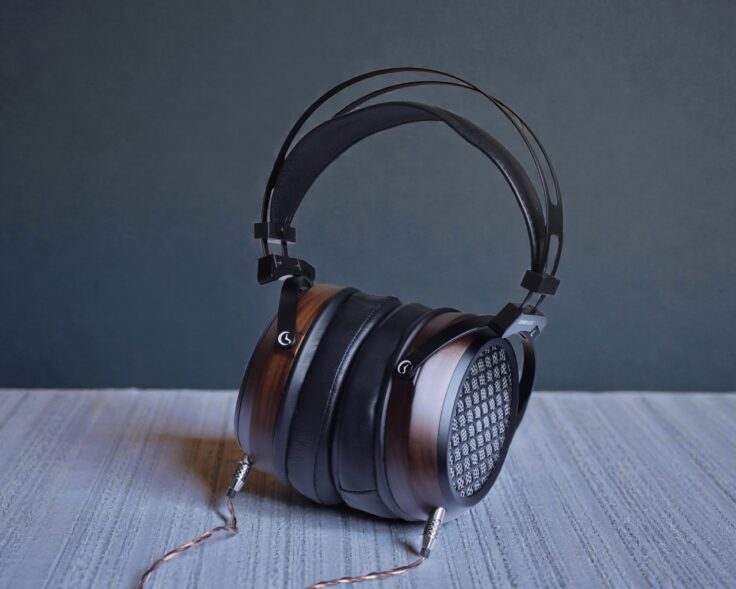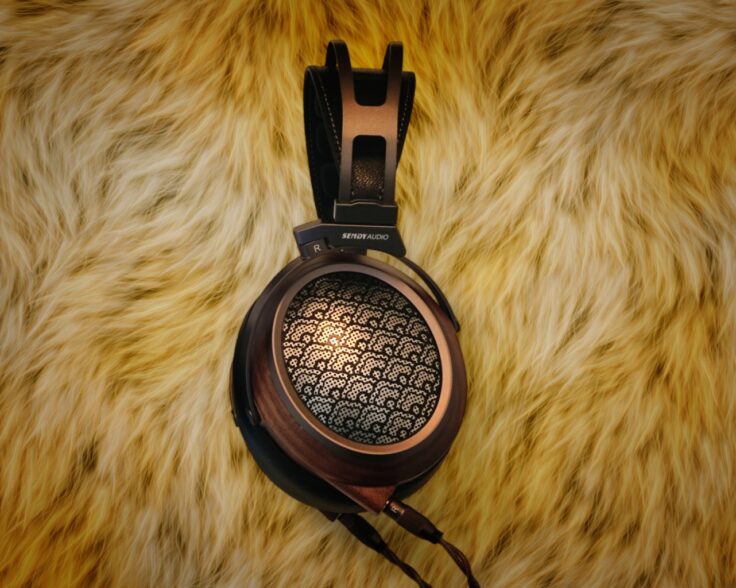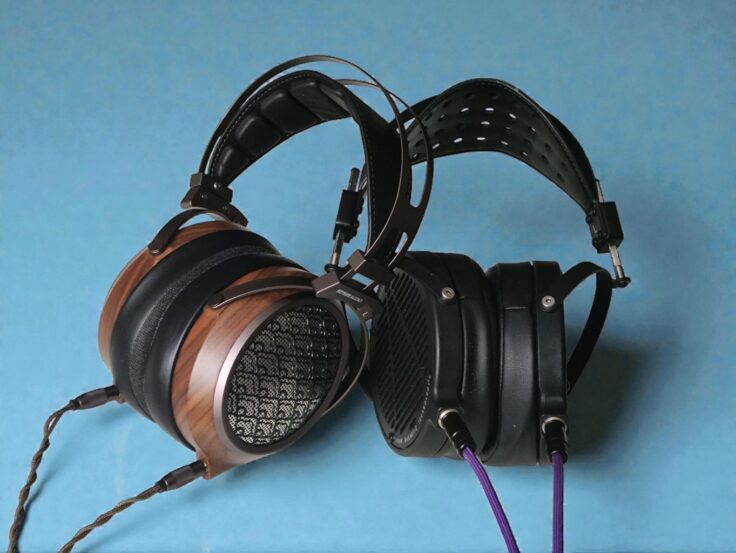


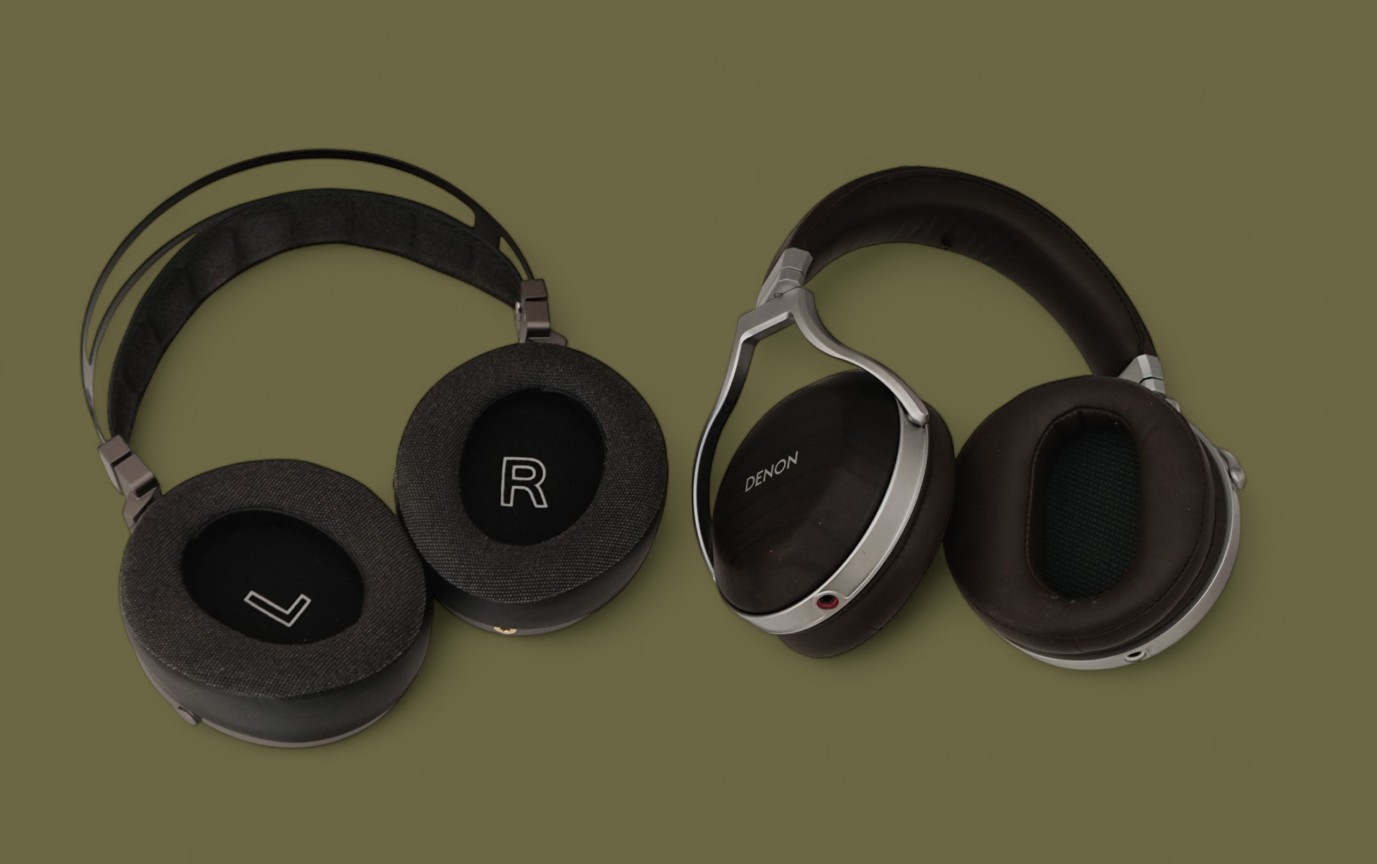
The Denon D5200 ($799/€599) and Sivga Peng ($499) share many similarities. Both are closed-back, over-ear designs with Zebrawood ear cups, and 50 mm dynamic drivers. They also boast elegant, well-crafted designs.
DENON AH-D5200 SPECIFICATIONS
- Type: Closed back
- Cups: Zebrawood
- Driver type: 50mm dynamic nano-fibre/paper
- Impedance 24 Ω
- Sensitivity 103 dB/mW
- Maximum power input 1.800 mW
- Frequency response 5 – 40,000 (Hz)
- Weight 385 g
- Detachable cable: 3.0 m length
- Termination plug: 3.5 mm with 6.3 mm adapter
- Headphone connectors 2 x 3.5mm
- Pads and headband: pleather
Current price and availability:
- Amazon: Denon AH-D52000
SIVGA PENG SPECIFICATIONS
- Closed back wooden headphones
- 50 mm Dynamic Driver
- Impedance: 34 Ω ± 15 %
- Frequency Response: 20 Hz–40 kHz
- Sensitivity: 102 dB ± 3 dB
- Cable with 4.4mm jack and adapters
- Adaptor plug 3.5mm to 6.35mm and adaptor cable 4.4mm to 3.5mm included
- Hemp carrying bag
- Semi soft carrying case
Current price and availability:
- Amazon: Sivga Peng
- Linsoul: Sivga Peng
- AliExpress: Sivga Peng
BUILD AND COMFORT
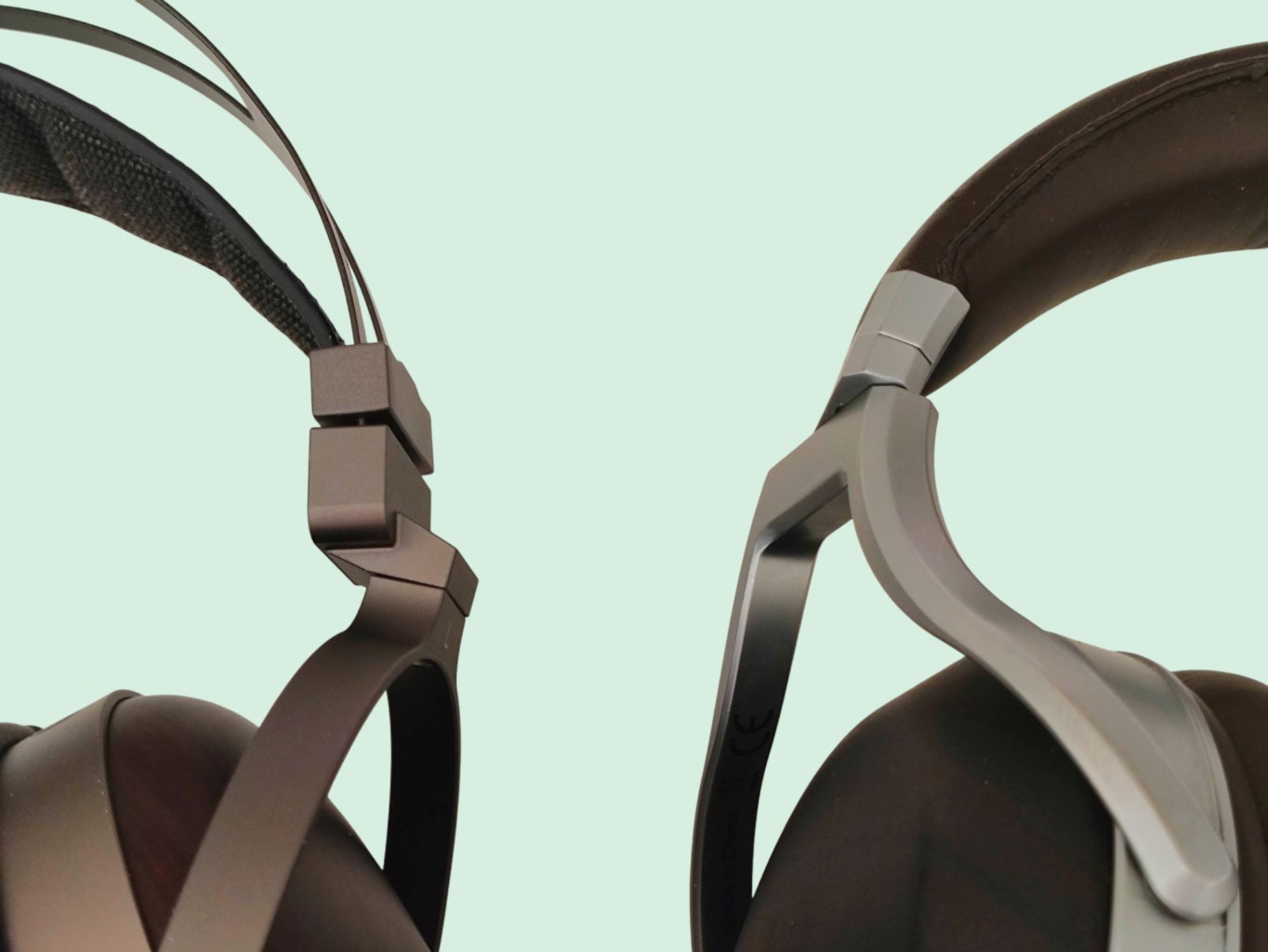
Both headphones look great, but there are notable design differences—most significantly in the headband. The D5200 uses a straightforward padded headband that performs reasonably well, though some users find it has poor weight distribution, as is typical when there’s no suspension strap. That said, the absence of a strap results in a simpler construction with fewer components that could tangle or wear out when not in use.
In contrast, the Peng features a suspension headband design with a flexible dual-spring memory steel arc that maintains cup position and provides optimal clamping force. It also includes a high-quality suspension strap made of lambskin on the outside and padded textile underneath, delivering superior comfort and a more luxurious feel.
The Peng’s ear cups can rotate 180 degrees, allowing for more compact storage and of course full swivel functionality. While the D5200 doesn’t offer full rotation, it still provides ample swivel for comfortable use.
The Peng’s headband is made almost entirely of metal and leather, giving it a premium and durable feel. While the D5200 also incorporates plenty of metal, its headband is less robust due to the use of pleather, which tends to peel over time. When that happens, I usually strip off the pleather, revealing the fabric underneath that usually looks and feels quite good. The D5200’s earpads are also made of pleather, but they are user-replaceable. Both headphones have quality pads, but the Sivga Peng offers superior comfort with its textile-faced pads and a unique shape designed to better conform to a variety of head shapes compared to standard pads.

LISTENING COMPARISONS
Associated equipment:
- Amplifier: Topping A90
- DAC: RME ADI-2 DAC FS
The Poet (For Ali) by Julia Hülsmann Trio
In this snappy, melodic improv jazz piece, I enjoy both presentations, though they differ. The Peng sounds more spacious, while the D5200 is slightly more focused. The D5200 has stronger mid-bass, but its midrange is slightly recessed. Aside from tonal differences, I find them pretty much on par in terms of technical performance.
With Or Without You by U2
The mid-bass hump on the D5200 detracts from this track, making it sound a bit bloated. In contrast, the Peng offers a noticeably better-balanced and more natural presentation, closer to how I believe the track is meant to sound.
One by U2
Both sound good and aren’t too far apart, but the Peng feels more open, with vocals more forward in the mix—which suits the track well.
Dyna I by Karl Strømme
Once again, the Peng sounds slightly more open and airy, with greater texture and detail compared to the slightly thicker, midbass-focused D5200.
The Departure by Lang Lang
This solo piano piece from Max Richter’s score for the HBO masterpiece The Leftovers always makes me feel incredibly sad. The D5200 sounds very good here—surprisingly crisp and sharp, relatively speaking. The Peng handles it similarly well, and neither is objectively better.
Calle 7 by Vinicius Cantuaria
Once again, I find them technically quite comparable, though their tonalities differ. In this case, I slightly prefer the Peng’s airier, more textured presentation—but the D5200 is also excellent.
Fata Morgana by Spiritbox
In this busy heavy metal track, both sound comparably good, but the D5200 offers a slightly better sense of instrument separation.
Beat by Tingvall Trio
The D5200 sounds excellent—warm, spacious, and clear, with a balanced, natural tonality. The Peng is equally impressive, offering less mid-bass and slightly more forward mids, resulting in a slightly snappier presentation.
Eusexua by FKA twigs
They’re quite similar here, though the Peng once again presents slightly more intense vocals.
Eye of the Day by Marta del Grande
They’re really similar, both in tonality and technicalities.
The Golden Age by Beck
Again, really similar. Slight tonality differences, but both are great sounding.
Sunrise by Norah Jones
Very similar.
Maple Noise by Greene Serene
They’re somewhat similar, but the D5200 has a thicker sounding bass. Both are snappy and dynamic.
Summer 3 Vivaldi Recomposed by Max Richter
Slight difference in tonality, but they’re equally good performers.
WRAPPING IT UP
Sound Signature
Overall, the Sivga Peng and the Denon AH-D5200 have very similar sound signatures. While there are differences in frequency response and resonance that affect the sound and perceived loudness from track to track, I find it difficult to identify consistent traits that clearly set them apart—aside from the D5200’s elevated mid-bass.
Treble
I find the treble to be equally detailed and articulate on both headphones, with only slight variations depending on the track.
Midrange
The midrange is also quite similar between the two, with some variation from track to track depending on the dominant frequencies. Overall, their presence and tonal character are very comparable, as is their technical performance.
Bass
Although the bass is often quite similar between the two, the D5200 has a more pronounced mid-bass and slightly deeper sub-bass. Most of the time, these differences aren’t significant enough to noticeably impact the listening experience—but in certain tracks, the added bass presence on the D5200 is definitely audible.
Soundstage and Imaging
The soundstage size is very comparable between the two, and their imaging capabilities are also nearly identical, although there are variations in differences from track to track.
Detail, Dynamics, and Timbre
Both headphones offer good overall detail and dynamics, and their performance in this regard is quite comparable. Timbre-wise, they both sound very natural with most of the music I’ve tested. While there are some variations from track to track, the differences are rarely significant.

CONCLUSION
The Sivga Peng and the Denon D5200 perform very similarly and share a comparable tonality. Both have a warm, dynamic character with a good level of detail. While they aren’t identical in sound, I don’t favor one over the other in terms of audio quality or tuning. However, when it comes to comfort, build quality, and durability, the Peng stands out. It features superior materials and an excellent headband design. Depending on where you live, the Peng is also often more affordable, which is an added bonus.
Thanks for reading. You can support us by purchasing anything using any of our affiliate links.
Denon AH-D5200:
- Amazon: Denon AH-D52000
Sivga Peng:
- Amazon: Sivga Peng
- Linsoul: Sivga Peng
- AliExpress: Sivga Peng
Any purchase you make on Amazon or Linsoul with any of our affiliate links will give us a small provision at no cost to you.
We only get a provision for items that are not returned, so there’s no incentive for us to recommend something that’s not good.
Linsoul : Headphones, Earbuds, Wireless Earbuds, Desktop DAC/AMP, Portable DAC/AMP, Digital Audio Players,
Amazon: Headphones, IEMs, Headphone Amplifiers, Home Audio or Anything else.
.
If you enjoyed this article or other content on The Headphoneer, you might consider leaving a small donation to keep this website up and running. No donation is too small. Thanks for supporting us!

If you like our work please follow us on Instagram, Facebook and Twitter , it will help us grow. Sharing is caring 🙂