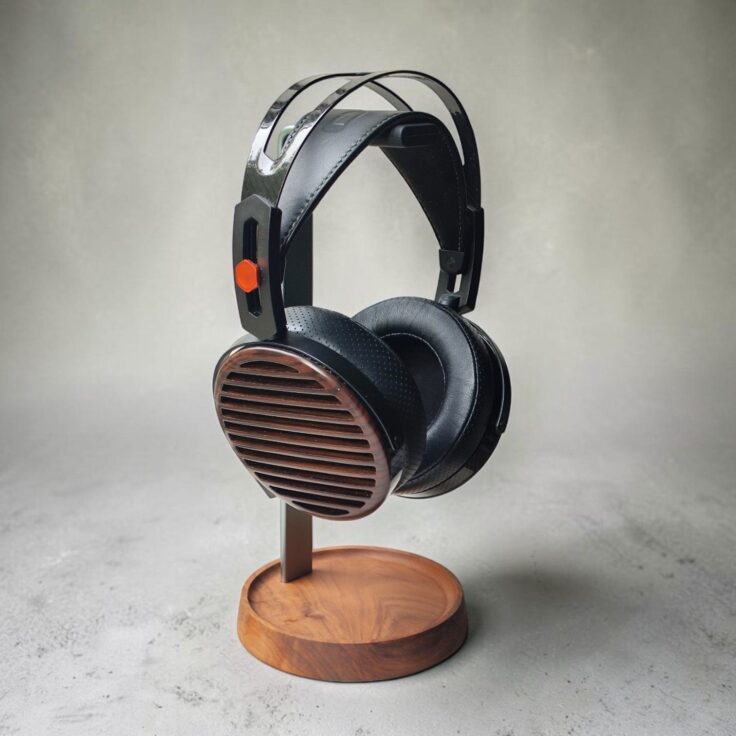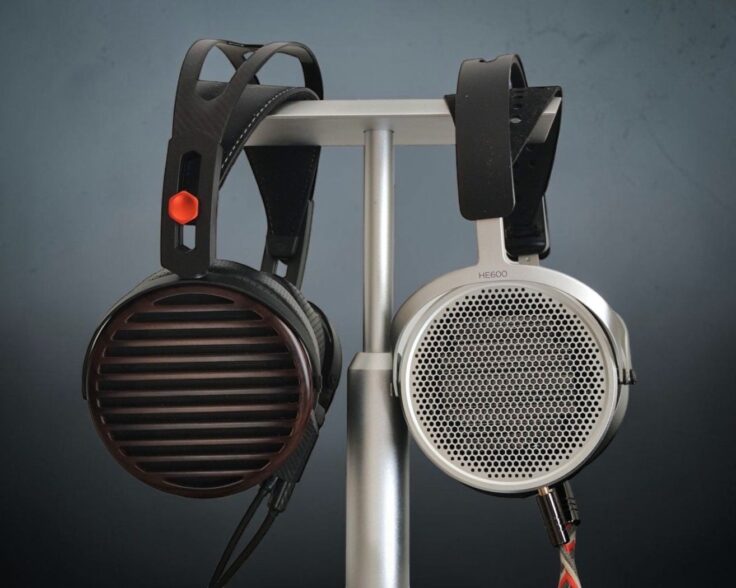

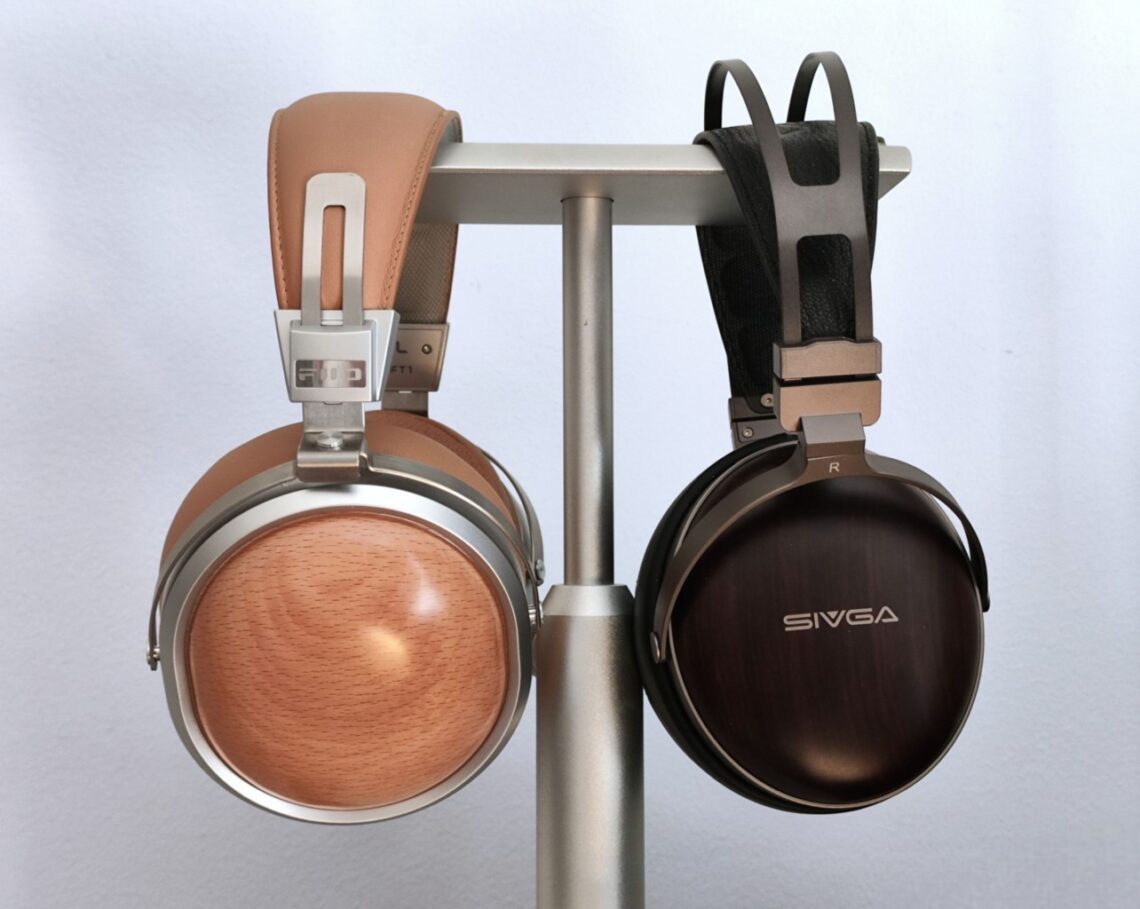
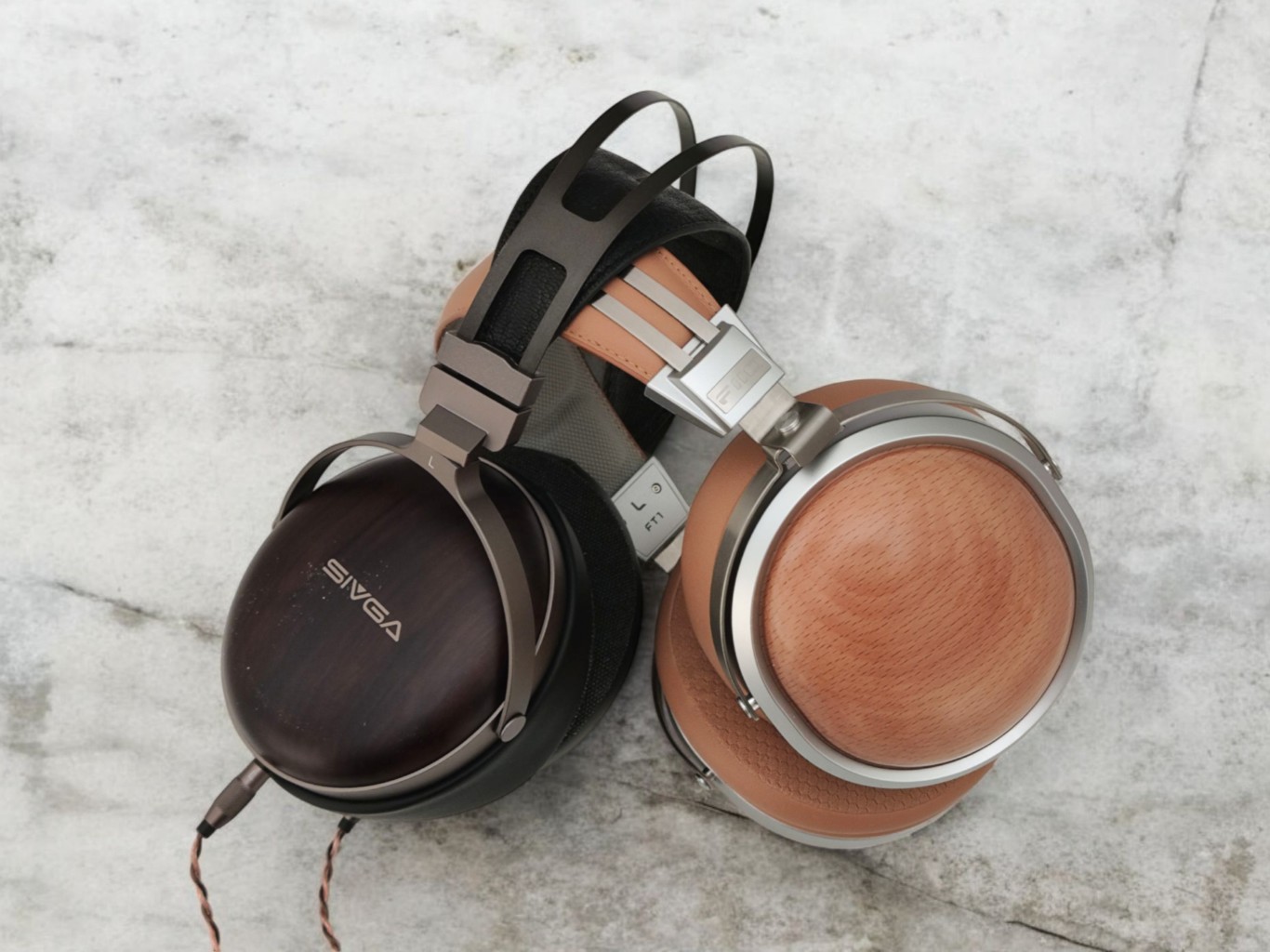
The Sivga Peng and FiiO FT1 are wooden closed-back headphones, each equipped with 50mm dynamic drivers. The Peng, which launched recently, is priced at $499, while the FT1 launched last year and is $149 (excluding tax)
Despite the significant price difference, I believe it makes a lot of sense to compare these two headphones in depth. They share many similarities, and the FT1 is not your typical $149 headphone. When it debuted last year, it was exceptionally well received—I was among those who helped build the hype. I still believe the FT1 delivers performance well beyond its price, so for the Peng to match that level would be a win.
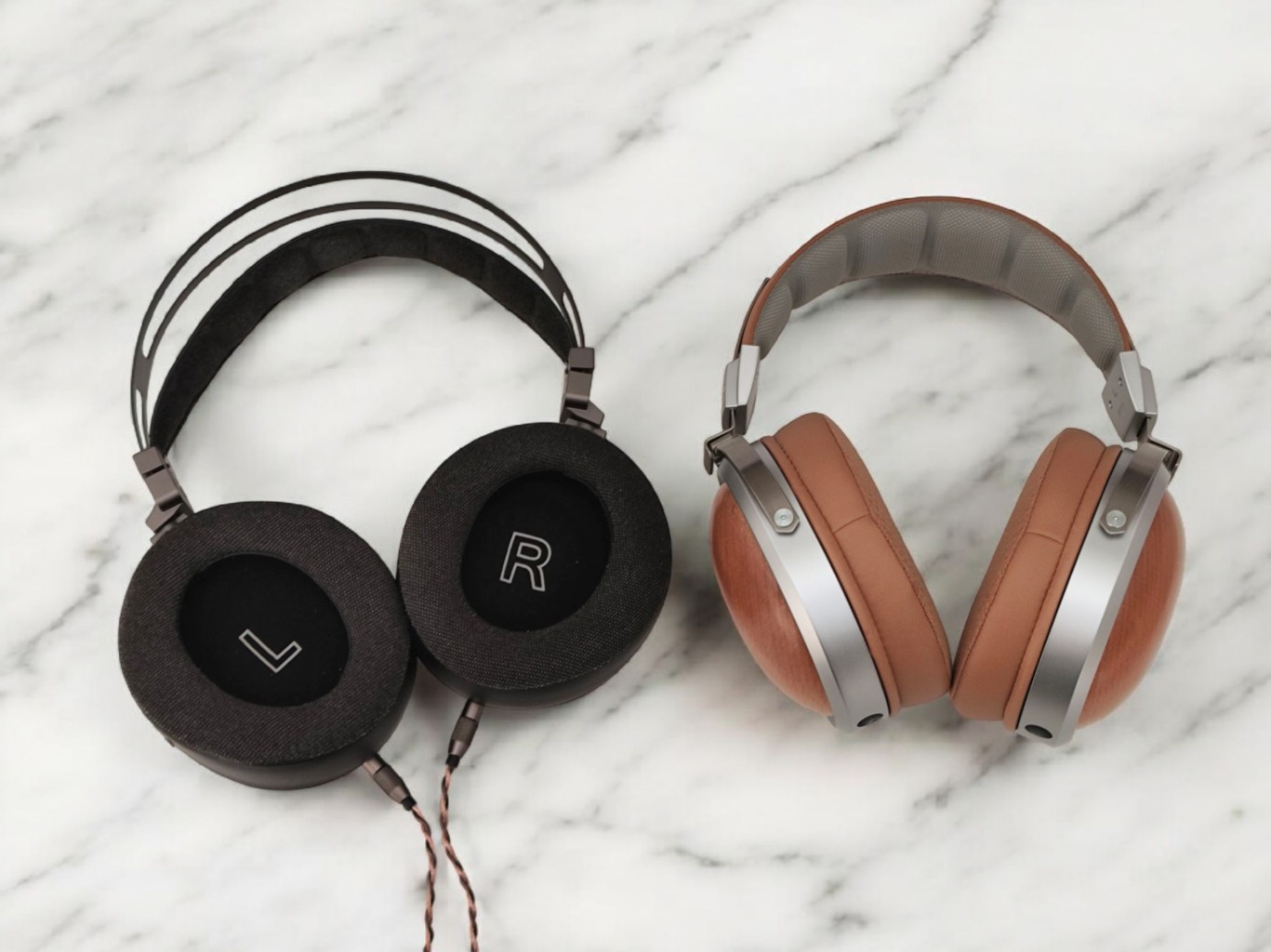
SIVGA PENG SPECIFICATIONS
- Closed back wooden headphones
- 50 mm Dynamic Driver
- Impedance: 34 Ω ± 15 %
- Frequency Response: 20 Hz–40 kHz
- Sensitivity: 102 dB ± 3 dB
- Cable with 4.4mm jack and adapters
- Adaptor plug 3.5mm to 6.35mm and adaptor cable 4.4mm to 3.5mm included
- Hemp carrying bag
- Semi soft carrying case
Current price and availability:
- Amazon: Sivga Peng
- Linsoul: Sivga Peng
- AliExpress: Sivga Peng
FIIO FT1 SPECIFICATIONS
- Closed-back dynamic headphones
- Driver: 60mm dynamic
- Impedance: 32 Ohms
- Sensitivity: 98dB/mW@1kHz or 113dB/Vrms@1kHz
- Frequency response: 10Hz-40kHz
- Cable material: silver-plated oxygen-free copper
- Earpad pressure:4.5N±0.3N
- Cable length: About 1.5 m
- Weight: 340g (excluding cable)
- Headphone connector: Dual 3.5mm TRS
- Audio cable plug: 3.5mm/4.4mm
- Ear cup material: walnut or beech real wood
- Semi soft carrying case
Current pricing availability:
BUILD QUALITY AND COMFORT
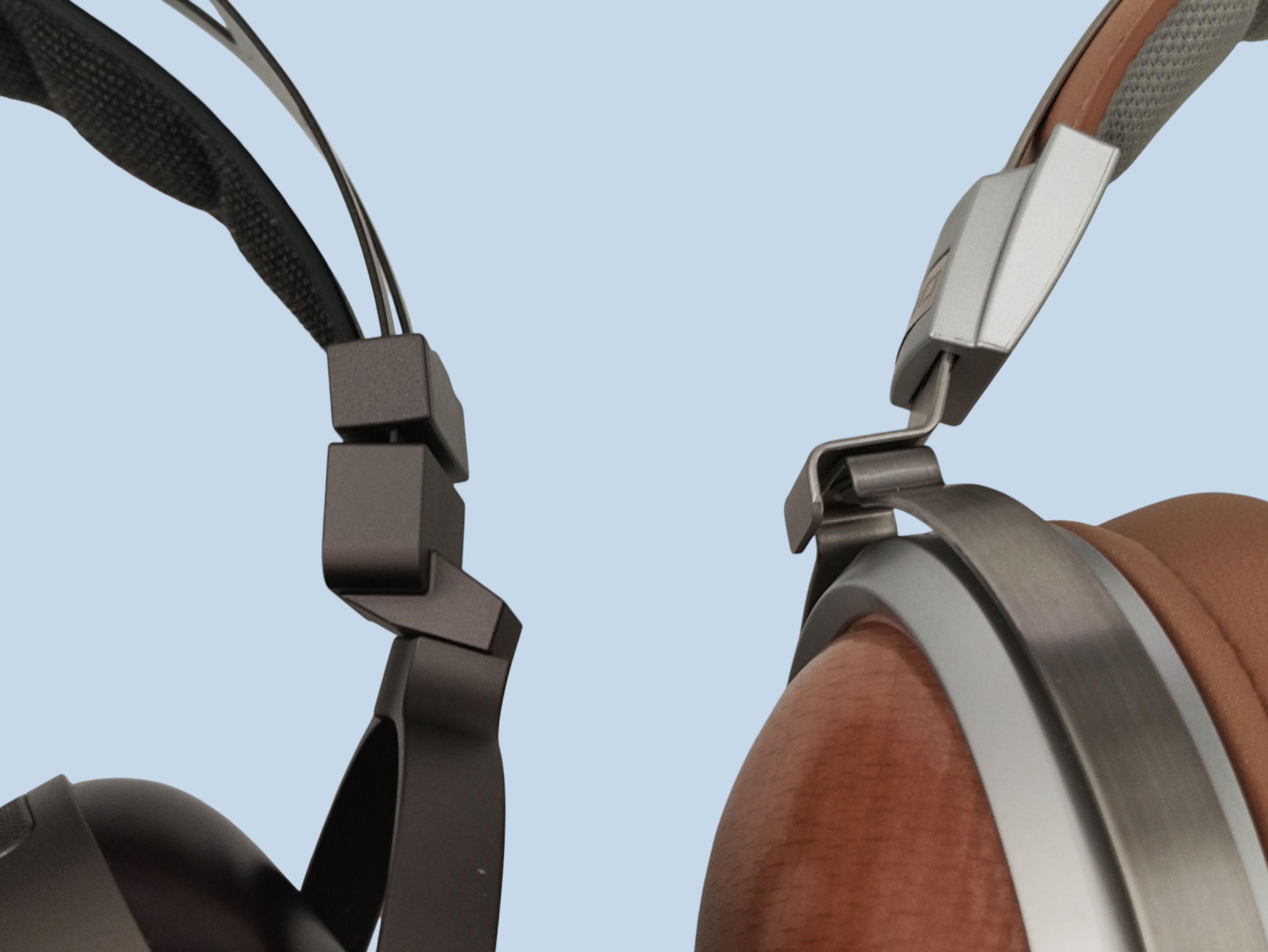
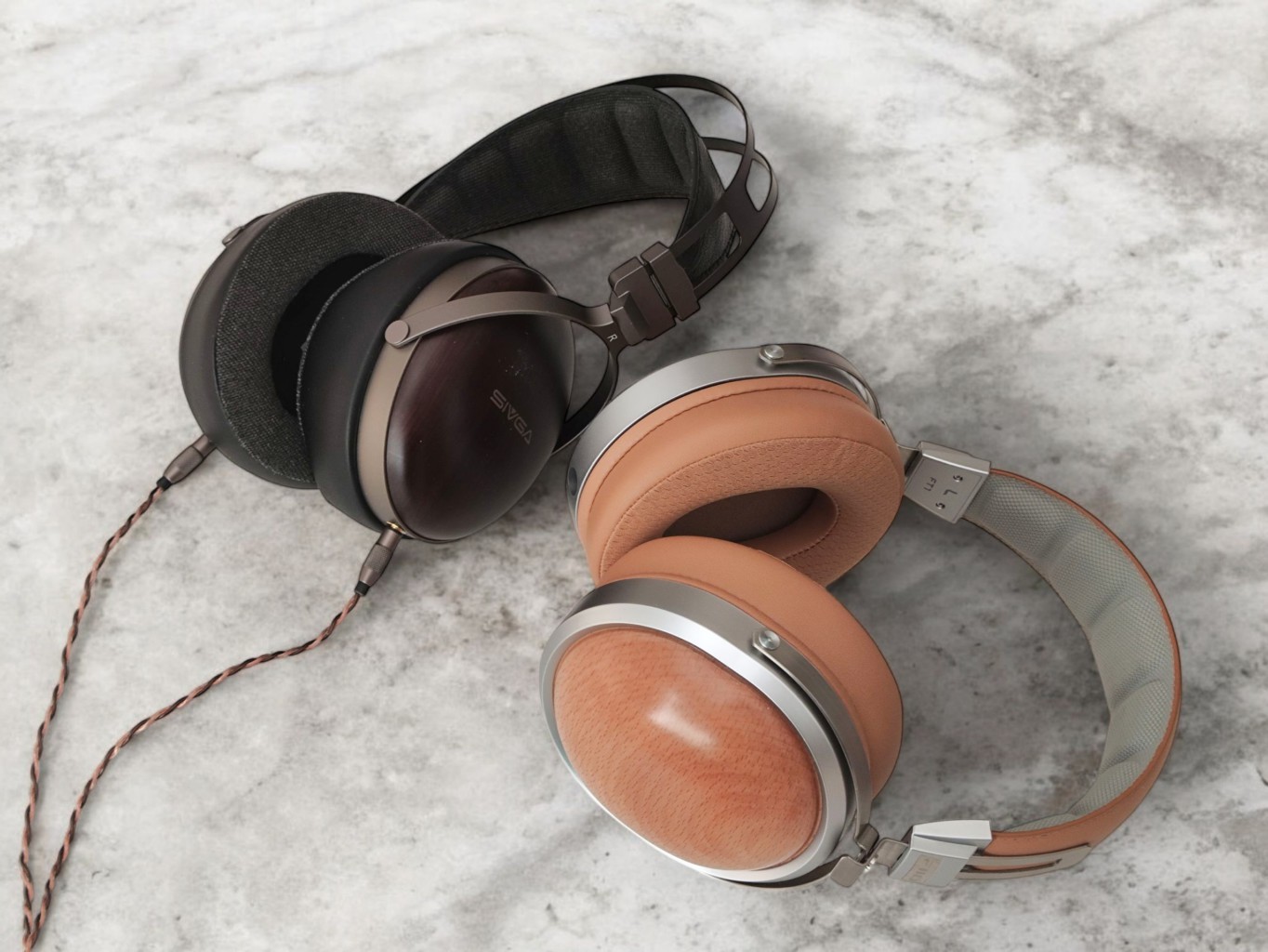
There are many poorly designed headphones on the market, but both the FT1 and the Peng stand out for their quality design and craftsmanship at their respective price points. Both feature nice wooden ear cups. FT1 features a plastic ring around the wood, while the Peng has CNC machined metal, which of course gives a more exclusive impression. The FT1 has noticeably larger cups—which can be a drawback in some situations. They both use 3.5 mm jacks for detachable cables.
The most significant difference lies in the headband design. The FT1 features a straightforward, steel-reinforced padded headband that performs well, though it lacks a suspension strap—something some users may prefer for added comfort. However, the absence of a strap also means a simpler design with fewer parts that could get tangled when the headphones are not being worn.
In contrast, the Peng features a suspension headband design with a flexible dual-spring memory steel arc that maintains cup position and provides optimal clamping force. It also includes a high-quality suspension strap made of lambskin on the outside and padded textile underneath, delivering superior comfort and a more luxurious feel.
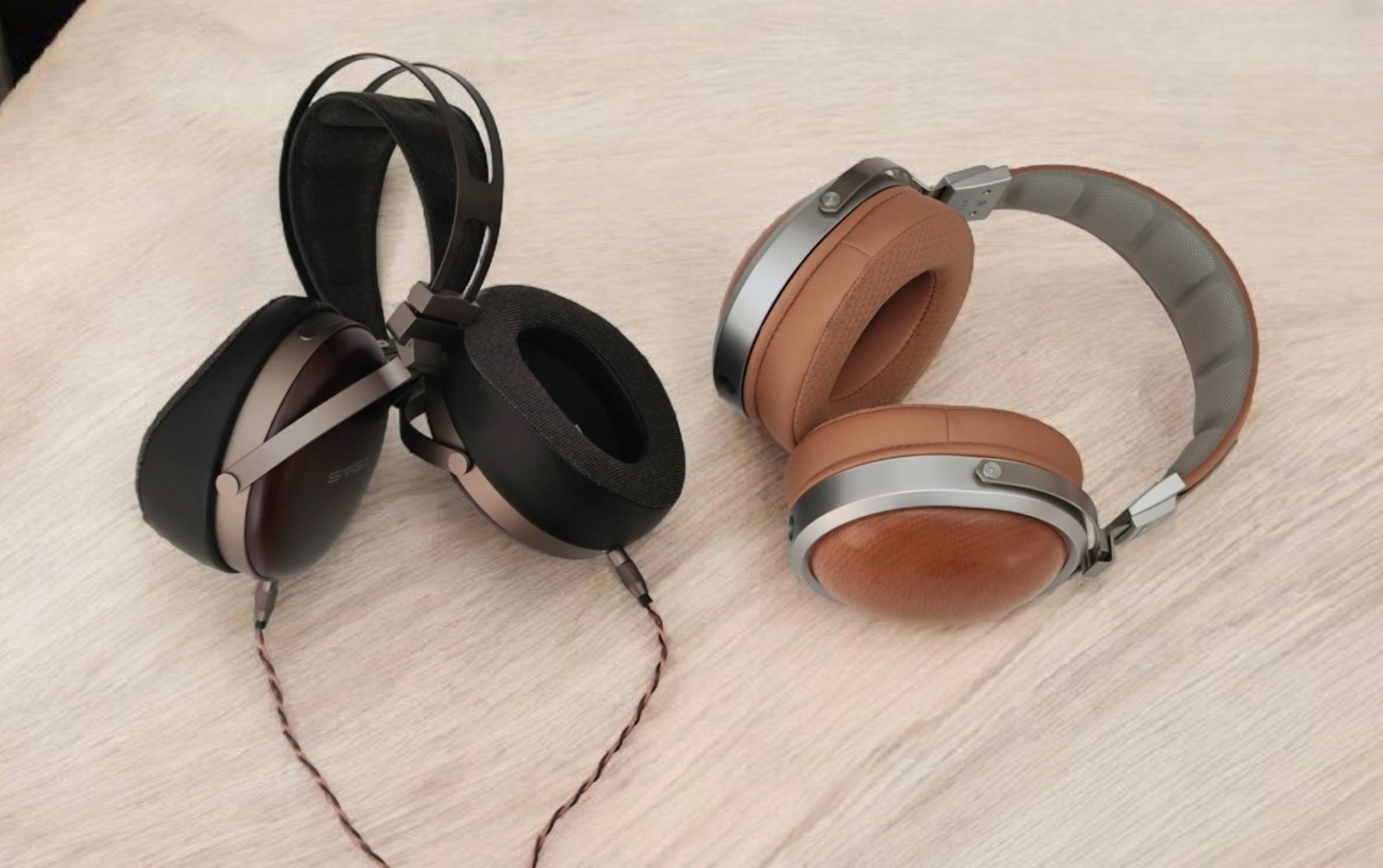
The Peng’s ear cups can rotate 180 degrees, allowing for more compact storage and full swivel functionality. While the FT1 doesn’t offer full rotation, it still provides ample swivel for comfortable use.
The Peng’s headband assembly is made almost entirely of metal and leather, showcasing excellent craftsmanship. In comparison, the FT1, despite incorporating a lot of steel components, also includes plastic elements. The headband, in particular, may feel less durable due to its plasticy fabrics.
Overall, the Peng’s headband assembly is more refined, features higher-quality materials, and boasts a more advanced design than the already well-made FT1.
Both headphones have nice pads, but the Sivga Peng offers more comfortable pads with an unusual design shaped to better fit most skull shapes compared to the typical oval earpads.
COMPARISONS
Associated equipment:
- Amplifier: Topping A90
- DAC: RME ADI-2 DAC FS
Jambi by Tool
They have clear differences in frequency response that make them sound distinct in direct comparison, but once your ears adjust, the differences feel less pronounced. The Peng may come across as slightly thicker or warmer in tone, but overall, both are equally detailed and dynamic.
Golden Age by Beck
The Peng has a thicker mid-bass and darker mids, giving it a warmer overall character. The FT1, by contrast, sounds slightly crisper with more emphasis on clarity. In terms of detail, dynamics, soundstage, and imaging, both perform similarly.
Lazarus by David Bowie
The Peng sounds slightly thicker, but only subtly so. Both headphones are snappy and dynamic, with good instrument separation and clean, controlled bass that avoids sounding bloomy or muddy.
Come Away With Me by Norah Jones
Vocals are warmer, richer, fuller, and more intense with the Peng, while the FT1 offers more texture and crispness. Bass presence is similar on both.
Aquela Muhler by Vinicius Cantuaria
Here too, vocals are noticeably more upfront with the Peng, while everything else remains quite similar between the two, relatively speaking.
Impedans by Erlend Apneseth Trio
Both headphones offer a spacious and dynamic sound. While their tonalities differ slightly, the contrast isn’t dramatic. The FT1 has more deep bass presence and a slightly recessed midrange, whereas the Peng is more mid-forward. Overall, they are comparable performers.
Daddy Lessons by Beyonce
Both have good bass, with the Peng emphasizing vocal presence and the FT1 delivering stronger deep bass. Otherwise, they are quite comparable.
Like Suicide by Soundgarden
The Peng delivers a snappier main drum in the intro, with vocals that sound more natural and less recessed. The FT1 offers more presence in the deeper low end, but I find it sounds a bit muddled and thick compared to the Peng, which I prefer.
Never Enough by Loren Alred
This track focuses heavily on vocal timbre, and the Peng sounds noticeably more natural. It also presents the vocals much more upfront and with greater intensity.
Georgia Lee by Tom Waits
Again, the vocals are richer with the Peng, but otherwise, they are quite comparable.
Young Vivaldi by Modo Antiquo
The FT1 has a more airy but also drier sound, while the Peng is darker and thicker in character.
Summer 3 Vivaldi Recomposed by Max Richter
The Peng is darker and thicker, while the FT1 offers more air and texture, a larger soundstage, and a better sense of instrument separation.
Maple Noise by Greene Serene
The FT1 is highly dynamic and snappy, with deep, full-bodied bass and an impressive sense of stage. The Peng, while thicker in tone, offers less spatial depth and slightly less engaging dynamics by comparison.
WRAPPING IT UP
Sound Signature
Neither of these headphones stray too far from a reasonably neutral presentation, but they do differ. The FT1 offers a fuller, deeper bass response, though its midrange is more reserved. The Peng, while still providing sufficient bass, has a much more upfront, richer, bolder, and more intense midrange. Treble performance is largely comparable between the two.
Treble
I wouldn’t describe either of these headphones as overly bright or dark. To my ears, the treble is where they’re most similar—relatively neutral with good articulation and detail.
Midrange
1The midrange differs noticeably between the two: the FT1 sounds more recessed, drier, and more textured, while the Peng offers a much more upfront, rich, and at times overly thick midrange. Which one sounds more natural really depends on the track.
Bass
Both headphones have strong bass in terms of presence, extension, dynamics, and detail. Neither are especially boomy or have nasty resonance issues. However, the FT1 has more presence in the lowest octaves and often comes across as more dynamic.
Soundstage and Imaging
Soundstage size is generally comparable between the two, though it can vary slightly depending on the track. Imaging is also mostly similar, but at times the FT1’s drier tonality gives it a more spacious feel and often more precise imaging. That said, in many cases, they perform very similarly.
Detail, Dynamics, and Timbre
In general, these headphones offer a similar level of detail retrieval. Both have good dynamics, and which one performs better can vary from track to track. However, the FT1’s stronger bass slam often makes it sound a bit more dynamic overall, but the Peng often has a more dynamic midrange.
Timbre is highly track-dependent. The treble is quite similar between the two, and which headphone sounds more natural in the bass also varies by track. In the midrange, the FT1 generally sounds drier and more recessed, while the Peng is warmer, more upfront, and thicker. This often feels more natural, but can sometimes come across as too thick, dark, or slightly muddled. Neither is perfect, but both are very good overall—much of the preference comes down to brain acclimatization.
CONCLUSION
In terms of raw technical performance, I find the FiiO FT1 and the Sivga Peng very comparable, with similar detail retrieval and imaging capabilities. The Peng often sounds a bit thicker and darker, featuring a more upfront, rich midrange. The FT1 offers a larger, airier sound with deeper bass and a drier, slightly recessed midrange.
Overall, both are great headphones. While the FT1 delivers the best value, the Peng stands out with its premium build and superior comfort, thanks to its arc-and-strap headband and 180° rotating ear cups—features the FT1 lacks.
Thanks for reading. You can support us by purchasing anything using any of our affiliate links.
Sivga Peng buying options:
- Amazon: Sivga Peng
- Linsoul: Sivga Peng
- AliExpress: Sivga Peng
FiiO FT1 buying options:
Any purchase you make on Amazon, Linsoul , AliExpress or Audio46 with any of our affiliate links will give us a small provision at no cost to you.
We only get a provision for items that are not returned, so there’s no incentive for us to recommend something that’s not good.
Linsoul : Headphones, Earbuds, Wireless Earbuds, Desktop DAC/AMP, Portable DAC/AMP, Digital Audio Players,
Amazon: Headphones, IEMs, Headphone Amplifiers, Home Audio or Anything else.
.
If you enjoyed this article or other content on The Headphoneer, you might consider leaving a small donation to keep this website up and running. No donation is too small. Thanks for supporting us!

If you like our work please follow us on Instagram, Facebook and Twitter , it will help us grow. Sharing is caring 🙂