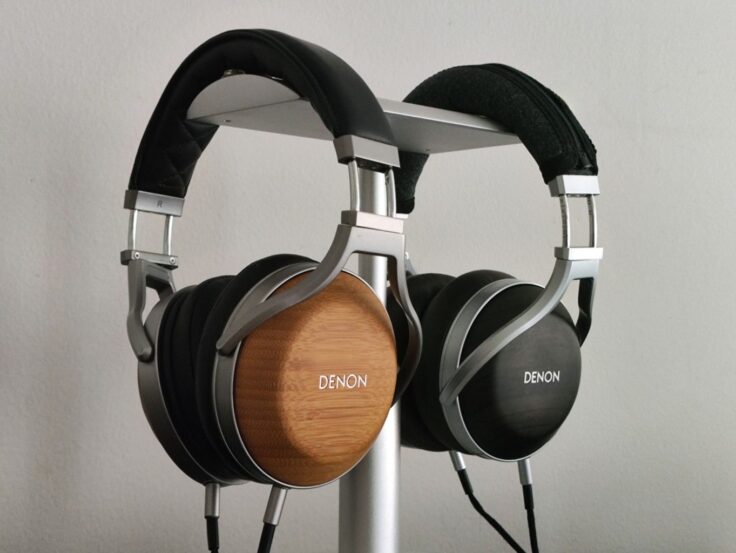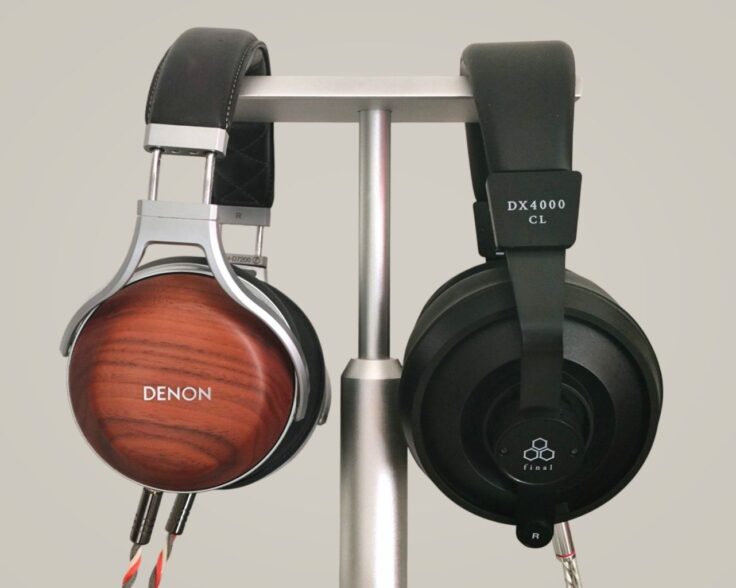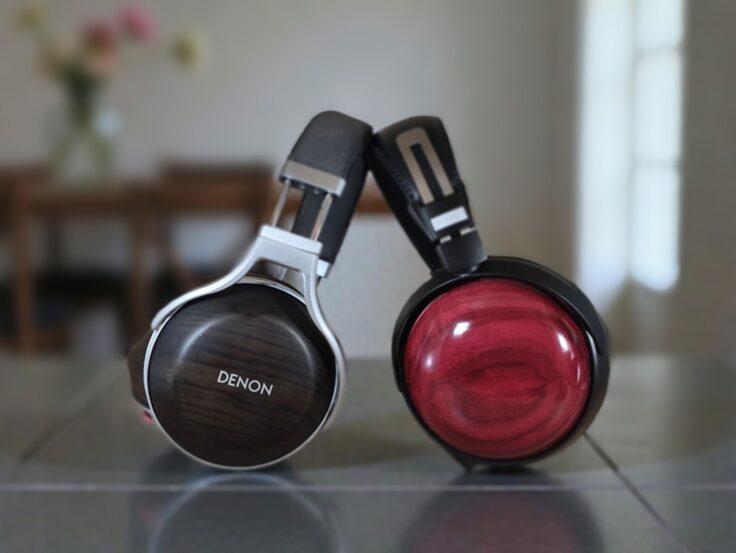

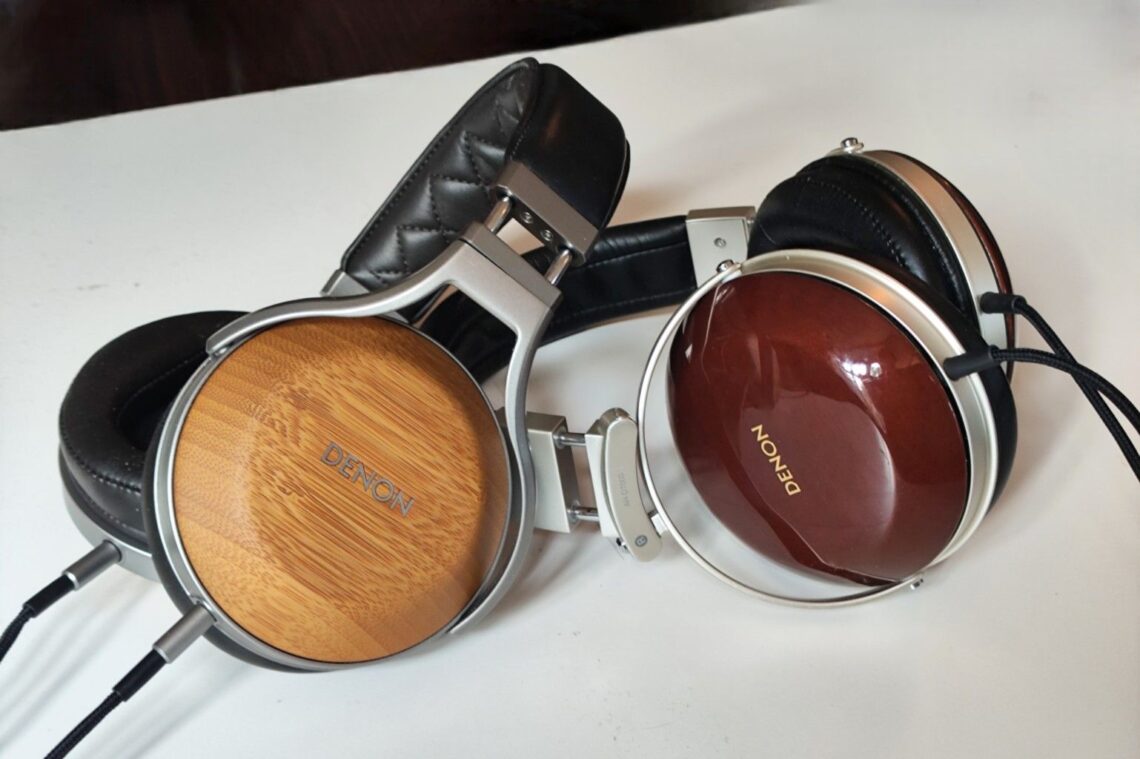
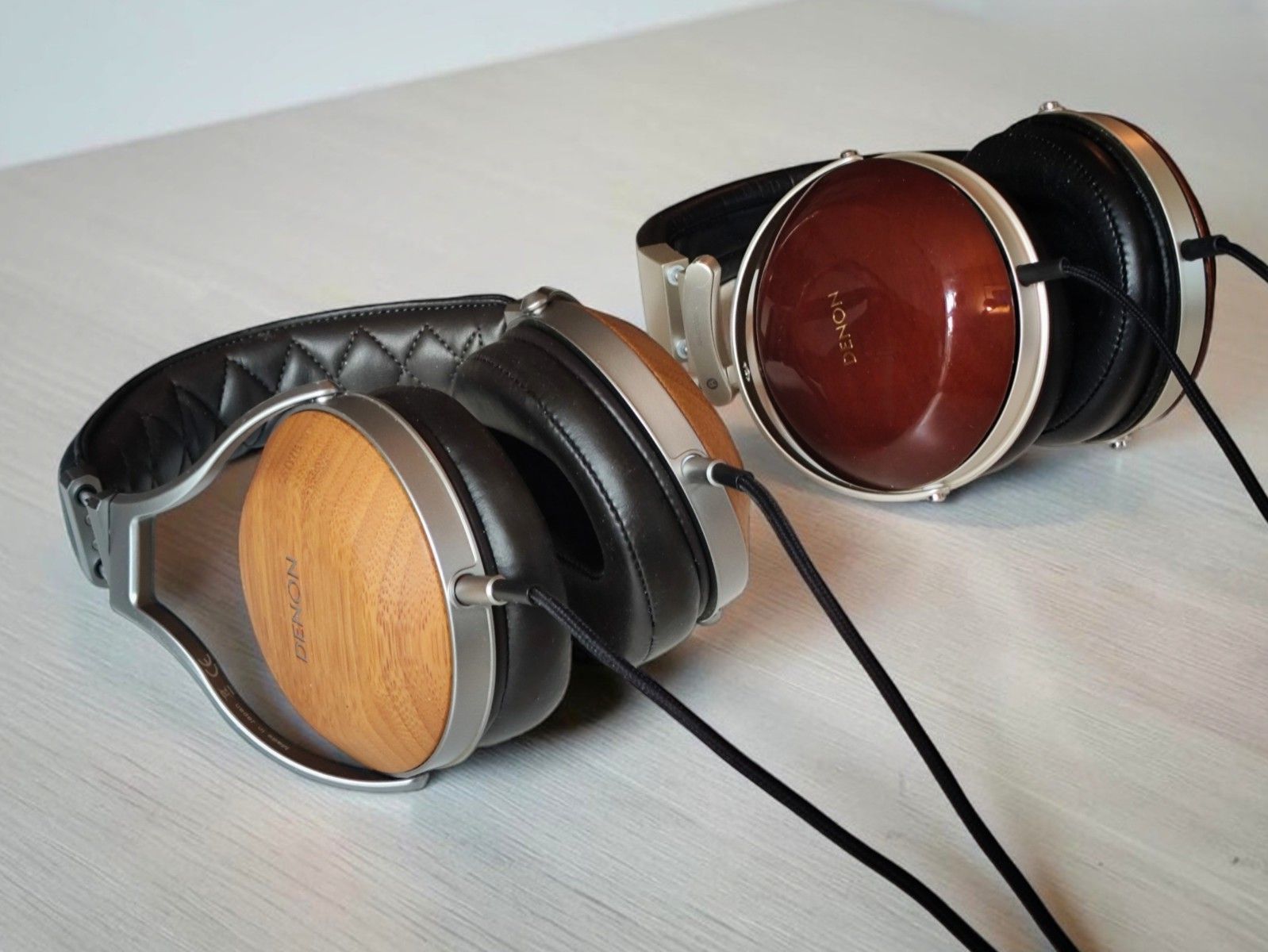
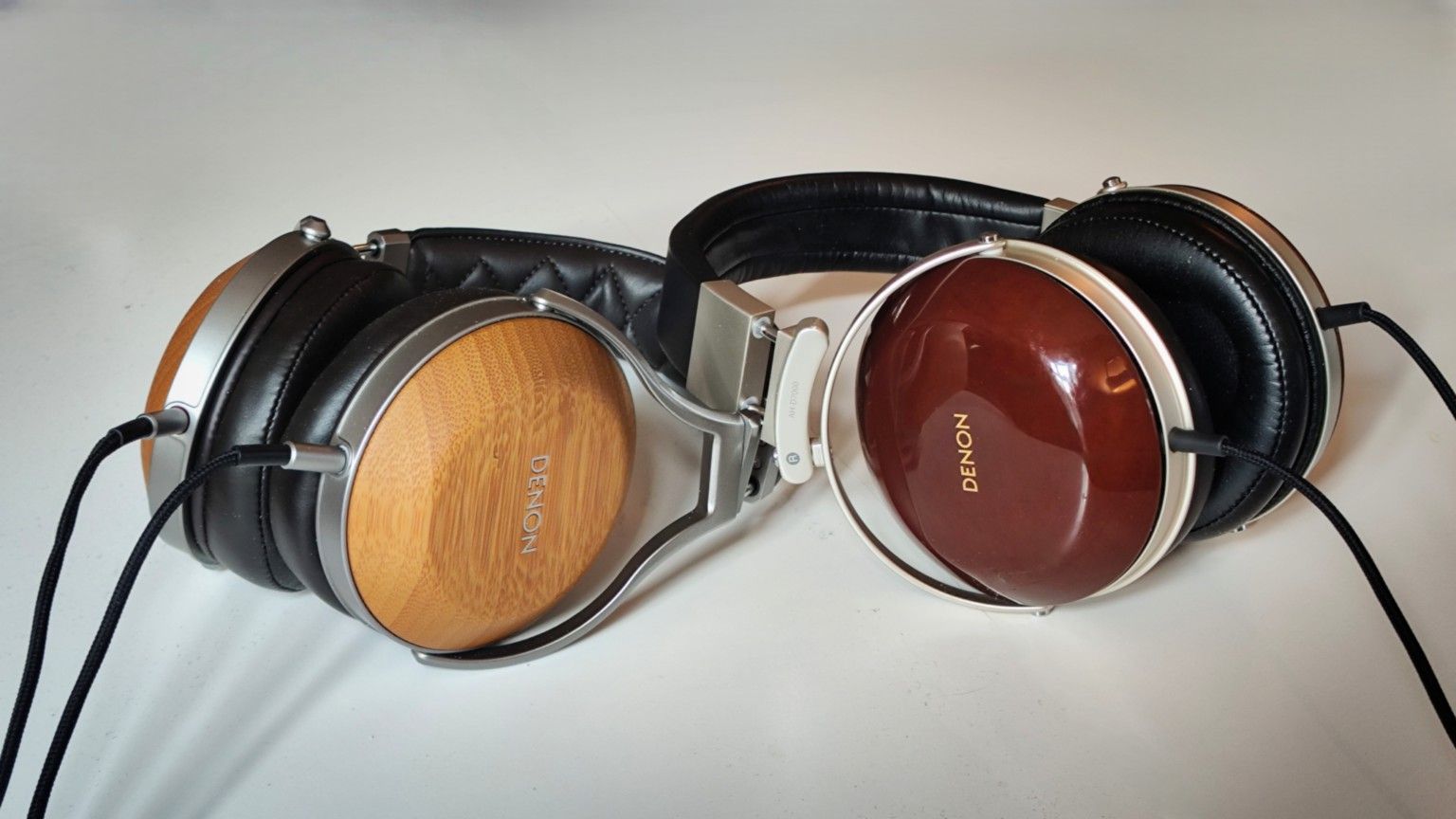
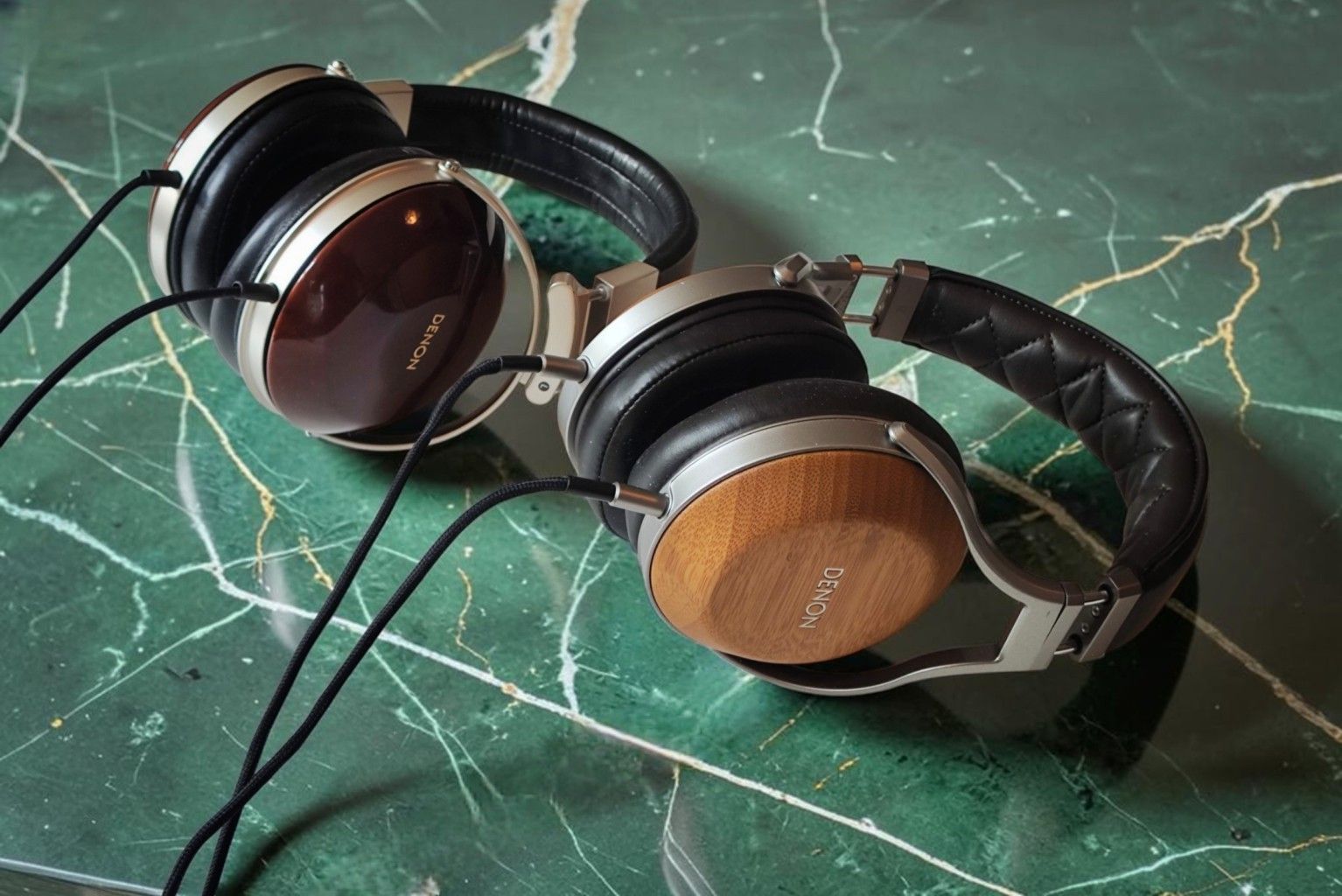
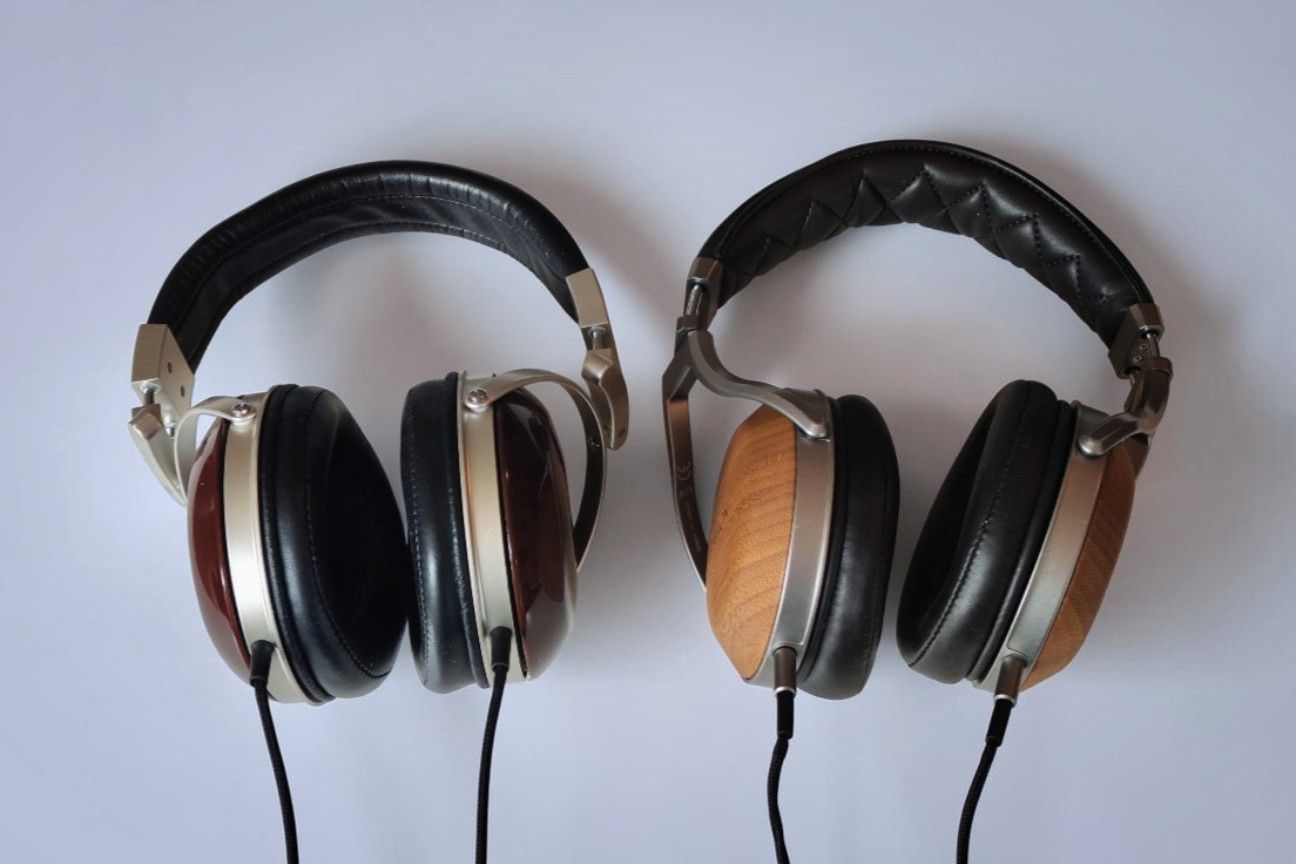
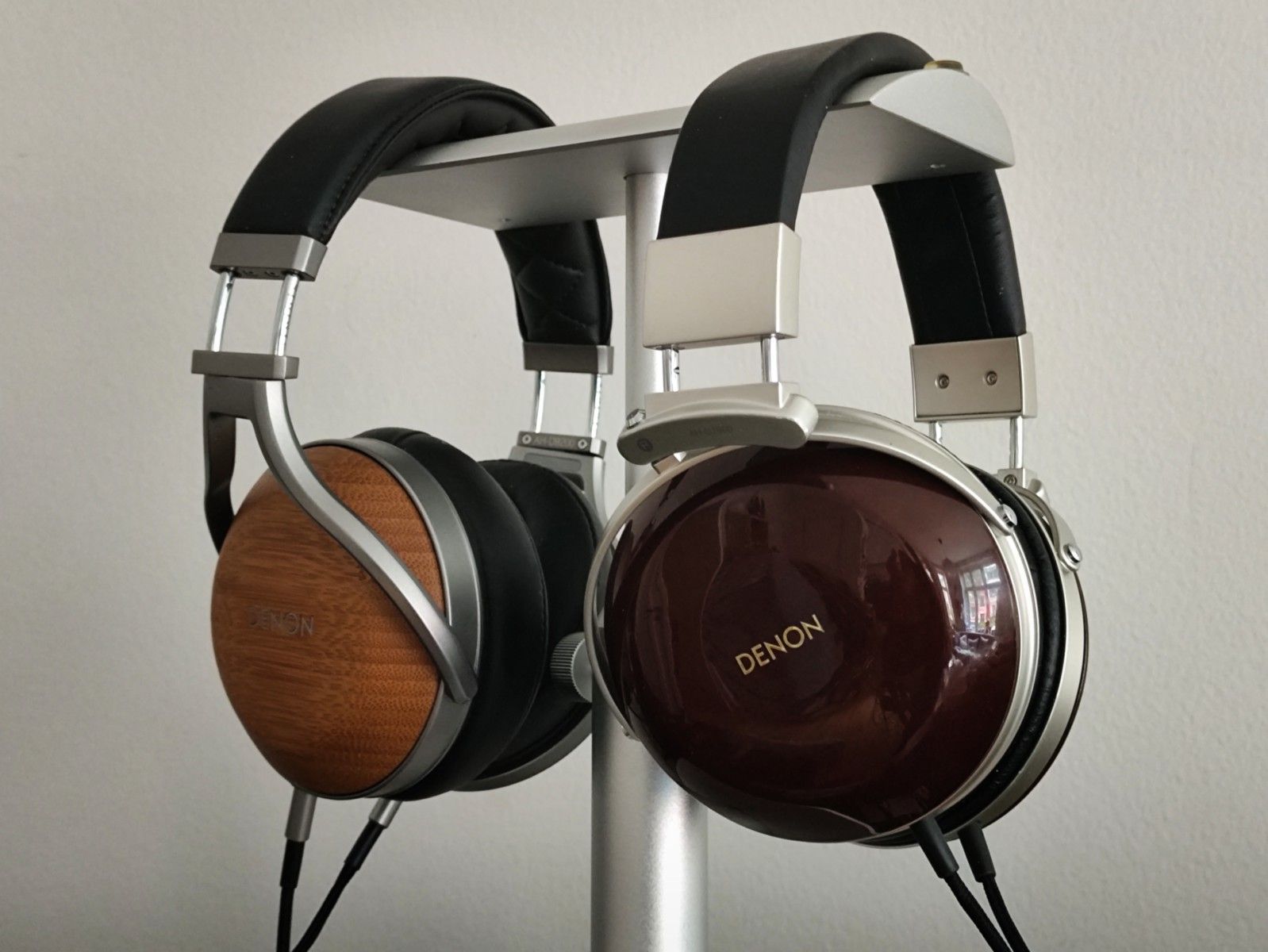
This review is a comparison between Denon’s current flagship headphone, the D9200, and its former flagship, the legendary D7000. Both are closed-back dynamic headphones with wooden ear cups. The D7000 was in production from 2008 to 2012 and had a list price of 999 USD. The D9200 was launched in 2018 and remains in production today, currently priced at 1,799 USD.
The D7000 was part of a trio of very similar closed-back dynamic headphones: the D2000, D5000, and, of course, the D7000. All three were highly regarded in their respective price ranges. I like to think of them as the “Golden trio”.
The D9200 is also part of a trio of closely related closed-back dynamic headphones, consisting of the D5200, D7200, and D9200.
SOME HISTORY
Even though the current D5200/D7200/D9200 series is heavily inspired by the “Golden trio” – D2000/D5000/D7000 – it is not simply a continuation or a new generation of those headphones. The story is a bit more complicated.
First, the “Golden trio”, D2000/D5000/D7000, which launched in 2007 and 2008, were not actually manufactured by Denon. They were designed and built by the company Foster Electric, an OEM manufacturer for Denon.
When this collaboration ended in 2012, Denon tried something new. They introduced a completely new headphone range with a radically different design. The new flagship was the D7100, but it was poorly received when released in 2012. It was not necessarily an all bad headphone, but it had a very bass-heavy sound signature. It was accompanied by the more affordable D600, which had a similar tuning.
Denon marketed these models under the “Music Maniac” name, which may give you the right associations to understand why they received such a negative response.
Also, a quick look at the measurements showed that these headphones were far from neutral and did not continue the sonic character of Denon’s previous generation of successful headphones.
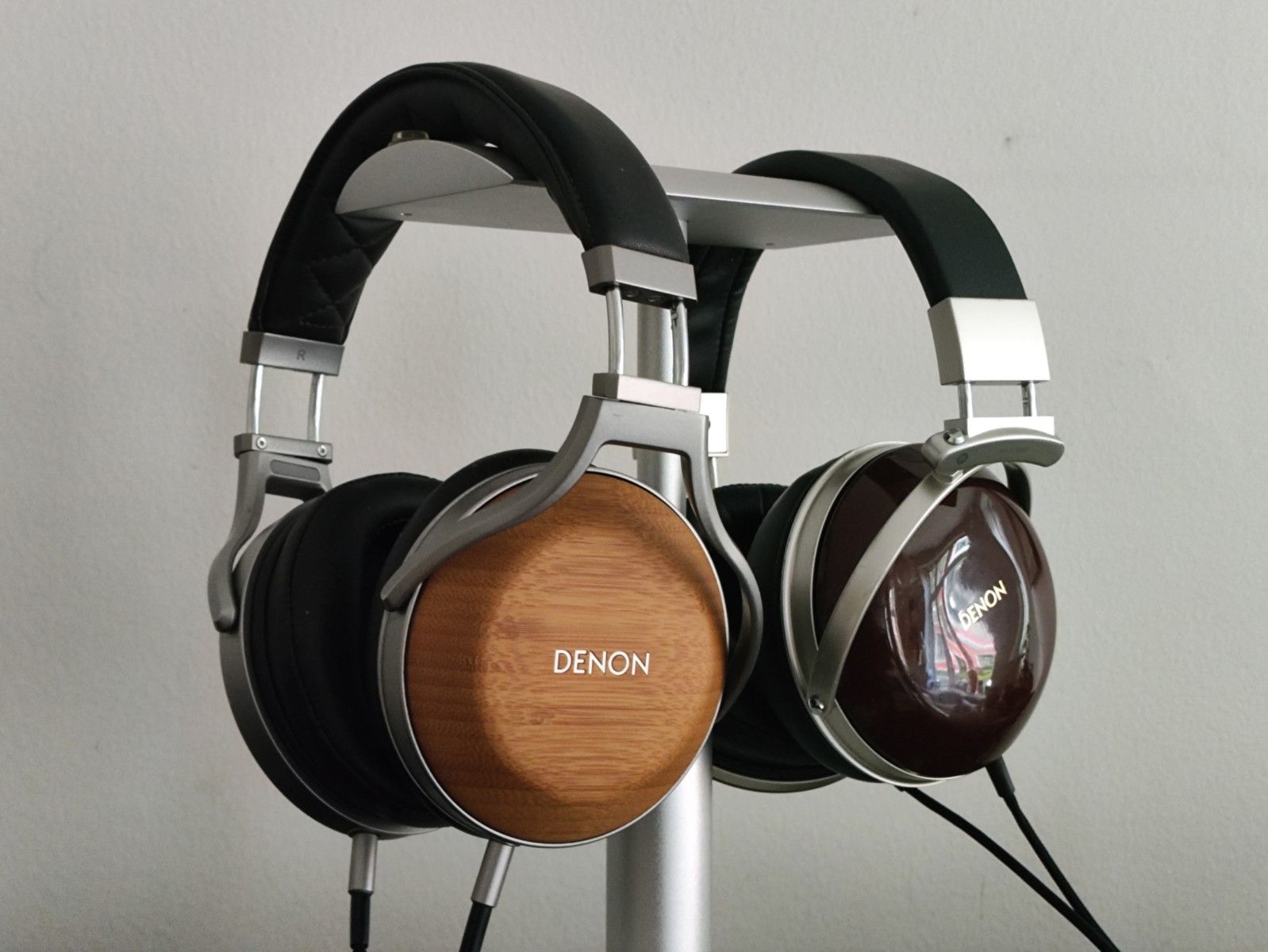
After this flop, Denon went back to the drawing board. After several years of development, they returned to the formula that had made their 2008–2012 “Golden Trio” successful. They introduced the current D5200/D7200/D9200 series, a range designed and manufactured in-house by Denon, including the all-important drivers.
WHAT ABOUT FOSTEX?
But what about Foster Electric, the company that manufactured the successful D2000/D5000/D7000 trio? After the collaboration with Denon ended, Foster Electric began producing its own wooden closed-back headphones under the Fostex brand, heavily inspired by the D2000/D5000/D7000 design.
In many ways, Fostex continued the legacy of the “Golden Trio” at a time when Denon had moved in a different direction. The Fostex TH-900 (released in 2012) and TH-600 (2013) became the foundation of Fostex’s successful high-end headphone range.
THE BIRTH OF MODERN HEADFI
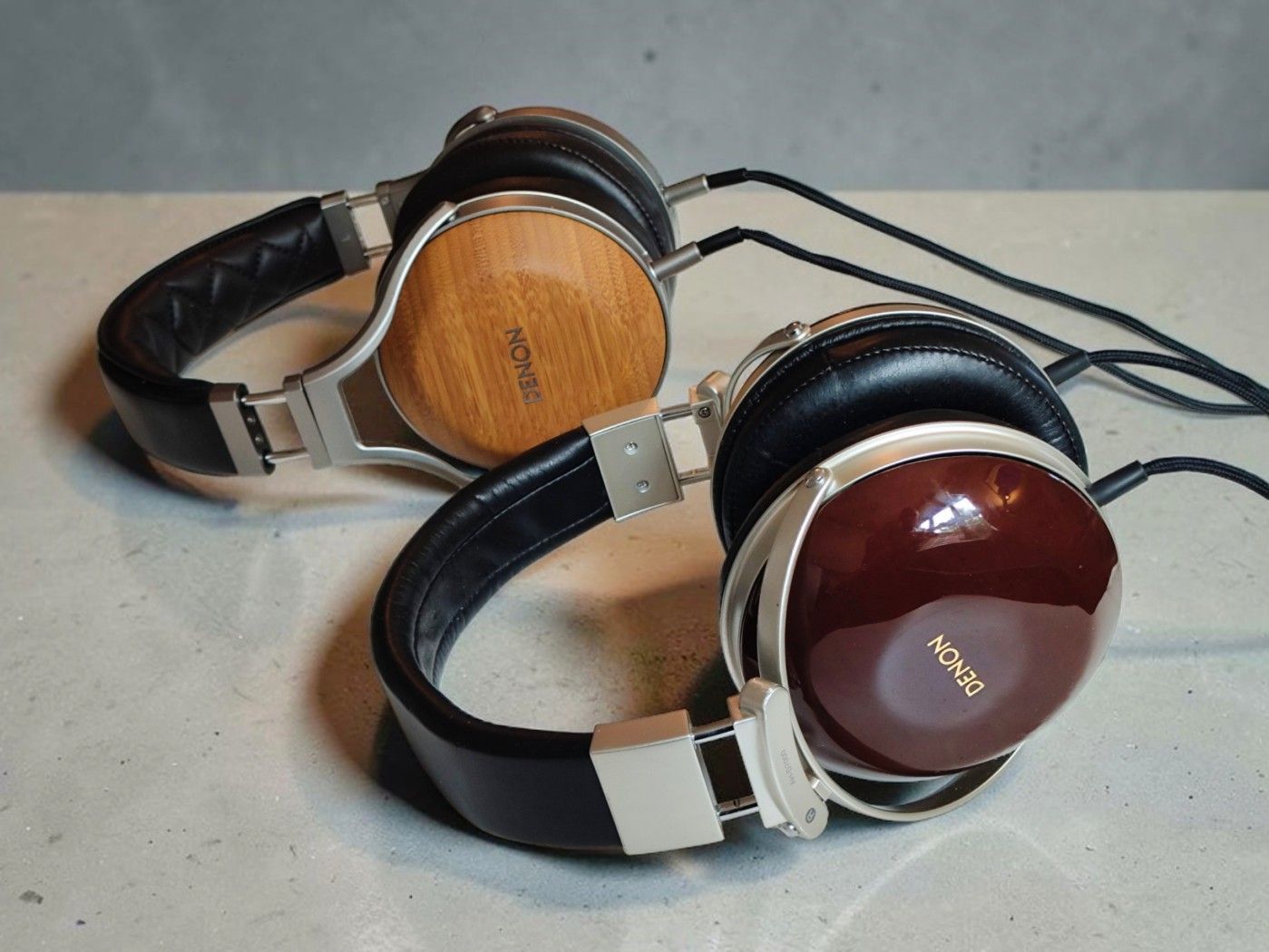
A reason the D7000 became such a legend is that its production run, from 2008 to 2012, coincided with the birth of the modern high-end headphone market.
When the D7000 launched in 2008 at a price of USD 999, there were relatively few headphones in that price range. Grado, Audio-Technica, Ultrasone, and Stax all offered expensive models, but the high-end headphone scene was still small compared to what it would soon become. The D7000 was one of the few premium headphones with broad mainstream appeal.
Then the market changed rapidly. The Sennheiser HD 800 arrived in 2009, followed by the Audeze LCD-2 later that year, the HiFiMan HE-6 in 2010, and the LCD-3 and HE-500 in 2011.
These headphones basically represent the start of the modern era of high-fidelity headphones, or “headfi”. During that period, the D7000 already was established as a benchmark for closed-back headphones, a reputation it still enjoys today.
You can read more about the “Golden trio” here:
https://www.stereophile.com/content/luscious-denon-ah-d2000-ah-d5000-and-ah-d7000
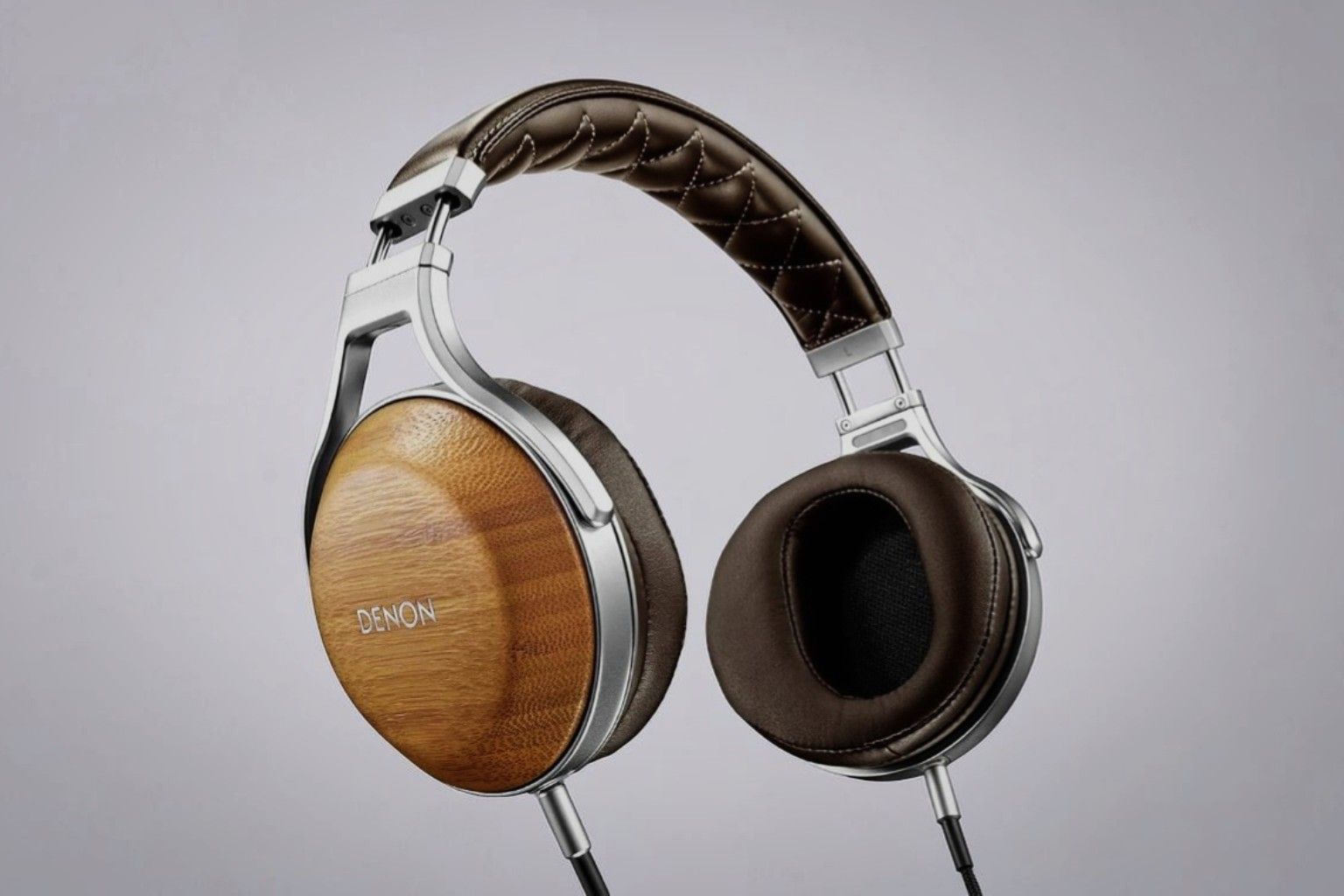
SPECIFICATIONS DENON AHD-D9200
- Driver Diameter 50 mm
- Driver Type: Dynamic FreeEdge
- Diaphragm: Nanofiber
- Impedance 24 Ohms
- Sensitivity 105 dB/mW
- Maximum Power Input 1,800mW
- Frequency Response 5 – 56.000 (Hz)
- Cable connectors: 3.5 mm mono x 2
- Included Cables:
- 3.0 m cable with Silver Plated 6.3 mm plug
- 1.3 m cable with a 3.5 mm plug and a 3.5 mm to 6.3 mm headphone plug adapter
- Weight 375 g
- Cup material: Bamboo
- Pads: Sheepskin leather detachable
- Headband: Leather upside, pleather underside
Current price and availability:
- Amazon: D9200
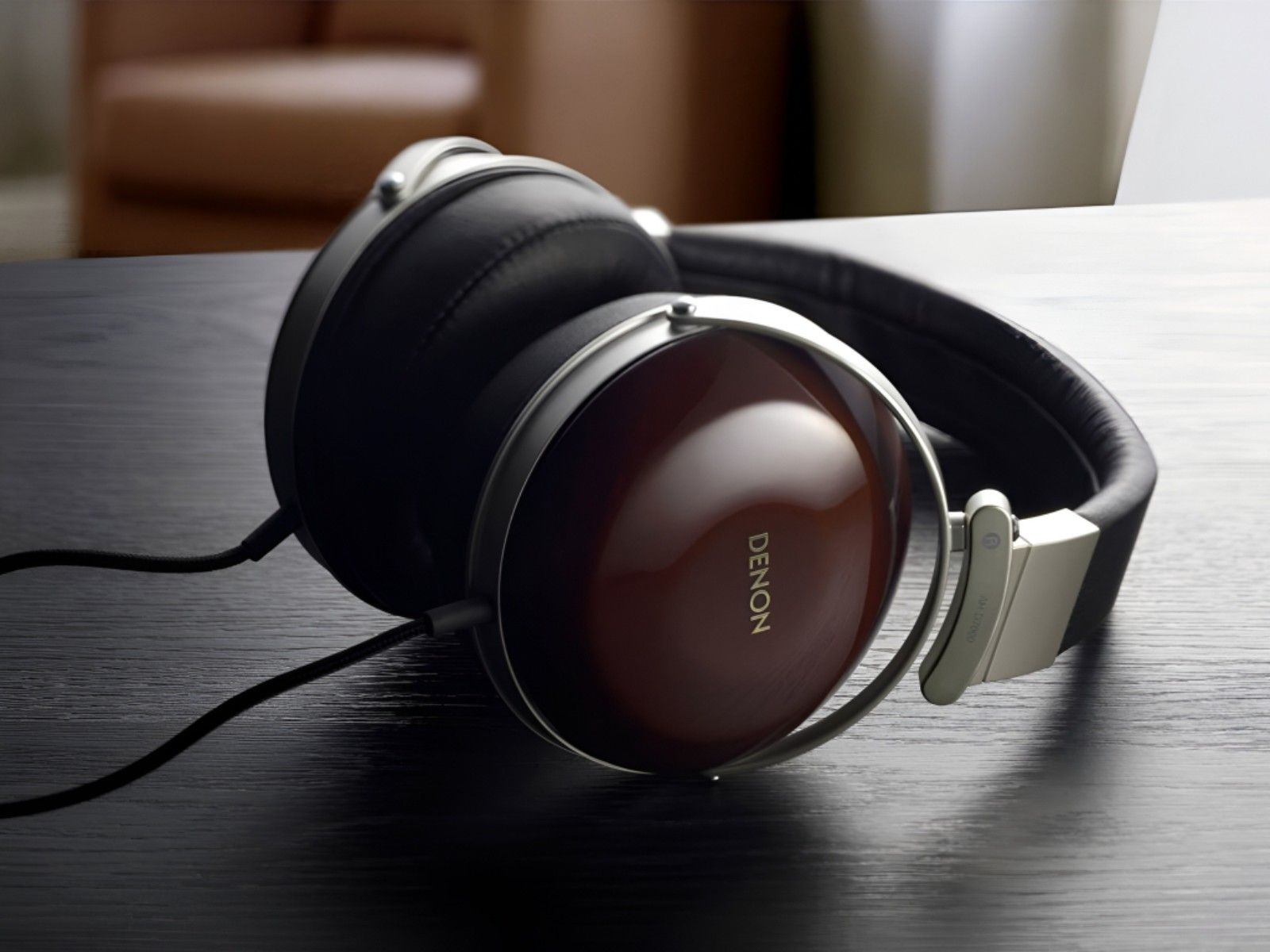
SPECIFICATIONS DENON AHD-D7000
- Type: closed-back over-ear
- Dynamic driver: 50 mm with neodymium magnet and micro-fiber diaphragm
- Impedance: 25 ohms (@ 1 kHz)
- Sensitivity: 108 dB/mW
- Frequency Response: 5 – 45,000 Hz
- Weight: 370 g (0.81 lbs) without cable
- Cable: 3.0 m non-detachable
- Cable type: 7N OFC
- Plug: Gold-plated 6.3 mm (1/4 inch)
- Housing Material: Solid mahogany wood with piano gloss finish
Current order and availability: 2nd hand marketplaces like eBay and headfi.org
LISTENING IMPRESSIONS
Associated equipment:
- Amplifier: Topping A90
- DAC: RME ADI-2 DAC FS
The Hidden Camera by Photek
The D7000 has a smooth and lush sound with a pleasant laid-back character that still avoids feeling muddled or unnatural.
The D9200 is somewhat crisper and drier. It sounds clearer and more articulate, but not in a way that necessarily makes the listening experience better to me.
Teardrop by Massive Attack
The D7000 has excellent, rich bass that still retains great definition. Everything sounds smooth and sweet without ever feeling off or unnatural.
The D9200 is less lush. The bass is tighter, it feels crisper in general.
In The Mountains by Espen Eriksen Trio
The D7000 delivers rich, full-bodied bass, a sweet and delicate piano presentation, and smooth percussion. The D9200 is relatively close, but the bass is less rich, the piano sounds crisper, and the percussion is slightly brighter.
Re-Melt by Tord Gustavsen Trio
The D9200 is snappy and crisp, with detailed and bright percussion. The D7000 is significantly lusher and richer, with a darker and warmer presentation, while still avoiding a muddled sound.
Sandermosen by Maridalen
The D9200 is clean and clear with a well-balanced presentation. The D7000 is again warmer, richer, smoother, and darker. However, it does so in a delicate and highly seductive way.
Dancing in the Dark by Jørgen Dahl Moe
This live performance sounds great on both. The vocals are crisper and more textured with the D9200, while they sound darker, warmer, and sweeter with the D7000, but still with great detail and nuance.
Eye of The Day by Marta del Grandi
They are both excellent with Del Grandi’s female vocals. The D9200 sounds slightly better and crisper, while the D7000 is sweeter and smoother. The bass is very well defined and tighter on the D9200, while it sounds a bit less controlled – and straight out somewhat messy – on the D7000 in direct comparison.
Spontaneous Compositorius by Thomas Agergard
The D7000 delivers a very lush-sounding saxophone. The treble is bright and almost sharp, but still clean. The bass is a bit richer than necessary.
The D9200 offers a brighter and more neutral saxophone timbre. The percussion is similarly bright but less close to sounding sharp. The bass is much tighter and cleaner.
Sujet Tabou by Renaudin and Cahours
This very snappy guitar and percussion duo, with some bonus vocals, sounds highly expressive and dynamic on the D9200. The D7000 also sounds excellent, but it is smoother and lusher, with a warmer character.
Jambi by Tool
The D7000 sounds rich and warm, with a lush presentation and smooth-sounding vocals. The bass is boosted and thick. The D9200 is more balanced and neutral, with a crisper character. The vocals are clearer and brighter, the bass is tighter and more textured, and the percussion, especially bass drums, is tighter and punchier.
Like Suicide by Soundgarden
This track can sound muddled and untidy on many headphones, but the D7000 handles it well. The bass is a bit boomy, but the overall impression is lush and warm, while still retaining good detail and nuance. The D9200 is relatively similar, but the bass is tighter and the vocals are slightly crisper.
Summer 3 Vivaldi Recomposed by Max Richter
I expected the D9200 to sound better here, but I don’t think it does. It is a bit crisper and brighter, but it does not necessarily sound clearer. The D7000 is remarkably tidy.
Young Vivaldi by Modo Antiquo
The D9200 has an excellent string timbre. It sounds natural and energetic, with bite and attack without becoming harsh. The D7000 is lusher and warmer, but equally detailed. It may even be better than the D9200 with regards to detail, but it presents the music in a smoother manner.
Telegraph Road by Dire Straits
The D7000 is lush, warm, and rich. The D9200 is much crisper and tighter. Both sound excellent, but they are quite different here, more so than on most tracks.
Homesick by Airbag
This sounds absolutely fantastic on the D7000. It is spacious and detailed, yet warm and lush, with great dynamics. The presentation is very enveloping. The D9200 might be slightly tighter, but its crisper and brighter delivery loses some of the magic.
WRAPPING IT UP
Sound Signature
The D7000 is warm, lush, rich, and smooth, with a relaxed yet engaging character. The D9200 is cleaner, crisper, more neutral, and more precise, with a more modern and balanced presentation.
Treble
The D7000 has a clean and smooth treble with an occasional slight sharpness. The D9200 has more treble presence and sounds brighter, but not necessarily more detailed. Neither are prone to sibilance in my test tracks.
Midrange
The D7000 has a rich, natural, and smooth midrange. It is not overly forward, but still has excellent presence, with natural vocals and a sweet tonality.
The D9200 is clearer, brighter, and more articulate. It is more upfront and energetic, while still maintaining a relatively neutral character.
Bass
The D7000 is full-bodied, rich, and powerful, with good definition, but the bass can sometimes feel overly boosted and less controlled than ideal.
The D9200 is tighter, cleaner, and more textured, with better control but less richness and warmth.
Soundstage and Imaging
The D7000 is spacious for a closed-back headphone, with an enveloping soundstage and a natural presentation. The imaging is also quite impressive.
The D9200 does not sound dramatically different in this regard. Although it is brighter, the soundstage is not noticeably larger. Sometimes the D9200 offers better imaging, while other times the D7000 does. Overall, I would consider them different but equal, although the D9200 may initially feel more precise due to its sound signature.
Detail, Dynamics, and Timbre
When it comes to detail, the treble is quite comparable, although it has a slightly different character.
The midrange is probably best described as more detailed on the D9200, but the difference is not large. The D7000 is also detailed, but presents detail in a smoother way.
The bass detail is mostly very good (in its coloured way) on the D7000, but the D9200 is generally much tighter, with better texture and more detail in the low end.
In terms of macrodynamics, they are quite comparable, even though they present dynamics differently. For microdynamics, the D9200 is stronger; it’s the more articulate of the two.
The timbre is fantastic with the D7000. It is highly musical, and even though it is somewhat coloured, it almost always sounds natural to me.
The D9200 is more neutral and probably closer to a measured reference. It is generally perceived as brighter and crisper across the frequency range. There are many headphones that are even brighter and sharper, and the D9200 still retains some warmth and lushness, but compared directly to the D7000, the difference in character is immediately apparent.
CONCLUSION
If I were to describe the D7000 in a few words, they would be: warm, lush, smooth, rich, and musical. It is detailed without ever sounding aggressive.
While it retains some of the qualities that make the D7000 so enjoyable, the D9200 is notably crisper, brighter, and tighter in comparison. In some areas it is more detailed and certainly more precisely tuned, especially in the bass.
However, some of the magic of the D7000 is lost with the new flagship. Is the D9200 a more neutral and modern sounding headphone? Yes. Is it better? That is a tougher question to answer. The D7000 has technical qualities that are quite impressive, and in addition it has that magic touch, the warmth and lushness. The new flagship has less charm and the technicalities are not really that much better. Personally, I would rather let my D9200 go than the D7000. However, if I was to only own one headphone, the D9200 might be better because of its more neutral character.
So I think that will be my conclusion:
Some headphones stand the test of time, and the D7000 certainly is one of them. It is a great headphone today, as it was a great headphone when it was launched.
The D9200 is also a great headphone. It is not as charming when compared directly to the old king, but on its own, the D9200 is certainly a great set. I have enjoyed it for many, many hours and will continue to do so.
Thanks for reading. You can support us by purchasing anything using any of our affiliate links.
Current price and availability:
- Amazon: D9200
- D7000: eBay, headfi and other marketplaces.
Any purchase you make on Amazon, Linsoul , AliExpress or Audio46 with any of our affiliate links will give us a small provision at no cost to you.
We only get a provision for items that are not returned, so there’s no incentive for us to recommend something that’s not good.
Linsoul : Headphones, Earbuds, Wireless Earbuds, Desktop DAC/AMP, Portable DAC/AMP, Digital Audio Players,
Amazon: Headphones, IEMs, Headphone Amplifiers, Home Audio or Anything else.
.
If you enjoyed this article or other content on The Headphoneer, you might consider leaving a small donation to keep this website up and running. No donation is too small. Thanks for supporting us!

If you like our work please follow us on Instagram, Facebook and Twitter , it will help us grow. Sharing is caring 🙂