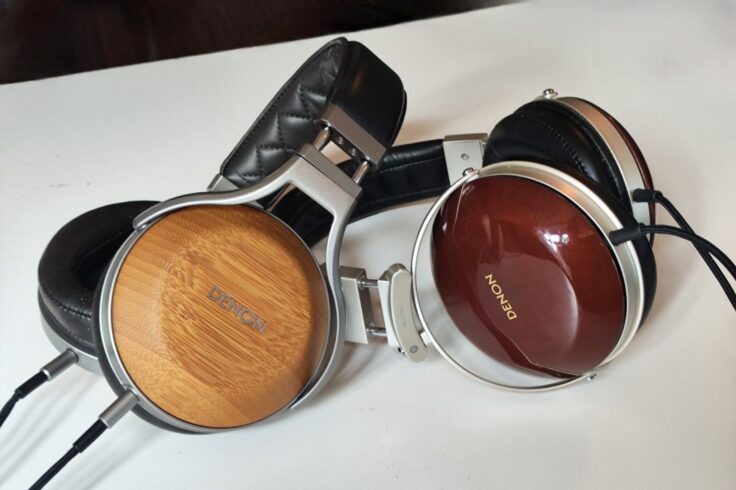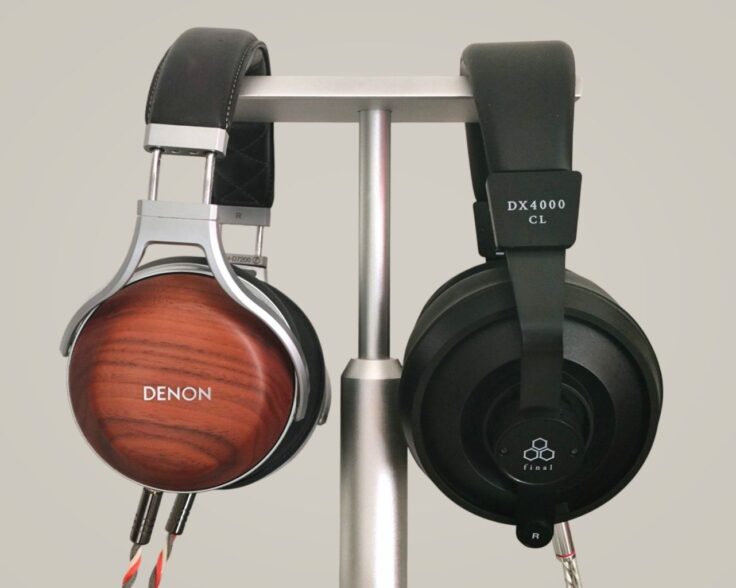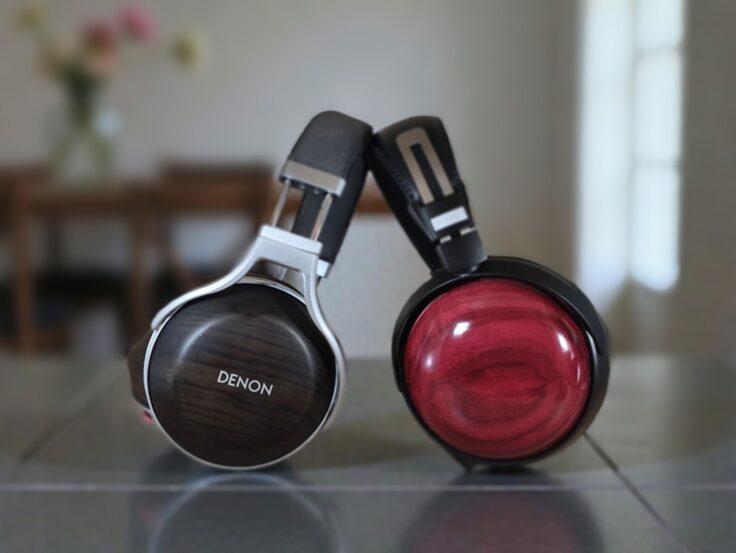

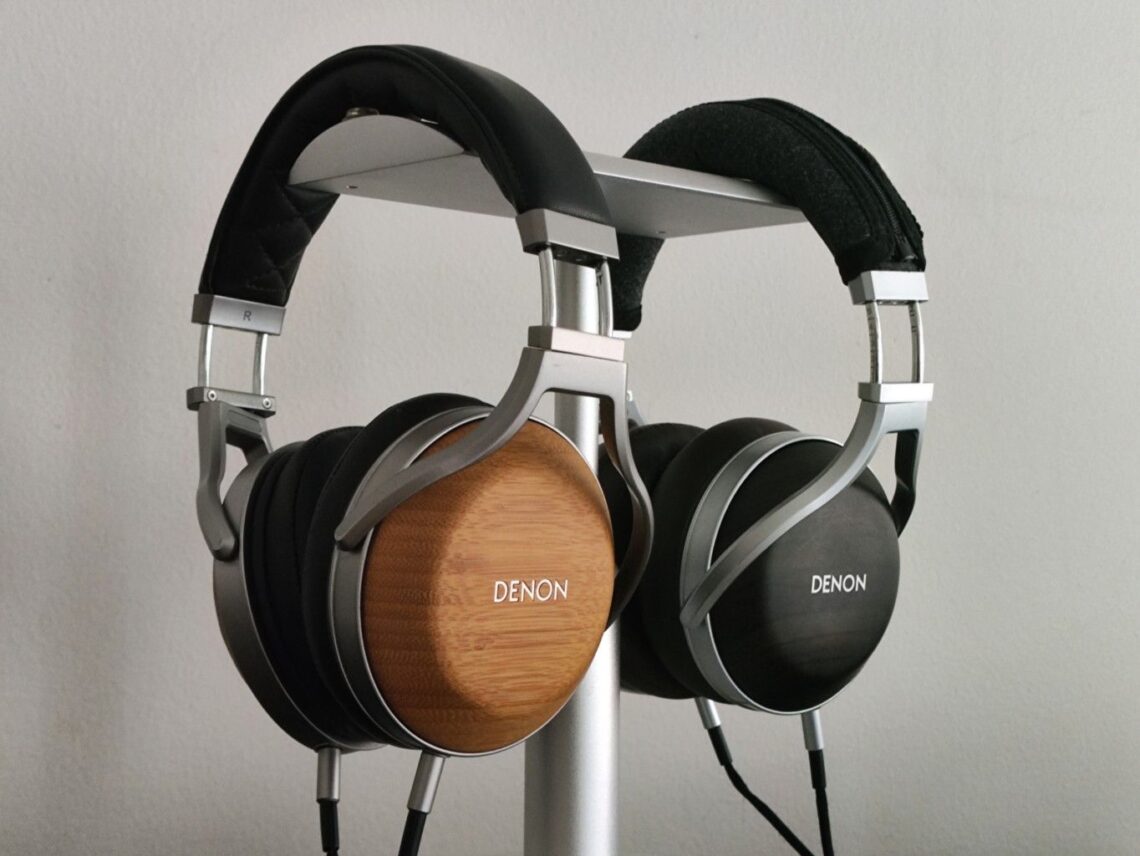
The Denon D5200 and D9200 are the least and most expensive options in Denon’s high end lineup trio, with the D7200 in between. The price difference is significant, with the D5200 at 799 USD and the D9200 at 1799 USD.
Both the D5200 and D9200 started shipping in 2018; the D7200 came a year before, in 2017. All are still in production, and I must say I respect Denon for making products they believe in, not replacing them every six months like some other companies seem to be doing.
You might wonder why I’m comparing the cheapest with the most expensive, but the thing is that I, and many with me, consider the D5200 and D7200 sonically to be side grades, and the D5200 is, in my opinion, the most neutrally tuned of the three. I might do a comparison between the D7200 and the D9200 in the future.
That said, all three headphones share a very similar design with only minor external differences.
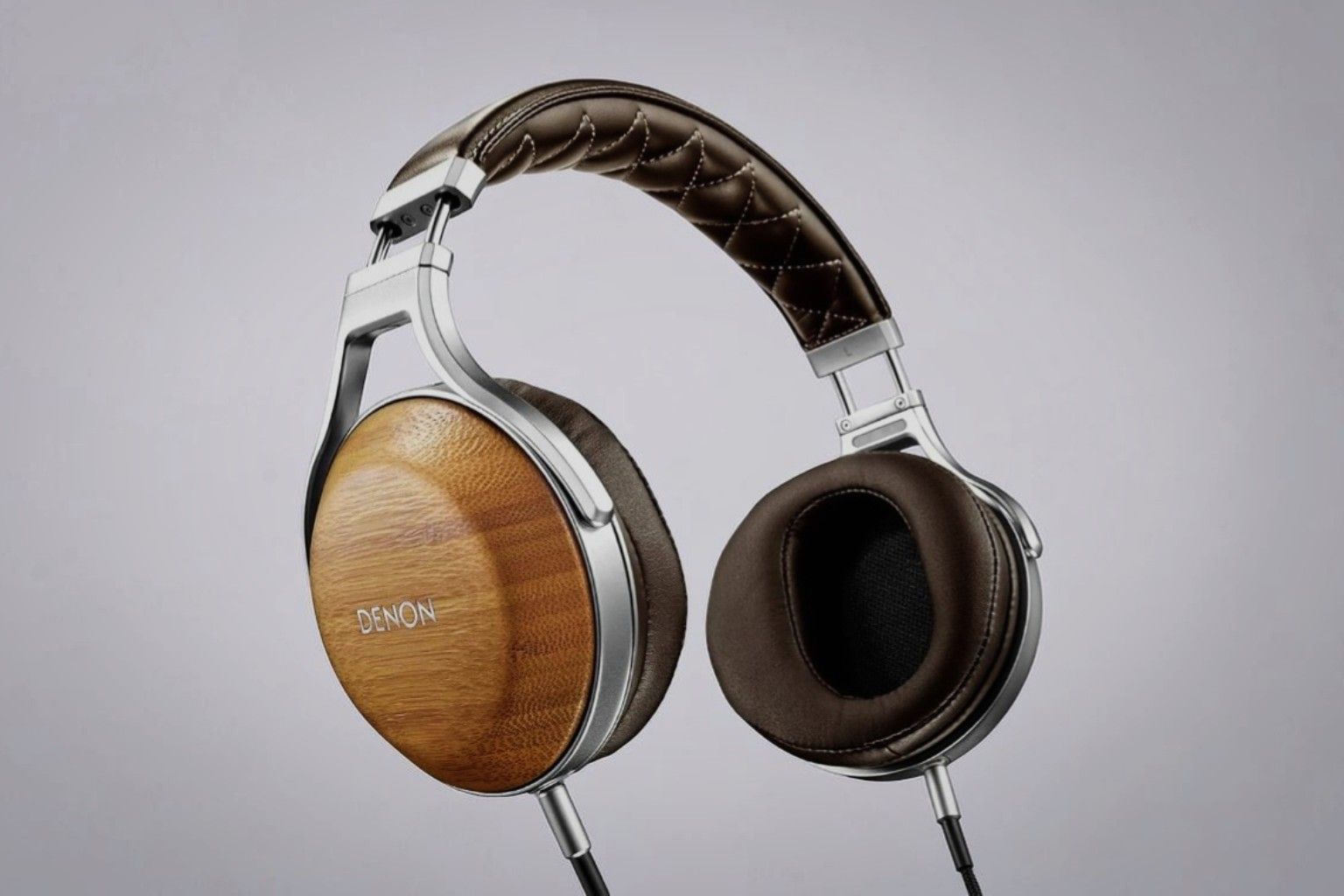
All three headphones use wooden closed back cups and the same headband mechanism. They all use variants of Denon’s proprietary 50mm FreeEdge dynamic driver with nanofiber and paper blends in the diaphragm. Along with small driver variations, the materials used in the headphones and their dampening give them slightly different impedance and sensitivity.
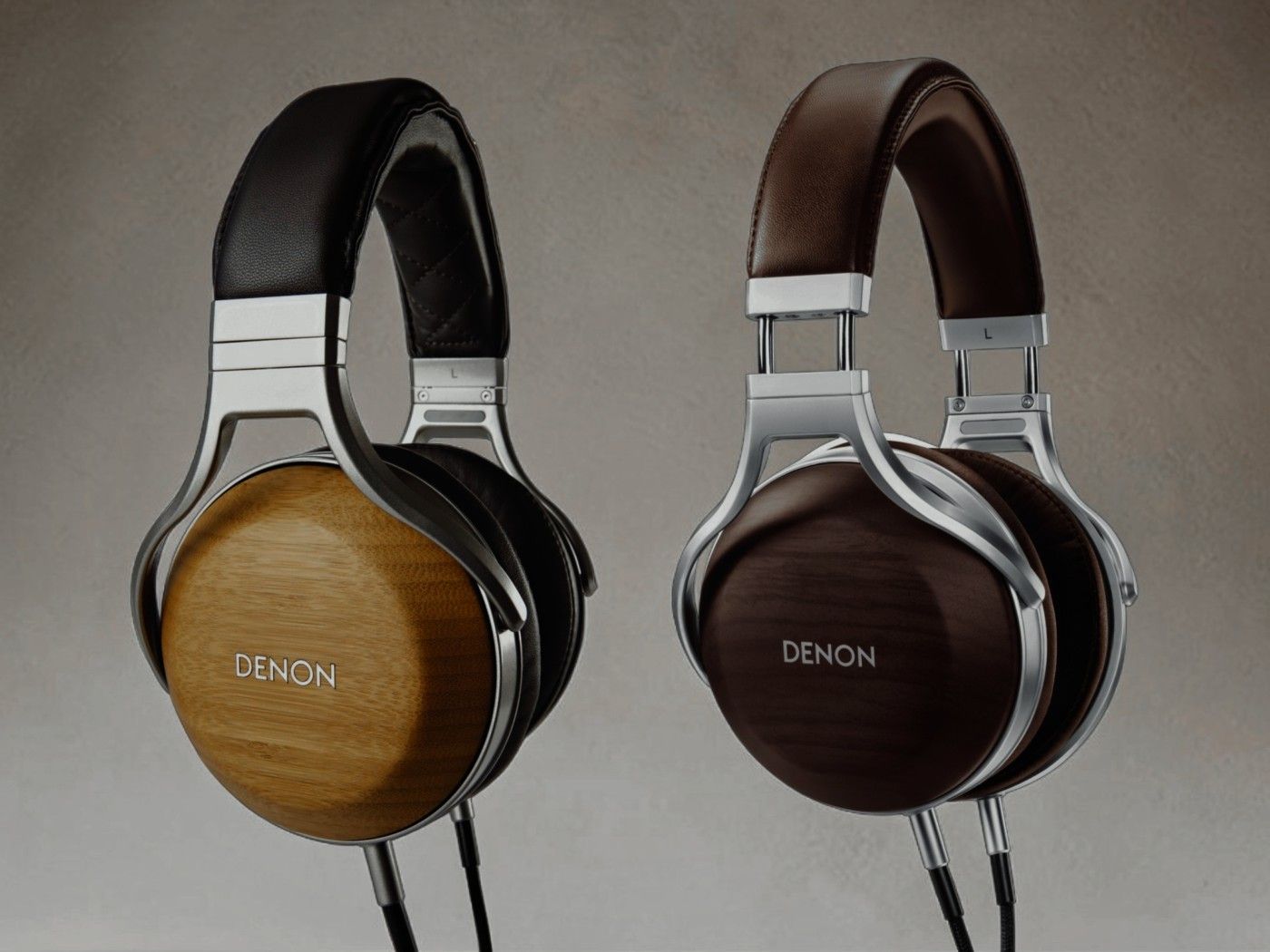
DIFFERENCE IN WOOD TYPE AND SPECS
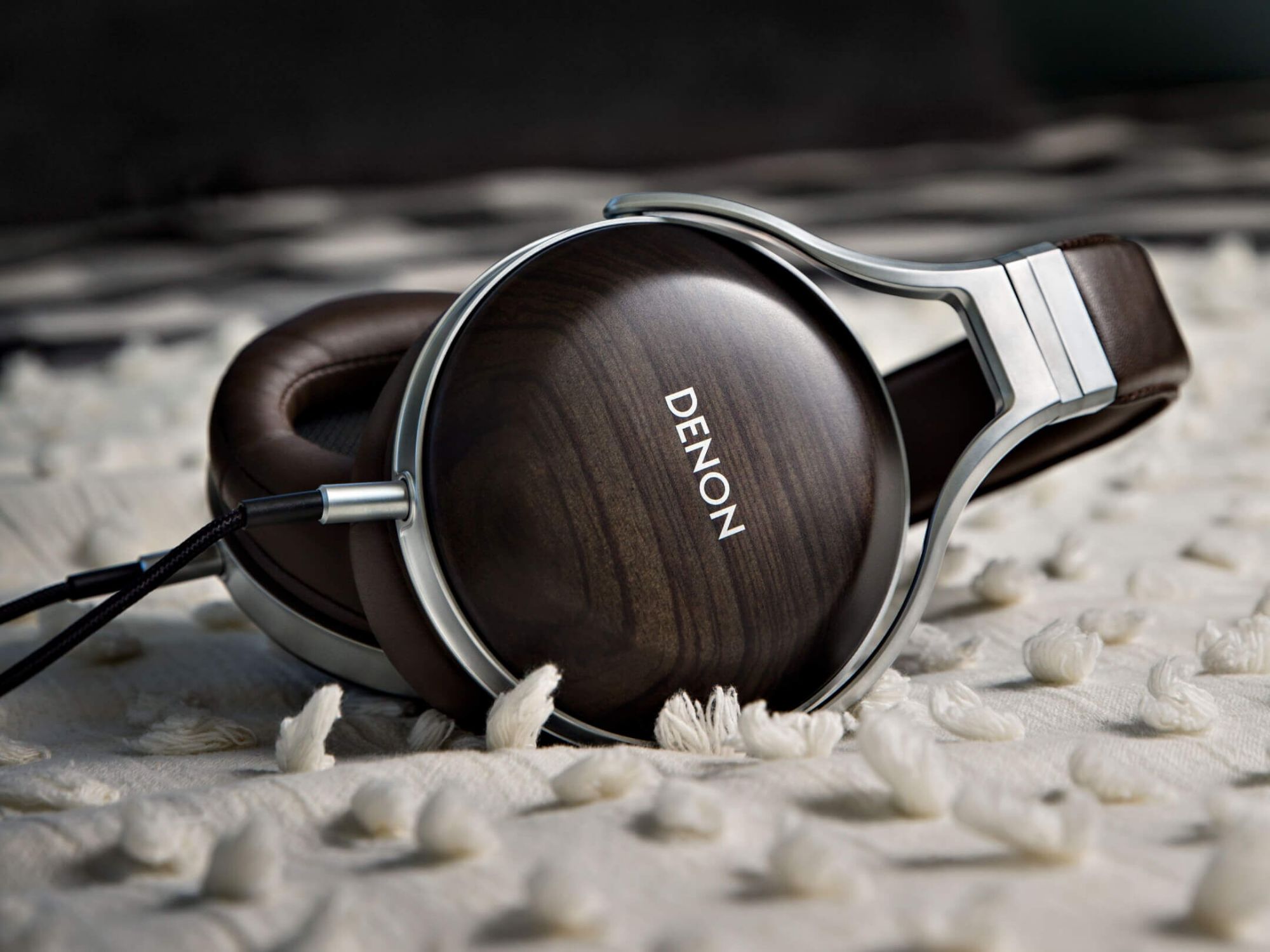
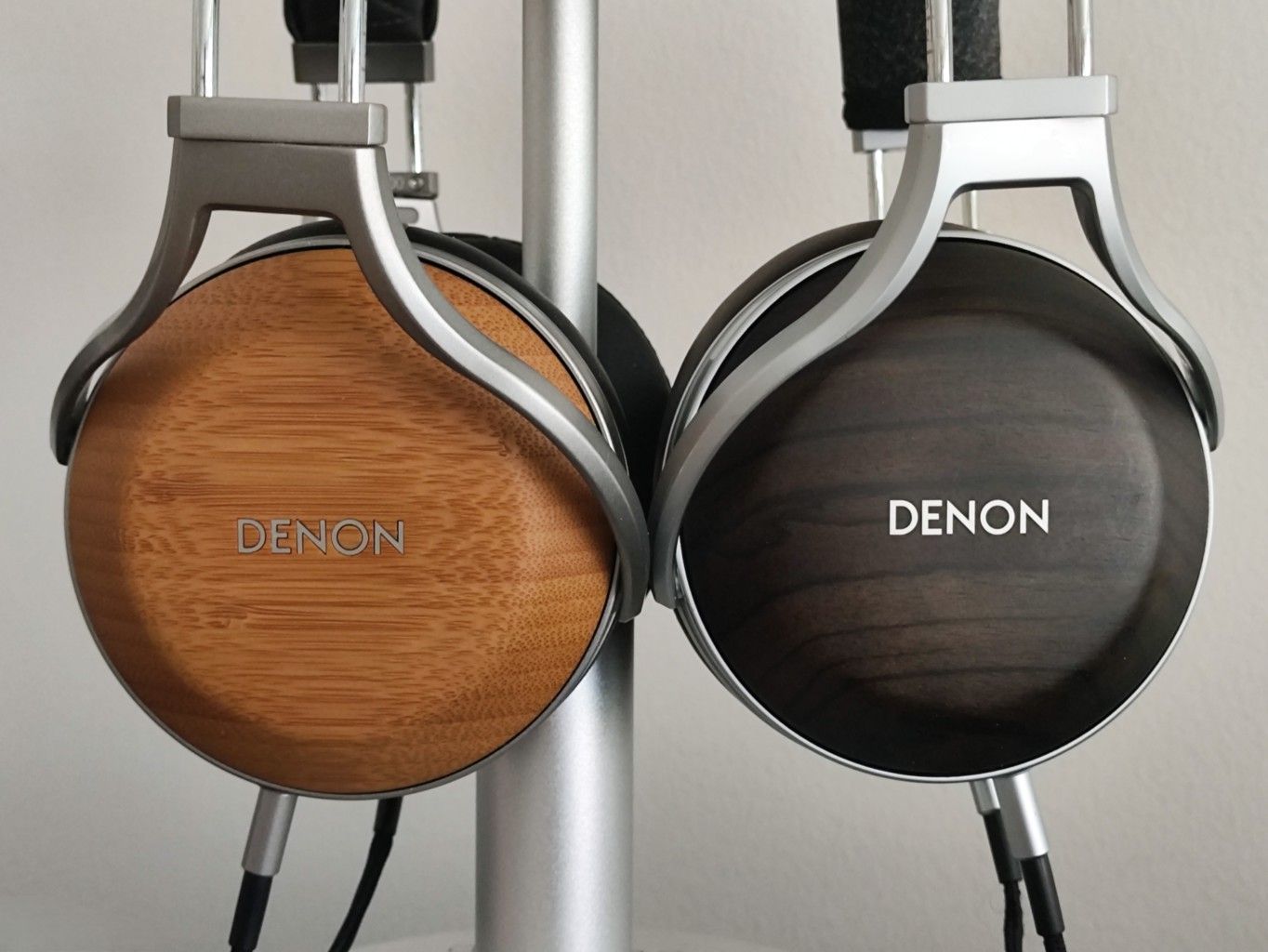
The D5200 uses zebrawood cups. It has 24 ohms impedance and a sensitivity of 103 dB/mW.
The D7200 uses American walnut cups. It has 25 ohms impedance and a sensitivity of 105 dB/mW.
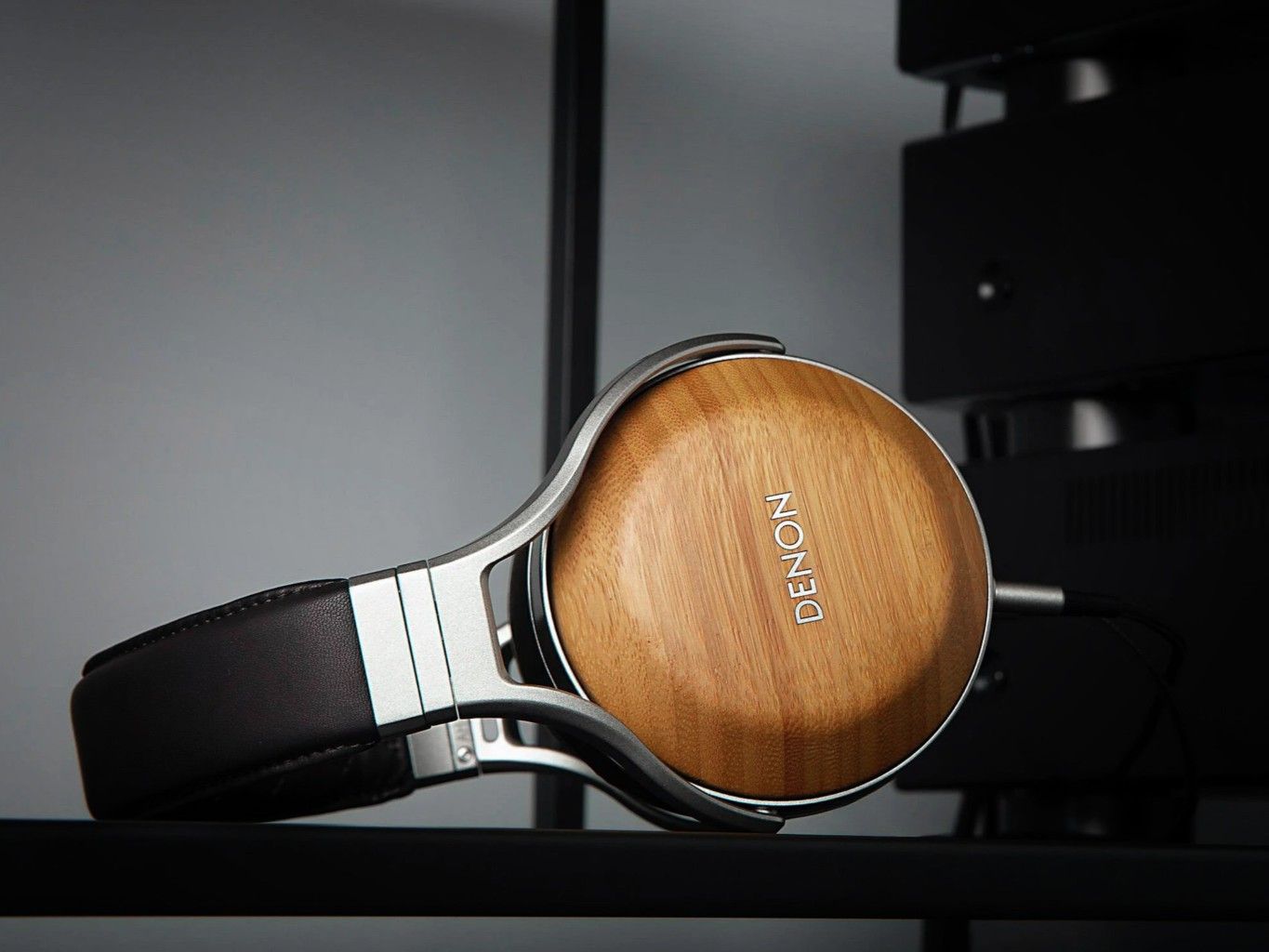
The D9200 uses bamboo cups. It has 24 ohms impedance and a sensitivity of 105 dB/mW.
SOME HISTORY
The D5200, D7200, and D9200 are a continuation of the legendary Denon D2000, D5000, and D7000 (launched in 2007 and 2008), which are very similar in looks to the current lineup. However, they were not made in-house by Denon but manufactured by the company Foster. The current lineup is made in-house by Denon.
It’s also interesting to note that Foster, using their brand “Fostex,” started making their own wooden closed-back headphones heavily inspired by the D2000/D5000/D7000 trio after they stopped making them for Denon. Models like the Fostex TH-900 and TH-600 were the kickstart of Fostex’s successful high-end headphone venture.
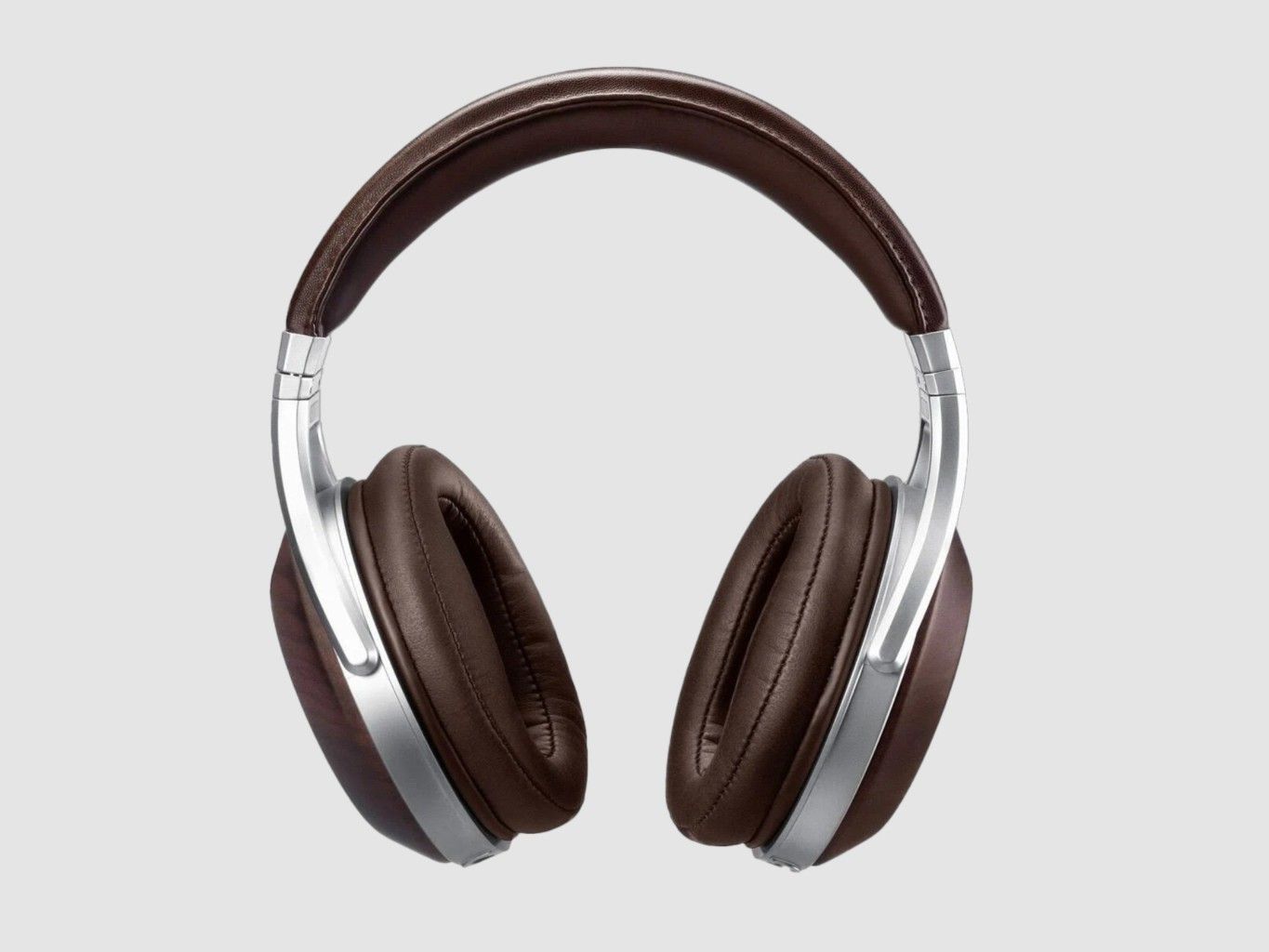
DENON AH-D5200 SPECIFICATIONS
- Type: Closed back
- Cups: Zebrawood
- Driver type: 50mm dynamic (FreeEdge nano fibre/paper)
- Impedance 24 Ohms
- Sensitivity 103 dB/mW
- Maximum power input 1.800 mW
- Frequency response 5 – 40,000 (Hz)
- Detachable cable: 3.0 m
- Cable connectors: 3.5 mm mono x 2
- Termination: 3.5 mm jack with adapter
- Pads and headband: pleather
- Weight 385 g
Current price and availability:
- Amazon: D5200
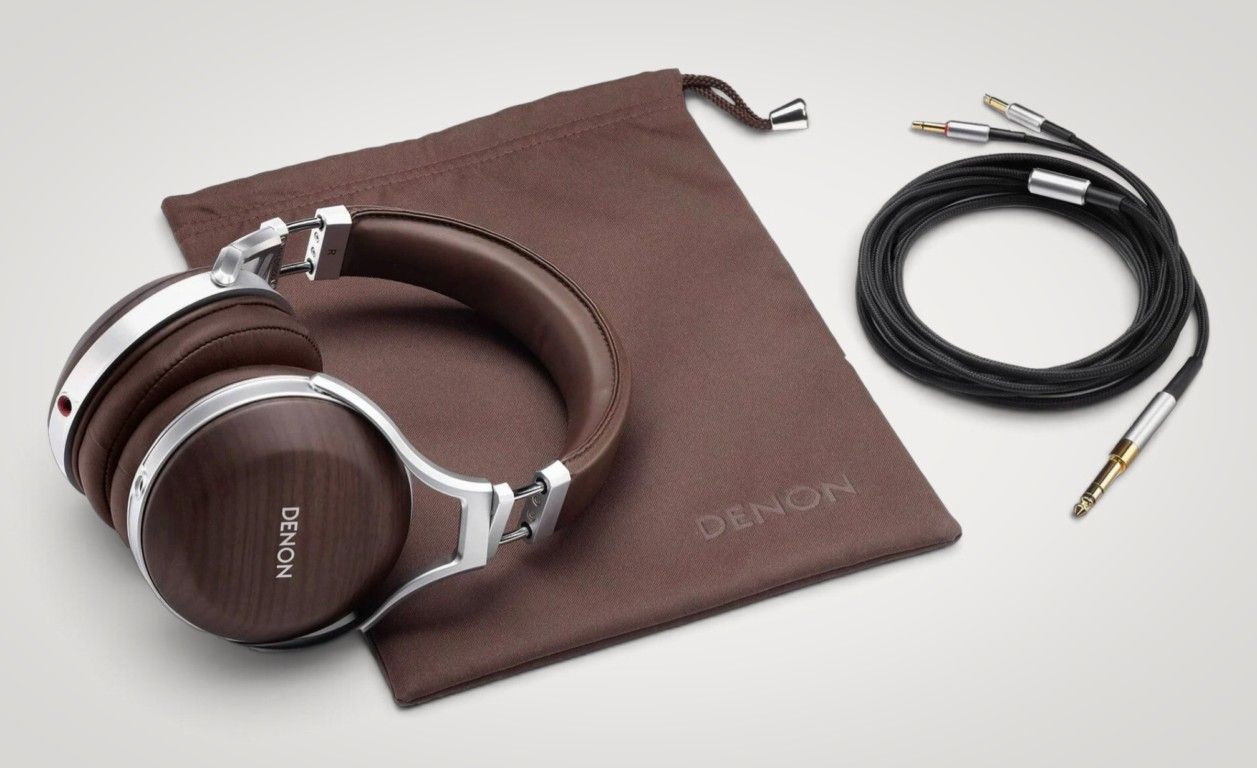
SPECIFICATIONS DENON AHD-D9200
- Driver Diameter 50 mm
- Driver Type: Dynamic FreeEdge
- Diaphragm: Nanofiber
- Impedance 24 Ohms
- Sensitivity 105 dB/mW
- Maximum Power Input 1,800mW
- Frequency Response 5 – 56.000 (Hz)
- Cable connectors: 3.5 mm mono x 2
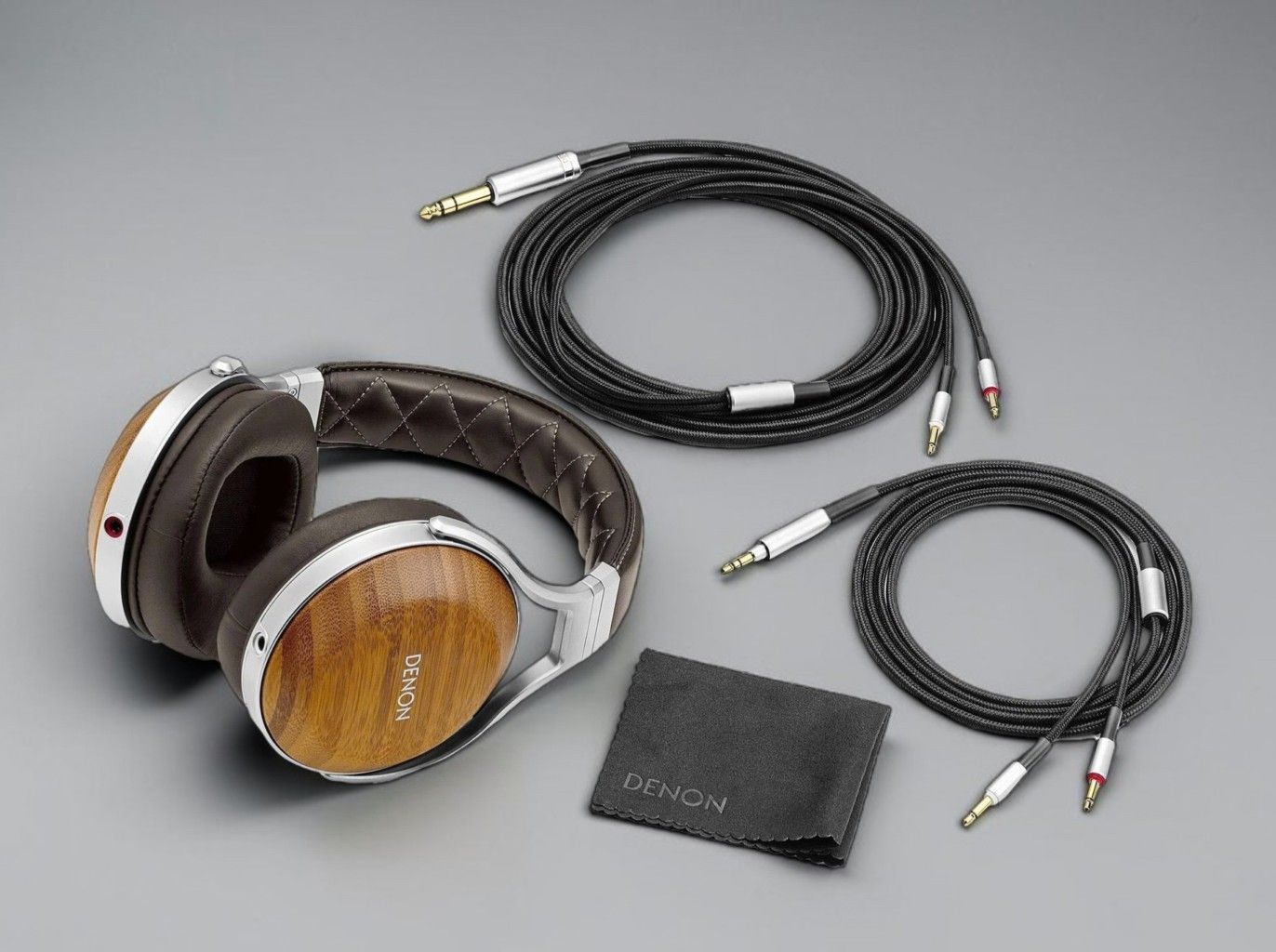
- Included Cables:
- 3.0 m cable with Silver Plated 6.3 mm plug
- 1.3 m cable with a 3.5 mm plug and a 3.5 mm to 6.3 mm headphone plug adapter
- Weight 375 g
- Cup material: Bamboo
- Pads: Sheepskin leather detachable
- Headband: Leather upside, pleather underside
Current price and availability:
- Amazon: D9200
BUILD AND DESIGN
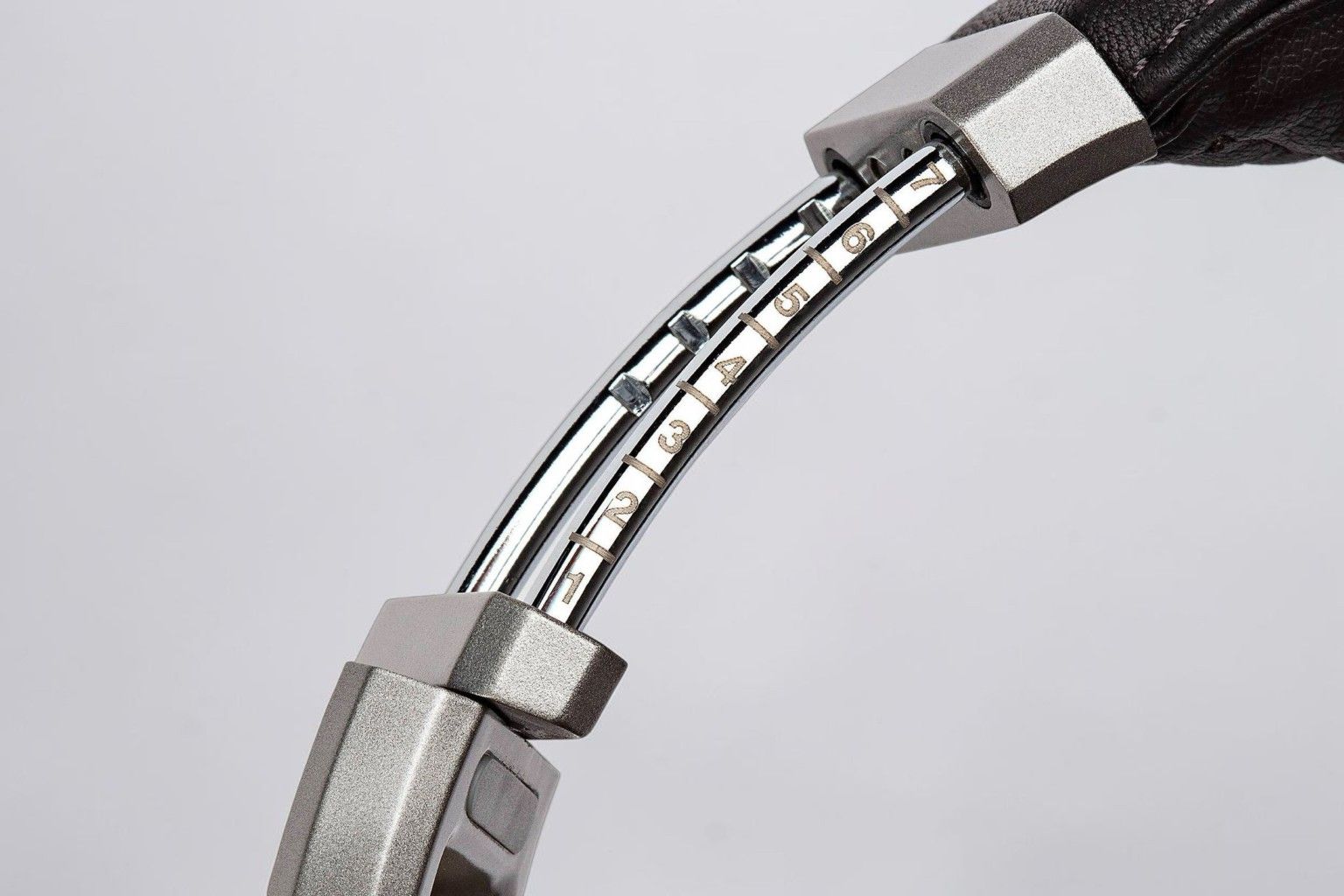
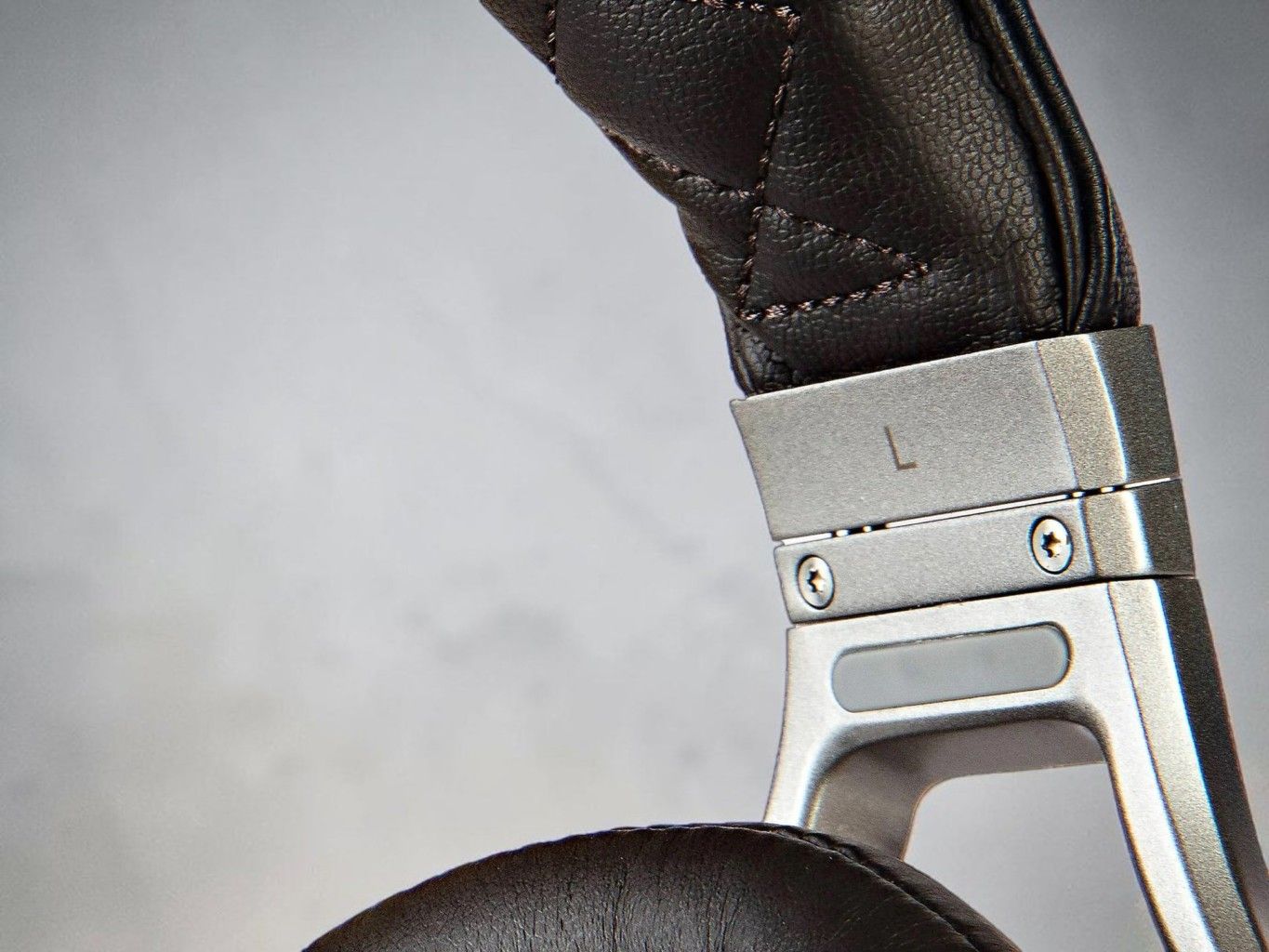
As mentioned, the D5200 and D9200 are very similar, sharing the same cup and headband dimensions and the same basic headband mechanism.
The D9200 is the more exclusive model, with real leather pads, a more refined headband finish, and two higher-quality cables (1.3 and 3 m) and accessories.
However, the D5200 can be upgraded with sheepskin pads and aftermarket cables of your choice for much less than the price difference. Keep in mind that pad changes, including the original D9200 pads, might affect the sound to a certain degree.
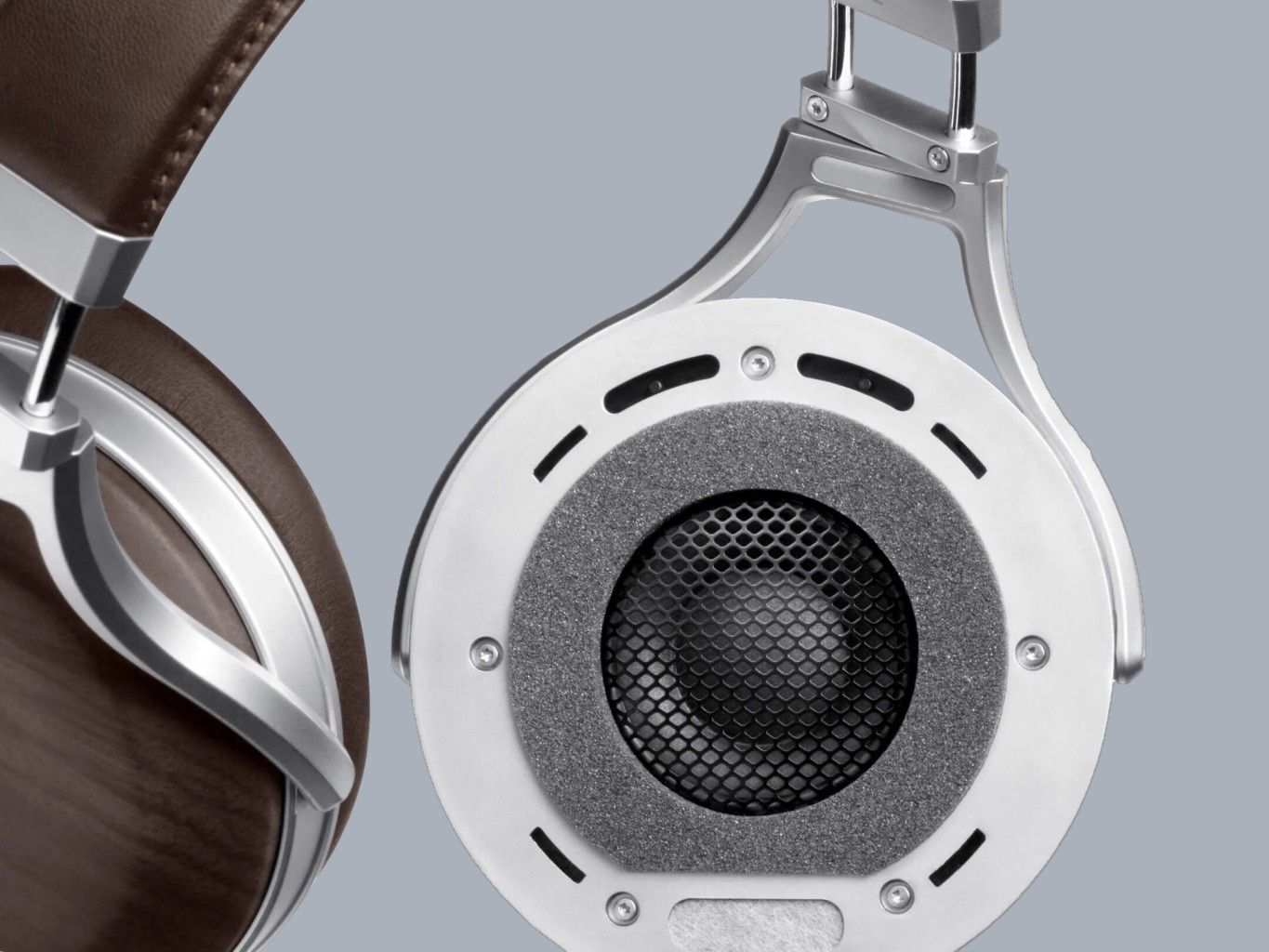
The D5200, D7200, and D9200 use the same pad attachment system and pad dimensions. The pads have lips that go around a ring with four clips that attach to the cup. If you want to buy third-party pads, it is important that you keep the ring from the original pads and reuse it, as most third-party pads come without this ring. The ring is included if you buy original Denon pads, and you can use the pads from the D5200, D7200, and D9200 interchangeably.
As a package, the D9200 is the more premium product, with better pads, cables, and overall finish.
When it comes to comfort, both feel quite similar, as mentioned, since they are very similar, but the pads of the D9200 are softer and more comfortable.
LISTENING COMPARISON
Associated equipment:
- Amplifier: Topping A90
- DAC: RME ADI-2 DAC FS
In The Mountains by Espen Eriksen Trio
They’re surprisingly similar. The D9200 has a more modest bass presence and more treble energy, and feels generally more refined, but the difference is much less significant than expected.
The Tunnel by Tord Gustavsen Trio
The D9200 is a bit clearer and crisper with better instrument separation; the D5200 feels a bit muffled in direct comparison. Not much, though—they’re surprisingly close in tuning, and the detail level isn’t really that different. Dynamics are very comparable.
Rocket Man by Bob James Trio
The D9200 sounds good, but the piano is unexpectedly upfront, almost a bit shrill. The D5200 has less energy in that frequency range and sounds a bit smoother. The soundstage is a bit larger with the D9200, with somewhat better imaging, but nothing mind-blowing.
Bullet in the Head by Rage Against the Machine
The D9200 is snappy and dynamic. Energetic vocals, and the bass is modest in quantity but present enough. The D5200 is similar, but the vocals are less pronounced. It’s not as crisp and snappy as the D9200, which also offers a bit more detail.
Limit to Your Love by James Blake
The D9200 has delicate and vivid vocals that sound bright without being too upfront. The bass is very nicely balanced. The D5200 has similar bass performance but darker, more laid-back vocals. It’s a bit more toned down and not as articulate.
Teardrop by Massive Attack
They’re quite similar, but the D9200 is more articulate and dynamic with better instrument separation.
It Could Be Sweet by Portishead
Again, quite similar. The D9200 is a bit more energetic on the vocals and a bit clearer.
Jambi by Tool
The D9200 has clearer vocals with better detail, which stand out in a mix a bit more in a natural way.
Sujet Tabou by Renaudin and Cahours
Both have great tuning, are well balanced, and are dynamic sounding. The D9200 is a bit clearer in the mids and highs.
Young Vivaldi by Modo Antiquo
The D5200 sounds excellent, very nicely balanced. The D9200 is very close in tonality but a bit sharper and more energetic, brighter but not necessarily in a bad way.
Summer 3 Vivaldi Recomposed by Max Richter
Both are great, and again quite similar. The D5200 is a tad darker, smoother, and thicker; the D9200 is a bit more open, slightly brighter, and a bit more articulate.
WRAPPING IT UP
Sound Signature
The Denon D5200 and D9200 have a quite similar, but certainly not identical, sound signature. They are both relatively neutral with a warm and smooth tint. The D5200 is perhaps the most neutral but is a bit darker in comparison to the D9200, which is a bit brighter in general.
Treble
The D5200 has a smooth and non-excessive treble. The D9200 is a bit brighter, which is more noticeable on some tracks than others. It is also generally higher in detail.
Midrange
The D5200 has a very nicely balanced midrange that I mostly found to be very neutral. The D9200 is a bit brighter in tonality but also sounds clearer and more articulate.
Bass
The bass is very similar in quantity; if anything, the D5200 is a bit more bass heavy. It depends, however, on the track, because the frequency response curves are not quite linear in either. I do not find the detail level to be significantly higher on the D9200 in the music I’ve listened to, which I find disappointing.
Soundstage and Imaging
Broadly speaking, both soundstage size and imaging capabilities are relatively close. However, when comparing them directly to each other, the D9200 has the larger soundstage and the better imaging capabilities.
Detail, Dynamics, and Timbre
The D9200 has better detail in the midrange and treble. It’s not a huge difference, but it is significant. As mentioned, I disappointingly do not find the difference in bass quality to be equally notable.
They are both dynamic sounding headphones. When it comes to macrodynamics, I think they are quite comparable. In terms of microdynamics, the D9200 is more articulate, especially in the midrange and treble.
The timbre is very nice with the D5200, more neutral and smooth than the D9200. The D9200 isn’t very different, but it’s generally a bit brighter and crisper. It’s often perceived as clearer but can occasionally become a bit too bright on certain tracks.
CONCLUSION
The D5200 and D9200 share a quite similar tonality, a nicely warm and smooth character that doesn’t stray too far from neutral. The D5200 is a bit more polite in the mids and highs; the D9200 is more upfront while delivering a bit more detail and better imaging capabilities.
The difference in sound quality is certainly not as big as the price difference would suggest, in my opinion. However, you get better accessories and quality parts (pads and headband) with the D9200, which helps justify the price difference.
Thanks for reading. You can support us by purchasing anything using any of our affiliate links.
- Amazon: D5200
- Amazon: D9200
Any purchase you make on Amazon, Linsoul , AliExpress or Audio46 with any of our affiliate links will give us a small provision at no cost to you.
We only get a provision for items that are not returned, so there’s no incentive for us to recommend something that’s not good.
Linsoul : Headphones, Earbuds, Wireless Earbuds, Desktop DAC/AMP, Portable DAC/AMP, Digital Audio Players,
Amazon: Headphones, IEMs, Headphone Amplifiers, Home Audio or Anything else.
.
If you enjoyed this article or other content on The Headphoneer, you might consider leaving a small donation to keep this website up and running. No donation is too small. Thanks for supporting us!

If you like our work please follow us on Instagram, Facebook and Twitter , it will help us grow. Sharing is caring 🙂