
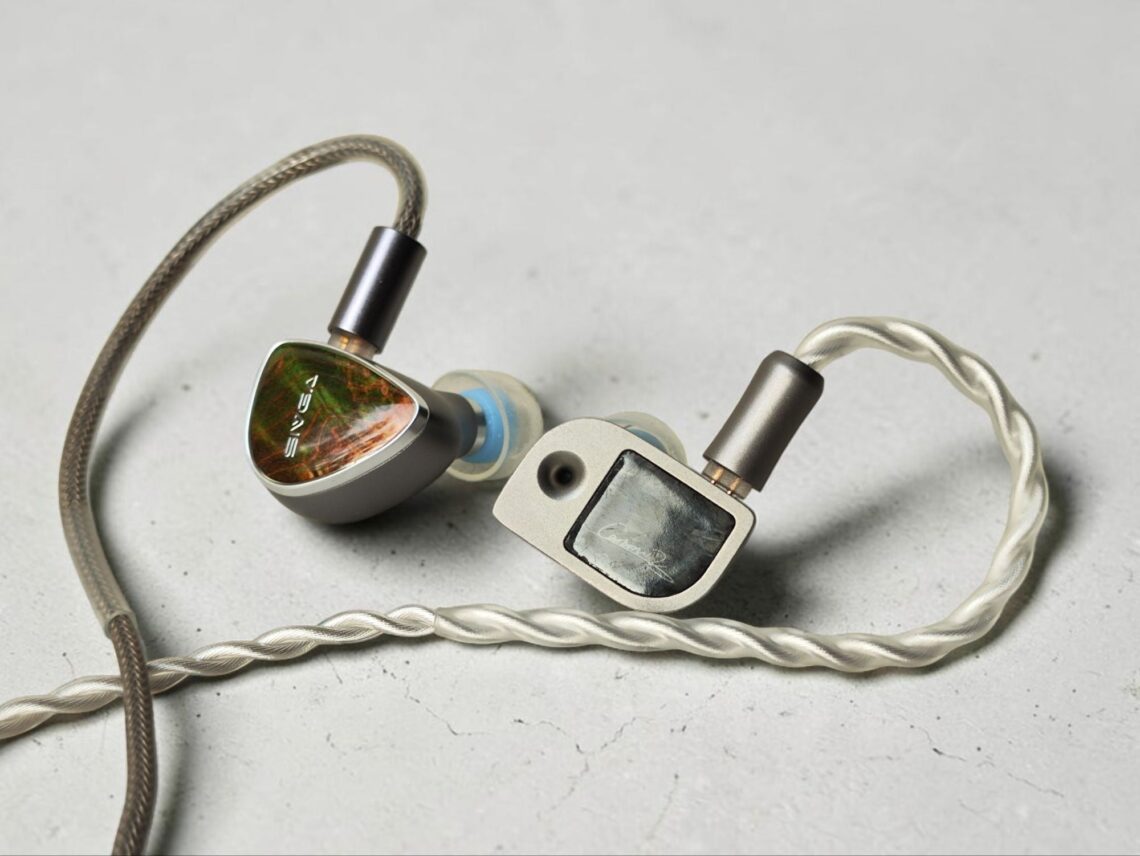
The Fosi Carbon12 is a single-driver in-ear monitor (IEM) that uses a 12 mm dynamic driver with a carbon fiber diaphragm. It comes in a metal shell with a carbon fiber faceplate and typically costs 149 USD.
The Sivga Lyrebird is a quad-driver hybrid in-ear monitor (IEM) that uses four different driver types. It has an aluminum alloy housing with a wooden faceplate and is currently priced at around 149 USD.
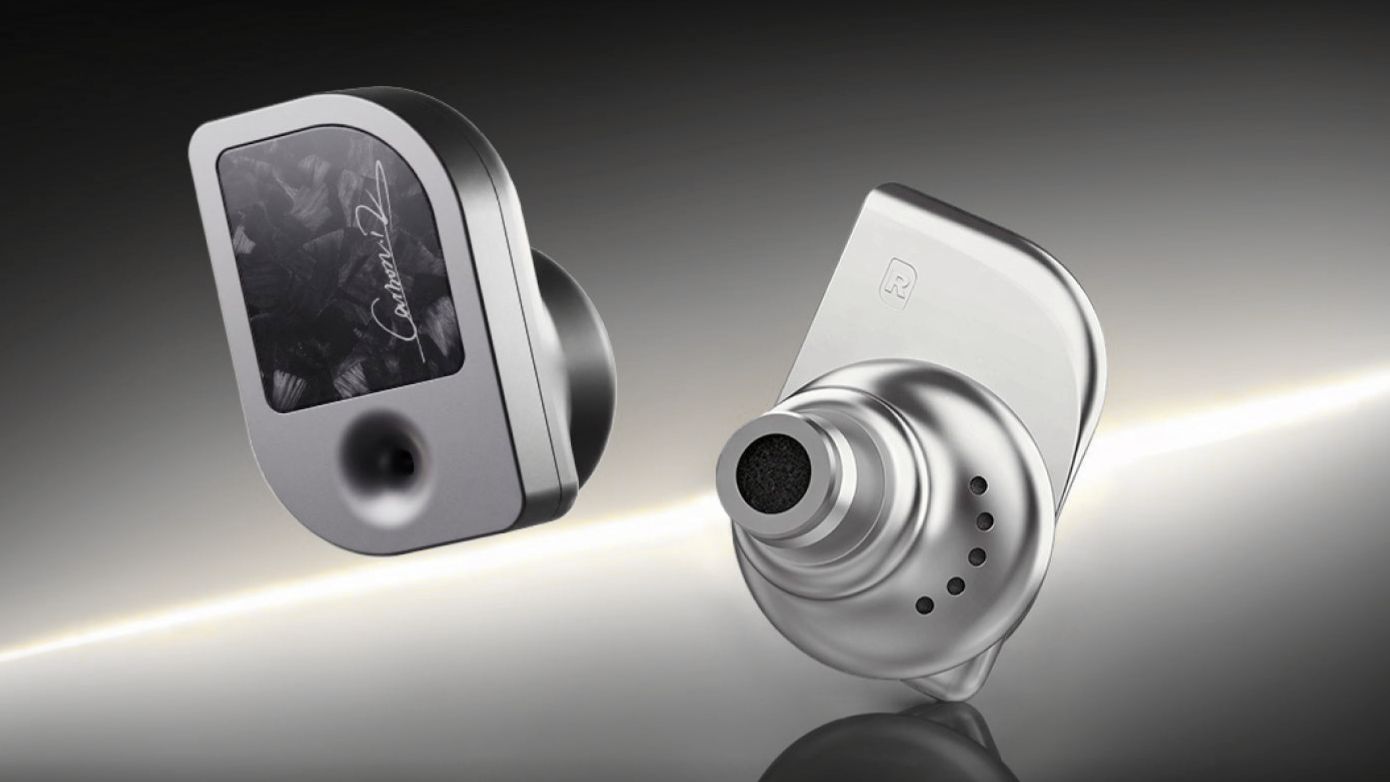
FOSI CARBON12 SPECIFICATIONS
- Type: in-ear monitor
- Driver: 12mm dynamic driver with UTPT™ thin-ply carbon fibre diaphragm
- Impedance: 37 ohms
- Sensitivity: 108 dB/Vrms
- Frequency Response: 20Hz–40kHz
- THD ≤ 0.5% @1kHz
- Cable: silver-plated oxygen-free copper cable
- Cable connectors: 2-Pin 0.78mm
- Cable termination: 3.5 mm jack
- Housing Material: TC4 titanium alloy with carbon fiber faceplate
- Balanced eartips, bass eartips,treble eartips
- Tuning foams & tweezers included
- Travel pouch
- Weight: 7.5 grams (per earbud)
Current price and availability:
- Fosi Audio: Carbon12
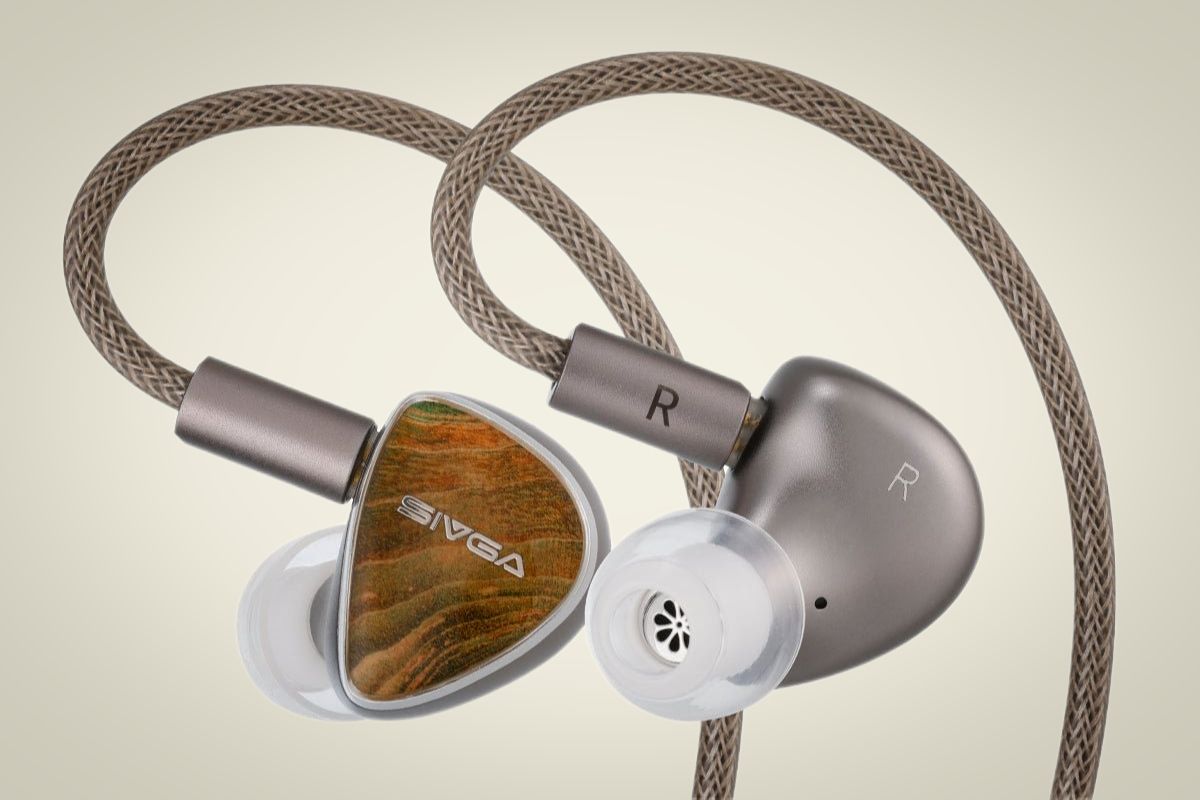
SIVGA LYREBIRD SPECIFICATIONS
- Type: wooden back IEM
- Driver type: Quad-driver / 4 types
- Driver configuration: 10mm DD + BA + micro planar + 9.2mm piezoelectric ceramic
- Impedance: 14 ohms
- Sensitivity: 108
- Frequency Response: 20 Hz – 20 kHz
- THD ≤ 1% @ 1kHz
- Cable: 120 cm hybrid cable
- Cable termination: 4.4mm balanced
- Connectors: 0.78 mm 2-pin
- “Crazy horse” leather carrying case
- Ear tips: 7 pairs (two types)
Current price and availability:
- Amazon: Sivga Lyrebird
- AliExpress: Sivga Lyrebird
- Sivga: Lyrebird
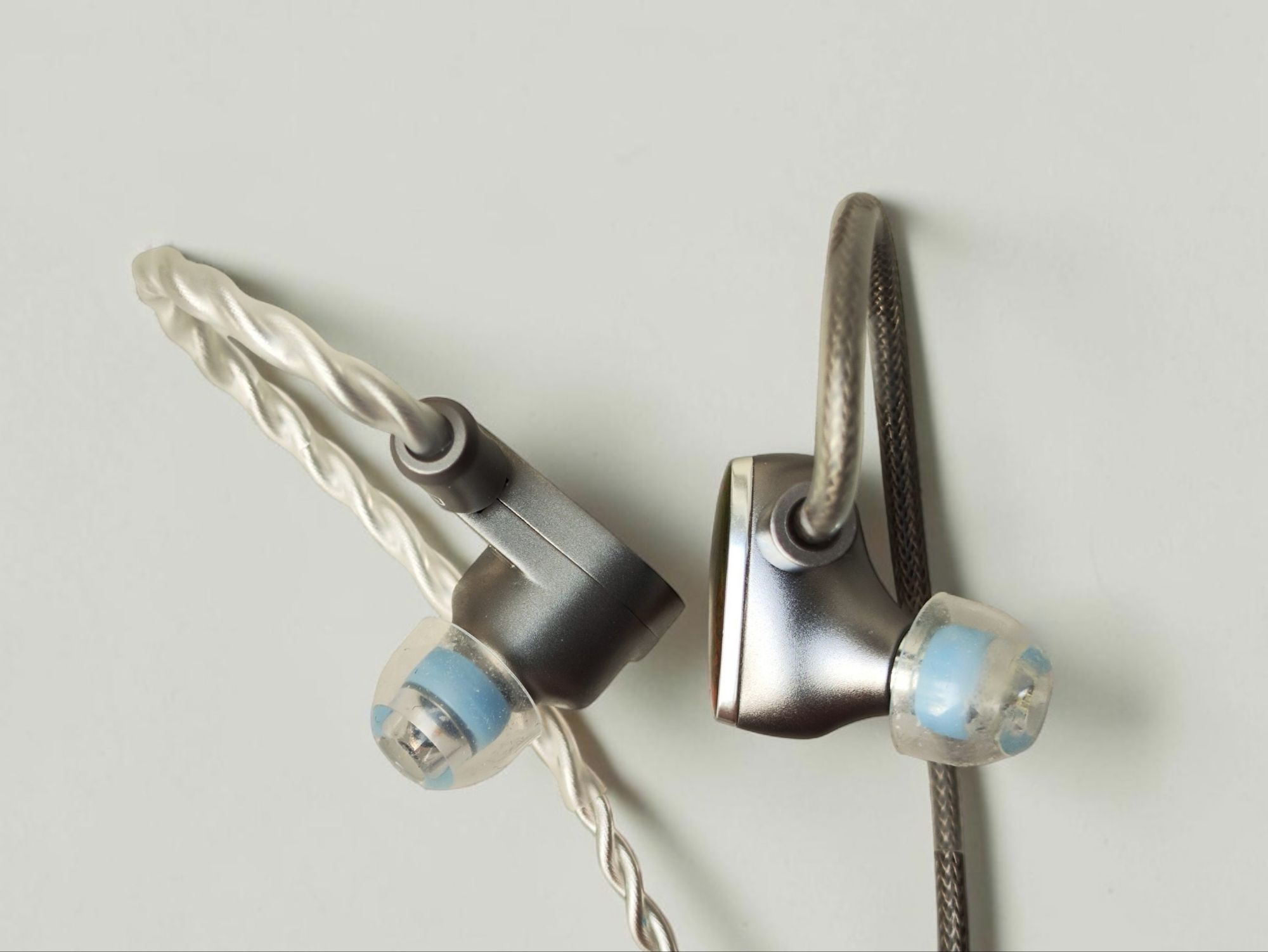
BUILD AND DESIGN
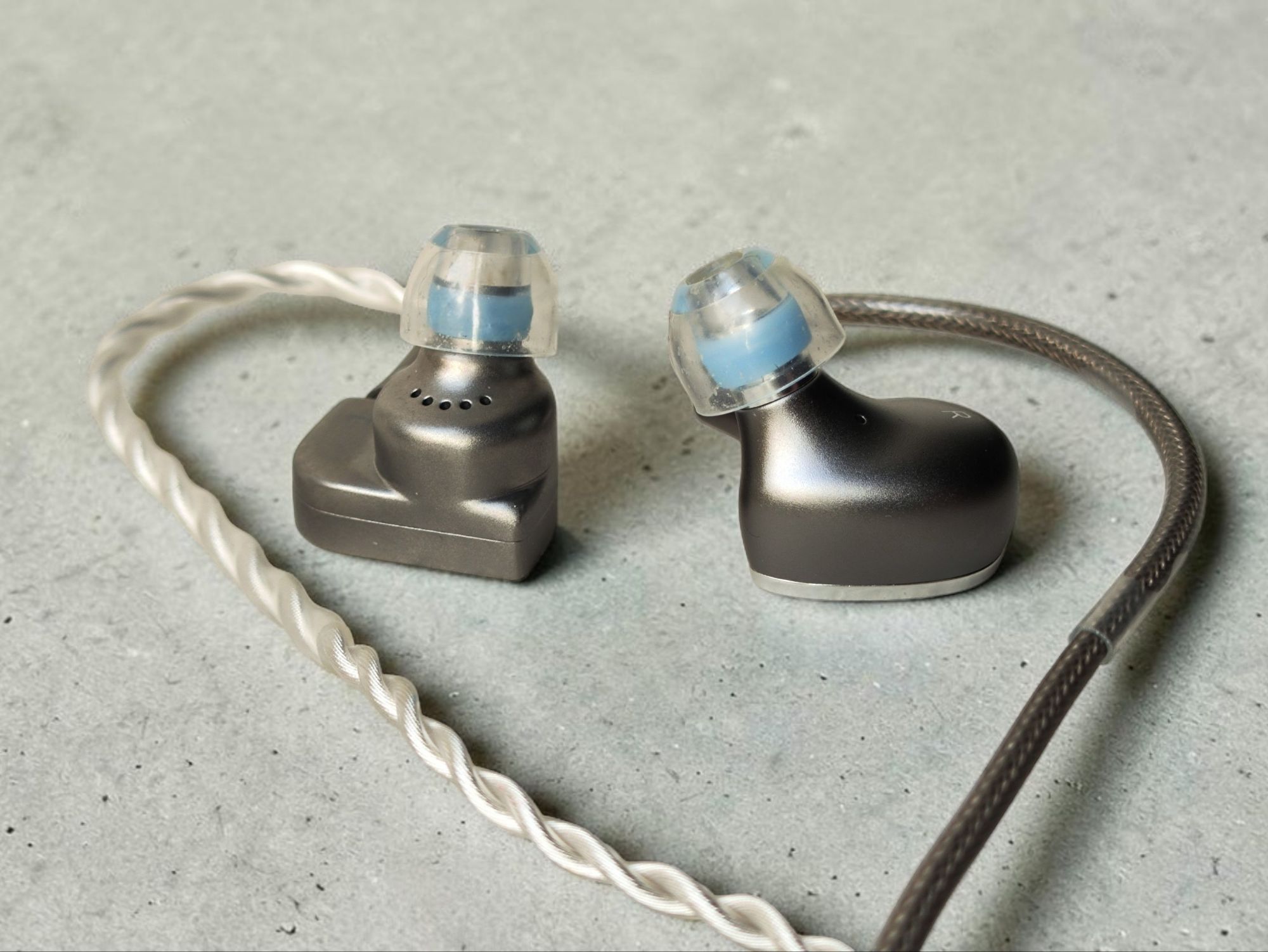
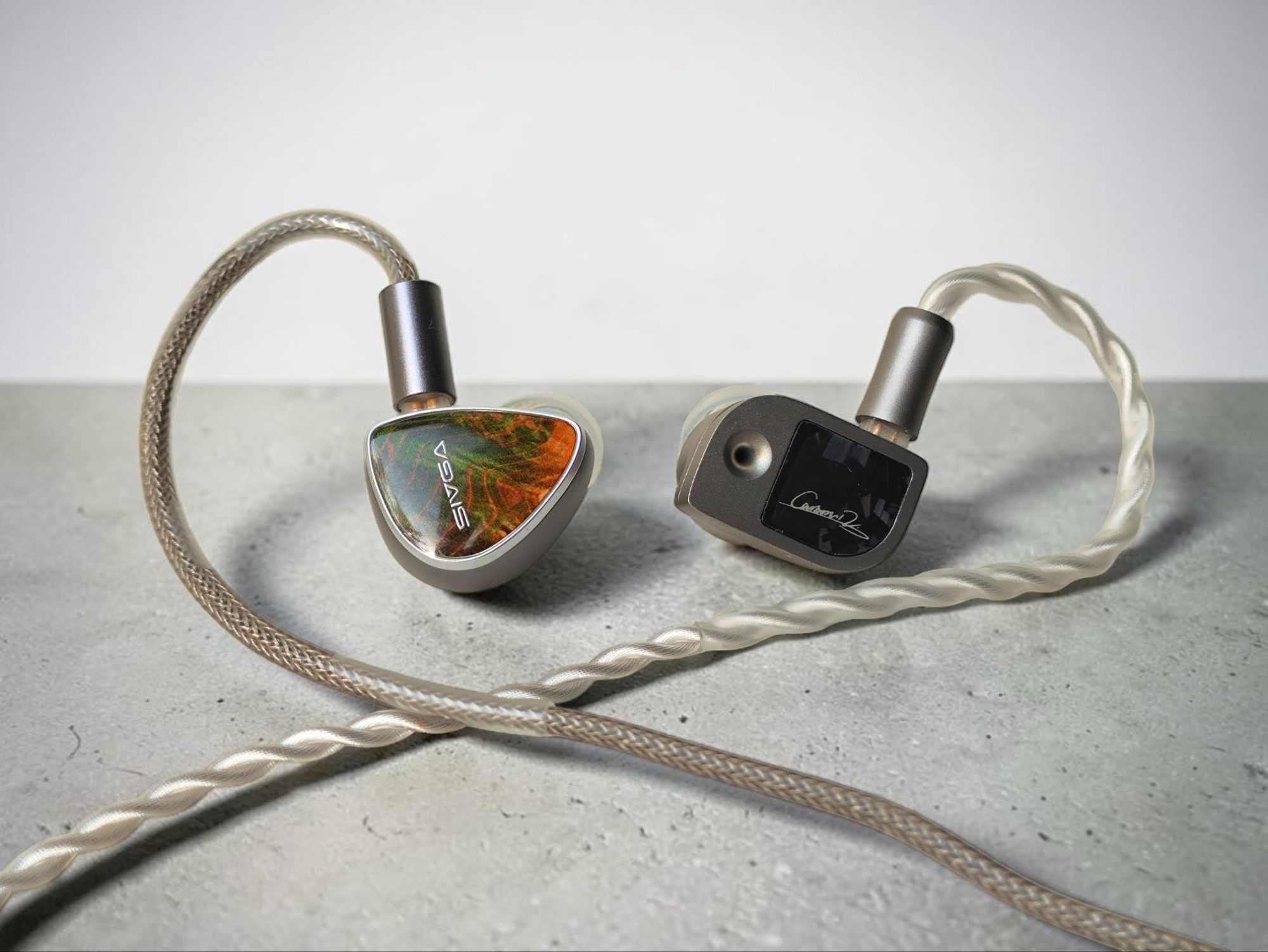
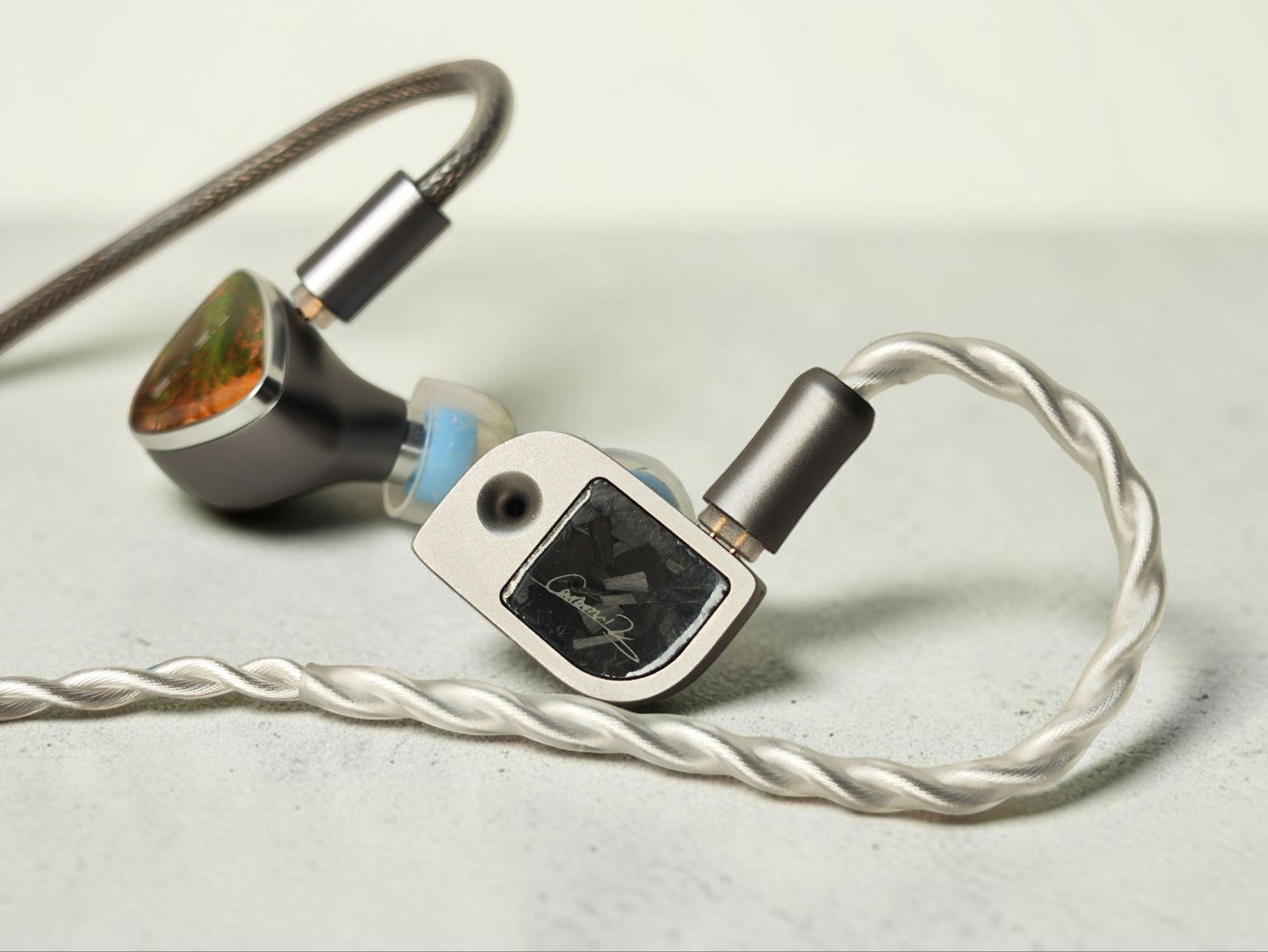
Both the Carbon 12 and the Lyrebird have metal shells. The Carbon 12 has a rectangular shape that works well for me but can be a problem for those with a smaller pinna (outer ear). The Lyrebird is more standard and ergonomic in its design.
The Carbon12 has a carbon fiber faceplate, while the Lyrebird has a wooden one. The faceplate choices represent completely opposite design philosophies. Wood resonates and interacts with the sound, potentially enhancing or reducing certain frequencies, while carbon fiber is acoustically dead.
Both IEMs come with 0.78 mm two-pin cables. The Lyrebird terminates in a 4.4 mm jack, while the Carbon12 terminates in a 3.5 mm jack. Both cables look nice and seem to be of high quality, though the Carbon12 cable is a bit more flexible.
The Carbon12 comes with a simple soft pouch, while the Lyrebird comes with an exclusive looking zippered leather case.
The Lyrebird comes with two types of tips. The Carbon 12 comes with three types of tips, as well as different tuning inserts for the nozzle that let you tailor the sound.
LISTENING IMPRESSIONS
Associated equipment:
- Amplifier: Topping A90
- DAC/Amp: Ferrum Erco mk2
Right There by Tord Gustavsen Quartet
They sound very similar here. Both are very nicely balanced and musical, with good detail and dynamics.
For good reason by Marco Locurcio
Marco Locurcio plays a nice version of one of Sigur Rós’ classic song. Both sound good and quite similar, but the Lyrebird offers a bit more dynamic contrast and a punchier bass drum.
In the Mountains by Espen Eriksen Trio
Again they’re similar, both very good. The Carbon 12 is the more neutral of the two, while the Lyrebird has a bit more bass but also seems to have slightly better articulation and more standout imaging.
Teardrop by Massive Attack
Similar tonal balance. The Lyrebird has slightly better dynamics but sounds a tad sharper, while the Carbon 12 is smoother.
The Hidden Camera by Photek
The Carbon 12 seems to have a tad richer bass here, while the Lyrebird has a tad sharper treble, making the bright percussion sound a bit drier.
Eye of the Day by Marta del Grandi
Both sound great and are well balanced, with excellent vocals on both. The Lyrebird has a tad more bass here.
Dancing in the Dark by Jørgen Dahl Moe
Again, both are great. The Carbon 12 sounds a bit more neutral, while the Lyrebird is a tad spicier. I think the Carbon 12 has the best vocals here, as the Lyrebird is a tad drier, but also more articulate.
How Deep by John Scofield
Again, the Carbon 12 feels more neutral, while the Lyrebird is a bit spicier, with more treble and bass but also stronger articulation. It has slightly better dynamics.
Fata Morgana by Spiritbox
Both sound very good, with rich bass and a generally nicely balanced sound profile. The Carbon 12 feels more neutral, while the Lyrebird is a tad more energetic and articulate.
Mango Drive by Rhythm and Sound
This track has a very demanding bass line. Many earphones struggle with it, and headphones may struggle even more than IEMs. Anyway, both the Carbon 12 and the Lyrebird performs excellently.
II. Allegro – de la Guerre – Destinées by Sophie de Bardonnèche
Both are good. The Carbon 12 is very neutral and has more present mids, while the Lyrebird is a bit more present in the highs and lows, giving it a more dynamic feel.
Summer 3 Vivaldi Recomposed by Max Richter
Here too, both are excellent but slightly different. The Carbon 12 is more neutral, while the Lyrebird has a bit more energy in the highs and lows, sounding a bit more spacious and energetic.
WRAPPING IT UP
Sound Signature
In absolute terms, the Fosi Carbon 12 and Sivga Lyrebird are not very far apart in sound signature. Both are slightly warm, with a nice, moderate bass shelf. Compared directly to each other, however, the Carbon 12 is the more neutral of the two, while the Lyrebird is a bit more V-shaped, with a tad more bass and treble energy.
Treble
Both have present, detailed treble that is not sharp or fatiguing. They’re not identical, though: the Lyrebird has the slightly brighter, sharper treble, while the Carbon 12 is a bit smoother and more laid back.
Midrange
The Carbon 12 feels very neutral and has very present mids. On its own, the Lyrebird doesn’t feel like it has recessed mids, but compared to the Carbon 12, it’s clear that its mids are a bit more modest in presence.
Bass
They both have great bass quality. Both have a slight lift in the lower regions that suits all of the music I have listened to very well, but the Lyrebird has a tad more bass quantity on most tracks. Occasionally it’s the other way around, depending on which frequencies dominate.
Soundstage and Imaging
Both have a nice soundstage size, and imaging is good on both, but the Lyrebird often feels like it presents a larger listening room, with more space between the instruments.
Detail, Dynamics, and Timbre
They are definitely in the same league when it comes to detail and dynamics. However, details are often more articulate and easier to identify with the Lyrebird, and its dynamics are also a bit stronger.
When it comes to timbre, on its own I really adore the way the Lyrebird presents music. Compared directly to the Carbon 12, however, the Carbon 12 feels more neutral and correct, while the Lyrebird is a bit more spicy.
CONCLUSION
The Fosi Carbon 12 and Sivga Lyrebird are close in both build quality and sonic character. One thing to be aware of is that the Carbon 12, because of its rectangular shape, needs a bit more space in the pinna (outer ear).
The Carbon 12 is the more neutral and smooth of the two, with present mids, a slightly more laid-back treble, and a more accurate timbre.
The Lyrebird is a bit spicier and more energetic, with slightly more bass and a sharper treble. It also has slightly stronger dynamics, often a bit better articulation, and generally offers a larger sense of space.
Both are great and easy to recommend at 149 USD.
Thanks for reading. You can support us by purchasing anything using any of our affiliate links.
- Amazon: Sivga Lyrebird
- AliExpress: Sivga Lyrebird
- Sivga: Lyrebird
.
- Fosi Audio: Carbon12
Any purchase you make on Amazon, Linsoul , AliExpress or Audio46 with any of our affiliate links will give us a small provision at no cost to you.
We only get a provision for items that are not returned, so there’s no incentive for us to recommend something that’s not good.
Linsoul : Headphones, Earbuds, Wireless Earbuds, Desktop DAC/AMP, Portable DAC/AMP, Digital Audio Players,
Amazon: Headphones, IEMs, Headphone Amplifiers, Home Audio or Anything else.
.
If you enjoyed this article or other content on The Headphoneer, you might consider leaving a small donation to keep this website up and running. No donation is too small. Thanks for supporting us!

If you like our work please follow us on Instagram, Facebook and Twitter , it will help us grow. Sharing is caring 🙂