
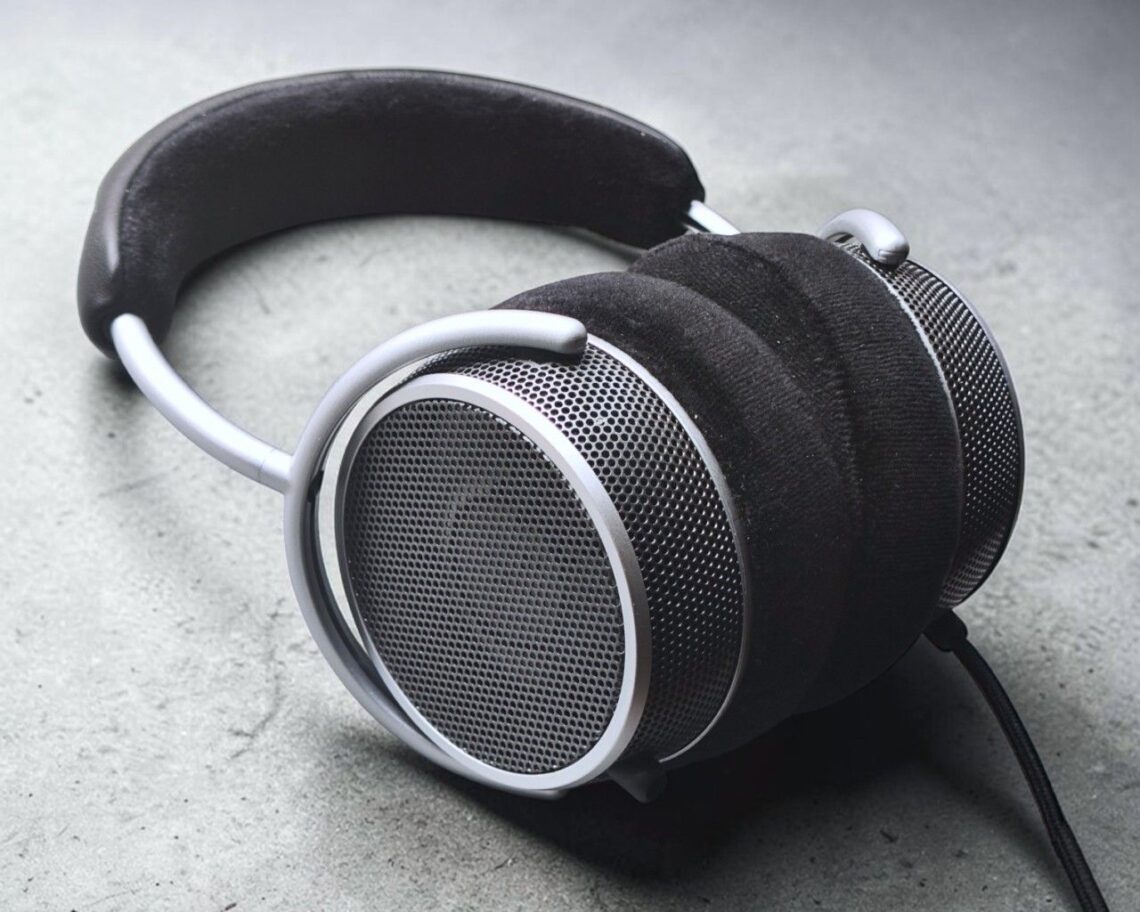
The OAE2 is an open-back dynamic driver headphone that launched on 31 March 2026, retailing at $599 / €499 / £499.
MAIN TAKEAWAY
- Excellent imaging, detail, and dynamics
- Impressive bass quality
- Neutral and natural tuning
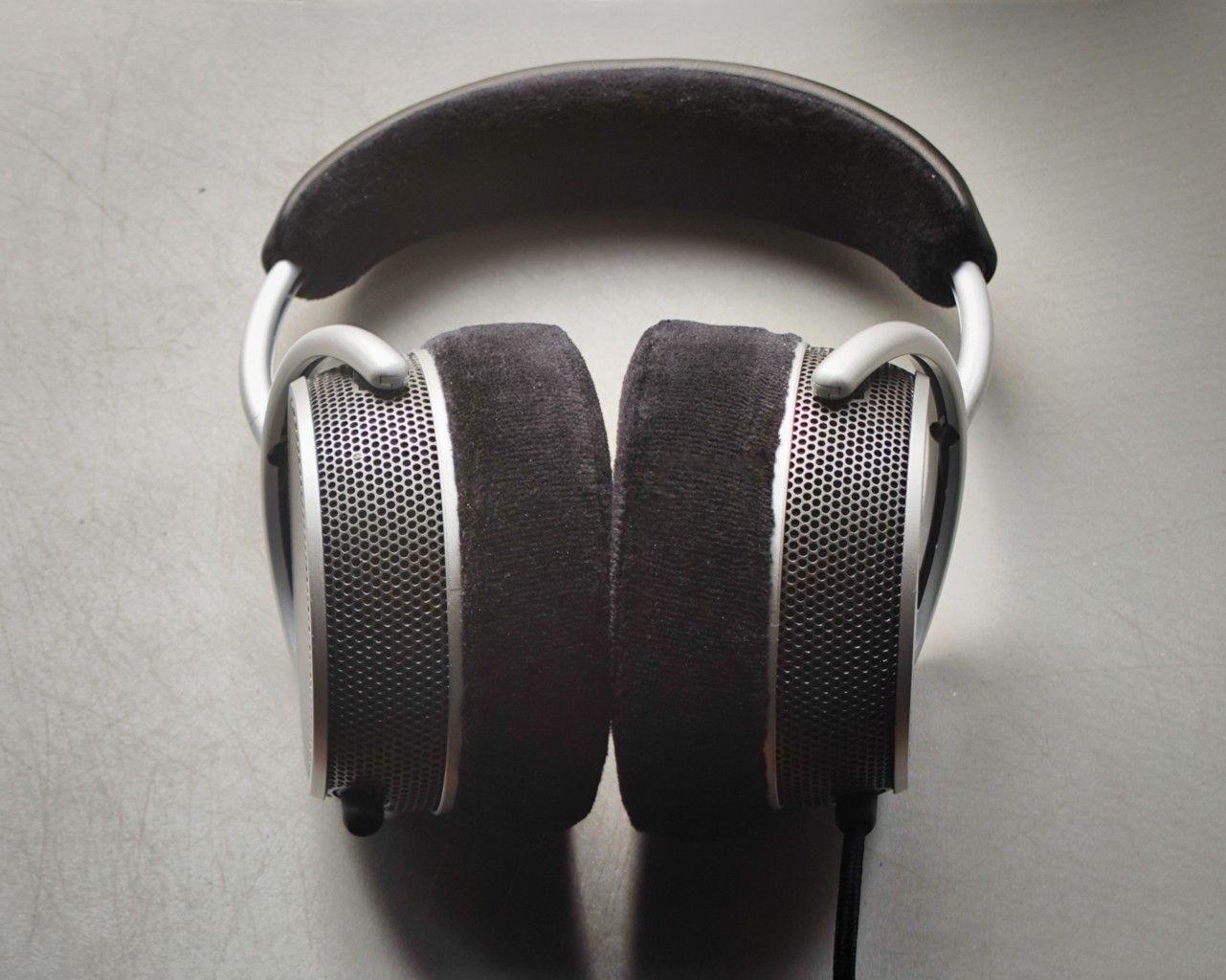
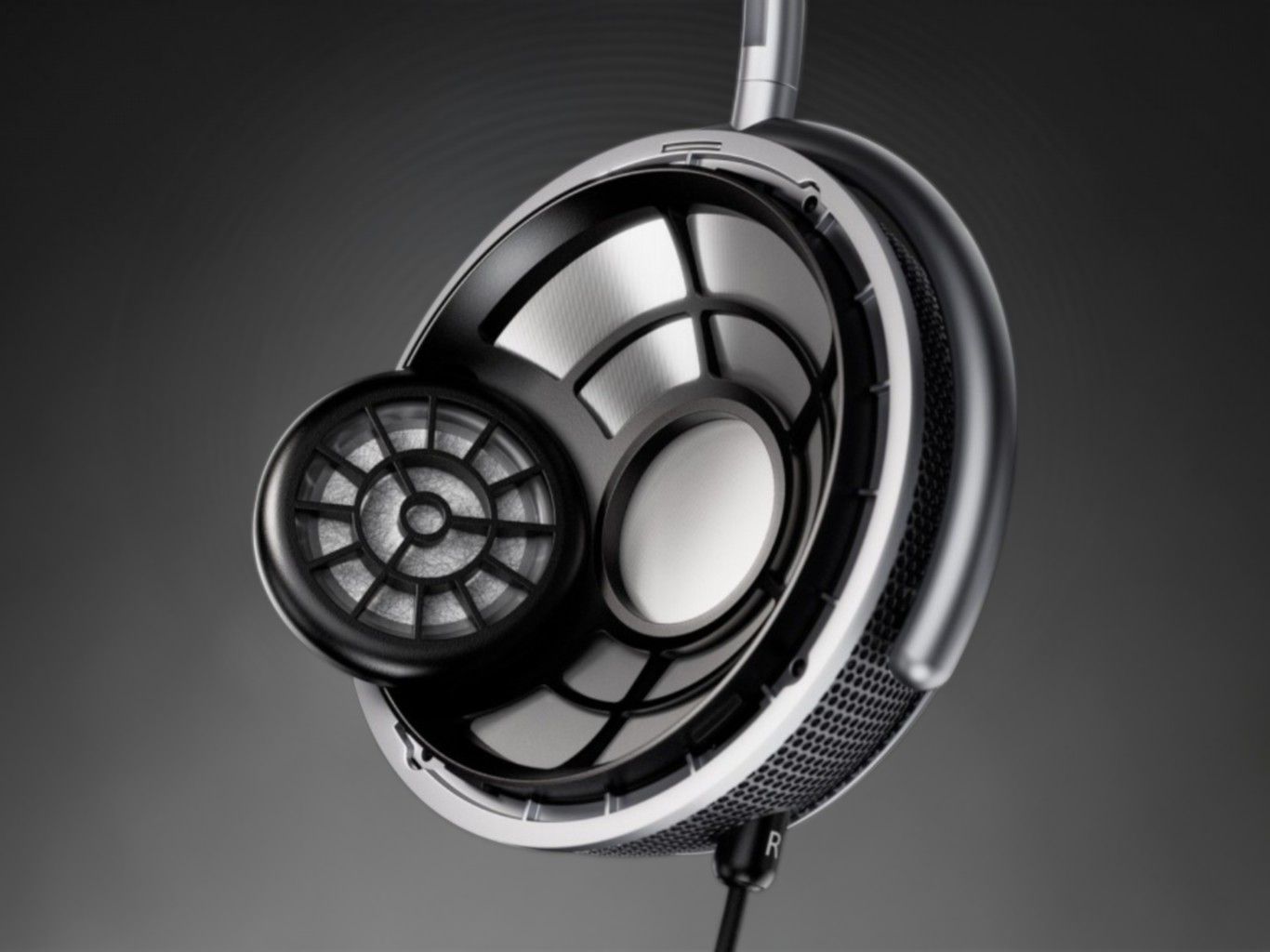
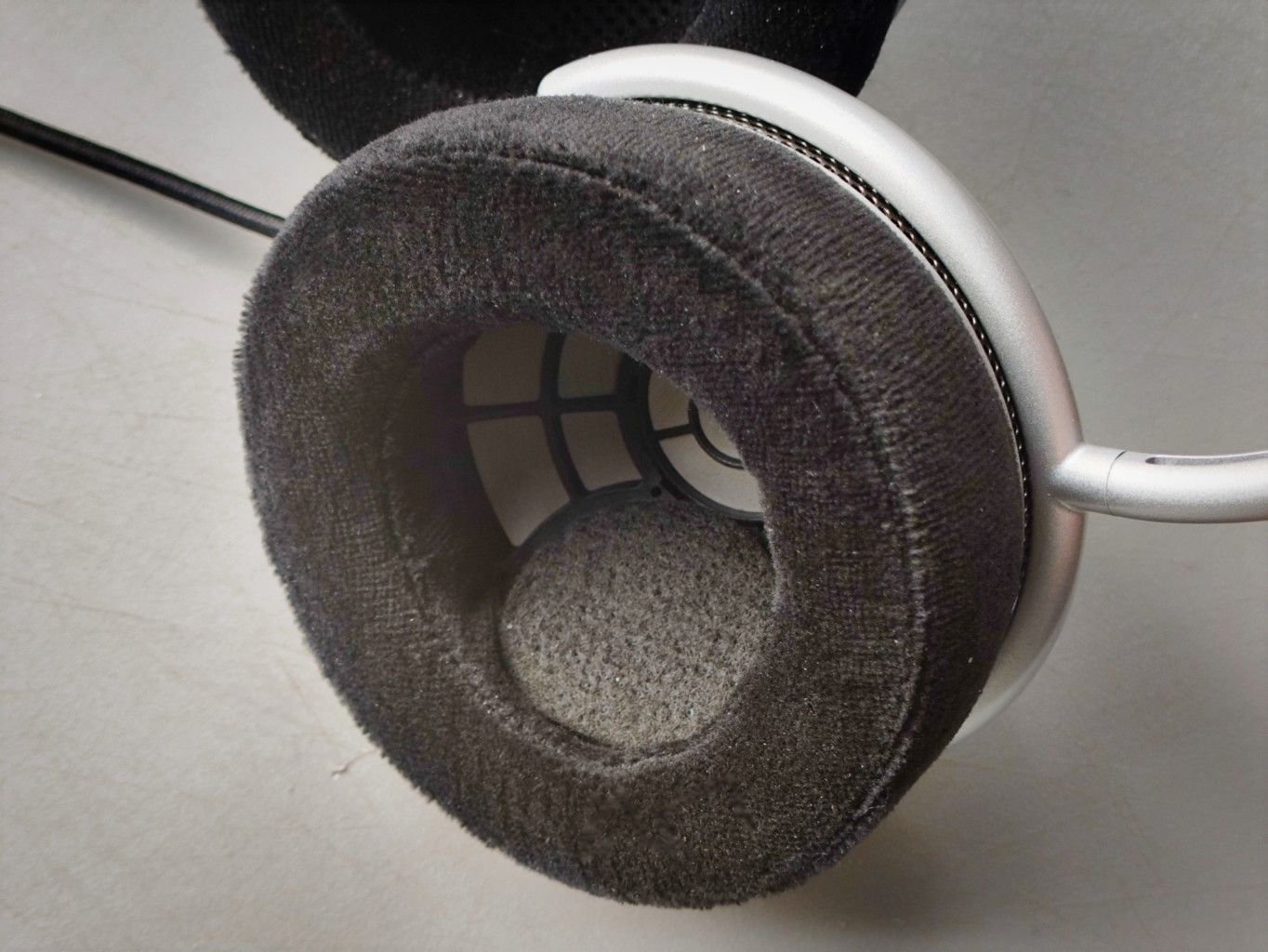
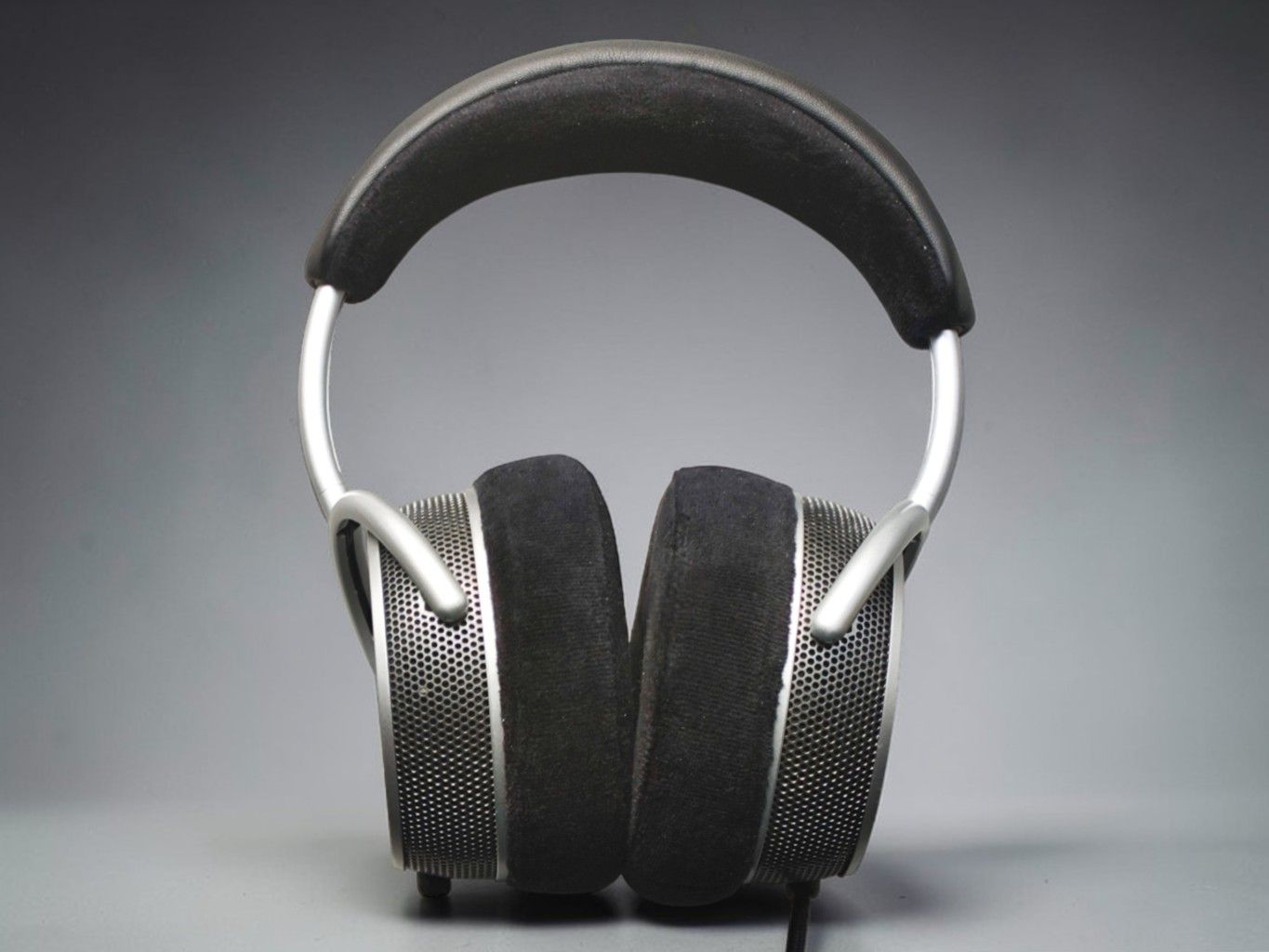
Like its predecessor, the OAE1, the OAE2 features an unconventional internal design. Its 40 mm dynamic drivers are heavily angled and positioned fully in front of the ears. Angled drivers are not uncommon in headphones, but the degree to which Grell Audio has implemented this here is unusual.
It is of course no coincidence that the OAE2 positions its drivers this way. A major selling point is the aim to create a speaker-like soundstage, mimicking near-field studio monitors. Many manufacturers have made similar claims before, and we will see whether Grell Audio comes closer to achieving this than the others.
The founder and chief engineer of Grell Audio is Axel Grell, who is something of a living legend in headphone design.
He served as chief engineer at Sennheiser for many years, joining the company in 1991. His first project there was the HD580, followed by a string of classics including the HD600, HD650, HD800 and HD800S, the IE800 in-ears, and the HE-1, also known as the Orpheus 2. Grell left Sennheiser in 2019 and founded Grell Audio in 2021.
The first headphone from his new company was the OAE1, which was available exclusively through Drop.com. The OAE2 builds heavily on that design but will be more widely available – through selected retailers.
GRELL OAE2 SPECIFICATIONS
- Type: open-back full size
- Heavily angled drivers, positioned in the front of the cup
- Driver: 40 mm dynamic
- Diaphragm: bio-cellulose
- Impedance: 38 Ohms
- Sensitivity: 100 dB
- Frequency Response: 12 Hz – 34 kHz
- THD: 0.05% (1 kHz, 100 dB)
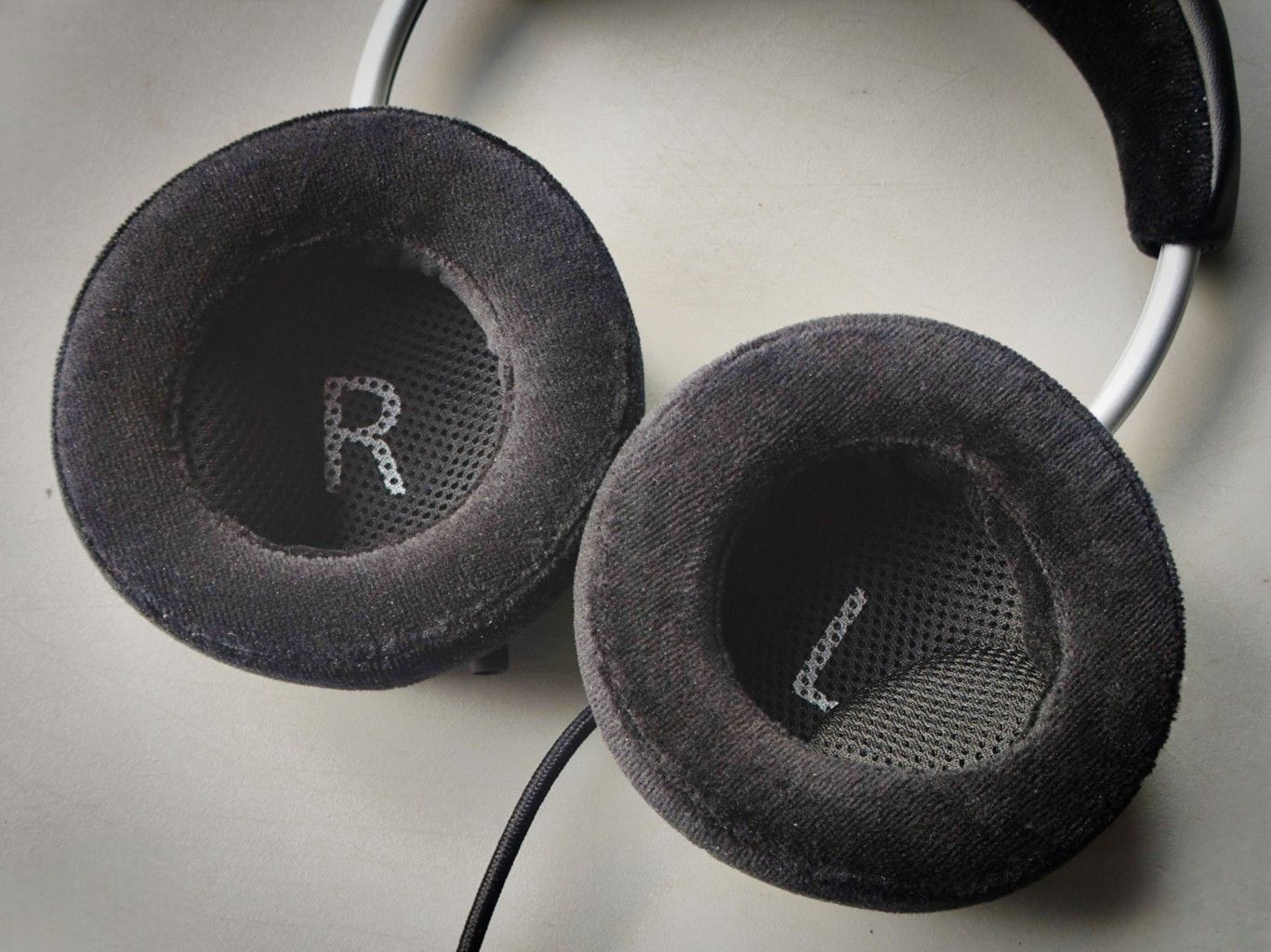
- Pads: Velour
- Cable: 2 x 1.8 m single-sided, material: silver plated OFC.
- Cable connector 2.5 mm 4-pole on headphones
- Cable termination: 4.4 mm balanced jack or 3.5 mm with 6.35 mm adapter
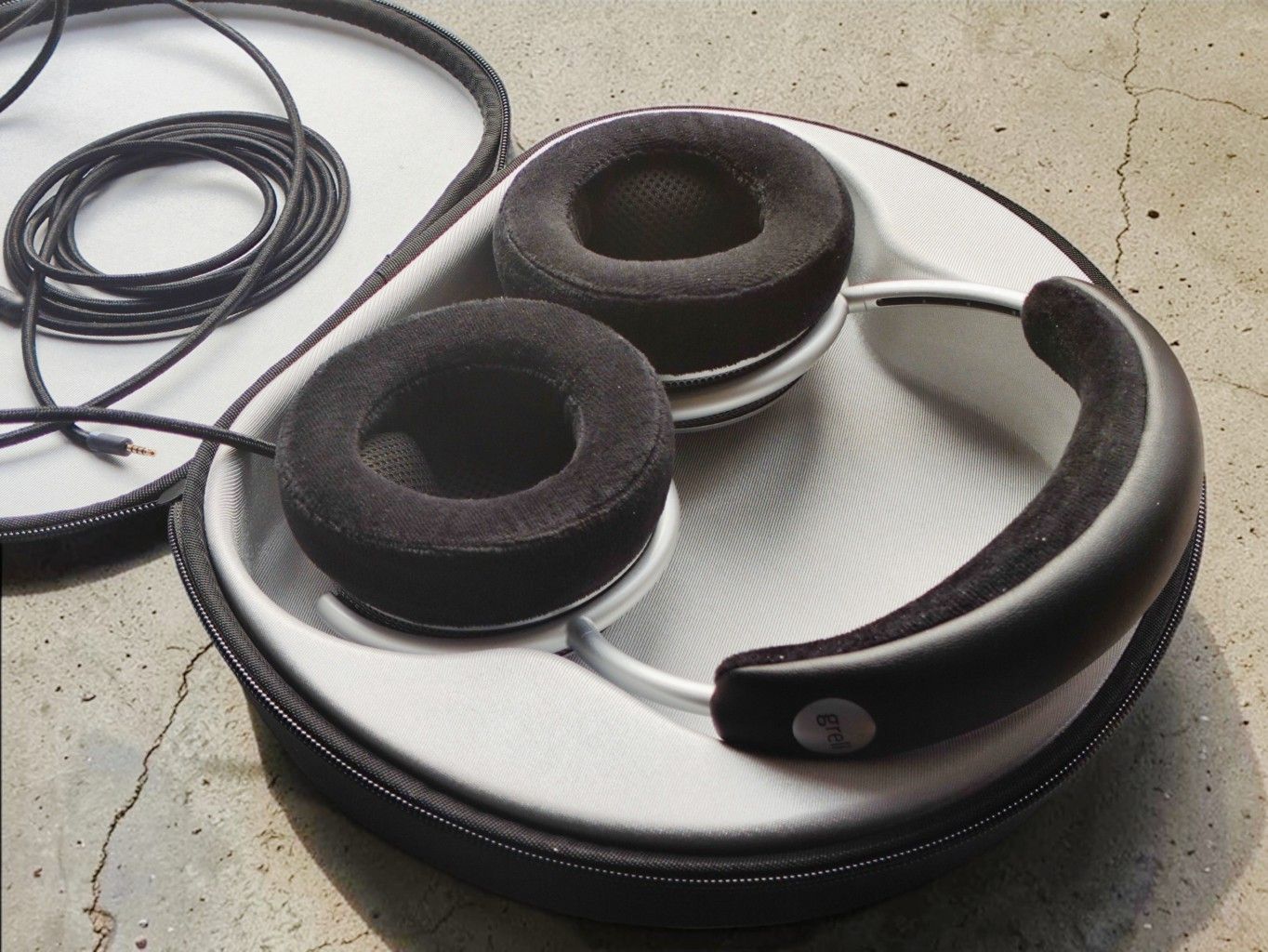
- Transport case included
- Weight: 378 g
- Fully modular and serviceable
Current price and availability:
- Audio46: Grell OAE2
BUILD AND DESIGN
The OAE2 features a sleek, utilitarian design. Notably, most components on the headphone are user-replaceable, which is a significant advantage, particularly for professional use.
The headband padding is rather stiff and there is no headband strap. It works for me, but may be a comfort issue for some users, although people tend to find practical solutions to this if they like the headphone enough otherwise.
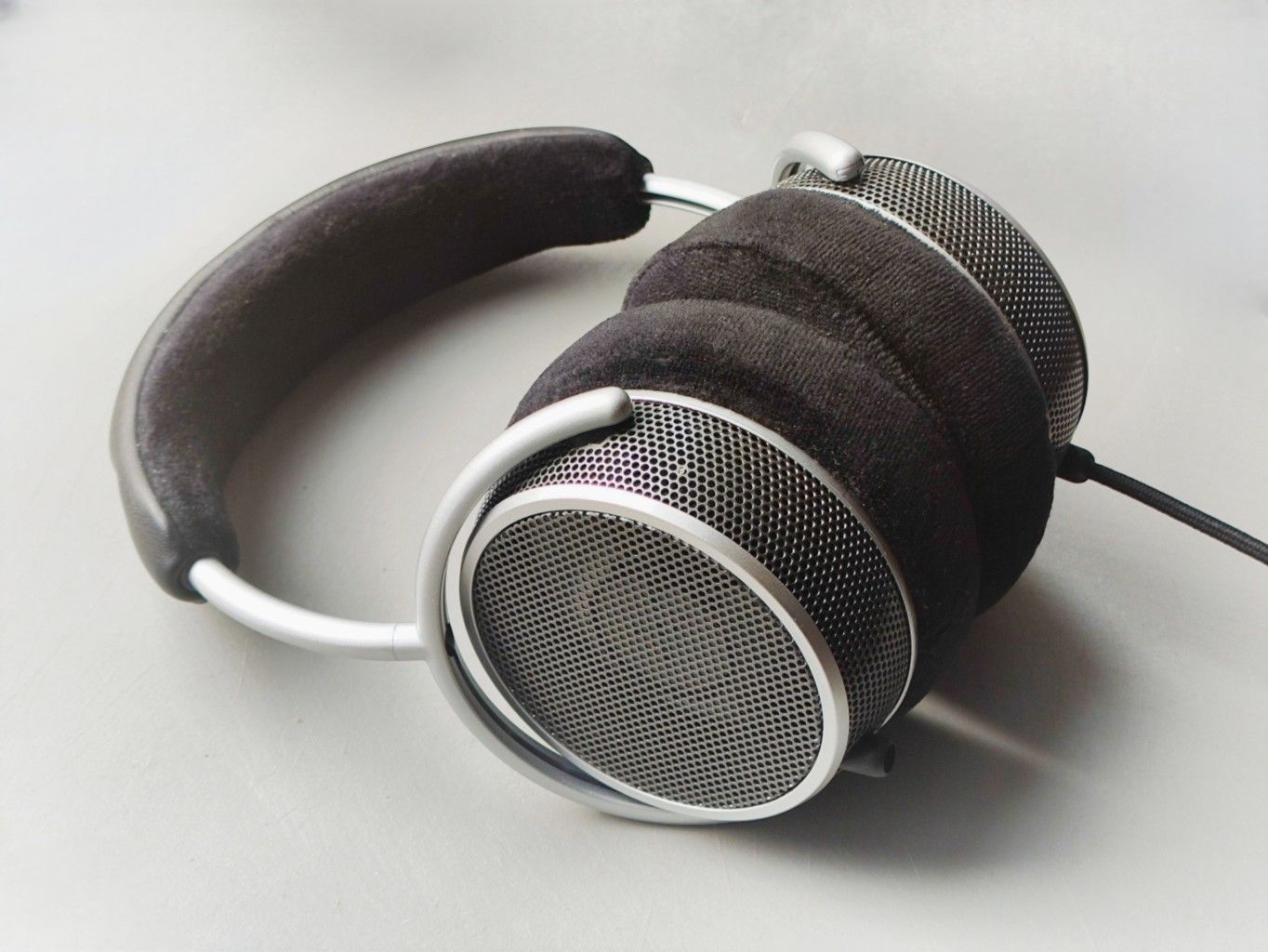
The cups have good swivel-action, which is a welcome feature, and they can lay flat for storage in the included travel case. The case itself is surprisingly large, however, which makes me wonder whether a more compact design that did not require the headphones to lie flat might have been a better solution.
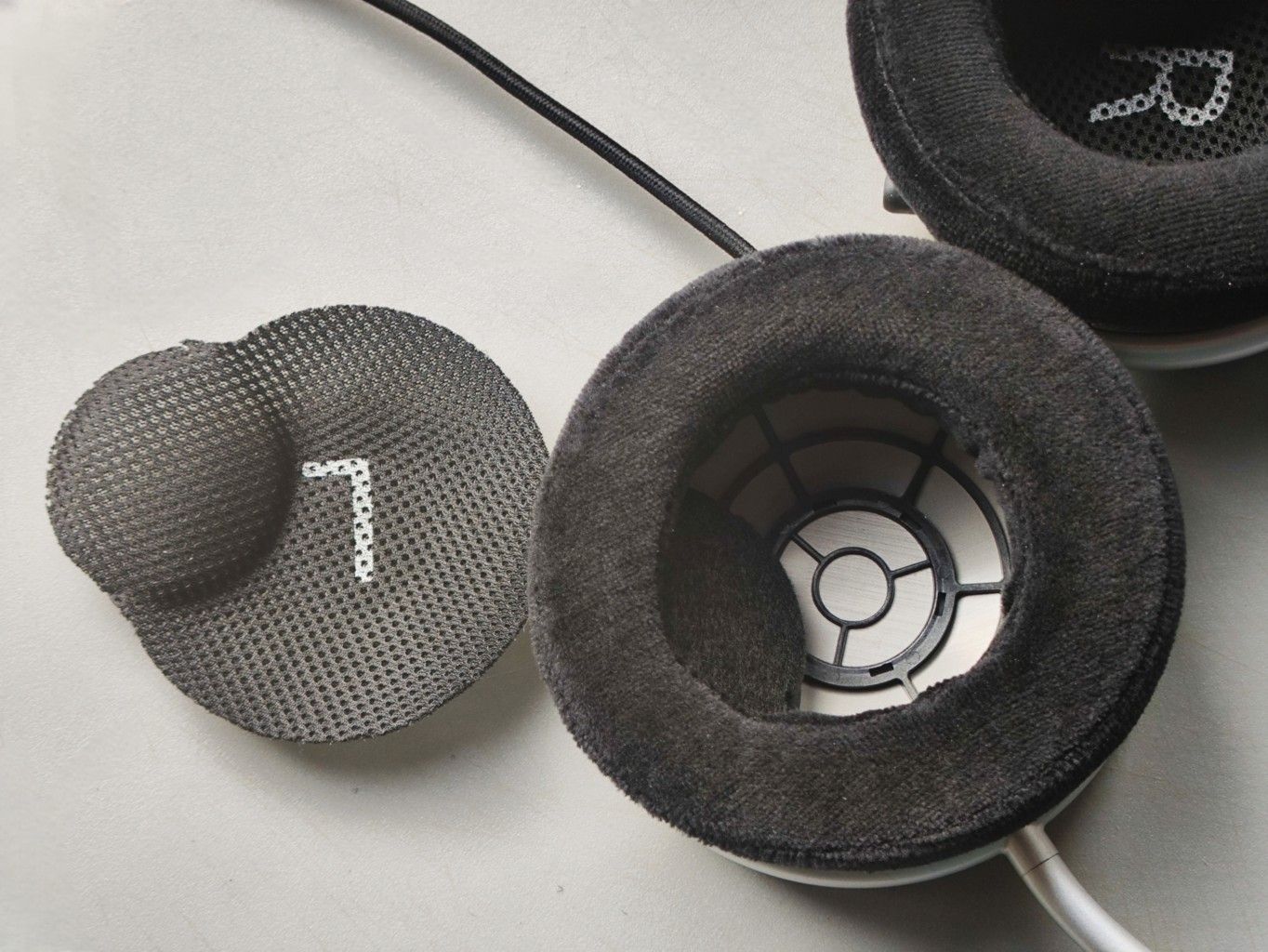
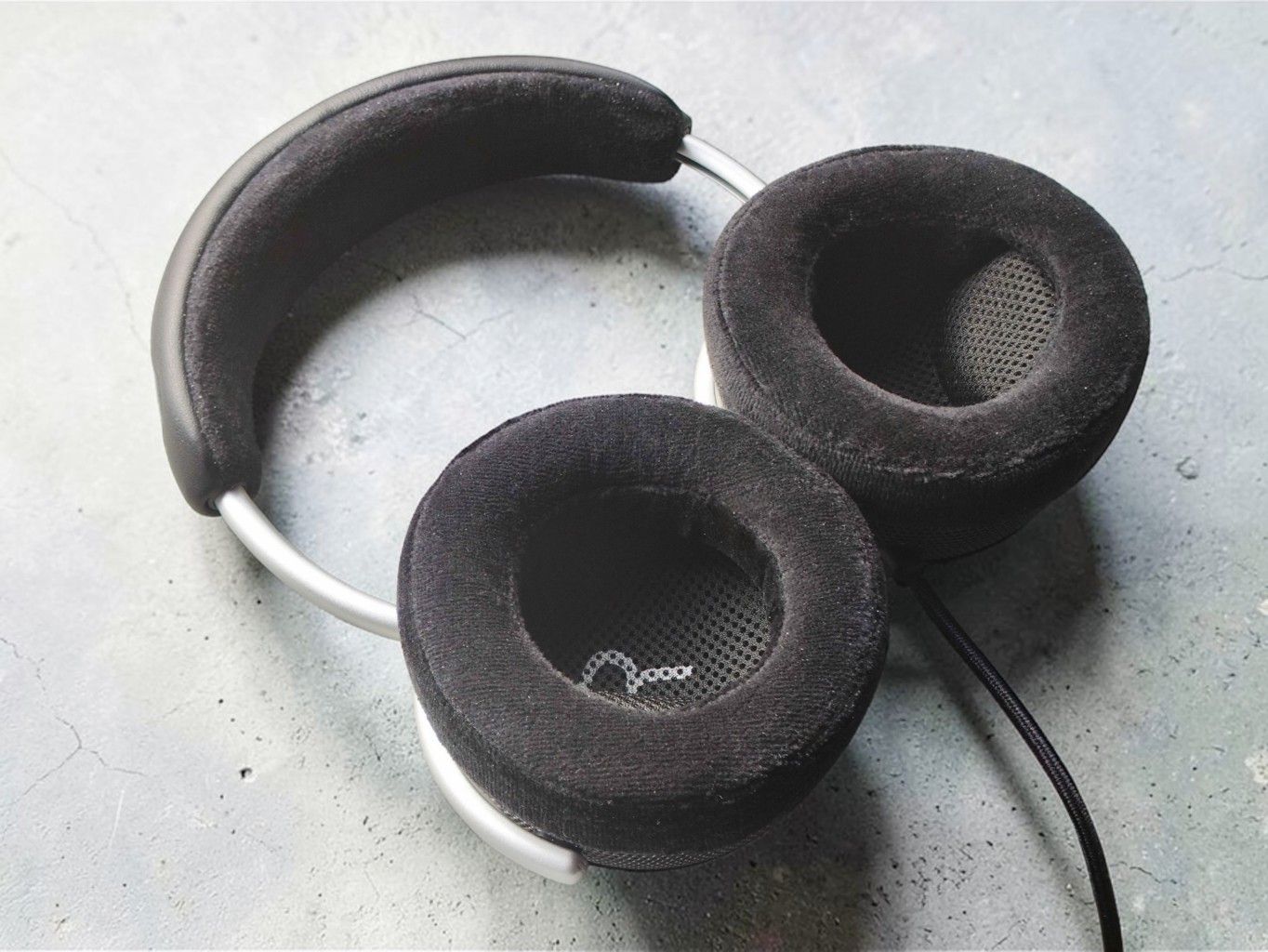
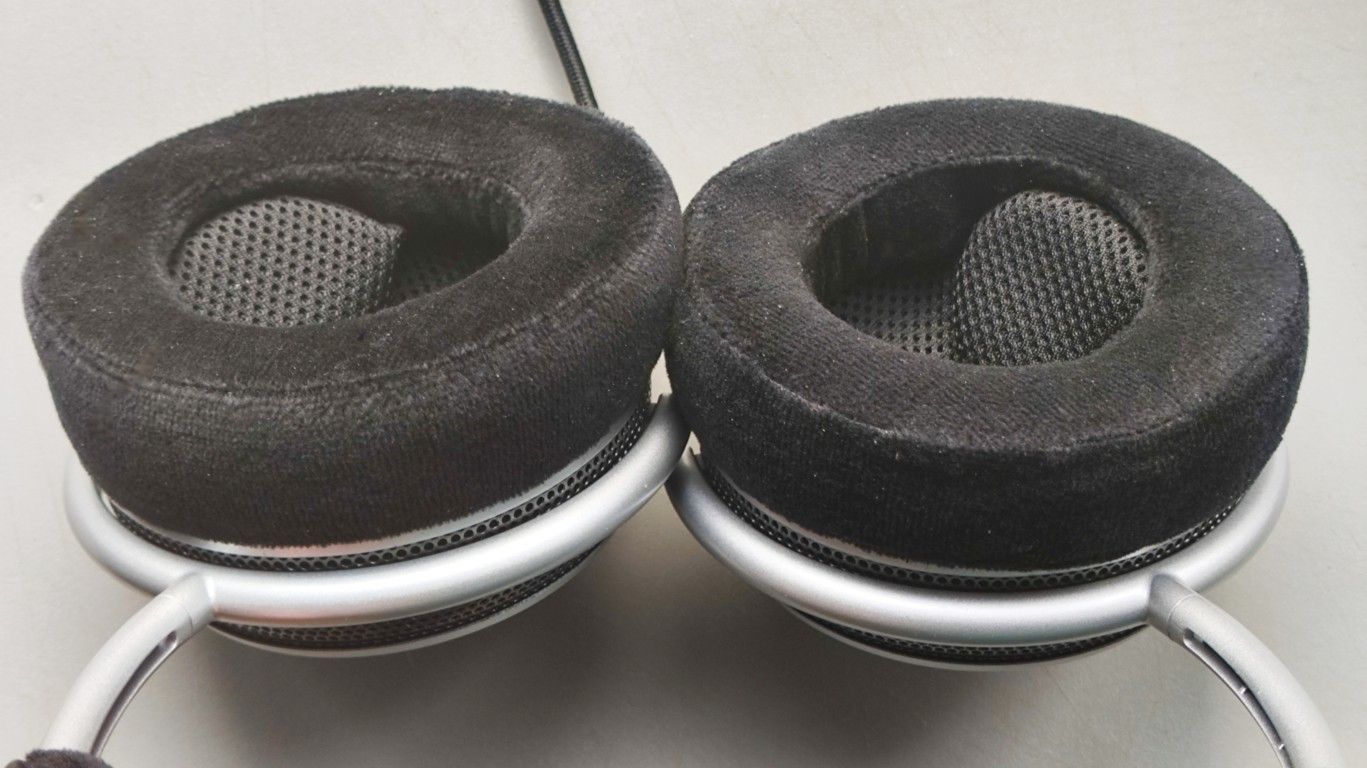
The pads are velvet over foam, not memory foam, which I would prefer. They are user-replaceable, though fitting third-party pads requires some serious creativity – like making an adapter.
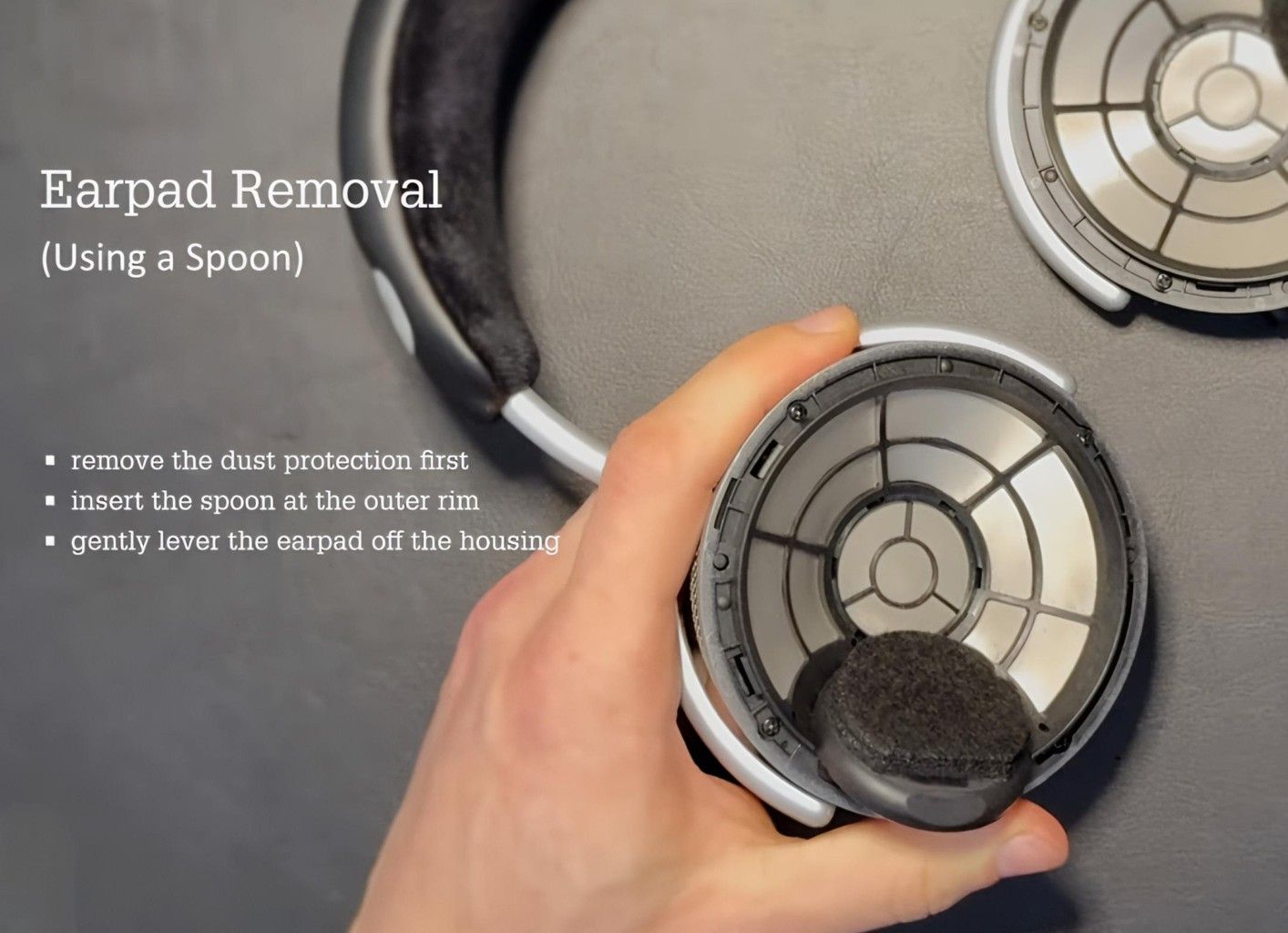
The pad attachment mechanism is proprietary and unlike anything I have seen elsewhere, likely a consequence of the driver placement leaving little room for a conventional fastening method.
The pads of the OAE1 and OAE2 are not identical but share the same attachment system, so they can be used interchangeably, though this may affect the sound. To remove the pads, you need something like a spoon or similar object to pry them off. Grell Audio has made a YouTube video demonstrating this.
Two 1.8 m single-sided cables are supplied, one terminating in a 4.4 mm balanced jack and the other in a 3.5 mm jack, with a 6.35 mm adapter included. The connector on the headphone end is a 2.5 mm 4-pole plug that enters into a short entry sleeve, so any third-party cables must have a slim enough plug to fit.
All in all, the OAE2 is a very well thought-out headphone. The fully serviceable design – much of it can be done by the user – is a particular highlight. It is not the most comfortable headphone I have tried, but it’s quite alright and works well for me.
SOUNDSTAGE AND IMAGING
Our ears are amazing instruments. From the patterns in the movements of the eardrum caused by a myriad of sound waves, our brain can pick out all the instruments in an orchestra. It is fascinating.
It is also fascinating that you can record that same orchestra with a single microphone using a diaphragm that mimics the eardrum movements, then convert this into electrical signals that are stored analogue or digitally, which can then be used to reproduce those movements with a loudspeaker or a headphone driver.
A major selling point of the OAE2 is its front-placed, heavily angled drivers. But how do soundstage and imaging actually work with headphones?
IN THE REAL WORLD
In real life, there are a range of factors that allow us to identify where sounds come from with only two ears.
First, our brain calculates the position of a sound source based on the difference between what the two ears hear. For instance, a sound from a specific point will take slightly longer to reach the ear furthest away. There are also a lot of calculations going on in our brain that take into account reflections – or the lack thereof – of the sound from surrounding objects like walls.
Further, our brain can calculate and approximate the distance to a sound source based on the frequency curve. If we know how a sound typically sounds up close, our brain can adjust, because air filters different frequencies differently. Typically, high frequencies are attenuated more than lower frequencies.
Basically, much of what our brain does is guesswork, but even though it can be fooled, it is pretty good at it.
SPEAKERS
With stereo speakers, the sound from both speakers reaches both ears, and the difference in timing creates an illusion of depth and imaging. The reflections from the room also help with the illusion.
HEADPHONES
With headphones, things get very different from the real world because the sound sources are so close to our ears and the two channels are isolated. Headphones do not give the brain the opportunity to calculate differences in timing like with speakers and real-world sounds. There are some attempts to address this, often called “crossfeed.” These techniques help, but not enough to fully recreate a loudspeaker or real-life experience.
DRIVER POSITIONING
The Grell Audio OAE2 does not address the headphones lack of “crossfeed”. There is no attempt to recreate the differences in timing of when sounds hit each ear. What the OAE2 does is basically just position the driver in front of your ears, heavily angled.
However, this does have an effect, although it does not give you the same experience as loudspeakers. Since your ear will likely identify that the sound source comes from the front of the ear cup, you will probably experience the sound as coming from in front of your ear rather than from the side.
So the important thing here is the positioning of the driver. An angled driver placed straight out from your ear will not make much difference. But if the angled driver is positioned – mostly or completely – in front of your ear, it is another story. The OAE2, and the OAE1 before it, are the most extreme examples of this implementation in modern times.
HISTORY
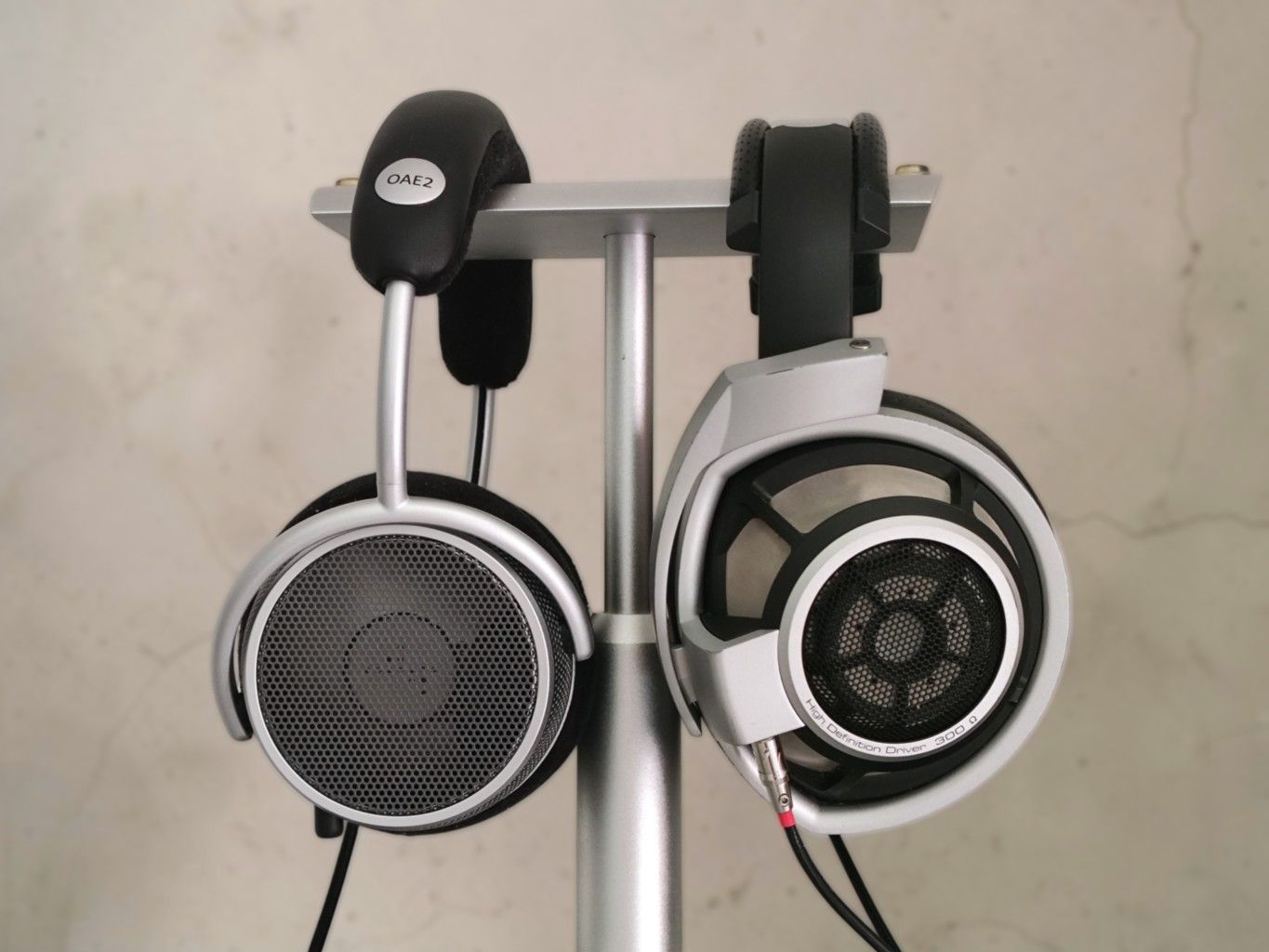
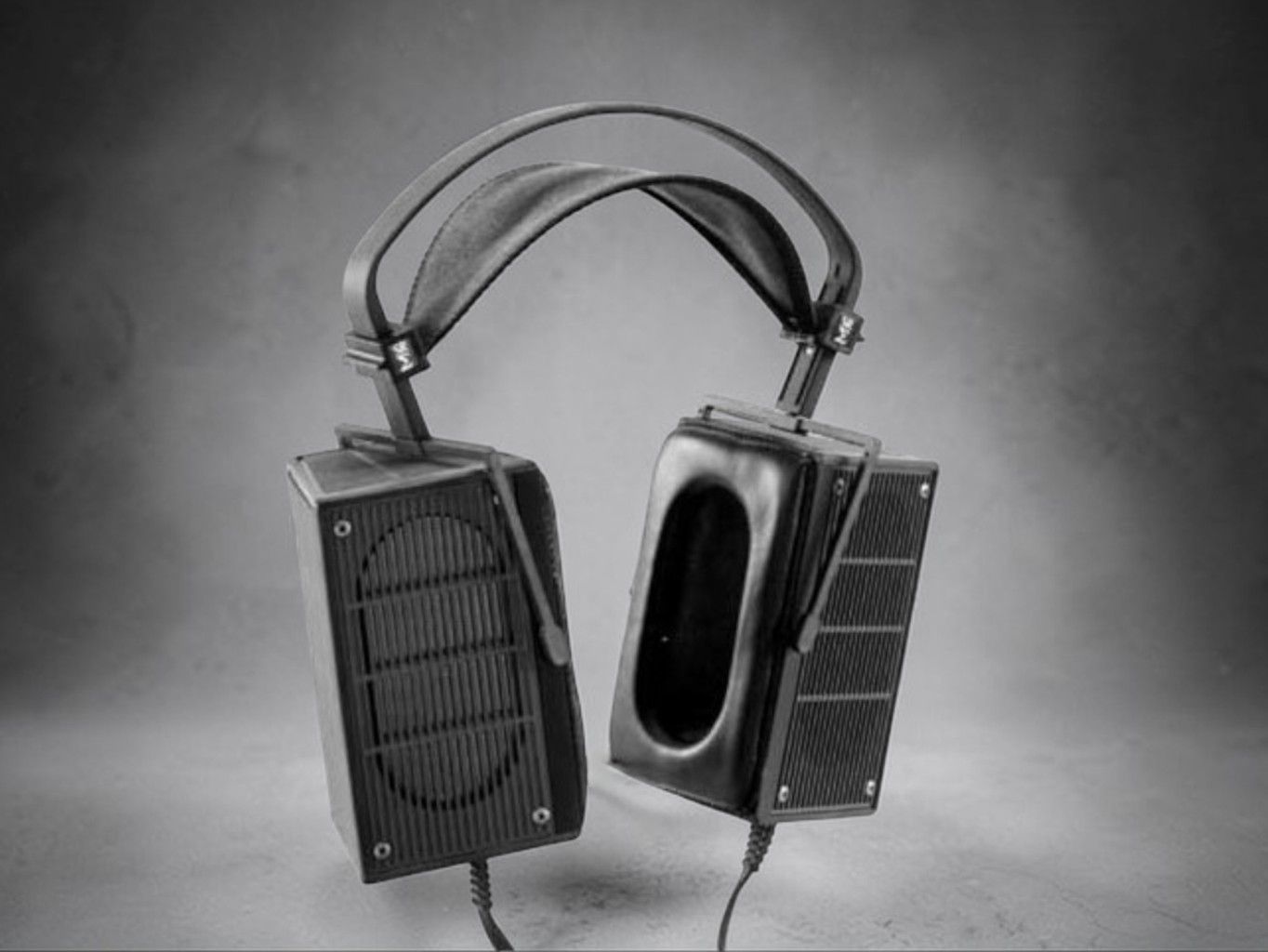
The OAE1 and OAE2 are not the first to try this, though. Stax did something very similar – and even more extreme – back in 1977 with the SR-Sigma, but they were very bulky headphones, like two large boxes on your head.
In 2009, when Axel Grell was chief engineer of headphones at Sennheiser, the HD800 was launched, featuring an angled driver with the center of the driver positioned in front of your ear. Later that year, their main competitor Beyerdynamic released the T1, also with angled drivers that had most of the driver in front of your ear. Both were known for their class-leading soundstage and imaging capabilities.
FREQUENCY RESPONSE AND SONIC CHARACTERISTICS
All that said, most headphones have their drivers on the side of your ears, and still there is a vast difference in how they sound with regard to soundstage and imaging. There are many factors here, and I will touch upon some of them briefly.
The frequency response of the headphone, shaped by the driver, cup design and ear pads, has a lot to say. Some use the term “soundstage dip” when discussing this phenomenon, because there are certain traits that can be derived from the frequency response measurement curve.
In other words, there are certain tuning tricks that can be used to create the illusion of a larger sound stage and better imaging simply by altering the frequency response of the headphone.
However, the way the driver and the acoustic properties of the headphone itself handle dynamics and deliver detail, the resonances and reflections within the cup, and so on, all matter.
The shape of your own outer ears will also affect the reflections and resonances within the cup and the directions from which sound is perceived to come. In other words, we all hear it differently.
THE ADVANTAGES OF THE OAE2
Because the driver is positioned completely in front of your ear, the tuning of the OAE2 can be made with less focus on creating an illusion of a large soundstage, and just focus on a natural and neutral response throughout the spectrum. No artificial “soundstage dips” needed. I think this is the most important factor. You get the soundstage and imaging capabilities without being as reliant on the usual tricks that affect the frequency response.
LISTENING IMPRESSIONS
Associated equipment:
- DAC/Amp: Ferrum Erco mk2
Golden Horn by Joe Lovano
The percussion in the intro is fascinatingly well separated. The soundstage is reasonably wide and tall, but the imaging is truly excellent. There is a great sense of depth and precise instrument positioning. There is plenty of space between instruments and a wealth of fine detail. I am quite impressed.
When the other instruments enter, the bass is balanced and detailed, and the piano sounds natural. The saxophone has great timbre. The OAE2 sounds neutral and spacious in a very natural way.
Largo by Vega Trails
The violin in the intro sounds extremely spacious and detailed. The double bass is well balanced, tight yet natural. The saxophone is delicate with a pleasant warmth, and the percussion is snappy. The imaging is exceptional. It is still a headphone, but I am very impressed.
Sujet Tabou by Bertrand Renaudin, Olivier Cahours (Douö)
More than anything, I am impressed by the speed. The OAE2 is very fast, with excellent dynamics. The imaging is consistently outstanding.
The Hidden Camera by Photek
The bass is very well controlled while still providing satisfying presence. The percussion is snappy, with a great sense of space.
Dynamics II by Karl Strømme
The bass digs deep with excellent control. The dynamics and imaging are excellent. The trumpet sounds gentle.
Outlaws by Bill Frisell
Again, very spacious with excellent instrument separation. The level of detail is impressive, the tonality is very natural.
Re-Merge by Tord Gustavsen Trio
The snare drum is textured and crisp, and the percussion in general is snappy. The piano is delicate and detailed. The bass is well defined and richly present while still feeling neutral in terms of quantity.
As Before by Olga Konkova
The cajón drum is snappy with a perfect sense of fullness. The piano and vocals are clear and clean, suitably upfront without sharpness.
It Could Be Sweet by Portishead
The bass is impressive. It is highly textured yet powerful, and extremely well balanced. The vocals are clear and suitably bright, standing out while remaining balanced and coherent.
Escape Route by Boris Blank
The bass is very organic. Overall, the sound is spacious and well balanced.
Mahler’s Symphony No 2 III by Paavo Järvi
The kettle drums sound powerful and tight. The strings have a very natural and smooth timbre, with excellent imaging and layering. The dynamics are impressive.
Young Vivaldi by Modo Antiquo
The string timbre is excellent, with a pleasant warmth combined with crispness and bite.
Vicarious by Tool
This sounds very neutral, but somewhat boring. It is fine in terms of dynamics and technically solid, though I have heard headphones – albeit in higher price ranges – with a better sense of control on this track. In any case, I am not as impressed with this track as with the previous ones. Perhaps this song simply benefits from headphones with a bit more color.
Like Suicide by Soundgarden
This is much better. The percussion is very dynamic. The bass has excellent texture and does not dominate the mix, which often happens, and the instrument separation is superb. Vocals, which can often become a bit murky on this track, are nicely separated from the rest by the OAE2. This is probably the best rendition of this song I have heard – regardless of price.
WRAPPING IT UP
Sound Signature
The OAE2 has a neutral and natural sound signature with excellent imaging and a great sense of spaciousness. It is impressively well balanced across different genres and tracks, sounding coherent and effortless throughout.
Treble
The treble is clean and clear, suitably crisp but also a touch smooth.
Midrange
The mids are clear and detailed with a slight crispness to them, giving vocals and instruments a very lifelike and somewhat textured quality.
Bass
The bass is impressive. It’s well extended and offers great presence. It’s also very well controlled with a textured and tight delivery.
Soundstage and Imaging
The soundstage is not the largest, but it is very well defined. It sounds open, though not as airy as some headphones that trade definition for a more diffuse but expansive presentation.
The imaging, however, is outstanding, with extremely precise placement and excellent depth. Does it sound like listening to traditional speakers? No. Does it sound like listening to near-field monitors, as Grell Audio claims? Yes, to a degree, if you are sitting very close to them in a well-dampened small room.
Detail, Dynamics, and Timbre
At this price point, the level of detail is very impressive. Dynamics are also excellent, with both macrodynamics and microdynamics being remarkable.
In terms of timbre, the OAE2 sounds very neutral and natural across the frequency spectrum. It is neither the most liquid nor the creamiest I have heard, but neutral, and occasionally leaning just a touch dry.
COMPARISONS
Associated equipment:
- Amplifier: Topping A90
- DAC: RME ADI-2 DAC FS
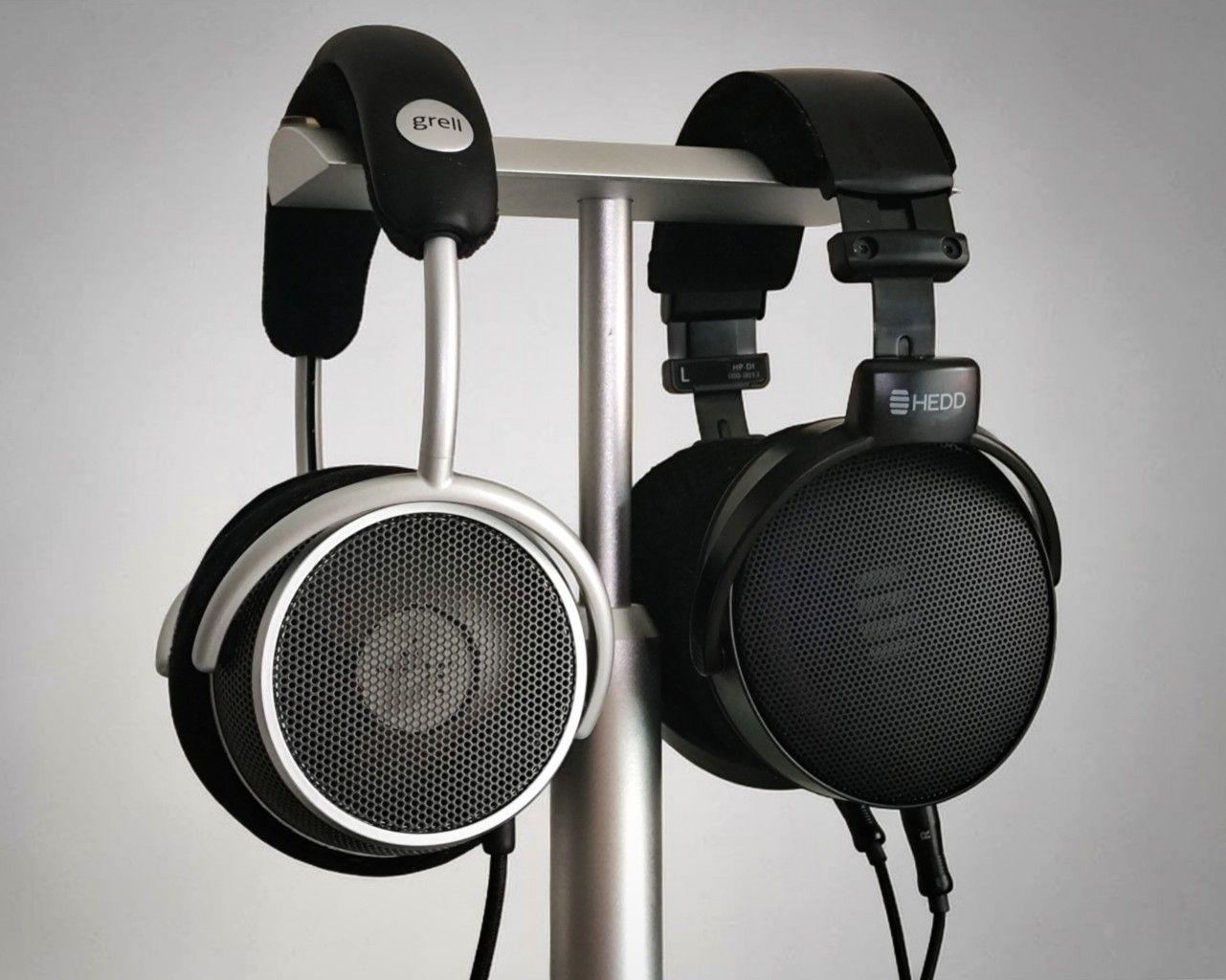
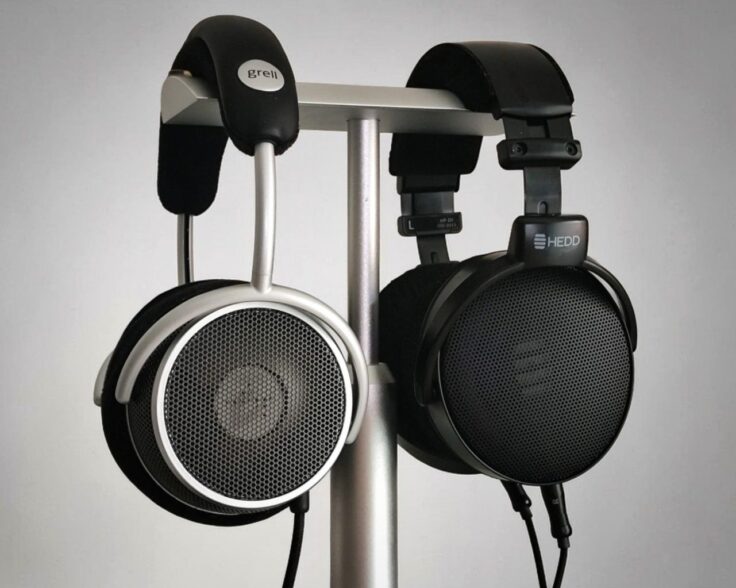
HEDDphone D1 vs GRELL OAE2
The HEDDphone D1 is like the OAE2 an open back studio-type headphone. It uses a 50 mm driver with a thin-ply carbon diaphragm (TPCD) with a traditional driver placement. It’s priced 200 USD higher than the OAE2.
When comparing the two headphones I find them very similar. The OAE2 is a bit more articulate and dynamic, and also has better imaging. The D1 isn’t far behind in those areas, though and offers a slightly smoother and more liquid timbre, making the OAE2 feel drier and crisper in comparison. I also find the D1 more comfortable.
You can read my full comparison review here:
- HEDD Audio: HEDDphone D1
- Audio46: HEDDphone D1
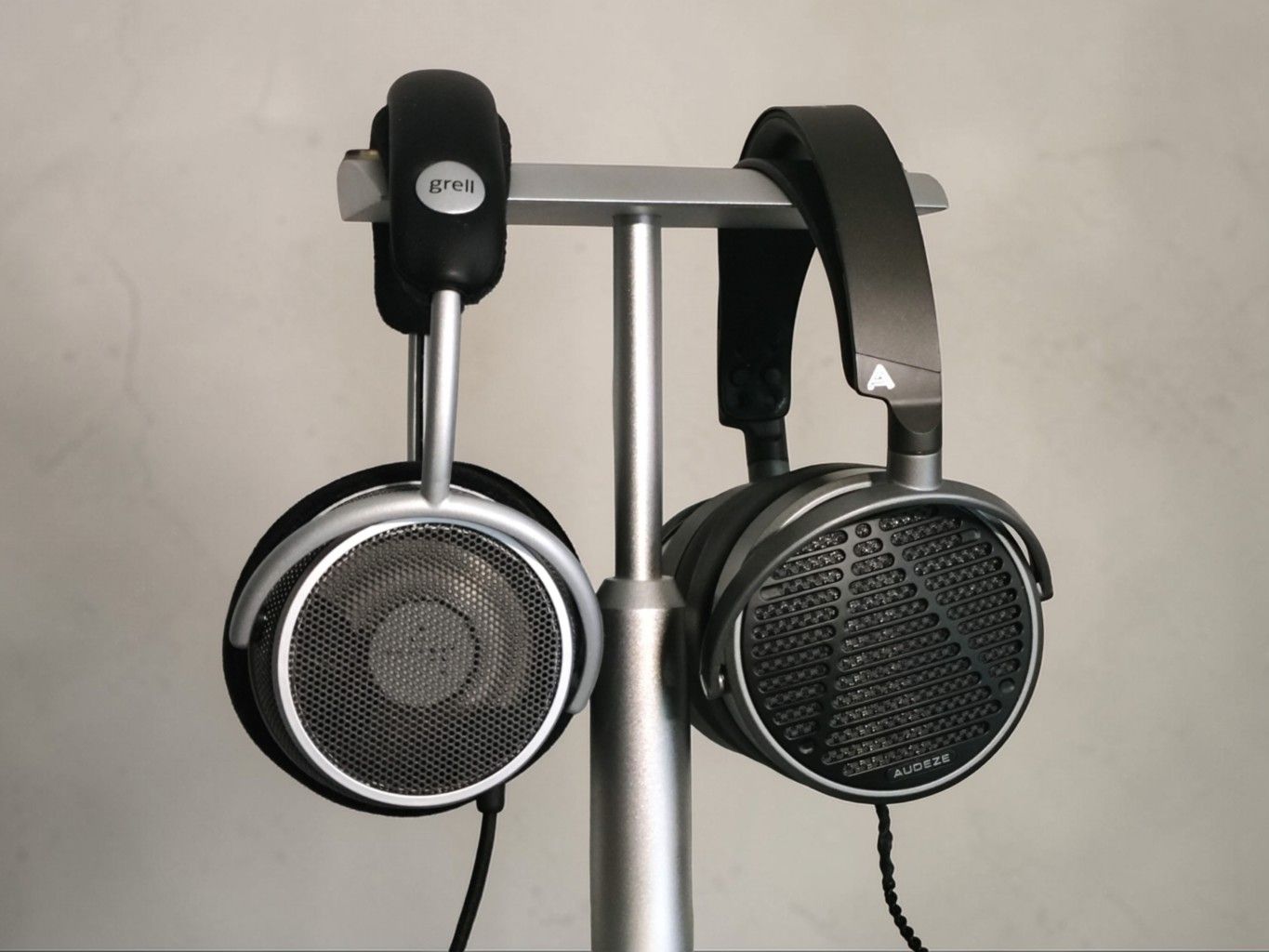
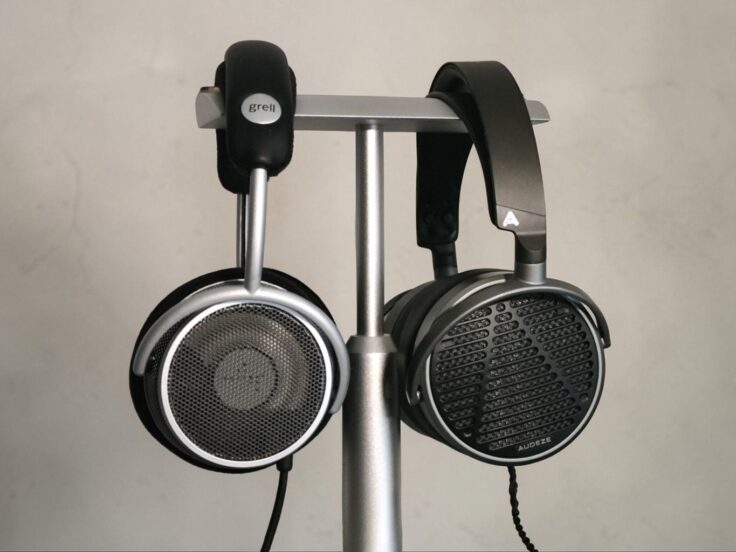
AUDEZE MM-100 vs GRELL OAE2
The Audeze MM-100 is a planar magnetic open-back headphone. It uses a 90mm planar magnetic driver and typically costs a bit less than the OAE2, depending on your location: $399 USD / €499 (VAT included).
Both are tuned and designed with professional users in mind, and broadly speaking they sound very similar. However, the OAE2 comes across as a bit more precise and analytical, with better imaging, stronger dynamics, and a slightly more coherent overall presentation. The MM-100 trades some of that precision for a wider, smoother, and more organic sound that can feel more immersive and engaging on certain tracks.
You can read my full comparison review here:
- Amazon: Audeze MM-100
CONCLUSION
The Grell Audio OAE2 is a remarkably successful headphone. It sounds well-balanced and refined, combining a neutral tonal profile with strong technical performance. The OAE2 offers excellent detail retrieval and impressive dynamics. Its tuning feels cohesive, neutral, and natural with clean treble, articulate mids, and controlled, well-balanced bass.
What truly sets it apart, however, is its exceptional imaging and convincing sense of spatial precision, especially in terms of image depth. The OAE2 is aggressively priced and sets a new standard both for studio-grade and audiophile headphones.
The Grell OAE2 comes highly recommended.
- Audio46: Grell OAE2

Thanks for reading. You can support us by purchasing anything using any of our affiliate links.
Any purchase you make on Amazon, Linsoul , AliExpress or Audio46 with any of our affiliate links will give us a small provision at no cost to you.
We only get a provision for items that are not returned, so there’s no incentive for us to recommend something that’s not good.
Linsoul : Headphones, Earbuds, Wireless Earbuds, Desktop DAC/AMP, Portable DAC/AMP, Digital Audio Players,
Amazon: Headphones, IEMs, Headphone Amplifiers, Home Audio or Anything else.
.
If you enjoyed this article or other content on The Headphoneer, you might consider leaving a small donation to keep this website up and running. No donation is too small. Thanks for supporting us!

If you like our work please follow us on Instagram, Facebook and Twitter , it will help us grow. Sharing is caring 🙂