
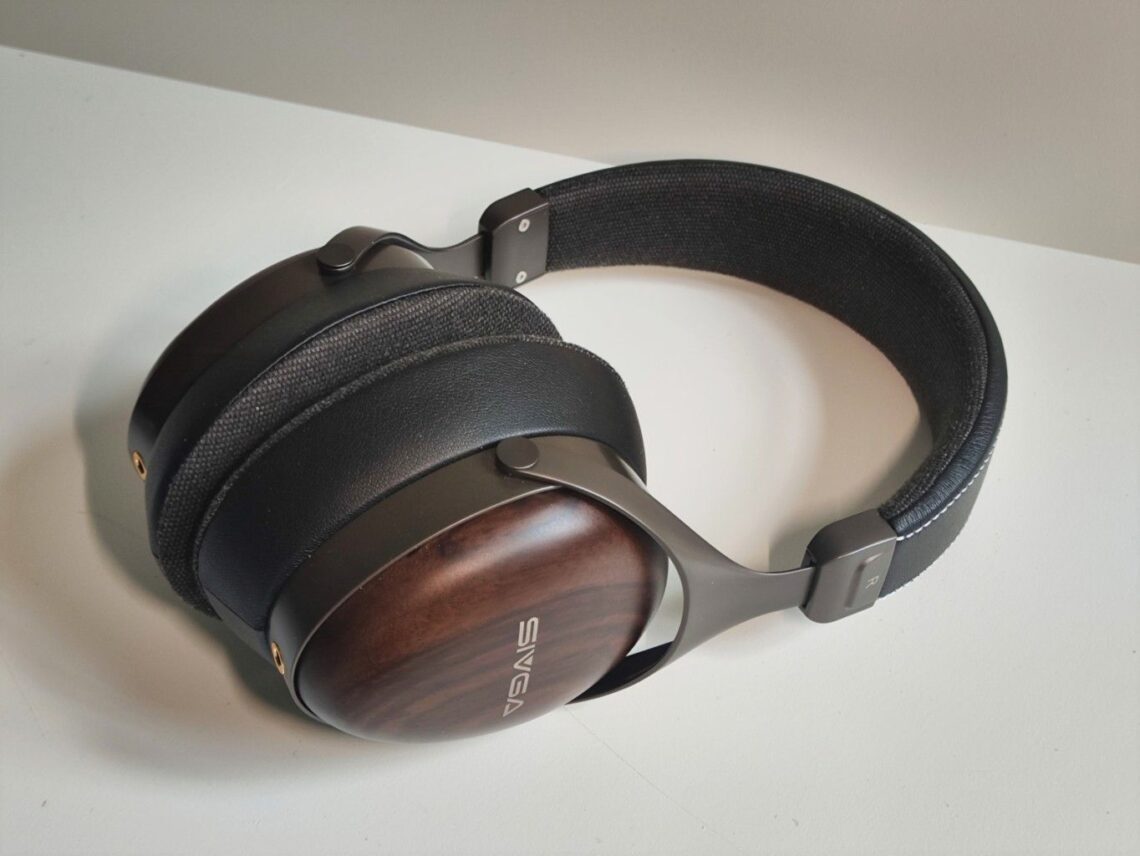
IMPORTANT UPDATE: Sivga has already updated the SV021 Pro to a new model – the SV021 Pro V2. The V2 Looks exactly the same but is sonically superior. I have written a review about the V2 here:
SIVGA SV021 PRO V2 REVIEW
The SV021 Pro is a closed-back over-ear headphone featuring a 50mm dynamic driver with a five-layer aluminum composite diaphragm. The build quality is stunning and the shells are real wood.


The SV021 Pro comes in two colour options:
1) Dark zebrawood paired with black pads and headband
2) Light beech wood paired with light brown pads and headband.
The price is currently about 179 USD.

WHAT’S DIFFERENT – SV021 PRO vs SV021 Robin
The SV021 “Robin” is not replaced by the SV021 Pro; they are intended to be offered side by side, as the two sound quite different despite their similarities in looks.
Most importantly, the drivers are different. The Robin uses a coated polycarbonate and fiber diaphragm that is thin, light and flexible. The Pro uses a multilayered aluminium diaphragm, which is very rigid. Since the aluminium diaphragm is heavier, the transient response is also somewhat different from the original. With the aluminium driver, the tuning is adjusted to play to the Pro driver’s strengths:
Compared to the Robin, the Pro slightly reduces bass emphasis and brings the midrange forward, especially vocals.
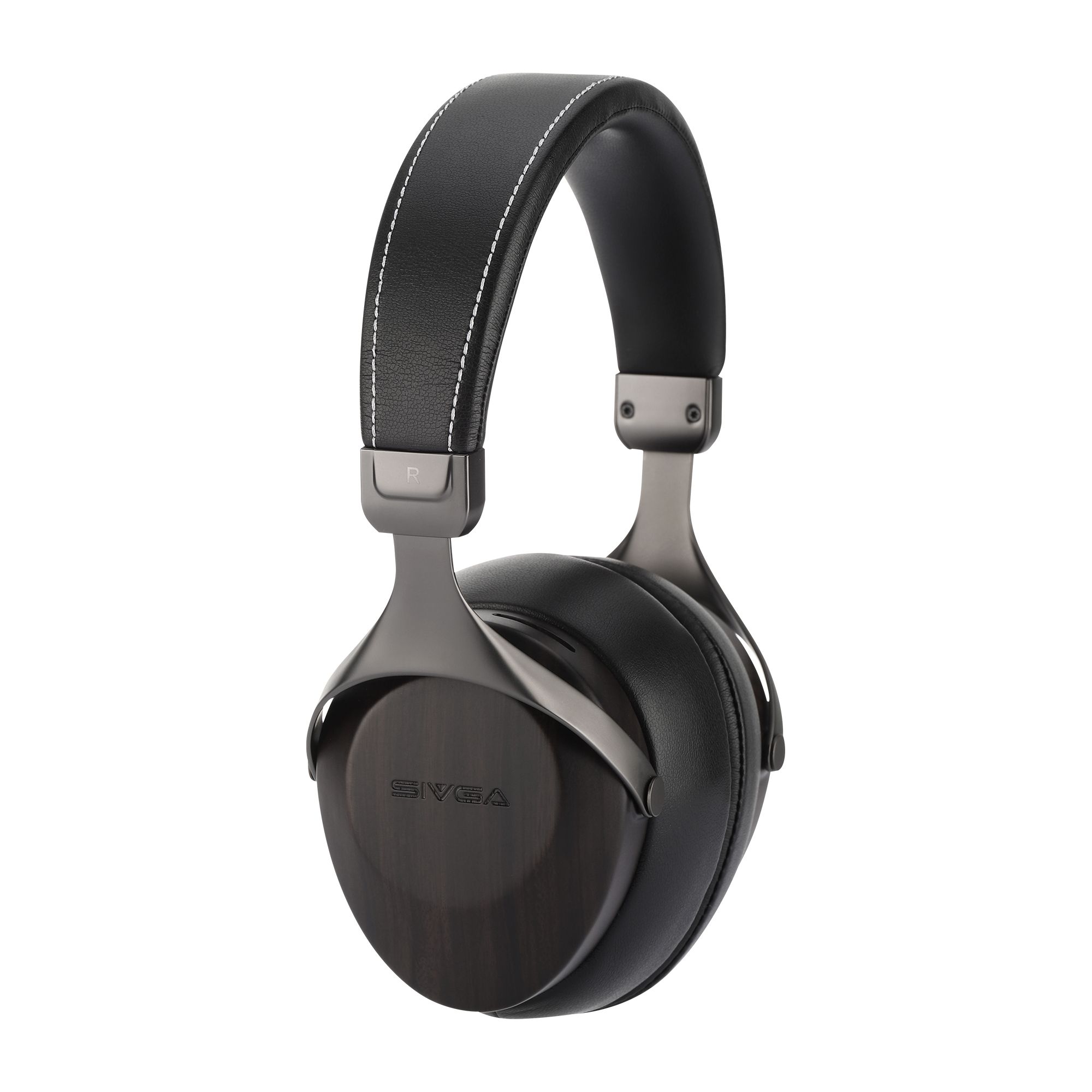
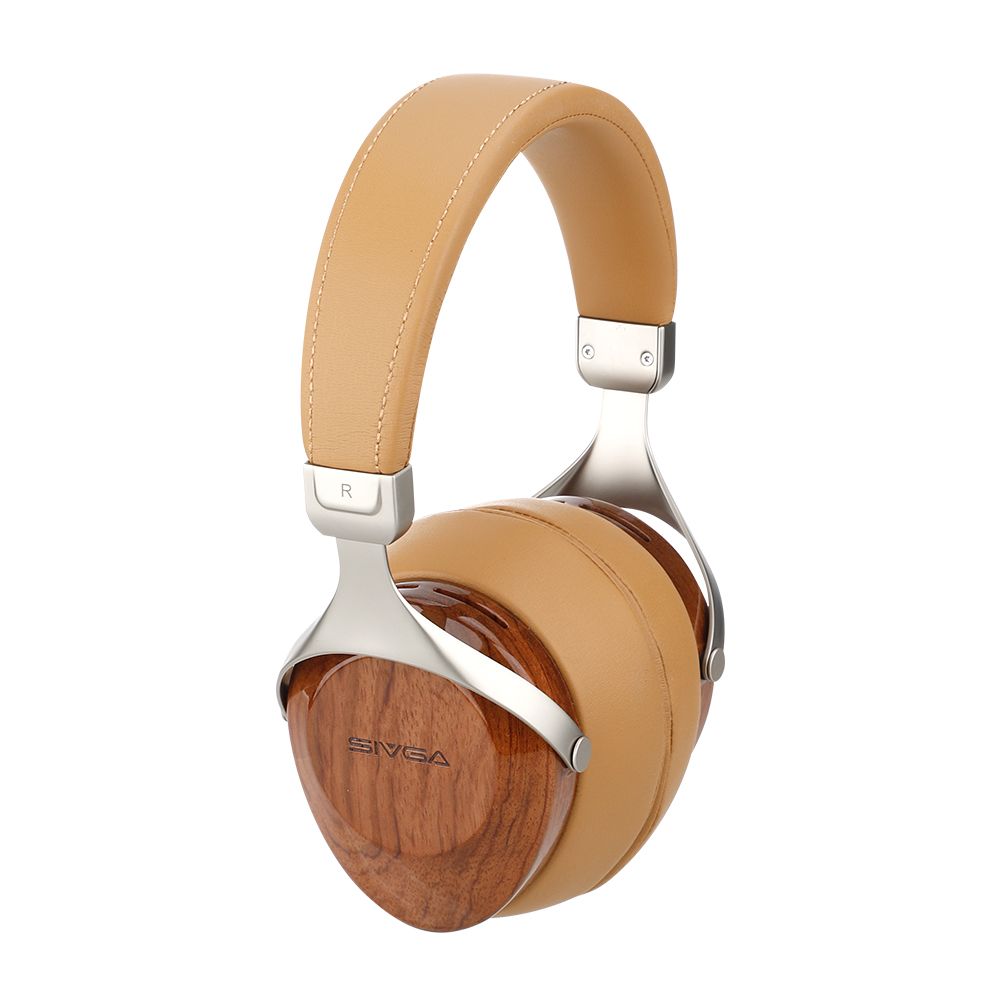
The SV021 Robin: Black or brown
Overall, Sivga says the Pro focuses more on detail and technical performance, while the original SV021 Robin offers a more relaxed and easy-going sound. They offer different sonic signatures and sonic characteristics.
Links the original SV021 Robin
- Amazon: SV021 Robin
- AliExpress SV021 Robin

SIVGA SV021 Pro SPECIFICATIONS
- Type: compact over-ear closed-back
- Driver: 50mm dynamic
- Diaphragm: aluminium composite
- Sensitivity: 106 dB
- Impedance: 45 Ohms
- Cable: 1.6 m OFC, braided
- Cable connectors: dual mono 3.5 mm on headphones
- Cable termination: 3.5mm jack
- Two colour options (dark or light brown)
- Cup material: zebra wood or beech
- Weight: 289 g
Current price and availability:
- Amazon: Sivga S021 Pro
- Sivga store: Sivga SV021 Pro
- Aliexpress: Sivga SV021 Pro
Disclaimer: We were sent the review unit in change for an honest review.

BUILD AND COMFORT
Sivga headphones always impress me with their build quality, and the SV021 Pro is no exception. The wooden cups are beautiful, and the attention to detail is refreshing in a world where many headphones do not necessarily prioritise craftsmanship and aesthetics.
HEADBAND
The headband is padded, simple and sleek; it does not use the (great) floating arc and suspension band found on Sivga and Sendy’s more expensive and larger models. This is a more compact and portable headphone.

The headband offers only a little swivel action. It worked for me but could be an issue for some. Additionally, my head is not extremely small, yet I used the headband on the smallest setting possible, which is rare. People with smaller heads might find this a problem.

PADS
The pads are very comfortable, with enough space for my ears despite the small footprint of the headphone.
The pads are neither round nor oval. Like the original SV021, they have a special shape that is wider at the top than the bottom. The SV021 PRO ear pads measure 95 x 107 mm on the outside and 65 x 73 mm at the opening, and are 20 mm thick. Like the Luan, the pads are somewhat unusual in that they angle outwards, making the pad face larger than the cup.
The pads have pleather on the outside, fabric on the face, and fenestrated pleather on the inside. The foam is very comfortable and stuffy memory foam.

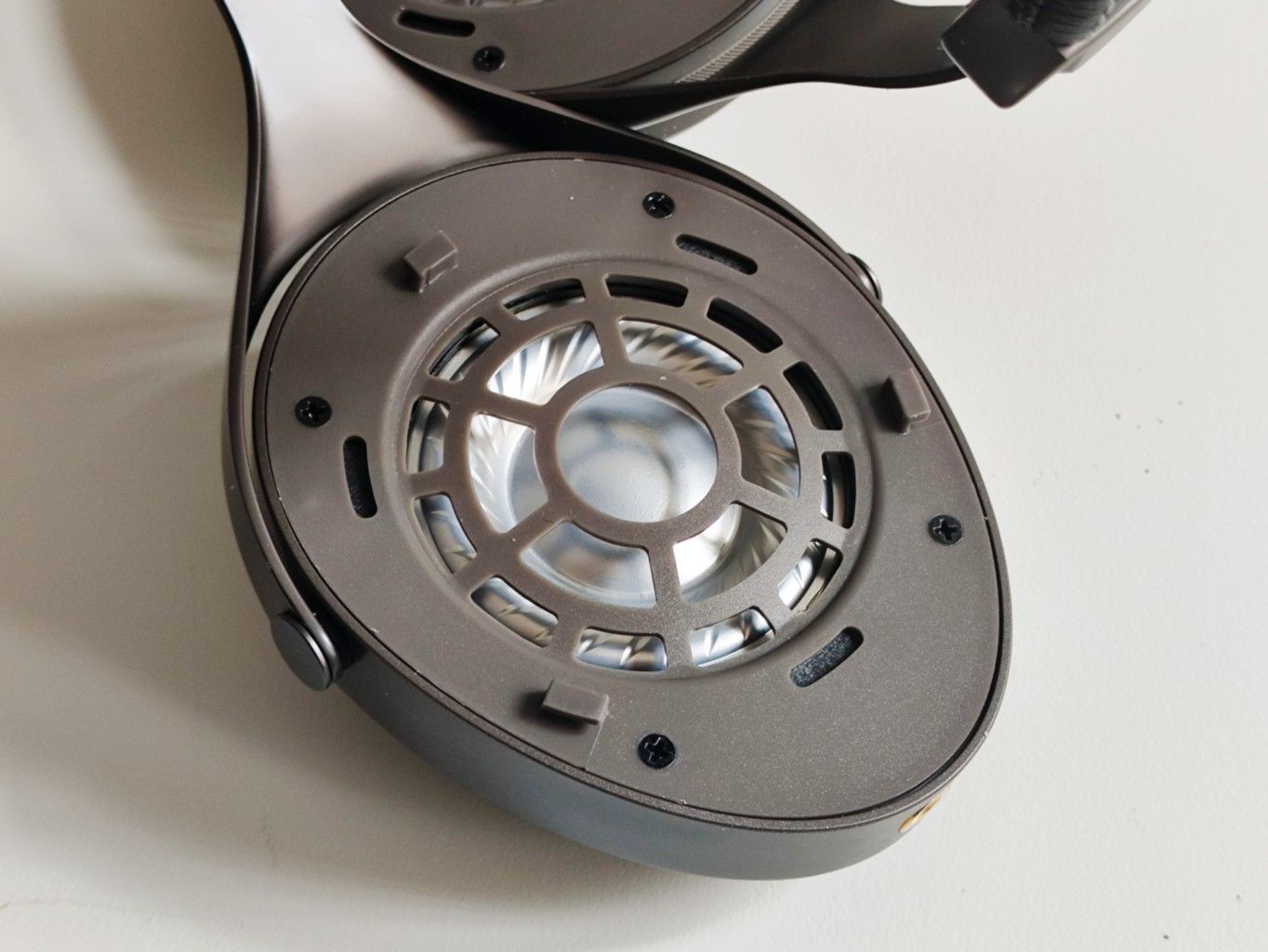
The pads attach to the cups via a twist-to-lock plastic adapter plate onto which the pad is glued. I am not a big fan of proprietary pad attachment systems, as you are essentially limited to using original or specially made pads. However, when time comes, you might cut the old pads off the adapter plate and reuse it in a more creative way with a set of third-party oval pads.
CABLE
The SV021 Pro comes with a 1.6 m oxygen-free copper cable, braided with a textile cover. It looks and feels nice, but is somewhat microphonic, which is not ideal if you move around a lot. That said, because the SV021 Pro uses standard 3.5 mm connectors on the cups, finding replacement cables should be easy.
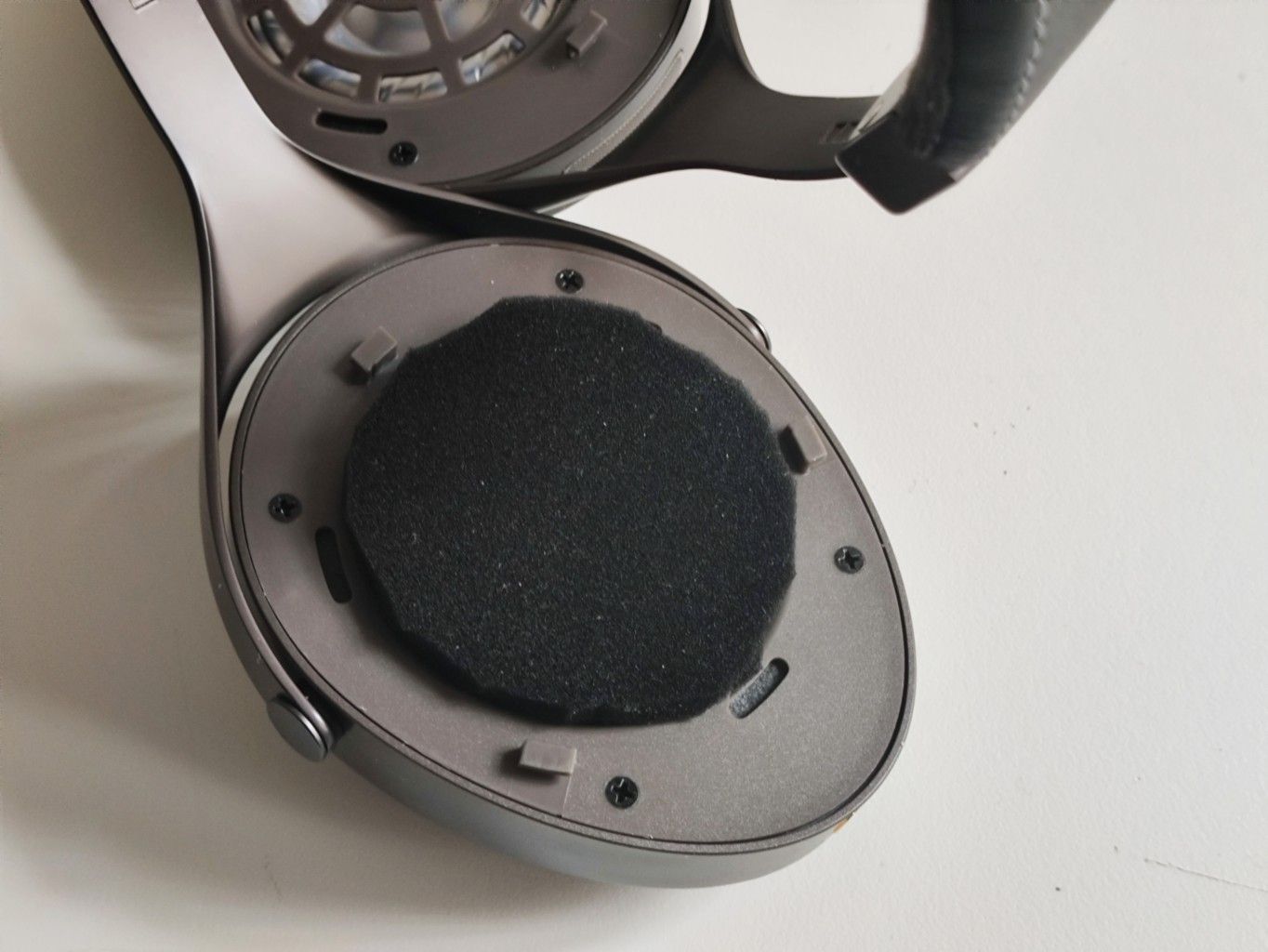
THE FOAM MOD
As you will see, I was pretty impressed with the technical performance of the SV021 Pro, but not fully on board with the tonality – especially the midrange. To get things sounding right, I often had to use EQ. For many users that is not much of an issue; you find a good EQ profile, save it, and use it whenever you listen to the headphone in question.
However, as a reviewer I prefer to evaluate headphones as physical instruments, assessing them as they are. In some cases though, things are just too far off; perhaps the headphone is too bright, has resonance issues, or is simply not tuned especially well.
I have been reviewing headphones for 13 years. In my experience, many manufacturers tend to focus most of their attention on the driver while not paying enough attention to the internal acoustics. For this reason, I always keep a selection of tuning materials on hand for cases where my ears tell me there is room for improvement.
A very easy, reversible and inexpensive fix is often to place some tuning material such as foam or felt in front of the driver. This serves several purposes: first, it filters the sound, typically attenuating higher frequencies; second, it reduces resonance and reflections within the ear cup; third, it acts as an acoustic impedance filter, giving the driver some resistance to work against. How this affects the sound is difficult to fully predict, but after doing it a few times you develop a feel for it.

Conveniently, the SV021 Pro is well suited for an easy foam filter mod. There is a 51 mm diameter opening in the pad attachment ring that can be filled with foam or felt. I used a 5 mm thick tuning foam pad cut to shape, and it worked wonders; it sounded better than my best EQ profile, though I admittedly did not spend too much time on the EQ-ing.
So, all in all, 5 mm of foam in front of the driver made a significant difference and made me genuinely enjoy the SV021 Pro. It is worth noting that adding foam in front of the driver is nothing out of the ordinary; the 999 USD Final Audio DX4000CL, which I reviewed recently, came stock with a 7 mm foam pad, and the outstanding Grell OAE2, the last headphone I reviewed, has a thick felt pad glued directly on top of the driver. I also used a similar mod on the FiiO FT13 with success (reviewed here)
If interested, here are links to the Sennheiser HD600/HD650 style tuning foam/filter I used. There are two pairs – I used the thickest foam pad (5 mm):
- eBay Thin & Thick Inside Foam Disk … HD600 HD650
- AliExpress Thin & Thick Inside Foam Disk … HD600 HD650
Ideally, combining the foam mod and EQ gives the best result, but I think it would be confusing to base the review on that. If you own this headphone, however, that combination would probably give the best results, at least if your sound preferences are similar to mine.
SIVGA TUNING SET?
Given my success with tuning pads, I really hope Sivga would consider offering a tuning kit that gives the user one or more pads to choose from to adjust the tuning. Foam and felt in different thicknesses, or a combination of the two are typically very effective. Dan Clark Audio did this with several of their previous headphones, giving the end user more flexibility to adapt the headphone to their own preferences. In the world of IEMs, tuning nozzles and tuning filters are essentially standard practice. This is no different.
SPEAKER WOOL MOD (Update)
UPDATE: After finishing the review I ended up trying more modifications with the first Sivga SV021 Pro version (V1). I opened up the cups and had to unscrew the driver housing. The wooden cups are empty inside, with no dampening whatsoever. I tried several amounts but ended up using 600 mg of speaker wool, socially Mundorf “Angel Hair” – but I guess most similar materials will do the same job, regular cotton for instance. Anyway, I made a nice pad of it and placed it gently inside the cups, then reattached the driver housing.
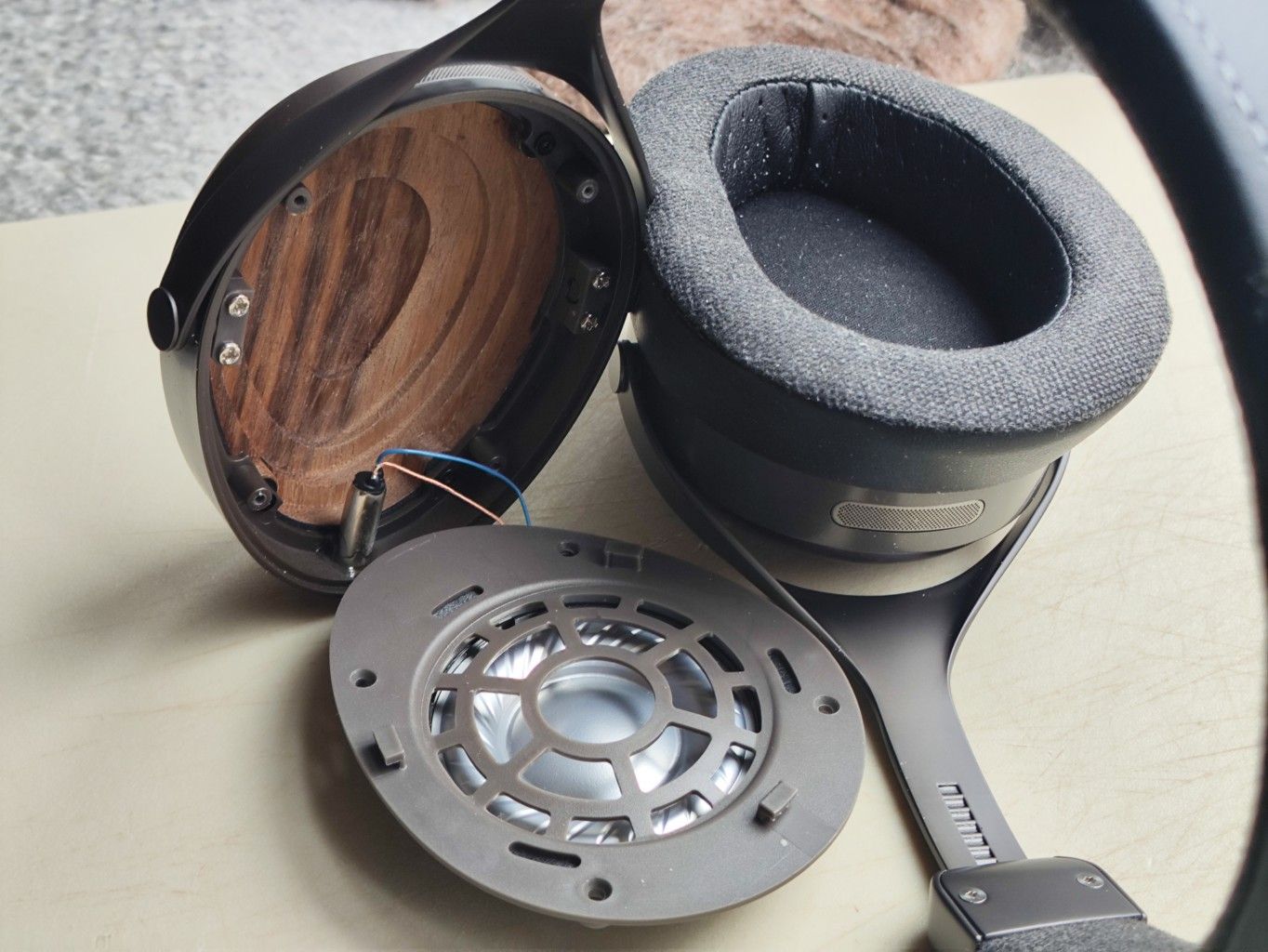
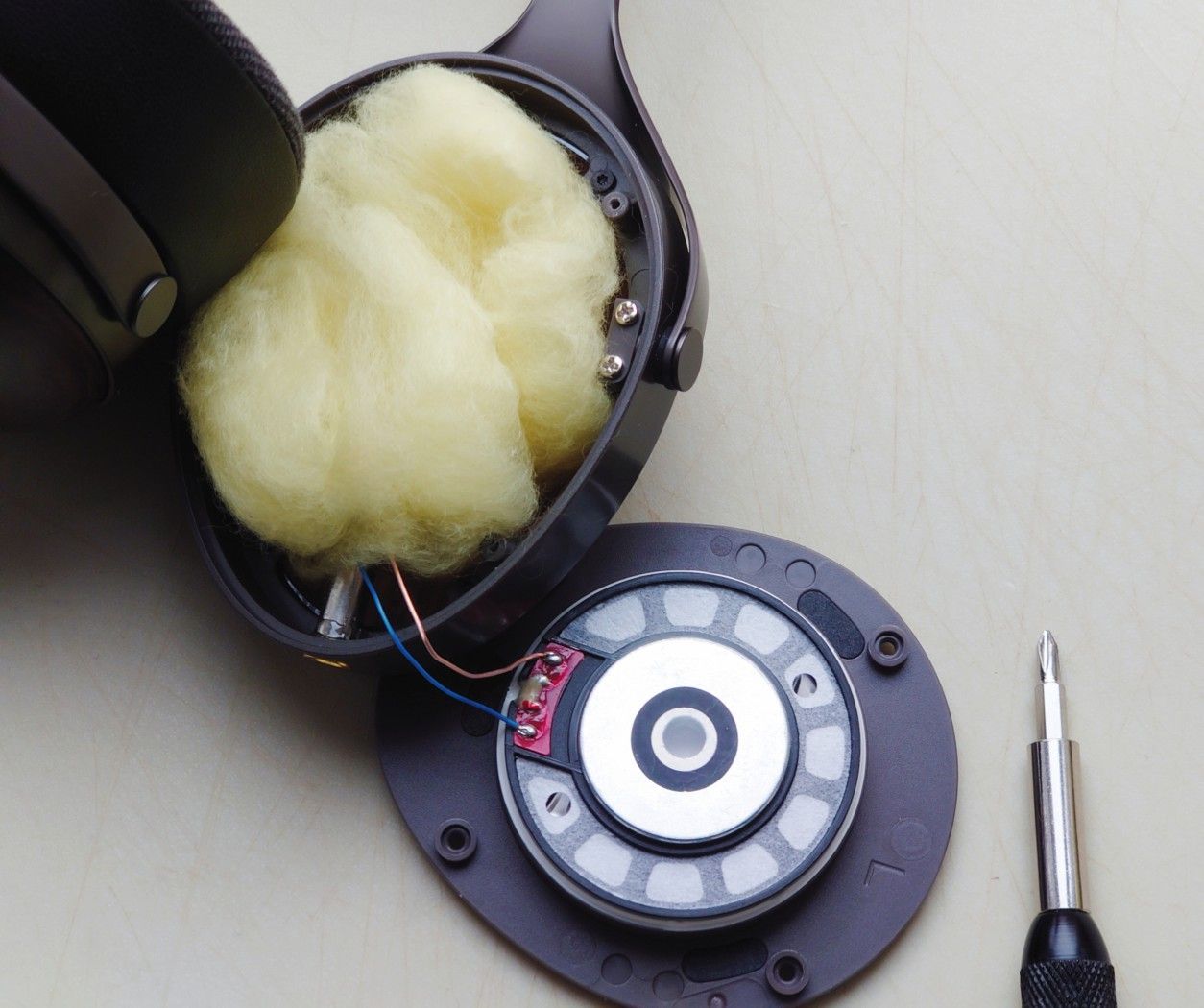
This improved the sound quite significantly, probably mostly because it reduced reflections inside the cup, which causes distortion. When I later got the Pro V2, I compared my modified Pro V1 with foam and speaker wool, and the modified V1 sounds pretty similar to the V2, but not quite there. I elaborate on this in my Pro V2 review:
SIVGA SV021 PRO V2 REVIEW

LISTENING IMPRESSIONS
Below you will find my usual listening impressions. I comment on the stock sound first, then the results with EQ where needed, and finally the impression with the foam mod – importantly without EQ.
Associated equipment:
- Amplifier: Topping A90
- DAC: RME ADI-2 DAC FS
På Nye Eventyr by Maridalen
The bass is very tight and controlled, the two saxophones have a very upfront, airy timbre. The soundstage is surprisingly open.
Foam mod (no EQ): The bass is a bit fuller, the saxophones have a more natural timbre. The soundstage is still very open.
Spontaneous Compositorius by Thomas Agergard
The saxophone has a slight honkiness to its timbre, though this can be addressed with EQ. The bass is impressive, very tight and even. The bright percussion elements are clean and not unpleasantly sharp.
Foam mod (no EQ): The saxophone sounds much more natural, even though the colouration is not completely gone. It is now more within normal range, and otherwise the headphone feels technically very capable. The soundstage is still large, the bass a bit warmer, the treble even cleaner.
Murmurations by Vega Trails
The bass is again very tight. I am not immediately happy with the tonality of the upper bass and lower midrange; they are somewhat coloured. The word honky comes to mind again, though that feels a little unjust. It is certainly not neutral, but like all coloured headphones, you adapt. Detail retrieval, soundstage size and imaging are impressive, though.
Foam mod (no EQ): The honkiness is gone; there is still a touch of colouration, but it is no longer bothersome. Generally it now sounds very good.
Impedans by Erlend Apneseth
This sounds great, with very good instrument separation and crisp, clear instruments. The bass quality is impressive.
Foam mod (no EQ): Excellent; not as crisp, in a good way, with a slightly calmer and warmer presentation.
Eye of the Day by Marta del Grandi
The vocals are very upfront and quite intense. Detail retrieval and imaging are impressive for such a compact closed-back headphone.
Foam mod (no EQ): Vocals are a bit warmer and smoother, which is a good thing.
How Deep by John Scofield
Again, spacious and detailed. The lead guitar is a bit bright and honky, though this can be addressed with EQ, reducing the 250 to 1000 Hz frequencies.
Foam mod (no EQ): The lead guitar sounds warmer and no longer honky, but still a bit upfront and intense.
Love Your Grace by Vega Trails
Impressive bass, good spatial properties.
Foam mod (no EQ): Excellent.
Re-Melt by Tord Gustavsen Trio
Again, the bass is impressive; not huge or bloated, but controlled and well balanced. The piano is a bit metallic in timbre, but the detail is good. The percussion is snappy and detailed.
Foam mod (no EQ): Much more natural piano timbre, still a touch metallic but much better.
The Hidden Camera by Photek
Excellent bass and percussion. Very snappy and detailed.
Foam mod (no EQ): warmer and calmer, more natural timbre.
Sujet Tabou by Renaudin and Cahours
Crisp guitar and fast percussion. I find the midrange sounds more natural with EQ; without it, it is a bit too metallic.
Foam mod (no EQ): More natural midrange, fewer resonances in general.
Outlaws by Bill Frisell
Sounds quite good, with great bass, spacious and crisp. The lead guitar sounds a better – warmer and more natural – with some EQ tweaking, after which things sound very good.
Foam mod (no EQ): Nicely balanced, the midrange is now quite natural, warmer and definitely more pleasant. The technical performance is still excellent.
As Before by Olga Konkova
The cajón drum has a polite but still satisfying punch. The piano is a bit bright and intense, and the vocals are not as smooth as they could be. With some EQ, things sound quite good, however.
Foam mod (no EQ): The piano is better but still sounds a bit aggressive and bright. Vocals are smoother.
It Could Be Sweet by Portishead
Sounds detailed and tight, but again the tonality needs some EQ assistance to feel right.
Foam mod (no EQ): Tonality is much better, with nice tight bass and warmer vocals.
Summer 3 Vivaldi Recomposed by Max Richter
Excellent detail and separation, and a large soundstage. But again, the tonality is somewhat off and needs some help: EQ is again coming to the rescue.
Foam mod (no EQ): The foam helps quite a lot.

WRAPPING IT UP
Sound Signature
The Sivga SV021 Pro has tight, well-extended bass and clean, articulate highs. The midrange, however, is a bit off; without EQ or the simple foam mod, it sounds too bright, intense and somewhat honky.
However, with the foam mod and/or EQ, I quite like it.
Treble
The treble is clean and upfront. I am quite impressed with the technical performance from such a compact closed-back headphone.
Midrange
The midrange is, in my opinion, the weak spot of the SV021 Pro. Without EQ or the foam mod, it is more often than not too intense and forward, sometimes outright honky. It might be described as “warm and smooth” , but it is warm and smooth in a bright and forward way.
With EQ, a foam pad in front of the driver, or ideally a combination of both, things can however, sound quite good.
That said, some users might want such a midrange boost if they are going to use it for e.g. gaming, as it certainly makes vocals stand out.
Bass
The bass is clean, tight and well extended. Unlike many closed-back headphones, there is no bloom or excessive boost.
Soundstage and Imaging
The soundstage is impressively large and imaging very good.
Detail, Dynamics, and Timbre
The detail level is excellent. Dynamics are good.
With regards to timbre, things are more problematic:
While the bass and treble are basically fine and even quite impressive, the midrange timbre is not. For music listening, I find the stock headphone’s midrange to sound too upfront, energetic and intense. It often feels bright and at times quite unnatural in a honky way. To me it needs EQ or the aforementioned foam mod to sound right.
The stock tuning does, however, as Sivga has stated, bring vocals forward, which may work well for e.g. gaming, but it is simply too much for music listening. Again, I think EQ, the foam mod, or both are necessary unless you are specifically looking for a sound that boosts the midrange in this way.

SV021 PRO FOR GAMING
The midrange peakiness of the stock SV021 Pro is, as you may have observed, not my cup of tea for music listening. However, I tried some FPS games and the very upfront, bright and often intense presentation of vocals in particular certainly has its advantages in a gaming context. I still prefer the SV021 Pro with the foam mod also for gaming, but it’s clear that different purposes call for different sound profiles.
COMPARISONS
Associated equipment:
- Amplifier: Topping A90
- DAC: RME ADI-2 DAC FS
For both comparisons I kept the foam from my foam mod in place in the SV021 Pro.

KIWI EARS Z SERENE vs SIVGA SV021 Pro
The Serene is a compact over-ear headphone with planar magnetic drivers, making for an interesting comparison given the similar form factor, though it does not share the same exquisite choice of materials and general craftsmanship as the Sivga. The current price varies from 159 to 90 USD.
Comparing the two makes it clear that they are very differently tuned. AB listening is challenging, but after a while it becomes apparent that bass and treble quantity are similar between the two; it is the midrange that differs enormously. The Serene has a very dark and laid-back midrange while the SV021 Pro has a very upfront, bright and intense midrange. The SV021 Pro offers significantly better detail in the bass region, while midrange and treble detail are quite similar.
An important factor is that the Serene is much more difficult to drive and requires significantly more power from the amplifier to reach the same volume.
- Amazon: Kiwi Ears Z Serene
- Linsoul : Kiwi Ears Z Serene

FiiO FT1 vs SIVGA SV021 Pro
The FT1 is a full-size, wooden closed-back headphone with a dynamic driver. It is significantly larger than the SV021 Pro, making it more of a “stationary-use” headphone rather than something you would toss in a bag for a commute. The FT1 received many rave reviews when it was released, and I happily contributed to the hype. The current price is 165 USD, slightly less than the SV021 Pro.
Compared to the SV021 Pro, the FiiO FT1 has more bass quantity, a darker and more neutral midrange, and similar treble presence. Detail, dynamics and imaging are all generally better. It simply comes across as a better, more balanced and natural sounding headphone.
That said, it is worth remembering that the FT1 is not just any headphone, but something of a unicorn, a giant killer that performs well above its price point. It is in no way representative of the average performance at this price.
My full review can be found here: FT1 Review

AMPLIFICATION
I used the Topping A90 for most of my listening and comparisons. The SV021 Pro is easy to drive and works well with many USB dongle DACs. I did a quick check with the following:
The Letshuoer DT01 Pro usually performs very well for its 18 USD, but it makes the SV021 Pro sound underpowered – sharp and shouty.
The Kiwi Ears Allegro Pro sounds much better, the Alpha XI1 ONIX is on a similar level – a tad warmer which is a good thing. The Fosi DS3 also works very well, the xDuoo Link2 Bal2 too. The Dragonfly Cobalt is the best of the bunch with more detail and control.

CONCLUSION
The Sivga SV021 Pro stands out with excellent build quality and strong technical performance. It is also very comfortable. I especially appreciate the tight, well-controlled bass, along with an unusually spacious soundstage for a compact closed-back design.
However, its stock tuning is held back by an overly intense and forward midrange that can sound unnatural and honky, especially on higher volumes.
With simple adjustments like EQ or a simple foam mod, where tuning foam is placed in the conveniently sized opening between the driver and the ear pad, the sound improves significantly, becoming much more balanced and enjoyable to the degree where I quite like the end result.
Overall, it is a well-built headphone with a detailed and tight sound, but it needs EQ and/or a simple tuning foam mod.
UPDATE: The new SV021 Pro V2 sounds much better, more natural and more detailed.
Thanks for reading. You can support us by purchasing anything using any of our affiliate links.
The v1 is no longer available. These links will take you to V2
- Amazon: Sivga S021 Pro
- Sivga store: Sivga SV021 V2 Pro
- Aliexpress: Sivga SV021 V2 Pro
Any purchase you make on Amazon, Linsoul , AliExpress or Audio46 with any of our affiliate links will give us a small provision at no cost to you.
We only get a provision for items that are not returned, so there’s no incentive for us to recommend something that’s not good.
Linsoul : Headphones, Earbuds, Wireless Earbuds, Desktop DAC/AMP, Portable DAC/AMP, Digital Audio Players,
Amazon: Headphones, IEMs, Headphone Amplifiers, Home Audio or Anything else.
.
If you enjoyed this article or other content on The Headphoneer, you might consider leaving a small donation to keep this website up and running. No donation is too small. Thanks for supporting us!

If you like our work please follow us on Instagram, Facebook and Twitter , it will help us grow. Sharing is caring 🙂