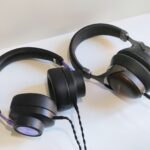

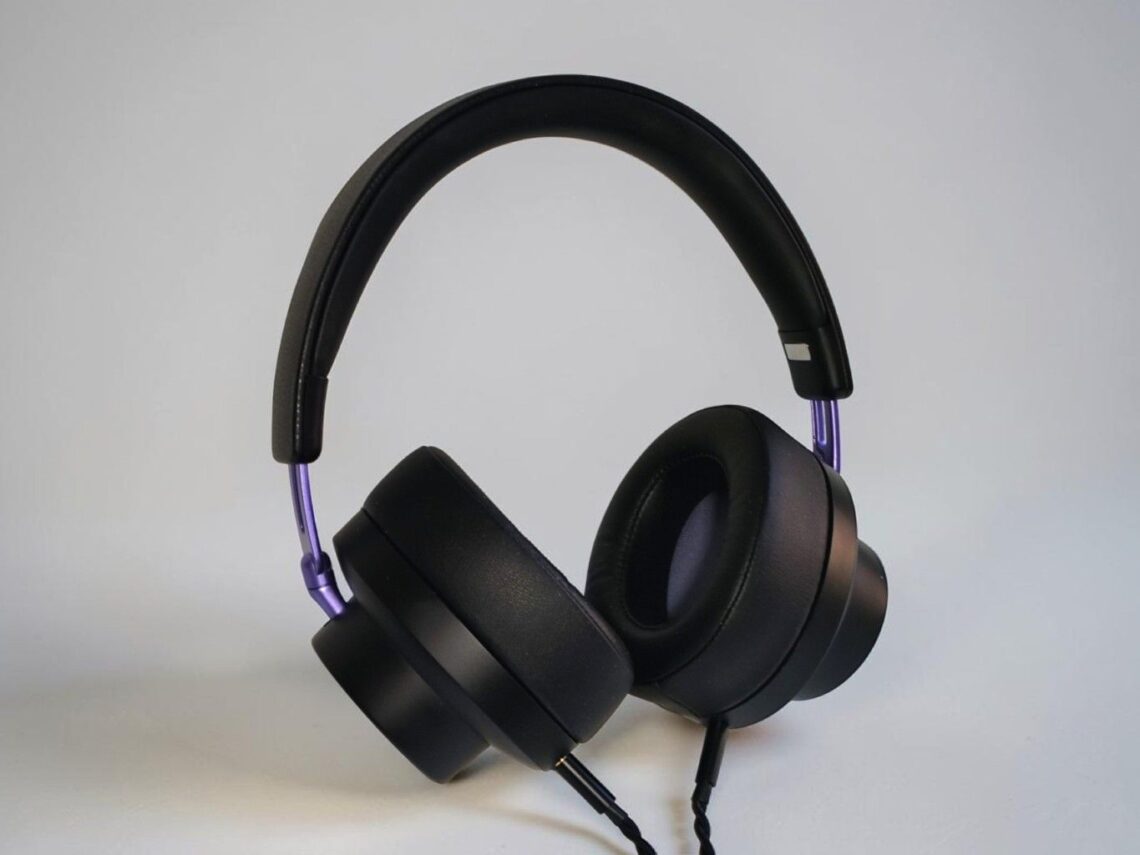
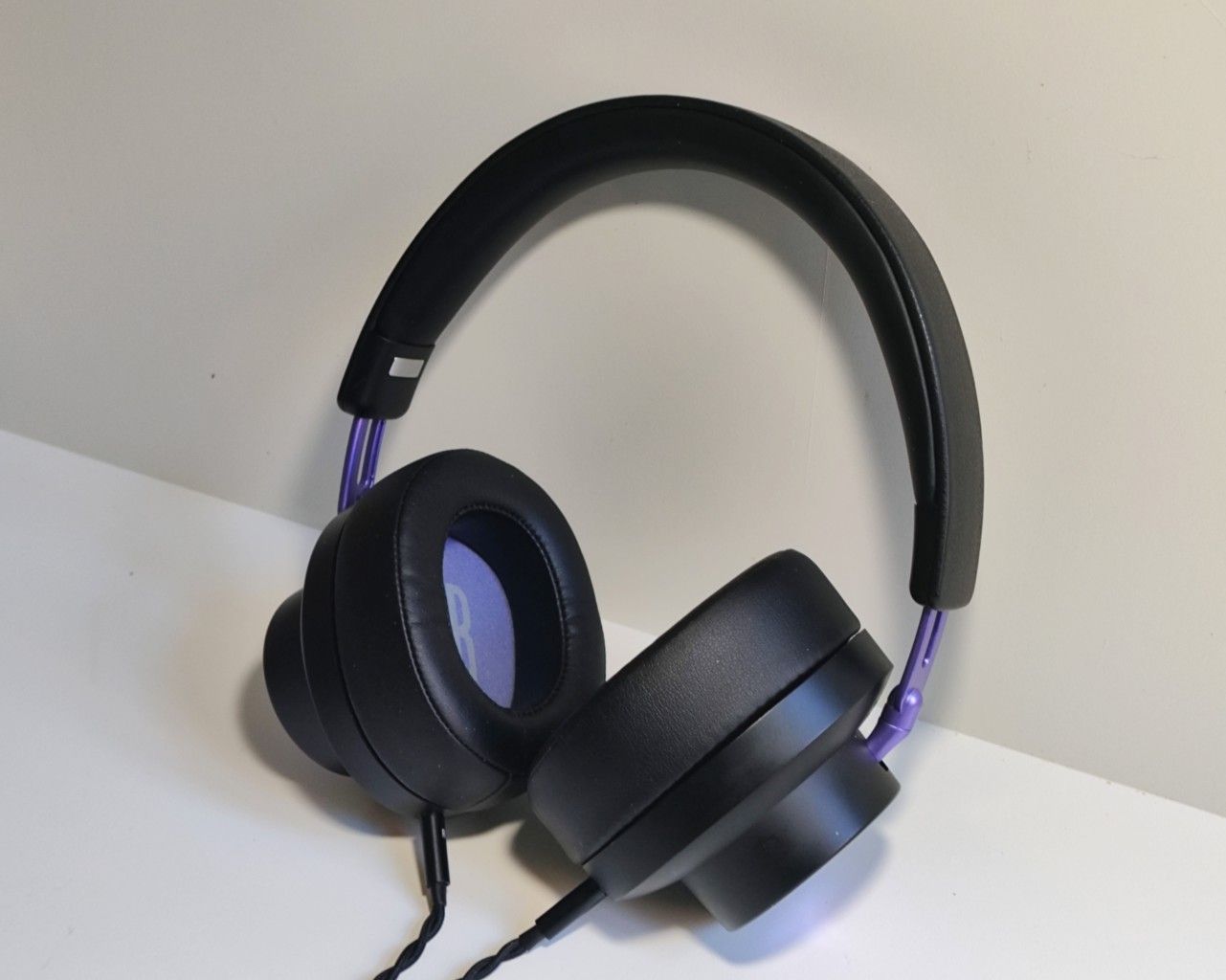
The Kiwi Ears Serene is a compact, fully closed-back planar magnetic headphone using a proprietary 72mm x 89mm driver. It was tuned in cooperation with Z Reviews/Zeos. The launch price was 159 USD, but it is currently available for significantly less (see links below).
First, a general warning: When I started this review I was not aware that many users had experienced issues with the driver. Z Reviews (Zeos) has released a video showing how to easily fix it in 5 minutes. It’s basically loosening and tightening some screws to even out air pressure around the driver. Allegedly, it doesn’t handle temperature and air pressure variations during shipping well.
Before I did the fix myself, the driver distorted on certain very bass-heavy tracks. After the fix, the distortion disappeared and the bass tightened up significantly and changed character.
If you buy this headphone, be prepared to do the fix. It takes five minutes and is very simple – I have made a step-by-step guide below.
KIWI EARS SERENE SPECIFICATIONS
- Type: Closed-back, compact over-ear
- Driver: 72mm x 89mm planar magnetic Driver
- Impedance: 50 ohms
- Sensitivity: 102 dB
- THD: Less than 3%
- Lightweight aluminum frame with polymer cups.
- Padded headband and thick, vegan leather earcups.
- Cable: 1.5m braided with fabric
- Connectors: Dual 3.5mm TRS on headphone side
- Cable termination: 3.5mm jack
- Weight: 269 grams (excl. cable)
Current price and availability:
- Amazon: Kiwi Ears Z Serene
- Linsoul : Kiwi Ears Z Serene
- Kiwi Ears: Serene
Disclaimer: We were sent the Serene for review in exchange for an honest and unbiased assessment.
BUILD, DESIGN, AND COMFORT
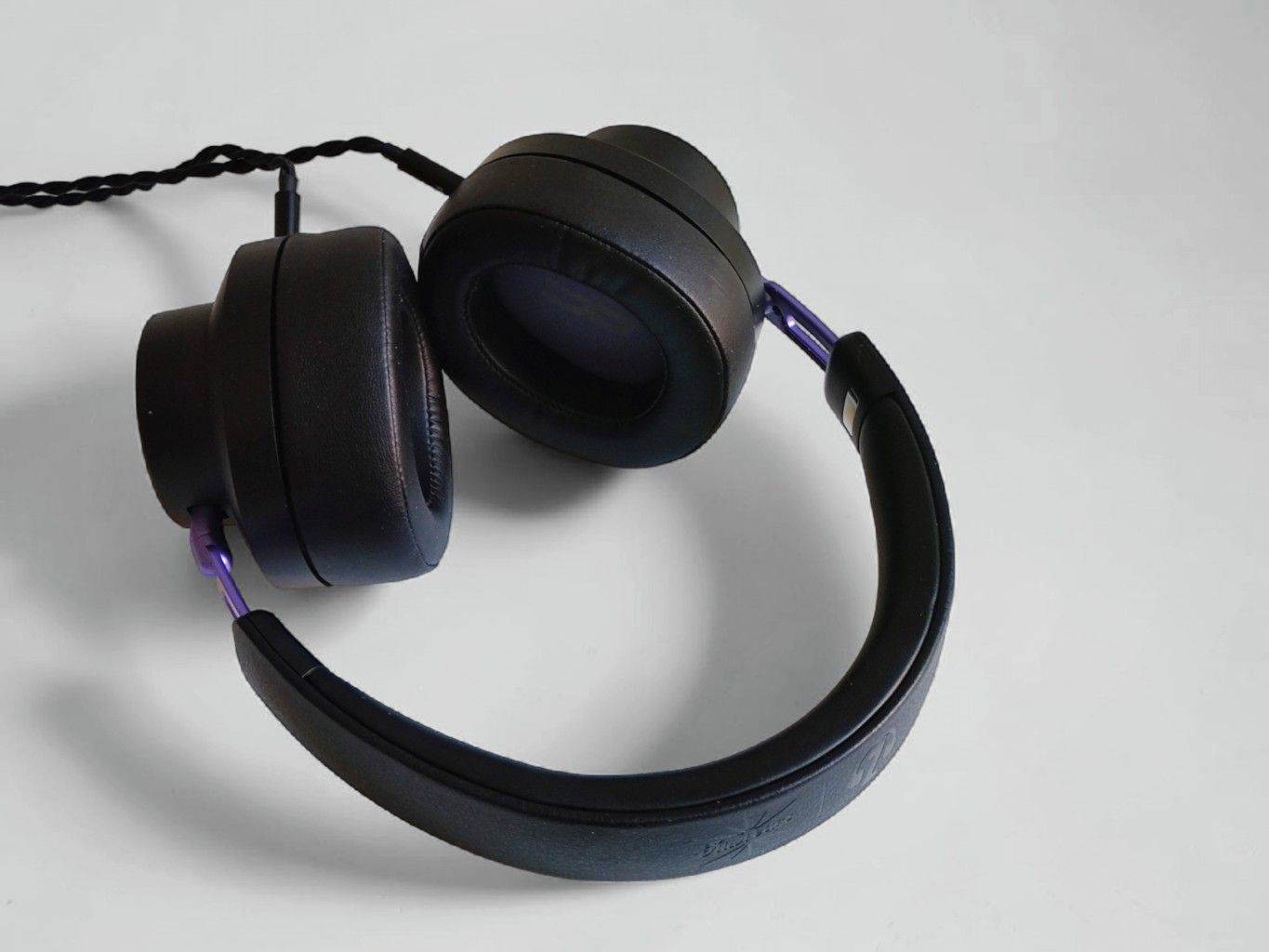
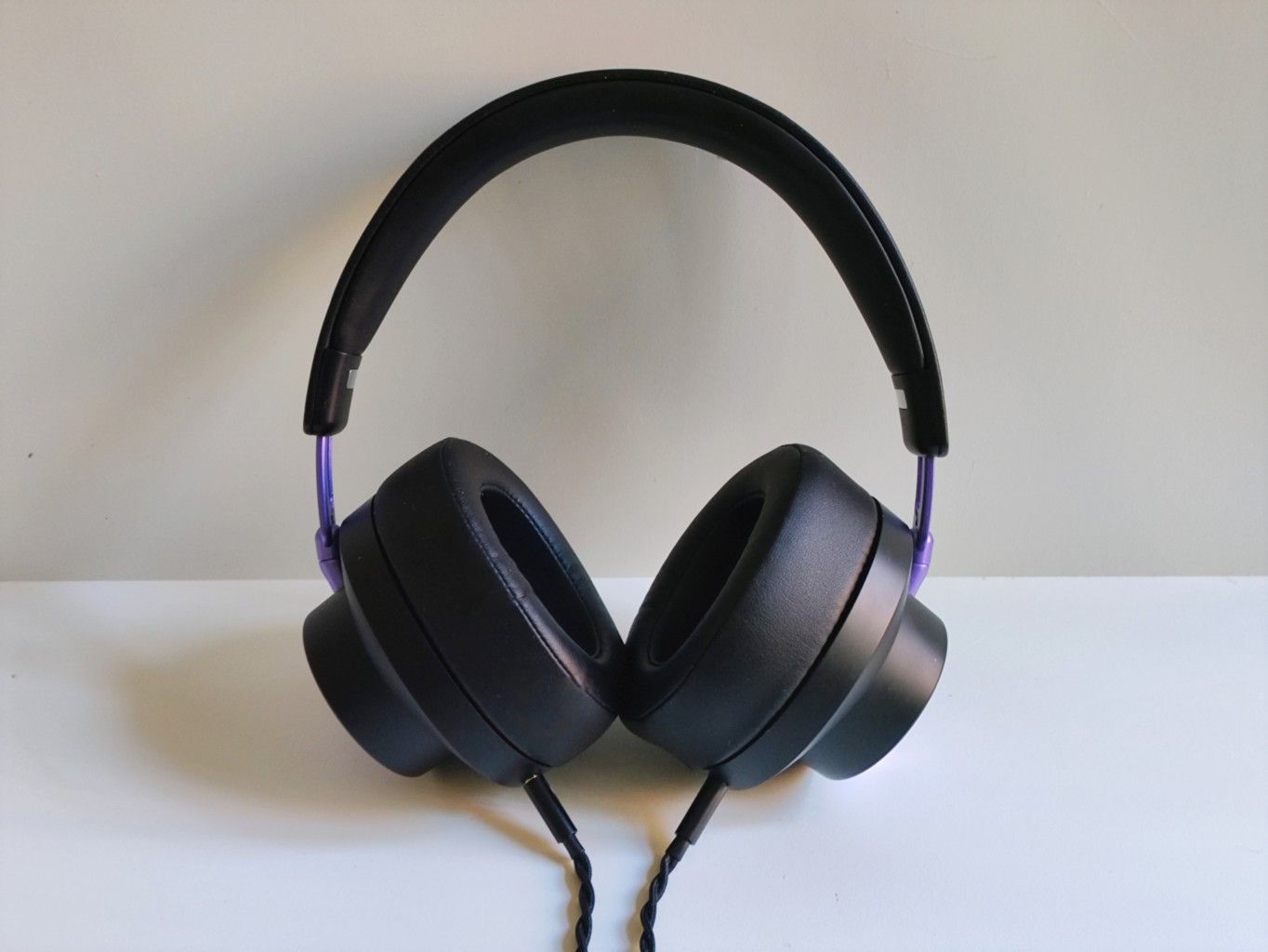
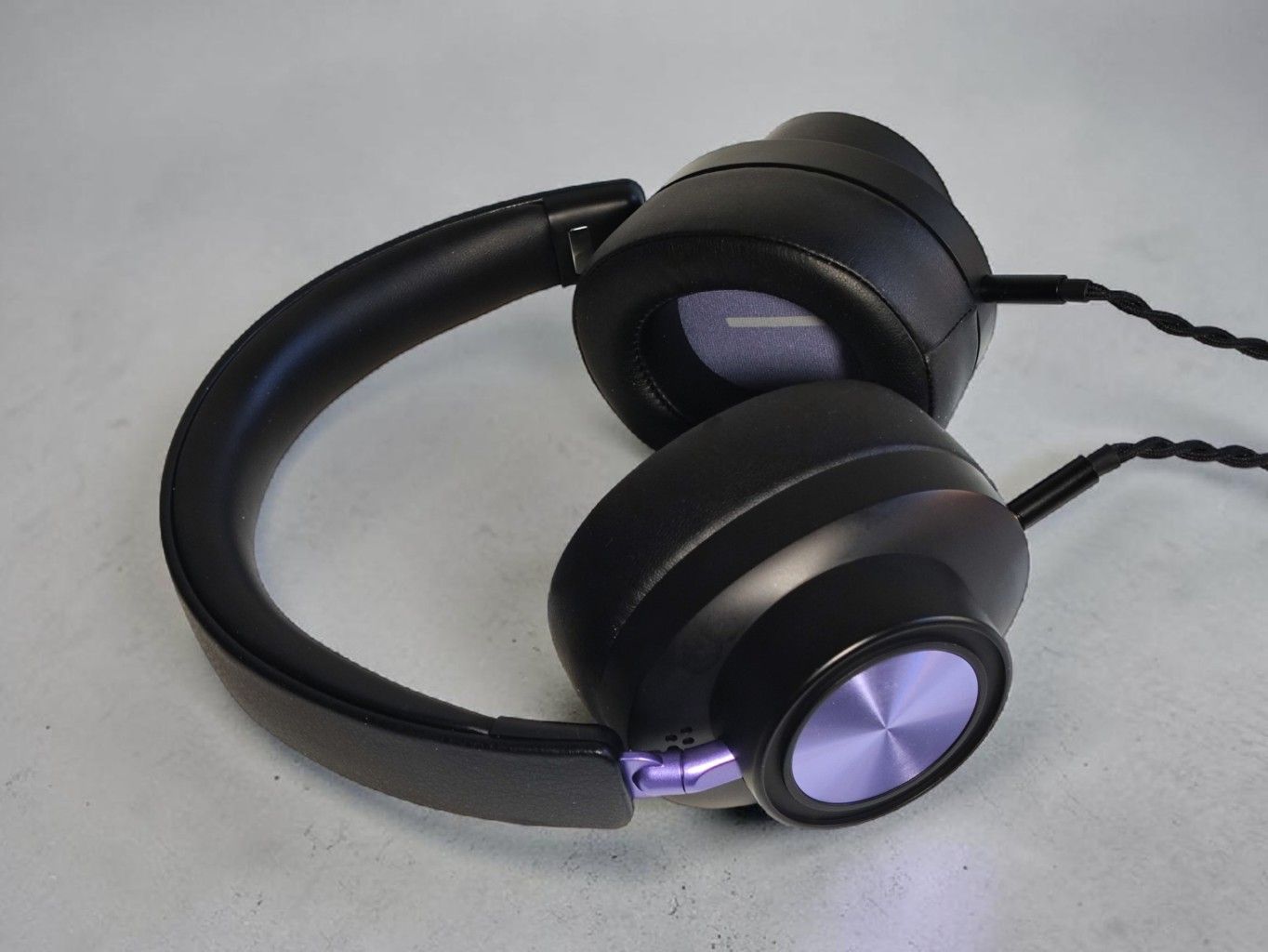
The Serene is compact and decently built, made of aluminium and plastic. It has polymer cups with a decorative purple metallic disc.
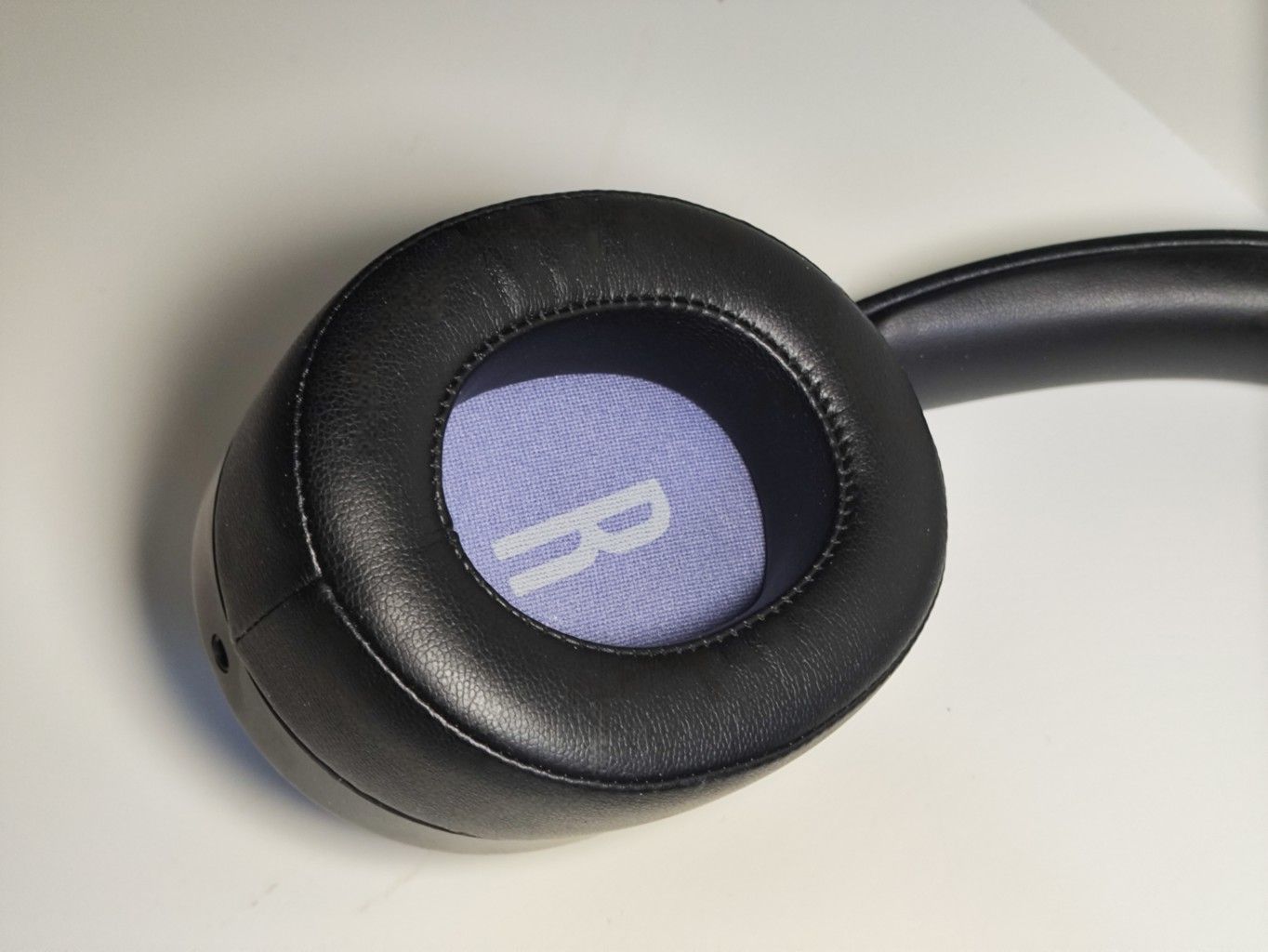
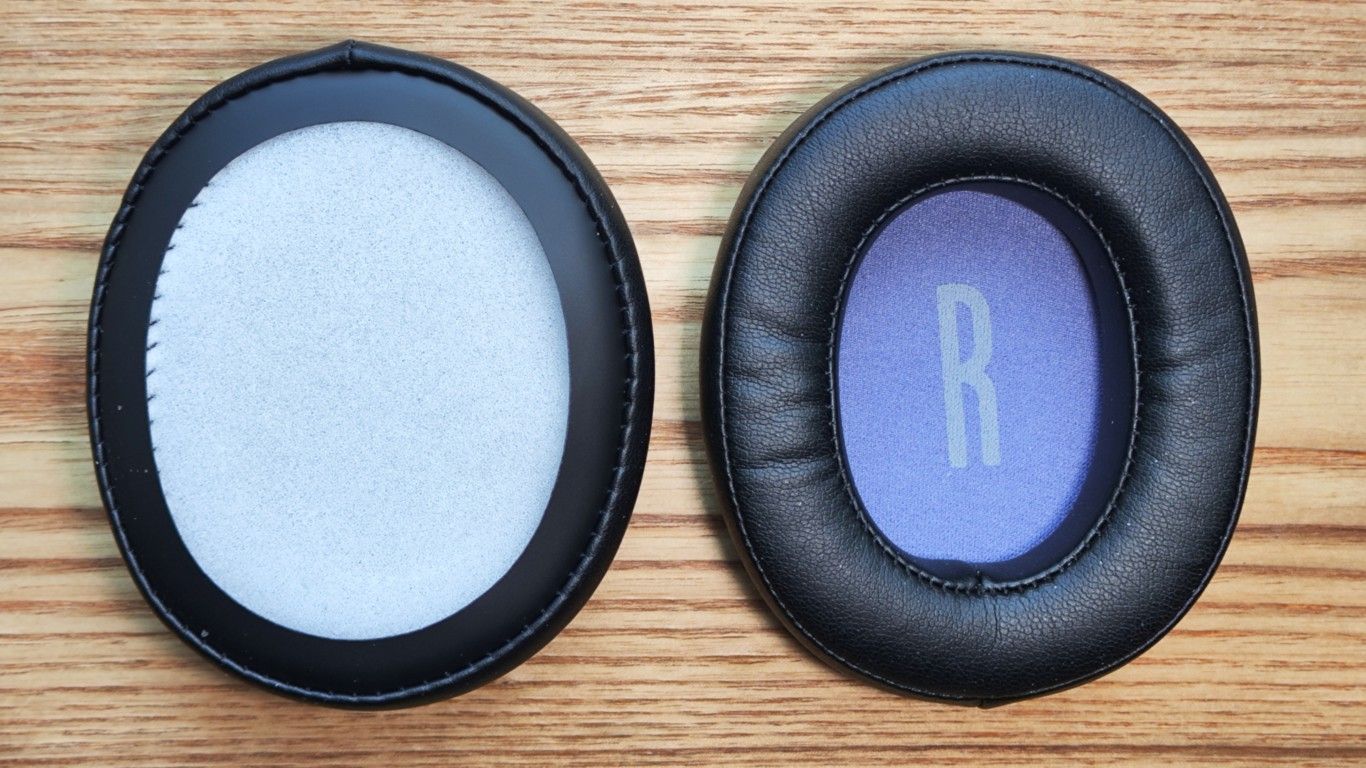
PADS: The Serene pads are all pleather with soft memory foam. They attach to the cups with the widely used lip-and-groove system, so using third party pads should not be problematic. The pads are oval, measuring 90x75mm on the outside and 60x40mm at the opening. The Serene pads have textile and foam in front of the drivers.
HEADBAND: The Serene has a padded headband with pleather all around. It fits me at 2-3 cm from the minimum extension setting on each side, and my head is neither large nor small. It offers very good swivel action and folds almost flat.
CABLES: The Serene comes with a light, braided textile cable at 150cm. It is a bit microphonic. It uses 3.5mm connector jacks on the headphone cups, which should work with many third party options, and has a 3.5mm termination jack.
Since the Serene is hard to drive, it might be worth considering buying a balanced cable depending on the amp you want to use.
DRIVER ISSUES: Some users experience distortion on bass heavy tracks and crackling noises in general. Zeos/Z Reviews released some (unnecessary long) instruction videos showing the fix. I did this in five minutes and will describe it below.
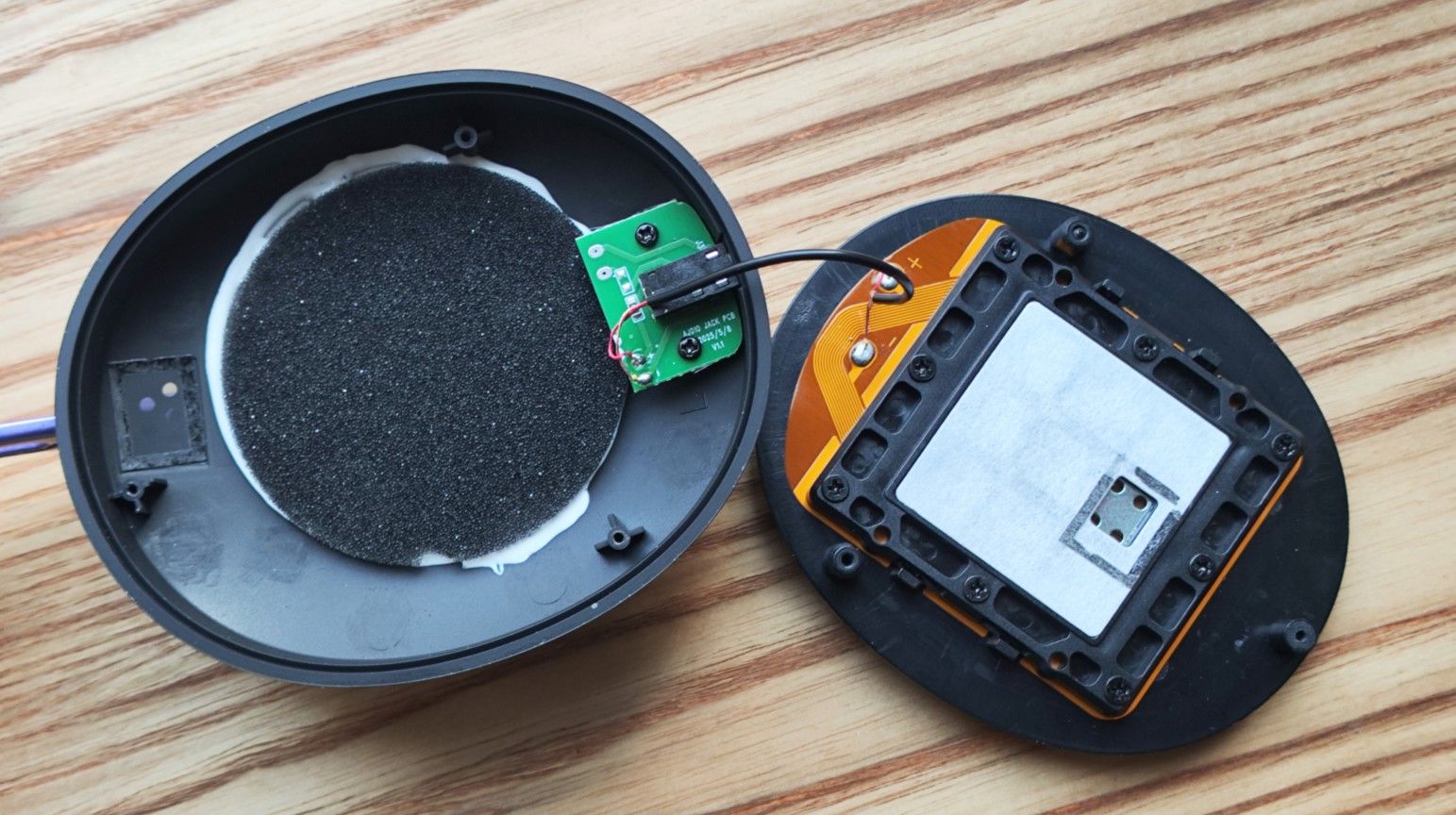
FIXING THE SERENE DRIVER TENSION ISSUES – EASY GUIDE
If you experience bass distortion on bass heavy tracks, or crackling noises in general, there is a very easy fix. I’d recommend everyone to do it, because it in my case improved the sound performance in general.
The reason for the distortion has to do with uneven diaphragm tension, which allegedly can occur during shipping due to temperature and pressure variations.
It is of course far from ideal that you might have to fix a brand new headphone, but it is what it is, so be prepared if you buy one. If you already own one, below is a guide in writing.
The guide is based on Zeos’ (aka Z Reviews) rather long video posted here.
STEP-BY-STEP SERENE DRIVER FIX
TOOLS: You only need a very small Phillips screwdriver (+ / plus-shaped). I used size PH000.
REMOVE THE PADS: The pads attach with a lip that sits in a groove. Simply grab the pad on the inside and gently pull it out and work your way all around.
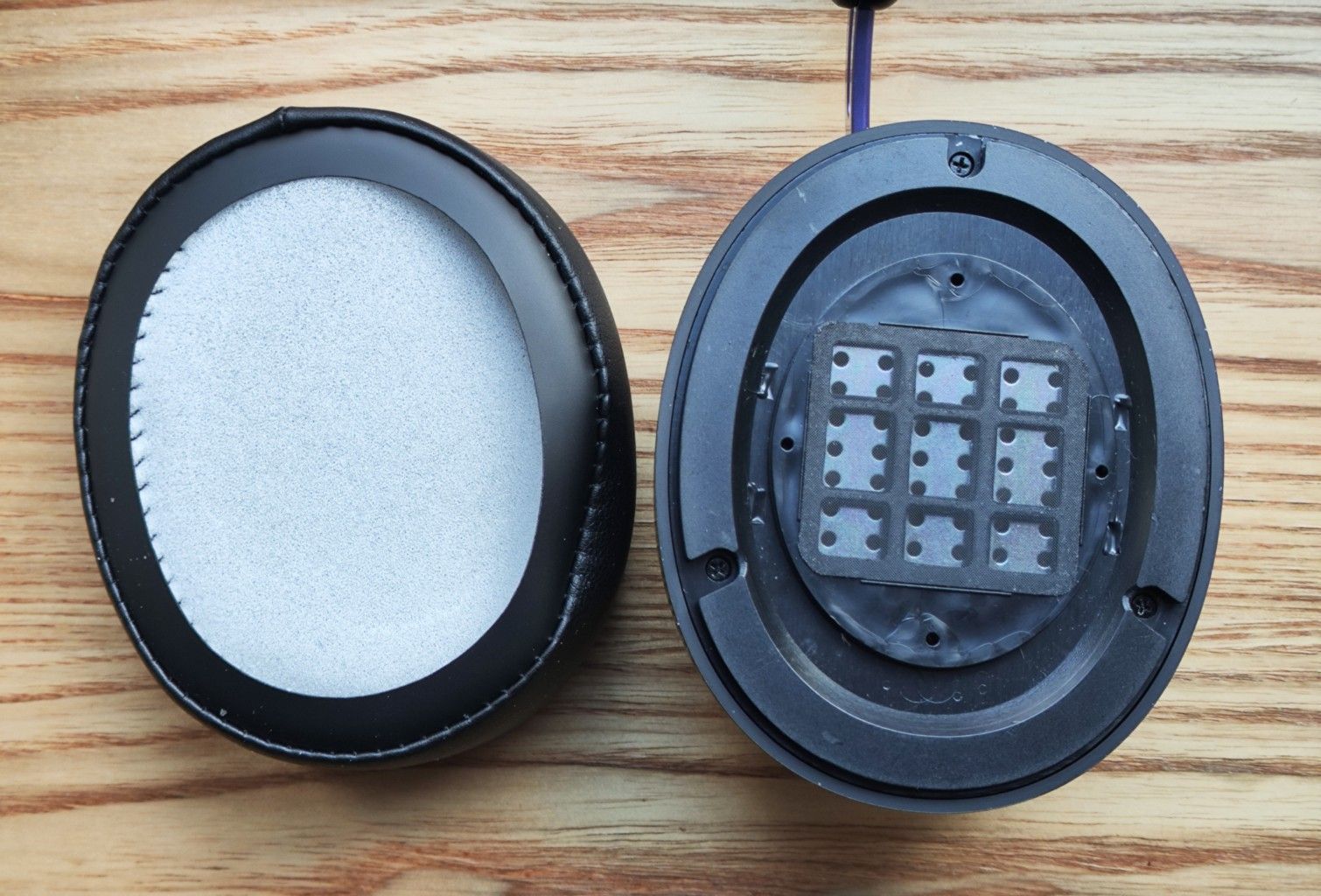
LOOSEN THE FIRST 3 SCREWS: There are three screws that hold the outer driver assembly to the cup. Loosen – you don’t need to remove – the three screws. They just need to be unscrewed enough (like 3 mm) for the outer assembly holding the driver to come free.
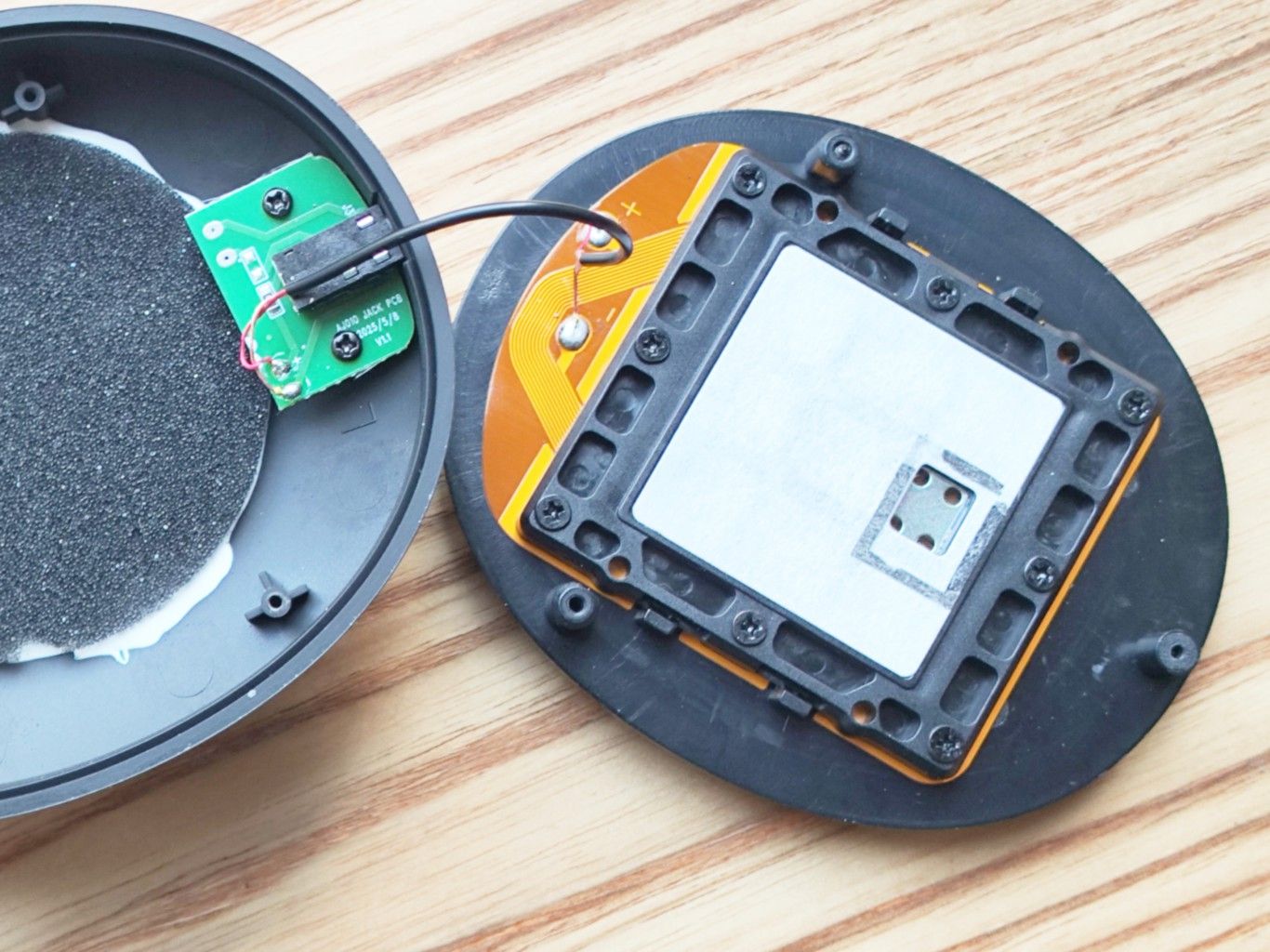
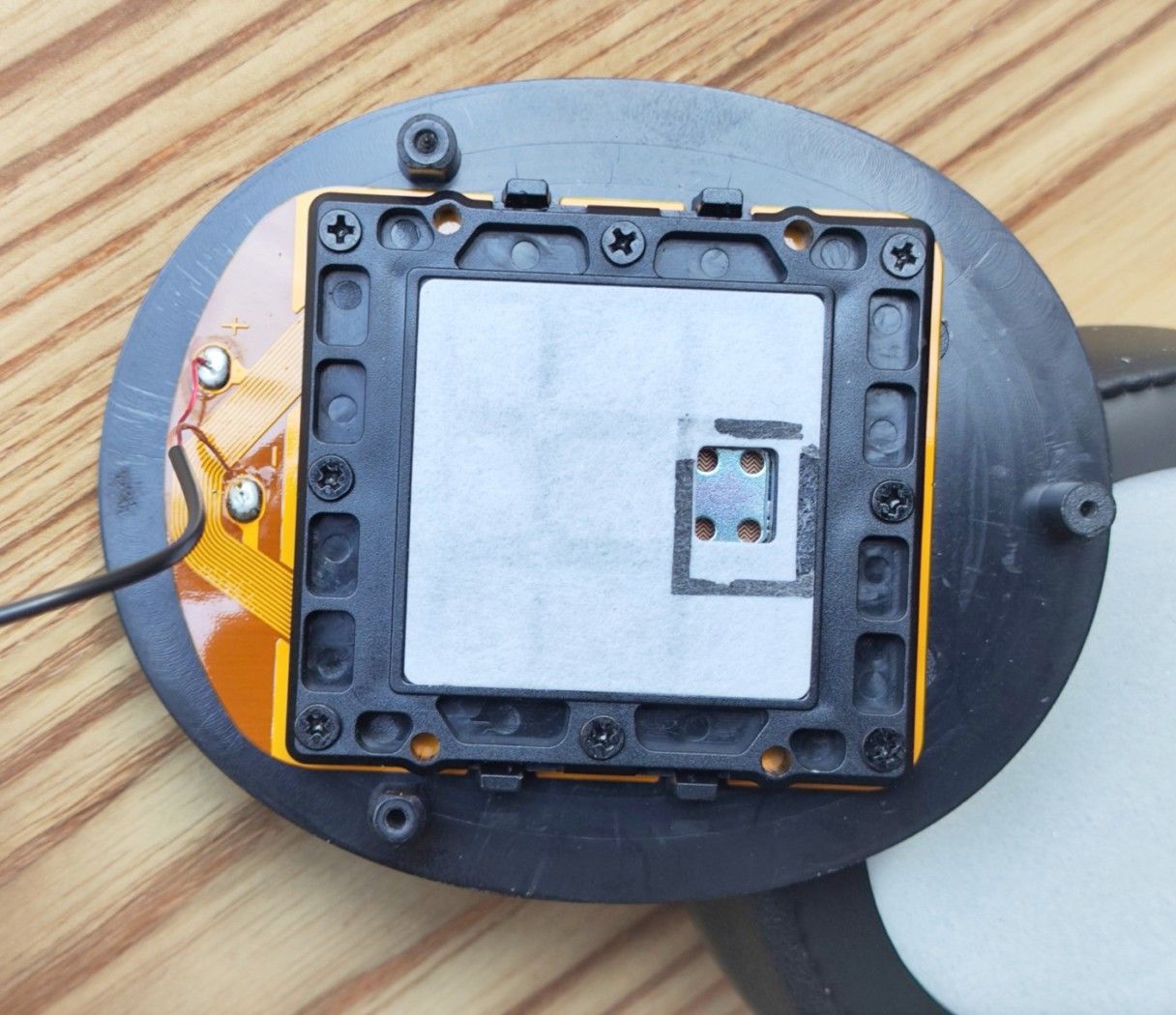
LOOSEN AND TIGHTEN 9 SCREWS: On the back of the driver there are nine screws. Loosen them one by one by half a rotation, working in a star pattern (top, bottom, left, right and so on) to even out tension. You may hear a slight pop when loosening the screws. Once all are loose, tighten them again in the same star pattern.
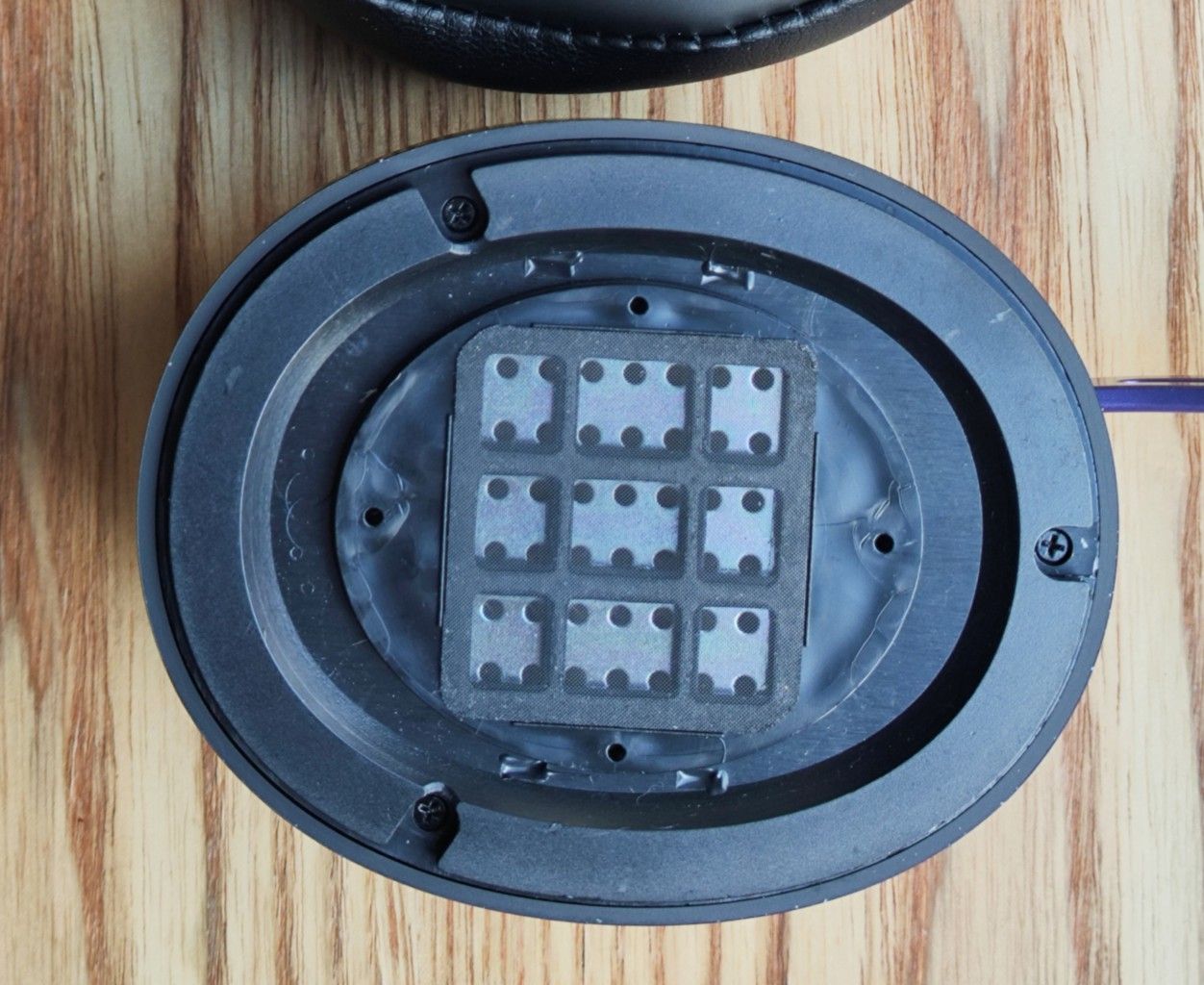
PUT THE TOP ASSEMBLY BACK IN: Put the driver holder assembly back into place and fasten the three screws.
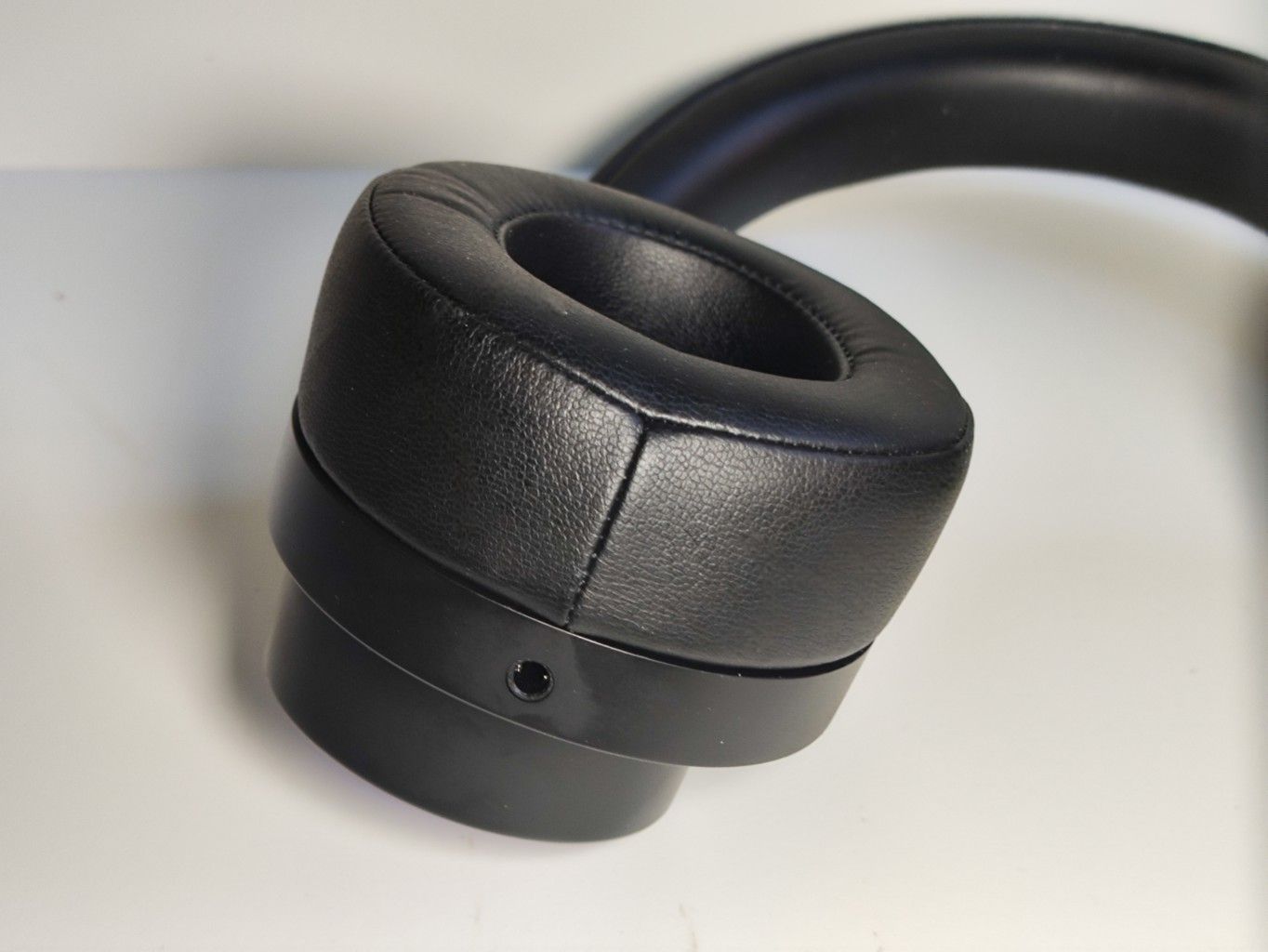
ATTACH THE PADS: Like any other lip-and-groove type pad, simply slide the pad lip into the groove and work it in gently all the way around. You may rotate the pad to align it after attachment.
FINISHED.
LISTENING IMPRESSIONS
Initially, I did my listening impressions before doing the five-minute driver tension fix. However, after having noticed bass distortion on one track, I did the fix. I then also followed Zeos/Z Reviews advice to do a “loud burn-in” . I did 15 hours rather than the recommended four days, but it helped considerably with bass tightness and control.
As a result, I had to go back and re-listen to my playlist and revise my comments. Most of the changes had to do with the bass becoming tighter, although it remains rich and thick in character.
The bass quality also depends on the amplifier. The Violectric V222/V226 (the same amp with or without DAC card) works very well, as does the RME ADI-2 DAC FS, while my quite powerful Topping A90 produces a looser sounding bass.
Anyway, here are my impressions – after the fix:
Associated equipment:
- Amplifier: Violectric V222/V226
- DAC: RME ADI-2 DAC FS
Limit to Your Love by James Blake
In my initial round, this was the first track where I encountered obvious driver bass distortion. I immediately went looking for a fix, resolved it in five minutes, and afterwards there was no distortion at all, just impressively clean bass. The sound changed so much that I had to go back and replay my entire playlist, as most of my notes needed to be rewritten. As mentioned, the bass quality, in terms of tightness and texture, was very much improved.
How Deep by John Scofield
The bass is quite tight yet warm with some bloom. The lead guitar has a nice warm tone but is not too upfront. Imaging is very good and the treble detail is clean.
Outlaws by Bill Frisell
Rich bass but with quite good control. The guitar has a nice tone but is a bit drawn back in the mix relative to the bass. The percussion is clean and snappy.
Baba Drame by Bill Frisell
Sounds lush and warm, yet spacious. The bass is rich and thick but still quite tight. Detail and instrument separation are good.
Sujet Tabou by Renaudin and Cahours
The Serene is warm and lush, with good detail and great dynamics. Instrument separation is good. It is a very pleasant listen.
Sandermosen by Maridalen
Again, the Serene is warm and lush, with good instrument separation. The saxophones and strings have a very nice timbre and texture. It is quite airy with well defined space between instruments. The bass is thick but also quite tight.
Spontaneous Compositorius by Thomas Agergard
The Serene offers warm, rich timbre on the saxophone. The percussion is bright, certainly not too laid back, but very clean. The bass is rather powerful, rich but also relatively tight with good detail.
Murmurations by Vega Trails
The Serene offers a warm bass with some bloom, but it is also detailed with a tight feel. The delivery is nice and roomy in a dark, intimate way.
Eye of the Day by Marta del Grandi
The Serene offers beautiful vocals here. The bass is powerful with some bloom, but controlled. Instrument separation is generally good.
The Sun Always Shines on TV MTV Unplugged by a-ha
The vocals are laid back but nice. The treble is clean and clear. Imaging is good. I like it.
Come Away with Me by Norah Jones
The Serene is lush and feels a bit dark overall. Vocals are nice but dark and laid back, yet still present enough. The piano is quite crisp and clear. The bass is well behaved and not overpowering.
Like Suicide by Soundgarden
There is a warm, not excessive bass presence with good definition, although it is a bit bloomy in character. Vocals are dark but nice, and separation is generally quite good.
WRAPPING IT UP
Sound Signature
The Kiwi Ears Serene is dark and lush, with a rather powerful, rich bass presence, laid back, dark mids, and clean treble.
Treble
The Serene has a nice and detailed treble.
Midrange
The midrange is dark and laid back/reserved, but detail is good.
Bass
The bass is rich and bold but not necessarily excessive in quantity, depending somewhat on the frequencies present in the music.
Before the five-minute driver tension fix the bass was a bit loose and boomy sounding, but not very powerful. After the fix it became somewhat stronger, but more importantly much tighter and more controlled, although it remains rich and bold in character, contributing largely to the warm feel of the headphone.
Soundstage and Imaging
The soundstage is good. It does not feel wide open, but more like being in a listening room. Within that room, however, the imaging is quite precise, with good space between instruments and a dark background.
Detail, Dynamics, and Timbre
The detail level in the treble and midrange is quite good. Before the five-minute driver tension fix the bass detail was surprisingly weak, given that planar magnetic headphones are usually strong in this area, but after the fix things became much tighter and controlled in the bass as well. In conclusion: detail is generally good after the fix.
The dynamics are quite good.
When it comes to timbre, the bass is warm, rich and often somewhat bloomy, the midrange is dark, smooth and laid back, while the treble is nicely clean and the most neutral sounding part of the frequency spectrum.
COMPARISONS
SIVGA SV021 Pro vs KIWI EARS SERENE
The Sivga SV021 Pro is a closed-back over-ear headphone featuring a 50mm dynamic driver with a five-layer aluminum composite diaphragm. The build quality is stunning and the shells are real wood.
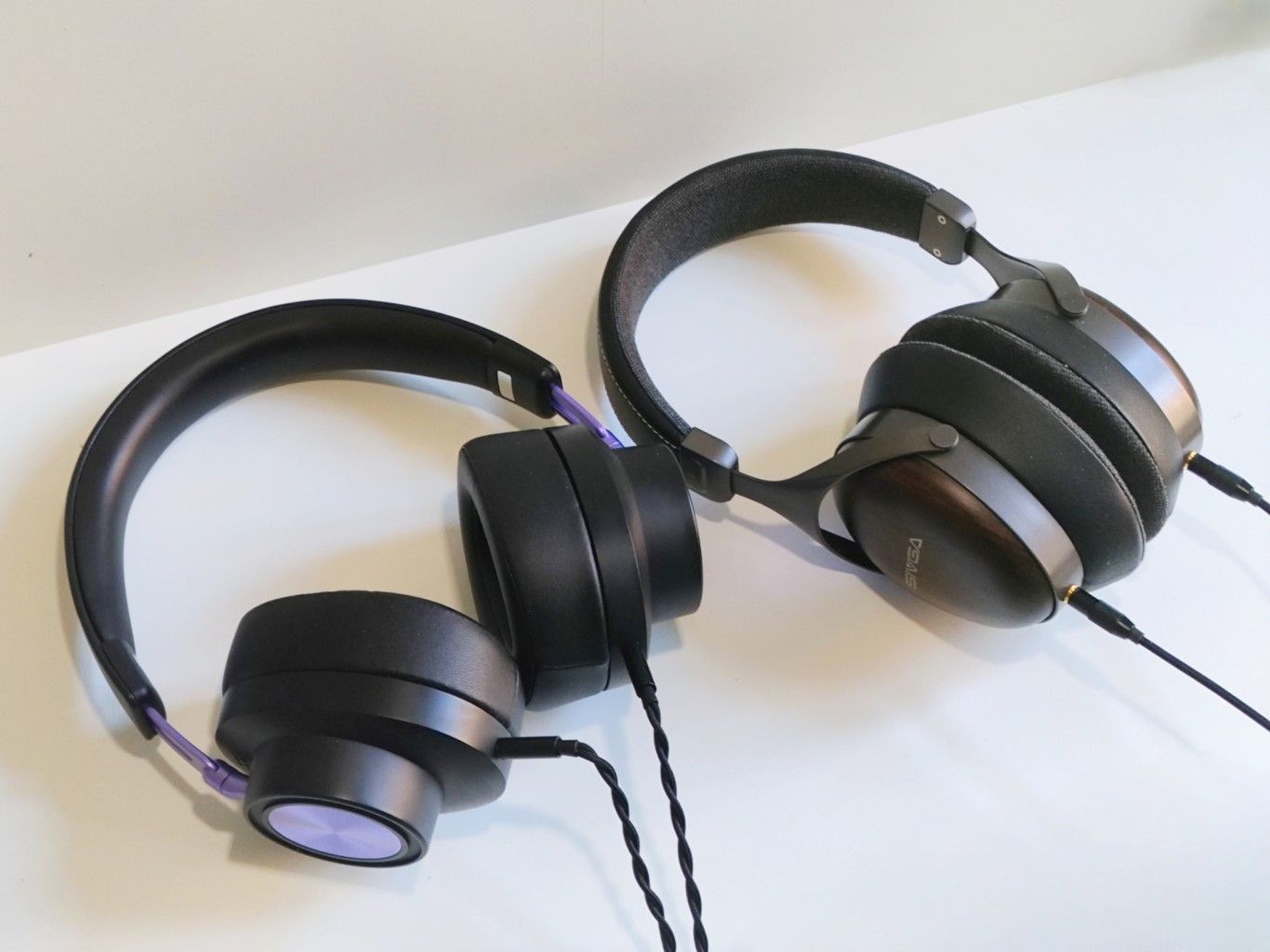
I did write a separate comparison review of the Serene vs SV021 Pro, but the Serene had not had the driver fixed before that comparison. Anyway, with or without the fix, they are very differently tuned.
The Serene has more and thicker bass, while the SV021 Pro is very tight and comparably restrained in quantity. The Serene has much darker and less prominent mids, while the SV021 Pro has a very upfront and often intense midrange. The treble is the most similar between the two. Before the Serene driver fix, the SV021 Pro offered significantly better bass detail. After the fix they are more comparable. Midrange and treble detail are quite similar.
Finally, the Serene is much more demanding of the amplifier and requires significantly more power to reach the same volume.
In conclusion, neither of these headphones is neutrally tuned, and they sound very different.
Full comparison here:
Sivga SV021 Pro vs Kiwi Ears Serene
- Amazon: Sivga S021 Pro
- Sivga store: Sivga SV021 Pro
- Aliexpress: Sivga SV021 Pro
FiiO FT1 vs KIWI EARS SERENE
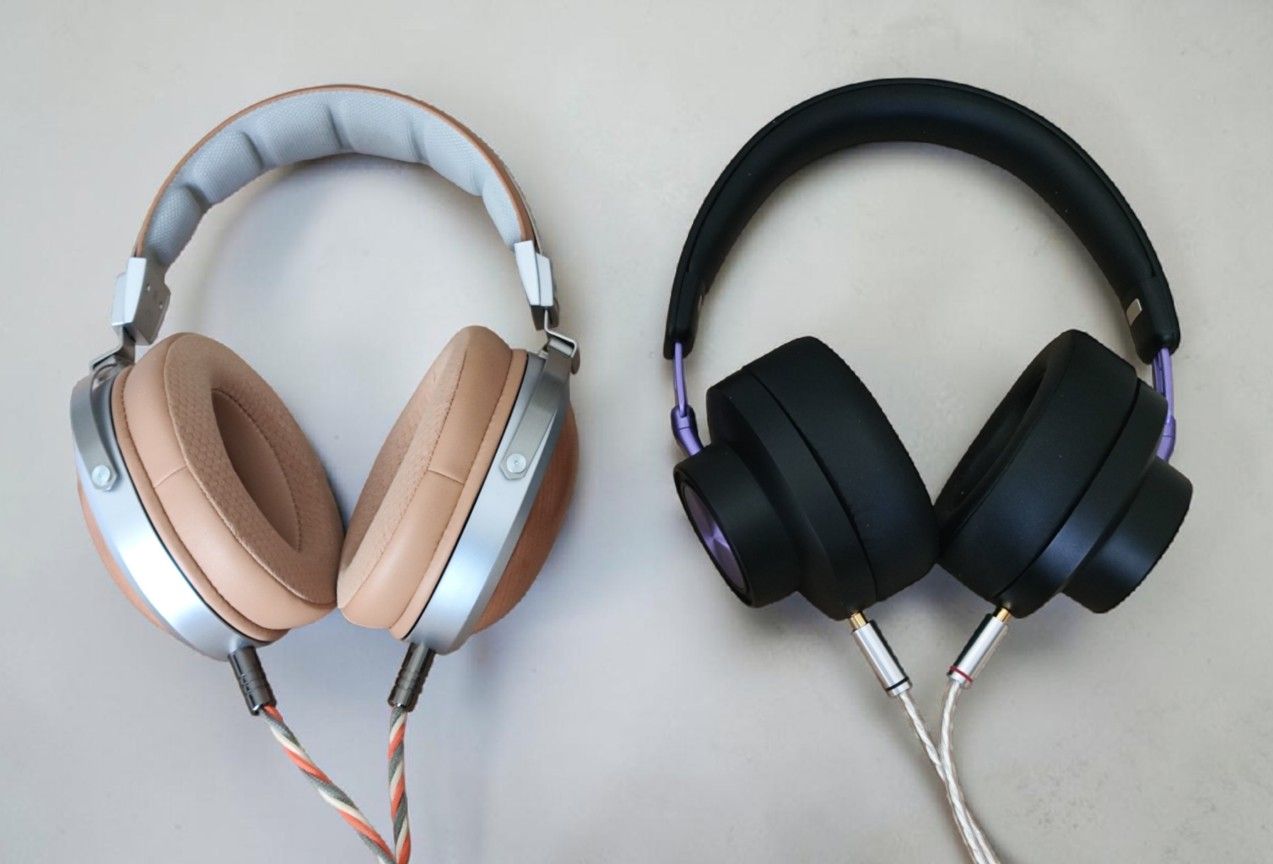
The FT1 is a full-size, wooden closed-back headphone with a dynamic driver. It is significantly larger than the Serene, making it less portable. The FT1 received a lot of positive reviews when released, and I contributed to the hype. The current price is 165 USD, the Serene typically is a bit cheaper.
I compared the Serene and FT1 using the RME ADI-2 DAC FS headphone output. The Serene had the driver fixed before this comparison.
Anyway, compared to the FT1, the Serene is consistently warmer, richer and more laid back, with notably stronger and thicker bass, darker and more recessed vocals, and a lusher overall presentation.
The FT1 leans much more neutral, with more upfront and sharper vocals, less warmth, and a crisper, more analytical character. Detail retrieval is generally better with the FT1.
In terms of tonal character, the FT1 sits between the Serene and the Sivga SV021 Pro, and is clearly the most neutral of the three.
My full FT1 review can be found here:
AMPLIFICATION
The Serene is picky on the amplifier.
I started out with my quite powerful Topping A90 amplifier, but discovered it gives significantly softer bass than my Violectric V222/V226 and Bryston BHA-1 (both ridiculously expensive compared to the Serene headphones…).
I don’t think it is about raw power alone, though, because I got decent results with a few DAC/amp dongles. Note that I used a third party cable and the balanced 4.4mm outputs.
First I tried Kiwi Ears’ own Allegro Pro. It has enough power to drive the Serene to more than adequate volume, but it does not sound as composed as the desktop amps. The Fosi DS3 also struggles a bit.
The Alpha XI1 ONIX sounds better and works quite well, actually. The xDuoo Link2 Bal2 tends to impress me, and again it sounds pretty good, not quite like the best desktop options but good enough.
Based on this, it is not impossible to use the Serene with portable gear and get good sound, but amplifier matching is clearly more important with the Serene than with most headphones.
CONCLUSION
The Serene is comfortable and in many ways capable closed-back headphone planar magnetic with a very distinct sound signature. The bass is rich and bold, the mids are polite and smooth, and the treble is clean and non-intrusive. It is not neutral, but I personally really like the tuning.
The technical audio performance is rather good, provided you do the following:
- Perform Z Reviews’ simple 5 minute driver tension fix as described above
- Find a good amplifier match
- Depending on the amplifier – possible get a balanced cable
I would really like to recommend this headphone, but it is hard to do so when it requires you to open it up yourself. Even if the fix is very easy, I cannot recommend it to anyone who is not willing to do it.
That said, I personally quite enjoy it, and if you like this kind of sound signature it may well be worth the hassle.
Thanks for reading. You can support us by purchasing anything using any of our affiliate links.
- Amazon: Kiwi Ears Z Serene
- Linsoul : Kiwi Ears Z Serene
- Kiwi Ears: Serene
Any purchase you make on Amazon, Linsoul , AliExpress or Audio46 with any of our affiliate links will give us a small provision at no cost to you.
We only get a provision for items that are not returned, so there’s no incentive for us to recommend something that’s not good.
Linsoul : Headphones, Earbuds, Wireless Earbuds, Desktop DAC/AMP, Portable DAC/AMP, Digital Audio Players,
Amazon: Headphones, IEMs, Headphone Amplifiers, Home Audio or Anything else.
.
If you enjoyed this article or other content on The Headphoneer, you might consider leaving a small donation to keep this website up and running. No donation is too small. Thanks for supporting us!

If you like our work please follow us on Instagram, Facebook and Twitter , it will help us grow. Sharing is caring 🙂