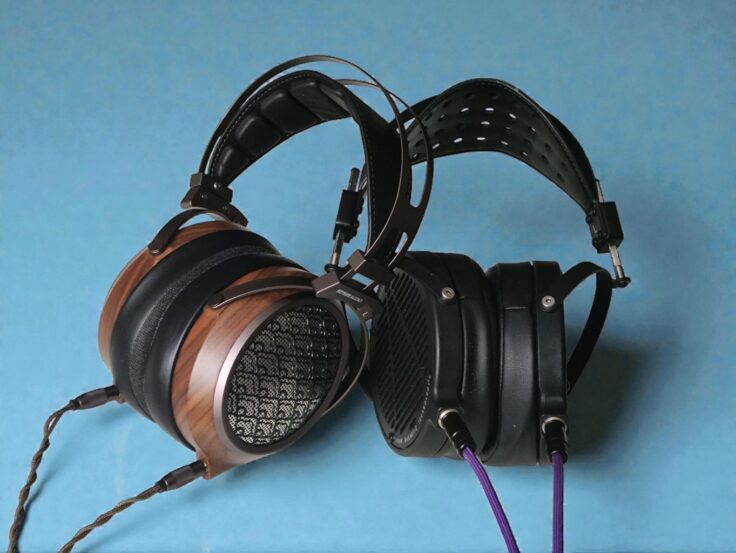


Superb build, rich midrange
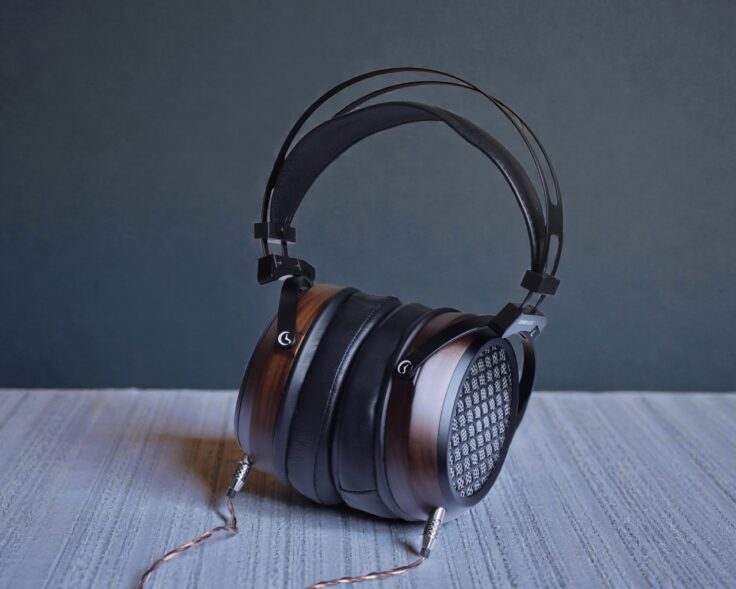
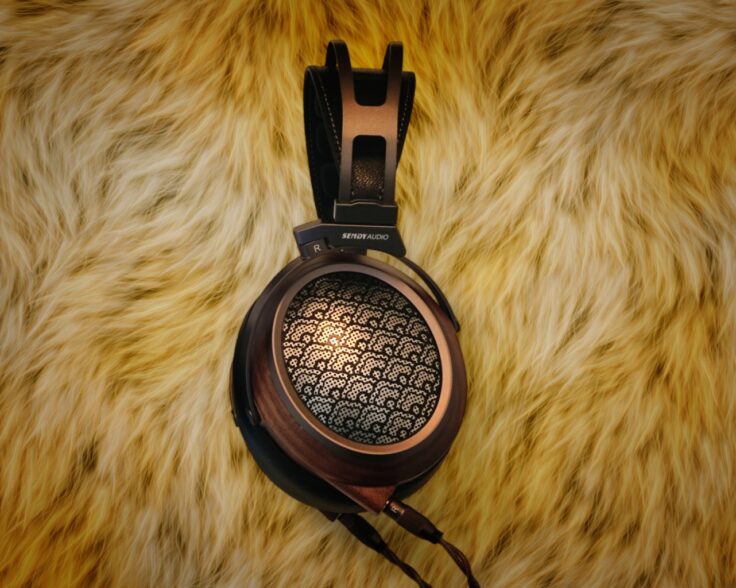
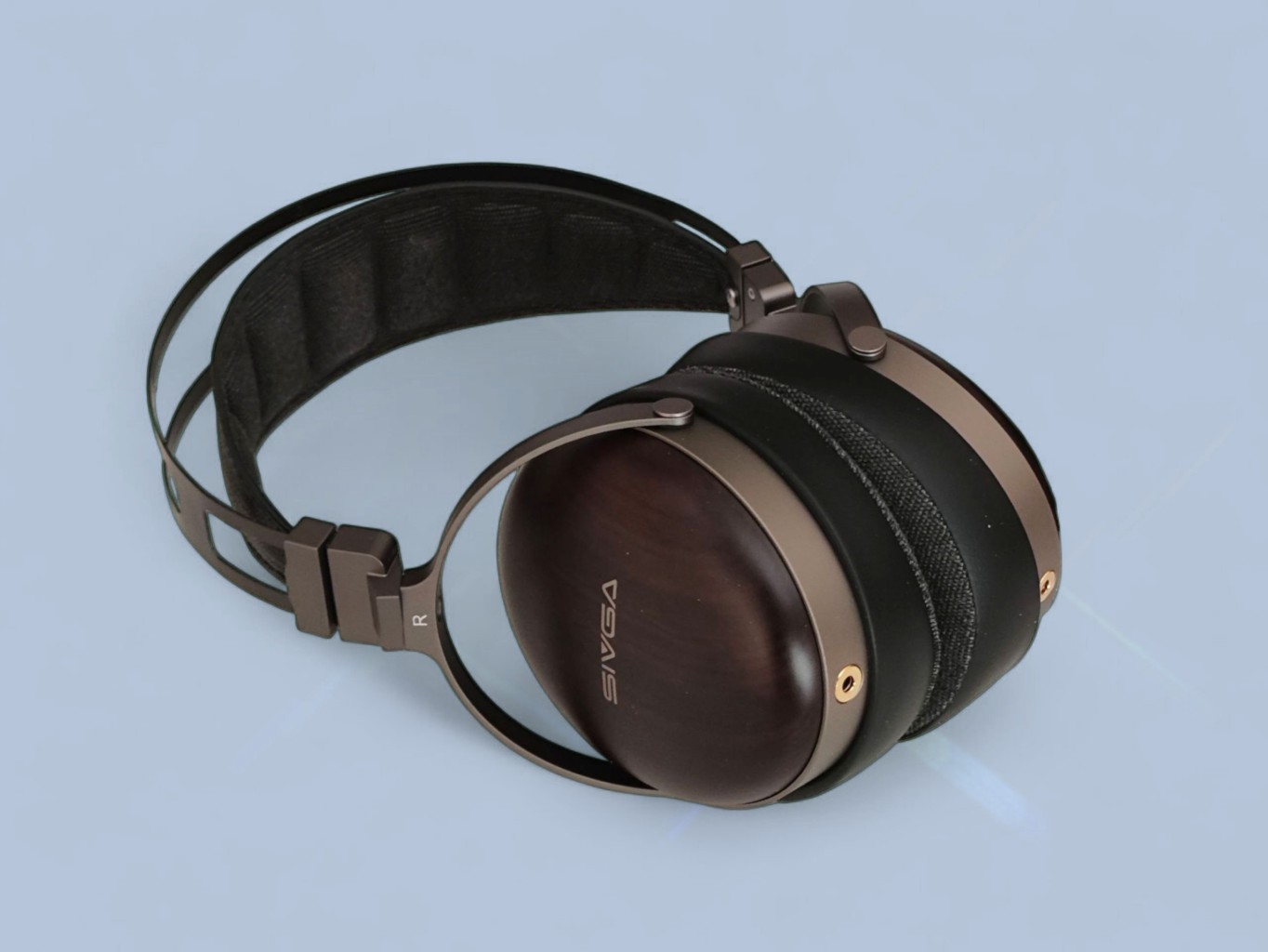
The Peng is Sivga’s newest closed-back headphone, featuring ear cups made from high-density African zebrawood. Inside the cups are the 50mm dynamic drivers with a well thought out suspension system. The diaphragm is made from a blend of liquid crystal polymers and sapphire.
Sivga Peng has a rather high impedance of 340 Ohms (not 34 as specified many places). I think the high impedance is a good thing, more on that later. The sensitivity is 102 dB and the price 499 USD before tax.
Sivga is a Chinese company based in Dongguan, established in 2016. While it initially lacked international presence, the brand has gained global recognition in recent years. They make primarily full size headphones, but also IEMs.
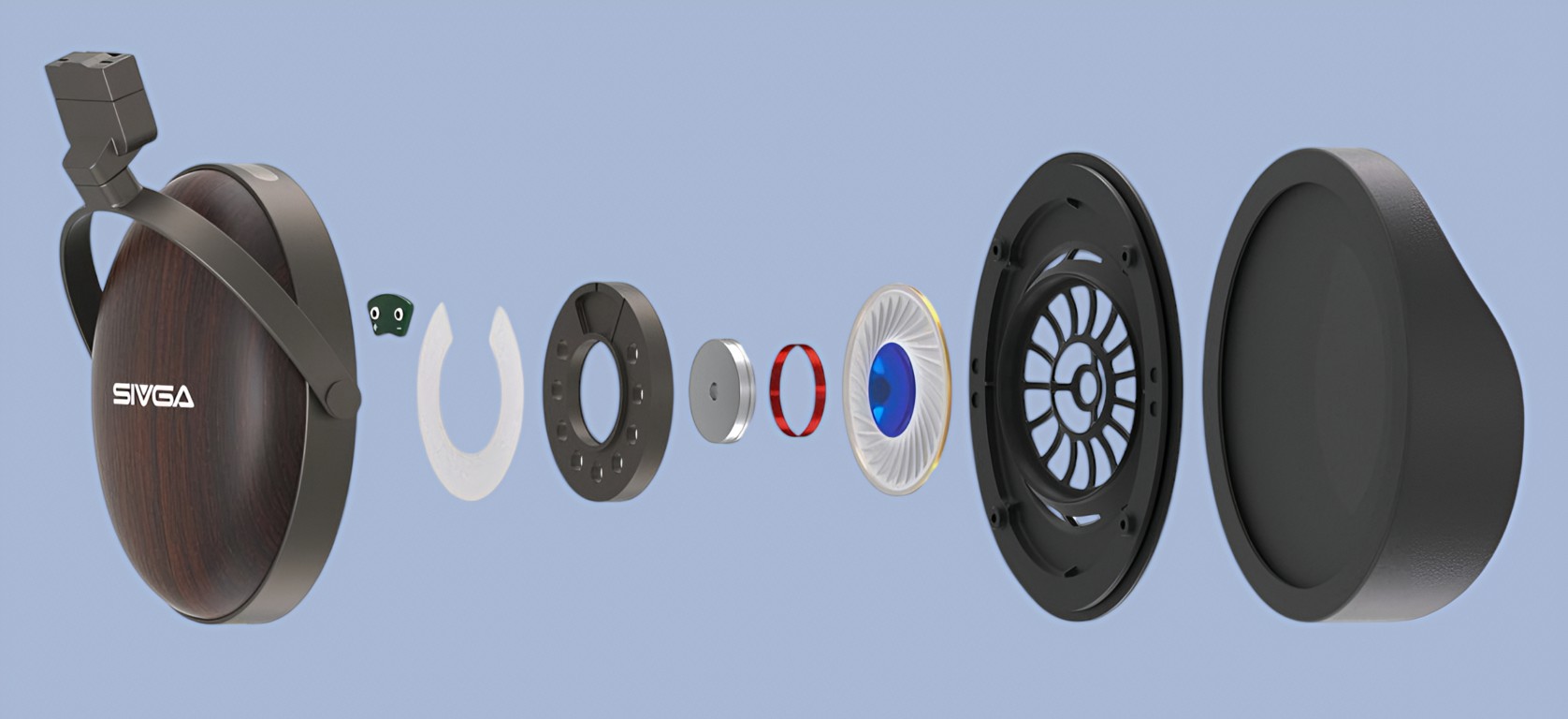
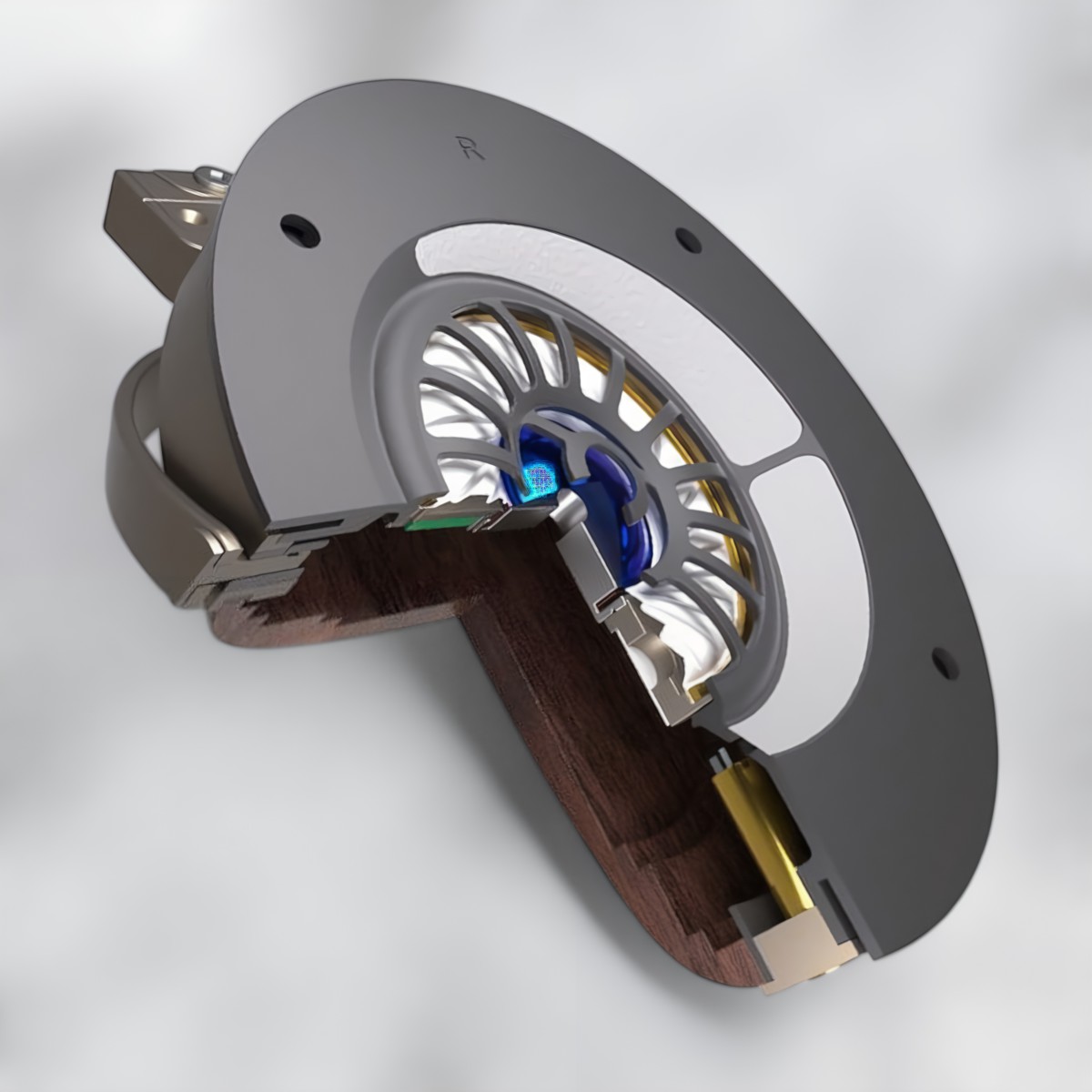
SIVGA PENG SPECIFICATIONS
- Closed back wooden headphones
- 50 mm Dynamic Driver
- Impedance: 340 Ohms ± 15 %
- Frequency Response: 20 Hz–40 kHz
- Sensitivity: 102 dB ± 3 dB
- Cable with 4.4mm jack and adapters
IN THE BOX
- Cable with 4.4 mm balanced termination
- Adaptor plug: 3.5mm to 6.35mm
- Adaptor cable 4.4mm to 3.5mm
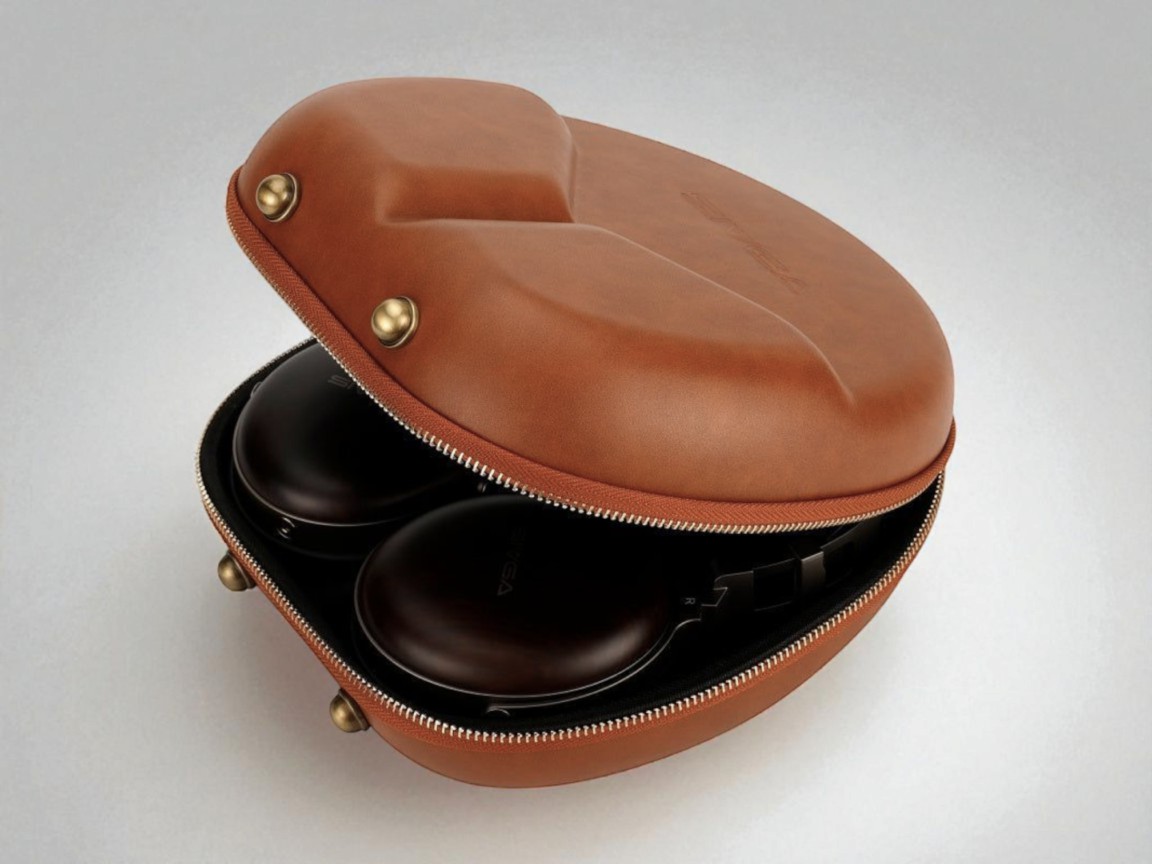
- Hemp carrying bag
- Carrying case
Current price and availability:
- Amazon: Sivga Peng
- Linsoul: Sivga Peng
- AliExpress: Sivga Peng
Disclaimer: Sivga provided the review sample free of charge in exchange for an honest review.
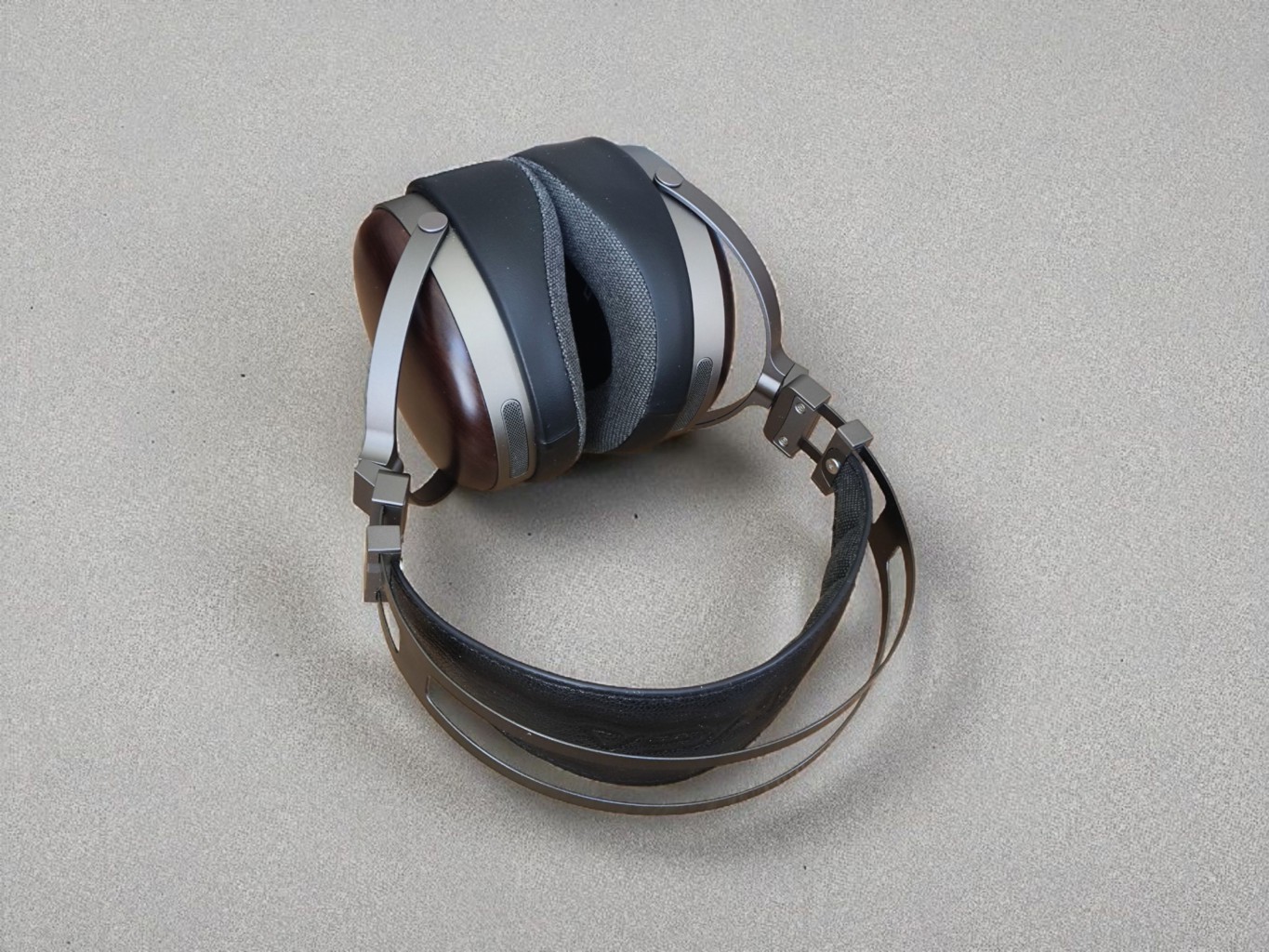
BUILD AND COMFORT
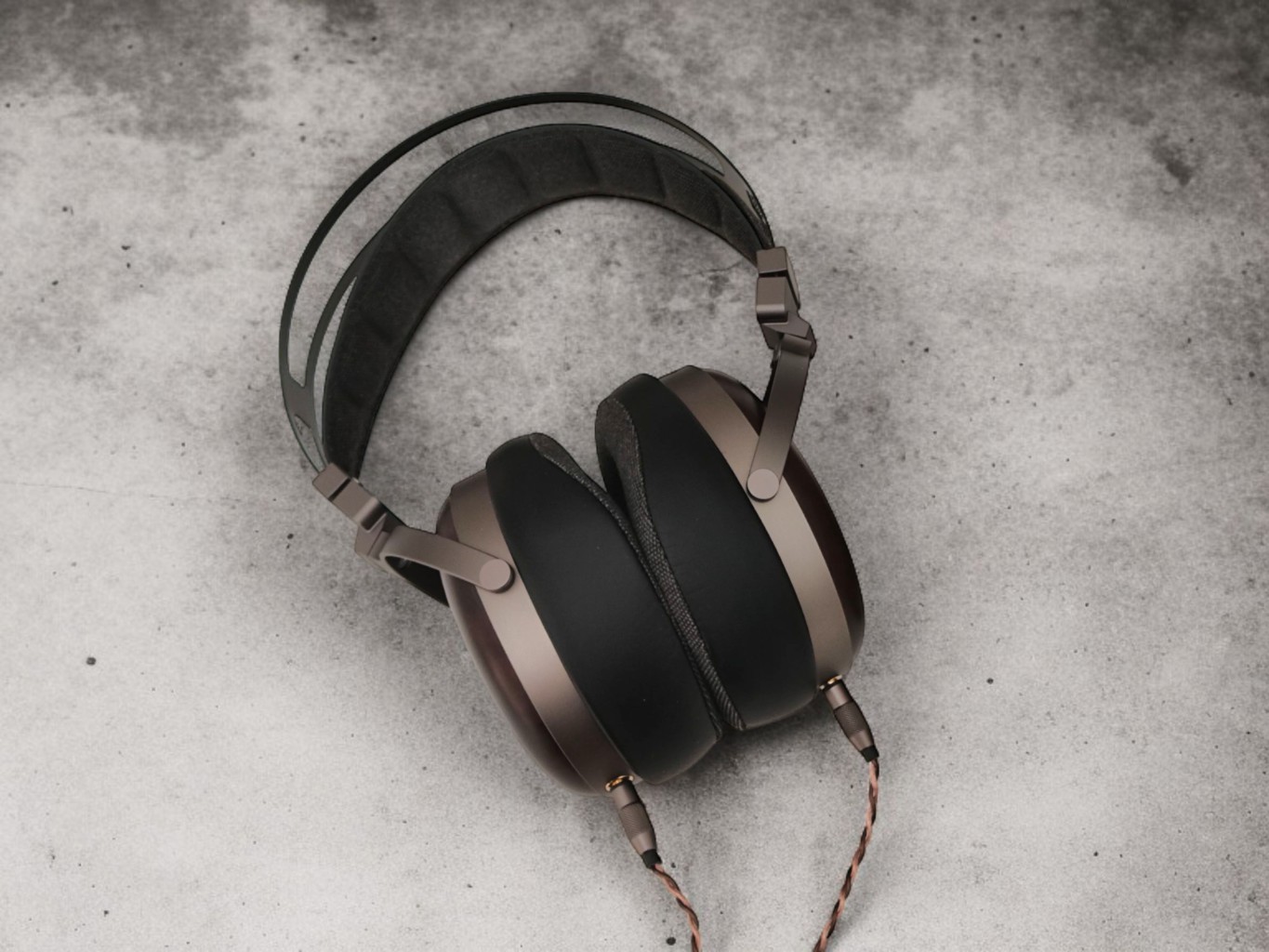
My favorite part of the Peng is the headband. Headband design and engineering are often unimpressive or straight out awful on headphones, but with the Peng, Sivga has really nailed it. In fact, I believe the Peng’s headband assembly is the best I’ve seen on any headphone to date.
Sivga uses the same or similar headband assembly on several of their headphones, which is something I hope they keep doing in the future.

The headband features an arc-and-strap design. A dual spring steel arc, highly flexible, provides the structural support, while the suspended strap ensures that the headphones rests comfortably on your head. The strap is made of lambskin on top, with a textile underside and light padding for added comfort. The strap can be adjusted up and down with sliders to accommodate different head sizes.
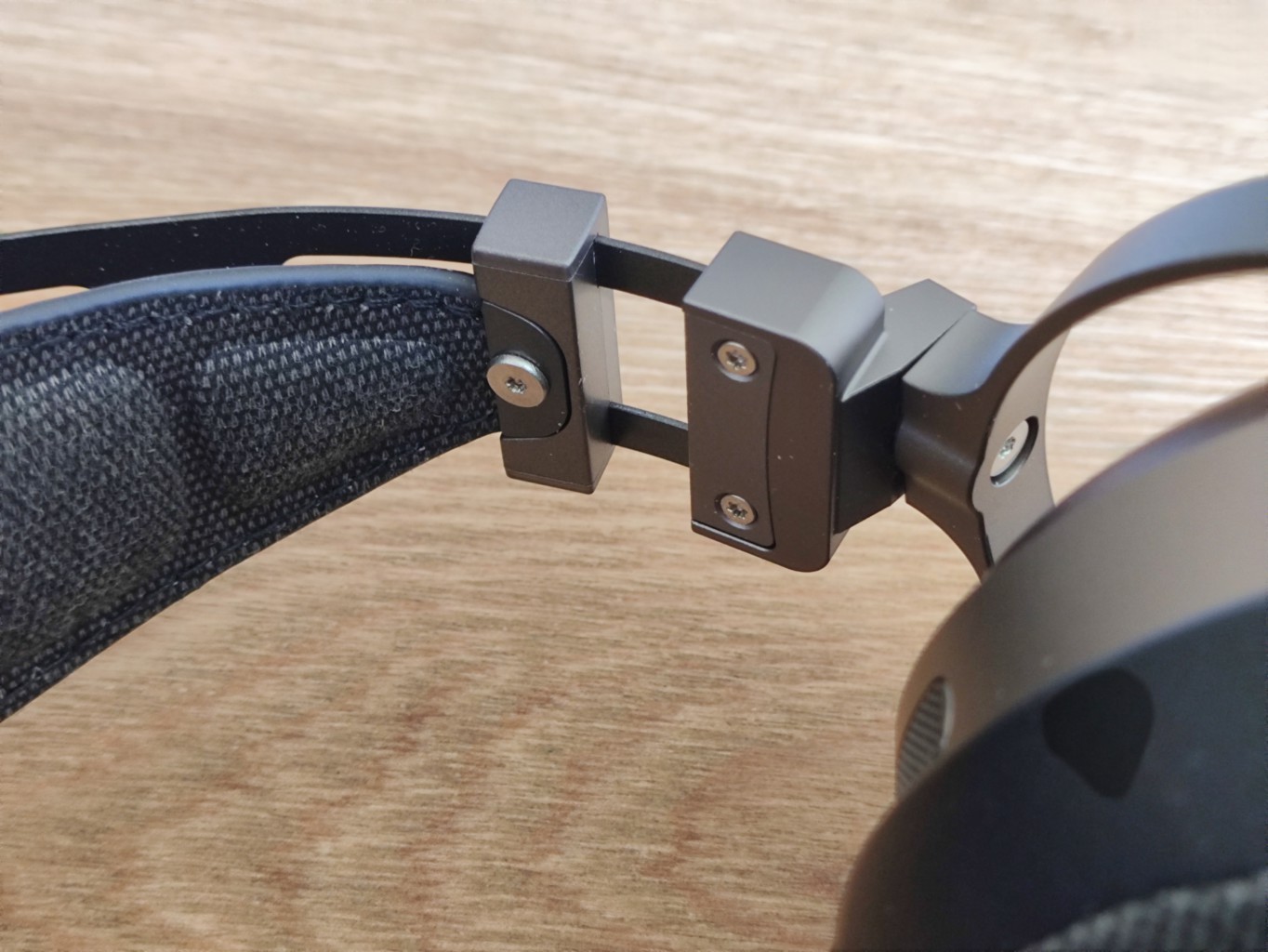
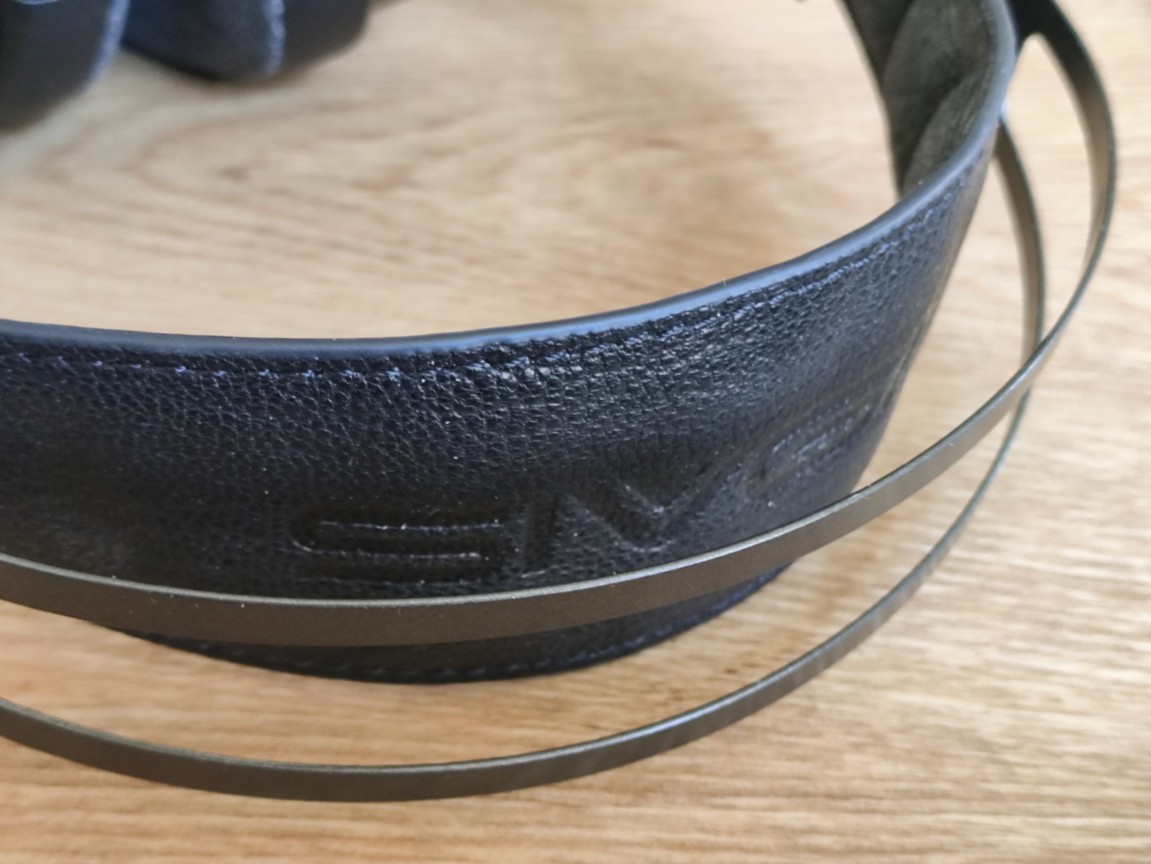
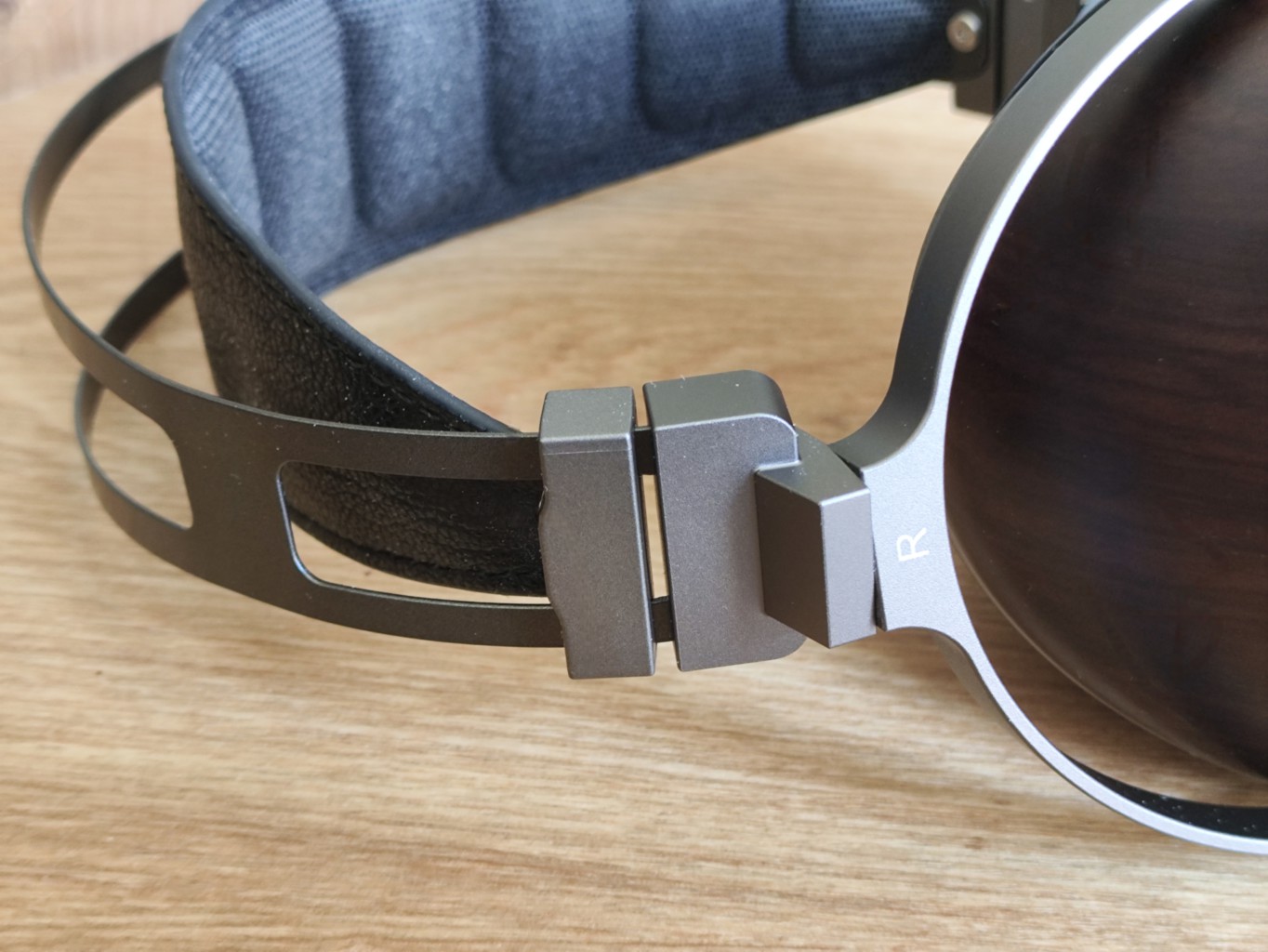
The headband assembly is entirely metal, with CNC-machined parts finished in a gunmetal-colored anodizing, which also goes for yokes and the ring surrounding the wooden cups. The yoke design allows the ear cups to rotate 180 degrees, providing compact storage and great swivel action.
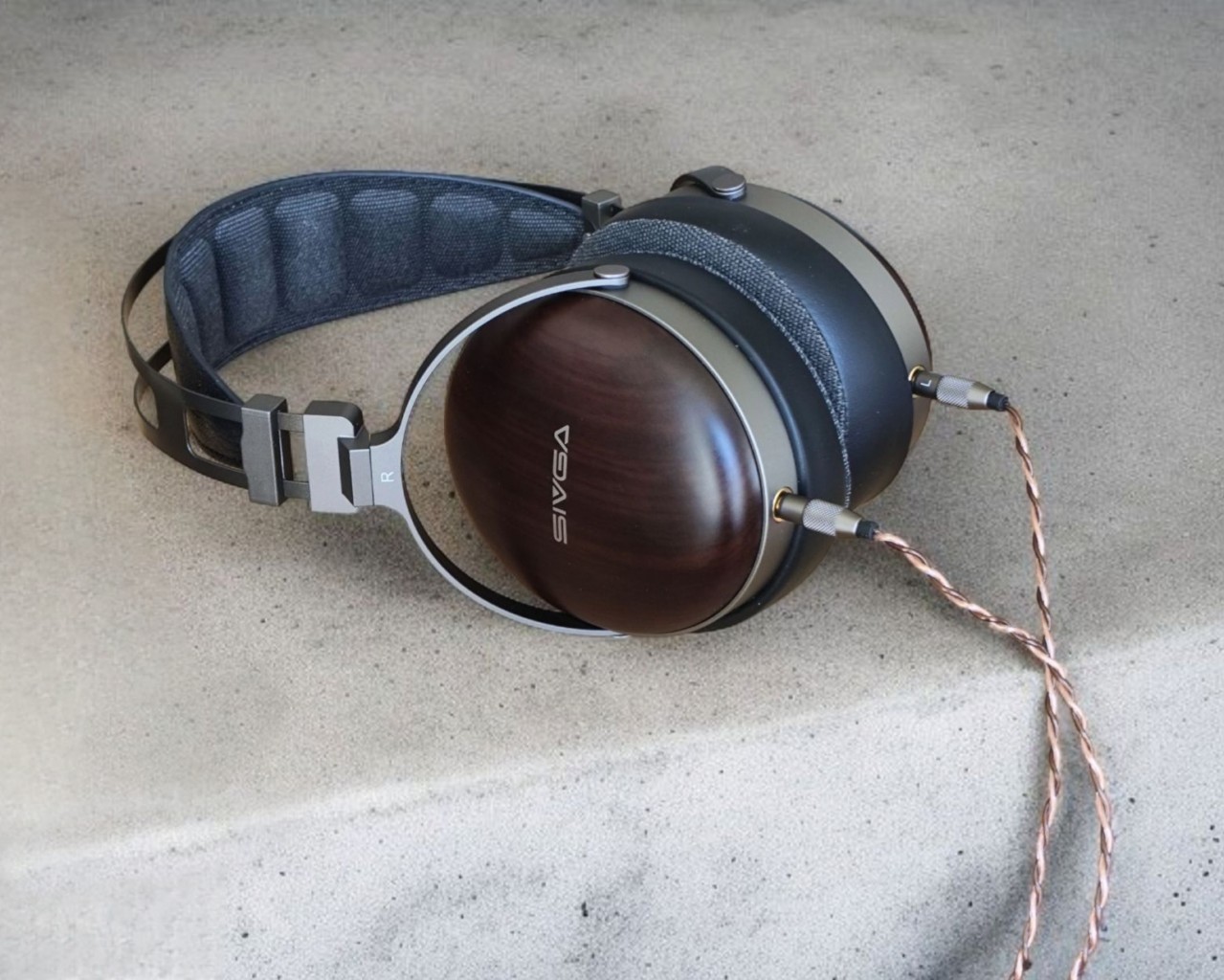
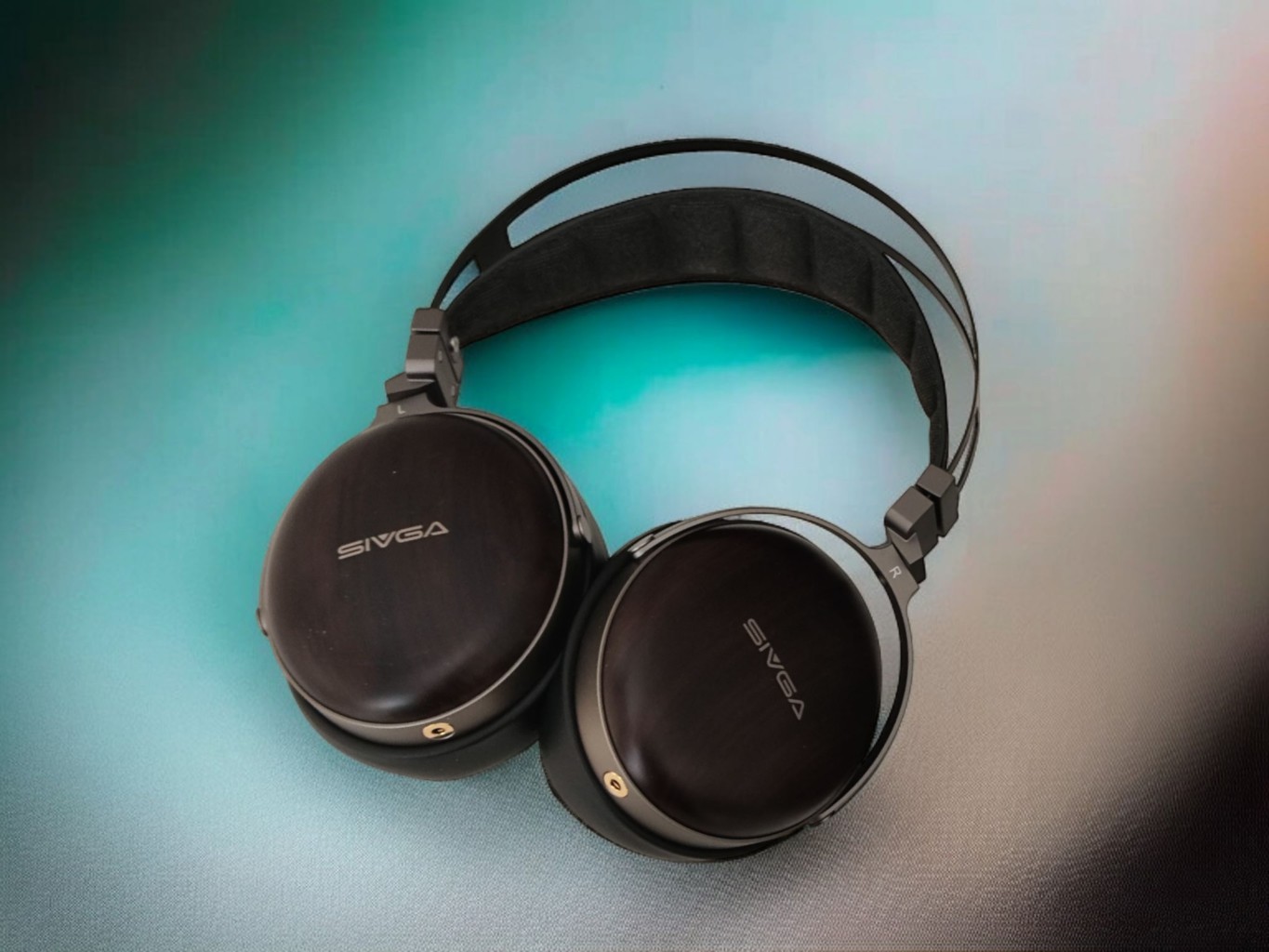
In every way, the Peng is a beautifully crafted headphone. The wooden cups, made of Zebrawood, are very nicely made with a smooth, polished, and subtly stained (coloured) finish. The cups are relatively flat compared to many competitors, making the overall design more compact—a definite advantage in terms of portability and comfort. There are top vents on the cups to promote airflow inside and avoid heat buildup. This might also be good for the durability of the driver.
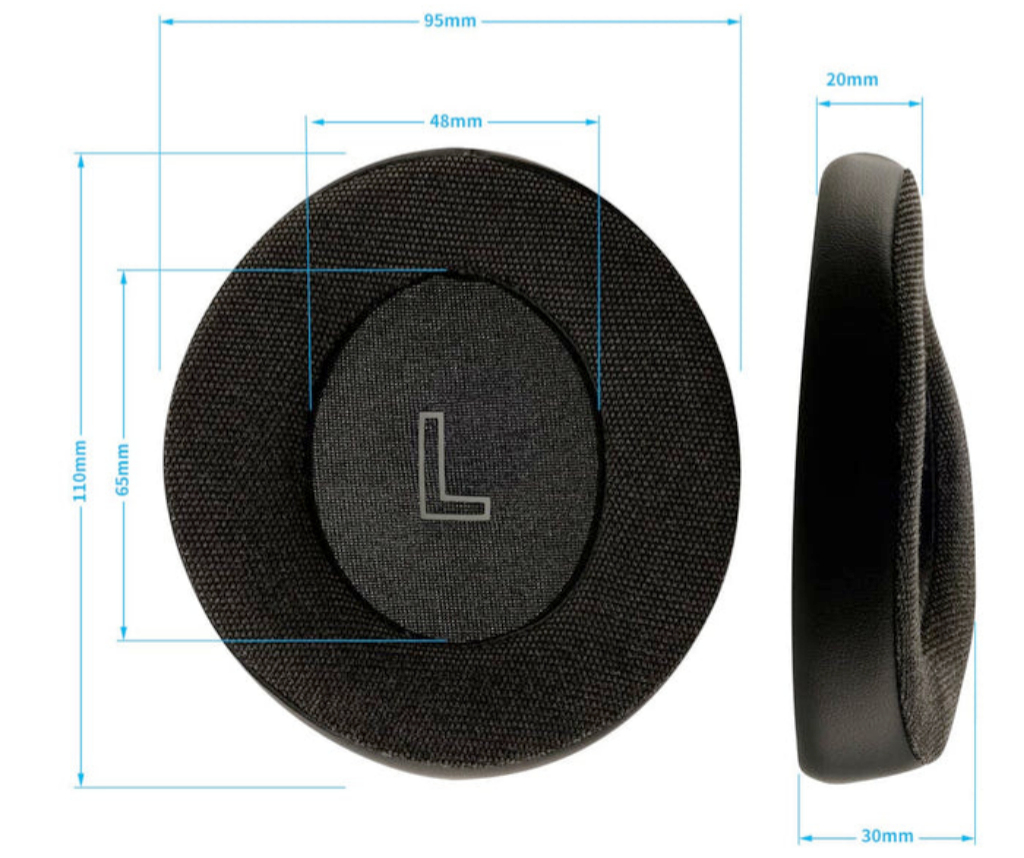
The pads are special and unlike anything I have seen before. They are ergonomically shaped to follow the contour of the typical skull better than standard straight or angled pads. I was a bit sceptical, but for me, they are very comfortable. The pads have textile on the face, which is very comfortable against the skin. There is protein leather on the outside and fenestrated protein leather on the inside. The pads use memory foam.
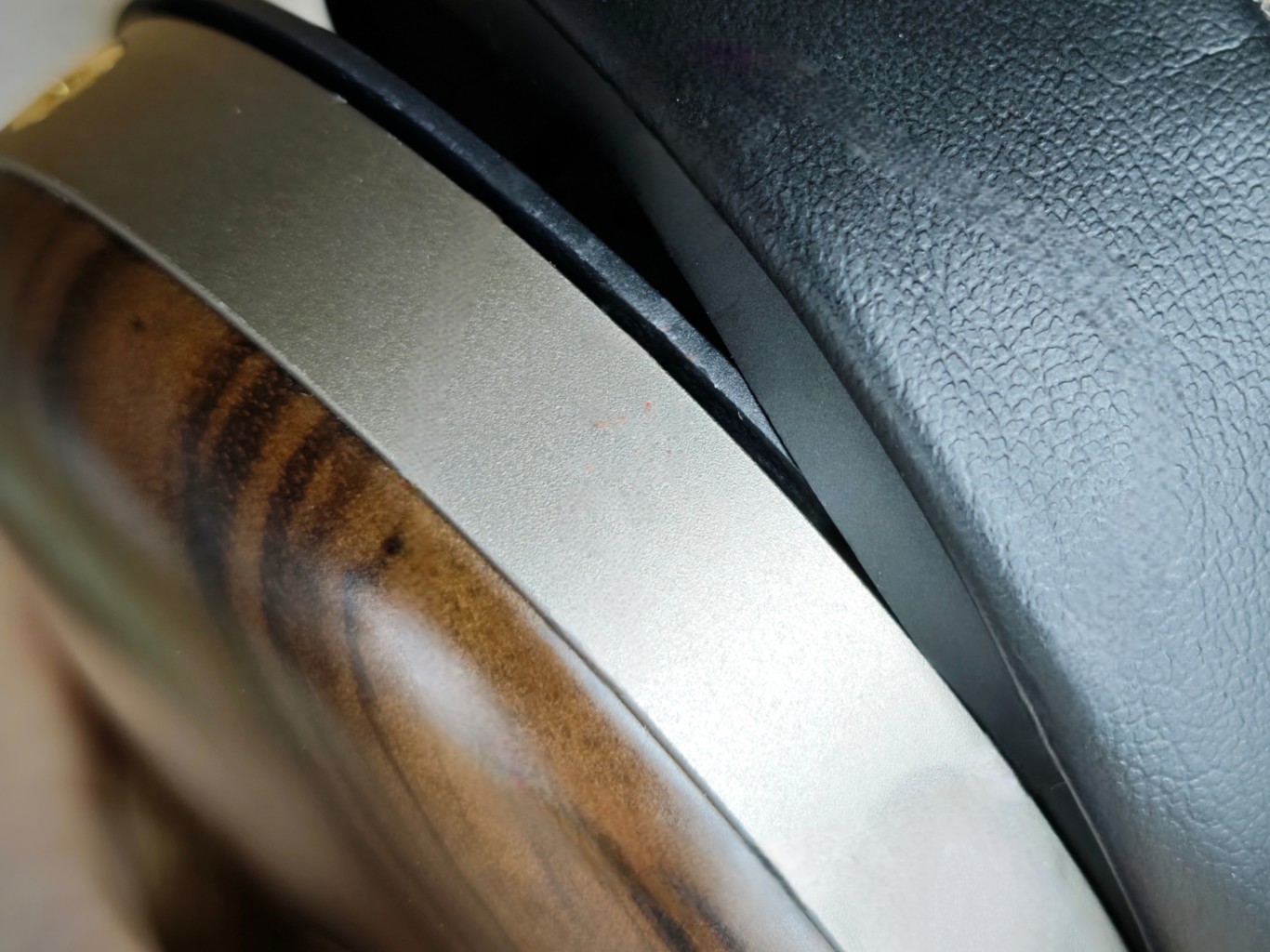
They are attached using a standard lip-and-groove design. The groove on the cups is very narrow, however, so if you want to try other pads, the lip needs to be very thin. Clear L/R markings inside each cup make orientation easy.
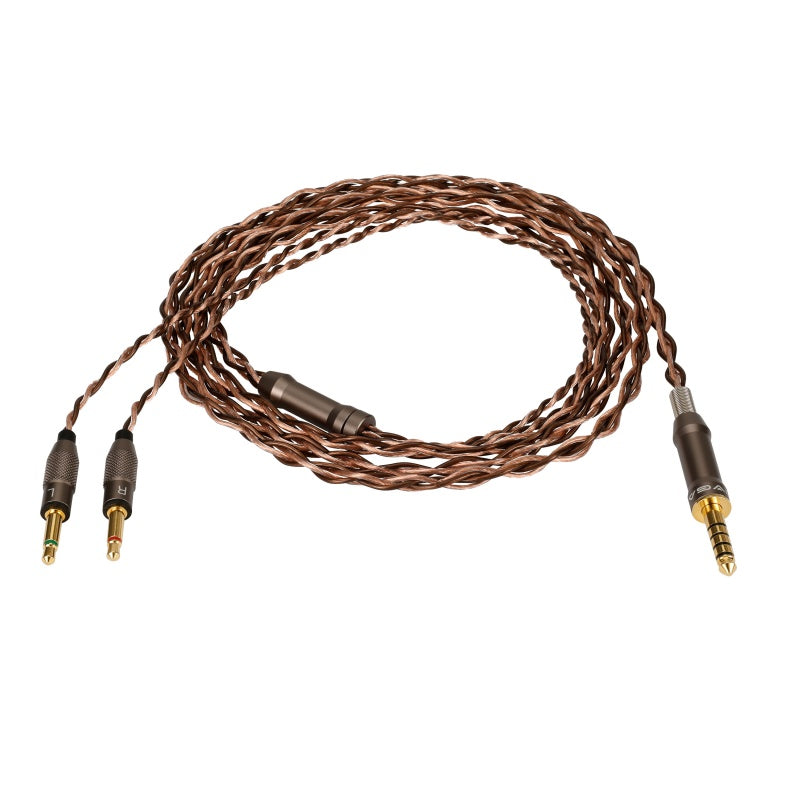
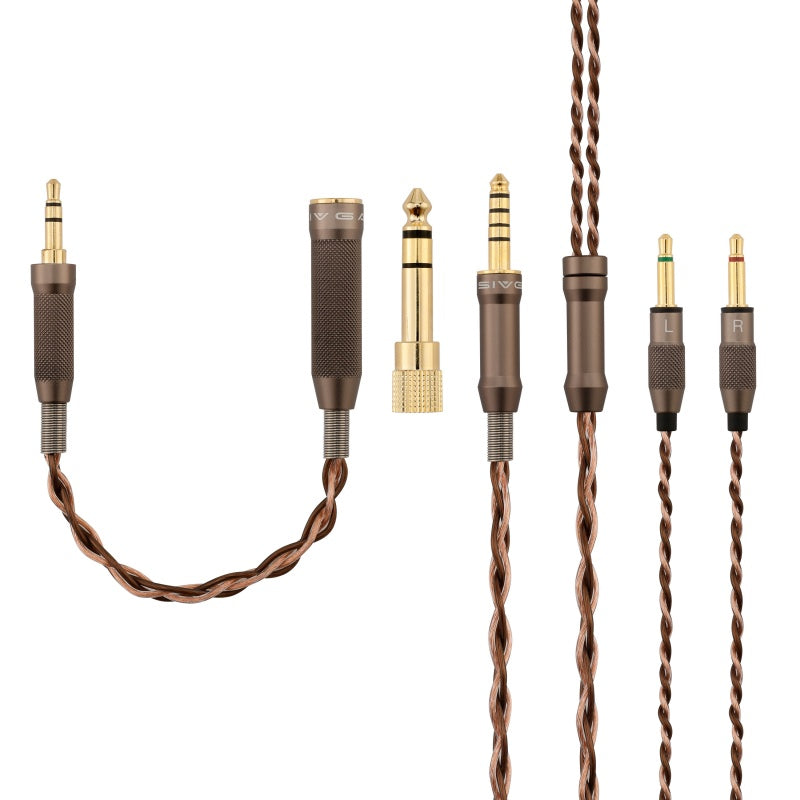
The Peng comes with a nice 1.8-meter, 6N oxygen-free copper (OCC) cable, with 3.5 mm plugs on the headphone side and a 4.4 mm balanced jack on the amplifier side. Adapters for 3.5 mm and 6.35 mm amps are supplied, but as always with dongles and adapters, it can become a bit bulky. I’d strongly prefer if Sivga had supplied n extra cable with 3.5 mm jack, instead of the 4.4 to 3.5 mm adapter cable.
That said, at least it’s nice to have the option to use other cables, which are widely available thanks to the 3.5 mm headphone connectors.
If you need a 4.4 mm to XLR adapter, I recommend this from FiiO: FiiO LX-4.4M
LISTENING IMPRESSIONS
Tremors In The Static by Vega Trails
This is a standout contemporary jazz album, featuring dreamy, subdued, and melodious tracks. The double bass provides a constant, grounding presence, while the selection of saxophones, flute, or clarinet shifts from piece to piece.
The Sivga Peng handles the recording beautifully—the double bass comes through with a well-balanced mix of power and detail, with no nasty resonance issues. Wind instruments sound airy and refined. For a closed-back headphone, the soundstage is quite spacious, and the imaging is good.
The Sun Always Shines on TV – MTV Unplugged by a-ha
The vocals are very upfront, warm and bold. They have a very nice timbre and there’s great nuance. Soundstage and imaging is good. The piano is clear and crisp.
Rocket Man by Bob James Trio
The double bass has a strong presence without sounding uneven. The piano is clear and naturally crisp, and the percussion comes through with good snap. The soundstage feels reasonably spacious, and the imaging is precise and well-defined.
Aquela Muhler by Vinicius Cantuaria
The bass has good texture and is noticeable without being overpowering. Vocals are smooth yet stand out clearly in the mix, with the guitar even more prominent. Instrument separation is good.
New Life Baby Paris by Mala
The percussion is sharp and lively, with excellent instrument separation throughout. The bass is well balanced—present without overpowering—and extends nicely, offering good texture.
Summer 3 Vivaldi Recomposed by Max Richter
This piece sounds quite intense. The strings carry an upfront, warm, slightly thick, and rounded tone, leaning more toward smoothness than crispness or fine texture. The overall presentation feels very dynamic.
Rocket Man by Bob James Trio
The piano has a nice timbre, and the percussion is snappy. The bass is well-present, slightly rounded, and bold. The overall delivery feels quite spacious.
As Before by Olga Konkova
The cajón bass drum offers good detail, but the piano dominates with an intense and upfront presence. Vocals are smooth and warm, featuring a very pleasing tonality.
It Could Be Sweet
The Peng isn’t a bass-heavy headphone, but it isn’t bass light either. It provides sufficient bass with good quality and extension. Vocals are smooth and mellow, with gentle sibilance.
Escape Route by Boris Blank
The bass extends well without being overpowering. Instruments are well separated. Trumpets have a warm, bold tone that’s also crisp and energetic. Percussion is notably snappy.
Spontaneous Compositorius by Thomas Agergard
The saxophone has a very pleasing timbre. Percussion feels spacious and is neither overly crisp nor bright, yet remains delicate and detailed. The bass is textured with audible resonances, giving it a lively, vibrant quality.
WRAPPING IT UP
Sound Signature
Overall, I find the Peng to have a fairly neutral sound. The treble is pleasant and slightly relaxed, the midrange is generally forward, and the bass is well balanced and extended, rolling off smoothly without dropping out entirely.
A closed-back headphone—especially one with wooden cups—will naturally introduce some resonance that adds character to certain frequencies. This coloration is often part of their appeal. In the case of the Peng, there’s nothing unpleasant that stands out, but some parts of the midrange feel extra intense, mostly it’s a good thing. Overall, it sounds detailed, natural, and very enjoyable.
Treble
The treble is smooth, balanced, and easy on the ears. It’s a bit laid back and never overly sharp or crisp, sibilance is seldom a problem. While it may not deliver the most vivid or detailed highs, it matches the other frequency areas well and is cohesive.
Midrange
The midrange is upfront, warm and sometimes a bit intense, depending on the dominant frequencies. Occasionally, as is the case with all closed backs, it might feel a bit off on certain elements on certain songs, but mostly I find it to sound very natural and delicate.
Bass
The bass is pretty clean and integrates smoothly with the rest of the frequency range. It’s well balanced, with solid presence in the mid-bass, while gradually rolling off in the lowest registers. It certainly doesn’t vanish entirely, but the sub-bass is less pronounced. In general, though, the bass offers good presence, texture, and clarity.
Soundstage and Imaging
For a relatively compact closed-back headphone, the soundstage is reasonably spacious and the imaging is quite accurate. It’s solid overall, though not revolutionary for its price.
Detail, Dynamics, and Timbre
I find the Peng delivers a good level of detail across the entire frequency range and maintains a coherent overall presentation. Dynamics are solid, though both macro- and microdynamics are about what you’d expect from a well-performing headphone in this price range – not exceptional, but certainly competent.
COMPARISONS
Associated equipment:
- Amplifier: Topping A90
- DAC: RME ADI-2 DAC FS
FiiO FT1 vs SIVGA PENG
FiiO really shook up the headphone community with the launch of the excellent FT1 last year, priced at only $149. I was among those who contributed to its hype, and I still regard it to be a giant killer. Like the Peng, the FT1 is a wooden closed back with a 50 mm dynamic driver.
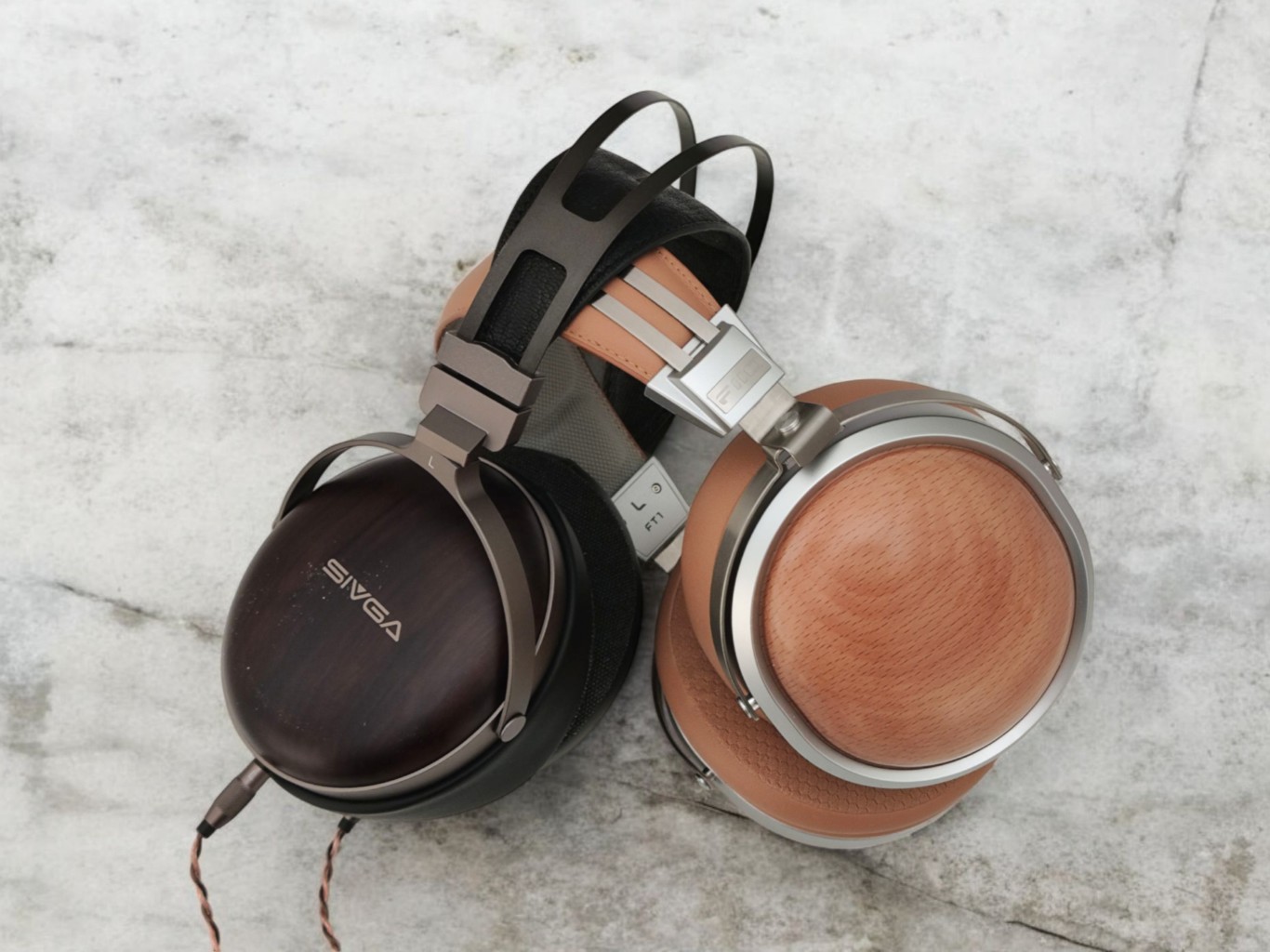
In terms of raw technical performance, I find the FiiO FT1 and the Sivga Peng very comparable, with similar detail retrieval and imaging capabilities. The Peng often sounds a bit thicker and darker, featuring a more upfront, rich midrange. The FT1 offers a larger, airier sound with deeper bass and a drier, slightly recessed midrange. Overall, both are great headphones. While the FT1 delivers the best value, the Peng offers a different tuning and, importantly, superior build and comfort.
Full comparison here:
SIVGA PENG vs FiiO FT1 Comparison Review
DENON D5200 vs SIVGA PENG
The Denon D5200 is typically priced a bit higher than the Peng, and the two share several key similarities. Both are closed-back, over-ear headphones featuring Zebrawood ear cups and 50mm dynamic drivers.

When comparing the Sivga Peng and the Denon D5200, their performance and tonality are quite similar, with the D5200 having a bit more midbass presence and also a more powerful subbass. Both offer a warm, dynamic sound with a solid level of detail. While they don’t sound exactly the same, I don’t have a clear preference for one over the other in terms of audio quality or tuning. However, the Peng stands out in terms of comfort, build quality, and durability—and depending on your region, it may also offer better value.
Full comparison here:
DENON D5200 vs SIVGA PENG Comparison Review
- Amazon: Denon AH-D5200
AMPLIFICATION
I primarily used the Topping A90, with additional testing on the Monolith THX AAA 887, Schiit Magni Heretic, Lehmann Black Cube Linear, and the high-end Bryston BHA-1. All proved excellent within their price tiers. The A90 and THX AAA 887 offered comparable performance, while the Magni Heretic lagged slightly behind.
The pairing with the Bryston BHA-1 was excellent. It elevated the headphone noticeably—tighter bass, greater clarity, and improved dynamics. While not a night-and-day transformation, the sum of these subtle enhancements made a significant difference.
However, the less expensive Lehmann Black Cube Linear delivered a similarly impressive result. Designed primarily for high-impedance headphones, it paired admirably, offering excellent tone, control and clarity.
In conclusion, the Peng scales well with high-quality upstream gear and responds differently to different amplifiers.
CONCLUSION
The Sivga Peng is an exquisitely crafted headphone that feels both premium and durable. Its sound signature leans warm yet remains well-balanced, with a focus on the midrange rather than the deepest sub-bass. In terms of sound quality, it delivers what you’d expect at this price point—but when it comes to build quality, the Peng puts many top-of-the-line headphones to shame.
The Sivga Peng is a strong contender in the closed-back headphone market, offering excellent craftsmanship, great comfort, and solid sound quality – all of which should give it broad appeal among a wide range of listeners.
Thanks for reading. You can support us by purchasing anything using any of our affiliate links.
Current price and availability:
- Amazon: Sivga Peng
- Linsoul: Sivga Peng
- AliExpress: Sivga Peng
Any purchase you make on Amazon or Linsoul with any of our affiliate links will give us a small provision at no cost to you.
We only get a provision for items that are not returned, so there’s no incentive for us to recommend something that’s not good.
Linsoul : Headphones, Earbuds, Wireless Earbuds, Desktop DAC/AMP, Portable DAC/AMP, Digital Audio Players,
Amazon: Headphones, IEMs, Headphone Amplifiers, Home Audio or Anything else.
.
If you enjoyed this article or other content on The Headphoneer, you might consider leaving a small donation to keep this website up and running. No donation is too small. Thanks for supporting us!

If you like our work please follow us on Instagram, Facebook and Twitter , it will help us grow. Sharing is caring 🙂