
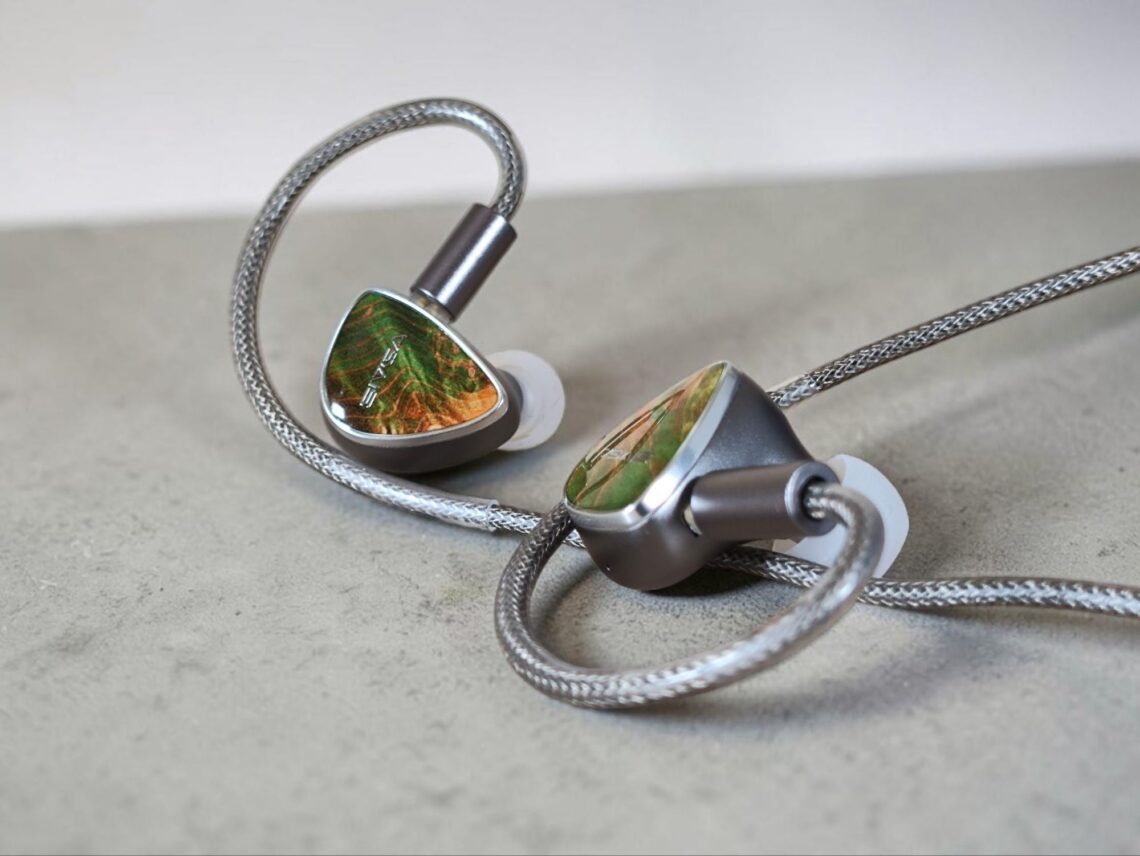
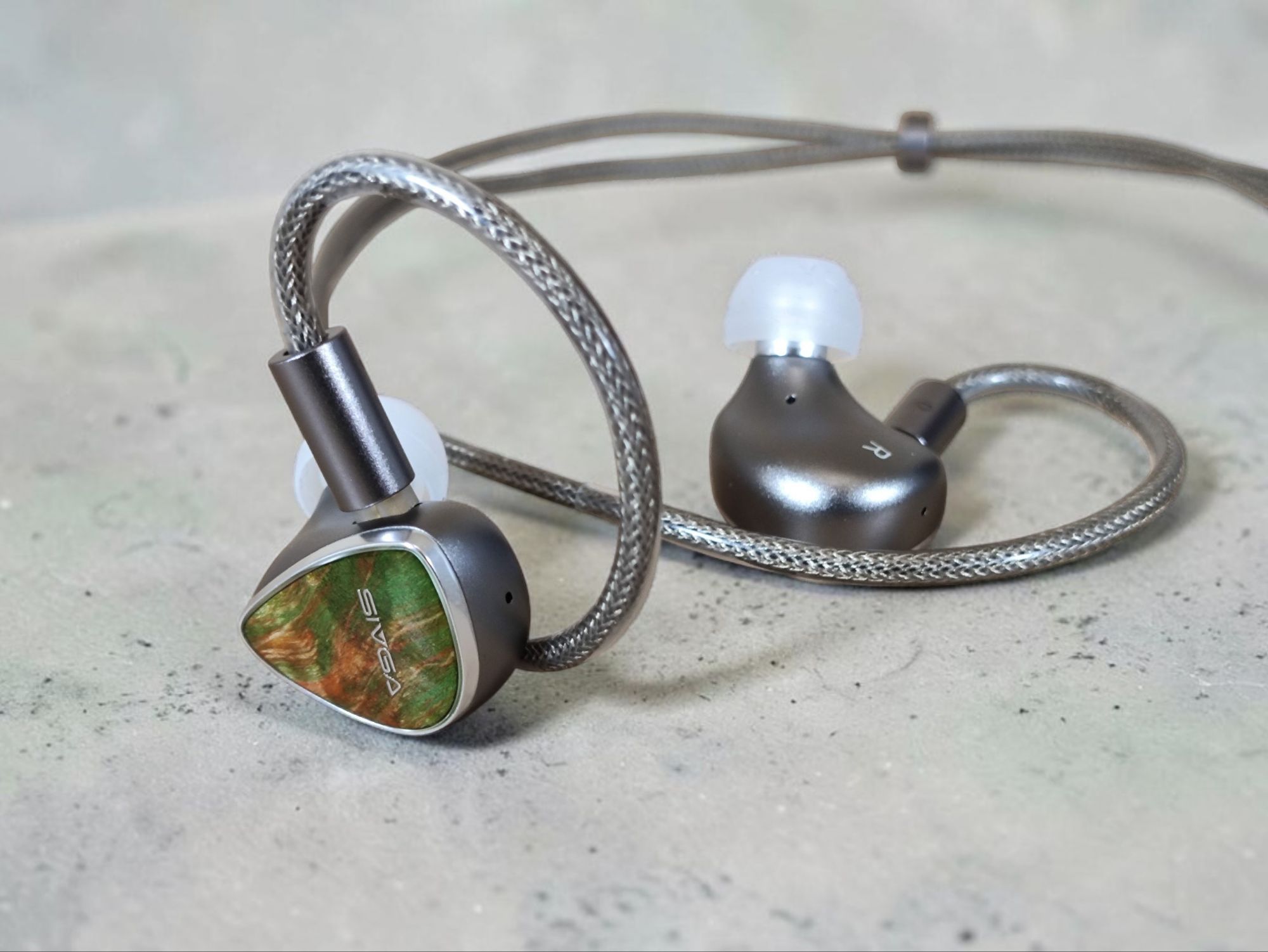
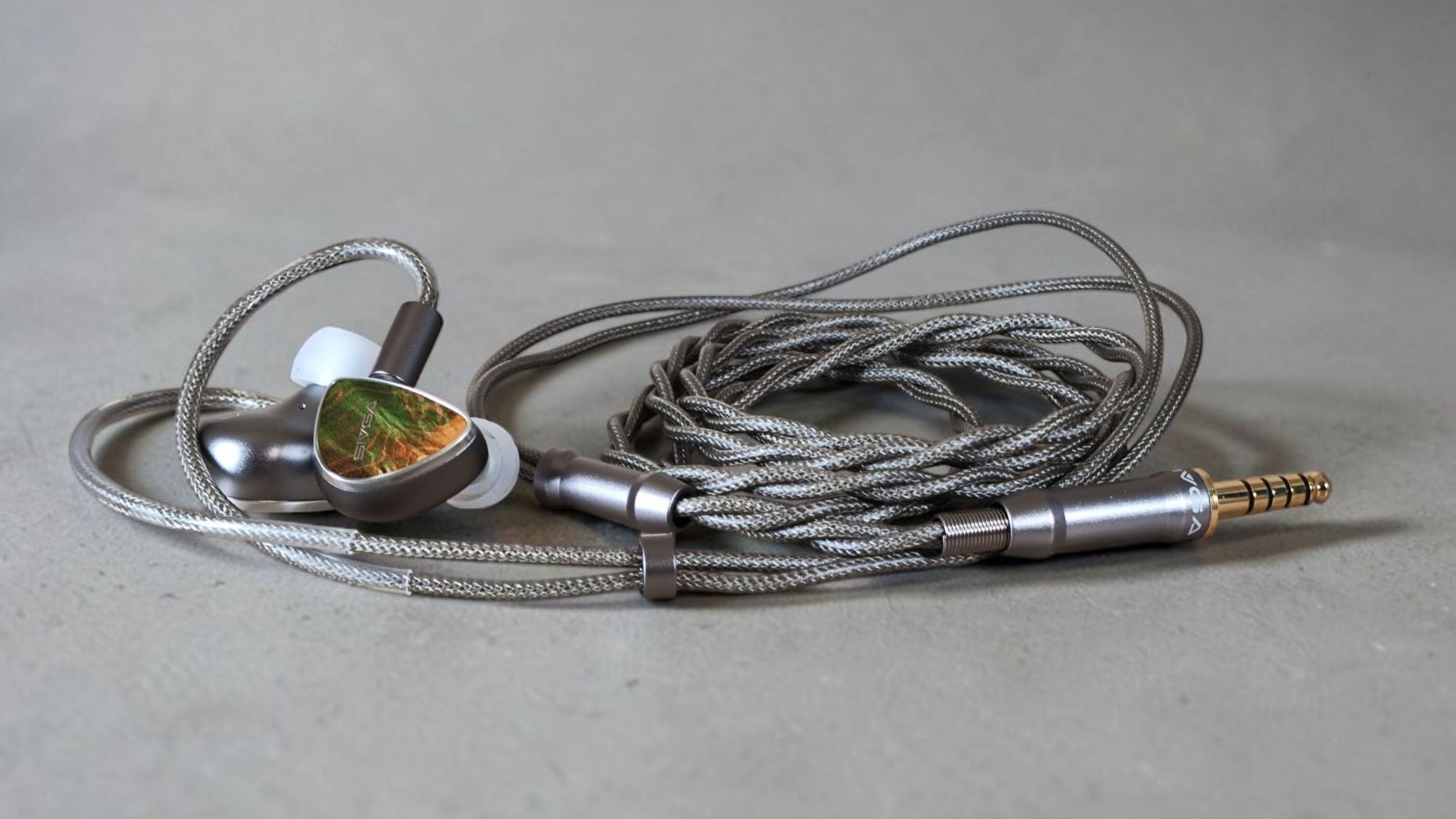
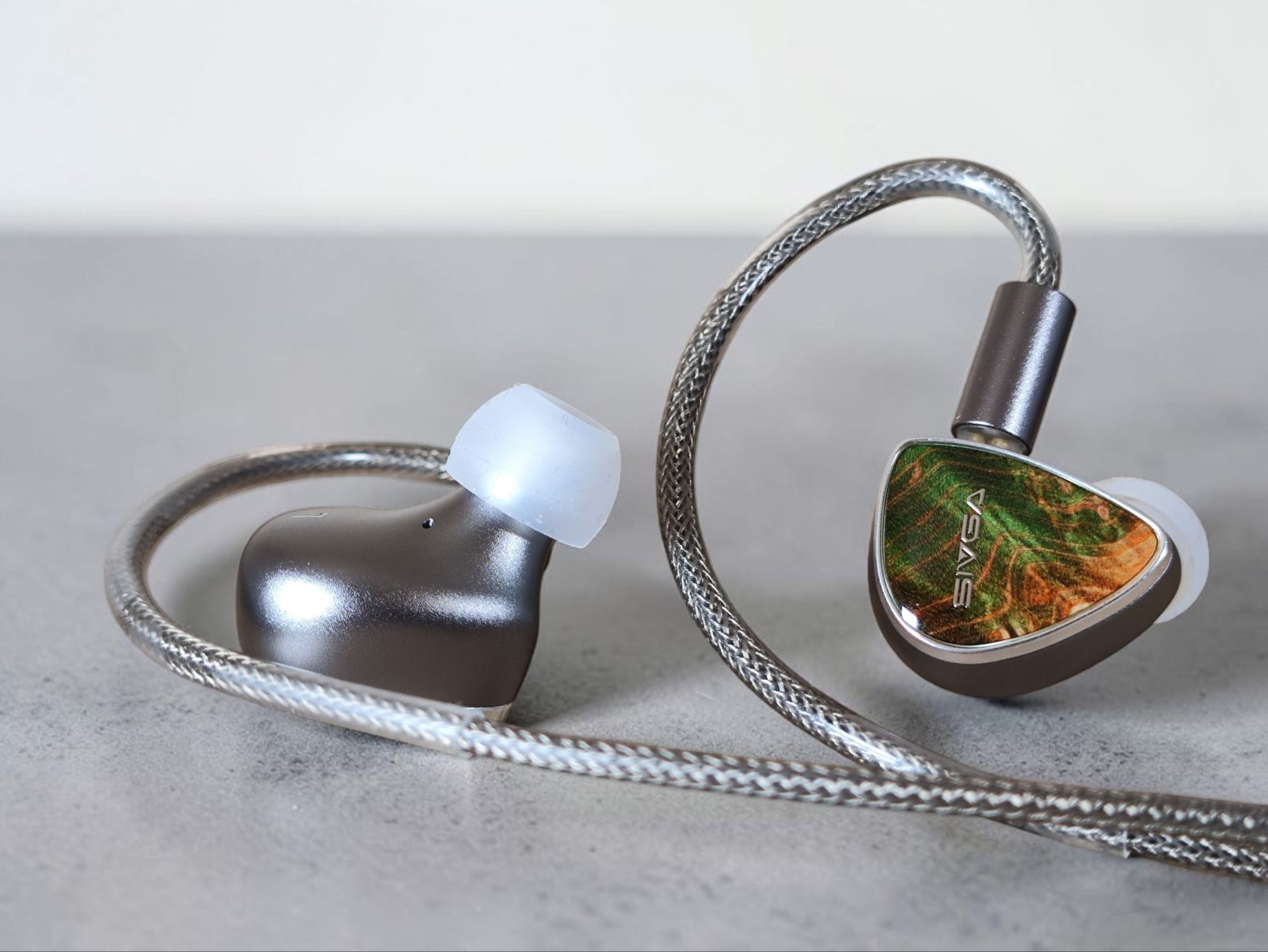
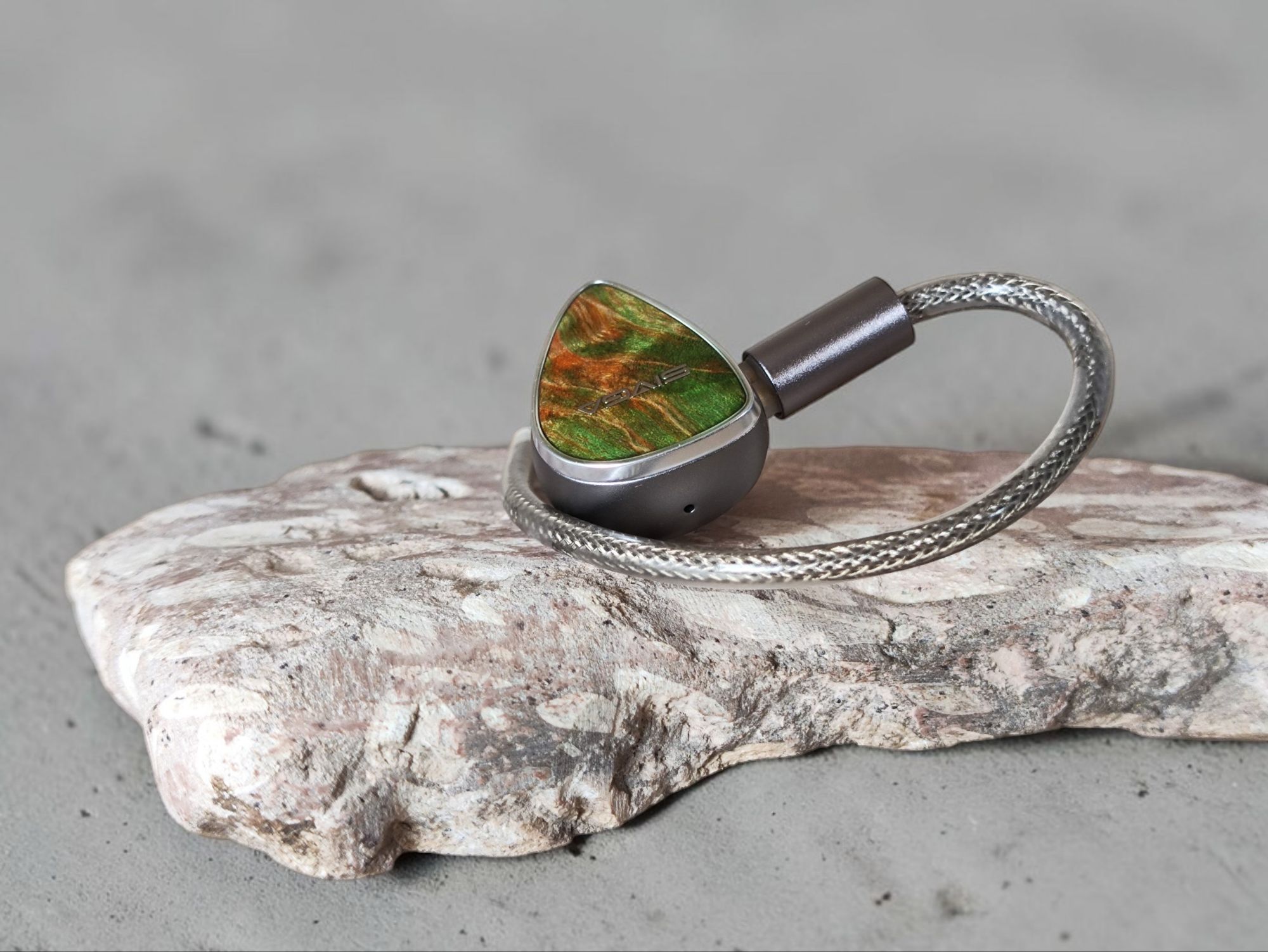
The Lyrebird is a quad-driver hybrid in-ear monitor (IEM) that uses four different driver types. It has an aluminum alloy housing with a wooden faceplate and is currently priced at around 149 USD.
A 10 mm polymer composite dynamic driver handles the bass, a balanced armature driver covers the mids, a micro planar driver takes care of the treble, and a 9.2 mm multilayer piezoelectric ceramic driver handles the ultra-high frequencies.
SIVGA LYREBIRD SPECIFICATIONS
- Type: wooden back IEM
- Driver type: Quad-driver / 4 types
- Driver configuration: 10mm DD + BA + micro planar + 9.2mm piezoelectric ceramic
- Impedance: 14 ohms
- Sensitivity: 108
- Frequency Response: 20 Hz – 20 kHz
- THD ≤ 1% @ 1kHz
- Cable: 120 cm hybrid cable
- Cable termination: 4.4mm balanced
- Connectors: 0.78 mm 2-pin
- “Crazy horse” leather carrying case
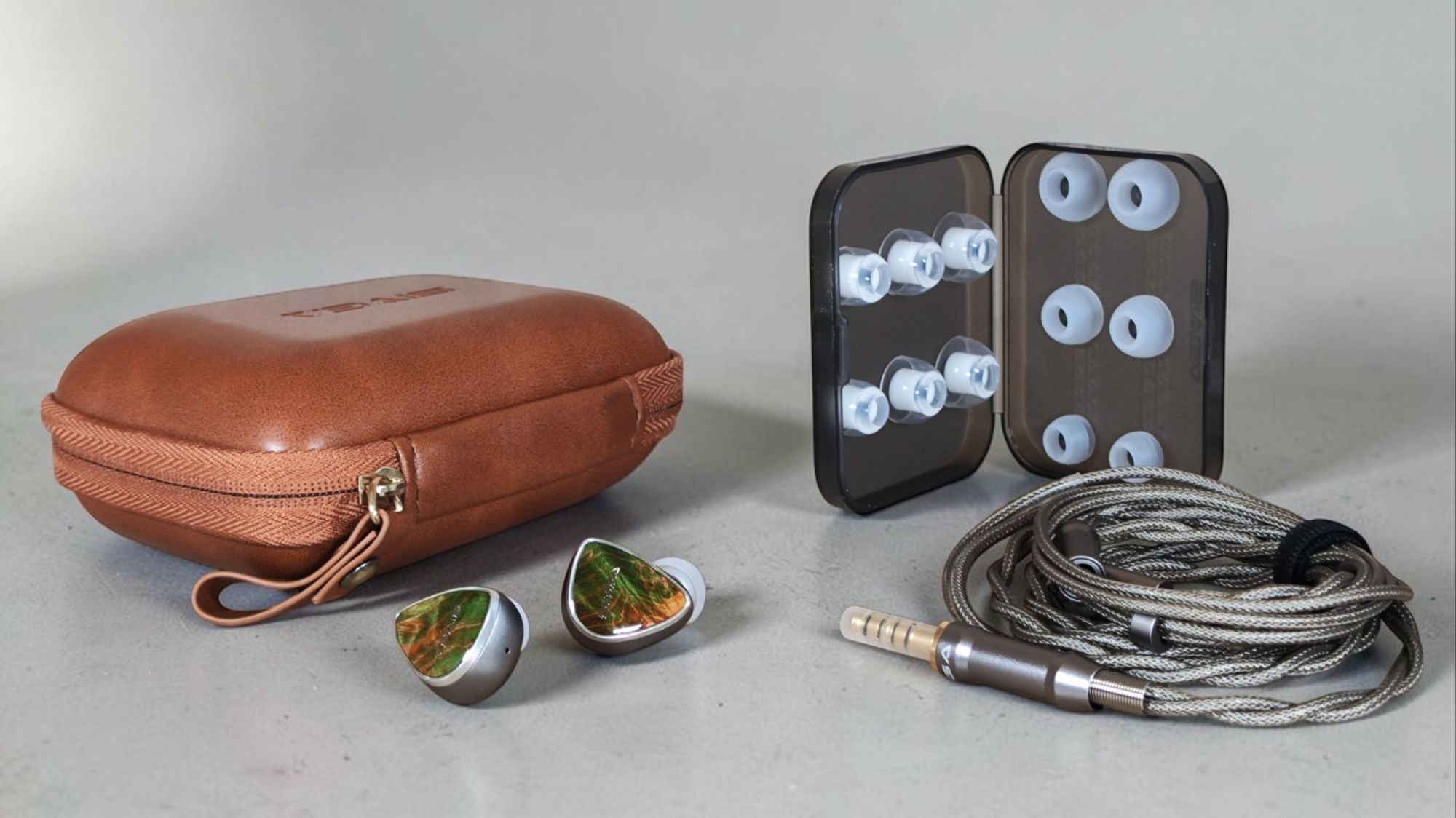
- Ear tips: 7 pairs (two types)
Disclaimer: the review unit was provided in exchange for an honest review.
- Amazon: Sivga Lyrebird
- AliExpress: Sivga Lyrebird
- Sivga: Lyrebird
BUILD AND DESIGN
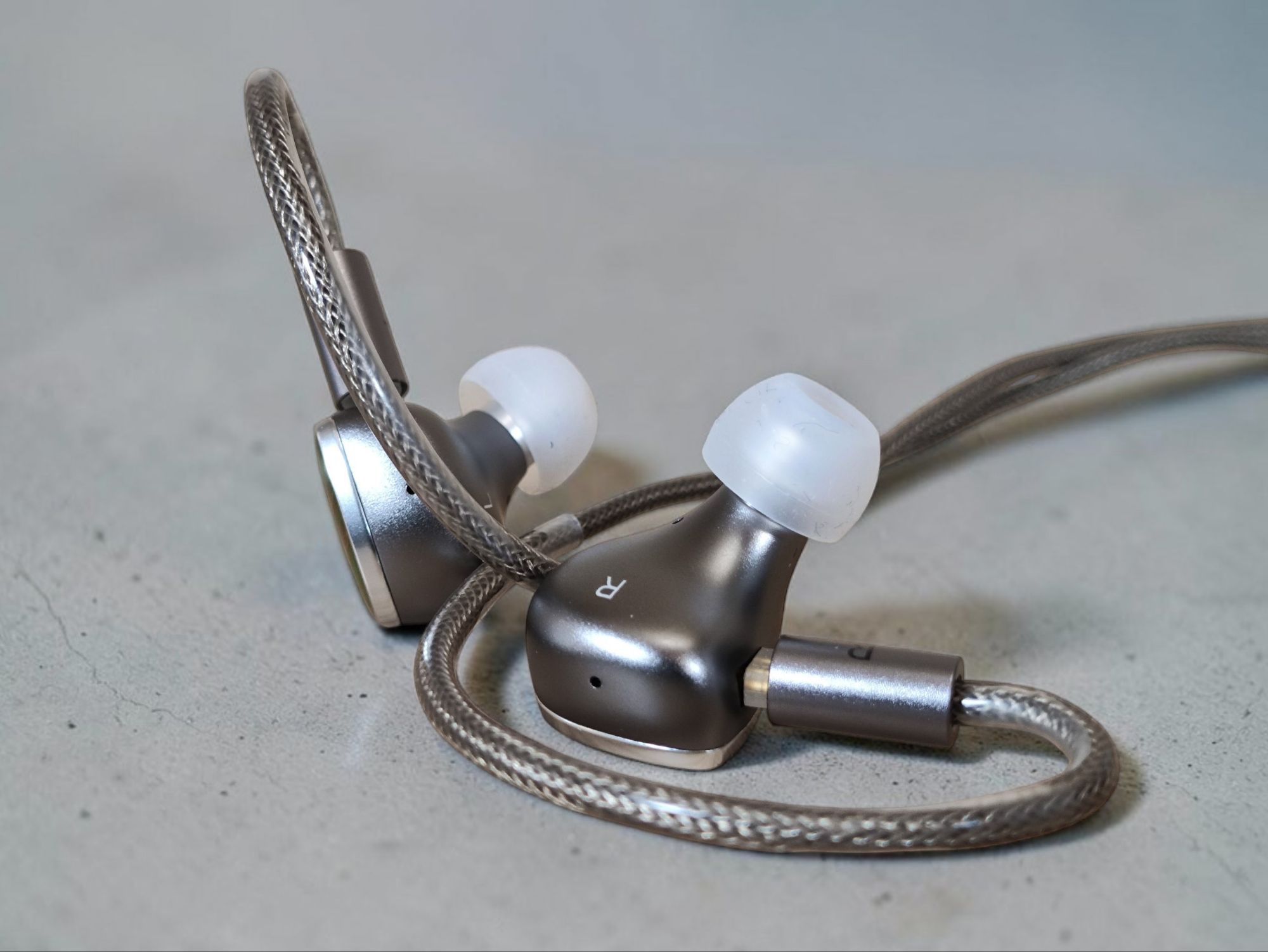
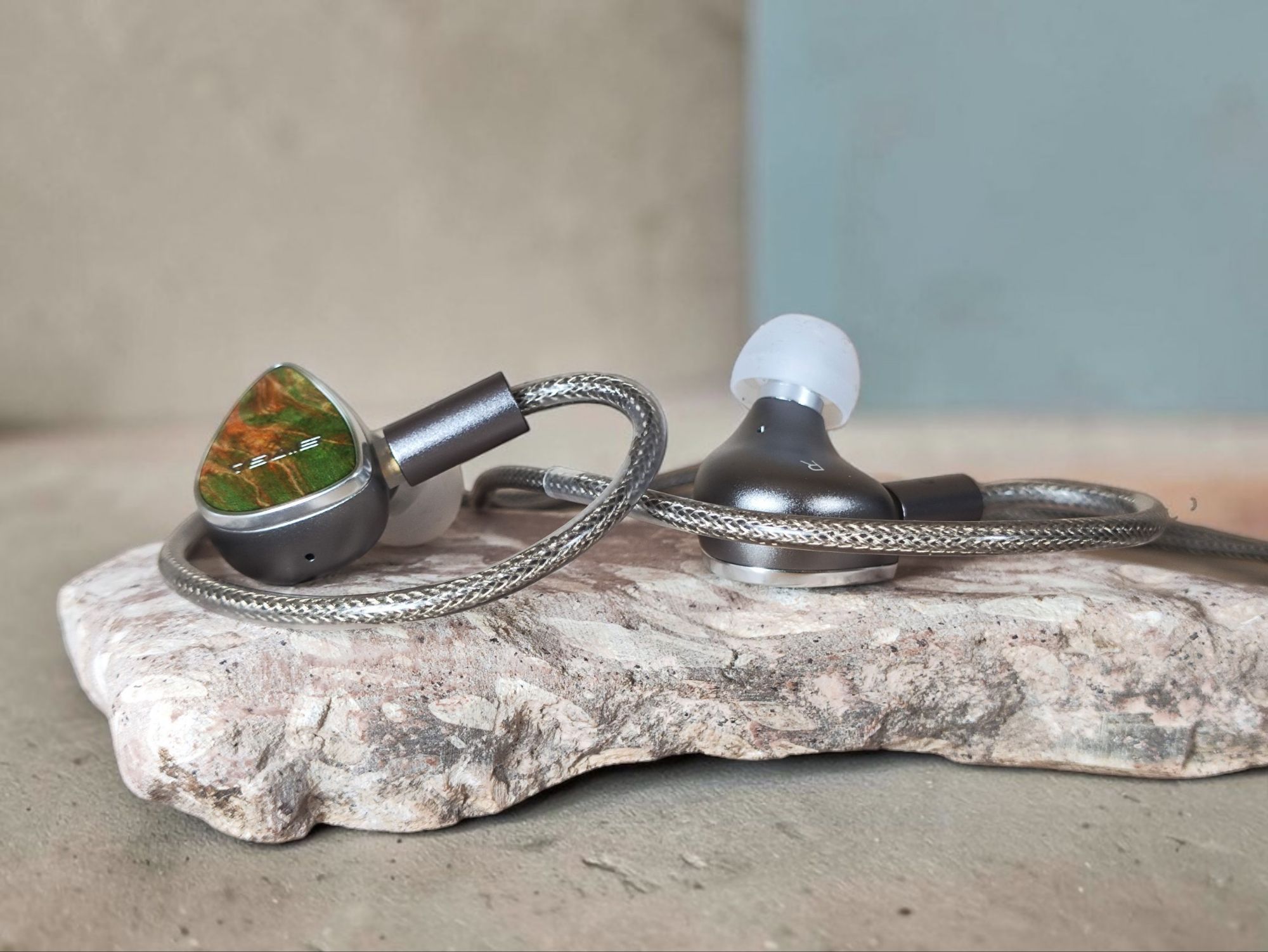
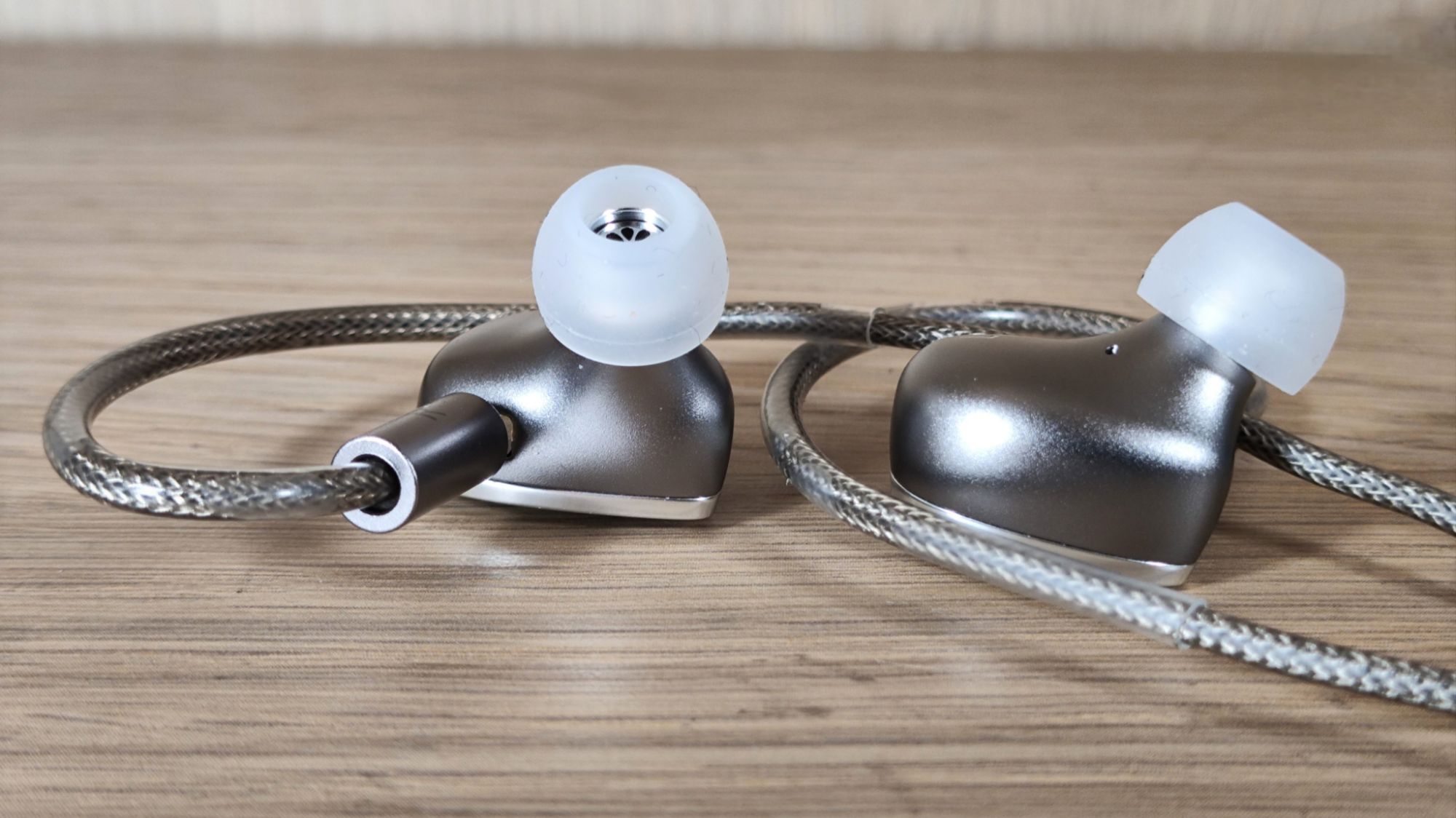
The shells are very similar to Sivga’s other IEMs. They are CNC-machined aluminum alloy housings with wooden faceplates. I find them comfortable.
The cable is a fine-strand hybrid design that blends three types of leads: 30-core Furukawa OFC, 10-core silver-plated copper, and 10-core enameled gold-plated silver-copper. It terminates in a 4.4 mm balanced jack and uses 0.78 mm 2-pin connectors on the IEM side. The cable feels premium and durable, but it’s not the lightest or most flexible cable I have encountered.
A total of seven pairs of ear tips (two types) are supplied, along with a nice “Crazy Horse” leather carrying case.
LISTENING IMPRESSIONS
Associated equipment:
- Amplifier: Topping A90
- DAC/Amp: Ferrum Erco mk2
Limit to Your Love by James Blake
Clear and slightly crisp vocals. The bass is terrific. Most earphones cannot render this bass track very well, but the Lyrebird’s is rich, plentiful, and controlled. Excellent.
For good reason by Marco Locurcio
Delicate with a nice warmth. Excellent instrument separation and imaging.
In the Mountains by Espen Eriksen Trio
The bass is nicely present but not overpowering, the piano is smooth and delicate. Dynamics are excellent, and the percussion is detailed but not sharp.
The Saint by Berke Özcan
The saxophone has a very nice rich timbre that sounds natural and organic, with lots of detail.
Teardrop by Massive Attack
The snare is very snappy, with great dynamics. The bass is nicely warm and the piano is delicate. Everything feels very natural yet exceptionally clear, and nothing is sharp.
Re-Melt by Tord Gustavsen Trio
The bass is perfect, tactile, and present. The soundstage is large and the imaging is excellent. The vocals are nicely clear yet smooth, without sibilance.
The Hidden Camera by Photek
Perfect bass. The percussion is textured and slightly crisp without sounding dry.
Spontaneous Compositorius by Thomas Agergard
The saxophone sounds very natural. The bright percussion is clean but not too sharp. The double bass sounds warm and rich without dominating.
Sujet Tabou by Renaudin and Cahours
This very dynamic track, consisting of just percussion and a guitar, sounds great on the Lyrebird. It feels warm, natural, and organic, with excellent detail and imaging.
Eye of the Day by Marta del Grandi
Wonderfully balanced delivery. The bass isn’t hiding, but it doesn’t overshadow the vocals, which are very natural, with both a suitable dose of warmth and a high level of detail.
Dancing in the Dark by Jørgen Dahl Moe
The vocals here can often sound a bit dry and crisp, but not with the Lyrebird. Very organic and natural, with no sibilance, yet still rich in detail.
Bullet in the Head by Rage Against the Machine
Great bass punch, good tonal balance.
The Dark Inside Of Cabbage by Fire!
Great tonality. Rich bass, natural saxophone, and detailed, bright percussion.
Young Vivaldi by Modo Antiquo
Very natural and organic string timbre, with rich detail.
Summer 3 Vivaldi Recomposed by Max Richter
This track can sound a bit muffled and dark with many headphones. The Lyrebird leans warm, but not dark. The detail level and instrument separation are great.
WRAPPING IT UP
Sound Signature
The Sivga Lyrebird has a warm-leaning, organic sound signature. There’s a nice bass shelf, balanced mids, and clear highs. The Lyrebird sounds natural and engaging on all the music I have tried it with, which is very seldom the case. I rarely encounter such a wonderfully musical tuning.
Treble
The treble is clean and clear. Even though the Lyrebird leans warm, the treble isn’t dark or laid back.
Midrange
The midrange is not the most forward, but it sounds coherent, balanced, and natural, with lots of texture and detail delivered in a slightly warm and smooth manner.
Bass
The bass is of excellent quality. It’s noticeably elevated, but not overly so. I never find it overdone; it just adds punch and warmth to the music.
Soundstage and Imaging
The soundstage is quite large and the imaging is excellent.
Detail, Dynamics, and Timbre
The detail level is high, the dynamics are great, and the timbre feels natural and organic across the frequency range, even though the tuning isn’t totally neutral.
COMPARISONS
Associated equipment:
- Amplifier: Topping A90
- DAC/Amp: Ferrum Erco mk2
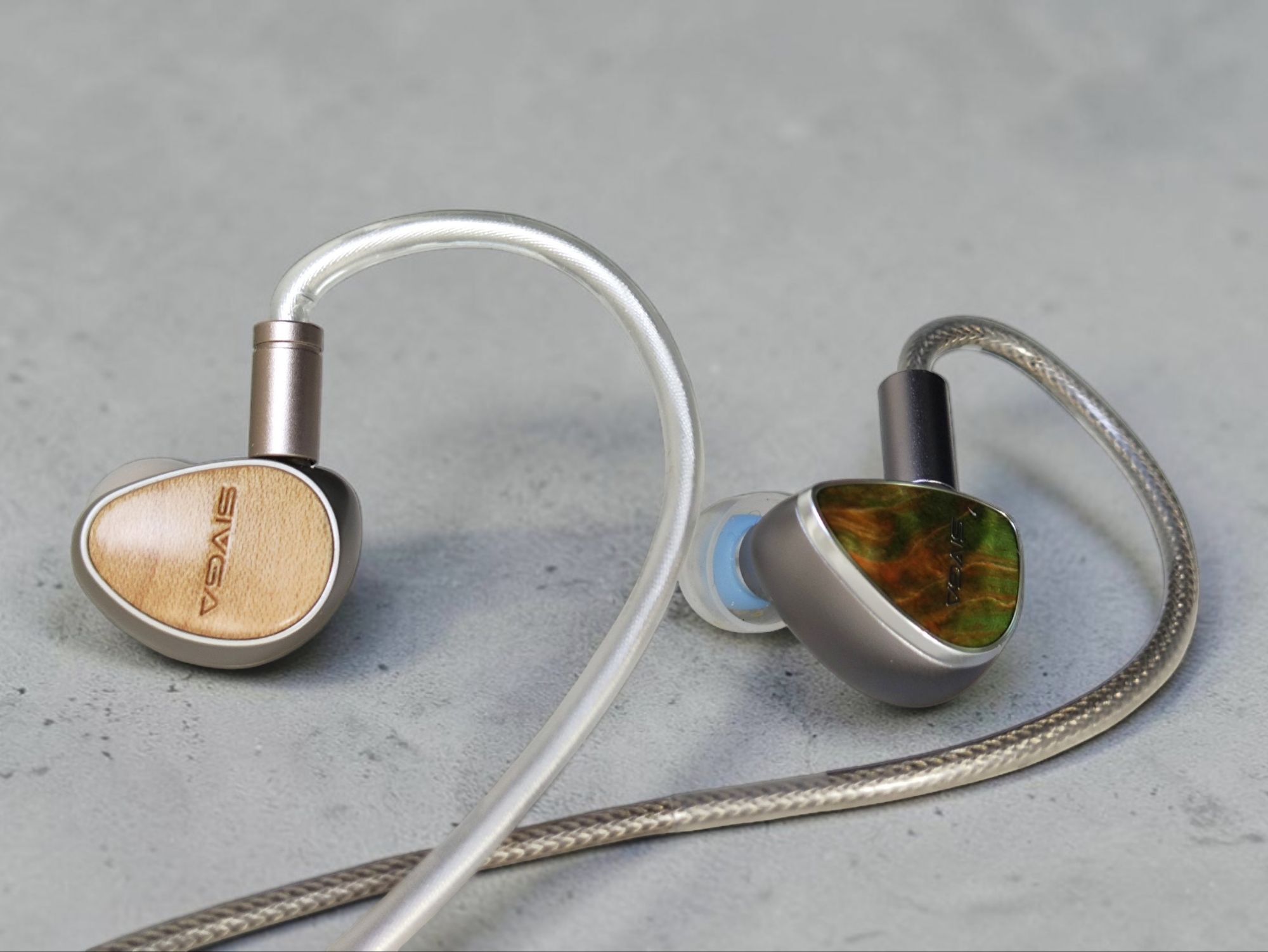
SIVGA QUE vs LYREBIRD
The Sivga Que is a single-driver in-ear monitor (IEM) with a 10 mm dynamic driver and a beryllium-coated diaphragm. At around 75 USD, it is Sivga’s most affordable option.
Comparing the Que and the Lyrebird, it becomes very apparent that the Lyrebird is technically superior, with better detail, imaging, and dynamics. However, the Que is also a very good IEM considering its price, and it has a very pleasurable tuning, smoother and more laid back than the spicier Lyrebird.
You can read my full comparison here:
Sivga Que vs Lyrebird Comparison Review
SIVGA NIGHTINGALE PRO vs LYREBIRD
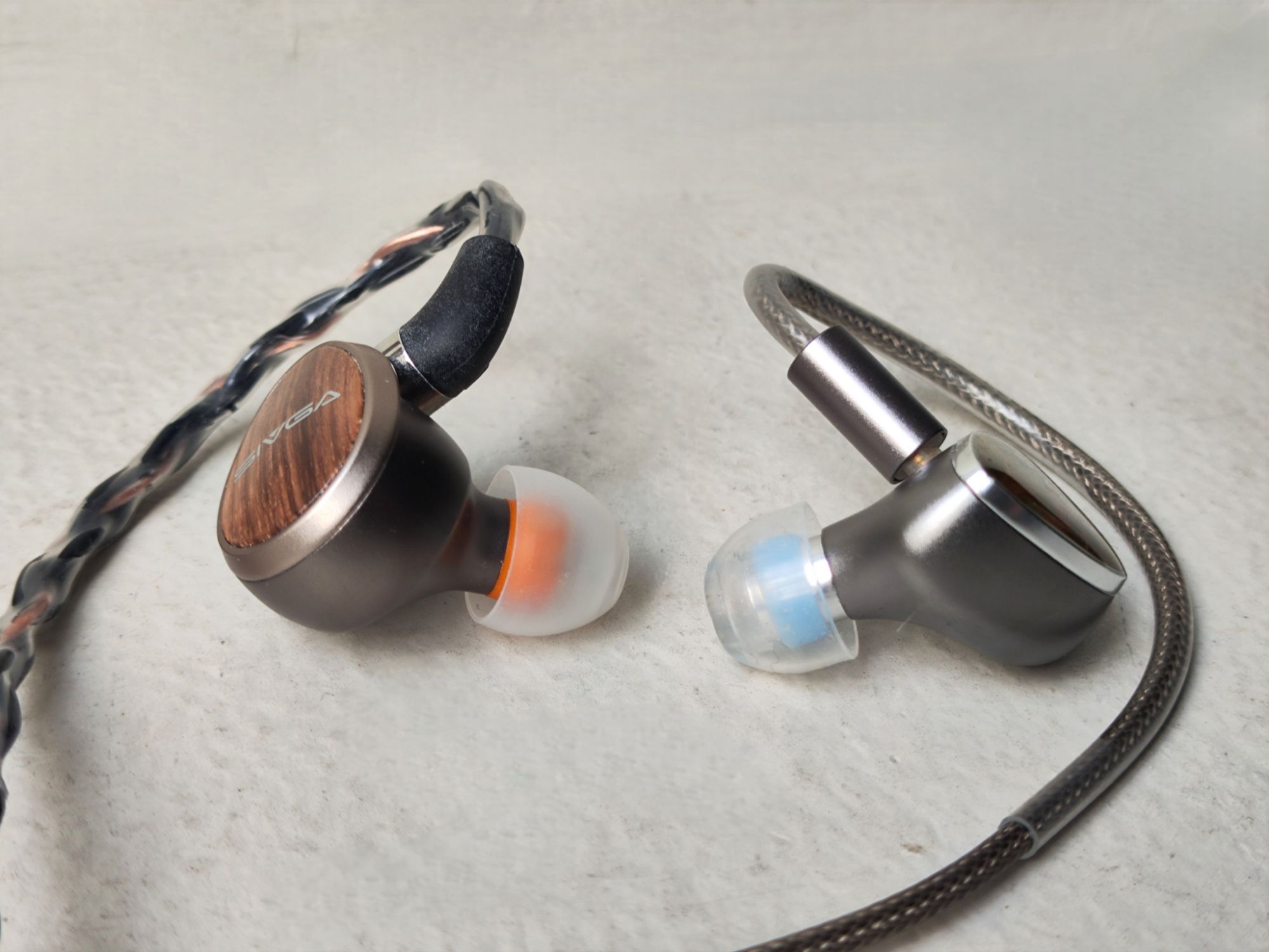
The Nightingale Pro is a single-driver planar magnetic IEM featuring a metal housing, a wooden faceplate, and a 14.5 mm driver. It is typically priced around 269 USD.
The Nightingale Pro is much closer to the Que in tuning than it is to the Lyrebird. However, it is technically more capable than the Que and much closer to the Lyrebird in technical ability. The Nightingale Pro delivers detail in a smoother manner and feels generally richer and fuller compared to the Lyrebird.
You can read my full comparison here:
Nightingale Pro vs Lyrebird Comparison Review
- Amazon: Sivga Nightingale Pro
- AliExpress: Sivga Nightingale Pro
FOSI CARBON 12 vs SIVGA LYREBIRD
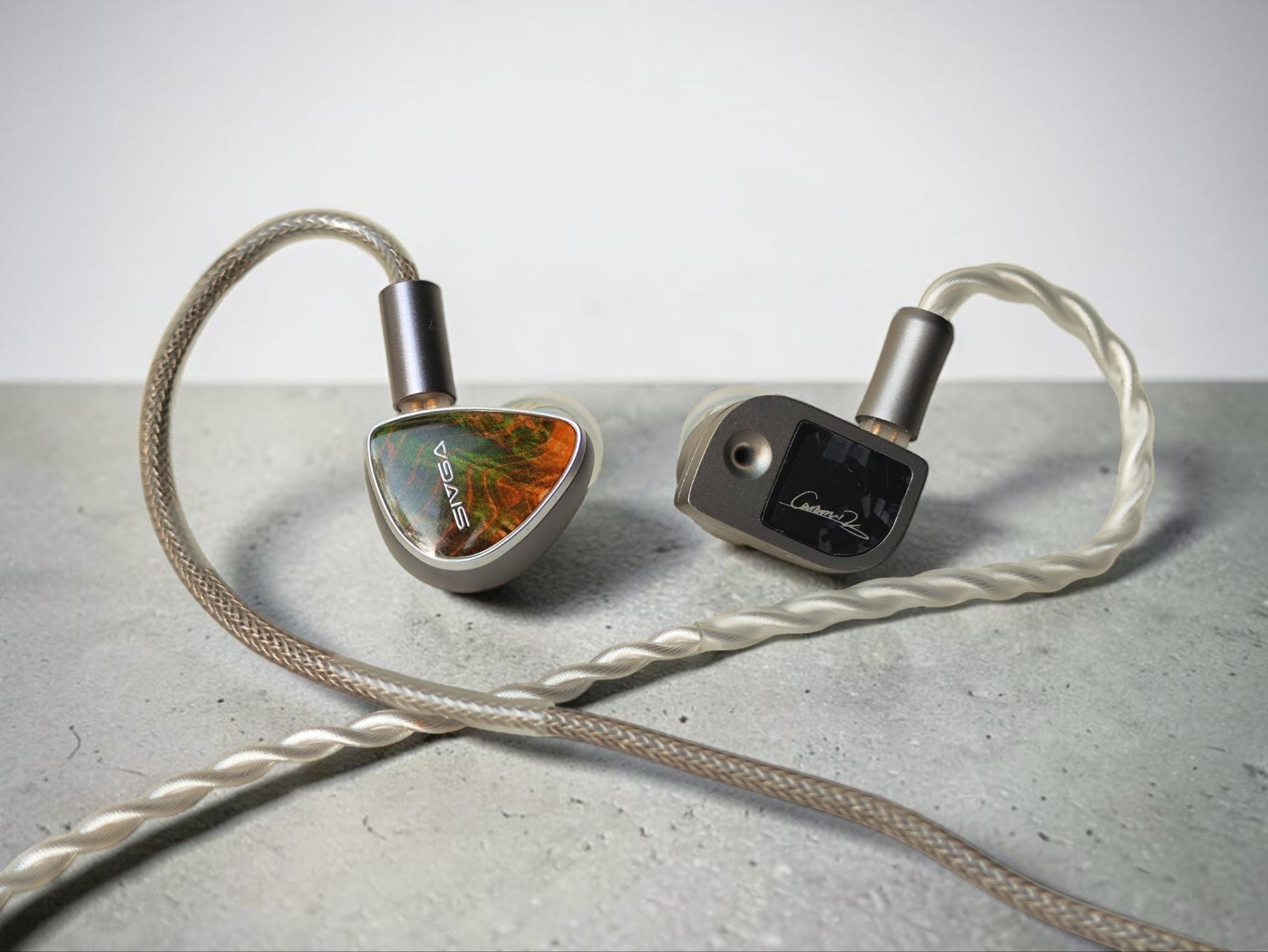
The Fosi Carbon 12 is a single dynamic driver IEM. The driver is 12 mm in diameter and has a carbon based diaphragm. The price is identical to the Lyrebird at 149 USD.
Comparing the Carbon 12 and the Lyrebird, they are relatively similar, and certainly more alike than the Lyrebird is to the Que and Nightingale Pro.
That said, the Carbon 12 sounds more neutral and smoother. It has more forward mids, a slightly more laid-back treble, and a more accurate timbre. The Lyrebird, on the other hand, is a bit spicier and more energetic, with slightly stronger bass and a sharper treble, along with slightly better dynamics and imaging.
You can read my full comparison here:
- Fosi Audio: Carbon12
CONCLUSION
The Sivga Lyrebird is a wonderfully musical IEM that delivers a warm-leaning, organic sound with rich, well-controlled bass, polite but natural mids, and clean, clear treble. Detail, dynamics, and imaging are excellent, and the build quality and comfort are solid.
At 149 USD, it is an easy recommendation.
Thanks for reading. You can support us by purchasing anything using any of our affiliate links.
- Amazon: Sivga Lyrebird
- AliExpress: Sivga Lyrebird
- Sivga: Lyrebird
Any purchase you make on Amazon, Linsoul , AliExpress or Audio46 with any of our affiliate links will give us a small provision at no cost to you.
We only get a provision for items that are not returned, so there’s no incentive for us to recommend something that’s not good.
Linsoul : Headphones, Earbuds, Wireless Earbuds, Desktop DAC/AMP, Portable DAC/AMP, Digital Audio Players,
Amazon: Headphones, IEMs, Headphone Amplifiers, Home Audio or Anything else.
.
If you enjoyed this article or other content on The Headphoneer, you might consider leaving a small donation to keep this website up and running. No donation is too small. Thanks for supporting us!

If you like our work please follow us on Instagram, Facebook and Twitter , it will help us grow. Sharing is caring 🙂