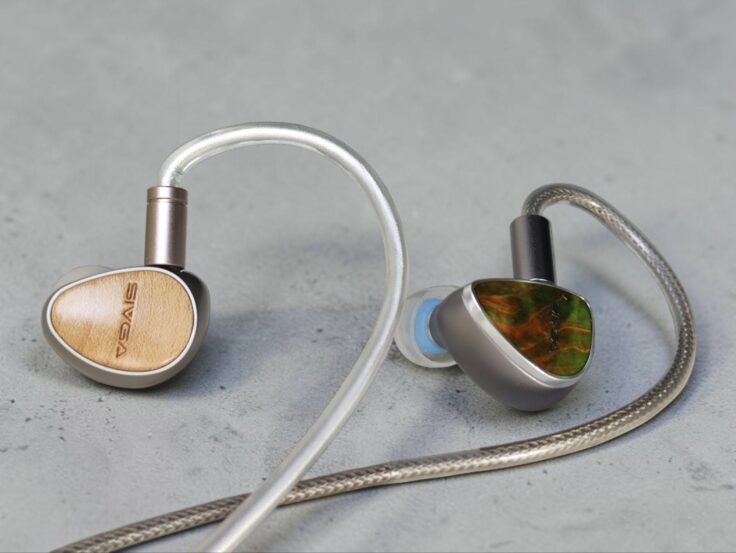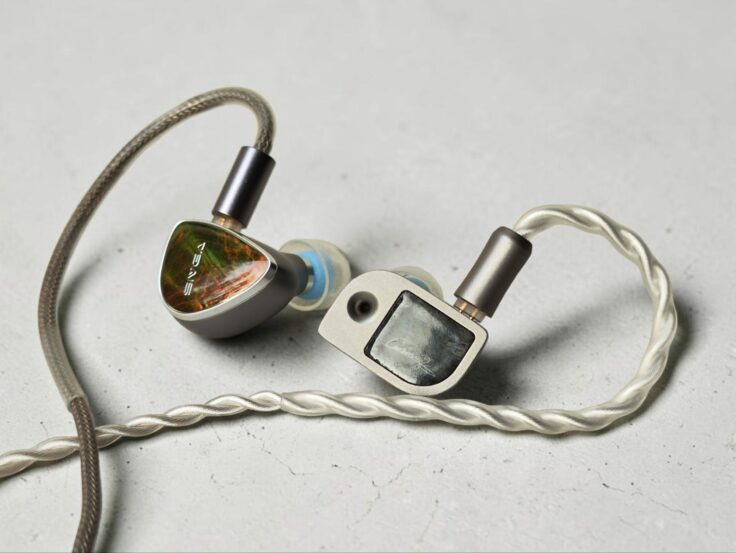

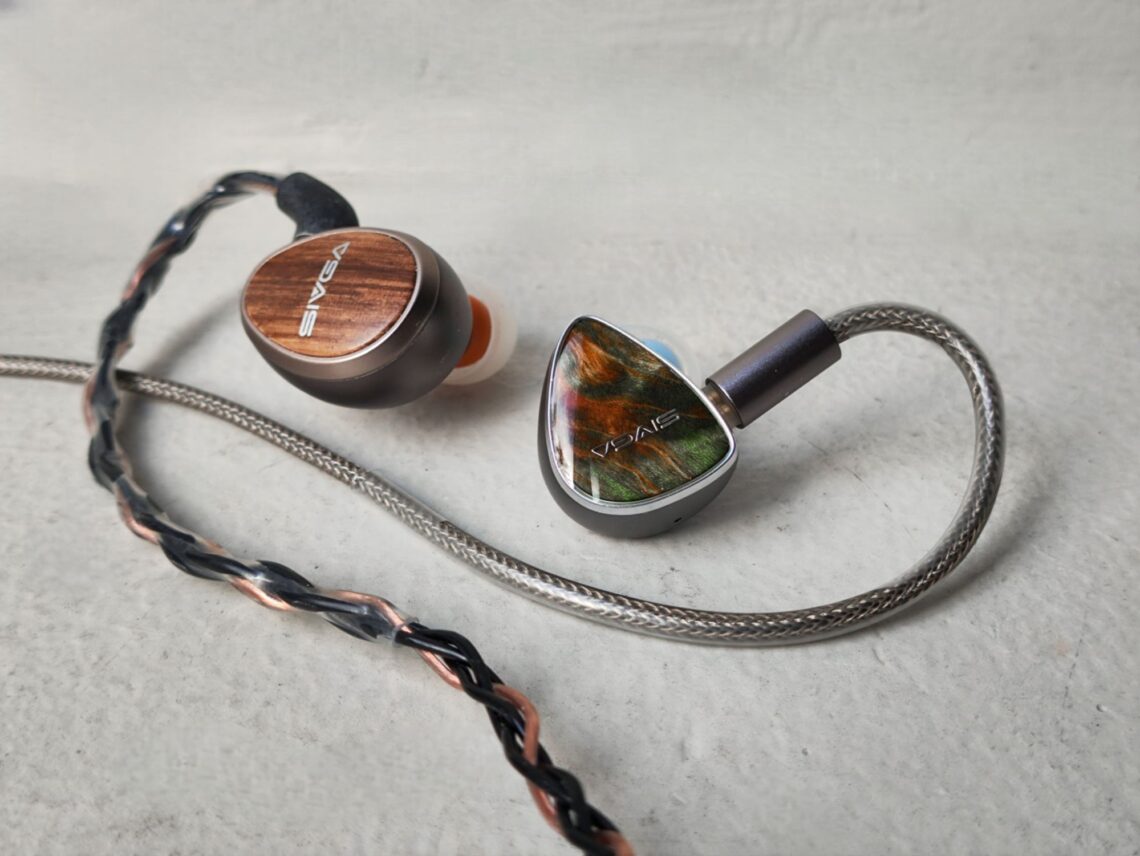
The Sivga Lyrebird is a quad-driver hybrid in-ear monitor (IEM) that uses four drivers of four different types. It has an aluminum alloy housing with a wooden faceplate and is currently priced at around 149 USD.
The Nightingale Pro is a single planar magnetic driver IEM featuring a metal housing, a wooden faceplate, and a 14.5 mm driver. It is typically priced at 269 USD.
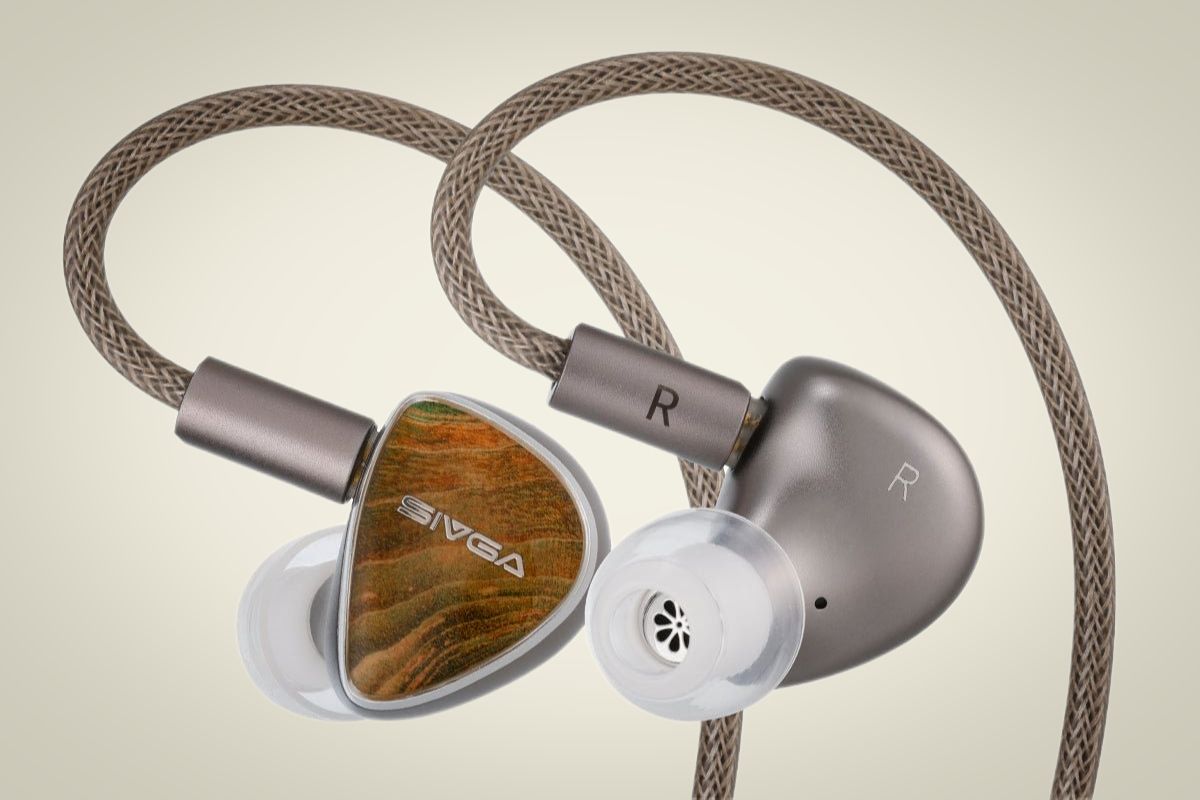
SIVGA LYREBIRD SPECIFICATIONS
- Type: wooden back IEM
- Driver type: Quad-driver / 4 types
- Driver configuration: 10mm DD + BA + micro planar + 9.2mm piezoelectric ceramic
- Impedance: 14 ohms
- Sensitivity: 108 dB
- Frequency Response: 20 Hz – 20 kHz
- THD ≤ 1% @ 1kHz
- Cable: 120 cm hybrid cable
- Cable termination: 4.4mm balanced
- Connectors: 0.78 mm 2-pin
- “Crazy horse” leather carrying case
- Ear tips: 7 pairs (two types)
Current price and availability:
- Amazon: Sivga Lyrebird
- AliExpress: Sivga Lyrebird
- Sivga: Lyrebird

SIVGA NIGHTINGALE PRO SPECIFICATIONS
- Style: In-Ear Monitor
- Driver Type: Planar Magnetic
- Driver Size: 14.5mm
- Frequency Response: 20Hz–40kHz
- Impedance: 16 ohms
- Sensitivity: 107 dB
- Cable Length: 1.25m (±0.2m)
- Connectors: 0.78 mm 2-pin
- Cable termination: 4.4mm Balanced
- Weight: 14g per side
- Real Leather Case
- Tips 2 types in 3 sizes (6 pairs)
Current price and availability
- Amazon: Sivga Nightingale Pro
- AliExpress: Sivga Nightingale Pro
BUILD AND DESIGN
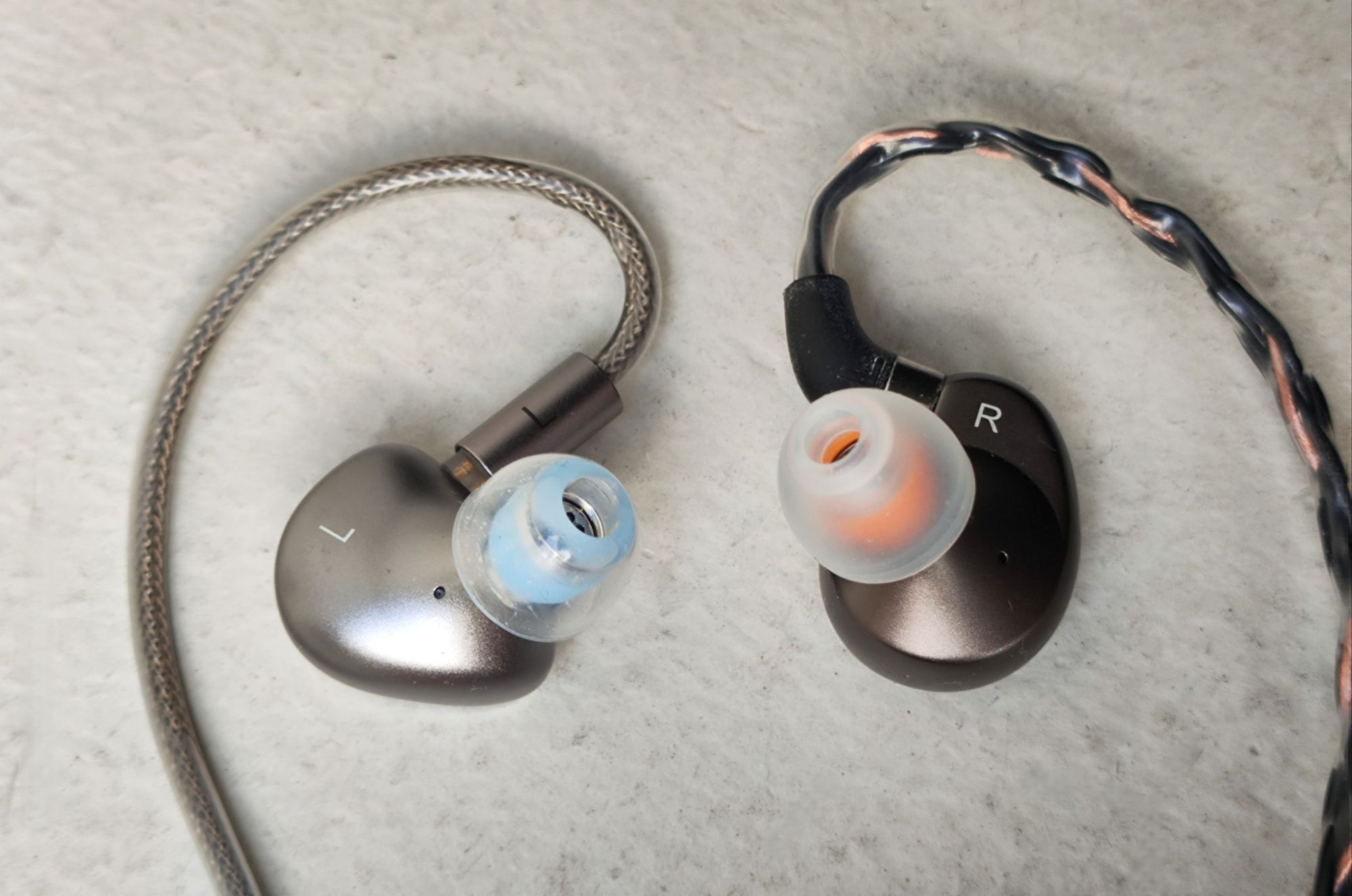
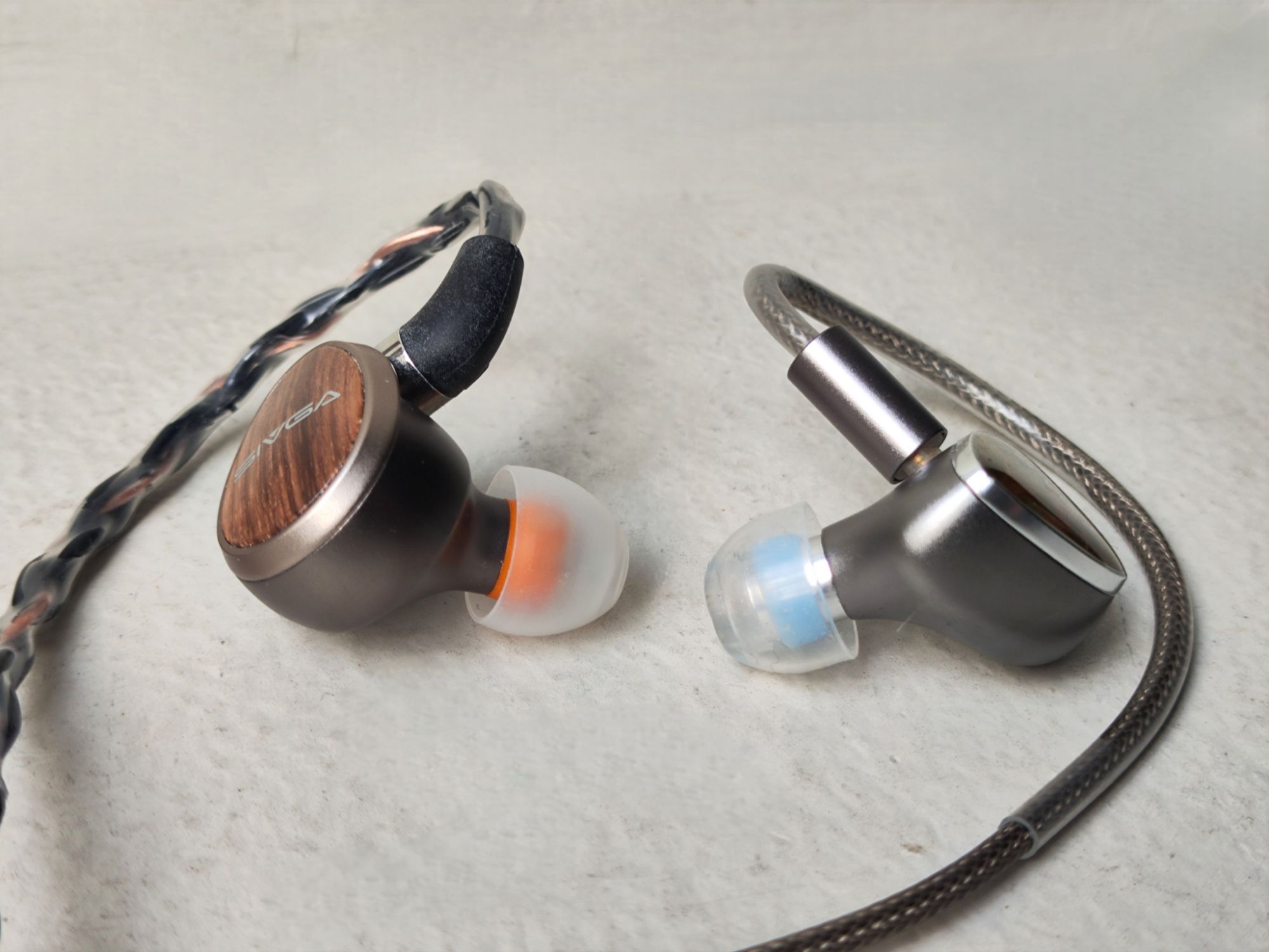
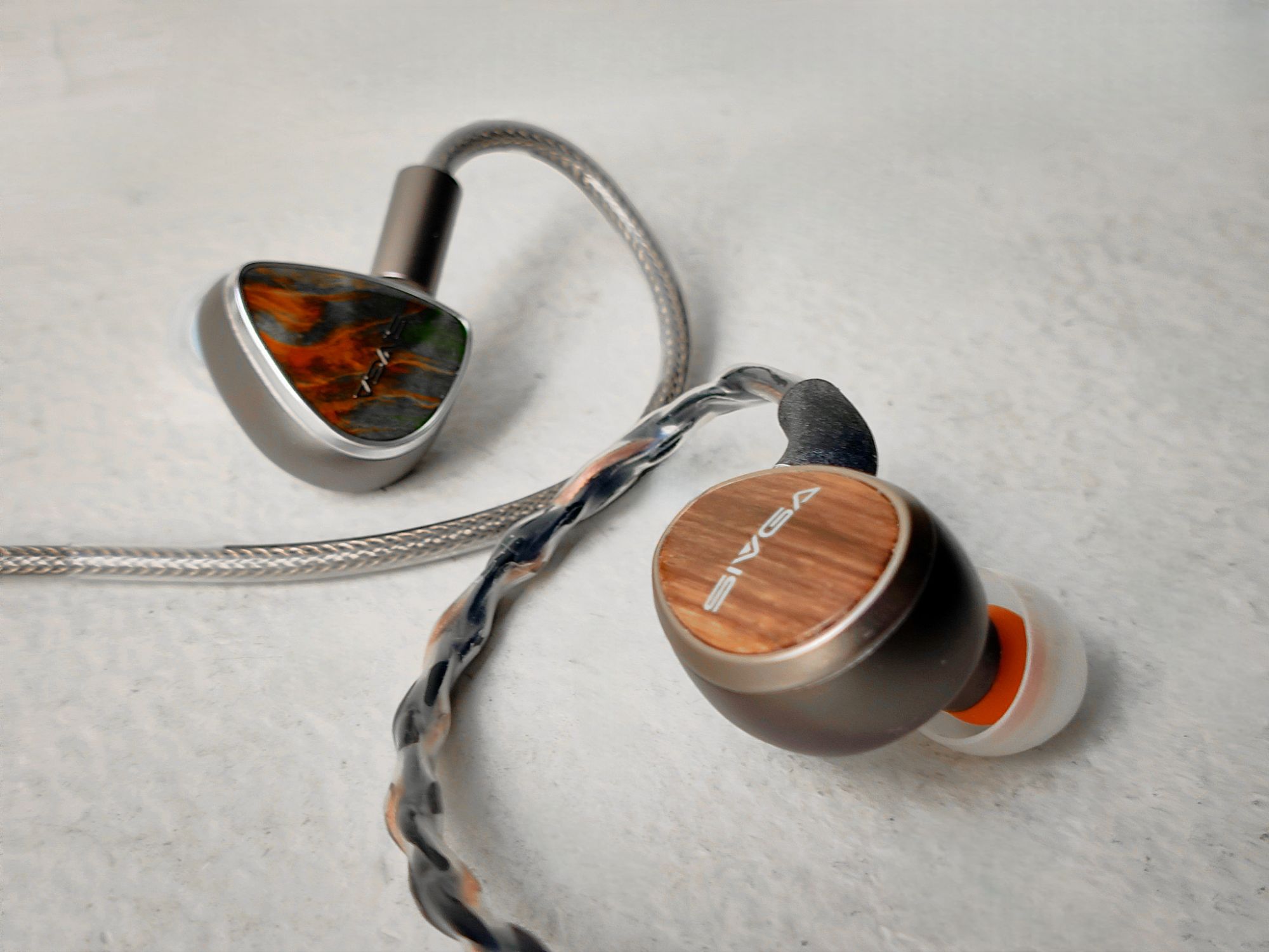
Both the Nightingale Pro and the Lyrebird are metal-shell IEMs with wooden faceplates, and both fit comfortably in my ears.
Both have nice cables, though they differ slightly. Each uses 0.78 mm two-pin connectors, but the Nightingale Pro cable is more flexible and comfortable in use. Both terminate in a 4.4 mm balanced jack.
Both IEMs come with a zippered genuine leather carrying case and a nice choice of ear tips.
LISTENING IMPRESSIONS
Associated equipment:
- Amplifier: Topping A90
- DAC/Amp: Ferrum Erco mk2
For the good reason by Marco Locurcio
The Nightingale Pro is smoother and more laid back, while the Lyrebird is more articulate. The Lyrebird also sounds more spacious and has better imaging.
In The Mountains by Espen Eriksen
Again, the Nightingale Pro is smoother and richer, while the Lyrebird is more articulate, with sharper treble and better instrument separation.
Re-Melt by Tord Gustavsen Trio
The Nightingale Pro sounds great. It is very balanced, rounded, and musical. Switching to the Lyrebird, things become rather different. It sounds more technical and precise, but also spicier. I appreciate both presentations.
Teardrop by Massive Attack
The Lyrebird sounds excellent. It is very snappy and tight, yet with warmth and smoothness. The Nightingale Pro is a bit more laid back and smoother, but still rich in detail.
The Hidden Camera by Photek
The Lyrebird is again snappier and more dynamic. The Nightingale Pro is smoother and more relaxed. It delivers detail in a softer manner, but the detail is still there.
Eye of The Day by Marta del
Both sound excellent. The Nightingale Pro has thicker, warmer and bolder sounding vocals, while the Lyrebird has more textured and polite sounding vocals.
Dancing in the Dark by Jørgen Dahl Moe
The vocals on this track can often sound a bit dry and sharp, but certainly not with the Nightingale Pro. They sound rich and full. The Lyrebird is however drier, thinner, and sharper, but with a more explicit sense of texture.
Vicarious by Tool
The Nightingale Pro is smoother and thicker, while the Lyrebird is again slightly thinner and sharper, but it still has solid bass presence and sounds reasonably warm.
Summer 3 Vivaldi Recomposed by Max Richter
Here they are very different. The Nightingale Pro feels thick and dark, while the Lyrebird is very energetic, much brighter, and more open-sounding. I definitely prefer the Lyrebird here when comparing them back to back.
Destinées by Sophie de Bardonneche
I really enjoy this album, with music mainly composed by Élisabeth Jacquet de La Guerre. The Nightingale Pro sounds very good, with a lushness and warmth that suits the string music.
The Lyrebird replaces that richness with a thinner and more articulate sound. It is spicier, but not as relaxed and delicious. Still, it is very enjoyable and delivers an abundance of articulate detail.
WRAPPING IT UP
Sound Signature
The Sivga Nightingale Pro is lush and warm with a smooth character. The Lyrebird is more V-shaped, with spicier treble, punchier bass, and a slightly recessed midrange.
Treble
The treble is very pleasant with the Nightingale Pro: slightly laid back and smooth. With the Lyrebird, the treble is much spicier. It is sharper and more energetic, which makes details easier to spot and follow. Still, I don’t find it too sharp or fatiguing.
Midrange
The midrange of the Nightingale Pro is warm and lush, often in stark contrast to the more textured but slightly recessed midrange of the Lyrebird, which feels thinner but also more textured and detailed.
Bass
The bass of the Lyrebird is very punchy and of excellent quality. The Nightingale Pro also has great bass, but it is slightly less pronounced and not as tight. Still, it carries a lot of detail – just in a bit smoother manner.
Soundstage and Imaging
The soundstage is larger with the Lyrebird, and the imaging is more pinpointed, with better-defined space between the instruments. On its own, the Nightingale Pro is really good, but in direct comparison it falls short, though not necessarily in a bad way: it feels very coherent and enveloping.
Detail, Dynamics, and Timbre
I find both to be very detailed, but the detail in the Nightingale Pro is smoother and less articulate than in the spicier-sounding Lyrebird.
In terms of dynamics, the Nightingale Pro is not lacking, but in direct comparison the Lyrebird feels more expressive, with greater dynamic contrast.
The timbre differs between the two, and how much depends on the track. The Nightingale Pro is generally richer and fuller-sounding, while the Lyrebird is thinner and sharper, but still manages to sound quite warm and natural.
I really like the way both of them sound even though they’re quite different. Going directly from one to the other can require some time to adapt to the sound signature.
CONCLUSION
Both the Lyrebird and the Nightingale Pro are great IEMs. In terms of technical performance, they are definitely in the same territory. If you want to hear every detail easily, the Lyrebird is probably the better choice. It is more articulate and sharper, with more explicit textures. However, the tonality of the Nightingale Pro is very addictive in its lusher, warmer manner.
I have reviewed three IEMs from SIVGA: the Que, the Nightingale Pro, and now the Lyrebird.
The Que and Nightingale Pro are very similarly tuned, but the Nightingale Pro offers more detail and precision. The Lyrebird has a totally different tuning, but with excellent technicalities.
Thanks for reading. You can support us by purchasing anything using any of our affiliate links.
- Amazon: Sivga Lyrebird
- AliExpress: Sivga Lyrebird
- Sivga: Lyrebird
- Amazon: Sivga Nightingale Pro
- AliExpress: Sivga Nightingale Pro
Any purchase you make on Amazon, Linsoul , AliExpress or Audio46 with any of our affiliate links will give us a small provision at no cost to you.
We only get a provision for items that are not returned, so there’s no incentive for us to recommend something that’s not good.
Linsoul : Headphones, Earbuds, Wireless Earbuds, Desktop DAC/AMP, Portable DAC/AMP, Digital Audio Players,
Amazon: Headphones, IEMs, Headphone Amplifiers, Home Audio or Anything else.
.
If you enjoyed this article or other content on The Headphoneer, you might consider leaving a small donation to keep this website up and running. No donation is too small. Thanks for supporting us!

If you like our work please follow us on Instagram, Facebook and Twitter , it will help us grow. Sharing is caring 🙂